Carola Birk is a Researcher at the Institute of Biomechanics and Orthopaedics, German Sport University Cologne, where she investigates human movement dynamics in sports contexts. Previously associated with the Institute of Movement and Neuroscience, her work bridges biomechanics and orthopaedics with applications in elite athletics and rehabilitation. Her research focuses on: Biomechanical analysis of sports movements (e.g., cycling, boxing) Kinetic and kinematic profiling of athletes Orthopaedic implications of athletic performance Individual variability in movement patterns Birk's recent publications emphasize case-specific biomechanics in handcycling and force dynamics in boxing. Her studies employ advanced measurement techniques to evaluate muscular activity, impact forces, and movement efficiency, contributing to sports performance optimization and injury prevention frameworks. As a thesis reviewer, she evaluates graduate research on gait analysis in athletes with achondroplasia and sprint mechanics in individuals with short stature, supporting academic development in sports science. She collaborates extensively with researchers at the German Sport University Cologne, including specialists in sports informatics, movement neuroscience, and gerontology.
Teresa Romão is an Associate Professor at the Department of Computer Science, Faculdade de Ciências e Tecnologia, Universidade Nova de Lisboa (FCT/UNL), Portugal, a position she has held since October 2007. She is also an integrated researcher at the NOVA Laboratory for Computer Science and Informatics (NOVA LINCS), contributing to cutting-edge research in human-computer interaction and related fields. Romão earned her PhD with a dissertation titled 'Multidimensional Visualisation of Spatial Information - Improving Data Accessibility and Perception,' with part of her research conducted at the Vrije Universiteit in Amsterdam. Prior to her current position, she served as Assistant Professor at the Universidade de Évora, where she taught in the Computer Science Department. Her research spans Human-Computer Interaction (HCI), multimedia systems, augmented reality, mobile storytelling, ubiquitous computing, and persuasive technology. Romão's work consistently explores how technology can enhance user experiences across diverse domains including education, sports, healthcare, and cultural heritage. She has made significant contributions to understanding how interactive systems can influence behavior change, particularly in environmental awareness and physical activity contexts. Her research often involves developing innovative frameworks that integrate multiple technologies to create seamless, engaging user experiences that address real-world challenges. Analysis of her recent publications reveals a strong focus on immersive technologies, particularly virtual and augmented reality applications for education, sports, and healthcare. Her work demonstrates a consistent trajectory toward more sophisticated integration of visual aesthetics with persuasive technology, especially in health and wellness contexts. The research shows increasing collaboration across disciplines, with publications spanning computer science, design, psychology, and domain-specific fields like sports science and cultural heritage. BEST POSTER AWARD at Persuasive Technology 2017 for 'Does Beauty Matter in Behavior Change?' Editorial board member of Frontiers in ICT – Human-Media Interaction since 2014 Extensive publication record in top venues including CHI, UIST, MobileHCI, INTERACT, and ACE Romão has supervised 4 PhD and 25 MSc students to completion while currently guiding 5 PhD and 5 MSc students. Her research has been supported by numerous national and European funding agencies including FCT/MCTES and Horizon 2020, with projects spanning environmental awareness systems (DEAP), urban regeneration through culture (T-Factor), augmented reality for emergency response (AudaCidade), and medieval manuscript color analysis (COLOUR IN MEDIEVAL ILLUMINATED MANUSCRIPTS). She serves on the Digital Media Ph.D. Scientific Committee for the UT/Austin-Portugal Program and the MIEI Scientific Committee at FCT/UNL. As a member of NOVA LINCS, Romão contributes to a vibrant research ecosystem focused on advancing computer science and informatics. Her work frequently involves interdisciplinary collaboration, bringing together researchers from diverse fields to tackle complex challenges in human-technology interaction. She has been instrumental in establishing research networks through her extensive conference organization activities, including serving on the Steering Committee of the International Conference on Advances in Computer Entertainment (ACE) from 2012-2017 and chairing numerous program committees for major HCI conferences.
Anders Tungeland Gjerdrum is an Associate Professor at the Department of Informatics, UiT The Arctic University of Norway. He is a member of the Cyber Security Group (CSG) and contributes to the field of cybersecurity through research and teaching. His work focuses on trusted computing, cloud security, and privacy-preserving technologies. Department: Informatics University: UiT The Arctic University of Norway Research Group: Cyber Security Group (CSG) Research Interests: Anders specializes in cybersecurity, particularly in trusted computing , Intel SGX , and privacy enforcement in cloud and eHealth systems. His work addresses challenges such as: Secure function hosting in cloud environments Performance optimization of trusted execution environments Enforcement of use-based privacy policies Secure analytics on sensitive data Database security in mutually distrusting systems Dynamic application configuration in asymmetric architectures His publications highlight trends in trusted computing and privacy-preserving frameworks , often leveraging Intel SGX for secure data processing. Collaborative efforts with Dag Johansen, Håvard D. Johansen, and other Norwegian researchers dominate his co-authored works.
Dr. Jeannette M. Peréz Rosselló serves as a Staff Radiologist in the Department of Radiology at Boston Children's Hospital and holds an academic appointment as Assistant Professor of Radiology at Harvard Medical School. Her clinical practice focuses on pediatric musculoskeletal imaging with subspecialty expertise in diagnosing complex sports injuries, skeletal tumors, dysplasias, and maltreatment injuries, particularly through advanced radiographic interpretation across all imaging modalities. Her educational trajectory includes: Undergraduate: Cornell University (1991) Medical Degree: University of Rochester Medical School (1995) Internship: Internal Medicine, St. Elizabeth's Medical Center (1996) Residency: Radiology, Mt. Auburn Hospital (2000) Fellowship: Pediatric Radiology, Boston Children's Hospital (2002) Dr. Peréz Rosselló's research program centers on forensic radiology for child abuse diagnostics and innovative imaging protocol development . She has pioneered whole-body MRI techniques for soft tissue injury assessment in abused infants and optimized digital skeletal survey protocols for maltreatment cases. Her work integrates AI-driven methodologies including convolutional neural networks for low-dose CT reconstruction and motion-robust abdominal MRI, significantly reducing radiation exposure while maintaining diagnostic accuracy in pediatric populations. Analysis of her 2014-2025 publications reveals two dominant research streams: (1) Forensic applications focusing on rib fracture chronology in infant abuse, differentiation of abuse-related injuries from metabolic bone diseases like rickets, and development of systematic fracture reporting tools; (2) Technical innovations in diffusion-weighted MRI and low-dose CT using advanced computational models. These streams converge in her development of radiation-sparing protocols customized to pediatric physiological profiles. Nationally recognized for her expertise, Dr. Peréz Rosselló served as Chair of the Child Abuse Committee of the Society for Pediatric Radiology, collaborating with the American Academy of Pediatrics and American College of Radiology to establish imaging standards. She maintains active clinical collaboration with Boston Children's Hospital's child abuse team, providing radiological expertise for complex maltreatment cases while contributing to institutional and national policy development.
Charlotte Wiberg is Professor at the Department of Informatics, Umeå University, Sweden. She is active in the Digital Interaction and Design research group and conducts her research at MIT-huset, Campustorget 5, Umeå. Education: No explicit educational degrees are listed in the provided materials. Research Interests: Charlotte’s work lies at the intersection of Human-Computer Interaction and game design . She investigates how digital technologies can foster physical activity through Sports IT and digital wellness applications, explores mobile HCI in its third wave, and develops usability and user-experience frameworks for games and interactive media. Her interests also include cross-media interaction design , persuasive technologies , and entrepreneurial strategies for social-media innovation. Across nearly two decades of publications, Charlotte has consistently advanced methods for evaluating fun and entertainment , proposed game-usability heuristics (PLAY), and introduced Game Approachability Principles (GAP) to lower barriers for novice players. Her research output spans journals such as International Journal of Mobile Human Computer Interaction and conferences including CHI, Interact, and ECSCW, reflecting a strong interdisciplinary emphasis combining computer science, design, psychology, and health sciences. Scientific Awards & Recognition: No specific awards, fellowships, or medals are mentioned in the supplied text. Advising & Grants: No formal list of PhD or Master’s students is provided, and grant details are absent. Labs & Teams: Charlotte is affiliated with the Digital Interaction and Design research group within the Department of Informatics at Umeå University.
Khoroshev Sergey Alexandrovich is a Senior Lecturer in the Department of Applied Informatics at the College of Natural Sciences and Humanities, Siberian Federal University. His current role involves teaching subjects related to Physical Education and Sports, reflecting his qualification as a Physical Education teacher and Basketball coach. The department is part of the Khakass Technical Institute, a branch of Siberian Federal University. Education: East Kazakhstan State University (2001), Qualification: Physical Education Teacher, Basketball Coach. Research and Teaching Interests: His work spans Applied Informatics and Physical Education, combining technical and sports-related disciplines within the humanities and sciences framework. Professional Development: Completed the SibFU Corporate Services program in 2023, enhancing his expertise in institutional systems.
Krzysztof Kluza is an Assistant Professor at the Department of Applied Informatics, Faculty of Electrical Engineering, Automatics, Computer Science and Biomedical Engineering at AGH University of Science and Technology in Krakow, Poland. He is also a member of the KRaKEn research group and previously served as Deputy Dean for Education from 2016 to 2020. His educational background includes a Master of Science in Automatics & Robotics from AGH University, a Master of Arts in Cultural Studies from Jagiellonian University, postgraduate studies in Contemporary China at Jagiellonian University, and a Masters of Didactics Program at University College London. Dr. Kluza's research focuses on the intersection of artificial intelligence and business process management. His work explores how AI technologies, particularly Large Language Models, can enhance business process modeling, analysis, and education. He has made significant contributions to process mining, knowledge representation, and the integration of business rules with process models. His recent publications show a strong emphasis on AI applications in business process management, with particular focus on educational contexts and sustainability. The research spans multiple domains including food computing, music informatics, disaster management, and biomedical engineering applications. Dr. Kluza has been actively involved in academic service, having served as Secretary of the board of the Polish Artificial Intelligence Society from 2009 to 2017 and as Vice President of the Creativity and Innovation Lab Foundation from 2014 to 2019. His interdisciplinary approach bridges computer science, business process management, and educational theory, making significant contributions to both academic research and practical applications in business process modeling and analysis.
Dr. Jakub Yaghob is a researcher at the Faculty of Mathematics and Physics , Charles University , specializing in computer science and parallel computing. He teaches advanced programming topics including Compiler Principles , Parallel Programming , and Cloud Computing . Research Interests : Parallel data stream processing, virtualization technologies, semantic web infrastructures, and performance optimization Teaching : Advanced C++ programming, virtualization administration, and computer systems architecture Technical Expertise : Design of parallelization frameworks, astrophysical data analysis, and hybrid CPU-GPU systems His publications focus on: Optimizing stream data processing across distributed architectures Developing domain-specific languages like Bobolang Performance evaluation in educational programming contexts Applications of parallel computing in astrophysics
Johannes Martinek serves as Professor and Program Director for the Bachelor's program in Biomedical Engineering and Master's program in Healthcare and Rehabilitation Technology at the University of Applied Sciences Technikum Wien. He has held lecturing roles at the institution since 2004 and became a full lecturer in 2008, concurrently serving as Deputy Program Director for Healthcare and Rehabilitation Technology since 2007. His academic credentials include: PhD in Modeling and Simulation from Vienna University of Technology (Department of Biomedical Engineering and Physics, Vienna Medical School) Master's degree in Technical Mathematics from Vienna University of Technology, specializing in Mathematical Computer Sciences Professor Martinek's research centers on Applied Informatics within Biomedical Engineering and Sports-Equipment Technology, with emphasis on Rehabilitation Technology development and Biomedical Informatics coordination. His work integrates computational modeling for healthcare applications, particularly in mobility assistance systems and medical data analysis, reflecting his dual expertise in engineering and clinical contexts. No scientific awards were documented in the provided materials. He actively supervises Bachelor's and Master's theses across Biomedical Engineering, Sports-Equipment Technology, and Rehabilitation Technology domains, while coordinating the Department of Biomedical Engineering's Biomedical Informatics initiatives. His advisory scope includes project supervision in rehabilitation technology development and thesis guidance for student research in medical device innovation.
Dr. Martina Baumann is a Scientific Associate at the Institute for Technology Assessment and Systems Analysis (ITAS) within Karlsruhe Institute of Technology (KIT) and concurrently holds a Research Associate position at Radboud University Nijmegen's Institute for Science in Society. Her multidisciplinary background includes a Master's in Molecular Biotechnology and Philosophy of Science from the Technical University of Munich, where she explored the intersection of art, science communication, and technology ethics. Research Focus Baumann's research centers on ethical and societal implications of emerging technologies, with emphasis on: Health Technology Assessment : Evaluating prosthetic care accessibility and policy frameworks in Germany Applied Ethics : Investigating bioethical challenges in genomics, AI, and medical technologies Consumer Health Technologies : Analyzing user behavior, data privacy, and societal trends in digital health Responsible Innovation : Developing ethical guidelines for autonomous systems and bio-manufacturing Project Leadership She actively contributes to EU and national initiatives including: STIMULUS (current) – Ethical frameworks for emerging tech IANUS (current) – Societal aspects of novel technologies DaDuHealth (completed) – Managed project on health data governance FUTUREBODY/VI-DAS (completed) – Autonomous vehicle ethics Publication Trends Her 15 most recent publications (2023-2025) demonstrate: Dominant focus on prosthetic care ethics and health technology policy Emerging work on consumer health data privacy and self-tracking behaviors Sustained interest in technology governance for AI, robotics, and bioengineering Methodological emphasis on empirical ethics and qualitative stakeholder analysis Affiliations She leads research within ITAS's Health and the Technization of Life group, collaborating across institutions like Radboud University. Professional networks include active participation in European TA conferences and health technology assessment forums.
DZOUFRAS IOANNIS is a Professor in the Department of Statistics at the Athens University of Economics and Business (AUEB), affiliated with the School of Information Sciences and Technology. He has held this position since December 2015 and has previously served as Assistant Professor (2004-2011) and Lecturer at multiple institutions. Education: PhD in Statistics (AUEB, 1999) Master's in Statistics (University of Southampton, 1995) BSc in Statistics & Actuarial Science (University of Piraeus, 1994) His research focuses on Bayesian and computational statistics, emphasizing categorical data analysis, model building, variable selection methodology, and applications to medical research, psychometrics, and sports data. His work has appeared in top journals like Bayesian Analysis , Statistics and Computing , and Psychometrika . Scientific Awards & Recognition: Lefkopoulio Prize for Best Doctoral Thesis in Statistics (1999-2000) Honorable Mention at AAP's PROSE Awards (2010) He has contributed to international collaborations through conferences with Italian universities and co-organized academic workshops in Greece.
Afrouz Jabal Ameli is a Postdoc Researcher in the Department of Mathematics and Computer Science at Eindhoven University of Technology (TU/e) since November 2021, supervised by Professor Laura Sanita. Previously, she obtained her Ph.D. in Computer Science from the Dalle Molle Institute for Artificial Intelligence Research (IDSIA) in 2021 under Professor Fabrizio Grandoni and worked there as a postdoctoral researcher for 8 months. Education: B.Sc. in Computer Engineering (Software) from Sharif University of Technology (2010-2015) M.Sc. in Algorithms and Computation from Sharif University of Technology (2015-2017) Ph.D. in Computer Science (Approximation Algorithms for Survivable Network Design) from IDSIA (2017-2021) Her research lies at the intersection of Approximation Algorithms and Survivable Network Design , with significant contributions to connectivity augmentation problems and geometric packing. She has also explored applications in Fairness in Sports and Learning Augmented Algorithms . Recent publications include work on Flexible Network Design (ESA 2024), Exact Distance Graphs (Discrete Applied Mathematics 2025), and Skewed Strip Packing (Algorithmica 2023). These works span subfields like eigenvalue bounds, geometric optimization, and parameterized connectivity requirements. Scientific Awards: Best ICALP Paper Award (2023) NWO-VIDI grant recipient (2024-2024) National Elite Foundation Flowship (2010, 2015) Bronze Medal in Asia Pacific Olympiad in Informatics (2010) Gold Medal in National Olympiad in Informatics (2009) She has lectured on Graphs and Algorithms at TU/e and contributed to Discrete Mathematics education in national olympiads and high schools.
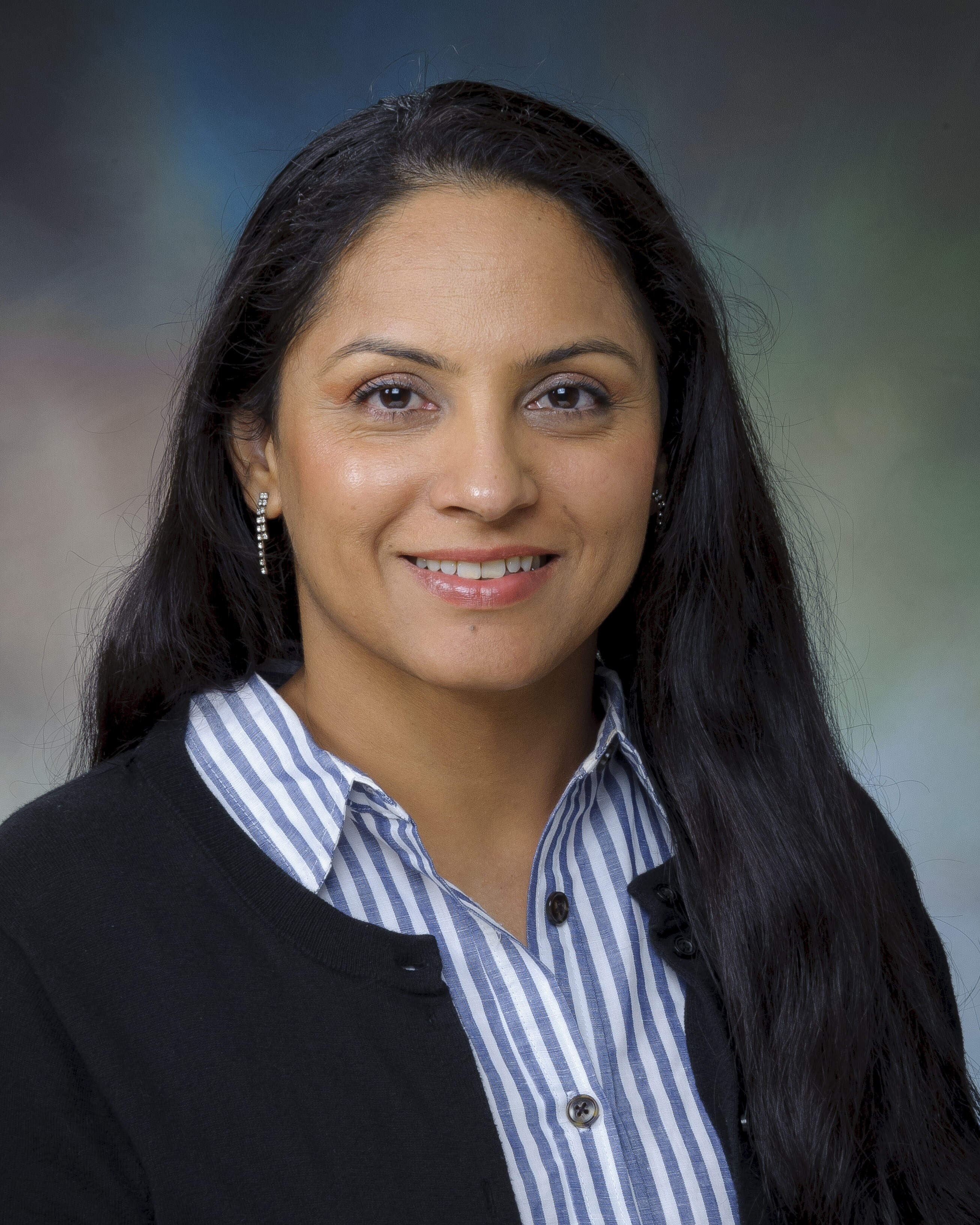
Mandeep Kaur Sandhu, PT, PhD serves as an Assistant Professor (tenure-track) in the Department of Physical Therapy and Rehabilitation Sciences at the University of Texas Medical Branch's School of Health Professions. Her academic role integrates teaching core subjects including Anatomy, Evidence-based practice, and Biomechanics with pioneering research in sports injury rehabilitation and osteoarthritis prevention. Dr. Sandhu's educational qualifications include: Bachelor of Physiotherapy, Baba Farid University of Health Sciences, India Master of Physiotherapy, Lovely Professional University, India PhD, University of Otago, New Zealand Her research program investigates sports-related knee injuries and surgeries with concentrated focus on anterior cruciate ligament (ACL) reconstruction outcomes and post-traumatic osteoarthritis development. She examines biomechanical, strength, and psychological factors including kinesiophobia through methodologies ranging from clinical biomechanics assessments to mixed-methods approaches and real-world data analysis via TriNetX. Her work consistently addresses sex differences in injury progression and recovery trajectories. Analysis of her 15 most recent publications (2021-2025) reveals escalating sophistication in ACL outcome research, with 2022-2025 studies introducing psychological dimensions and novel technologies like video game-based EMG biofeedback for knee osteoarthritis. Her publication trend demonstrates progression from biomechanical analysis toward integrated physical-mental health interventions and real-world data applications. Dr. Sandhu's scientific awards were not documented in the provided materials. Details regarding student advising and research funding were not specified in available information, though her tenure-track position suggests active mentorship of physical therapy doctoral students.
Omar Boursalie serves as an Assistant Professor in the Department of Biomedical Engineering at the Schulich School of Engineering, University of Calgary, focusing on AI-driven healthcare solutions and digital health innovation. His academic credentials include: BEng in Electrical and Biomedical Engineering from McMaster University MASc in Biomedical Engineering from McMaster University PhD in Biomedical Engineering from McMaster University His research spans Digital Health, Health Informatics, Artificial Intelligence, Lifelong Machine Learning, Remote Health Monitoring, and Human-AI Partnerships, with emphasis on developing practical machine learning systems for clinical applications and mobile health platforms. Current work addresses temporal data modeling, medical imaging analysis, and cardiovascular disease monitoring through deployable AI solutions. Publication analysis reveals strong emphasis on health outcome prediction using deep learning architectures, with recurring themes in temporal data processing, medical imaging dose optimization, and mobile health implementation challenges. His work consistently bridges theoretical AI advances with clinical healthcare requirements. Key scientific recognitions include: NSERC Postgraduate Scholarships – Doctoral (PGS-D) (2018) Vector Institute Postgraduate Affiliate (2018) CIFAR 3-Minute Impact Oral Presentation Award (2021) No current student advising information is provided, though his NSERC PGS-D scholarship reflects prior doctoral research excellence. His Vector Institute affiliation indicates ongoing AI research leadership. He actively participates in university strategic initiatives including Engineering Solutions for Health (2015-2021) and Digital Worlds, driving interdisciplinary collaboration in healthcare technology innovation.
Matthieu Marbac-Lourdelle is an Associate Professor in Statistics at ENSAI/CREST (Bruz, France) since September 2023. Previously, he served as an Assistant Professor at the same institution from September 2017 to September 2023. He is also an external collaborator of the PreMedical team, a joint team between Inria and Inserm, since September 2022. He completed his PhD in October 2014 at the University of Lille 1 under the supervision of Christophe Biernacki and Vincent Vandewalle. In 2022, he defended his habilitation, the French qualification required to supervise PhD students. Dr. Marbac-Lourdelle's research focuses on Biostatistics , Model-based Clustering , Computational Statistics , Empirical Likelihood , and Mixture Models . His work bridges theoretical statistical methods with practical applications in various domains including epidemiology, sports science, and genomics. His recent publications reveal a strong emphasis on developing advanced clustering techniques, particularly for complex data structures including functional data, mixed data types, and data with missing values. His research has significant applications in health monitoring, epidemiological studies, and sports analytics. Dr. Marbac-Lourdelle serves as an Associate Editor for Computational Statistics & Data Analysis (since 2021) and Econometric and Statistics (since 2023). He currently supervises five PhD students working on diverse topics including nonparametric mixture models, soccer game analysis, swimming technique monitoring, arrhythmia detection in racehorses, and probabilistic substitution models. His collaborations span multiple institutions including CREST, Inria, Inserm, and international partners at HEC Montreal and the University of McMaster.