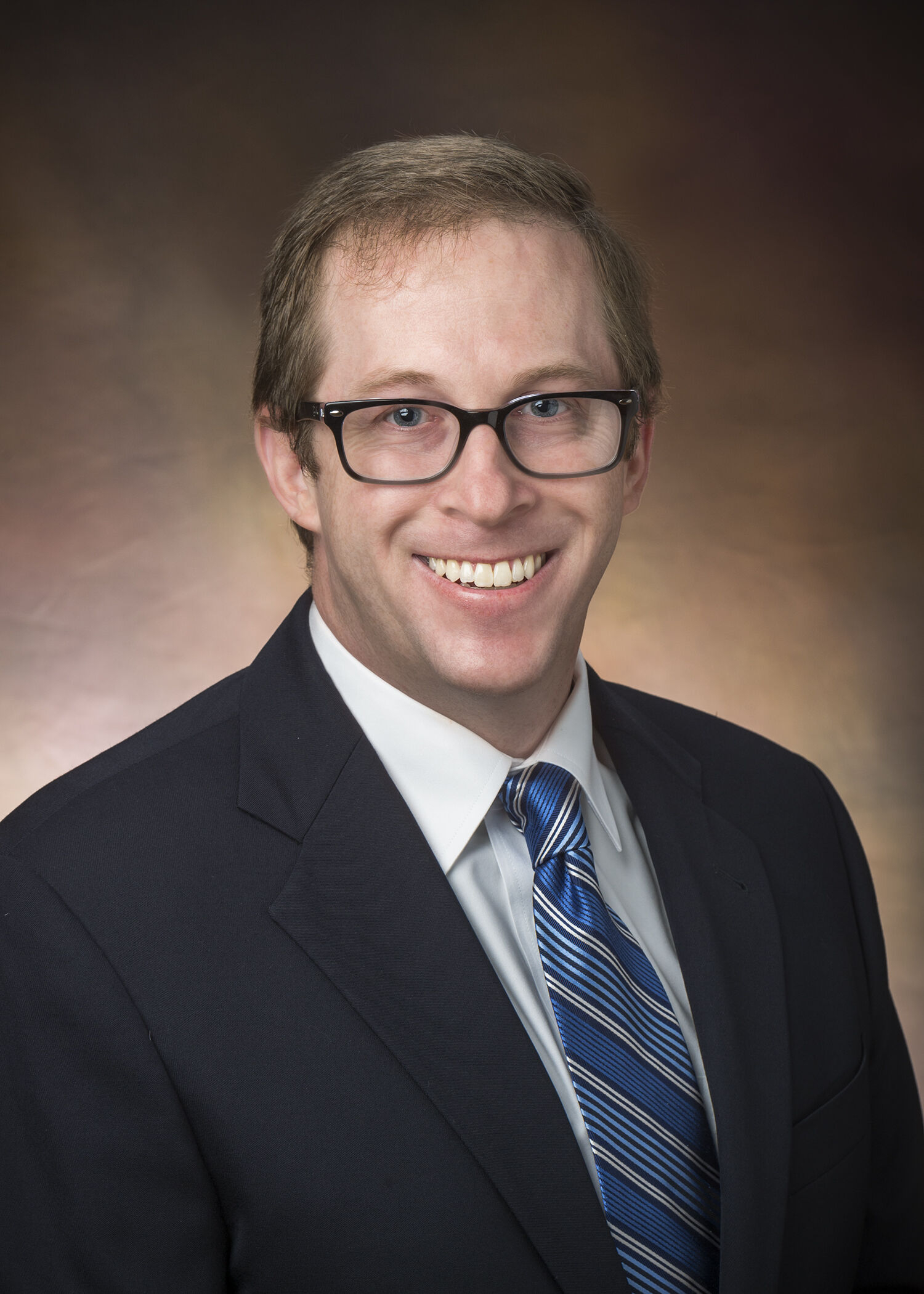
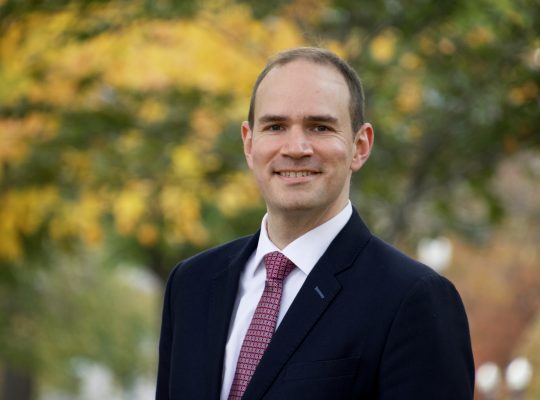
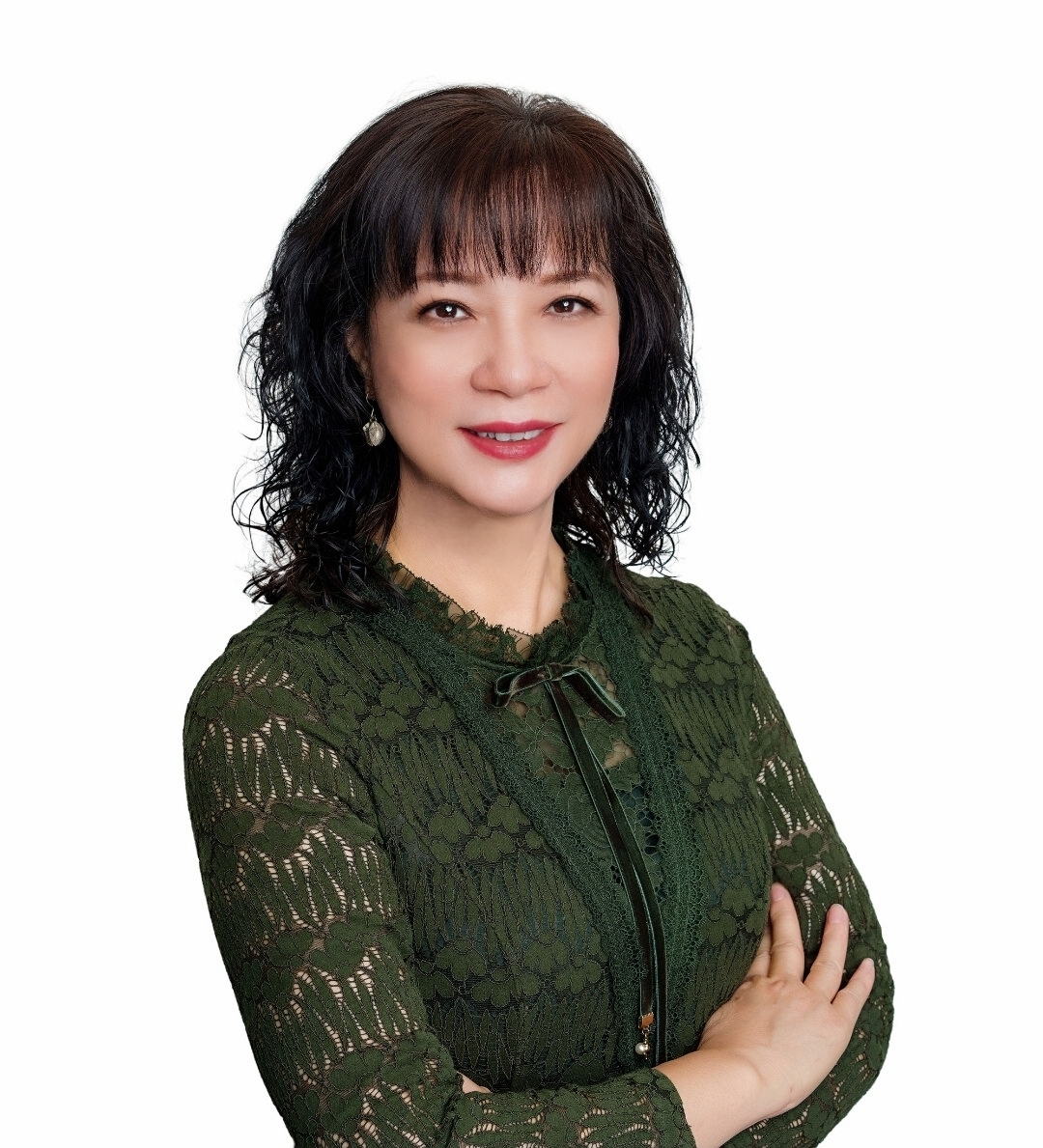
Marcia O’Malley is the Thomas Michael Panos Family Professor in Mechanical Engineering, Computer Science, Electrical and Computer Engineering, and Bioengineering at Rice University’s George R. Brown School of Engineering. She chairs the Department of Mechanical Engineering and directs the Mechatronics and Haptic Interfaces (MAHI) Lab. Her research focuses on haptics and robotic rehabilitation, particularly wearable robotic systems for training and rehabilitation in virtual environments. She holds adjunct roles at Baylor College of Medicine and the University of Texas Medical School. Educated at Purdue University (B.S., 1996) and Vanderbilt University (M.S./Ph.D., 1999/2001), Dr. O’Malley has been recognized with prestigious awards, including the ONR Young Investigator Award, NSF CAREER Award, and multiple fellowships. She has twice won Rice’s George R. Brown Award for Superior Teaching. Her work bridges engineering and medicine, addressing human-robot interaction challenges in surgical training, workforce safety, and neurorehabilitation. The MAHI Lab develops devices like the hBracelet and Rice Haptic Rocker to enhance human-robot collaboration. She co-founded Houston Medical Robotics, Inc., applying her innovations to real-world medical applications. Research Interests: Haptics, wearable robotics, neural interfaces, surgical training metrics, and rehabilitation robotics. Labs/Teams: MAHI Lab (Biosciences Research Collaborative), collaborations with medical institutions. Grants/Awards: Extensive funding from NSF, ONR, and industry partnerships; leadership in editorial roles for IEEE Transactions on Haptics.
Dr. Timothy Hresko is a Professor of Orthopedic Surgery at Harvard Medical School and serves as an Orthopedic Surgeon in the Orthopedics and Sports Medicine Department at Boston Children's Hospital. He also holds the position of Director of Spine Research and Quality Improvement in the Department of Orthopedic Surgery. Dr. Hresko received his medical degree from Columbia University, College of Physicians and Surgeons in 1981. He completed his internship at New England Deaconess Hospital in 1982, followed by residency at New England Medical Center in 1987, and a fellowship at Boston Children's Hospital in 1988. He is certified by the American Board of Orthopedic Surgery. His research focuses on orthopedic surgery, particularly spine surgery and pediatric orthopedics. Dr. Hresko's work centers on scoliosis treatment, spinal deformity correction, and outcomes of pediatric spinal fusion surgeries. He has conducted extensive research on surface topography measurements for scoliosis assessment, bracing techniques for adolescent idiopathic scoliosis, and surgical outcomes for various spinal conditions. His recent work explores the biomechanical effects of thoracolumbosacral orthosis design and the relationship between spinal deformity and patient self-image. Dr. Hresko's recent publications demonstrate a strong emphasis on technological advancements in spine surgery, including robotic pedicle screw placement and computer vision algorithms. His work also explores the relationship between socioeconomic factors and surgical outcomes, as well as innovative approaches to non-surgical management of scoliosis. Scoliosis Research Society (SRS) Pediatric Orthopaedic Society of North America (POSNA) American Academy of Orthopaedic Surgeons (AAOS) American Board of Orthopaedic Surgery As Director of Spine Research and Quality Improvement, Dr. Hresko leads initiatives to enhance patient outcomes and optimize care pathways for children with spinal conditions. His work emphasizes evidence-based approaches to pediatric spine care, with particular attention to quality improvement and research translation into clinical practice.
Mohamed Bouri is a Senior Lecturer and Researcher at École Polytechnique Fédérale de Lausanne (EPFL), where he is affiliated with the School of Engineering (STI) and specifically the Microengineering Department (SCI-STI-MB). He is part of the ReHAssist research group (http://rehassist.epfl.ch), which focuses on rehabilitation robotics and human-robot interaction. His office is located in the MED Building (MED 3 1016) at Station 9, 1015 Lausanne. Dr. Bouri's research spans several key areas in robotics and rehabilitation engineering. His primary focus is on the development and control of exoskeleton systems for mobility assistance and rehabilitation. He has made significant contributions to hip exoskeleton technology, adaptive control strategies, and human-robot interaction paradigms. His work bridges engineering principles with clinical applications, particularly for individuals with mobility impairments and neurological conditions. Additional research interests include sensory substitution techniques, balance control systems, and astronomical instrumentation involving robotic fiber positioners for multi-object spectrographs. Analysis of Dr. Bouri's recent publications reveals a strong emphasis on practical applications of robotics in rehabilitation settings. His work increasingly focuses on user-centered design, adaptive control systems that respond to individual user needs, and ecological validity in testing environments. There's a clear trend toward developing systems that can function effectively in real-world scenarios rather than controlled laboratory settings. His research also shows growing integration of physiological feedback mechanisms and multimodal sensing to enhance human-robot cooperation, with applications spanning from Parkinson's disease rehabilitation to astronomical instrumentation. Dr. Bouri has supervised numerous doctoral students whose theses reflect the breadth of his research interests, including work on lower-limb exoskeletons, robotic control systems, and rehabilitation technologies. His collaborative approach is evident in the extensive list of co-authored publications across multiple institutions and disciplines, demonstrating his ability to bridge engineering with clinical and astronomical applications. Based at EPFL's Microengineering Department, Dr. Bouri leads research activities within the ReHAssist laboratory, which specializes in rehabilitation assistance technologies. The lab focuses on developing innovative robotic solutions for mobility assistance, with particular expertise in exoskeleton design, control algorithms, and human-robot interaction paradigms. His work on projects like TWIICE One has demonstrated real-world impact in assistive technology development.
Zion Zibly, MD, MBA is an Associate Professor in the Department of Neurosurgery at Yale School of Medicine . He holds multiple leadership roles including Director of the Center of Neuromodulation , Director of the Center of Neurosurgical Cancer Pain , and Head of Stereotactic & Functional Neurosurgery and the Focused Ultrasound Institute . Previously served as Chair of Neurosurgery at Sheba Medical Center after graduating from Technion’s Faculty of Medicine (MD) and Coller School of Management (MBA). Research Interests: Specializes in Neuromodulation for movement disorders (Parkinson’s, tremors, dystonia), Deep Brain Stimulation , Gene Therapy for pediatric neurodegenerative conditions, Oncological Neurosurgery , and Neurological Pain Management . Combines Functional Neurosurgery with Focused Ultrasound technology. Scientific Contributions: Participated in pioneering Alzheimer’s brain stimulator procedures and Gene Therapy applications. Active member of the North American Association of Functional Neurosurgery and Israeli Neurosurgical Society . Clinical Expertise: Implantation of electrostimulators for Parkinson’s and essential tremor, treatment of Benign/Malignant CNS Tumors , and management of Neurological Pain Conditions . Affiliated with Yale Cancer Center and Center for Brain & Mind Health .
Xiaoyao Fan is an Assistant Professor of Engineering at Dartmouth College, specializing in image guidance systems for neurosurgery and spine surgery. His work focuses on improving intraoperative imaging accuracy through computational modeling, stereovision, and ultrasound technologies. He collaborates with the Center for Surgical Innovation (CSI) at Dartmouth-Hitchcock Medical Center (DHMC) and has contributed to over 400 surgical cases involving real-time imaging and feedback systems. Education: B.E. in Electrical Engineering, Tsinghua University (2007) Ph.D. in Biomedical Engineering, Dartmouth College (2012) Research Interests: His research emphasizes minimizing surgical errors via real-time brain deformation compensation, spine motion correction, and intraoperative imaging systems. Techniques include stereovision, 3D ultrasound, and machine learning for image registration and navigation. Key applications include open and minimally invasive neurosurgical procedures. Publications: His work spans stereovision systems for spinal surgery, brain shift compensation algorithms, and intraoperative ultrasound registration. Recent contributions address human feasibility and porcine model validation of surgical navigation tools. Grants & Labs: Collaborates with Medtronic on integrating updated imaging into navigation systems. Active in the CSI DHMC lab, focusing on clinical translation of real-time imaging solutions. Teaches ENGS 111: Digital Image Processing. Labs & Teams: Works within Dartmouth’s engineering and medical collaboration networks, advancing surgical precision through interdisciplinary research.
Stéphanie P. Lacour is a Full Professor at the School of Engineering, École Polytechnique Fédérale de Lausanne (EPFL), where she holds the Foundation Bertarelli Chair in Neuroprosthetic Technology. She leads the Laboratory of Soft Bioelectronic Interfaces (LSBI) and is affiliated with multiple departments including INX-STI, STI-SMT, SV-SSV, and AVP-DLE-EDOC. Since 2025, she has served as EPFL’s Vice-President for Support to Strategic Initiatives, overseeing institutional research strategy. Her research is centered at Campus Biotech in Geneva, where she was the founding director of the Neuro-X Institute. PhD in Electrical Engineering, INSA Lyon, France (1998–2001) Postdoctoral Research, Princeton University and University of Cambridge Joined EPFL in 2011 Her research focuses on soft bioelectronic interfaces that seamlessly integrate with biological tissues. She pioneers the development of stretchable, compliant electronics for implantable and wearable applications, using techniques from MEMS and microelectronics adapted to elastomeric substrates. Her work enables long-term, minimally invasive neural interfacing for applications in neuroprosthetics, rehabilitation, and health monitoring. Key innovations include soft electrocorticography arrays, liquid metal sensors, and encapsulation methods for chronic implants. Her recent publications span high-impact journals such as Nature , Science Robotics , Advanced Materials , and Nature Nanotechnology , covering topics like neural stimulation, soft robotics, wireless implants, and hydrogel-based interfaces . The work demonstrates a strong trend toward multimodal, closed-loop, and translational neurotechnologies with real-world clinical potential. Scientific Awards: No scientific awards explicitly mentioned in the provided text. She advises a large cohort of PhD students and postdoctoral researchers, many of whom have completed their theses under her supervision. Her team has received funding for projects in neural interfacing, bioelectronics, and soft robotics. She is actively involved in teaching courses such as Soft Microsystems Processing and Devices and Neural Interfaces . Lacour leads the Laboratory of Soft Bioelectronic Interfaces (LSBI) , a multidisciplinary research team focused on the fabrication, characterization, and in vivo evaluation of soft bioelectronic systems. The lab collaborates extensively across EPFL and with clinical partners to translate technologies from bench to bedside.
Dr. Joseph Choi is a Clinical Lecturer and General Surgery Fellow at the University of Sydney's Westmead Clinical School, within the Discipline of Surgery under the Faculty of Medicine and Health. He holds academic qualifications including BSc(Adv), MBBS, MPhil, and FRACS. His clinical and research interests focus on surgical outcomes, colorectal surgery, endometriosis management, and minimally invasive techniques. Dr. Choi's research emphasizes surgical complications, anastomotic leak prediction, and emerging surgical technologies. He has contributed to over 30 peer-reviewed publications since 2011, with recent work addressing robotic surgery feasibility, Strongyloides stercoralis infections, and HER2 therapy outcomes in breast cancer. His academic profile includes collaborations with multidisciplinary teams across oncology, gastroenterology, and gynecology. No formal awards or grants are explicitly listed, though his prolific publication record reflects sustained scholarly activity.
Gary Zimmerman, MD is an Assistant Professor at the Yale School of Medicine within the Department of Neurosurgery . He specializes in neurosurgical care , with clinical expertise in minimally invasive spinal surgery , sacroiliac joint fusion , spinal tumors , and meningiomas . MD from SUNY Downstate Medical School (1990) Residency at Cornell University/The New York Hospital (1996) Fellowship in Cerebrovascular and Skull Base Surgery at The Mayfield Institute/University of Cincinnati (1997) His research and clinical work focus on advancing neurosurgical techniques , particularly minimally invasive approaches for spinal and brain tumor treatments. He is board-certified in Neurological Surgery by the American Board of Neurological Surgery (2000). Dr. Zimmerman is affiliated with Yale Medicine and provides patient care at 1 Long Wharf Drive, New Haven, CT. He is actively involved in clinical education and innovation within neurosurgery.
Patrick J. Cahill, MD, is a pediatric spine specialist and the Robert M. Campbell Jr. Endowed Chair in Thoracic Insufficiency Syndrome at Children's Hospital of Philadelphia (CHOP). His clinical expertise spans disorders of the pediatric spine, scoliosis, cervical spine conditions, and minimally invasive surgical techniques. He leads the Center for Thoracic Insufficiency Syndrome, collaborating with pulmonology, anesthesia, and physical therapy teams. Academic Role: Physician Scientist Leadership: Director of the Center for Thoracic Insufficiency Syndrome Research Focus: Spinal growth modulation, 3D surgical planning, and reducing anesthesia exposure in young patients His work emphasizes fusionless treatments like magnetically expandable growing rods and Mehta casting, alongside innovations in dynamic MRI for preoperative assessment. Recent publications highlight comparative studies on spinal fusion techniques, surgical complication classifications, and multidisciplinary approaches to complex cases. Awards: Philadelphia Magazine's Top Doctors (2022), SRS Travelling Fellowship (2015) Professional Memberships: Scoliosis Research Society, North American Spine Society, Pediatric Orthopaedic Society of North America
Matthew B Potts, MD is an Associate Professor in the Department of Neurological Surgery at Northwestern University's Feinberg School of Medicine, with secondary appointments in Neurology (Ken and Ruth Davee Department) and Radiology. His clinical expertise spans cerebrovascular surgery, neurointerventional/endovascular procedures, and management of brain aneurysms, vascular malformations, stroke, and spinal vascular disease across multiple Northwestern Medicine hospitals including Shirley Ryan AbilityLab. Dr. Potts completed his BS at MIT (2000) and MD at UCSF (2007), followed by surgical internship (2008), neurological surgery residency (2013), and cerebrovascular fellowship at NYU (2015). BS: Massachusetts Institute of Technology (2000) MD: University of California, San Francisco (2007) Internship: University of California-San Francisco Medical Center, Surgery (2008) Residency: University of California-San Francisco Medical Center, Neurological Surgery (2013) Fellowship: New York University Medical Center, Endovascular/Cerebrovascular Surgery (2015) His research program centers on chronic subdural hematoma pathophysiology, emergency stroke thrombectomy process optimization, and aneurysm treatment outcomes. He employs clinical-translational approaches to improve cerebrovascular disease management through advanced surgical techniques and rigorous outcomes assessment. Recent 2025 publications reveal strong focus on hydrocephalus diagnostics, hematoma expansion biomarkers, vertebrobasilar anatomy, and dolichoectatic aneurysm natural history. These works demonstrate multidisciplinary collaboration across neurosurgery, neurology, and radiology to advance diagnostic precision and treatment efficacy in complex cerebrovascular disorders. Dr. Potts has received exceptional recognition for medical education, including three consecutive Outstanding Teacher Awards (2019-2021) and the John X. Thomas, Jr. Best Teachers Award (2020). His research contributions are honored by the NIH Rush L. Kirschstein Award (2012) and Howard Hughes Fellowship (2005). Outstanding Teacher Award, Northwestern University Feinberg School of Medicine (2021) Outstanding Teacher Award, Northwestern University Feinberg School of Medicine (2020) John X. Thomas, Jr. Best Teachers of Feinberg Award, Northwestern University Feinberg School of Medicine (2020) Outstanding Teacher Award, Northwestern University Feinberg School of Medicine (2019) Ivan Ciric Resident Teaching Award, Northwestern University Department of Neurological Surgery (2017) Best Scientific Presentation, UCSF Department of Neurological Surgery (2013) NIH Rush L. Kirschstein National Research Service Award, National Institutes of Health (2012) UCSF School of Medicine Alumni Scholarship Award, University of California, San Francisco (2006) Howard Hughes Medical Institute Medical Student Research Fellow, Howard Hughes Medical Institute (2005) UCSF Quarterly Research Fellowship, University of California, San Francisco (2005) MIT-Germany Program Research Fellowship, Massachusetts Institute of Technology (2001) As an educator, Dr. Potts mentors medical students and residents through Feinberg's neurological surgery program, evidenced by his resident teaching award. His research is supported by institutional resources and prior NIH funding, with current industry relationships including ownership in Rhaeos, Inc. He serves as Assistant Editor for Neurosurgery and Associate Editor for Operative Neurosurgery. He operates within Northwestern's integrated neurovascular team across multiple hospital sites, collaborating with neurologists, neuroradiologists, and rehabilitation specialists to deliver comprehensive care for complex cerebrovascular conditions, with ongoing work focused on improving health equity in stroke treatment and minimally invasive surgical innovation.
Dr Jonathan Cook is a Research Fellow at Jesus College, University of Oxford, affiliated with the Medical Sciences division. He holds a primary medical qualification from Queen’s University (Canada, 2021) and a PhD investigating viral immune evasion mechanisms under Prof Jeffrey Lee. His work was supported by the Vanier Canada Graduate Scholarship and recognized with the Stuart Alan Hoffman Memorial Prize. As an incoming Banting Fellow at the Jenner Institute, he focuses on vaccine design for infectious diseases. His research interests include malaria eradication, emerging pathogens, and structure-based vaccine strategies. **Education**: - PhD (Investigation of viral entry glycoproteins), University of Toronto, supervised by Prof Jeffrey Lee - Primary Medical Qualification, Queen’s University, Canada **Research Interests**: - Malaria Eradication : Developing vaccines targeting Plasmodium species. - Emerging Infectious Diseases : Designing rapid-response strategies for pathogens like SARS-CoV-2. - Structure-Based Vaccine Design : Leveraging protein structural data to enhance immunogenicity. **Awards**: - Vanier Canada Graduate Scholarships Programme (2017–2020) - Stuart Alan Hoffman Memorial Prize (2021) - Banting Fellowship (incoming) **Grants/Advising**: Works on Jenner Institute-funded projects. No listed advisees yet. **Labs/Teams**: Collaborates with Prof Lee's lab at the Jenner Institute and the University of Toronto's Medical Microbiology program.
Professor Linda He Hong-Gu is a faculty member at the Alice Lee Centre for Nursing Studies, Yong Loo Lin School of Medicine, National University of Singapore. As Programme Director for Master of Science (Nursing) and Doctor of Philosophy programs, she leads graduate research initiatives and co-convenes the Women and Children Health Care Research Programme. Doctor of Philosophy, University of Eastern Finland Master of Science in Nursing, University of Eastern Finland Clinical Medicine, Fujian Medical University Her research spans Women and Children Health Care , Chronic Illness Management , and Health Technology , with over 200 peer-reviewed publications. Recent work focuses on digital interventions for improving mental health outcomes, perioperative care through technology, and preventive health behaviors in maternal populations. Publications emphasize systematic reviews , meta-analyses , and mobile health applications across diverse domains: dementia care, stroke rehabilitation, cancer support, diabetes management, and pediatric surgery preparation. Collaborations span Finland, Norway, China, and Singapore. Scientific recognition includes: Fellow of American Academy of Nursing (FAAN), 2021 International Nurse Researcher Hall of Fame, 2023 Multiple Best Poster/Oral Presentation Awards (2013-2024) Teaching Excellence Awards from NUS As an active grant recipient, she has secured over S$17.9 million in research funding from organizations like NMRC, Business Finland, and National Natural Science Foundation of China, driving innovations in AI-powered VR rehabilitation , STOMA care , and psychosocial interventions .
Prof. Dr. med. Franz Lennard Ricklefs is a Senior Physician and Head of the Working Group at the Department of Neurosurgery, University of Hamburg Faculty of Medicine. He is a Medical Specialist in Neurosurgery with cross-disciplinary expertise in neuro-oncology, molecular pathology, and extracellular vesicle research. Affiliations: University Medical Center Hamburg-Eppendorf (UKE), European Liquid Biopsy Society (ELBS), International Consortium on Meningiomas (ICOM) Research Interests: His work focuses on neurosurgical oncology, particularly glioblastoma and meningioma pathobiology. He investigates DNA methylation patterns, extracellular vesicle biomarkers, and liquid biopsy implementation in clinical neuro-oncology. Additional interests include surgical outcomes for epilepsy and aneurysm management. Article Trends: Over the last decade, Dr. Ricklefs has published extensively on: Extracellular vesicle applications as liquid biopsy markers DNA methylation subclasses for glioblastoma and meningioma Multicenter surgical outcome benchmarking Immune evasion mechanisms in neuro-oncology Technological innovations in neurosurgical visualization Molecular characterization of rare CNS tumors Professional Contributions: He co-authored the MISEV2023 guidelines for extracellular vesicle studies and participates in international consensus reviews for meningioma classification. His collaborations span institutions across Europe and North America.
George E. Vates, MD, PhD, is a Professor in the Department of Neurosurgery and the Department of Medicine (Endocrine/Metabolism) at the University of Rochester Medical Center. He serves as neurosurgeon co-director of the University of Rochester Multidisciplinary Neuroendocrinology Clinic and is a key member of the University of Rochester Medical Faculty Group (URMFG), which comprises over 900 providers across 19 departments. Dr. Vates specializes in pituitary tumor surgery, cerebrovascular disorders, and skull base procedures, having performed over 120 transsphenoidal pituitary surgeries. Dr. Vates completed his academic training with exceptional distinction: Duke University: Bachelor's degree, summa cum laude (1988, Phi Beta Kappa) Rockefeller University: PhD in Neuroscience Weill Medical College of Cornell University: MD (1997, Alpha Omega Alpha) University of California, San Francisco: Neurosurgery Residency (1998-2003) Brigham and Women's Hospital, Harvard Medical School: Cerebrovascular/Skull Base Fellowship (2003-2004) His research focuses on pituitary tumor biology, neuroendocrinology, and surgical innovation. He established the Multidisciplinary Neuroendocrinology Clinic as a regional referral center for complex pituitary cases, integrating neurosurgical and endocrinological expertise. Current work emphasizes neuroprotective mechanisms in pituitary adenomas, surgical simulation technology, and optimizing outcomes for elderly glioma patients. Analysis of his 15 most recent publications reveals evolving research trajectories: contemporary studies (2019-2022) concentrate on pituitary tumor management, surgical simulation, and neurosurgical education, while earlier work (2002-2009) explored cerebrovascular anomalies, neural pathway mapping, and vascular malformations. Persistent themes include surgical technique refinement, tumor biology, and clinician training. Dr. Vates' scientific contributions have been recognized through: Phi Beta Kappa (1988) and Alpha Omega Alpha (1991) academic honors Neurosurgery Research and Education Foundation Fellowship (2006) Anspach Award for Cerebral Ischemia Research (2007) AANS Leadership Scholarship and Cone Pevehouse Award (2009) Ongoing service as St. Michael's Hospital Animal Care Committee reviewer As an educator, he mentors neurosurgery residents through clinical supervision and curriculum development, notably publishing on palliative care communication training. His research initiatives, including the 3D-printed cervical laminectomy simulator, demonstrate commitment to advancing surgical education. Current grants focus on neuroprotective strategies in pituitary tumors and resident training methodologies. Dr. Vates co-directs the Multidisciplinary Neuroendocrinology Clinic with endocrinologist Dr. Calvi, fostering collaboration between neurosurgery, endocrinology, and oncology. His clinical team manages complex pituitary cases across Rochester and Hornell campuses, while his research group develops surgical innovations and investigates tumor microenvironment interactions to improve patient outcomes.
Christopher Ames is a Clinical Professor in the Departments of Neurological Surgery and Orthopaedic Surgery at the University of California San Francisco (UCSF). He serves as Director of Spinal Deformity & Spine Tumor Surgery, Co-Director of the UCSF Spine Center, Director of the California Deformity Institute, and Director of the Spinal Biomechanics Laboratory. With over 200 annual spinal deformity cases, he specializes in complex procedures for scoliosis, kyphosis, and spinal tumors, pioneering innovative techniques including the transpedicular approach and AI decision support tools. Developed first cervical spine deformity classification Created Adult Deformity Frailty Index and Invasiveness Index Recipient of multiple Scoliosis Research Society awards His research, funded through studies like the ROSE Study and Telomere Study, focuses on spinal biomechanics, surgical outcomes, and AI integration in spine surgery. He has published over 600 peer-reviewed articles and serves as Spine Section Lead Editor for Operative Neurosurgery . Scientific Awards: Hibbs Award (3×) Goldstein Award Whitecloud Award Top Doctors (Neurosurgery & Cancer) US News Top 1% Neurosurgeons