Dr. Lawrence Ira Karlin is an Assistant Professor of Orthopedic Surgery at Harvard Medical School and a senior orthopedic surgeon at Boston Children’s Hospital. He specializes in spinal deformities and orthopedic conditions associated with spina bifida, with a focus on pediatric spine surgery and neuromuscular disorders. Education: MD from Tufts University School of Medicine (1971), internship at Case Western Reserve University Hospitals (1972), residency at New England Medical Center (1979), and fellowship at Boston Children’s Hospital (1981). His research encompasses spinal deformities , growth-friendly surgical techniques , and complications in pediatric spine surgery . He has published over 50 papers on topics such as scoliosis, myelomeningocele, osteogenesis imperfecta, and non-invasive treatments. Recent publications highlight innovative surgical approaches for congenital kyphosis, dural leak complications in spine fusion, and brace adherence studies in scoliosis. His work spans spinal instrumentation , neurological monitoring , and bone density assessments in pediatric patients. Scientific Awards: Compassionate Physician Best Doctors Vitals Patient Choice Boston Magazine’s Best Doctors of Boston Dr. Karlin is a member of the American Orthopaedic Association (AOA), American Academy of Orthopaedic Surgeons (AAOS), Growing Spine Study Group (GSSG), and Pediatric Orthopaedic Society of North America (POSNA). He has held leadership roles in the Scoliosis Research Society (SRS) and served as a national/international visiting professor.
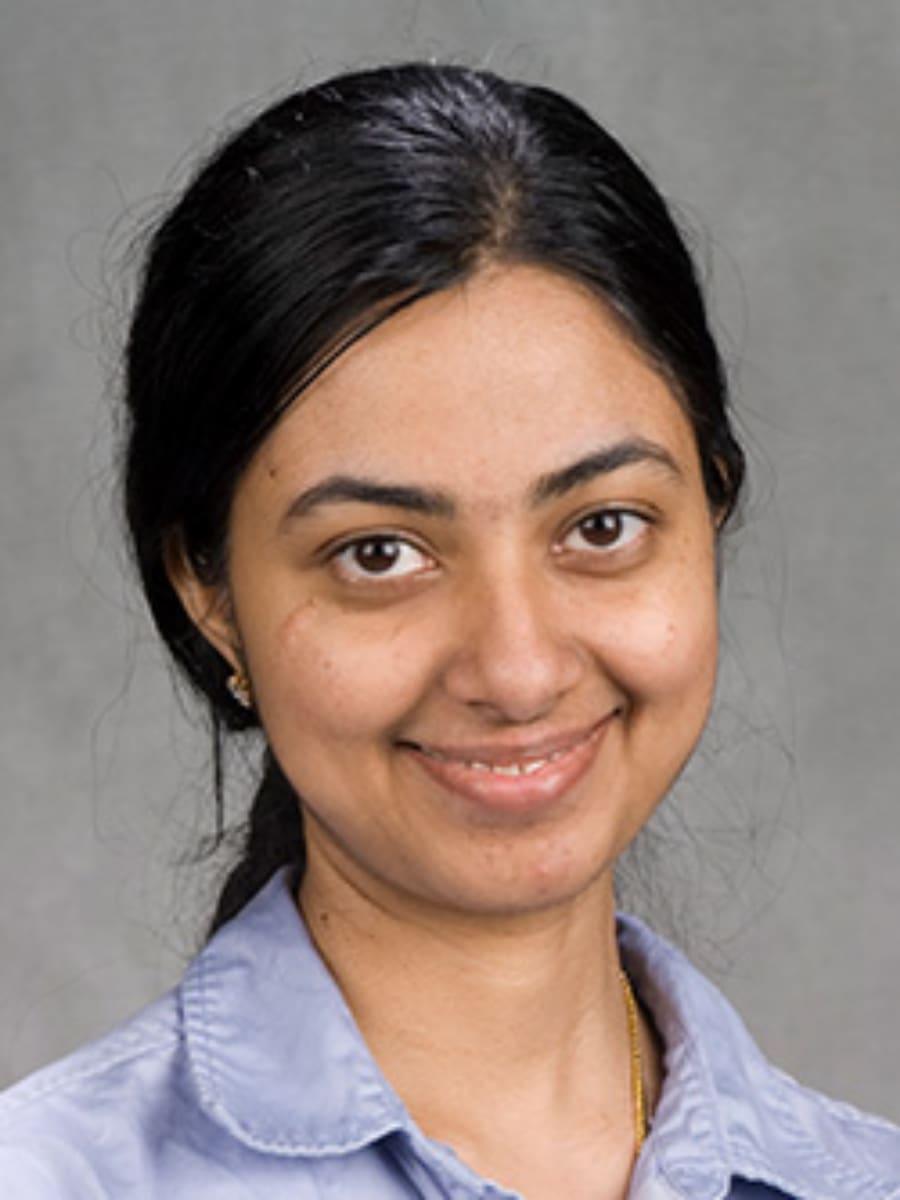
Kalyani Nair is a Professor in the Mechanical Engineering Department at Bradley University's Caterpillar College of Engineering & Technology, based in the Business and Engineering Convergence Center (BEC 3265). She can be contacted at knair@bradley.edu or (309) 677-4562. Her educational background includes: Ph.D. in Mechanical Engineering from Drexel University B.S. in Biomedical Engineering from Cochin University Dr. Nair's research focuses on biomedical engineering with expertise in biomechanics and tissue engineering . She investigates myofascial tissue mechanics in inflammatory conditions like ankylosing spondylitis, develops medical devices for spinal pathologies, and creates biomaterial scaffolds for tissue regeneration. Her work bridges engineering principles with clinical applications through techniques like myotonometry, electromyography, and computational modeling. Analysis of her recent publications (2015-2025) reveals persistent themes in musculoskeletal biomechanics, particularly spinal disorders and myofascial tissue properties, alongside tissue engineering for tendon regeneration and cancer models. Key trends include quantification of tissue mechanical properties, medical device innovation for pediatric neurosurgery, and scaffold optimization for regenerative medicine. Within the department, Dr. Nair serves as Coordinator of the Biomedical Concentration and sits on the Committee on the Use of Human Subjects in Research. She teaches courses spanning engineering design (ME 102), biomedical fundamentals (ME 280), CAD applications (ME 448, ME 648), and advanced topics in biomechanics (ME 580) and tissue engineering (ME 591).
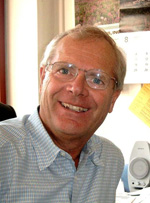
Frank E. Talke is the CMRR Endowed Chair Professor in the Department of Mechanical and Aerospace Engineering at UC San Diego. His research focuses on medical device technology and information storage systems. He has contributed to advancements in hard disk drive tribology, thermal flying height control, and biomedical innovations like intraocular pressure sensors and 3D-printed endoscopes. Talke holds over 350 publications and 11 patents, with honors including the ASME Medal, Tribology Gold Medal, and membership in the National Academy of Engineering. Education: Diplom-Ingenieur (1965, University of Stuttgart), M.S. and Ph.D. in Mechanical Engineering (1966, 1968, UC Berkeley), honorary doctorate from Technical University of Munich (2005). Research interests span interdisciplinary fields combining mechanical engineering, materials science, and precision instrumentation. Current projects include medical device development (e.g., biofilm-resistant catheters, detachable bronchoscopes) and information storage tribology. His work emphasizes translational applications in both engineering and healthcare sectors. Key Awards: ASME Medal (2008), Tribology Gold Medal (2010), Honorary ASME Membership (2018). Grants and Funding: Extensive industry and academic collaborations in disk drive technology and biomedical engineering. Labs/Teams: Leads the Center for Memory and Recording Research (CMRR), fostering interdisciplinary research in data storage and medical devices.
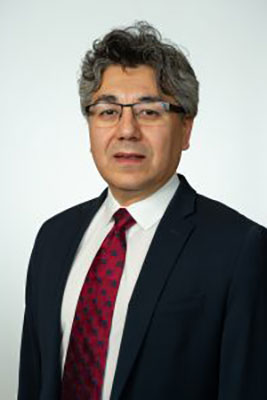
Naveen Chandrashekar is an Associate Professor in the Department of Mechanical and Mechatronics Engineering at the University of Waterloo. His work bridges orthopaedic biomechanics, biomedical device design, and tissue engineering with significant contributions to understanding anterior cruciate ligament (ACL) injuries. Doctorate in Mechanical Engineering (2005, Texas Tech University) Master's in Mechanical Engineering (2003, Texas Tech University) Bachelor's in Mechanical Engineering (2000, Bapuji Institute of Engineering and Technology) Research focuses on: Knee mechanics and ACL injury prevention Development of human knee simulators Sensor-integrated ligament damage measurement Virtual laboratory pedagogy effectiveness Tissue engineering applications Implant design and fixation devices Recent publications examine ACL strain mechanics, knee brace efficacy, and cervical spine dynamics. Key funding sources include: Natural Sciences and Engineering Research Council of Canada Ontario Centres of Excellence Canada Foundation for Innovation Scientific accolades include awards from Pi Tau Sigma, ASME, and Texas Tech University. Teaching portfolio covers core mechanical engineering subjects including: Mechanics of Deformable Solids (BME 281, ME 220) Finite Element Methods (ME 559) Statics (MTE 119)
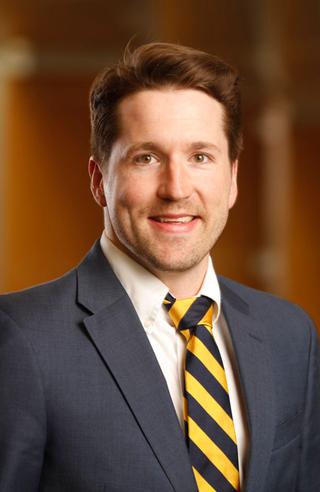
Daniel Hedequist MD is an Associate Professor of Orthopedic Surgery at Harvard Medical School and serves as Chief of the Spine Division and Co-Director of the Complex Cervical Spine Program at Boston Children's Hospital. His clinical expertise encompasses pediatric spine surgery with a focus on congenital scoliosis, kyphosis, and lordosis treatment. Dr. Hedequist received his medical degree from Creighton University School of Medicine in 1995, completed his internship and residency at the University of Texas Southwestern Medical Center (2000), and pursued a fellowship in pediatric orthopedics at Boston Children's Hospital (2001). He is board-certified by the American Board of Orthopedic Surgery. His research focuses on advancing pediatric spine surgery through innovations in robotic-assisted techniques, surgical safety protocols, and outcome assessment. Dr. Hedequist has pioneered work in cervical spine stabilization, growth-friendly instrumentation for early onset scoliosis, and telehealth applications for scoliosis evaluation. His publications reveal a strong emphasis on minimizing surgical complications, improving patient safety in robotic spine procedures, and addressing health disparities in orthopedic care. As Chief of the Spine Division at Boston Children's Hospital—the largest pediatric spine center in the United States—Dr. Hedequist leads a multidisciplinary team specializing in both non-surgical and surgical management of complex spinal conditions in children. The Complex Cervical Spine Program he co-directs brings together specialists in spinal surgery, neurosurgery, radiology, and anesthesia to treat rare and complex cervical spine conditions. His clinical approach emphasizes non-invasive treatments whenever possible, including bracing for scoliosis and casting for fractures, before considering surgical intervention. Dr. Hedequist has developed significant expertise in managing spinal conditions in children with complex medical histories including Down syndrome, Prune Belly Syndrome, and congenital heart disease.
Tyler Schmidt, D.O., is an Assistant Professor in the Department of Neurosurgery at the University of Rochester Medical Center. He serves as Surgical Director of the Metastatic Brain and Spinal Tumor Program within the Wilmot Cancer Institute and is actively involved in the Translational Brain Mapping Program, integrating neuroscience research to optimize neurological outcomes in brain tumor surgery. Clinical Focus: Neurosurgical oncology, brain/spinal tumor surgery, metastasis management, and degenerative spine conditions. Technical Expertise: Minimally invasive techniques, stereotactic neuro-navigation, brain mapping, and tumor fluorescence-guided resection. Research Emphasis: Patient-centered value-based care for spinal disorders and surgical complication risk modeling. His publications span glioma surgery, spinal reconstruction, pediatric neurosurgical emergencies, and mobile stroke units, reflecting interdisciplinary collaborations. Recent works (2017-2020) highlight outcomes research in spinal surgery, thromboembolic complications in meningioma resection, and innovative approaches to neonatal neurovascular malformations. Dr. Schmidt completed his neurosurgical residency (2014-2020) and fellowship (2017-2018) at Rochester, with prior internship (2013-2014) at the same institution. He holds certification from the American Board of Neurological Surgery and contributes to national neurosurgical organizations.
Mostafa Mohammadi is an Assistant Professor at the Department of Health Science and Technology, Aalborg University, affiliated with the Faculty of Medicine and Center for Rehabilitation Robotics. His research focuses on neurorehabilitation robotics, human-computer interaction, and telerehabilitation technologies for individuals with disabilities. Ph.D. in Biomedical Engineering (Aalborg University, 2018-2022) M.Sc. in Biomedical Engineering (Polytechnic University of Milan, 2015-2017) B.Sc. in Mechanical Engineering (Sharif University of Technology, 2011-2015) His work spans exoskeleton design, assistive robotics, and innovative interfaces like tongue-computer interfacing. Recent projects include the eMotivo digital health solution funded by Innovation Fund Denmark and intelligent tendon-driven exoskeletons for severe disabilities. Research outputs (33 total) emphasize adaptive robotics, motor impairment solutions, and wearable technologies. Collaborations span robotics, biomedical engineering, and clinical disciplines. Teaching includes courses in rehabilitation robotics, human-computer interaction, and digital systems for biomedical engineering. Scientific activities align with UN Sustainable Development Goals for quality education and reduced inequalities. Notable contributions include advancements in myoelectric interfaces and neurorehabilitation technologies.
Raviraj Nataraj is an Associate Professor in the Department of Biomedical Engineering at Stevens Institute of Technology, leading the Movement Control Rehabilitation (MOCORE) Laboratory. He holds a PhD from Case Western Reserve University (2010) and an MS from Stanford University (2003). His research focuses on integrating control systems with assistive technologies to enhance motor function recovery for individuals with neurotrauma, including spinal cord injury, stroke, and amputation. Key areas include wearable sensors, virtual reality environments, and neuroprosthetics. Education: PhD in Biomedical Engineering, Case Western Reserve University (2010) MS in Mechanical Engineering, Stanford University (2003) Research interests emphasize sensory feedback mechanisms, cognitive factors in motor rehabilitation, and the development of personalized computerized interfaces. His lab creates instrumented wearables and VR tools to improve functional movement. Recent work includes optimizing feedback modalities for upper-limb rehabilitation and studying neural responses to altered visual feedback. Notable awards include the NSF CAREER Award (2023) and Stevens’ Harvey Davis Distinguished Teaching Award. He has secured grants from NSF, Department of Veterans Affairs, and New Jersey Health Foundation for projects like ‘Personalizing sensory-driven interfaces for motor rehabilitation’. Professional roles include NIH Review Panelist and Associate Editor for Frontiers of Medical Engineering. He chairs Stevens’ Institutional Review Board and oversees BME faculty searches. The MOCORE Lab (www.mocorelab.com) collaborates on clinical solutions like the ‘Cognition Glove’ and muscle-training braces.
Carl-Éric Aubin is a Full Professor in the Department of Mechanical Engineering at Polytechnique Montréal, an Adjunct Professor in the Department of Surgery at Université de Montréal, and a Researcher at CHU Sainte-Justine. He serves as the Executive and Scientific Director of the TransMedTech Institute , having secured $35.6 million from the Canada First Research Excellence Fund and $60 million in partner contributions. Research Interests : Biomechanics, Spine Modeling, Orthopedic Treatments, Finite Element Methods, Rehabilitation Engineering Grants : NSERC, CIHR, CFI, FRQS, Apogee Canada His 15 most recent articles focus on biomechanical modeling for scoliosis correction, rod contouring in spinal surgery, sacroiliac joint fixation, and growth modulation techniques. Topics include finite element analysis, 3D correction strategies, patient-specific simulations, and surgical load optimization. Scientific Awards : Officer of the Order of Canada (2021), Knight of the Order of Montreal (2023), Honorary Doctorate (Aix-Marseille, 2018), Fellow of the Canadian Academy of Engineering (2020), Prix Innovation (CHU Sainte-Justine, 2017) He has trained over 100 Master's and PhD students , many of whom hold leadership roles globally. His work integrates TransMedTech Institute as a hub for medical technology innovation, combining engineering with clinical applications.
Professor Stuart Reid FRSE serves as Head of Department and Royal Society Industry Fellow in Biomedical Engineering at the University of Strathclyde. He leads a multidisciplinary research team working at the intersection of medical science and advanced physics, with significant contributions to both regenerative medicine and gravitational wave detection technologies. His research encompasses two major thrusts: Nanokicking Technology: As co-inventor of 'nanokicking,' he developed a method using precisely controlled nanoscale vibrations to stimulate stem cells to differentiate into bone tissue. This groundbreaking work, published in ACS Nano (2013) and Nature Biomedical Engineering (2017), is now being translated to clinical applications through nanokick.com, with support from Find A Better Way charity for land mine injury treatment. Advanced Optical Coatings: His laboratory has pioneered the world's first high-energy ECR ion beam deposition facility, producing the lowest absorption sputtered amorphous silicon coatings (PRL 2018) for next-generation gravitational wave detectors. This work enables detectors to approach quantum noise limitations. Professor Reid's publications reveal a consistent trajectory from fundamental science to clinical and industrial applications, demonstrating exceptional translational impact across disciplines. His recent work increasingly focuses on commercialization and clinical translation of both nanokicking technology and advanced optical coatings. His scientific recognition includes: Appointment to the RSE Young Academy of Scotland (2014) Membership on the Royal Society's Research Grants Board (2020) 12 total prizes as documented in his academic profile Currently overseeing 49 research projects (16 active, 33 completed), Professor Reid directs significant research funding including the BIOME project (2025-2026) and EPSRC DTP research on extracellular vesicles. He established the Extreme Performance Optical Coatings testbed (www.epoc.scot) within the National Manufacturing Institute Scotland, creating a national resource for advanced optical coating development and testing.
Dr. Andrea Bauer is an Associate Professor of Orthopedic Surgery at Harvard Medical School and an Orthopedic Surgeon at Boston Children's Hospital, where she serves as Director of the Brachial Plexus Program and Director of Faculty Development. She also serves as Co-School Physician at Berklee. Dr. Bauer is a specialist in pediatric hand, upper extremity, and peripheral nerve surgery, with a particular focus on brachial plexus birth injury, congenital hand differences, and peripheral nerve injuries. Dr. Bauer completed her undergraduate education at Princeton University (2001), medical school at Columbia University College of Physicians and Surgeons (2005), orthopedic surgery residency at Harvard Combined Orthopedic Residency Program (2010), hand surgery fellowship at Massachusetts General Hospital (2011), and pediatric hand surgery fellowship at Shriners Hospital for Children in Sacramento, CA (2011). Dr. Bauer's research primarily focuses on improving outcomes for children with brachial plexus birth injuries through early diagnosis and intervention. She has extensive expertise in congenital hand differences and peripheral nerve injuries in children. Her work bridges clinical practice and research to advance pediatric orthopedic care, particularly in complex nerve injuries and congenital conditions. She has been instrumental in developing protocols for diagnosing and treating brachial plexus injuries in infants, with an emphasis on improving functional outcomes. Analysis of Dr. Bauer's recent publications reveals a strong focus on brachial plexus birth injuries, congenital hand differences, and pediatric orthopedic conditions. Her work spans diagnostic techniques (particularly MRI), surgical interventions, and outcomes research. She has made significant contributions to understanding the relationship between perinatal factors and injury severity, developing return-to-play protocols for young athletes, and improving diagnostic accuracy for nerve injuries. Her research often involves multi-center collaborations and registry-based studies, reflecting her commitment to evidence-based practice in pediatric orthopedics. Dr. Bauer received the competitive Ruth Jackson Orthopaedic Society Traveling Fellowship in 2014, which she used to visit three centers specializing in brachial plexus birth injury treatment. This fellowship allowed her to bring innovative techniques and approaches back to Boston Children's Hospital, continuing the institution's legacy of advancing care for children with brachial plexus injuries. As Director of the Brachial Plexus Program at Boston Children's Hospital, Dr. Bauer oversees a comprehensive program dedicated to the care of children with brachial plexus injuries. The program includes multidisciplinary teams of surgeons, therapists, and researchers working together to provide optimal care from diagnosis through rehabilitation. Dr. Bauer also serves as Director of Faculty Development, playing a key role in mentoring junior faculty and shaping the educational mission of the department. Her clinical work spans multiple locations including Boston, Lexington, and Waltham, ensuring broad access to specialized pediatric orthopedic care.
Dr. Najib Ayas is an Associate Professor in the Division of Critical Care Medicine, Department of Medicine, Faculty of Medicine at the University of British Columbia. He graduated with distinction from the University of Alberta in 1992, completed Internal Medicine residency at the Mayo Clinic in 1996, and postgraduate training in Respiratory, Critical Care, and Sleep Medicine at Brigham and Women's Hospital/Harvard Medical School in 2000. He joined the Sleep Disorders Program at UBC in September 2002 and has maintained an active academic career since. Dr. Ayas received his undergraduate education at the University of Alberta (General Science, 1986-1988), followed by his MD (1988-1992). He completed a Rotating Internship at St Thomas Medical Center in Akron, Ohio (1992-1993), Internal Medicine Residency at Mayo Graduate School of Medicine in Rochester, MN (1993-1996), Pulmonary & Critical Care Fellowship at Harvard (1996-2000), and a Master of Public Health from Harvard School of Public Health (2000-2002). Dr. Ayas's primary research focus centers on the public health and safety consequences of sleep apnea and sleep deprivation. His work spans multiple domains including cardiovascular consequences of sleep disorders, epidemiology of obstructive sleep apnea, development of diagnostic tools, and cost-effectiveness of treatments. He has made significant contributions to understanding how sleep disorders affect occupational safety, cardiovascular health, and overall quality of life. His research often involves interdisciplinary collaborations across sleep medicine, critical care, public health, and epidemiology. Analysis of Dr. Ayas's recent publications reveals a strong focus on obstructive sleep apnea (OSA), particularly its cardiovascular consequences, diagnostic approaches, and treatment effectiveness. His work spans basic science investigating mechanisms like intermittent hypoxia effects on endothelial function, to clinical trials examining CPAP therapy, to large epidemiological studies on OSA prevalence and impact. A notable trend is his increasing focus on special populations including patients with spinal cord injuries, pregnant women, and those with comorbid conditions like COPD. His research maintains a strong translational emphasis, bridging laboratory findings to clinical applications. BC Lung Association Career Development Award (2002) New Investigator Salary Award, CIHR/BC Lung Association Award (2002-2007) Scholar Award, Michael Smith Foundation (2004-2009) Established Clinician Scholar Award, VCHRI (2009-2012) Award for Clinical Teaching Excellence, Division of Critical Care Medicine UBC (2013) Martin Hoffman Award Excellence in Research As an educator, Dr. Ayas has supervised numerous graduate students including Masters candidates, Doctoral students, and Post-doctoral fellows. His students have pursued research in areas including sleep apnea pathophysiology, cardiovascular consequences of sleep disorders, and clinical applications of sleep medicine. Dr. Ayas has served on multiple grant review panels for organizations including CIHR, Canadian Lung Association, and Michael Smith Foundation, contributing to the evaluation and funding of critical research in respiratory and sleep medicine. He has directed the Respiratory Physiology course (MED560/Path518) at UBC since 2006 and has been instrumental in developing clinical guidelines including the Canadian Thoracic Society and Canadian Sleep Society position paper on obstructive sleep apnea and driving.
Katie W. Russell, MD is an Associate Professor of Surgery and Adjunct Assistant Professor of Pediatrics at the University of Utah School of Medicine. She serves as a pediatric surgeon at Primary Children's Hospital where she holds leadership positions as both Trauma Medical Director and Surgical Director of the ECMO program. Dr. Russell is actively involved in the Western Pediatric Research Consortium, a multi-institutional research collaborative advancing pediatric surgical research. Dr. Russell earned her B.A. in Visual Art from Brown University and her M.D. from the Keck School of Medicine at the University of Southern California, where she was elected to AOA honor medical society. She completed her general surgery residency at the University of Utah including a research fellowship, and her pediatric surgery fellowship at the Children's Hospital of Philadelphia. Her research interests focus on pediatric trauma, extracorporeal membrane oxygenation (ECMO), chest wall deformity, fetal consultation, minimally invasive surgery, and global surgery. She leads a multidisciplinary clinic dedicated to treating children with pulmonary hypoplasia related to congenital diaphragmatic hernia, congenital lung lesions, and giant omphalocele. Dr. Russell has been particularly active in global surgery, with missions to South Sudan, Haiti, Guatemala, Tanzania, and Nepal following the 2015 earthquake. Analysis of her recent publications shows a strong focus on pediatric trauma care, surgical outcomes for chest wall deformities, and innovative approaches to pediatric surgical conditions. Her work frequently addresses practical clinical questions with implications for improving patient care and resource utilization. AOA Honor Medical Society Chassin Award for professionalism in surgery Dr. Russell leads telehealth initiatives to reduce costs for families related to travel in both outpatient and inpatient settings. She has been instrumental in establishing the Utah Pediatric Trauma Network, a statewide collaborative that helps non-pediatric hospitals safely admit children with mild traumatic brain injury. Her global surgery work includes multiple surgical missions and a two-month stint with Medecins Sans Frontieres in South Sudan in 2017. She directs a multidisciplinary clinic for children with pulmonary hypoplasia related to congenital conditions and is actively involved with the Western Pediatric Research Consortium, which conducts rigorous multicenter research on pediatric surgical conditions. Dr. Russell also continues her involvement in wilderness medicine, teaching for the Alaska Mountaineering School and the National Park Service.
Dr. Luca Modenese is a Senior Lecturer in Biomechanics at the Graduate School of Biomedical Engineering, University of New South Wales (UNSW). A recipient of the prestigious Scientia Fellowship , his research focuses on computational biomechanics with specialization in musculoskeletal and neuromuscular modeling. He has extensive experience across institutions including Imperial College London, Griffith University, and Sheffield University. Education : Mechanical Engineering (summa cum laude), University of Padua (2008) PhD in Structural Biomechanics, Imperial College London (2013) Research Expertise spans musculoskeletal modeling, neuromuscular simulation, orthopaedic biomechanics, and predictive computational methods. His work integrates patient-specific modeling with finite element analysis and predictive simulations. Recent publications highlight advancements in GAN-based motion data generation , electromyography-informed models , and AI-enhanced biomechanical analysis . Scientific Recognition : Scientia Fellowship (UNSW) Athanasiou ABME Award (2021) Publication of the Year (Australia and New Zealand Society of Biomechanics, 2017) Griffith University Awards (2015) OpenSim Fellows Program (Stanford, 2014) Supervision & Collaboration : Currently supervising PhD students Arnault Caillet and Metin Bicer at Imperial College London as external supervisor. Actively involved in research partnerships with institutions including Imperial College London, Stanford University, and the Menzies Health Institute Queensland.
David Ng, PhD serves as Director of Genetic Access Tools and Associate Research Scientist at Columbia University's Zuckerman Institute. His work bridges molecular genetics and neuroscience through the development of precision tools for brain circuit investigation. Research focuses on neural circuit mapping and genetic access tool development , with emphasis on sensory-motor reflex assembly, synaptic organization, and disease-related pathways. His methodologies enable selective manipulation of specific brain cell types based on genetic identity. Key publications reveal expertise in: Spinal sensory-motor circuit organization (2019-2020) NMDA receptor regulation in schizophrenia (2011) Retinal cell development mechanisms (2015) Synaptic plasticity proteins (2009) Scientific recognition includes: Charles Epstein Trainee Research Award (Post-doctoral, 2007) Charles Epstein Trainee Research Award (Pre-doctoral, 2002) As Director of Custom Genetic Access Services, Ng leads a platform providing researchers with one-of-a-kind molecular tools for brain cell manipulation. The lab collaborates across Columbia's neuroscience ecosystem through advanced instrumentation, cellular imaging, and virology platforms, with recent work including pandemic-related diagnostic development.