Pascal Frossard is a Full Professor at the Department of Electrical Engineering in the School of Engineering (STI) at EPFL, with a courtesy appointment in the School of Computer and Communication Sciences. He founded and directs the LTS4 laboratory since 2003, co-leads the EPFL AI Center and Swiss Data Science Center, and serves as Associate Dean for Research at STI. Research Focus: Machine Learning, Graph Signal Processing, AI Applications in Healthcare, Computer Vision Academic Leadership: IEEE Fellow, ELLIS Fellow, Conference Chair roles Key Projects: Digital Pathology for Oncology, Cardiac Digital Twins, Robust Machine Learning Research Interests: His work bridges signal processing, machine learning, and applied mathematics, emphasizing biomedical applications. Recent research includes adversarial robustness in classifiers, network representation learning, and 360-degree video analysis. Scientific Awards: IEEE Fellow ELLIS Fellow Leadership in IEEE technical committees Advising & Grants: Supervised 20+ PhD students and postdocs. Secured major grants from PHRT, Hasler Foundation, FNS-Sinergia, Armasuisse, Google, and Cisco.
Silvestro Micera is a Full Professor at the Swiss Federal Institute of Technology Lausanne (EPFL) and holds the Bertarelli Foundation Chair in Translational Neuroengineering. He directs the Translational Neural Engineering Laboratory and teaches courses including Neural signals and signal processing and Translational neuroengineering . His research bridges neural interfaces, robotics, and neuroprosthetics to restore motor functions in spinal cord injuries, stroke, and amputations. Micera's research integrates implantable neural interfaces, robotic rehabilitation, and hybrid neuro-prosthetic systems. Key focus areas include: Robotic neurorehabilitation for mobility restoration Neural control mechanisms in movement CNS/PNS neural interface development Bioelectronic modulation for sensory feedback His recent publications emphasize machine learning-driven motor recovery prediction, closed-loop sensory feedback systems, and minimally invasive neuroprosthetics. Trends include AI-optimized stimulation protocols, multimodal data fusion for rehabilitation, and clinical translation of neural bypass technologies. Awards: IEEE EMBS Early Career Achievement Award (2009) IEEE EMBS Technical Achievement Award (2021) Micera leads EU-funded projects such as TIME, CLONS, and NeuWalk, focusing on neural prostheses. He advises 8 current and 18 former PhD students in neuroengineering. His lab collaborates with MIT, Harvard, and industry partners (e.g., Plexon) to advance translational neurotechnologies.
Dr. Juan Alvaro Gallego is a Senior Lecturer (equivalent to Associate Professor) in the Department of Bioengineering at Imperial College London's Faculty of Engineering. He leads the Behaviour and Neural Dynamics Lab (Be.Neural), a multidisciplinary team focused on understanding neural mechanisms underlying motor control and spinal cord learning, with applications in developing neural interfaces to restore movement in conditions like Parkinson’s disease and paralysis. His research integrates behavioral experiments, neural recordings, data analysis, and computational models, funded by the ERC, EPSRC, ARIA, and industry partners like InBrain Neuroelectronics and Meta Reality Labs. Research interests include motor control, neural dynamics, and clinical applications of neural engineering. The lab collaborates across systems neuroscience and biomedical engineering, aiming to translate fundamental discoveries into therapeutic technologies. Key areas of focus include neural manifolds, synaptic plasticity in motor learning, and closed-loop neuroprosthetics for tremor management. Funding sources include the European Research Council, Engineering and Physical Sciences Research Council, and industry collaborations. The Be.Neural Lab’s work is showcased on their dedicated website (https://beneural.ic.ac.uk).
Marcia O’Malley is the Thomas Michael Panos Family Professor in Mechanical Engineering, Computer Science, Electrical and Computer Engineering, and Bioengineering at Rice University’s George R. Brown School of Engineering. She chairs the Department of Mechanical Engineering and directs the Mechatronics and Haptic Interfaces (MAHI) Lab. Her research focuses on haptics and robotic rehabilitation, particularly wearable robotic systems for training and rehabilitation in virtual environments. She holds adjunct roles at Baylor College of Medicine and the University of Texas Medical School. Educated at Purdue University (B.S., 1996) and Vanderbilt University (M.S./Ph.D., 1999/2001), Dr. O’Malley has been recognized with prestigious awards, including the ONR Young Investigator Award, NSF CAREER Award, and multiple fellowships. She has twice won Rice’s George R. Brown Award for Superior Teaching. Her work bridges engineering and medicine, addressing human-robot interaction challenges in surgical training, workforce safety, and neurorehabilitation. The MAHI Lab develops devices like the hBracelet and Rice Haptic Rocker to enhance human-robot collaboration. She co-founded Houston Medical Robotics, Inc., applying her innovations to real-world medical applications. Research Interests: Haptics, wearable robotics, neural interfaces, surgical training metrics, and rehabilitation robotics. Labs/Teams: MAHI Lab (Biosciences Research Collaborative), collaborations with medical institutions. Grants/Awards: Extensive funding from NSF, ONR, and industry partnerships; leadership in editorial roles for IEEE Transactions on Haptics.
Mohamed Bouri is a Senior Lecturer and Researcher at École Polytechnique Fédérale de Lausanne (EPFL), where he is affiliated with the School of Engineering (STI) and specifically the Microengineering Department (SCI-STI-MB). He is part of the ReHAssist research group (http://rehassist.epfl.ch), which focuses on rehabilitation robotics and human-robot interaction. His office is located in the MED Building (MED 3 1016) at Station 9, 1015 Lausanne. Dr. Bouri's research spans several key areas in robotics and rehabilitation engineering. His primary focus is on the development and control of exoskeleton systems for mobility assistance and rehabilitation. He has made significant contributions to hip exoskeleton technology, adaptive control strategies, and human-robot interaction paradigms. His work bridges engineering principles with clinical applications, particularly for individuals with mobility impairments and neurological conditions. Additional research interests include sensory substitution techniques, balance control systems, and astronomical instrumentation involving robotic fiber positioners for multi-object spectrographs. Analysis of Dr. Bouri's recent publications reveals a strong emphasis on practical applications of robotics in rehabilitation settings. His work increasingly focuses on user-centered design, adaptive control systems that respond to individual user needs, and ecological validity in testing environments. There's a clear trend toward developing systems that can function effectively in real-world scenarios rather than controlled laboratory settings. His research also shows growing integration of physiological feedback mechanisms and multimodal sensing to enhance human-robot cooperation, with applications spanning from Parkinson's disease rehabilitation to astronomical instrumentation. Dr. Bouri has supervised numerous doctoral students whose theses reflect the breadth of his research interests, including work on lower-limb exoskeletons, robotic control systems, and rehabilitation technologies. His collaborative approach is evident in the extensive list of co-authored publications across multiple institutions and disciplines, demonstrating his ability to bridge engineering with clinical and astronomical applications. Based at EPFL's Microengineering Department, Dr. Bouri leads research activities within the ReHAssist laboratory, which specializes in rehabilitation assistance technologies. The lab focuses on developing innovative robotic solutions for mobility assistance, with particular expertise in exoskeleton design, control algorithms, and human-robot interaction paradigms. His work on projects like TWIICE One has demonstrated real-world impact in assistive technology development.
Milos Popovic is a Professor and Director at the Institute of Biomedical Engineering, University of Toronto, and serves as Senior Scientist and Director of Research at the Toronto Rehabilitation Institute (KITE), University Health Network. He holds the Toronto Rehab Chair in Spinal Cord Injury Research and Neural Engineering and co-leads the Centre for Research in Advanced Neural Implant Applications (CRANIA). His leadership spans academic, clinical, and translational research domains in neuroengineering and rehabilitation. His research focuses on neurorehabilitation, neuroprosthetics, functional electrical stimulation (FES), brain-machine interfaces, and assistive technologies . He develops physiological control systems and therapeutic robotics to restore motor function after spinal cord injury and stroke. His work integrates biomechanics, signal processing, and human-machine interfaces to innovate rehabilitative solutions. Dr. Popovic's recent publications emphasize electrical neuromodulation, FES therapy for motor recovery, deep brain stimulation for cognitive deficits, and wearable/implantable technologies . The articles reflect a strong trend toward closed-loop systems, translational research, and interdisciplinary innovation in neuroengineering and rehabilitation. Swiss National Science Foundation Technology Transfer Award - 1st place (1997) Engineering Medal for Research and Development, Professional Engineers of Ontario (2008) Elected to the College of Fellows, American Institute of Medical and Biological Engineering (2011) 1st Prize and Best Intellectual Property Award, TiEQuest Business Venture Competition (2012) Morris (Mickey) Milner Award for Assistive Technologies (2013) University of Toronto Inventor of the Year Award (2013) University Health Network’s Inventor of the Year Award (2015) Dr. Popovic has secured significant research funding and leads the Neural Engineering and Therapeutics team at KITE. He co-founded MyndTec Inc. and the Canadian National Spinal Cord Injury Conference, demonstrating strong mentorship, innovation, and national impact. He advises graduate students and postdoctoral fellows in biomedical engineering and rehabilitation sciences. He leads the Rehabilitation Engineering Laboratory and the Neural Engineering and Therapeutics Team at KITE, fostering collaboration across engineering, neuroscience, and clinical rehabilitation. His lab develops advanced neurotechnologies with a focus on clinical translation and commercialization.
Stéphanie P. Lacour is a Full Professor at the School of Engineering, École Polytechnique Fédérale de Lausanne (EPFL), where she holds the Foundation Bertarelli Chair in Neuroprosthetic Technology. She leads the Laboratory of Soft Bioelectronic Interfaces (LSBI) and is affiliated with multiple departments including INX-STI, STI-SMT, SV-SSV, and AVP-DLE-EDOC. Since 2025, she has served as EPFL’s Vice-President for Support to Strategic Initiatives, overseeing institutional research strategy. Her research is centered at Campus Biotech in Geneva, where she was the founding director of the Neuro-X Institute. PhD in Electrical Engineering, INSA Lyon, France (1998–2001) Postdoctoral Research, Princeton University and University of Cambridge Joined EPFL in 2011 Her research focuses on soft bioelectronic interfaces that seamlessly integrate with biological tissues. She pioneers the development of stretchable, compliant electronics for implantable and wearable applications, using techniques from MEMS and microelectronics adapted to elastomeric substrates. Her work enables long-term, minimally invasive neural interfacing for applications in neuroprosthetics, rehabilitation, and health monitoring. Key innovations include soft electrocorticography arrays, liquid metal sensors, and encapsulation methods for chronic implants. Her recent publications span high-impact journals such as Nature , Science Robotics , Advanced Materials , and Nature Nanotechnology , covering topics like neural stimulation, soft robotics, wireless implants, and hydrogel-based interfaces . The work demonstrates a strong trend toward multimodal, closed-loop, and translational neurotechnologies with real-world clinical potential. Scientific Awards: No scientific awards explicitly mentioned in the provided text. She advises a large cohort of PhD students and postdoctoral researchers, many of whom have completed their theses under her supervision. Her team has received funding for projects in neural interfacing, bioelectronics, and soft robotics. She is actively involved in teaching courses such as Soft Microsystems Processing and Devices and Neural Interfaces . Lacour leads the Laboratory of Soft Bioelectronic Interfaces (LSBI) , a multidisciplinary research team focused on the fabrication, characterization, and in vivo evaluation of soft bioelectronic systems. The lab collaborates extensively across EPFL and with clinical partners to translate technologies from bench to bedside.
Jennifer L. West is the Dean of the University of Virginia School of Engineering and Applied Science and holds the Saunders Family Professorship in Engineering. She is a dual professor in Biomedical Engineering and Mechanical and Aerospace Engineering. Dean West has a 30-year record as a researcher, educator, inventor, and entrepreneur, focusing on biomaterials, nanotechnology, and tissue engineering to address unmet medical needs, particularly in cancer therapy. Her education includes a B.S. from MIT (1992) and a Ph.D. from the University of Texas at Austin (1996). Before UVA, she was at Duke University as the Fitzpatrick Family Distinguished Professor of Engineering and Associate Dean for Ph.D. Education. Research Interests: Biomaterials and biosynthesis Nanotechnology and tissue engineering Cancer therapy through engineered materials Scientific Awards: Member of the National Academy of Medicine (2023) Member of the National Academy of Engineering (2016) Over 20 patents, including foundational work for Nanospectra Biosciences’ clinical trials in cancer therapy Grants & Initiatives: Leading UVA Engineering’s focus on research, experiential learning, and entrepreneurship Recipient of a $900,000 grant for character-building education initiatives Labs & Teams: Developed hydrogel platforms for tissue integration, vascularization, and drug delivery Pioneered gold nanoshell-based photothermal cancer therapy
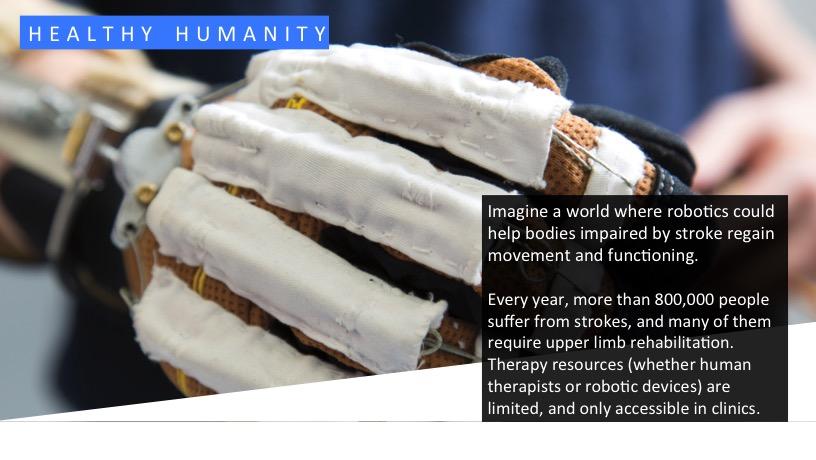
Matei Ciocarlie is an Associate Professor of Mechanical Engineering at Columbia University, focusing on robotics research spanning hardware design, control systems, and human-robot interaction. His work emphasizes robots operating in dynamic, unstructured environments, with applications in manufacturing, logistics, and healthcare. He holds affiliations with Columbia's School of Engineering and Applied Science and the Robotics Department. Education: Ph.D. in Mechanical Engineering from Columbia University (2010), with a doctoral dissertation on dexterous robotic grasping awarded the 2010 Robotdalen Scientific Award. Research Interests: Robotic hand design/control, human-in-the-loop manipulation, assistive robotics, tactile sensing, and rehabilitation technologies. His lab develops systems like wearable robotic orthoses for stroke patients and teleoperated robots with autonomous decision-making capabilities. Awards: IEEE Early Career Award (2015), ONR Young Investigator Award (2016), NSF CAREER Award (2016), Sloan Fellowship (2017). Grants & Collaborations: Led projects at Willow Garage and Google, contributing to ROS development. Current work includes NSF-funded tactile sensing research and NIH-sponsored assistive robotics initiatives. Labs: Active projects in Columbia's Robotics Lab and collaboration with medical institutions for clinical trials of robotic orthoses.
Gunnar Blohm is an Assistant Professor in the Department of Biomedical and Molecular Sciences at Queen's University, affiliated with the School of Medicine and Faculty of Health Sciences. His research focuses on sensorimotor neuroscience, particularly 3D sensorimotor control, eye-hand coordination, and computational modeling of neural processes. He holds a Ph.D. from Université Catholique de Louvain and has held postdoctoral positions at York University and his alma mater. Cross-appointed to the School of Computing, Department of Psychology, and Department of Mathematics and Statistics, he is also Vice-Director of the Connected Minds initiative. His research integrates behavioral experiments, brain imaging (MEG/EEG), and patient studies to understand how sensory information is transformed into goal-directed actions. Key areas include visuomotor transformations, multisensory integration, and Bayesian processes in neural computations. Blohm leads the Computational Sensorimotor Neuroscience Lab, emphasizing collaborative projects like Neuromatch Academy and contributions to open science initiatives. Affiliated with Queen's Centre for Neuroscience Studies and Ingenuity Labs, his work bridges computational approaches with clinical applications, aiming to develop frameworks for understanding brain dysfunction and clinical tools. His recent articles explore topics like saccade dynamics, pupil responses, and generative adversarial collaborations in scientific discourse.
Prof. Raimon Jané Campos is a leading figure in biomedical signal processing at the Universitat Politècnica de Catalunya (UPC) and Universitat de Barcelona (UB). As co-director of UPC's Biomedical Signal and System Group (CREB) and coordinator of the Biomedical Engineering PhD Programme, he bridges engineering and clinical applications. His work focuses on respiratory and sleep disorder diagnostics, with significant contributions to COPD and sleep apnea monitoring through wearable devices and machine learning. PhD in Biomedical Engineering (UPC, 1989) Visiting researcher at Université de Nice-Sophia Antipolis Vice-president of Spanish Society of Biomedical Engineering Research spans respiratory mechanics , sleep-disordered breathing , acoustic biomarkers , bioimpedance , and machine learning in biomedical contexts . His 2025 work on microcalorimetric pathogen classification and 2024 spiking neural networks for apnea detection demonstrate cutting-edge integration of computational methods with physiological monitoring. Articles from 2017-2024 reveal consistent focus on non-invasive diagnostics , cardiorespiratory synchronization , and smartphone-based health solutions . Awarded the Barcelona City Technology Research Award (2005) and serving on the International Advisory Board for Physiological Measurement since 2010, his career combines academic leadership with real-world clinical translation through IBEC's technology transfer initiatives.
Chen Ran, PhD, is an Assistant Professor in the Department of Neuroscience at Scripps Research in San Diego. His laboratory focuses on understanding how the brain processes internal sensory signals from visceral organs, such as hunger, satiety, nausea, and visceral pain. Using advanced techniques like in vivo two-photon calcium imaging, optogenetics, and circuit tracing, his team maps the functional architecture of brainstem circuits responsible for interoceptive processing. Key contributions include the discovery of a 'visceral homunculus' in the brainstem and the development of novel calcium indicators for high-resolution neuronal activity tracking. Education : PhD in Biology, Stanford University (2017) Bachelor of Science in Biology, Peking University (2011) Research Interests : Dr. Ran’s work integrates experimental and analytical approaches to decode how visceral stimuli are transduced into conscious sensations. Current projects investigate the coding logic of mechanical, chemical, and thermal signals from internal organs, with implications for developing therapies for obesity, diabetes, visceral pain, and eating disorders. The lab employs cutting-edge tools to visualize and manipulate neural circuits in awake behaving mice, linking circuit-level activity to physiological states. Awards & Honors : NARSAD Young Investigator Award (2022) NIH K01 Career Development Award (2023) Simons Collaboration on the Global Brain Award (2022) Harvard Brain Science Initiative Award (2021) Grants & Funding : Supported by NIH, Simons Foundation, and private philanthropy, his research bridges basic science and translational medicine. Current grants focus on brainstem circuit mapping and developing therapeutic targets for interoceptive disorders. Labs & Affiliations : Dr. Ran leads an interdisciplinary team at Scripps Research’s Neuroscience Department, collaborating with engineers, geneticists, and clinicians to advance interoceptive neuroscience.
Professor Dario Farina is Chair in Neurorehabilitation Engineering at the Department of Bioengineering, Faculty of Engineering, Imperial College London. He has previously served as Full Professor at Aalborg University, Denmark, and at the University Medical Center Göttingen, Germany, where he founded and directed the Institute of Neurorehabilitation Systems. His research spans biomedical signal processing, neural control of movement, and neurorehabilitation technology, with extensive contributions to electromyography, motor unit analysis, and neural interfaces. Chair in Neurorehabilitation Engineering, Imperial College London Former Full Professor, Aalborg University and University Medical Center Göttingen Founder and Director, Institute of Neurorehabilitation Systems Key Affiliations: Centre for Neurotechnology, Artificial Intelligence Network, Robotics Forum, Neuromechanics and Rehabilitation Technology His research focuses on biomedical signal processing , neural control of movement , and neurorehabilitation technology . He investigates how neural signals control muscles, develops methods to decode motor unit activity from EMG, and designs neural interfaces for prosthetics and rehabilitation. His work integrates computational modeling, signal processing, and clinical applications to improve bionic systems and neurorehabilitation outcomes. The recent publications (2024–2025) show a strong emphasis on high-density EMG , real-time motor unit decomposition , peripheral and cortical neural interfacing , closed-loop control systems , and AI-driven biosignal analysis . Key themes include decoding spinal and cortical signals, improving prosthetic control, understanding tremor mechanisms, and developing open-source tools for motor unit analysis. The work bridges neuroscience, engineering, and clinical practice. Scientific awards and honors include: Royal Society Wolfson Research Merit Award (2016) IEEE EMBS Early Career Achievement Award (2010) Nightingale Prize for best paper in MBEC (2007) Elected Fellow of EAMBES (2016) Elected Fellow of AIMBE (2012) Professor Farina has advised numerous researchers and students in neuroengineering and rehabilitation technology. He has led major research grants in neural interfaces and neurorehabilitation. He is Editor-in-Chief of the Journal of Electromyography and Kinesiology , an editor for IEEE Transactions on Biomedical Engineering and The Journal of Physiology , and has held editorial roles in multiple journals. He was President of ISEK (2012–2014) and is a Senior Member of IEEE. He leads a research group focused on neuromechanics, neural decoding, and bionic systems. The team develops tools like I-Spin live and MUedit for real-time motor unit identification and contributes to open-source platforms such as NeuroMotion . The lab collaborates internationally on projects involving spinal cord stimulation, prosthetic control, and wearable robotics, aiming to translate neural engineering advances into clinical rehabilitation.
Kuo-Fen Lee, PhD is a Professor at the Salk Institute for Biological Studies, holding the prestigious Helen McLoraine Chair of Molecular Neurobiology. He leads the Clayton Foundation Laboratories for Peptide Biology, where his research focuses on nerve regeneration, spinal cord injury, and molecular mechanisms underlying neural development and neurodegenerative diseases. His work bridges basic neuroscience with potential therapeutic applications for conditions like ALS, paralysis, and Alzheimer's disease. Dr. Lee received his educational training from multiple prestigious institutions: a degree in Plant Pathology from National Taiwan University; an MS in Cancer Enzymology and Cell Differentiation from National Yang-Ming Medical College, Taiwan; a PhD in Endocrinology from Baylor College of Medicine, Houston; and completed his postdoctoral training at the Whitehead Institute for Biomedical Research. His primary research interests center on understanding why humans cannot regenerate damaged nerves while many other animals can. Dr. Lee has made significant discoveries regarding the p45 protein, which promotes nerve regrowth in mice but is absent in humans (who instead have p75, which inhibits nerve growth). His laboratory also studies neuregulin signaling, neuromuscular synapse formation, and the role of various proteins like nestin in neural development and maintenance. His work often employs mouse models to investigate spinal cord injury, pain pathways, and neurodegenerative conditions. Analysis of Dr. Lee's recent publications reveals a consistent focus on molecular neurobiology with particular emphasis on neural signaling pathways, synaptic maintenance, and nerve regeneration mechanisms. His research spans from basic molecular mechanisms to potential therapeutic applications, with increasing attention to pain pathways, Alzheimer's disease models, and the intersection of neuroscience with immunology and metabolism in recent years. As holder of the Helen McLoraine Chair of Molecular Neurobiology, Dr. Lee has received significant institutional recognition for his contributions to neuroscience. While specific awards aren't detailed in the provided text, his sustained funding and leadership position indicate substantial peer recognition in his field. Dr. Lee's research program involves extensive collaboration with other neuroscience laboratories, as evidenced by his numerous co-authored publications across various neuroscience subdisciplines. His work has been consistently funded, allowing for the maintenance of an active research laboratory focused on nerve regeneration and molecular neurobiology. The Clayton Foundation Laboratories for Peptide Biology serves as the primary research environment for Dr. Lee's team, where they investigate molecular mechanisms of nerve development, regeneration, and degeneration using advanced genetic, molecular, and cellular approaches. The laboratory maintains active research programs in multiple areas of neural signaling and development.
Professor Kristian Franze serves as Principal Investigator and Head of the Department of Neural Mechanics at the Max Planck Center for Physics and Medicine in Erlangen, Germany. He concurrently holds the position of Director of the Institute of Medical Physics and Microtissue Engineering at the Faculty of Medicine of Friedrich-Alexander University Erlangen-Nuremberg (FAU). His groundbreaking research explores how neurons integrate mechanical and chemical signals during development and regeneration processes of the central nervous system. The Franze laboratory employs an interdisciplinary approach combining physics and life sciences, utilizing advanced techniques including: Atomic force microscopy Traction force microscopy Custom-built compliant cell culture substrates Optical and confocal laser scanning microscopy Cell and molecular biology approaches Key discoveries from his lab include demonstrating that neural tissue is mechanically highly heterogeneous, that neurons constantly exert forces on their environment, and that both neurons and glial cells actively respond to mechanical stimuli. His work has revealed that local tissue mechanics directly guides growing neuronal axons and contributes to establishing the chemical landscape encountered by developing neurons. Professor Franze leads an international research team comprising doctoral students, postdoctoral fellows, and technical staff. His laboratory investigates how cellular forces, tissue compliance, and cellular mechanosensitivity contribute to CNS development and disease, with potential applications for treating neurological disorders where mechanical factors play crucial roles, such as foreign body reactions to implants and failed nerve regeneration after spinal cord injuries.