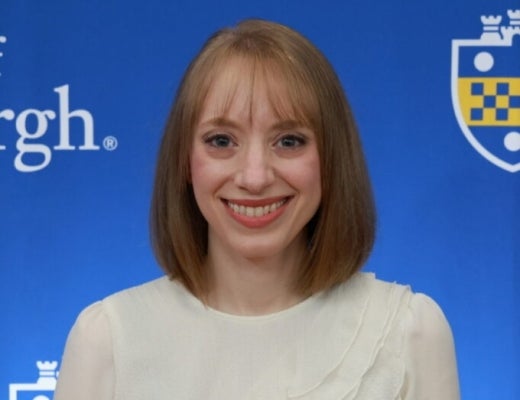
Lauren Forrestمشاهده پروفایل
استادیار
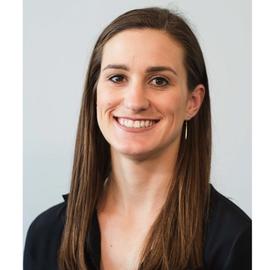
Dr. Lauren Forrest is an Assistant Professor in the Psychology Department within the College of Arts and Sciences at the University of Oregon. She leads The Forrest Lab , dedicated to determining how suicide and eating disorders can be effectively predicted, treated, and prevented. Her research focuses on understanding the complex interplay of factors contributing to these devastating conditions, with particular attention to minoritized groups experiencing disproportionate burdens. Dr. Forrest's work operates at the intersection of clinical science, advanced quantitative methods, and health equity. Dr. Forrest earned her PhD in Clinical Psychology from Miami University in 2020, completed her Predoctoral Clinical Internship at Yale School of Medicine in 2020, and received her Bachelor of Science in Psychology from the University of Utah in 2012. Her academic trajectory reflects a strong commitment to both clinical training and advanced methodological sophistication. Dr. Forrest's research program addresses critical questions in clinical psychology through four interconnected content areas. Her work on network models statistically examines how symptoms inter-relate and potentially cause one another in eating disorders. In machine learning and data-driven models , she applies advanced quantitative methods to predict difficult-to-predict outcomes like eating disorder severity and suicide. Her research on inequities and disparities focuses on risk processes across levels of influence, particularly through an intersectionality lens. Most significantly, her lab is dedicated to studying suicidal thoughts and behaviors and eating disorders within the LGBTQIA+ community , where these conditions disproportionately impact individuals but research representation is severely lacking. Dr. Forrest's publication record demonstrates a strong trajectory of impactful research with increasing focus on intersectionality. A notable trend across her publications is the application of sophisticated methodologies including network analysis, machine learning, and advanced statistical modeling to address complex questions about the structure, prediction, and treatment of mental health conditions. Her work increasingly examines how gender, sexual orientation, race/ethnicity, and rurality interact to create unique risk profiles for suicide and eating disorders. Dr. Forrest actively mentors doctoral students and research coordinators in her lab at the University of Oregon. Her current team includes PhD students Haley Henriksen, Griffin Kreit, Devon Peterkin, and research coordinator Cassidy Martens. She maintains connections with alumni affiliates including Ayla Gioia, PhD. Dr. Forrest seeks students with strong research experience, statistical sophistication, and commitment to addressing health inequities, though she is not accepting new clinical psychology PhD students for Fall 2026. Dr. Forrest's lab is currently engaged in several major projects including research on acute, person-specific suicide risk processes in rural sexual minority adults; momentary suicide risk processes in trans people; a systematic review of short-term predictors of suicidal thoughts and behaviors; and advanced quantitative methods applied to eating disorder research. Her lab maintains a strong commitment to diversity, equity, and inclusion, recognizing that diverse perspectives benefit psychological science and that the field must do better to train individuals from historically excluded groups.