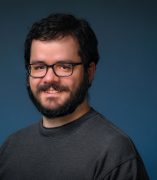
Fabio Miranda is an Assistant Professor at the Department of Computer Science, University of Illinois at Chicago (UIC) . His research bridges visualization , machine learning , data management , and computer graphics to enable interactive visual analysis of large-scale urban datasets . He has developed systems like UrbanRama (for VR navigation) and The Urban Toolkit (a grammar-based framework), which have been deployed in academia, industry, and government agencies. Education: Ph.D., Computer Science , New York University (2018) M.S., Computer Science , Pontifical Catholic University of Rio de Janeiro (2011) B.S., Computer Science , Federal University of Minas Gerais (2009) Research Interests center on urban visual analytics , 3D analytics , and machine learning for accessibility . His work addresses challenges like sunlight access , sidewalk quality assessment , and commuting flow modeling , often collaborating with urban planners, climate scientists, and occupational therapists. Scientific Recognition includes awards at IEEE VIS , SIBGRAPI , and SIGMOD . His research is funded by NSF , NIH , DOT , and DPI , with media coverage in The New York Times , The Economist , and Architectural Digest . Teaching includes courses like CS 524: Big Data Visualization and Analytics and CS 424: Visualization and Visual Analytics . He emphasizes web-based systems, dataflow frameworks, and interdisciplinary collaboration, with open positions for PhD , MSc , and undergraduate researchers .
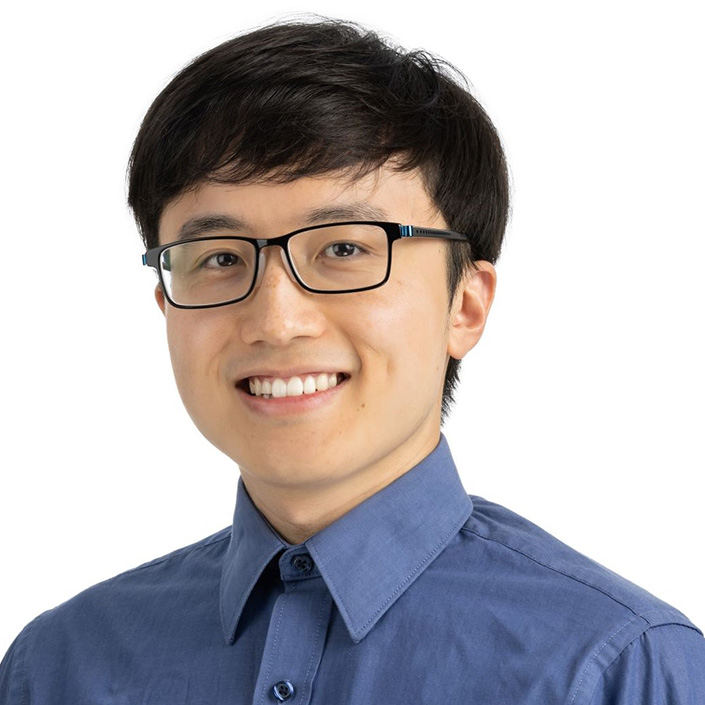
Kevin C. Zhou is an Assistant Professor in the Department of Biomedical Engineering at the University of Michigan. His research focuses on developing high-performance computational optical imaging systems with unprecedented spatiotemporal throughput, integrating advanced optical instrumentation with machine learning-driven algorithms to analyze big data in biology and medicine. His lab specializes in creating imaging systems capable of capturing high-resolution, high-speed, and high-dimensional datasets. Dr. Zhou holds a Ph.D. in Biomedical Engineering from Duke University (NSF GRFP Fellow) and a B.S. in Biomedical Engineering from Yale University (Barry Goldwater Scholar). Prior to joining U-M, he was a Schmidt Science Fellow and postdoctoral researcher at UC Berkeley. Key research areas include: High-throughput microscopy (gigapixel-scale systems) 3D tomographic imaging Light field and Fourier-based imaging modalities Machine learning for image reconstruction and analysis Biomedical applications in cellular/molecular imaging His recent work has advanced technologies like multi-camera array microscopes (MCAM/MCAS) and Fourier light field mesoscopes, achieving video-rate 3D imaging of freely moving organisms. These innovations enable applications in digital cytopathology, behavioral tracking, and high-content biological studies. Notable awards include the NSF Graduate Research Fellowship and Barry Goldwater Scholarship. His research has been featured in top journals and conferences with a focus on advancing optical imaging hardware and computational pipelines.
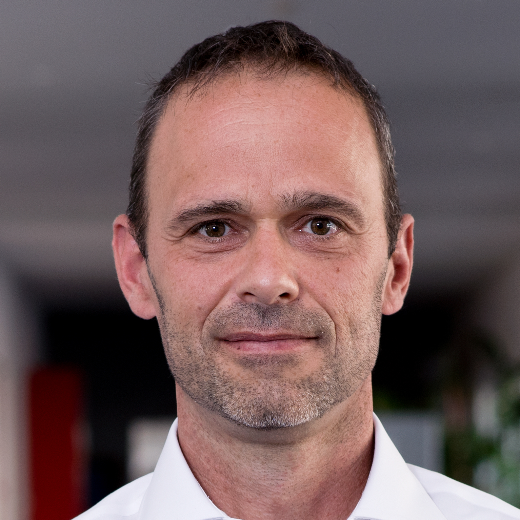
Prof. Dr. Andreas Butz is a Full Professor and Chair for Human-Computer Interaction at the Department for Informatics, Ludwig-Maximilians-Universität München (LMU Munich). He leads the Media Informatics Group, focusing on innovative interaction techniques and interfaces in immersive environments like VR/AR, automotive systems, and smart spaces. His research emphasizes perceptual user interfaces, social robotics, and designing systems that balance invisibility with transparency. Key research areas include: Virtual/Augmented Reality interfaces for productivity and social interaction AI-driven decision support in safety-critical domains (aviation, healthcare) Haptic and wearable interaction technologies Automotive UI design for driver assistance systems Principles of explainable AI and human-AI collaboration His work bridges theory and practice through projects like: VR-based movement training systems AI trust calibration mechanisms Multi-modal interaction frameworks for automotive environments Systems for analyzing long-term music listening behavior Recent articles explore topics ranging from AI support in pilot decision-making to haptic wearables and creative writing interfaces. His team collaborates with industry partners on electric vehicle information systems and in-car interaction challenges.
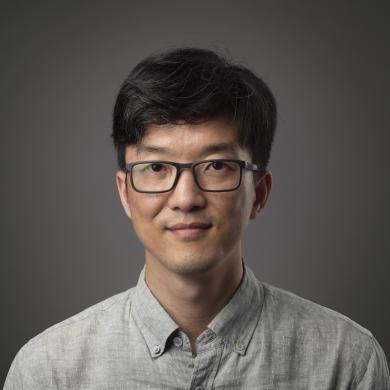
Oswald Lanz is a tenured full professor at the Faculty of Engineering of the Free University of Bozen-Bolzano , leading the Visual Computing Lab . He holds a Ph.D. in Computer Science and a Mathematics degree from the University of Trento. Prior to his current role, he was a researcher and head of research at FBK Trento. He is an endowed professor collaborating with Covision Lab , an AI hub in Bressanone, and coordinates the board of professors for the PhD in Computer Science program since 2025. His research focuses on Computer Vision, Deep Learning, and Video Analytics , with applications in sports technology, medical imaging, and industrial automation. Key achievements include the Amazon AWS Machine Learning Research Award (2020) , ACM Multimedia Best Paper (2015) , and Best Student Paper at ICIAP (2007) . He co-organized the ELLIS-VISMAC Winter School (2025) and chaired ICIAP 2019 . His work spans novel view synthesis, action recognition, and anomaly detection, supported by patents in video tracking and detection. He teaches courses like Deep Learning and Artificial Intelligence in undergraduate and graduate programs. Recent projects such as 5VREAL integrate 5G, edge computing, and AI for sports analysis. His collaborations bridge academia and industry, exemplified by his role in Covision Lab and multidisciplinary initiatives like DSS4LCO for food supply chains. Lanz’s publications emphasize spatiotemporal modeling, neural architecture search, and hybrid machine vision systems.
Daan Christiaens is a tenure track lecturer at KU Leuven's Faculty of Medicine and Faculty of Engineering Sciences. He is affiliated with the Department of Electrical Engineering (ESAT) and Department of Imaging & Pathology, serving as a member of the Medical Imaging Division and the KU Leuven Brain Institute (LBI). His academic responsibilities include membership in the Faculty Councils of Engineering Sciences and Medicine. His research focuses on: Inverse problems in medical imaging reconstruction Neuroimaging techniques for brain analysis Advanced quantitative MRI methodologies Diffusion-weighted imaging for microstructural assessment Dr. Christiaens' recent publications (2023-2025) demonstrate a consistent focus on diffusion MRI innovations, including novel reconstruction algorithms, neonatal brain development mapping, and clinical applications for neurodegenerative disorders. Key technical themes include motion correction, multi-shell modeling, and AI-enhanced image processing, while clinical applications span Alzheimer's disease, cerebral palsy, and autism research. He leads significant research projects including: MRI reconstruction with dynamic field monitoring (2024-2028) Compressed sensing for microstructure imaging (2022-2026) Neonatal diffusion MRI network connectivity analysis (2024-2028) As a core developer of the MRtrix3 software framework for medical image processing, he contributes to essential tools in neuroimaging research.
Prof. Daniel Memmert is a Professor at the German Sport University Cologne, leading research in Sport Informatics and Sports Games within the Institute of Exercise Training and Sport Informatics. His work focuses on cognitive aspects of sports performance, decision-making, and data-driven analysis in football (soccer) and other sports. He has published extensively on topics like penalty kick strategies, home advantage dynamics, artificial intelligence applications in coaching, and route-setting in climbing. Memmert's research bridges sports science, computer science, and psychology, with over 550 publications and 41 projects to his name. He frequently engages with media, explaining complex sports phenomena to the public. Key Research Areas: Football analytics, cognitive psychology in sports, sports technology, decision-making under pressure Media Contributions: Over 50 media features discussing topics such as AI in coaching, referee bias, and athlete creativity Projects: Includes initiatives on sports data visualization, performance metrics, and prevention of sports betting addiction His work emphasizes translating academic findings into practical tools for athletes, coaches, and sports organizations, combining rigorous data analysis with real-world applications.
Prof. Dr. Stefan Luther is a Max Planck Research Group leader (W2, tenured since 2013) at the Max Planck Institute for Dynamics and Self-Organization, Göttingen, and an Honorarprofessor at the Faculty of Physics, University of Göttingen. He holds adjunct roles as Adjunct Associate Professor at Cornell University (2009–2012) and Northeastern University (2016–2018), and serves as DZHK-Professor at the Institute of Pharmacology and Toxicology, University Medical Center Göttingen. His research focuses on nonlinear spatiotemporal dynamics in excitable biological media, particularly cardiac arrhythmias. He pioneered 4D imaging of heart function and developed algorithms for optogenetic and electrical control of arrhythmias. Translational efforts span basic research to preclinical and clinical studies. Education includes a Diplom in Physics (1997) and PhD (2000) from Georg-August-University, Göttingen. Postdoctoral training followed at the University of Twente (2001–2004) and Cornell University’s LASSP (2004–2006). His lab, the Biomedical Physics group, explores electromechanical coupling in cardiac systems and develops novel therapeutic approaches. Collaborations include work on computational modeling, uncertainty quantification in dynamical systems, and fluid dynamics of multiphase flows.
Dr. Jia Zhang is the Inaugural Robert H. Dedman Jr. Endowed Department Chair and Professor of Computer Science at Southern Methodist University (SMU Lyle School of Engineering). She holds the Cruse C. and Marjorie F. Calahan Centennial Chair in Engineering and has a courtesy appointment in the Department of Operations Research and Engineering Management. Her research focuses on applying machine learning, natural language processing, and information retrieval to data science infrastructure, particularly scientific workflows, provenance mining, software discovery, knowledge graphs, cloud computing, immune AI, and applications in earth science and healthcare. Education: Ph.D. in Computer Science, University of Illinois at Chicago M.S. in Computer Science, Nanjing University B.S. in Computer Science, Nanjing University Dr. Zhang's work emphasizes data science infrastructure and machine learning for scientific workflows and knowledge graphs. Her recent publications highlight deep learning , graph neural networks , and optimization algorithms in cloud computing, cybersecurity, and environmental applications. Key trends include spatiotemporal modeling , hybrid neural architectures , and AI-driven service ecosystems . Scientific Awards: Best Paper Awards IEEE SCC (2011, 2017) Best Student Paper Awards IEEE ICWS (2014, 2018), IEEE ICCC (2018) Distinguished Paper Award ICSOC (2023) First Outstanding Service Award IEEE Technical Committee on Services Computing (2016) She has secured over $5 million in federal grants (as PI) and $11 million as PI/Co-PI from NSF, NASA, NIH, UTSW, Ericsson, SAP, and Google. Her lab (Caruth Hall 308) actively recruits research assistants. She previously served as a faculty member at Carnegie Mellon University, Northern Illinois University, and Nanjing University, and worked in industry as a software architect.
Il Memming Park is a Professor and Group Leader at the Centre for Restorative Neurotechnology within the Champalimaud Research division of the Champalimaud Foundation in Lisbon, Portugal. His work bridges computational neuroscience, machine learning, and statistical modeling to understand neural dynamics and computation. Dr. Park's research focuses on developing statistical and machine learning methods for analyzing neural time series data. His lab investigates the appropriate language for neural dynamics that can explain and generate specific predictions on neural data and behavior. He builds on foundations of dynamical systems and stochastic processes to create models of neural computation tightly tied to biology. His publications reveal a strong emphasis on developing methods like variational latent Gaussian processes and exponential family dynamical systems to extract meaningful patterns from complex neural recordings. His work spans both theoretical developments in computational methods and their application to real neural data from areas like visual cortex, parietal cortex, and other brain regions involved in perception and decision making. Dr. Park has previously held positions at Stony Brook University and the University of Texas at Austin, where he was affiliated with departments of Neurobiology and Behavior, Applied Mathematics and Statistics, Psychology, and Neuroscience. His lab at Champalimaud includes multiple PhD students, postdoctoral researchers, and research staff working collaboratively on various aspects of neural data analysis and modeling. The team employs an interdisciplinary approach combining neuroscience, statistics, machine learning, and dynamical systems theory.
Mei-Po Kwan is a distinguished academic holding multiple roles at The Chinese University of Hong Kong (CUHK). She serves as the Head of Chung Chi College, Choh-Ming Li Professor of Geography and Resource Management, Director of the Institute of Space and Earth Information Science, and Professor at The Jockey Club School of Public Health and Primary Care. Her research focuses on geospatial health, urban mobility, environmental health, and innovative GIS methods, emphasizing individual-level environmental exposure and social disparities. Education: Ph.D. Geography, University of California, Santa Barbara (1994) M.A. Urban Planning, University of California, Los Angeles (1989) B.SoSci. Geography, The Chinese University of Hong Kong (1985) Research Interests: Dr. Kwan’s work bridges health, transport, and environmental geography, leveraging cutting-edge GIS and mixed-methods approaches. Key themes include: Uncertain Geographic Context Problem (UGCoP) and Neighborhood Effect Averaging Problem (NEAP) GIS-based analysis of greenspace, air/noise pollution, and mobility Geospatial AI and real-time sensing technologies Health disparities in urban environments Grants & Awards: She has secured over $68 million in research funding, including recent grants from the Hong Kong Research Grants Council and Innovation and Technology Commission. Notable awards include Fellowships from the American Association of Geographers, Royal Geographical Society, and multiple Highly Cited Researcher recognitions (2019, 2021). Professional Service: Editor of Annals of the American Association of American Geographers , founder of the International Geospatial Health Research Network, and member of prestigious editorial boards and advisory councils. Labs & Teams: Leads the Institute of Space and Earth Information Science and collaborates on projects like the 15-minute city framework, carbon monitoring systems, and geospatial health analytics.
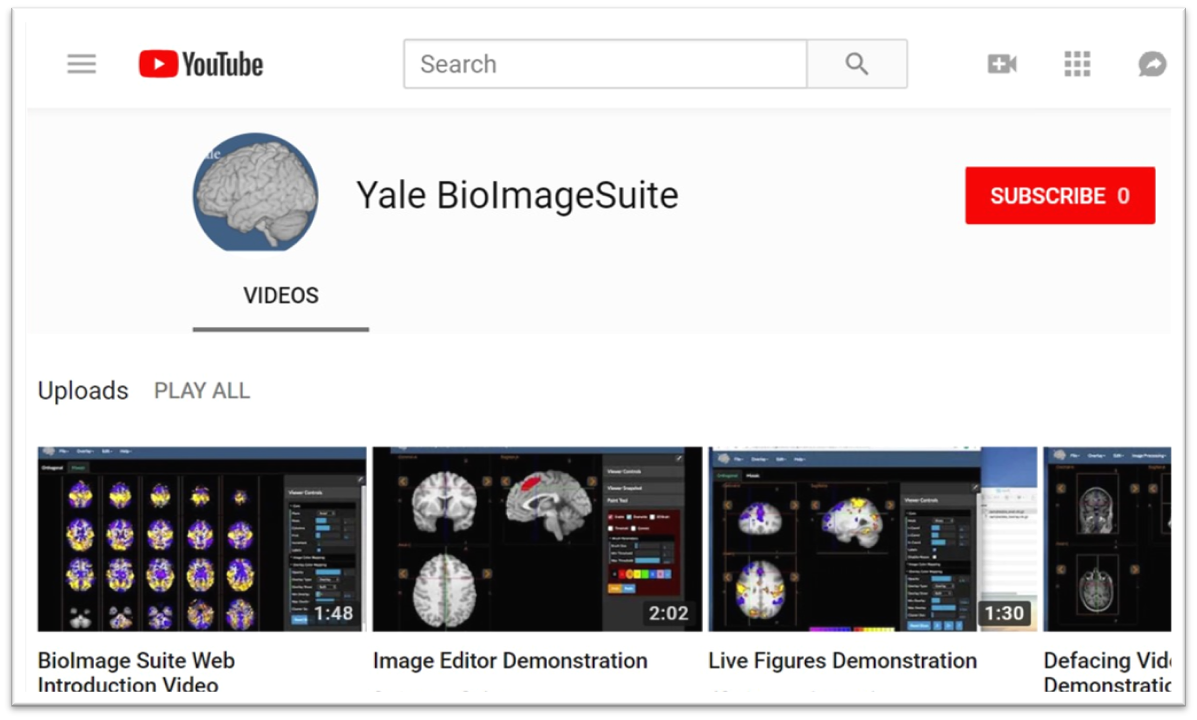
Xenophon Papademetris is a Professor of Biomedical Informatics & Data Science and Radiology & Biomedical Imaging at Yale School of Medicine. He serves as Associate Director of Biomedical Imaging Data Sciences at Yale Biomedical Imaging Institute and directs the Medical Software and Medical Artificial Intelligence Certificate Program. PhD in Electrical and Information Sciences from Yale University (2000) BA from Cambridge University (1994) Postdoctoral Fellowship at Yale University (2002) His research focuses on medical image analysis, machine learning, and biomedical software development. He has developed tools like BioImage Suite Web and contributed to standards committees at the Association for the Advancement of Medical Instrumentation (AAMI). His work spans modalities including MRI, CT, PET, and optical imaging. Recent publications emphasize neuroimaging analysis, explainable AI in healthcare, and multimodal data integration across species. He leads NIH-funded research under the BRAIN Initiative (R24 MH114805) and has authored a textbook on Medical Software published by Cambridge University Press. IEEE Senior Member Yale Brown-Coxe Postdoctoral Fellowship Harding Bliss Prize for Excellence in Engineering He directs the BioImage Suite Project, creating web-based image analysis tools using JavaScript and WebAssembly. His teaching includes both academic courses and a Coursera program on Medical Software with over 14,000 enrollments.
Somayeh Dodge is an Associate Professor of Spatial Data Science in the Department of Geography at the University of California, Santa Barbara (UCSB). She leads the MOVE Lab and serves as Co-Associate Director of the UCSB Center for Spatial Studies and Data Science. Her research focuses on computational movement analysis, spatiotemporal data science, and the application of these tools to study human and ecological systems. She holds editorial roles in major journals including Journal of Spatial Information Science and Geographical Analysis. Education: PhD in GIScience (University of Zurich, 2011), MS in GIS Engineering (K.N.Toosi University of Technology, 2005), and BS in Geomatics Engineering (2003). Postdoctoral work at The Ohio State University and University of Zurich. Prior faculty positions include University of Minnesota (2016–2019) and University of Colorado, Colorado Springs (2013–2016). Research interests include wildfire impact analysis, mobility patterns during disasters, environmental vulnerability modeling, and geovisualization techniques. Her NSF CAREER project explores movement responses to environmental disruptions. Teaching focuses on GIScience, movement analytics, and spatial modeling courses. Awards: 2021 NSF CAREER Award and 2022 AAG Emerging Scholar Award. Active in editorial boards for multiple journals and serves on the Board of Directors for the University Consortium for Geographic Information Science (UCGIS). Advising: Supervises 7 graduate students in mobility analytics and environmental modeling. Labs/Teams: MOVE Lab (https://move.geog.ucsb.edu/) focuses on computational movement ecology and human mobility studies.
Mohamed F. Mokbel is a Distinguished McKnight University Professor in the Department of Computer Science and Engineering at the University of Minnesota - Twin Cities , where he also serves as the Director of Graduate Studies. He is recognized as an IEEE Fellow and ACM Distinguished Member for his contributions to spatially- and privacy-aware systems. His research focuses on database systems , spatial data management , and GIS (Geographic Information Systems) , with significant work in spatiotemporal data, location-based services, and machine learning for spatial applications. His most recent publications address scalable BERT-based trajectory imputation , spatial logistic regression frameworks , and spatiotemporal big data decay techniques . Key Awards: Distinguished McKnight University Professor (2023) ACM SIGSPATIAL 10-Year Impact Award (2022) IEEE Fellow (2020) ACM Distinguished Member (2017) NSF CAREER Award (2010) Selected Conference Papers: Recathon (2015, IEEE MDM Best Paper) ST-Hadoop (2017, SSTD Best Paper) KAMEL (2023, ACM SIGMOD Demo) Academic Service: Editor-in-Chief, ACM Transactions on Spatial Algorithms and Systems (2024–) General Co-Chair, ACM SIGSPATIAL 2025 Past Chair, ACM SIGSPATIAL (2014–2017)
Professor Moncef Gabbouj is a distinguished academic and researcher currently serving as Professor of Signal Processing at the Department of Computing Sciences, Faculty of Information Technology and Communication Sciences, Tampere University, Finland. Previously, he held the same position at Tampere University of Technology before the merger in 2019. He has also held visiting professorships at prestigious institutions including Hong Kong University of Technology and Science, University of Southern California, and Purdue University. Ph.D. and MSc. in Electrical Engineering from Purdue University, USA (1989 and 1986) B.Sc. in Electrical Engineering from Oklahoma State University, USA (1985) Prof. Gabbouj's research spans multiple domains within signal and image processing, with a strong focus on machine learning applications. His primary research interests include artificial intelligence, machine learning, Big Data analytics, multimedia content-based analysis, indexing and retrieval, nonlinear signal and image processing, voice conversion, and video processing and coding. His work bridges theoretical advancements with practical applications across various industries, particularly in multimedia communications and biomedical applications. His extensive publication record demonstrates a clear evolution from traditional signal processing techniques toward more sophisticated machine learning and deep learning approaches. Recent work shows increasing focus on convolutional neural networks for various applications including ECG classification, video processing, financial time-series analysis, and image recognition tasks, reflecting the broader trend in the field toward deep learning methodologies while maintaining strong foundations in signal processing theory. IEEE Fellow (2011) Member, Finnish Academy of Science and Letters (2014) Knight, First Class, of the Order of the White Rose of Finland (2006) Nokia Foundation Recognition Award (2005) Nokia Foundation Visiting Professor Award (2012) Finnish Cultural Foundation for Art and Science Award (2017) TUT Foundation Grand Award (2015) Prof. Gabbouj has supervised 64 doctoral and 72 Master's theses, demonstrating his significant contribution to academic mentoring. His research has been supported by substantial funding, including research grants totaling 8.5 million Euro (2001-2015). He has served as Academy of Finland Professor during 2011-2015 and has been involved in numerous EU research projects including Horizon, ESPRIT, HCM, IST, COST, Tempus and Erasmus programs. As Editor, Guest Editor or member of the Editorial Board of 6 international scientific journals, he has significantly influenced the academic discourse in his field. He leads the Signal Analysis and Machine Intelligence (SAMI) research group at Tampere University and serves as the Finland Site Director of the NSF IUCRC funded Center for Visual and Decision Informatics. His research unit focuses on applying advanced machine learning techniques to solve complex problems in signal processing, computer vision, and multimedia analytics, with applications ranging from healthcare to multimedia communications and financial analysis.
Roberto Togneri is a Professor and Senior Honorary Research Fellow at the University of Western Australia's School of Electrical, Electronic and Computer Engineering. He has been affiliated with the university since 1988, following his PhD in 1989. His research focuses on signal processing, speech recognition, machine learning, and biometrics, with notable contributions to audio-visual recognition systems and fraud detection. Education: PhD in Electrical Engineering (University of Western Australia, 1989). Research interests include feature extraction for audio signals, neural network models for speech and speaker recognition, and applications of machine learning to fraud prevention. His work has been recognized with awards such as the Education Innovation Award (ICASSP 2019) and grants from the Australian Research Council (e.g., DP110103336 for a 3D Audio-Visual Speech Recognition System). Key projects include developing robust speech recognition systems in adverse environments and advancing graph-based fraudster group detection using spatio-temporal data. He has also contributed to editorial roles in IEEE Signal Processing Magazine and authored over 214 research outputs. Funding highlights include $279,000 for a 3D audio-visual speech recognition system (2011–2013) and $230,000 for robust speech recognition in hostile environments (2010–2012). His research aligns with UN SDGs related to innovation and infrastructure.