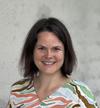
Hannah Spitzer is a Research Group Leader at the Institute for Stroke and Dementia Research (ISD) at Ludwig Maximilian University of Munich and an associated Research Group Leader at Helmholtz Munich's Computational Health Center. She leads the Spitzer Lab, focusing on computational analysis of multimodal brain datasets to advance understanding of neurovascular and neurodegenerative diseases. Her educational background includes: PhD in Computer Science from Heinrich-Heine University Düsseldorf and Research Center Jülich (2015-2020) Master's in Computer Science from RWTH Aachen (2013-2015) Bachelor's in Computer Science from RWTH Aachen (2009-2013) Dr. Spitzer's research integrates computational biology and machine learning to decode brain complexity, with emphasis on spatial omics analysis , interpretable image representation learning , and cross-modal data integration . Her group develops tools like squidpy and campa for spatial omics while applying graph neural networks to epilepsy lesion detection through the international MELD project, prioritizing biological interpretability in AI models. Recent publications reveal strong trends in leveraging graph neural networks for subtle brain lesion detection and creating computational frameworks for spatial omics integration. Her work consistently bridges advanced machine learning with clinical neuroscience to uncover disease mechanisms in neurodegeneration and vascular disorders. Dr. Spitzer actively mentors students including current PhD candidate Beatrice Guastella and alumni Deniz Fettahoglu (MSc) and Katia Berr (PhD). Her lab operates through major collaborations including the MELD epilepsy consortium and Helmholtz Imaging Project, with funding supporting computational pipeline development for small-vessel disease prediction and multimodal brain atlasing. The Spitzer Lab comprises postdoc Wasim Aftab and PhD student Beatrice Guastella, working on computational pipelines that integrate histology, spatial omics, and neuroimaging data to decode brain disease mechanisms through interpretable AI approaches.
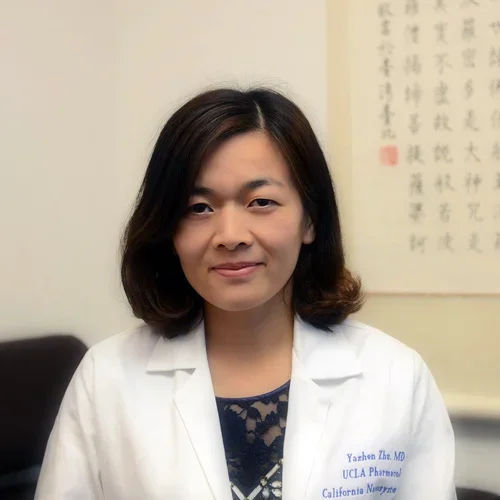
Dr. Yazhen Zhu is an Assistant Professor and Research Pathologist at the David Geffen School of Medicine , University of California, Los Angeles (UCLA). She is affiliated with the Crump Institute for Molecular Imaging and the Department of Molecular and Medical Pharmacology . In addition to her academic role, she co-directs the liquid biopsy laboratory at UCLA, where she leads translational research programs in cancer and prenatal diagnostics. Education: MD, Wuhan University (2005) PhD in Pathology, Fudan University (2010) Residency in Pathology, Guangdong Provincial Hospital of TCM (2012) Research Interests: Dr. Zhu’s research focuses on the development and clinical translation of liquid biopsy-based diagnostic platforms . Her work explores the potential of circulating rare cells and extracellular vesicles (EVs) for noninvasive cancer and prenatal diagnostics. She has pioneered the use of click chemistry and nanosubstrates to enrich tumor-derived EVs and circulating tumor cells (CTCs), enabling high-sensitivity detection of oncogenic mutations and gene expression profiles. Her translational programs involve close collaboration with clinicians across multiple departments at UCLA and Cedars-Sinai Medical Center. Scientific Contributions: Dr. Zhu has published extensively on novel diagnostic assays for hepatocellular carcinoma, prostate cancer, ovarian cancer, and placental disorders. Her work spans from single-cell profiling and spatial transcriptomics to CRISPR-based gene therapy , reflecting a broad and integrative approach to precision medicine. Research Collaborations & Labs: She co-directs the Liquid Biopsy Laboratory at UCLA, which serves as a hub for interdisciplinary research involving molecular imaging, pharmacology, and clinical pathology. The lab collaborates with departments such as Liver Transplant Surgery, Pancreatic Cancer Surgery, Thyroid Surgery, Medical Oncology, and Maternal-Fetal Medicine.
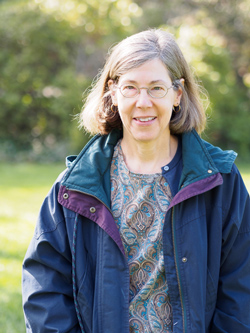
Pabitra Sahoo is an Assistant Professor in the Department of Biological Sciences at Rutgers University, leading a research group focused on axonal mRNA dynamics and stress granule biology. His work bridges molecular neuroscience and regenerative medicine with direct implications for neural repair mechanisms. His educational background includes: B.S. from Utkal University, India (2005) M.S. from University of Hyderabad, India (2007) Ph.D. from National Centre for Cell Science, University of Pune (2013) Postdoctoral fellowship at Twiss Lab, University of South Carolina (2023) Dr. Sahoo's research centers on stress granules in axons and their dual role in physiological mRNA storage and pathological inhibition of nerve regeneration. His lab investigates how localized protein synthesis mechanisms govern neural repair, neurodevelopment, and neurodegenerative processes through cutting-edge approaches in spatial transcriptomics and axonal biology. Key discoveries include the identification of G3BP1 as a critical regulator of axonal mRNA translation and the demonstration that stress granules exist under normal physiological conditions in neurons. Analysis of his 2021-2025 publications reveals a dominant focus on stress granule disassembly mechanisms (particularly involving G3BP1), RNA-binding protein functions in axonal mRNA stability, and therapeutic targeting of these pathways for nerve regeneration. His work consistently connects fundamental molecular mechanisms to applications in spinal cord injury, peripheral nerve repair, and neurodegenerative conditions like ALS. The Sahoo Lab operates as a collaborative team of "curiosity driven, fun, and coffee loving scientists" investigating how mRNA storage granules respond to neuronal signals. Current projects specifically examine stress granule dynamics in neuronal development models and their dysfunction in neurodevelopmental disorders (e.g., Down syndrome) and neurodegenerative diseases, with therapeutic strategies emerging from multiple patent filings.
Dr. Stephanie de Alcantara Fernandes is a Minerva Fast Track Group Leader at the Max Planck Institute for Biology of Ageing in Cologne, Germany, where she leads research on muscle metabolism and aging. Her laboratory investigates how spatial and functional regulation of mTORC1 signaling influences skeletal muscle health, growth, and regeneration throughout the lifespan, with implications for understanding and promoting healthy aging. Dr. Fernandes completed her academic training through a distinguished path: PhD in Biology (Summa cum laude, with distinction), University of Cologne/Max Planck Institute for Biology of Ageing (2017-2023) Master of Science in Genetics, University of São Paulo (2015-2017) Bachelor of Science in Biological Sciences, University of São Paulo (2009-2014) Exchange year at University of Birmingham, UK (2013) Her research focuses on skeletal muscle biology, particularly the balance between anabolic and catabolic processes that maintain muscle health. Dr. Fernandes investigates how mTORC1 (mechanistic Target of Rapamycin Complex 1), a central signaling hub, is spatially organized within cells to selectively regulate specific cellular functions in response to different nutrient sources. Her work reveals that mTORC1 is not simply "on or off" but can be finely tuned to control distinct processes in different cellular compartments, particularly in skeletal muscle cells. A key aspect of her research examines how these regulatory mechanisms change with age, contributing to age-related muscle loss (sarcopenia). By understanding the molecular basis of muscle maintenance and regeneration, her laboratory aims to identify targets for interventions that could promote healthier aging and prevent age-related decline in muscle function. Analysis of Dr. Fernandes' publication record shows a clear trajectory of increasingly independent research focused on mTORC1 signaling, nutrient sensing, and their roles in aging and muscle biology. Her most recent work demonstrates sophisticated understanding of mTORC1's spatial regulation, revealing how different pools of mTORC1 respond to distinct amino acid sources to control specific cellular processes. This research bridges fundamental cell biology with translational applications for aging-related conditions. Dr. Fernandes has received numerous prestigious awards recognizing her scientific excellence: Minerva Fast Track Fellowship (2025) - Group Leader Position for Outstanding Female Scientists from Max Planck Society Graduate School for Biological Sciences (GSfBS) doctoral award for 2023 (2025) World Muscle Society Fellowship (2016) Cologne Graduate School of Ageing Research fellowship (2017-2020) Master's scholarship from São Paulo Research Foundation (2015-2017) Science Without Borders Scholarship from Brazilian Council for Scientific and Technological Development (2013) As a newly appointed Group Leader through the Minerva Fast Track program, Dr. Fernandes is establishing her independent research program with substantial institutional support. Her laboratory combines advanced techniques including high-throughput omics approaches (proteomics, metabolomics), molecular biology, biochemistry, cell biology, and super-resolution microscopy. She utilizes multiple model systems including mouse models, skeletal muscle cell lines, and iPSC-derived skeletal muscle cells to identify evolutionarily conserved mechanisms relevant to human health. Dr. Fernandes leads the Minerva Fast Track Group at the Max Planck Institute for Biology of Ageing, which focuses specifically on "Muscle metabolism and aging." Her team investigates how selective mTORC1 signaling is coordinated between different skeletal muscle cell types and how it changes with age, with the ultimate goal of understanding how muscle health can be maintained throughout life.
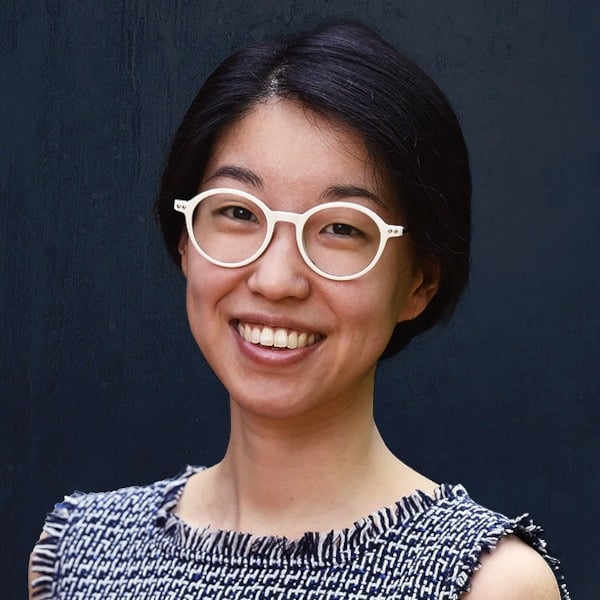
Sheng Li is an Associate Professor of Cancer Biology at the University of Southern California's Keck School of Medicine. She co-leads the Epigenetic Regulation in Cancer Program at the Norris Comprehensive Cancer Center. Her research integrates multi-omics and computational approaches to study epigenetic heterogeneity in blood cancers, aging, and clonal hematopoiesis. Her lab focuses on single-cell spatial multi-omics, 3D epigenomics, and long-read sequencing to map epigenetic drivers of leukemogenesis. Awards include the Leukemia & Lymphoma Society Scholar Award and AACR NextGen Star recognition. She mentors PhD students and postdocs, with her team publishing extensively in high-impact journals. Her publications demonstrate a strong emphasis on computational epigenetics, cancer systems biology, and geroscience. Recent work includes developing tools for spatial transcriptomics interpretation and modeling IDH-mutant AML gene networks.
Ellen Robey is a Professor of Immunology and Molecular Medicine at the University of California, Berkeley, serving as Division Head of the IMM Division. Her research focuses on signaling pathways controlling T cell fate decisions, using mouse models to study T cell development and immune responses, including mechanisms of thymic selection and CD4/CD8 lineage commitment. She employs 2-photon imaging to analyze T cell behavior in situ, particularly during parasitic infections like Toxoplasma gondii . Robey’s lab investigates how self-reactivity influences thymic selection timing and develops collaborative projects combining multi-omics approaches with spatial and temporal analyses of thymic development. Key research areas include understanding negative/positive selection mechanisms in the thymus, immune response dynamics during chronic infections, and the role of unconventional T cell subsets recognizing non-classical MHC molecules. The lab has pioneered studies on Qa1-restricted T cells and their role in host defense against pathogens. Her work bridges basic immunology with cutting-edge imaging and systems biology tools to unravel complex immune processes. Lab collaborations include projects with Nir Yosef and Aaron Streets to create high-resolution thymic developmental maps using single-cell multi-omics. Current efforts also explore how ERAAP downregulation alters antigen presentation, influencing T cell responses. The Robey Lab emphasizes diversity in its team, fostering an inclusive environment for scientific innovation.
Jean Fan, PhD is an Assistant Professor of Biomedical Engineering at Johns Hopkins University, affiliated with the Center for Computational Biology and Institute for Computational Medicine. Her research focuses on developing machine learning methods to analyze spatially resolved and single-cell omics data. Her team, the JEFworks Lab, creates open-source tools for analyzing high-dimensional biological data to understand cellular identity, tissue organization, and disease progression. Dr. Fan's work bridges computational biology with clinical applications, particularly in leukemia and pediatric brain cancers. Education: BS in Biomedical Engineering & Applied Math from Johns Hopkins (2013); PhD in Bioinformatics from Harvard Medical School (2018); Postdoc in Chemical Biology/Physics at Harvard (2018–2020) under Xiaowei Zhuang, focusing on spatial transcriptomics. Research emphasizes spatial genomics and computational tool development, with key contributions to spatial alignment algorithms (STalign), normalization techniques, and cell-type deconvolution methods. Her lab's work has advanced understanding of kidney ischemic injury, glioblastoma spatial dynamics, and CLL pathogenesis. Awards include Forbes 30 Under 30, NSF CAREER Award, and 2025 PECASE. She founded CuSTEMized, a nonprofit providing STEM storybooks for girls. Recent collaborative projects include HuBMAP 3D reference atlas construction and Discovery Award-funded interdisciplinary initiatives. Labs/Teams: JEFworks Lab (primary); active collaborations with Dana-Farber Cancer Institute and Harvard Medical School. Current efforts focus on spatially resolved multi-omic integration and clinical translation of computational tools.
Ming Yuan is a Professor in the Department of Statistics at Columbia University and serves as Associate Director of the Data Science Institute. His research focuses on high-dimensional statistics, machine learning, and statistical methodology with applications in genomics, finance, and imaging. Yuan holds a Ph.D. in Statistics from the University of Wisconsin-Madison (2004) and a B.S. in Electrical Engineering from the University of Science and Technology of China (1997). Education: 2004 Ph.D., Statistics, University of Wisconsin-Madison 2003 M.S., Computer Science, University of Wisconsin-Madison 2000 M.S., Probability and Statistics, University of Science and Technology of China 1997 B.S., Electrical Engineering, University of Science and Technology of China Research Interests: Dr. Yuan’s work bridges theoretical and applied statistics, emphasizing scalable methods for high-dimensional data. Key areas include tensor decomposition, covariance estimation, and statistical machine learning. His contributions to methods like sparse inverse covariance estimation and matrix/tensor completion have found applications in finance, genomics, and image analysis. Publications: His recent work explores tensor-based methods for high-dimensional analysis and develops optimal algorithms for compressed sensing. Articles often address statistical theory and computational challenges in modern data science, reflecting a balance between foundational and applied research. Awards: 2025 JASA Theory & Method Invited Discussion Paper 2024 William F. Sharpe Award (JFQA) 2018 Medallion Lecturer (Institute of Mathematical Statistics) 2014 Guy Medal in Bronze (Royal Statistical Society) 2007 Leo Breiman Junior Award Professional Activities: Yuan has served as Co-Editor of The Annals of Statistics (2019–2021) and Program Secretary for the Institute of Mathematical Statistics (2018–2021). His work integrates interdisciplinary collaborations, particularly in biomedical imaging and financial econometrics.
Professor Graham Ogg is a leading academic at the University of Oxford, where he serves as Professor of Dermatology and leads the Skin Immunology Group. His research focuses on cutaneous immunity, particularly the role of CD1a-restricted T cells in inflammatory skin diseases. He is affiliated with the MRC Human Immunology Unit and MRC Weatherall Institute of Molecular Medicine, driving translational research on lipid antigen presentation and skin immune responses. Professor Ogg's investigations center on molecular mechanisms of skin inflammation, with emphasis on CD1a-mediated T cell activation and its implications for atopic dermatitis, psoriasis, and vaccine development. His work bridges fundamental immunology with clinical applications, exploring how lipid metabolism influences immune pathways in barrier tissues. Research themes include: CD1a-lipid interactions in cutaneous inflammation Therapeutic modulation of skin-specific T cell responses Translational models for dermatological drug delivery Immune mechanisms in allergic skin disorders Analysis of his recent publications (2024-2025) reveals dominant research streams: 1) Clinical dermatology focusing on systemic therapies for atopic eczema, 2) Immunological studies of dengue pathogenesis and metabolic interactions, 3) COVID-19 sequelae and immunity dynamics, and 4) Fundamental T cell biology in autoimmune/inflammatory contexts. This corpus demonstrates interdisciplinary integration of dermatology, virology, and immunometabolism. His scientific recognition includes: Fellowship of the Academy of Medical Sciences (FMedSci) Professor Ogg directs the Skin Immunology Group at the MRC Weatherall Institute, coordinating translational projects that investigate cutaneous immune circuits. The team employs single-cell analysis, spatial transcriptomics, and immunological profiling to dissect skin-specific immune responses, with ongoing work exploring CD1a-targeted therapeutic strategies.
Julie K. Schwarz, MD, PhD, FASTRO is a tenured Professor of Radiation Oncology at Washington University School of Medicine, where she serves as Vice-Chair of Research and Director of the Cancer Biology Division. She also holds appointments as Professor of Cell Biology and Physiology and is affiliated with the Roy and Diana Vagelos Division of Biology & Biomedical Sciences, specifically within the Cancer Biology and Molecular Cell Biology programs. Dr. Schwarz is a key member of the Siteman Cancer Center and co-leads one of only five centers comprising the NIH's Radiation Oncology-Biology Integration Network (ROBIN). Dr. Schwarz completed her BS in Biology at Duke University (1995) followed by an MD/PhD in Cell and Molecular Biology at Washington University School of Medicine (2004) through the Medical Scientist Training Program. She completed her Internal Medicine internship (2005) and Radiation Oncology residency (2009) at Barnes-Jewish Hospital, becoming board-certified by the American Board of Radiology in Radiation Oncology (2010). Her research program focuses on translational studies of gynecologic cancers, particularly cervical cancer, with emphasis on tumor metabolism, biomarker discovery, and treatment resistance mechanisms. Dr. Schwarz's laboratory maintains one of the largest tumor repositories for cervical cancer, which includes specimens collected before and during chemoradiation treatment. Her work has demonstrated the critical role of pretreatment and post-treatment FDG-PET scanning for cervical cancer patients and has identified alterations in PI3K/Akt pathway genes associated with treatment response. Recent research directions include studying obesity's paradoxical favorable impact on cervical cancer outcomes, glucose and glutamine metabolism as targets for cancer therapy, and the role of tumor immunology in therapy resistance. Analysis of Dr. Schwarz's most recent publications reveals a strong focus on cervical cancer biology, tumor metabolism, and novel therapeutic approaches. Her work integrates clinical data with laboratory research to identify biomarkers and develop improved treatment strategies. Current research emphasizes the interface between tumor metabolism, the microenvironment, and response to therapy, with particular attention to HPV-related cancers, tumor imaging, and metabolic targets for radiosensitization. Fellow of American Society for Radiation Oncology (ASTRO) (2024) Danforth WashU Physician-Scientist Scholar Award (2024) Elected into American Society for Clinical Investigation (2022) Michael Fry Research Award for Outstanding Junior Investigator: Radiation Research Society (2012) Fellow: National Cancer Care Network (2008) RSNA Roentgen Resident/Fellow Research Award (2008) As a dedicated mentor, Dr. Schwarz has guided numerous trainees across all levels including undergraduates, graduate students, medical students, residents, fellows, and postdoctoral researchers. Her Schwarz Lab is highly collaborative and actively recruits students and researchers, with recent successes including Leahan Castillo receiving an Honorable Mention at AACR and Brett Tortelli developing significant research on the vaginal microbiome's relationship to cervical cancer treatment response. Dr. Schwarz is R01-funded and leads multiple research projects, including work on the TARGET Center which focuses on understanding the biologic effects of radiation therapy in cancer treatment. She actively participates in national organizations including the ASTRO/NCI Radiobiology Consensus Workshop, AACR Radiation Oncology Think Tank, and the ASTRO Community of Radiation Oncology Physician Scientists. Dr. Schwarz directs the Schwarz Lab, which is growing and actively recruiting postdocs, staff scientists, and graduate students. The lab employs a multidisciplinary approach combining well-annotated clinical databases, prospectively collected patient tumor banks, and state-of-the-art sequencing technologies. Current research directions include single-cell sequencing approaches to study treatment effects on tumor cells and immune cells within the tumor microenvironment, glucose and glutamine metabolism as targets for cancer therapy, and targeting myeloid-derived cells to improve anti-tumor immunity. The lab is highly collaborative and studies multiple tumor types including cervical, pancreatic, and ovarian cancers.
Nao Nishida serves as Assistant Professor at Waseda University's Institute for Advanced Study since 2022, following appointments at Tokyo Medical University and Fred Hutchinson Cancer Center. Her research bridges cancer biology and cell-cell communication mechanisms within tumor microenvironments. Her educational background includes: PhD in Agriculture (2014) from Kyoto University Master's in Applied Life Sciences (2011) from Kyoto University Bachelor's in Applied Life Sciences (2009) from Kyoto University Nishida's research centers on extracellular vesicle-mediated tumor-stroma crosstalk, with particular focus on exosome-driven metastasis, tumor-associated macrophage reprogramming, and organotypic culture modeling. She investigates how lipid composition and serine metabolism in cancer-derived EVs regulate microenvironmental remodeling and therapeutic resistance. Her work integrates advanced lipidomics, real-time tissue imaging, and spatial EV distribution analysis to uncover metastatic mechanisms. Analysis of her 17 publications reveals dominant themes in exosome biology (71% of works), cancer microenvironment dynamics (63%), and therapeutic targeting strategies (41%). Recent work increasingly incorporates spatial tissue context (2022-2024) and clinical translation potential. Her awards include: ISEV2025 New Parents Scholarship Japan Society for Promotion of Science Outstanding Researcher Candidate (2021) ISEV2017 Junior Member Scholarship Young Researcher Excellent Presentation Award (2015) Nishida directs multiple active grants including JSPS KAKENHI projects on EV secretion mechanisms (2023-2026) and nutritional stress adaptation (2025-2028), plus Mitsubishi Foundation and Uehara Memorial Foundation awards. She mentors through Waseda's bioscience curriculum while developing organotypic slice platforms for drug screening. Her laboratory utilizes advanced tumor slice culture systems and spatial EV mapping techniques to dissect microenvironmental heterogeneity, with current work focusing on stromal contribution to therapeutic resistance and organ-specific metastatic niches.
Kadeem Jamal Gilbert is an Assistant Professor at Michigan State University (MSU) affiliated with multiple programs and institutes: Plant Biology, Kellogg Biological Station, Molecular Plant Sciences Program, Plant Resilience Institute, and Ecology, Evolution & Behavior Program. His research focuses on plant-animal/microbe interactions, symbiosis, physiological regulation of leaf microenvironments, and carnivorous plants. Education: Ph.D. from Harvard University Dr. Gilbert's work integrates ecological and physiological approaches to study plant interactions with insects, microbes, and environmental gradients. His lab employs transcriptomics, chemical ecology, and community ecology frameworks to investigate carnivorous plant adaptations, phylloplane regulation, and global change impacts on species interactions. Recent publications highlight his research trajectory across plant physiology, microbial ecology, and evolutionary biology. These include studies on anthocyanin-mediated plant-insect interactions, fluid regulation in Nepenthes pitcher plants, and landscape-scale transcriptomic responses to environmental stressors. His work reveals fundamental insights about ecological filters in plant microhabitats and evolutionary tradeoffs in carnivorous species. Current research themes include plant volatile signaling in herbivore specialization, pH-mediated microbial community assembly, and ecological transcriptomics across environmental gradients. The Gilbert Lab maintains active outreach and press engagement while maintaining field sites at the Kellogg Biological Station.
Nicole Gerardo is a Professor at Emory University and Director of the Graduate Division of Biological and Biomedical Sciences. Her lab studies evolutionary ecology in insect-microbe systems, including aphid-bacteria symbioses and fungus-growing ants. Education includes a Ph.D. from University of Texas at Austin (2004) and B.A. from Rice University (1997). Research integrates experimental evolution , genomics , and field ecology to address: Mechanisms of symbiont-mediated pathogen defense Transmission dynamics in mutualisms Host immunological trade-offs Agricultural applications of protective microbes Recent work examines priority effects in symbiont colonization, monarch butterfly microbiomes, and coevolution in ant-fungal systems. Field sites span Panama, Brazil, and agricultural ecosystems.
Iwijn De Vlaminck is an Associate Professor in the Meinig School of Biomedical Engineering at Cornell University. His research focuses on developing precision medicine technologies, including liquid biopsies for diagnosing infectious and immune-related diseases, and spatial profiling of microbiomes and host-microbiome interactions. He leads the De Vlaminck Lab, which integrates engineering, biophysics, and computational biology to advance diagnostics and therapeutics. Key affiliations include the College of Engineering and interdisciplinary graduate fields such as Biomedical and Biological Sciences and Computational Biology. Education: B.S., Electronic Engineering, Katholieke Universiteit Leuven (2000) M.S., Electronic Engineering, K.U. Leuven (2003) Ph.D., Science and Engineering, K.U. Leuven (2008) Research Interests: His lab develops high-throughput technologies for studying diseases like organ transplant rejection, urinary tract infections, and viral myocarditis. Innovations include spatial transcriptomics and methods to map microbial communities in tissues. Recent work addresses biomarkers for MIS-C in children and applications of cell-free DNA in spaceflight studies. Awards: NIH New Innovator Award (2017) Elected Fellow of the American Institute for Medical and Biological Engineering (2025) Rainin Foundation Synergy Award (2019) Teaching Excellence Awards (2017, 2022) Grants & Collaborations: Recipient of a $3M NSF grant for bio-inspired architecture and a $9.5M NIH grant for chronic fatigue syndrome research. Collaborates with institutions like Weill Cornell Medicine and NASA on spaceflight biology and clinical diagnostics. Labs & Teams: Directs the De Vlaminck Lab, which includes interdisciplinary researchers working on spatial omics, liquid biopsies, and microbiome technologies. Engaged in industry partnerships, including co-founding Kanvas Biosciences.
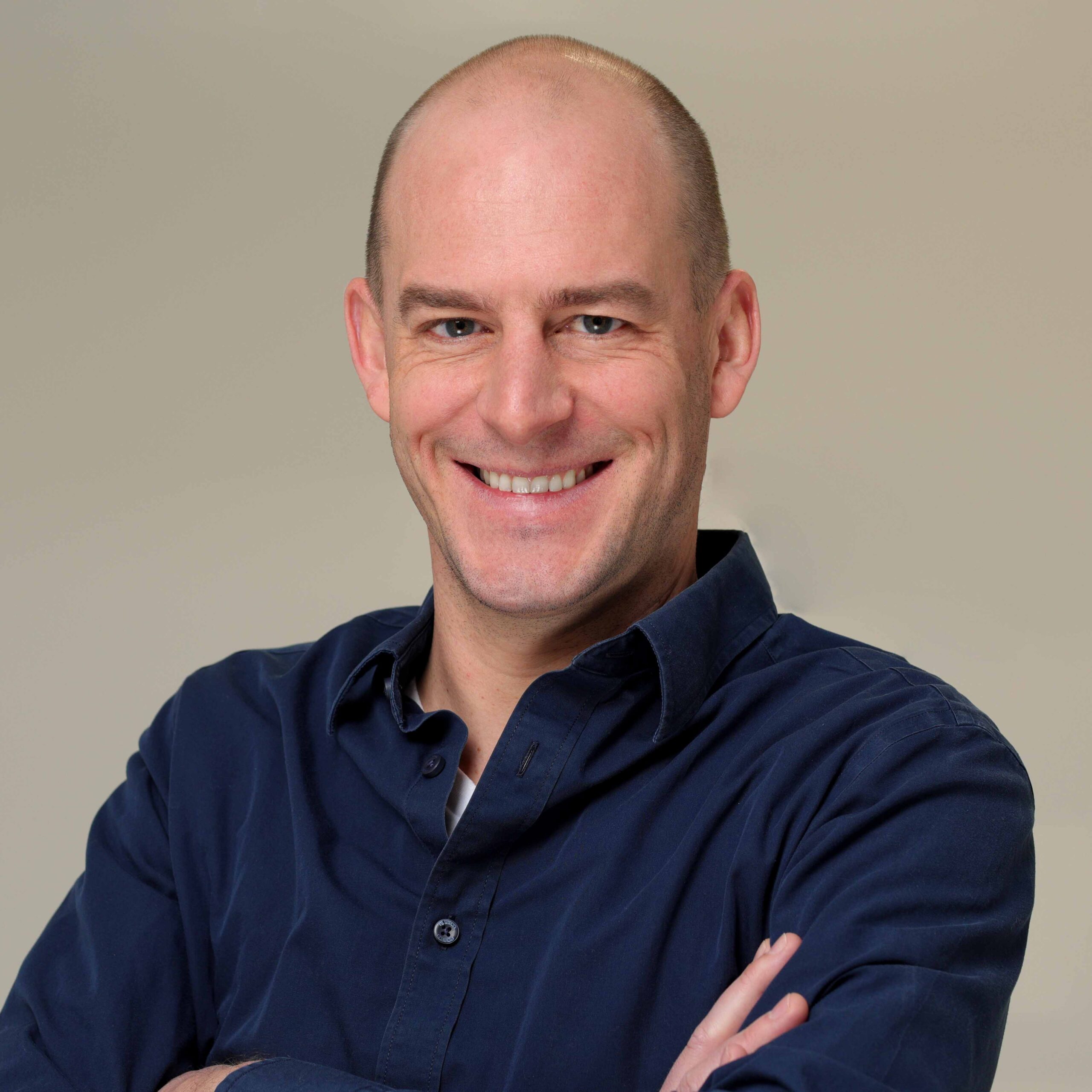
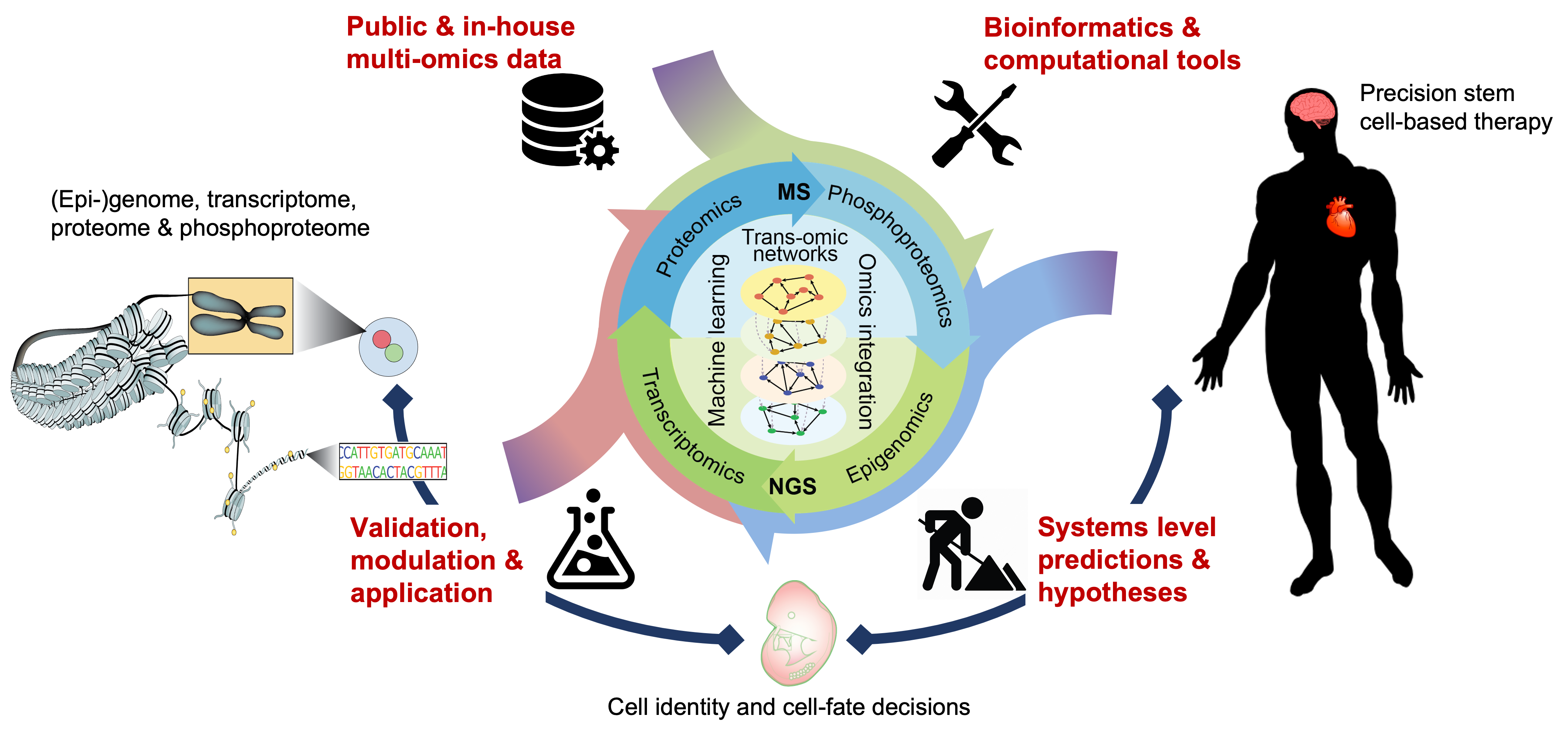
Pengyi Yang is an Associate Professor and University of Sydney Robinson Fellow at the School of Mathematics & Statistics, University of Sydney. He leads the Computational Systems Biology group at the Charles Perkins Centre and holds a conjoint appointment as Unit Head of Computational Systems Biology at the Children's Medical Research Institute (CMRI). His research focuses on computational approaches to understand trans-regulatory networks in stem cells and their applications in regenerative medicine. Yang holds a Ph.D. and has been recognized with awards such as the National Stem Cell Foundation Metcalf Prize (2021). His research spans computational systems biology, machine learning for bioinformatics, and spatial/single-cell omics analysis. Key projects include modeling pluripotency transitions, developing stem cell-derived organoids, and creating computational tools for phosphoproteomics and multi-omics integration. Collaborations include international initiatives like the Laboratory of Data Discovery for Health (InnoHK). Yang advises multiple PhD students and leads grants on topics like stem cell-derived brain organoids and embryonic development modeling. His lab develops tools like Cepo, PhosR, and CiteFuse for omics data analysis. He teaches data science and molecular systems biology at the University of Sydney.