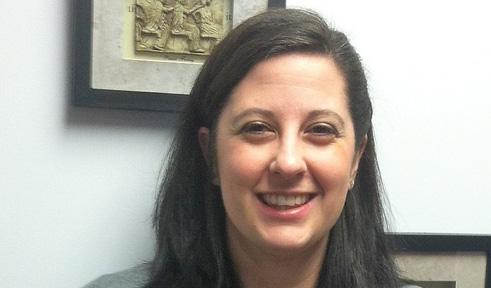
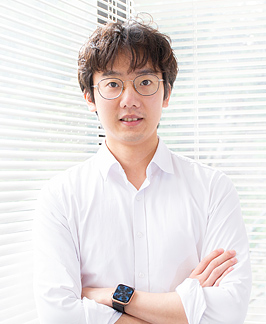
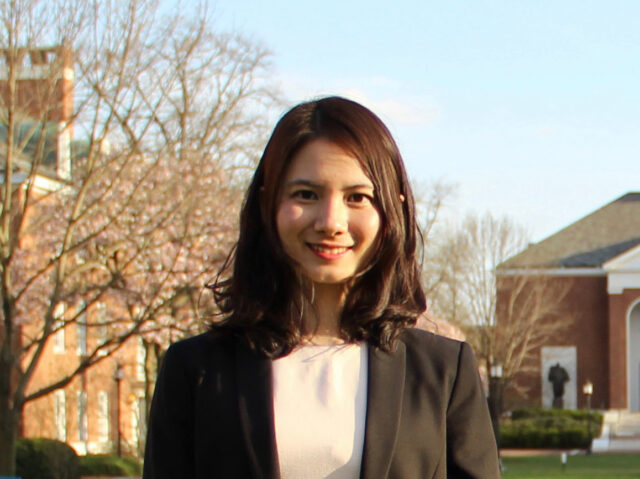
Professor Irene Hudson is a Professor of Statistics and Data Analytics at RMIT University's School of Science, affiliated with the STEM College. She holds adjunct roles at the University of Newcastle and the University of Melbourne. Her research focuses on biostatistics, public health surveillance, computational intelligence, and data-driven solutions for global challenges like climate change and drug discovery. Key collaborations include work with the Global Burden of Disease Network (USA), the WHO, and CSIRO. Education & Experience: PhD (implied via academic roles) Prior academic posts at University of Cambridge, ANU, Melbourne University, Canterbury University (NZ), UniSA, and Swinburne University Research Interests: Biostatistical modeling of micro (molecules/brain anatomy) and macro systems (global disease/climate) Health informatics, causal inference, Bayesian statistics, and meta-analysis Drug discovery (e.g., calpain inhibitors for cataracts, protein kinase interactions) Climate change analytics and spatio-temporal modeling Key Projects: Chief Investigator in CRC Digital Health's Predictive Analytics (2022-2025) Sub-Program Leader in CRC HFPS (Melbourne University), mapping wood fiber microstructure with CSIRO Awards & Recognition: Elected Fellow of the Royal Statistical Society (UK) Grants & Labs: NHMRC collaboration on ovarian cancer markers ARC Centre of Excellence for Nanoscale BioPhotonics (diagnostics cytometry)
Professor Monica Wachowicz holds the rank of Professor of Data Science at RMIT University, within the School of Science. Her academic roles include Associate Dean of Geospatial Science, Research Leader of Cyber and Data Analytics at the Space Industry Hub, and Deputy Director of the Sir Lawrence Wackett Defence & Aerospace Centre. She leads interdisciplinary research in streaming analytics, IoT integration, and smart city technologies. Wachowicz has pioneered innovations in edge computing and geospatial intelligence, collaborating with global firms like Cisco, Siemens, and IBM. She is a founding member of the IEEE Technical Sub-Committee on Big Data and serves on nine editorial boards. Her research focuses on leveraging machine learning for IoT data streams to address sustainability challenges in smart cities, including mobility analytics and energy systems. Over 52 students under her supervision have contributed to industries like tech, finance, and academia. Wachowicz is the first woman engineer in Geomatics awarded an NSERC Industrial Research Chair in Canada and holds an Honorary Visiting Scholar title at Flinders University. Her work emphasizes cross-sector collaboration, advancing green economies and data-driven decision-making. Awards include NSERC Industrial Research Chair (2010s) and Honorary Visiting Scholar (Flinders University, ongoing). Key projects include EVStationSIM (EV charging infrastructure analysis), Smart Campus Integration Lab, and IoT-GIS platforms for real-time analytics. She supervises projects on AI for urban sensing, smart mobility, and space situational awareness.
Murali Haran is a Professor of Statistics at Pennsylvania State University's Department of Statistics within the College of Science. He holds a B.S. in Computer Science from Carnegie Mellon University and advanced degrees (M.S. and Ph.D.) in Statistics from the University of Minnesota. His research focuses on computational statistics, spatial models, and applications in climate science and infectious diseases. He has held leadership roles including Chair of the Penn State Statistics Undergraduate Program (2012–2016) and co-editor of Bayesian Analysis (2016–2018). Research interests include statistical computing (MCMC algorithms), spatial/spatio-temporal models, complex computer model calibration, and interdisciplinary applications. He has contributed to climate risk management initiatives like NSF-sponsored SCRiM and directed Penn State's node in the STATMOS network. Awards include ASA Fellowship (2016), Abdel El-Shaarawi Young Researcher Award (2015), and ASA ENVR Young Investigator Award (2014). Key publications include advancements in ice sheet model calibration, Bayesian inference for intractable models, and spatiotemporal disease dynamics. His work bridges statistical theory with real-world challenges in climate and health. Teaching responsibilities span courses like Computational Statistics, Probability Theory, and Data Science. Professional service includes editorial roles for Technometrics, Biometrics , and others. He advises on climate policy through roles like ASA Climate Change Committee member (2009–2014) and ISBA Treasurer (2014–2016). His software contributions include the ngspatial R package and tools for MCMC error estimation.
Philip Dixon is a University Professor of Statistics at Iowa State University's Department of Statistics. His research focuses on developing statistical methods for ecological and environmental challenges, including spatial data analysis, equivalence testing, and computer-intensive techniques like bootstrapping. Collaborative projects include tracking monarch butterflies and analyzing climate impacts on crop yields. He teaches advanced statistical courses and consults on experimental design, environmental data analysis, and statistical computing. Dixon is actively involved in software development for R and SAS, emphasizing reproducible research practices. His work spans ecological, agricultural, and public health applications, with a strong emphasis on methodological innovation and practical solutions.
Sankar Arumugam is a Professor and University Faculty Scholar in the Department of Civil, Construction and Environmental Engineering at North Carolina State University (NC State), where he leads the Climate, Hydrology and Water Resources Modeling and Synthesis Group. His research focuses on integrating geospatial data and probabilistic climate information to improve decision-making in water and energy sectors, with expertise in hydroclimatology, spatio-temporal modeling, and large-scale nexus issues like food-water-energy systems. Education: Ph.D. in Water Resources Engineering (Tufts University), M.Sc. in Civil Engineering (IIT Madras), B.E. in Agricultural Engineering (Tamil Nadu Agricultural University). Research interests include: Multi-timescale streamflow forecasting Climate elasticity and hydrological modeling Remote sensing applications for flood prediction Reservoir operations optimization Urban heat island effects Publications highlight advancements in probabilistic hydrological forecasting, climate-water-energy nexus analysis, and reservoir storage optimization. He has pioneered frameworks like GRAPS and COREGS for multi-reservoir systems and seasonal water-power system co-optimization. His work bridges academia and practice through collaborations with institutions like the International Research Institute for Climate and Society (Columbia University) and the World Bank.
Vaclav Petras is a Senior Geospatial Software Engineer and Researcher at North Carolina State University. He holds a Master's in Geoinformatics and a Ph.D. in Geospatial Analytics. His primary role involves advancing spatio-temporal models and tools for geospatial research through open-source development, particularly as a core member of the GRASS GIS project since 2012, where he also serves on the Project Steering Committee. His research focuses on improving geospatial software usability, open science practices, and participatory modeling. Key areas include integrating Jupyter Notebooks with GRASS GIS for education, redesigning user interfaces collaboratively, and developing cloud-based platforms for geospatial analysis. He actively contributes to projects like Tangible Landscape and has published widely on topics ranging from lidar data analysis to invasive species forecasting. Professional contributions span over 100 peer-reviewed articles, with recent work emphasizing cloud-based geospatial tools, risk-based inspection simulations, and ecological modeling. Petras is a strong advocate for open-source software, demonstrated through leadership roles in GRASS GIS and contributions to the Geoforall Lab at NCSU.
Peter Ojiambo is a Professor and Director of International Programs in the Department of Entomology and Plant Pathology at North Carolina State University. His research focuses on epidemiology and integrated management of plant diseases, with an emphasis on spatio-temporal modeling for disease prediction and risk assessment. He holds a B.S. and M.S. from the University of Nairobi and a Ph.D. in Plant Pathology from the University of Georgia (2004). Education: B.S. Agriculture, University of Nairobi (1994) M.S. Plant Pathology, University of Nairobi (1997) Ph.D. Plant Pathology, University of Georgia (2004) Research Interests: His work bridges botanical epidemiology and population genetics, with projects on: Spatio-temporal models for disease dynamics Decision support systems for disease management Pathogen dispersal mechanisms and landscape-level risk Integration of ecological and genetic data for improved disease control Key Publications (2024-2021): Focus on disinfestant efficacy meta-analyses, cucurbit downy mildew epidemiology, and R-based statistical tools for plant science research. Themes include fungal/non-fungal pathogen control, spatial risk modeling, and transcriptomic studies of pathogen development. Honors and Awards: American Phytopathological Society Hewitt Award (2012) Advising & Grants: Current advisees include Vinicius Garnica (PhD) and Aleksander Tako (PhD). Active grants total over $4M, addressing: Wheat/barley disease resistance phenotyping Decision support tools for fungicide optimization Genetic bases of quantitative disease resistance in maize Ecological spillovers in pathogen spread Solar cold storage solutions in Kenya Labs & Teams: Leads a research group working with postdoctoral researchers like Dr. Fangfang Guo. Teaches advanced courses in epidemiology and evolutionary ecology.
Krishna Pacifici is an Associate Professor in the Department of Forestry and Environmental Resources at North Carolina State University (NC State), affiliated with the College of Natural Resources and the Center for Geospatial Analytics. His work focuses on applying quantitative methods to understand ecological responses to environmental stressors and inform conservation decisions. He holds a Ph.D. in Forest Resources (2011) from the University of Georgia, M.S. in Statistics (2012) and Wildlife Ecology (2007), and a B.S. in Fisheries and Wildlife Sciences (2003), all from NC State. Research interests include spatiotemporal modeling, structured decision making, and adaptive management. He leads projects on North American mammal phylogeography, endangered species recovery (e.g., Neuse River Waterdog), and red snapper abundance estimation. His grants total over $6 million from NSF, USGS, NOAA, and state agencies, supporting collaborative efforts like the Southeast Climate Science Center and wild turkey ecology studies. Key grants: NSF-funded continental mammal SDMs ($374K), Neuse River Waterdog studies ($180K), and red snapper abundance modeling ($713K). Teaches FW 453/553: Principles of Wildlife Science. Publications emphasize ecological modeling, conservation applications, and methodological advancements in occupancy analysis and camera trap data.
Nikoleta Anicic is a Scientific Collaborator in Vector Ecology at the Department of Environment Constructions and Design (DACD) at the University of Applied Sciences and Arts of Southern Switzerland (SUPSI), where she focuses on monitoring and researching invasive mosquito species and their ecological impacts. Education: PhD in Evolutionary Ecology, University of Namur (Belgium), 2017 Master of Science in Biology with specialization in environmental microbiology and ecology, University of Zurich, 2017 Bachelor of Science in Biology, University of Neuchâtel, 2014 Anicic's research centers on vector ecology with particular expertise in mosquito monitoring and control. Her work combines molecular biology, entomology (specializing in mosquitoes), data management, ArcGIS, and programming in R to address public health challenges posed by invasive species. She has developed specialized skills in high-resolution optical identification of mosquito eggs and spatio-temporal modeling of invasive species dynamics. Her research has direct applications for arboviral disease surveillance and prevention, particularly for diseases like Dengue, Chikungunya, and Zika transmitted by invasive Aedes species. Analysis of her publication record reveals a strong interdisciplinary approach spanning entomology, environmental microbiology, and computational ecology. Her research trajectory shows progression from fundamental ecological studies on subterranean biodiversity and freshwater zooplankton to increasingly applied work on invasive mosquito surveillance. Recent publications demonstrate sophisticated integration of machine learning techniques with traditional ecological monitoring to predict seasonal mosquito population dynamics across multiple European countries. Nikoleta Anicic leads and participates in numerous research projects focused on invasive mosquito surveillance across Swiss cantons (including Zurich, Uri, Glarus, Schwyz, and the Romandy region) and Liechtenstein. These projects involve close collaboration with cantonal environmental offices and national authorities, with SUPSI serving as the national coordination center for invasive species monitoring designated by the Swiss Federal Office for the Environment. Her work directly informs Swiss public health strategies for controlling invasive mosquito species including Ae. albopictus, Ae. japonicus, and Ae. koreicus. At SUPSI, Anicic is a core member of the Vector Ecology Sector (SECOVETT) within the Institute of Microbiology. She contributes significantly to the Swiss mosquito network, providing scientific expertise for developing monitoring protocols, analyzing field samples, and interpreting spatial patterns of mosquito invasion. Her recent presentation at the 26th International Conference on Subterranean Biology demonstrates her continued engagement with broader ecological questions beyond her primary mosquito research focus.
Anne Perez is an Assistant Professor of Instruction in the Department of Biological Sciences at Ohio University, part of the College of Arts and Sciences. She joined the institution in August 2017 and is based at Irvine 175 on the Athens Campus. Her role focuses on teaching and curriculum development in biological sciences. B.S. in Entomology, Ohio State University Ph.D. in Biology, West Virginia University Her research centers on forensic entomology, particularly insect succession on carrion, with an emphasis on developing statistically supported models for estimating time since death. She investigates spatio-temporal variation in insect colonization, the ecology and development of forensically important insects, and the validation of succession-based postmortem interval estimates. Her work bridges ecology, forensic science, and quantitative modeling. The recent publications reflect a consistent focus on forensic entomology and insect behavior, particularly in the context of death investigations and ecological monitoring. Her studies integrate field observation, experimental design, and statistical analysis to improve the reliability of entomological evidence in forensic contexts. Key themes include insect colonization independence, behavioral responses of stored product pests, and model validation for postmortem interval estimation. There are no listed scientific awards or honors in the provided text. Anne Perez is actively involved in teaching and mentoring, though no formal advisees are listed. She teaches core undergraduate courses including BIOS 1030 (Introductory Human Biology I), BIOS 1700 (Biological Sciences I: Molecules and Cells), and leads peer-led team learning for BIOS 1700. Her teaching philosophy emphasizes diverse instructional modalities, student engagement, and applied learning in biology education. There is no mention of a specific research lab, team, or ongoing grants in the provided content. However, her research publications suggest independent scholarly activity and collaboration with experts in forensic entomology.
Chao Huang is an Assistant Professor at the Department of Computer Science and Institute of Data Science at the University of Hong Kong (HKU). As the director of the Data Intelligence Lab@HKU, his research focuses on Large Language Models (LLMs), LLM Agents, Graph Learning, Recommender Systems, and AI for Smart Cities. He holds a PhD from the University of Notre Dame. Education: PhD in Computer Science from University of Notre Dame (USA). Research Interests: His work bridges machine learning with practical applications, including: Developing advanced LLM frameworks like GraphGPT and UrbanGPT Creating automated research tools (AutoAgent, AI-Researcher) Designing recommendation systems with LLM integration (RLMRec, LLMRec) Exploring spatio-temporal AI for urban challenges Notable Achievements: Over 11,000 Google Scholar citations (h-index 55), multiple top conference awards (WWW/SIGIR/KDD), and open-source projects with thousands of GitHub stars. His work has been recognized as most influential/pioneering in major AI conferences. Labs/Teams: Leads the Data Intelligence Lab, collaborating on projects like LightRAG, MiniRAG, and VideoRAG. The lab emphasizes open-source contributions with repositories on GitHub. Grants/Advising: Supervises PhD/MPhil students and offers research internships. Active in recruiting motivated researchers and students through HKU's programs.
Daniel Drew is a researcher affiliated with the University of Reading, where he completed his PhD in 2011. His work focuses on renewable energy systems, particularly wind power modeling, forecasting, and resource assessment, with applications in the UK, Mexico, and Europe. He has published extensively in high-impact journals related to renewable energy and meteorology. His research interests lie at the intersection of meteorology and energy systems, with a strong emphasis on understanding how atmospheric processes affect wind power generation. Key areas include wind power ramping, urban wind dynamics, offshore wind integration, and the use of reanalysis data for energy modeling. His work often involves collaboration with leading experts in atmospheric science and energy systems. The recent publications (2013–2022) demonstrate a consistent focus on wind energy forecasting, spatial modeling, and meteorological drivers of power system behavior. Trends show increasing attention to system-wide impacts, probabilistic forecasting, and the integration of high-resolution weather data into energy planning. His work bridges fundamental meteorology and practical energy applications. Meteorological drivers of European power system stress Interannual weather variability and electricity market design Urban wind profiling using Doppler lidar Forecasting regional wind power ramping Impact of offshore wind farms on national generation Daniel Drew has not been explicitly listed with any scientific awards or honors in the provided text. However, his extensive publication record in top journals indicates strong recognition in the field. He has collaborated with numerous researchers across institutions, suggesting active participation in research teams and projects. While no formal advising role is listed, his PhD and co-authorship with early-career researchers suggest involvement in mentoring. There is no mention of grants, but his research scope implies participation in funded projects related to renewable energy and meteorology. Daniel Drew’s work contributes to critical challenges in renewable energy integration, particularly in understanding and predicting wind power variability. His research supports the development of resilient and efficient power systems in the context of climate and weather variability.
Dr. Wenpin Hou serves as an Assistant Professor (tenure-track) in the Department of Biostatistics at Columbia University's Mailman School of Public Health. She holds affiliations with the Data Science Institute, Foundations of Data Science Center, and Health Analytics Center, driving interdisciplinary work at the statistics-data science interface. Her research pioneers statistical machine learning methods for single-cell genomics, epigenomics, and spatial transcriptomics, with core focus on gene regulatory network modeling and spatio-temporal pattern analysis. She actively develops generative AI applications (including Transformer models) for genomic data, enabling breakthroughs in understanding biological mechanisms across cancer, immunology, infectious diseases, and developmental processes through the ENCODE4 consortium. Dr. Hou's exceptional contributions are recognized by major awards: NIH Maximizing Investigators’ Research Award (MIRA R35) from NIGMS (2023) for gene regulatory network inference using single-cell multiomics NIH Pathway to Independence Award (K99/R00 1K99HG011468-01) from NHGRI (2021) for single-cell DNA methylation spatial landscape analysis Her NIH-funded programs advance computational genomics through collaborations spanning obesity, maternal/child health, and disease mechanisms. As an active Data Science Institute member, she shapes methodological frameworks for high-dimensional biological data while mentoring next-generation researchers in biostatistical innovation. Dr. Hou's work integrates with Columbia's Health Analytics initiatives to translate genomic insights into therapeutic pathways, emphasizing collaborative team science across biomedical domains.
Youngdeok Hwang is an Assistant Professor in the Paul Chook Department of Information Systems and Statistics at Baruch College's Zicklin School of Business. He holds a PhD in Statistics from the University of Wisconsin-Madison and specializes in Bayesian modeling, spatio-temporal statistics, and machine learning applications for business and environmental challenges. His research integrates statistical theory with practical applications across healthcare, environmental science, and technology. Key interests include uncertainty quantification, inverse problems, and data fusion techniques for improving decision-making in complex systems. Recent work focuses on AI ethics, pollution modeling, and pandemic-related behavioral analytics. Hwang's publications demonstrate consistent emphasis on Bayesian methods and interdisciplinary problem-solving , with frequent applications in environmental monitoring (33% of recent papers), healthcare analytics (27%), and computational statistics (20%). This reflects his focus on socially impactful statistical innovation. Awards & Honors: Teaching Excellence Award (Zicklin School, 2025) Statistics in Physical Engineering Sciences Award (ASA, 2018) Career Development Award (Korean International Statistical Society, 2016) He actively contributes to academic committees including the Graduate Curriculum Committee and serves as Associate Editor for Technometrics and Applied Stochastic Models in Business and Industry.
Yu Yue is a Professor at the Zicklin School of Business, Baruch College, The City University of New York, in the Paul H. Chook Department of Information Systems and Statistics. He holds a PhD and MA in Statistics from the University of Missouri, Columbia, and a BS in Statistics from Shanghai University of Finance and Economics. His research focuses on Bayesian statistics, nonparametric regression, spatial statistics, quantile regression, and functional data analysis. His recent publications include innovations in Bayesian trend filtering for neuroimaging data spatio-temporal modeling of muscle activity adaptive smoothing techniques for fMRI analysis with applications in neuroscience, public health, and computational statistics. Scientific Awards Teaching Excellence Award (Zicklin School of Business, 2011) Eugene M. Lang Junior Faculty Research Fellowship (Baruch College, 2012) SAMSI workshop travel awards (2009, 2014, 2017) R. L. Anderson Award (Southern Regional Council on Statistics, 2007) G. Ellsworth Huggins Fellowship (University of Missouri, 2003) He has advised PhD students Bin Ma (2016-2017) and Zhu Zhu (2015-2016) and received grants from PSC-CUNY and Indiana University for Bayesian modeling of neuroimaging data and statistical methods development.