Prof. Dr. Hans-Peter Piepho is a faculty member at the University of Hohenheim , serving as Director of Biostatistics (340c) within the Institute of Crop Science . His research focuses on advanced statistical methods for plant sciences, including genomic prediction, spatial modeling of field trials, and network meta-analysis. Key research areas: Genotype-environment interaction, mixed model applications, and experimental design in agriculture. Collaborations span plant breeding, cultivar testing, and environmental stress analysis. His group emphasizes mixed model procedures as the backbone of methodological innovation. Recent publications highlight climate change adaptation, nitrogen optimization, and agroforestry yield dynamics. Contact: piepho@uni-hohenheim.de | Fruwirthstr. 23, Institute Building, 211, Stuttgart, Germany
Hannah Spitzer is a Research Group Leader at the Institute for Stroke and Dementia Research (ISD) at Ludwig Maximilian University of Munich and an associated Research Group Leader at Helmholtz Munich's Computational Health Center. She leads the Spitzer Lab, focusing on computational analysis of multimodal brain datasets to advance understanding of neurovascular and neurodegenerative diseases. Her educational background includes: PhD in Computer Science from Heinrich-Heine University Düsseldorf and Research Center Jülich (2015-2020) Master's in Computer Science from RWTH Aachen (2013-2015) Bachelor's in Computer Science from RWTH Aachen (2009-2013) Dr. Spitzer's research integrates computational biology and machine learning to decode brain complexity, with emphasis on spatial omics analysis , interpretable image representation learning , and cross-modal data integration . Her group develops tools like squidpy and campa for spatial omics while applying graph neural networks to epilepsy lesion detection through the international MELD project, prioritizing biological interpretability in AI models. Recent publications reveal strong trends in leveraging graph neural networks for subtle brain lesion detection and creating computational frameworks for spatial omics integration. Her work consistently bridges advanced machine learning with clinical neuroscience to uncover disease mechanisms in neurodegeneration and vascular disorders. Dr. Spitzer actively mentors students including current PhD candidate Beatrice Guastella and alumni Deniz Fettahoglu (MSc) and Katia Berr (PhD). Her lab operates through major collaborations including the MELD epilepsy consortium and Helmholtz Imaging Project, with funding supporting computational pipeline development for small-vessel disease prediction and multimodal brain atlasing. The Spitzer Lab comprises postdoc Wasim Aftab and PhD student Beatrice Guastella, working on computational pipelines that integrate histology, spatial omics, and neuroimaging data to decode brain disease mechanisms through interpretable AI approaches.
Matthias Meier is a Full Professor at the Institute of Biochemistry, University of Leipzig, and Principal Investigator at Helmholtz Pioneer Campus, Helmholtz Zentrum München. His research focuses on advancing microfluidic organ-on-chip technology for single-cell and whole-organ disease modeling. Education: PhD in Biophysics (University of Basel, 2006) Research Interests: Dr. Meier's work bridges bioengineering and metabolic disorders, using organ-on-chip platforms to study stem cell differentiation, pancreatic/adipose tissue interactions, and dynamic microenvironmental signals. His lab integrates microfluidics with hiPSC-derived organoids for obesity and diabetes research. Publication Trends: Recent studies emphasize organ-on-chip systems, single-cell analysis , and stem cell engineering , with applications in cardiovascular disease modeling, spatial transcriptomics, and bioelectronic monitoring. Scientific Awards: Feodor-Lynen Postdoctoral Fellowship (2008) Emmy-Noether Fellowship (2012-2018) ERC Consolidator Grant (2017) Advising & Grants: He has led independent research groups with major grants, focusing on energy imbalance mechanisms and patient-specific organoid models for metabolic disease therapies. Labs & Teams: The Matthias Meier Lab develops microfluidic platforms to control chemical, architectural, and mechanical cues for hiPSC differentiation, emphasizing spatial protein profiling and organoid assembly.
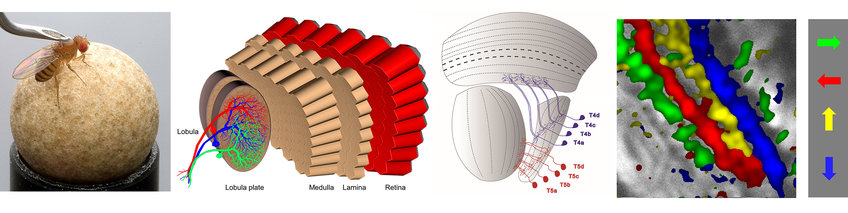
Prof. Dr. Alexander Borst is Director of the Department "Circuits - Information - Models" at the Max Planck Institute for Biological Intelligence in Martinsried, Germany. His research focuses on understanding neural computation in the visual system of Drosophila, particularly how direction-selective motion detection circuits process visual information to guide behavior. Education: Diploma in Biology, University of Würzburg (1981) Doctoral thesis with Martin Heisenberg, University of Würzburg (1984) Habilitation and private lecturer, University of Tübingen (1989) Prof. Borst's research employs a multidisciplinary approach to investigate neural information processing at the level of individual neurons and small circuits. His department uses the fruit fly Drosophila as a model system due to its computationally tractable visual system, with circuits containing fewer than 100 neurons that can be genetically manipulated and observed. The research integrates anatomical reconstructions, physiological characterization, behavioral analysis, and computational modeling to build a comprehensive understanding of visual processing. Analysis of Prof. Borst's recent publications reveals a consistent focus on motion vision mechanisms in Drosophila, with particular emphasis on directional selectivity, neural circuit organization, and the molecular basis of visual processing. His work demonstrates how specific subpopulations of T4 and T5 cells are directionally tuned to cardinal directions and how ON and OFF pathways segregate motion processing. The publications highlight the integration of experimental techniques like 2-photon calcium imaging with computational modeling to understand circuit function. Scientific Awards: Valentino Braitenberg Award in Computational Neurobiology (2014) FENS Award (2014) Member of the HHMI Scientific Advisory Board (2018) Member of the Bavarian Academy of Sciences (2012) EMBO Member (2011) Member of the German Academy of Sciences Leopoldina (2011) Human Frontier Science Program (HFSP) Prize (2006) Prof. Borst has led his department since 2001, first at the Max Planck Institute of Neurobiology and now at the Max Planck Institute for Biological Intelligence. His research has been supported by numerous grants from German and international funding agencies. He has mentored many students and postdoctoral researchers who have established successful careers in neuroscience. His department includes multiple research groups focusing on different aspects of neural computation in the Drosophila visual system. His laboratory comprises several specialized teams working on neurogenetics, molecular characterization, electrophysiology, 2-photon functional imaging, tethered and free behavior analysis, and computational modeling. These teams collaborate closely to investigate how visual information is processed from photoreceptors to behavioral output, with particular focus on motion detection circuits and their developmental and molecular underpinnings.
Prof. Dr. Karin Danzer is a Group Leader at the Department of Neurology, Ulm University, and affiliated with the German Center for Neurodegenerative Diseases (DZNE). Her research investigates pathomechanisms in neurodegenerative disorders—particularly ALS and Parkinson's disease—focusing on protein aggregation (alpha-synuclein, TDP-43), neuroinflammation, and epigenetic regulation. She employs multi-omic single-cell sequencing, spatial transcriptomics, and in vivo models to study disease progression, vulnerability of neural cell populations, and therapeutic interventions. Research Focus: Her work spans (1) Prion-like propagation of misfolded proteins, (2) Aging-trauma interactions in neurodegeneration, (3) Heat-shock-protein chaperone systems, (4) Viral-infection triggers for ALS, (5) Neuroimmune dysregulation, and (6) Epigenetic biomarkers in blood/brain tissue. She develops novel TDP-43 mouse models for real-time tracking of protein aggregation. Team & Collaborations: Leads a team of 10+ researchers investigating molecular pathways through integrated wet-lab/bioinformatics approaches. Key projects include CRC 1506 'Aging at Interfaces' and CRC 1149 'Danger Response after Trauma'. Biomarker Development: Validates Contactin-associated protein-like 4 (CNTNAP4) for major depressive disorder and neurofilament light chain for ALS prognostics.
Dr. Mhaned Oubounyt is a Postdoctoral Researcher at the University of Hamburg, affiliated with the Computational Systems Biology (CoSy.Bio) group within the Faculty of Mathematics, Informatics and Natural Sciences. His work focuses on developing computational methods for analyzing single-cell and spatial transcriptomics data, particularly in the context of disease mechanisms and drug repurposing. He is actively involved in the NetMap project, advancing dimensionality reduction techniques using differential regulatory networks. Research interests include gene co-expression networks, spatial single-cell analysis, and systems medicine applications. His methodologies bridge computational biology with clinical and agricultural challenges, such as vaccine responses in pregnancy, plant disease resistance, and cardiovascular pathophysiology. Key contributions include the SCANet and Drugst platforms for drug candidate identification and network-based analysis. Publications highlight a strong focus on network biology applications across domains: from immune system modeling to plant stress responses, leveraging single-cell multi-omics integration. His work emphasizes translational research, with implications for personalized medicine and crop improvement. Collaborations span academic and clinical institutions, reflecting his interdisciplinary approach. Current projects aim to enhance predictive modeling of disease progression and therapeutic interventions through systems-level insights.
Prof. Dr. Karsten Niehaus serves as Head of the Proteome and Metabolome Research Group at the Center for Biotechnology (CeBiTec) and Faculty of Biology, University of Bielefeld. His research focuses on proteomics and metabolomics applications in plant-microbe interactions, bacterial stress responses, and disease model systems. His laboratory employs advanced mass spectrometry imaging and cell phenotyping technologies to investigate molecular responses in crops like sugar beet and grapevines under abiotic stress conditions, as well as in cancer models where differentiation therapy impacts tumor malignancy. The group also explores microbial biotechnology through Xanthomonas campestris studies on xanthan production and stress adaptation. Selected publications highlight innovations in 3D microfluidics for biomarker detection and bioinformatics platforms like MetHoS for metabolomics data analysis. His work appears in journals covering Frontiers in Plant Science , Scientific Reports , and Journal of Experimental Botany . Contact: kniehaus@cebitec.uni-bielefeld.de | Office: UHG W7-117
Professor Dr. Peter Murray is a leading immunologist and permanent group leader of the "Immune Regulation" research group at the Max Planck Institute of Biochemistry in Martinsried, Germany. Since 2018, he has also served as an Honorary Professor at the Technical University of Munich (TUM). His research delves into the intricate mechanisms governing immune system decision-making, with a particular focus on macrophage biology, amino acid metabolism, and immunometabolism in health and disease. Education and Career: Ph.D., The Walter and Eliza Hall Institute of Medical Research, University of Melbourne (1988–1991) B.Sc. (Hons), Monash University, Melbourne (1984–1987) Post-Doctoral Fellow, Whitehead Institute & MIT (1991–1998) Assistant to Associate Member, St. Jude Children's Research Hospital (1998–2014) Group Leader (Permanent), Max Planck Institute of Biochemistry (2017–present) Honorary Professor, Technical University of Munich (2018–present) Research Interests: Professor Murray's work is centered on understanding how the immune system makes critical decisions, particularly how metabolic cues influence immune responses. His group investigates macrophage and T-cell interactions, amino acid metabolism in immune regulation, and the role of immunometabolism in diseases like cancer, autoimmunity, and chronic infections. The team employs innovative approaches, including spatial proteomics and iPSC-derived macrophage models, to uncover new biological principles and therapeutic targets. Scientific Awards and Honors: Elected to the American Academy of Microbiology (2015) St. Jude Children's Research Hospital Faculty Mentoring Award (2013) Elected Chair, American Society of Microbiology Division E (Immunology) (2012) The Hartwell Foundation Individual Biomedical Award (2010) C. J. Martin Fellow, NH&MRC Australia (1991–1994) Labs and Teams: Professor Murray leads the "Immune Regulation" research group at the Max Planck Institute of Biochemistry, a multidisciplinary team exploring the intersection of immunology and metabolism. The group collaborates extensively with international partners, including St. Jude Children's Research Hospital and various European research centers.
Prof. Dr. Kai Jensen is a Professor and Head of Research Unit at the Institute of Plant Sciences and Microbiology, University of Hamburg. He leads the Applied Plant Ecology research group, focusing on coastal and salt marsh ecosystems, climate change impacts, microbial interactions, and carbon dynamics. His work integrates field studies, experimental approaches, and interdisciplinary collaborations to address global environmental challenges. Key areas include salt marsh biodiversity, biogeochemical cycles, and the effects of human activities on wetland ecosystems. Research Interests: Coastal ecology, salt marsh dynamics, climate change mitigation, microbial-plant interactions, urban ecology, and wetland conservation. His team explores topics such as root exudation, greenhouse gas fluxes, and the role of vegetation in carbon sequestration. The Applied Plant Ecology group collaborates with the Elbe Wetland Station Pevestorf and other institutions to advance ecological understanding and management strategies. Advising & Grants: Supervises multiple doctoral researchers and postdoctoral fellows, including studies on blue carbon, tidal wetland biogeochemistry, and plant-soil interactions. His projects often involve third-party funding and international partnerships. Technical and administrative support is provided by staff like Claudia Mählmann and Merle Steinhagen. Labs & Facilities: Research is conducted at the Institute of Plant Sciences and Microbiology (IPM), utilizing state-of-the-art equipment in the Otto Warburg House. Collaborative efforts extend to the Wadden Sea and Elbe River estuary systems, focusing on field experiments and sensor networks to monitor ecosystem responses to environmental changes.
Dr. Christian Wurzbacher serves as Head of the Working Group 'Microbial Systems' at the Chair of Urban Water Management at the Technical University of Munich since 2018. His research focuses on the intersection of microbiology and water management, particularly examining microbial communities in water and wastewater systems. He maintains active collaborations across Europe and contributes significantly to wastewater-based epidemiology research, especially in the context of SARS-CoV-2 monitoring. PhD in Biology from University of Potsdam Postdoctoral research at University of Gothenburg (Marie Skłodowska-Curie Fellowship) Research Associate at Leibniz Institute of Freshwater Ecology and Inland Fisheries Biology studies at University of Kassel Wurzbacher's research centers on microbial ecology in aquatic environments, with particular expertise in water fungi and their applications. His work examines prokaryote-eukaryote interactions in biofilms, the application of water fungi in bioremediation, and the development of high-throughput sequencing methods for microbial community analysis. His recent research has significantly contributed to wastewater-based epidemiology, particularly for public health surveillance during the COVID-19 pandemic. His publication record demonstrates strong focus on wastewater surveillance systems, aquatic fungal ecology, and biofilm research. The articles reveal a consistent trajectory toward developing reliable biomarker tracking methods, understanding microbial community dynamics in water systems, and applying this knowledge to public health monitoring and water treatment optimization. His work bridges fundamental microbial ecology with practical applications in water management. Marie Skłodowska-Curie PostDoc Fellowship Active member of International Society for Microbial Ecology (ISME) Member of Association for the Sciences of Limnology and Oceanography (ASLO) Member of German Society for Limnology (DGL) Dr. Wurzbacher actively mentors graduate students through his colloquium for master's and PhD students and teaches microbiology courses. His research group receives funding from various German and European research initiatives focused on water quality, microbial ecology, and public health surveillance. He collaborates extensively with institutions across Europe on projects related to wastewater monitoring and microbial community analysis. The Microbial Systems working group operates the Microbiological Laboratory at TUM's Chair of Urban Water Management. This laboratory focuses on advanced molecular techniques for microbial community analysis, particularly applying high-throughput sequencing to water and wastewater samples. The group maintains strong connections with other research teams at TUM and international collaborators, contributing to a network focused on water microbiology and its applications in environmental monitoring and public health.
Maximilian Lenz is a Professor at the University of Freiburg's Faculty of Medicine, affiliated with the Institute of Anatomy and Cell Biology. His research focuses on neural plasticity, brain stimulation, and neurophysiological mechanisms, with emphasis on synaptic adaptation and neural network dynamics. Research interests include: Synaptic Plasticity : Homeostatic scaling, structural adaptations, and denervation-induced changes. Neurostimulation : Magnetic stimulation protocols (e.g., iTBS600) and neuromodulation platforms. Neuropathology : Stroke recovery, microglial responses, and inflammation-related synaptic alterations. His publications (15 most recent) predominantly explore plasticity mechanisms across rodent and human neural tissues, with methodological innovations in slice-culture models and transcriptomic/proteomic analysis. Awards: Doctoral Prize of the Dr. Walter and Luise Freundlich Foundation (2018) Advising & Collaborations: He mentors doctoral candidates (e.g., Kruse, Pia) and collaborates on interdisciplinary projects involving neuroengineering, molecular biology, and clinical neuroscience.
Professor Andreas Schlitzer leads the Quantitative Systems Biology research group at the Life and Medical Sciences Institute (LIMES) , University of Bonn. His work focuses on myeloid cell development, particularly dendritic cells, monocytes, and macrophages, using single-cell sequencing and computational approaches. Institution: University of Bonn Research Unit: LIMES Institute, Unit 2 (Molecular Immune & Cell Biology) His research investigates how immune cells acquire tissue-specific adaptations and functional specialization through transcriptomic and functional studies. Recent projects include spatial-omics techniques for gastrointestinal analysis and understanding macrophage heterogeneity in inflammatory contexts. Key article trends highlight innate immunity , metabolic reprogramming , developmental cell biology , and computational immunology . Awards include the Postdoktorandenpreis der Robert-Koch-Stiftung . The lab employs cutting-edge flow cytometry , in vivo assays , and multiplexed tissue imaging to map myeloid cell systems.
Dr. Mia Maria Bengtsson is a Senior Scientist and Group Leader at the Department of Microbial Physiology and Molecular Biology, University of Greifswald. Her research focuses on microbial ecology, marine microbiomes, and ecosystem interactions. She leads a research group studying microbial communities in aquatic and terrestrial environments, particularly their roles in nutrient cycling and biodiversity. Education : PhD in Biology, University of Bergen (2006–2011) Postdoctoral training at the University of Vienna (2011–2015) under the EU Marie Curie Fellowship Early career roles included positions at Stockholm University and the WasserCluster Lunz Research Interests : Dr. Bengtsson investigates microbial dynamics in diverse ecosystems, including seagrass meadows, coastal sediments, and freshwater systems. Her work emphasizes symbiotic relationships, microbial responses to environmental stressors, and genomic adaptations of diatoms. She employs metagenomic and meta-transcriptomic approaches to understand microbial contributions to global biogeochemical cycles. Awards No scientific awards explicitly listed in the provided materials. Advising & Grants Her career includes parental leave and varied postdoctoral experiences but no explicitly listed advisees or grant details in the text. Labs/Teams Leads the Bengtsson Research Group exploring microbial ecology and systems biology at the University of Greifswald.
Prof. Kai Markus Schneider is a Full Professor of Molecular Gastroenterology and Hepatology at Dresden University of Technology, where he leads the Experimental Gastroenterology and Organ Crosstalk research group at the Center for Regenerative Therapies Dresden (CRTD) and Else Kröner Fresenius Center for Digital Health. He also serves as a Senior Physician in the Department of Medicine I at University Hospital Dresden. His research focuses on understanding the molecular circuitry of cellular and inter-organ communication, particularly the interactions between the gut, microbiome, liver, and nervous system. Using advanced techniques like functional genomics, metabolomics, and computational biology, his lab investigates how neuroimmune signals drive chronic inflammation and how organ systems interact in disease processes. Key discoveries include identifying a molecular mechanism by which psychological stress amplifies inflammatory responses in IBD and discovering a novel glial cell population that promotes inflammation. Prof. Schneider's publication record demonstrates strong momentum with recent papers in Cell (2023), Nature Communications (2021-2023), and Nature Metabolism (2021), focusing on microbiota modulation, neuro-immune interactions, and liver disease mechanisms. His work bridges basic science with clinical applications through analysis of large patient cohorts including UK Biobank and Penn Medicine Biobank. Scientific Recognition Publications in top-tier journals including Cell, Nature Communications, and Nature Metabolism Research funded by European and German institutions Leadership of interdisciplinary research group at CRTD Prof. Schneider actively mentors students and researchers, with current team members including postdocs, predocs, technicians, and international students. His lab utilizes state-of-the-art methodologies including single-cell and spatial transcriptomics, microbiome analyses, confocal microscopy, and advanced computational approaches to study complex disease mechanisms. The lab maintains strong connections between basic research and clinical translation, applying findings from experimental models to human disease contexts.
Lucas Schirmer is the Heisenberg Professor of Translational Neurobiology and Division Chief of Neuroimmunology at the Department of Neurology, Medical Faculty Mannheim, Heidelberg University. His research focuses on neuroinflammatory diseases, particularly multiple sclerosis (MS) and myositis, with expertise in single-cell genomics, multi-omics approaches, and translational neuroscience. The Schirmer Lab integrates experimental models and human tissue analysis to understand cellular and molecular mechanisms in neuroinflammation. Key research themes include glial cell diversity, neuro-glial interactions, and developing precision therapies. He leads major grants such as the DFG-funded NeuroFlame project (2024–2028) and the EU ERC Starting Grant DecOmPress (2021–2025). His work spans projects on iron homeostasis in neuroinflammation, liquor signatures in long-COVID, and gut microbiota-CNS interactions in MS. Collaborations include institutions like the Mannheim Institute for Innate Immunoscience (MI3) and teams across immunology and neurology. Research highlights include identifying neuron vulnerability in MS, mapping cell-type specific responses in lesions, and discovering astrocyte reactivity induced by microglia. The lab advocates translational approaches to support repair pathways and maintain cellular resilience in inflamed tissues.