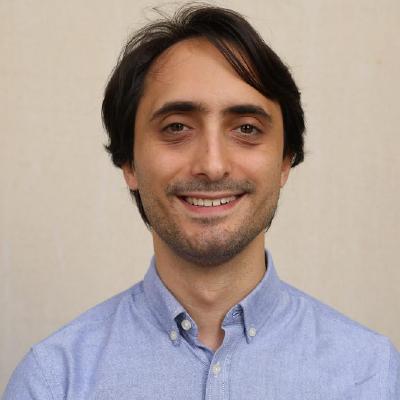
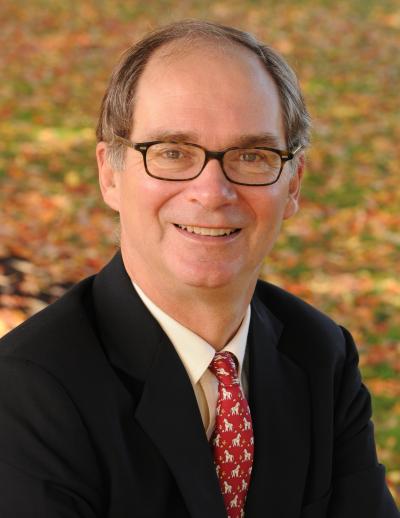
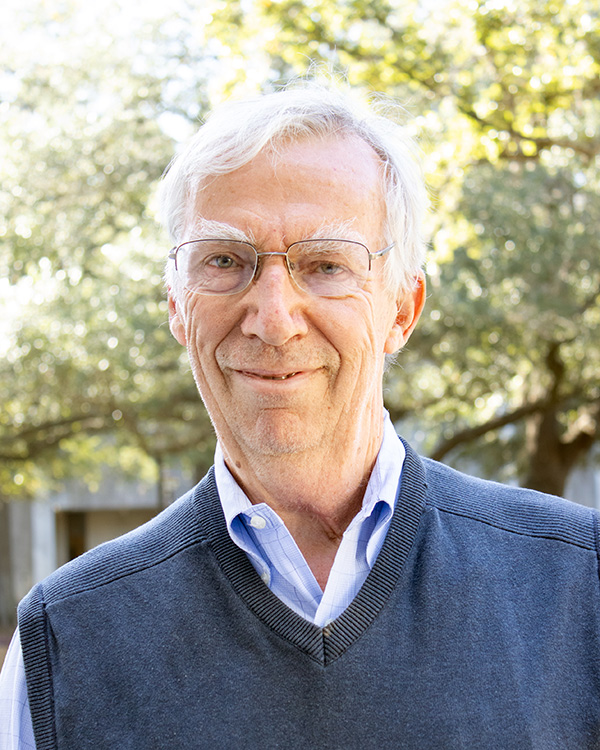
Jorge Gil is an Associate Professor in Urban Analytics and Informatics at Chalmers University of Technology's Department of Architecture and Civil Engineering. His research focuses on integrated urban models, Smart Cities, City Information Modelling (CIM), and Urban Digital Twins, with applications in sustainable mobility, social inclusion, energy transition, and circular economy. He develops GIS solutions and open science methodologies. Teaching includes GIS, sustainable mobility, and spatial data science courses. He supervises Bachelor, Master's, and PhD students. Current projects include LogiNets (logistics network flows analysis), ComCy (cycling safety), and FlowSense (traffic flow data). Key research outputs span agent-based modeling of waste sorting behavior, mobility equity analysis, and multimodal urban network frameworks. He co-authored over 50 publications and actively contributes to interdisciplinary urban planning initiatives.
Summary Associate Professor Mehrdad Arashpour is an internationally recognized researcher and educator in construction and civil infrastructure, focusing on automation and information technologies. He leads the ASCII Lab at Monash University's Department of Civil and Environmental Engineering. His academic roles include Head of Construction Engineering and membership in the CIB's Working Commission on Off-site Construction (W121) and Infrastructure Task Group (TG91). Education: Ph.D., RMIT University, Australia M.Sc., Grenoble University, France B.Sc., IU University, Iran Research Interests: Digital twins, computer vision, robotics, BIM integration, sustainable construction, and automation in construction processes. His work contributes to UN Sustainable Development Goals, particularly in sustainable cities and communities. Grants & Awards: Over $6M in grants from ARC, Austroads, and industry partnerships. Recognitions include Editor's Choice Paper (ASCE, 2019) and Outstanding Reviewer (Elsevier, 2016). Teaching: Courses like Risk Management in Engineering Projects and Infrastructure Research Project. Advises on PhD topics in computer vision, robotics, and BIM. Labs & Collaborations: ASCII Lab focuses on smart, sustainable solutions for construction. Collaborates with global researchers and organizations like SPARC Hub and Building 4.0 CRC.
Yihan Sun is an Assistant Professor at the University of California, Riverside (UCR) since January 2020. He earned his Ph.D. in Computer Science from Carnegie Mellon University (CMU) , advised by Guy Blelloch , and holds a Bachelor's degree in Computer Science from Tsinghua University . Research Interests: Yihan Sun focuses on the theory and practice of parallel computing , including Parallel algorithms and data structures Write-efficient algorithms for Non-Volatile Memory (NVM) Computational geometry (range trees, Delaunay triangulations) Graph algorithms (SSSP, SCC, cluster-based BFS) Concurrent and persistent data structures Multi-version concurrency control (MVCC) with garbage collection Applications in databases, transactional systems, and computational biology Recent Research Trends: His work on join-based parallel balanced trees has been foundational, supporting four balancing schemes (AVL, red-black, weight-balanced, treaps) and enabling efficient implementations in graph analytics, spatial queries, and dynamic programming. Recent publications focus on output-sensitive algorithms , scalable graph libraries (PASGAL) , and pedagogical approaches to teaching parallel algorithms. Teaching: He teaches CS260 (Parallel Algorithms) at UCR and has served as a guest lecturer for MIT 6.886 (Algorithm Engineering) and CMU 15-859 (Algorithms in the real world) . He also contributed to algorithm education through a tutorial at the ACM Symposium on Principles and Practice of Parallel Programming (PPoPP 2019) . Labs & Collaborations: Yihan is a core contributor to the PAM (Parallel Augmented Maps) library, which has been integrated into systems like Aspen (graph-streaming) and C-trees . He collaborates with teams at CMU-Parlay , PBBS , and Ligra , with his code available on Github for community feedback.
Hernan G. Rey, PhD, is an Assistant Professor in the Department of Neurosurgery at the Medical College of Wisconsin (MCW) and the Marquette-MCW Joint Department of Biomedical Engineering. He previously held an Assistant Professor position at Baylor College of Medicine until July 2022. His research focuses on understanding human episodic memory, improving epilepsy diagnosis and treatment, and developing tools for electrophysiological data analysis. Rey's lab records single-neuron activity and intracranial EEG from epilepsy patients to investigate brain mechanisms underlying memory and neurophysiological processes. Education: PhD in Engineering, University of Buenos Aires (2009) Postdoctoral Fellowship in Biomedical Informatics, University of Leicester (2012–2015) Bachelor's in Electronics Engineering, University of Buenos Aires (2002) Research Interests: Dr. Rey explores anterior temporal lobectomy, drug-resistant epilepsy, electrophysiology, hippocampal function, machine learning applications in neuroscience, and signal processing. His work bridges clinical neurosurgery, biomedical engineering, and cognitive neuroscience to advance both fundamental understanding and clinical interventions. Publications: His recent work highlights studies on parietal cortex function in action monitoring, single-neuron responses in memory encoding, and neurophysiological correlates of depression. These reflect a focus on translational neuroscience and interdisciplinary collaboration. Awards: EPSRC Rising Star Award (2014) Labs/Teams: The ReyLab drives innovation in electrophysiological data acquisition and analysis, emphasizing clinical application for epilepsy and memory disorders.
Francesca Marazzi is an Assistant Professor at the University of Rome Tor Vergata's Department of Economics and Finance. She holds affiliations with the CESifo Research Network (as an affiliate), the CESIEG research centre at LUISS Guido Carli University (Deputy Director), and the DEMA P research cluster at Middlesex University, London. Her research focuses on behavioral and experimental economics, particularly exploring dishonest behavior, responsibility avoidance, and health economics issues like women's health and obesity interventions. She teaches courses such as 'Coding for Economic Applications' and 'Research Methods for Social Sciences' at both bachelor's and master's levels. Her work bridges theoretical models with empirical experimentation, addressing topics like corruption, public goods provision, and policy design. Notable contributions include studies on transparency's impact on bribery, pandemic-related behavioral changes, and the effects of soft drink taxation on adolescent health. She actively participates in interdisciplinary projects, such as the CREA initiative integrating AI and mathematics for fairness assertions, and the LongITools exposome analysis in chronic disease research. Marazzi's academic output emphasizes experimental methodologies, with recent focus on pandemic-driven behavioral shifts, financial stability mechanisms, and innovative governance metrics leveraging earth observation data post-wildfires. Her research portfolio reflects a commitment to applied microeconomic analysis with direct societal relevance.
Prof. Dr. Ger Duijzings holds the Chair of Social Anthropology (with a focus on Southeastern and Eastern Europe) at the University of Regensburg. He is also affiliated with the College of Europe in Natolin, Poland. His academic roles include Spokesperson of the Europaeum and Principal Investigator of the seeFField project. Previously, he served at UCL (2005-2014) in roles including Reader in Anthropology of Eastern Europe and Director of the Centre for South-East European Studies. Education: PhD in Social Anthropology (1999), University of Amsterdam MSc in Social and Cultural Anthropology (1989), Radboud University Nijmegen Research Interests: Focuses on urban transformation in post-socialist cities like Bucharest, war and memory studies centered on Srebrenica, and the intersection of religion/identity politics in Southeastern Europe. His work combines ethnographic methods with interdisciplinary approaches to contemporary art and environmental issues. Grants & Leadership: Editor of Comparative Southeast European Studies since 2014 Supervised over 20 PhD students on topics ranging from Balkan trauma to environmental justice Led international research projects including Social Sorting (2014-2019) Labs & Teams: Active in the Graduate School for East and Southeast European Studies and Leibniz Science Campus initiatives. Collaborates with global networks including Strelka Institute in Moscow and UNARTE in Bucharest.
Marko Terviö is Professor of Economics at Aalto University School of Business, where he teaches intermediate microeconomics and labor economics. He is affiliated with Helsinki GSE (Helsinki Graduate School of Economics), a collaboration between Aalto University, University of Helsinki, and Hanken School of Economics. His research focuses on labor market dynamics, economic inequality, housing economics, and institutional design. Professor Terviö employs theoretical models combined with empirical analysis to address questions about talent markets, wage determination, housing policy, and political economics. His work demonstrates particular expertise in assignment models applied to housing and labor markets, with significant contributions to understanding cognitive ability and earnings, superstar phenomena in labor markets, and housing policy impacts. His publication record spans top economics journals including Review of Economic Studies , American Economic Review , Journal of Political Economy , and Economic Journal . Recent work (2022-2025) shows continued high-impact research in labor economics and housing markets, with publications in European Sociological Review and Economic Journal . His research demonstrates consistent methodological rigor combining theoretical modeling with empirical validation. Professor Terviö has contributed significantly to Finnish economic policy discussions, notably as lead author of the influential 2018 report 'On the transfer of residential plots in Helsinki' for the Aalto Economic Institute. This work provided economic analysis of land allocation practices in Helsinki, examining how residential plots should be priced and allocated to maximize economic efficiency while considering urban development goals.
Prof. Dr. Julia Rieck is a Full Professor of Business Administration at the University of Hildesheim , leading the Department of Business Administration and Operations Research within the Faculty of Mathematics, Natural Sciences, Economics and Computer Science. As Dean of the Faculty , she oversees academic programs, quality management, and research initiatives. Her roles include academic advising for the Business Information Systems (B.Sc./M.Sc.) programs and active participation in examination boards and quality committees. Education: PhD in Political Science (Dr. rer. pol.) with summa cum laude (2008), Habilitation at Clausthal University of Technology (2014), and studies in Business Mathematics (Diploma, University of Hamburg, 2003) and Mathematics (Georg-August-University Göttingen, 2000). Research: Focuses on Operations Research , Supply Chain Management , Project Planning , and Logistics . Her work integrates mathematical modeling , machine learning , and real-world applications , particularly in disaster response , dynamic transportation , and sustainable e-commerce . Projects: Leads third-party funded initiatives like "IT für die sorgende Gesellschaft" (AI in healthcare/social sectors) and contributes to the HULLS real-lab (AI in aging societies). Collaborates with regional companies (e.g., Youco, ADITUS) and institutions (HAWK, University of Hannover). Teaching: Emphasizes practical application through case studies, industry partnerships, and the IT-Speed Dating event for student-company connections. Her courses cover project resource planning , logistics , and digital transformation . Labs & Teams: Active in the Institute of Business Administration & Business Information Systems , contributing to the KET Kompetenzwerkstatt (entrepreneurship support) and interdisciplinary teams in AI and sustainability research.
Laxman Dhulipala serves as an Assistant Professor in the Department of Computer Science at the University of Maryland, College Park, while also working as a research scientist at Google Research with the Graph Mining team. Dr. Dhulipala earned his Ph.D. from Carnegie Mellon University under Guy Blelloch's supervision and completed a postdoctoral fellowship at MIT with Julian Shun. His research centers on efficient parallel algorithms, particularly for parallel clustering and graph processing, along with developing computational models for emerging hardware technologies. His scholarly output demonstrates significant expertise across parallel computing domains, with particular emphasis on scalable graph algorithms, dynamic data structures, and computational geometry. Dr. Dhulipala's work bridges theoretical computer science with practical systems implementation, producing algorithms that achieve both theoretical optimality and real-world performance. His research group has made substantial contributions to benchmarking frameworks including the Graph Based Benchmark Suite (GBBS) and ParClusterers Benchmark Suite, establishing standardized evaluation methods for graph processing systems. The collective work shows progression from theoretical foundations to practical implementations that handle massive-scale datasets. Best Paper Award at SPAA 2022 Best Paper Runner Up at VLDB 2022 Distinguished Paper Award at PLDI 2019 Memorable Paper Award Finalist at NVMW'20 CMU's SCS Dissertation Award Honorable Mention As an educator, Dr. Dhulipala mentors numerous graduate students while teaching advanced courses in algorithm design and parallel computing. His research collaborations span multiple institutions including Carnegie Mellon University, MIT, and Google Research, reflecting his position at the intersection of academia and industry research.
Dr. Stephanie de Alcantara Fernandes is a Minerva Fast Track Group Leader at the Max Planck Institute for Biology of Ageing in Cologne, Germany, where she leads research on muscle metabolism and aging. Her laboratory investigates how spatial and functional regulation of mTORC1 signaling influences skeletal muscle health, growth, and regeneration throughout the lifespan, with implications for understanding and promoting healthy aging. Dr. Fernandes completed her academic training through a distinguished path: PhD in Biology (Summa cum laude, with distinction), University of Cologne/Max Planck Institute for Biology of Ageing (2017-2023) Master of Science in Genetics, University of São Paulo (2015-2017) Bachelor of Science in Biological Sciences, University of São Paulo (2009-2014) Exchange year at University of Birmingham, UK (2013) Her research focuses on skeletal muscle biology, particularly the balance between anabolic and catabolic processes that maintain muscle health. Dr. Fernandes investigates how mTORC1 (mechanistic Target of Rapamycin Complex 1), a central signaling hub, is spatially organized within cells to selectively regulate specific cellular functions in response to different nutrient sources. Her work reveals that mTORC1 is not simply "on or off" but can be finely tuned to control distinct processes in different cellular compartments, particularly in skeletal muscle cells. A key aspect of her research examines how these regulatory mechanisms change with age, contributing to age-related muscle loss (sarcopenia). By understanding the molecular basis of muscle maintenance and regeneration, her laboratory aims to identify targets for interventions that could promote healthier aging and prevent age-related decline in muscle function. Analysis of Dr. Fernandes' publication record shows a clear trajectory of increasingly independent research focused on mTORC1 signaling, nutrient sensing, and their roles in aging and muscle biology. Her most recent work demonstrates sophisticated understanding of mTORC1's spatial regulation, revealing how different pools of mTORC1 respond to distinct amino acid sources to control specific cellular processes. This research bridges fundamental cell biology with translational applications for aging-related conditions. Dr. Fernandes has received numerous prestigious awards recognizing her scientific excellence: Minerva Fast Track Fellowship (2025) - Group Leader Position for Outstanding Female Scientists from Max Planck Society Graduate School for Biological Sciences (GSfBS) doctoral award for 2023 (2025) World Muscle Society Fellowship (2016) Cologne Graduate School of Ageing Research fellowship (2017-2020) Master's scholarship from São Paulo Research Foundation (2015-2017) Science Without Borders Scholarship from Brazilian Council for Scientific and Technological Development (2013) As a newly appointed Group Leader through the Minerva Fast Track program, Dr. Fernandes is establishing her independent research program with substantial institutional support. Her laboratory combines advanced techniques including high-throughput omics approaches (proteomics, metabolomics), molecular biology, biochemistry, cell biology, and super-resolution microscopy. She utilizes multiple model systems including mouse models, skeletal muscle cell lines, and iPSC-derived skeletal muscle cells to identify evolutionarily conserved mechanisms relevant to human health. Dr. Fernandes leads the Minerva Fast Track Group at the Max Planck Institute for Biology of Ageing, which focuses specifically on "Muscle metabolism and aging." Her team investigates how selective mTORC1 signaling is coordinated between different skeletal muscle cell types and how it changes with age, with the ultimate goal of understanding how muscle health can be maintained throughout life.
Associate Professor Simon McIlroy is a microbial ecologist at Queensland University of Technology's Faculty of Health, School of Biomedical Sciences , specializing in visualization and characterization of microorganisms in their natural environments. PhD in Microbiology from La Trobe University Postdoctoral research at Aalborg University's Centre for Microbial Communities Senior Postdoctoral Fellow at University of Queensland's Australian Centre for Ecogenomics Current ARC Future Fellow at QUT's Centre for Microbiome Research His research combines meta-omics and single-cell visualization to investigate anaerobic methanotrophic archaea in freshwater sediments, focusing on: Novel respiratory strategies in archaeal lineages Methane oxidation biogeochemical cycles Environmental microbiology of wastewater systems Microbial community imaging techniques Recent publications demonstrate expertise in: Fluorescence in situ hybridization Multi-heme cytochrome functions Iron-methane redox interactions Protozoal-microbiome dynamics Viral ecology in marine systems Microbial life cycle analysis Scientific recognition includes: ARC Future Fellow for methane-oxidizing archaea research Available for supervision in areas including: Strain-level microbiome characterization Fluorescence microscopy applications Adaptive evolution of methanotrophic archaea Cell sorting and confocal microscopy
Randall Hughes is a Professor in the Department of Marine and Environmental Sciences at Northeastern University's College of Science. She joined Northeastern in 2013 after completing her education at the University of North Carolina, Chapel Hill (Bachelors in Biology and Public Policy Analysis) and University of California-Davis (Ph.D. in Ecology). In 2024, she was appointed as the first Associate Dean for Equity in the Northeastern College of Science, reflecting her longstanding commitment to diversity and inclusion in academic settings. Her academic journey includes significant contributions to marine biodiversity research, with expertise spanning both U.S. coasts. She has conducted research on eelgrass on the West Coast, salt marsh plant species in Florida, and various marine habitats including oyster reefs, seagrasses, and salt marshes. Her work has earned her recognition as an AAAS Fellow in 2024 for her contributions to biological sciences, particularly for developing a fundamental understanding of the role of genetic diversity in conservation and restoration of ecosystem-defining species. Dr. Hughes has demonstrated exceptional leadership in promoting diversity and inclusion within academia. She created and chaired the Diversity and Inclusion Committee in the Department of Marine and Environmental Sciences from 2017-2022 and has served on the College of Science Diversity Committee since 2018. Her research focuses on understanding the ecological and social causes and consequences of biodiversity change, with applications to marine conservation and restoration. Her work reveals important insights about genetic diversity in marine ecosystems. Her landmark discovery about eelgrass in Bodega Bay, California demonstrated that plots with richer genetic diversity recovered more rapidly from disturbances like geese grazing, highlighting the critical importance of genetic diversity for ecosystem resilience. This finding has significant implications for marine restoration efforts, suggesting that incorporating diverse genotypes is essential for long-term survival of restored habitats. AAAS Fellow (2024) - for contributions in biological sciences for developing a fundamental understanding of the role of genetic diversity in the conservation and restoration of species that define ecosystems Dr. Hughes emphasizes the importance of conserving existing ecosystems rather than relying solely on restoration: "In my opinion, it's best to conserve as much as we can and then restore as we need to as opposed to relying on restoration as sort of a strategy to let us destroy as much as we want to and think that we can just rebuild it somewhere else." Her research now focuses on understanding how bringing plants from different coastal systems affects the evolutionary makeup of recipient systems, with the goal of increasing the effectiveness of restoration efforts. As Associate Dean for Equity, Dr. Hughes continues to champion diversity, equity, and inclusion initiatives within the College of Science, building on her previous work with the Diversity and Inclusion Committee in the Department of Marine and Environmental Sciences.
Pablo Warnes is an Assistant Professor at Aalto University's Department of Economics and Helsinki GSE. His research spans Urban Economics, International Trade, Transportation Economics, Development Economics, and Applied Microeconomics. Education: PhD in Economics, Columbia University (2021) Research focuses on urban infrastructure, spatial sorting, commuting behavior, and policy impacts. Recent work includes studies on pedestrianization, bike-friendly cities, and gender differences in commuting. Key trends in publications: Urban mobility and infrastructure Gender disparities in commuting Resilient road networks Public investment in tech clusters Educational policy in Argentina and Ibero-America Contact: pablo.warnes@aalto.fi
Jonathan S. Skinner is a Professor at Dartmouth College, Department of Economics, and a professor at the Dartmouth Institute for Health Policy and Clinical Practice within the Geisel School of Medicine. He serves as the Aging Program Director at the National Bureau of Economic Research (NBER) and has contributed extensively to understanding healthcare productivity, technology adoption, and policy implications for aging populations. Key research areas: Health Economics, Economics of Aging, Public Policy Current projects focus on Medicare/Medicaid spending, geographic healthcare disparities, and pandemic impacts on vulnerable populations. Publications (2023–2010) reveal trends in healthcare fraud networks , racial segregation in hospital admissions , and end-of-life expenditures . His work often integrates Medicare claims data and network analysis to assess systemic inefficiencies. Recent scientific collaborations include partnerships with institutions such as the NBER and JAMA Network Open. He has analyzed regional mortality disparities and technology diffusion in clinical settings, with implications for public health strategy.
Dr. Steve Craig is a Professor in the Department of Economics at the University of Houston's College of Liberal Arts and Social Sciences. He has served as Faculty Senate President, demonstrating his leadership within the university community. His office is located at 3553 Cullen Blvd #402, and he can be reached at scraig@uh.edu. His research interests span across public economics, urban economics, fiscal policy, and education finance. He specializes in analyzing state and local government behavior, public finance mechanisms, and the economic impacts of education policies. His work particularly focuses on how governments make fiscal decisions, the effects of budget rules, and the relationship between public spending and economic outcomes. Throughout his career, Professor Craig has produced extensive research on topics including the fiscal effects of fracking in Texas, inequality in public school spending, the behavior of state governments during economic shocks, and the impact of balanced budget rules on expenditure smoothing. His recent work examines the centenary of Charles Tiebout's contributions to local public goods theory and intra-city economic dynamics. As Faculty Senate President, he has contributed to university governance through speeches to the Board of Regents on topics including long-range planning, tuition decisions, research university growth, and university accountability. He has also written extensively for the university's internal magazine on institutional environment, scholarship advantages, and the value of research universities.