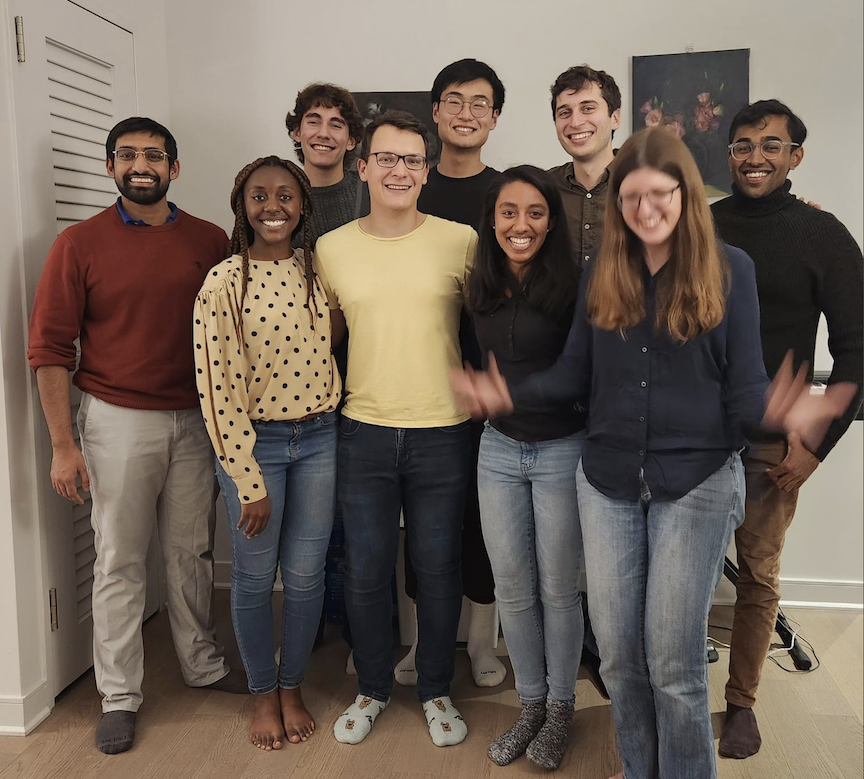
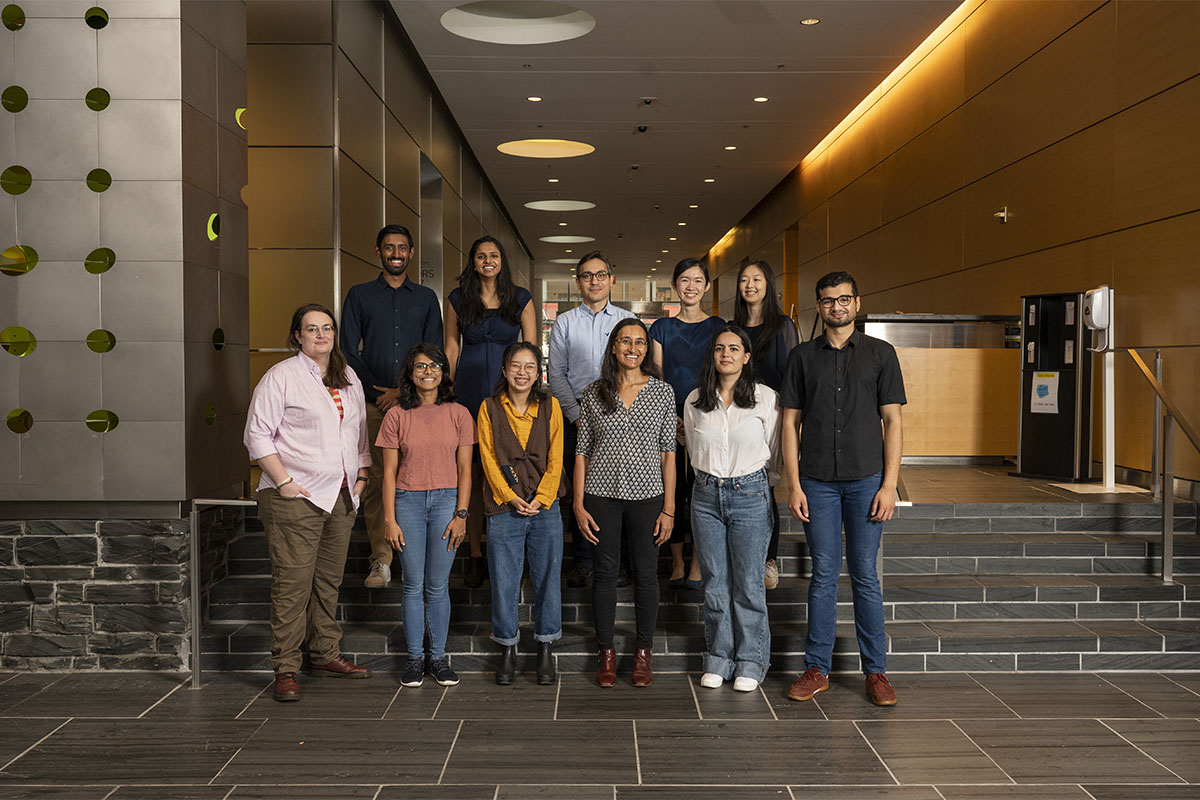
Alexis Battle is an Associate Professor at Johns Hopkins University with appointments in Biomedical Engineering , Computer Science , and Genetic Medicine (secondary). She directs the Malone Center for Engineering in Healthcare and serves as Deputy Director of the Data Science and AI Institute . Educated at Stanford University (PhD in Computer Science, 2013), Battle transitioned to academia after leadership roles at Google. Research Focus: Battle’s work bridges genomics and machine learning , emphasizing the impact of genetic variation on human health. Her lab develops tools like Watershed to predict functional effects of rare variants, aiming to enhance rare disease diagnosis. Key themes include non-coding DNA analysis , personalized genomics , and systems biology , with applications in cardiovascular disease and neurodegenerative disorders . Publications & Awards: Over 60 peer-reviewed articles in journals like Nature , Science , and Genome Biology , with recent emphasis on single-cell transcriptomics , multiomics integration , and telomere biology . Recipient of the President’s Frontier Award (2022), Microsoft Investigator Fellowship (2019), and Searle Scholar (2016). Scientific Awards: 2022 President’s Frontier Award 2019 Microsoft Investigator Fellowship 2019 Johns Hopkins Discovery Award 2017 Johns Hopkins Catalyst Award 2016 Searle Scholar Advising & Funding: Mentors 11 PhD students, 3 undergraduates, and postdoctoral fellows. Her research is funded by NIH, Searle Scholars, and institutional grants. The Battle Lab collaborates on projects like the GTEx Consortium , focusing on gene regulation and clinical genomics .
James Briscoe is a Senior Group Leader at The Francis Crick Institute in London, where he leads a research group focused on developmental biology and morphogen signaling. He previously held positions at the Medical Research Council's National Institute for Medical Research, which later became part of the Francis Crick Institute. Education: BSc in Microbiology and Virology from the University of Warwick, UK PhD from Imperial Cancer Research Fund/King's College London Postdoctoral training at Columbia University with Thomas Jessell Dr. Briscoe's research focuses on the molecular and cellular mechanisms of graded signaling by morphogens and the role of transcriptional networks in cell fate specification. His laboratory employs a range of experimental and computational techniques using model systems including mouse and chick embryos and embryonic stem cells. His work has significant implications for understanding developmental processes and their relationship to disease. His recent publications demonstrate a continued focus on morphogen gradients, neural tube development, and computational approaches to understanding cell fate decisions. His research increasingly integrates single-cell technologies and computational modeling to unravel the complexities of developmental patterning. Scientific Awards and Honors: EMBO Young Investigator (2001) EMBO Gold Medal (2008) Elected to EMBO (2009) Fellow of the Academy of Medical Sciences (2019) Fellow of the Royal Society (2019) As Editor-in-Chief of the journal Development since 2018, Dr. Briscoe plays a significant role in shaping the field of developmental biology. His leadership extends to mentoring researchers and contributing to scientific policy discussions, as evidenced by his recent publication 'Science under siege: protecting scientific progress in turbulent times.' Dr. Briscoe's laboratory at the Crick Institute is well-equipped with access to advanced facilities including light microscopy, flow cytometry, genomics, and computational resources, enabling a multidisciplinary approach to developmental biology questions.
Emma Pierson is an Assistant Professor of Computer Science at the University of California, Berkeley, affiliated with the Berkeley Artificial Intelligence Research Lab (BAIR) , Computational Precision Health , and the Center for Human-Compatible AI . She focuses on developing data science and machine learning methods to address issues in healthcare equity and social inequality . Her work includes studies on race adjustments in clinical algorithms, migration patterns, and leveraging LLMs for health equity. Education: Ph.D. in Computer Science from Stanford University (2020), Master’s in Statistics from the University of Oxford. Prior roles include Assistant Professor at Cornell Tech, Senior Researcher at Microsoft Research, and data scientist at 23andMe and Coursera. Research Interests: Her research spans fair clinical prediction , sparse autoencoders , health disparities , and algorithmic fairness . Notable projects include the MIGRATE dataset for granular migration analysis and studies on policing disparities. Awards: NSF CAREER Award, Rhodes Scholarship, Hertz Fellowship, MIT Technology Review 35 Innovators Under 35, and Samsung AI Researcher of the Year. She writes a statistics blog ( Obsession with Regression ) and contributes to media outlets like The New York Times and FiveThirtyEight . Labs/Teams: Leads the MIGRATE project, a collaboration to analyze fine-grained migration data. Engages in interdisciplinary work across AI, healthcare, and social science.
Calliope Dendrou is an Associate Professor in Clinical Pathology and Inflammation at the Kennedy Institute of Rheumatology (KIR), University of Oxford, leading the Immune Disease Multiomics Laboratory. She previously held a Wellcome & Royal Society Sir Henry Dale Fellowship at the University of Oxford’s Centre for Human Genetics before joining KIR in 2023. Her research focuses on immune disease mechanisms using multiomics approaches, including genomic profiling to identify therapeutic targets across tissues and immune-mediated diseases. She co-leads large-scale projects like the Oxford-J&J Cartography Consortium and the Chan Zuckerberg Initiative’s LEGACY Network, and teaches on the MSc in Genomic Medicine program. Educational Background: BSc (Biology, Imperial College London, 2005; Forbes Memorial Medal Winner); PhD in Infection & Immunity (University of Cambridge, 2010). Postdoctoral training at the Weatherall Institute of Molecular Medicine under Prof. Lars Fugger. Research interests include immunogenetics, cytokine signaling pathways, drug repositioning, and cross-disease pathophysiology. Her work integrates single-cell and spatial transcriptomics to dissect immune-cell interactions in diseases like rheumatoid arthritis, inflammatory bowel disease, and celiac disease. Recent articles highlight her contributions to understanding vaccine adjuvant responses, Th17 cell roles in spondyloarthritis, and immune-epithelial networks in celiac disease. Collaborations emphasize multi-omic data analysis (e.g., Panpipes pipeline) and translational studies toward precision medicine. Awards: Forbes Memorial Medal (BSc), Wellcome & Royal Society Sir Henry Dale Fellowship. Leadership roles include Equality, Diversity, and Inclusion Champion and 'Single-Cell & Spatial Omics for Precision Medicine' Module Lead. Lab & Teams: Immune Disease Multiomics Lab at KIR. Active in collaborative initiatives such as the LEGACY Network, focusing on large-scale immune profiling in ancestrally diverse populations.
Professor Matthias Mann is a world-leading scientist serving as Director of the Proteomics and Signal Transduction department at the Max Planck Institute of Biochemistry in Martinsried, Germany, and Director of the Proteomics department at the Novo Nordisk Foundation Center for Protein Research, Faculty of Health Sciences, University of Copenhagen, Denmark. With an h-index exceeding 277 and over 350,000 citations, he is recognized as the highest cited German researcher and one of the most influential scientists globally in proteomics. His educational background includes: Ph.D. in Chemical Engineering from Yale University (1988) Master's Degree in Physics from Georg August University Göttingen (1984) Bachelor's of Arts in Mathematics from Georg August University Göttingen (1982) Professor Mann's research focuses on advancing mass spectrometry-based proteomics to understand biological systems at the protein level. His work spans technological developments in mass spectrometry, bioinformatics and computational analysis, signal transduction and posttranslational modifications, and clinical proteomics applications for disease diagnosis and treatment. The Mann lab has pioneered groundbreaking methods like SILAC for quantitative proteomics and MaxQuant for proteome data analysis. Their vision is to translate proteomics knowledge into clinical practice for predictive, diagnostic, and preventive medicine, with recent work focusing on AI-guided platforms for analyzing proteomes from minimal tissue samples. Analysis of Professor Mann's recent publications reveals a strong trend toward clinical applications of proteomics, particularly in cancer research, metabolic diseases, and neurodegenerative disorders. His work increasingly integrates spatial proteomics, single-cell resolution techniques, and artificial intelligence approaches to uncover disease mechanisms and identify potential biomarkers, with a clear shift from basic technology development toward direct clinical applications and personalized medicine. Professor Mann has received numerous prestigious awards throughout his career: 2025: Elected member of the American National Academy of Sciences 2024: Dr. H.P. Heineken Award for Biochemistry and Biophysics 2023: Otto Warburg Medal 2019: Nominated member of the Bavarian Academy of Sciences 2013: Elected member of Leopoldina German National Academy of Sciences 2012: Körber European Science Award, Louis-Jeantet Foundation Prize for Medicine, Ernst Schering Prize, and Leibniz Prize Professor Mann leads a highly collaborative research team involved in multiple international networks including the Bill & Melinda Gates Foundation, Michael J. Fox Foundation for Parkinson's Research, CLINSPECT-M, and Munich Heart Alliance. His lab has mentored numerous successful researchers, with several former postdocs receiving prestigious ERC Starting Grants. The Mann group has developed innovative clinical proteomics pipelines for analyzing archived tissue specimens and body fluids, aiming to identify protein markers for early detection of diseases such as diabetes and cancer. The Mann lab operates across two major research centers with state-of-the-art mass spectrometry facilities. Their Clinical Knowledge Graph platform integrates multi-omics data with extensive metadata, creating an ecosystem for machine learning applications in proteomics. Current research focuses on developing highly sensitive methods that can profile thousands of proteins from minimal cell samples, enabling the identification of critical disease-related proteins and supporting the development of individualized therapies.
Long Cai is a Professor at the California Institute of Technology, affiliated with the Biology and Biological Engineering department. He pioneered the field of spatial genomics and co-developed transformative technologies such as seqFISH and MEMOIR. Research Interests: His work focuses on decoding biological systems through spatial genomics, integrating molecular imaging with computational analysis to uncover cellular organization in tissues. Key areas include developmental biology, neuroscience, kidney regeneration, and cancer biology. Publications: Recent studies highlight applications of spatial transcriptomics in kidney disease, brain nuclear architecture, and multi-omics tissue mapping. His research emphasizes creating high-resolution atlases of cellular dynamics. Scientific Awards: NIH Director’s Pioneer Award (2022) Labs & Collaborations: He leads the Cai Lab, which develops cutting-edge imaging tools in collaboration with the Elowitz Lab and other interdisciplinary teams.
Xiuwei Zhang is the J.Z. Liang Early-Career Assistant Professor in the School of Computational Science and Engineering (SCoSE) at Georgia Institute of Technology, part of the College of Computing. Her research focuses on computational biology and bioinformatics, particularly in developing machine learning methods for analyzing single-cell omics data, including multi-modal, temporal, and spatial data integration. She leads a lab that designs tools like scDART , scMoMaT , and scMultiSim , which address challenges in multi-omics integration, lineage reconstruction, and simulation. Before joining Georgia Tech, she held postdoctoral positions at UC Berkeley (Nir Yosef’s group), the European Bioinformatics Institute (EBI), and École Polytechnique Fédérale de Lausanne (EPFL). She earned her PhD in computer science from EPFL under Bernard Moret. Her Erdős number is 3, reflecting her collaborative work across computational fields. Her research spans four key areas: multi-batch/single-cell data integration, temporal analysis of cell differentiation, spatial-temporal omics dynamics, and simulation tools for benchmarking methods. She has received prestigious awards, including the NSF CAREER Award (2022) and NIH MIRA (2021). She actively participates in conferences (RECOMB, ISMB) and serves on editorial boards (Journal of Computational Biology). Her group’s recent work includes the scMultiSim simulator (2025), which generates multi-omics spatial data, and LinRace (2023), reconstructing cell lineage histories. She mentors over 15 students and collaborates internationally on projects like the InQuBATE Workshop on Single-Cell Transcriptomics.
Silvia Santos is a Group Leader at the Francis Crick Institute, leading the Quantitative Stem Cell Biology Lab since January 2018. Her research focuses on understanding cell decision-making during transitions, specifically cell division and differentiation in early development using human embryonic stem cells. She combines experimental techniques with theoretical approaches, including advanced microscopy, genomics, and computational modeling. Education and Career: PhD in Molecular and Cell Biology from EMBL-Heidelberg (2008), followed by postdoctoral training at Stanford University (2009-2014). She held an MRC Career Development Award at Imperial College London (2014-2017) before joining the Crick. Her work emphasizes interdisciplinary methods to study cellular processes in health and disease. Research Interests: Spatial-temporal control in cell decisions, stem cell differentiation, cell cycle regulation, and modeling embryonic development. She advocates for women in science and mentorship programs for early-career researchers. Key Achievements: Recipient of Marie Curie E-Star, EMBO, and HFSP fellowships. Recognized with the BioModels’ Model of the Year 2023 for contributions to systems biology. Her lab develops models like gastruloids to study embryonic development. Grants and Mentorship: Supported by MRC and other grants. Committed to fostering excellence in training and mentorship, previously chairing mentorship initiatives at Imperial College London. Labs and Teams: Quantitative Stem Cell Biology Lab at the Crick, collaborating with interdisciplinary teams on projects involving proteomics, genomics, and high-throughput screening.
Brian Hie is an Assistant Professor of Chemical Engineering at Stanford University , a Dieter Schwarz Foundation Stanford Data Science Faculty Fellow , and an Innovation Investigator at Arc Institute . He leads the Laboratory of Evolutionary Design , focusing on the intersection of biology and machine learning . His prior roles include a Stanford Science Fellow in the Stanford University School of Medicine and a Visiting Researcher at Meta AI . Education: Ph.D. , Electrical Engineering and Computer Science , Massachusetts Institute of Technology (2021) Bachelor’s Degree , Stanford University Research Interests: Brian’s work bridges machine learning and computational biology , with a focus on protein engineering , single-cell RNA sequencing , and viral evolution . His Evolutionary velocity framework predicts protein evolutionary dynamics across timescales, while his Scanorama algorithm enables efficient integration of heterogeneous single-cell datasets. He also develops structure-informed language models for antibody optimization and uncertainty-aware ML for biological discovery. Publication Trends: His recent work (2023) emphasizes structure-based inverse folding for antibody evolution, evolutionary scale modeling , and unsupervised optimization . Earlier studies (2022-2021) cover evolutionary velocity , multi-modal single-cell analysis , and viral escape prediction using natural language analogies. Scientific Awards: Stanford Science Fellow (2021) National Defense Science and Engineering Graduate Fellowship (2019) Advising: He mentors doctoral students including Brandon Ameglio , Garyk Brixi , and Chang M. Yun , with a focus on biological design and computational methods . Labs & Collaborations: His lab collaborates with Bio-X and the Institute for Human-Centered Artificial Intelligence (HAI) , and he maintains affiliations with Sarafan ChEM-H and Stanford Data Science .
Dana Pe'er is a Professor and Chair of the Computational and Systems Biology Program at the Sloan Kettering Institute (SKI) of Memorial Sloan Kettering Cancer Center. She is also an Investigator of the Howard Hughes Medical Institute and holds the Alan and Sandra Gerry Endowed Chair. Dr. Pe'er leads an interdisciplinary research group that combines advanced genomics approaches with machine learning to address fundamental questions in biomedical science, with particular focus on cancer biology, developmental biology, and immunology. Dr. Pe'er earned her PhD from Hebrew University in Jerusalem, Israel. Her academic journey includes a postdoctoral fellowship with George Church at Harvard Medical School. Before joining Memorial Sloan Kettering Cancer Center in 2016, she held faculty positions at Columbia University. Dr. Pe'er's research focuses on understanding cellular plasticity, the consequences of intra-tumor heterogeneity, cancer evolution and metastasis, and the mechanisms by which regulatory circuits go awry in disease. Her lab combines single-cell and spatial profiling technologies with machine learning approaches to investigate gene regulation, cellular plasticity, and cell-cell communication in the contexts of cancer, immunity, and development. They are particularly interested in how organisms develop from a single cell to generate diverse cell types, how epigenetic control rewires during development, and how cells communicate to execute multicellular responses. Analysis of Dr. Pe'er's recent publications reveals a strong focus on developing computational methods for single-cell and spatial genomics data analysis. Her work spans cancer types including pancreatic, prostate, colorectal, and breast cancer, with emphasis on tumor heterogeneity, metastasis mechanisms, and cellular plasticity. A significant portion of her research involves creating novel algorithms and tools like CellRank, REUNION, and SEACells that enable researchers to extract meaningful biological insights from complex genomic datasets. 2023 Class of 2023 Inductee - American Academy of Cancer Research (AACR) Academy 2023 Innovator Award - International Society for Computational Biology (ISCB) 2021 Fellow - International Society for Computational Biology (ISCB) Howard Hughes Medical Institute Investigator (2021) 2019 Ernst W. Bertner Memorial Award - University of Texas MD Anderson Cancer Center 2016 Lenfest Distinguished Faculty Award - Columbia University 2014 Director's Pioneer Award - National Institutes of Health 2014 Overton Prize - International Society for Computational Biology (ISCB) Dr. Pe'er is known for her dedicated mentorship approach, describing herself as "a mama bear" who cares deeply about her trainees while expecting independence, innovation, and hard work. She mentors numerous PhD students and postdocs in her lab. Her HHMI Investigator award provides approximately $9 million over seven years, enabling ambitious research directions. She also collaborates extensively with the Single-cell Analytics and Innovation Lab (SAIL) at MSK to generate new data from emerging technologies, working closely with wet-lab collaborators at MSK and beyond to apply computational methods to cutting-edge datasets across multiple disease areas. The Pe'er Lab is an interdisciplinary group of computational biologists with diverse backgrounds ranging from pure mathematics to clinical medicine. They work closely with wet-lab collaborators to apply their computational methods to cutting-edge datasets across cancer, immunology, and developmental biology. The lab is described as open, supportive, collaborative, and fun, with access to world-class facilities at the Sloan Kettering Institute. Dr. Pe'er's work continues to push the boundaries of computational biology and cancer research, with the ultimate goal of developing more effective, personalized therapies for cancer patients.
Dr. Rong Fan is the Harold Hodgkinson Professor of Biomedical Engineering and Professor of Pathology at Yale University. His research focuses on developing and applying single-cell and spatial omics technologies to study immune systems, cancer, and aging. His lab has pioneered technologies like the IsoCode microchip for high-throughput protein profiling, and spatial multi-omics platforms (e.g., DBiT-seq, spatial-ATAC-seq) to analyze tissue complexity at cellular resolution. He co-founded IsoPlexis, Singleron Biotechnologies, and AtlasXomics to commercialize these innovations. Education: PhD in Chemistry from UC Berkeley (2006), B.S. in Applied Chemistry from University of Science and Technology of China (1999). Postdoctoral training at Caltech before joining Yale in 2010. Research interests include CAR-T cell therapy optimization, spatial epigenomics, and multi-omics integration. Key achievements include discovering biomarkers predictive of CAR-T efficacy and defining spatial genomic landscapes in cancer and neuroinflammation. Awards: NSF CAREER Award, Packard Fellowship, election to AIMBE, CASE, and NAI. Serves on advisory boards for Bio-Techne and Yale Ventures. Active in training future scientists via the Yale Biomedical Engineering and Yale School of Medicine programs.
Vitaly Kheyfets, PhD, serves as Associate Professor in the Department of Pediatrics-Critical Care Medicine at the University of Colorado Anschutz Medical Campus School of Medicine, where he directs research at the intersection of pediatric critical care and cardiopulmonary pathophysiology with emphasis on pulmonary arterial hypertension (PAH). His primary research focuses on right ventricular adaptation to pulmonary hypertension, utilizing machine learning-driven multi-omics analysis to identify disease biomarkers and molecular networks. He pioneers computational fluid dynamics approaches for hemodynamic modeling in congenital heart conditions like Glenn physiology, while also investigating sleep oscillatory patterns as neurodegenerative biomarkers. His methodology integrates proteomics, spatial transcriptomics, and pressure waveform analysis to dissect vascular remodeling mechanisms. Publication trends reveal a strong emphasis on translating computational models into clinical applications for PAH prognostication, with recent work developing AI-cooperative diagnostic platforms and characterizing microvascular changes in the right ventricle. Cross-disciplinary collaborations span proteomics, imaging, and sleep neuroscience, demonstrating consistent innovation in both pulmonary hypertension and neurodegenerative disease biomarker discovery.
Ben Cosgrove is an Associate Professor in the Meinig School of Biomedical Engineering at Cornell University, serving as Director of Graduate Studies. His research focuses on systems bioengineering approaches to understand muscle stem cell dysfunction in aging and disease. He leads the Cosgrove Lab, a multidisciplinary group integrating biomedical engineering, stem cell biology, and systems biology to study microenvironmental signaling in muscle regeneration. His work includes developing biomimetic microenvironments for stem cell manufacturing and improving regenerative medicine therapies. Dr. Cosgrove holds a B.Eng. from the University of Minnesota (2003) and a Ph.D. in Bioengineering from MIT (2009). Postdoctoral training at Stanford University (with Dr. Helen Blau) followed. His research is supported by NIH grants (including R01, R21), the Glenn Medical Research Foundation, and others. He has been recognized with awards such as the BMES Graduate Research Award (2008), Rising Star Award (2015), and Swanson Teaching Excellence Award (2019). Research interests span bioengineering, biomechanics, computational science, and systems biology. His lab's innovations include spatial transcriptomic mapping and high-yield stem cell expansion platforms. Current projects aim to decode stem cell-niche interactions to treat muscle degeneration and aging. Grants: NIH K99/R00, R01, R21; Glenn Medical Research Foundation Labs/Teams: Cosgrove Lab (Cornell University) Future Work: Expanding applications of spatial transcriptomics and engineering regenerative therapies for muscle diseases
Dr. Christina Leslie is a Research Professor and Member of the Computational & Systems Biology Program at Memorial Sloan Kettering Cancer Center (MSK). She leads an active research laboratory focused on developing computational approaches to understand complex biological systems. Dr. Leslie earned her PhD from the University of California, Berkeley and has established herself as a leading computational biologist in cancer research and immunology. Computational & Systems Biology Program, Memorial Sloan Kettering Cancer Center Gerstner Sloan Kettering Graduate School of Biomedical Sciences Dr. Leslie's research focuses on developing novel computational methods to study cellular biological systems from a global and data-driven perspective. Her lab exploits diverse high-throughput functional and genomic data to understand molecular networks underlying fundamental cellular processes, including transcription regulation, pre-mRNA processing, signaling, and post-transcriptional gene silencing. Her algorithmic methods draw heavily on machine learning to build accurate predictive models from noisy and high-dimensional biological data. Key areas of interest include modeling cell-type specific transcriptional programs and dissecting co- and post-transcriptional regulation, particularly microRNA-mediated gene regulation. Analysis of Dr. Leslie's publication record over the last five years reveals a strong focus on computational approaches to cancer genomics, immunology, and epigenetics. Her work bridges multiple disciplines, with a particular emphasis on developing machine learning methods to interpret complex biological data. The publications demonstrate increasing sophistication in integrating multiple data types (genomic, transcriptomic, epigenomic) to understand cancer biology and immune responses. Recent work shows a growing emphasis on single-cell technologies and spatial analysis of tumor microenvironments. Introduction of string kernel methodology for SVM classification of biological sequences Development of algorithms for predictive modeling of gene regulation First systems-level analyses of competition between microRNAs and between target transcripts Dr. Leslie actively mentors numerous graduate students and research associates, with current lab members including Vianne Gao, Alireza Karbalaghareh, Erik Ladewig, and several others. Her lab has received significant research funding to support their work on computational approaches to cancer biology and immunology. The Leslie Lab maintains close collaborations with multiple experimental groups at MSK, facilitating the translation of computational insights into biological understanding. The Leslie Lab operates within the Computational & Systems Biology Program at MSK, with strong ties to both the research and clinical missions of the institution. The lab maintains state-of-the-art computational infrastructure for analyzing large-scale genomic and proteomic datasets and collaborates extensively with wet-lab researchers to validate computational predictions experimentally.
Maizie Zhou is an Assistant Professor in Biomedical Engineering and Computer Science at Vanderbilt University’s School of Engineering. She holds dual PhDs in Computer Science (Stanford University) and Neuroscience (Wake Forest School of Medicine), with additional degrees from Wake Forest University and Huazhong University of Science and Technology. Her research focuses on computational genomics, bioinformatics, and machine learning applied to problems in cancer genomics, single-cell and spatial transcriptomics, and computational neuroscience. She leads the Zhou Lab, which develops algorithms for structural variant detection, neural circuit analysis, and integrative omics approaches. Recent work includes tools like VolcanoSV and stDyer, and she has received grants from NIH, Vanderbilt Brain Institute, and industry partnerships. Key achievements include VUSE Best Paper Awards, Global Engagement Travel Grants, and mentoring students in prestigious programs like the Provost’s Pathbreaking Discovery Award. Her lab also explores the neural underpinnings of cognitive maturation in primates, combining computational and experimental neuroscience. Education: PhDs in Computer Science (Stanford) and Neuroscience (Wake Forest), MS (Computer Science, Wake Forest), BS (Biotechnology, Huazhong). Research interests span computational genomics (e.g., structural variant detection, haplotype phasing), spatial transcriptomics (clustering, integration), and computational neuroscience (neural circuit dynamics, prefrontal cortex plasticity). Her lab’s tools address challenges in precision medicine, cancer genomics, and understanding adolescent brain development. Recent projects include NIH-funded work on spatial transcriptomics and collaborations with Dr. Meltzer’s lab on cancer genomics. Publications highlight advancements in bioinformatics tools and neural mechanisms, with trends toward multi-omics integration and algorithmic innovation in genomics. Awards include the Global Engagement Travel Grant and CCSB Accelerator Fund. Students under her mentorship have excelled in qualifying exams and travel grants, reflecting her impactful training program.