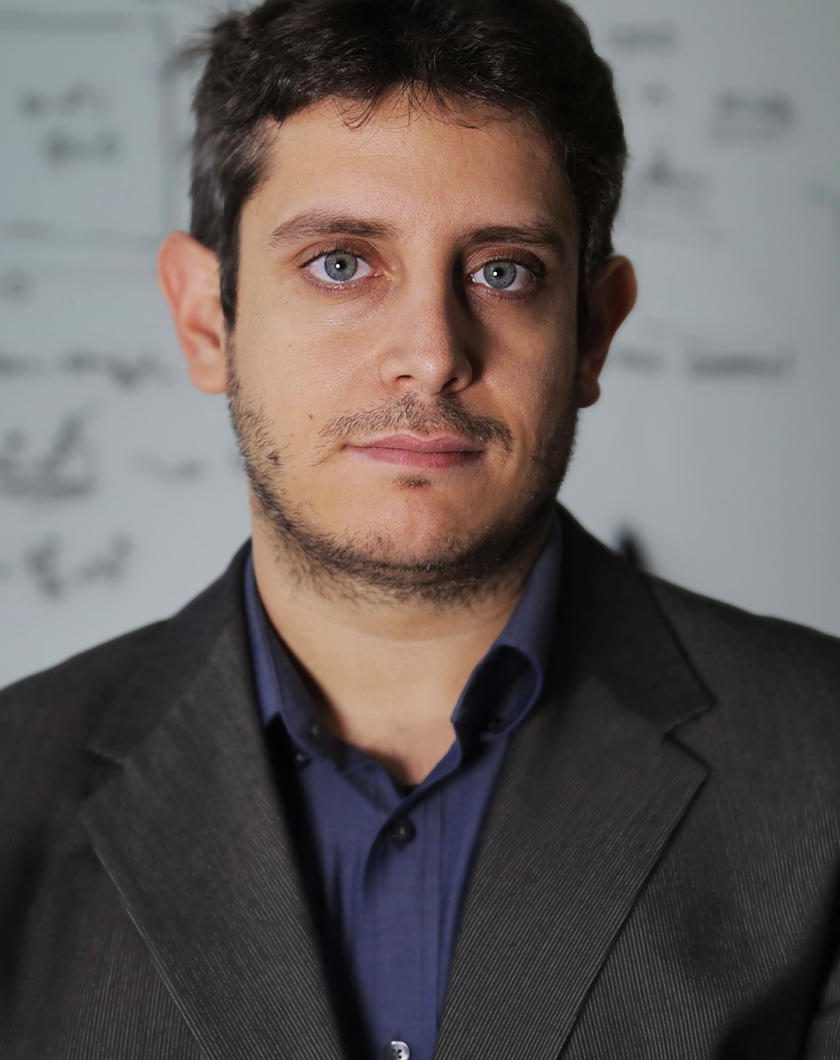
Sylvia Richardsonمشاهده پروفایل
استاد پژوهشی
- Biostatistics
- Bayesian Statistics
- Spatial Modeling
- +۷ مورد دیگر
Sylvia Richardson is an MRC Investigator at the MRC Biostatistics Unit and holds a Research Professorship at the University of Cambridge, where she served as Director of the Biostatistics Unit from 2012 to 2021. She is affiliated with the Cambridge Mathematics of Information in Healthcare Hub (CMIH) at the Centre for Mathematical Sciences. Her work bridges advanced statistical methodology with critical healthcare applications, particularly in the analysis of complex biomedical data. Richardson's research spans multiple domains of biostatistics with a strong emphasis on Bayesian approaches. Her work has significantly advanced spatial modeling and disease mapping techniques, developed sophisticated methods for handling measurement error in epidemiological studies, and pioneered mixture and clustering models for integrative analysis of heterogeneous data sources. Her research addresses fundamental challenges in analyzing longitudinal health data, multimorbidity patterns, and complex disease trajectories. Her publication record demonstrates consistent methodological innovation applied to pressing healthcare challenges. Recent work focuses on traumatic brain injury outcomes, multimorbidity progression, genomic analysis, and statistical approaches to pandemic data. The articles reveal a strong pattern of methodological development driven by real-world healthcare challenges, with particular attention to longitudinal analysis, Bayesian computation, and integrative modeling approaches that can handle diverse and complex data structures. While specific awards are not detailed in the available information, Richardson's leadership as Director of the MRC Biostatistics Unit for nearly a decade and her continued Research Professorship reflect significant recognition of her contributions to the field. Her work with major international consortia like CENTER-TBI demonstrates her role in large-scale collaborative research efforts addressing critical health challenges. Richardson's research has substantial implications for healthcare policy and practice, particularly in understanding disease progression, developing predictive models for patient outcomes, and creating methodological frameworks that can integrate diverse data sources to generate meaningful clinical insights. Her work continues to influence both statistical methodology and healthcare applications through ongoing research and leadership in the field.