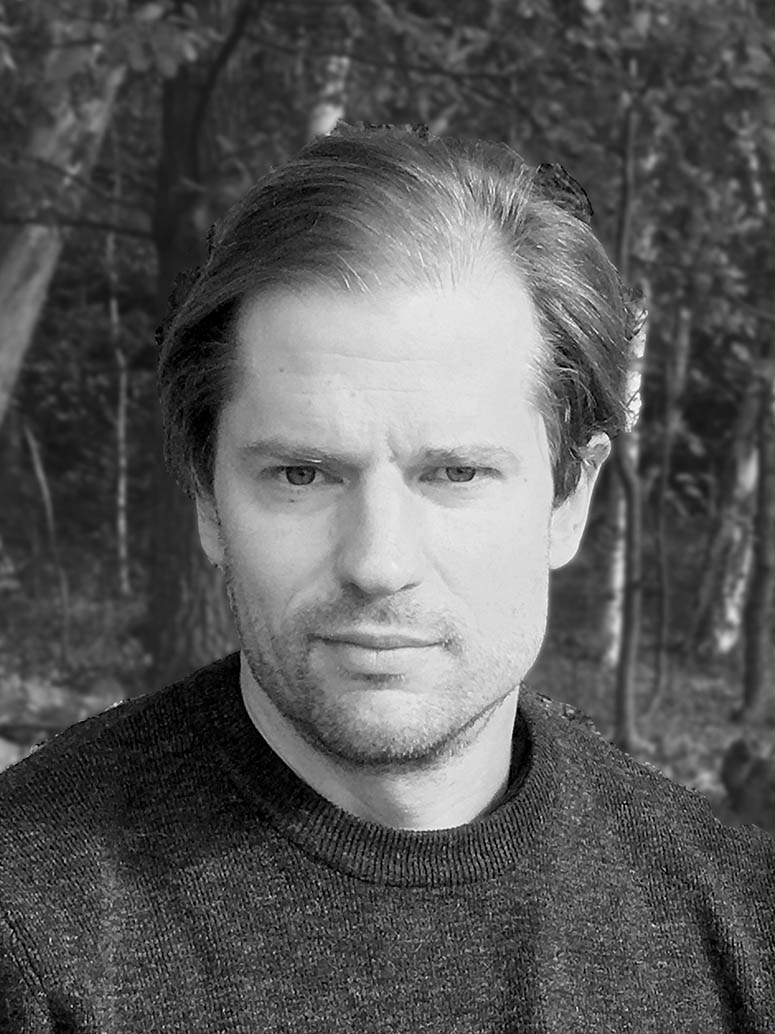
Petr Hájek is a distinguished Czech architect and professor at the Faculty of Architecture of the Czech Technical University in Prague. He is also the head of a studio at the Academy of Fine Arts in Bratislava. Founder of Petr Hájek Architekti studio established in 2009 after the dissolution of HŠH architekti partnership. His educational background includes: 1988-1995: Faculty of Architecture, Czech Technical University in Prague 1995-1998: School of Architecture, Academy of Fine Arts in Prague Hájek's research and practice focus on the intersection of traditional architectural values with innovative design approaches. His work demonstrates a strong commitment to contextual sensitivity while pushing the boundaries of architectural experimentation. The architect is particularly known for his ability to integrate buildings harmoniously into historic settings while maintaining a distinct contemporary identity. His research explores the principles of optics, acoustics, and spatial transformation, resulting in projects that challenge conventional architectural typologies. Hájek's work often addresses the relationship between public space and architecture, with an emphasis on creating spaces that foster community interaction and cultural engagement. An analysis of his recent projects reveals a consistent exploration of transformable spaces, contextual integration, and sustainable approaches to architectural intervention. His work spans various scales from urban planning projects to intimate interior spaces, with a particular strength in the adaptive reuse of historic structures. The Krkonoše Center for Environmental Education (KCEV) and the DOX+ Center for Contemporary Art expansion exemplify his ability to create contemporary interventions that respect and enhance their historical context. Hájek has received numerous prestigious awards for his contributions to architecture: Architect of the Year 2018 (Czech Republic) OD Award for school design studio (2010, 2011, 2012) Rector's Award from Czech Technical University for research work (2012) Mies van der Rohe Award nominations (2006, 2010) Piranesi Award Honorable Mention for the KCEV building (2014) As an educator, Hájek has mentored numerous students through his studios at CTU and the Academy of Fine Arts in Bratislava. His teaching emphasizes experimental approaches to architecture while maintaining respect for historical context. He founded the Laboratory of Experimental Architecture (LEA) in 2010, which serves as a platform for research and student collaboration. His academic research project "anastomosis" received recognition from the Rector of CTU for its practical application. Hájek has also inspired literary work, notably inspiring Miloš Urban's novel "Urbo Kune" (2015), which is set in a utopian city designed by his students. Hájek leads the Laboratory of Experimental Architecture (LEA), which serves as a hub for innovative architectural research and collaboration. His studio, Petr Hájek Architekti, maintains a strong focus on the relationship between architecture and its context, with projects that span urban planning, public space design, and building interventions. The studio is known for its rigorous design process that combines theoretical research with practical implementation, resulting in projects that are both conceptually strong and technically sophisticated.