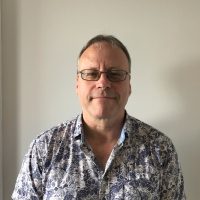
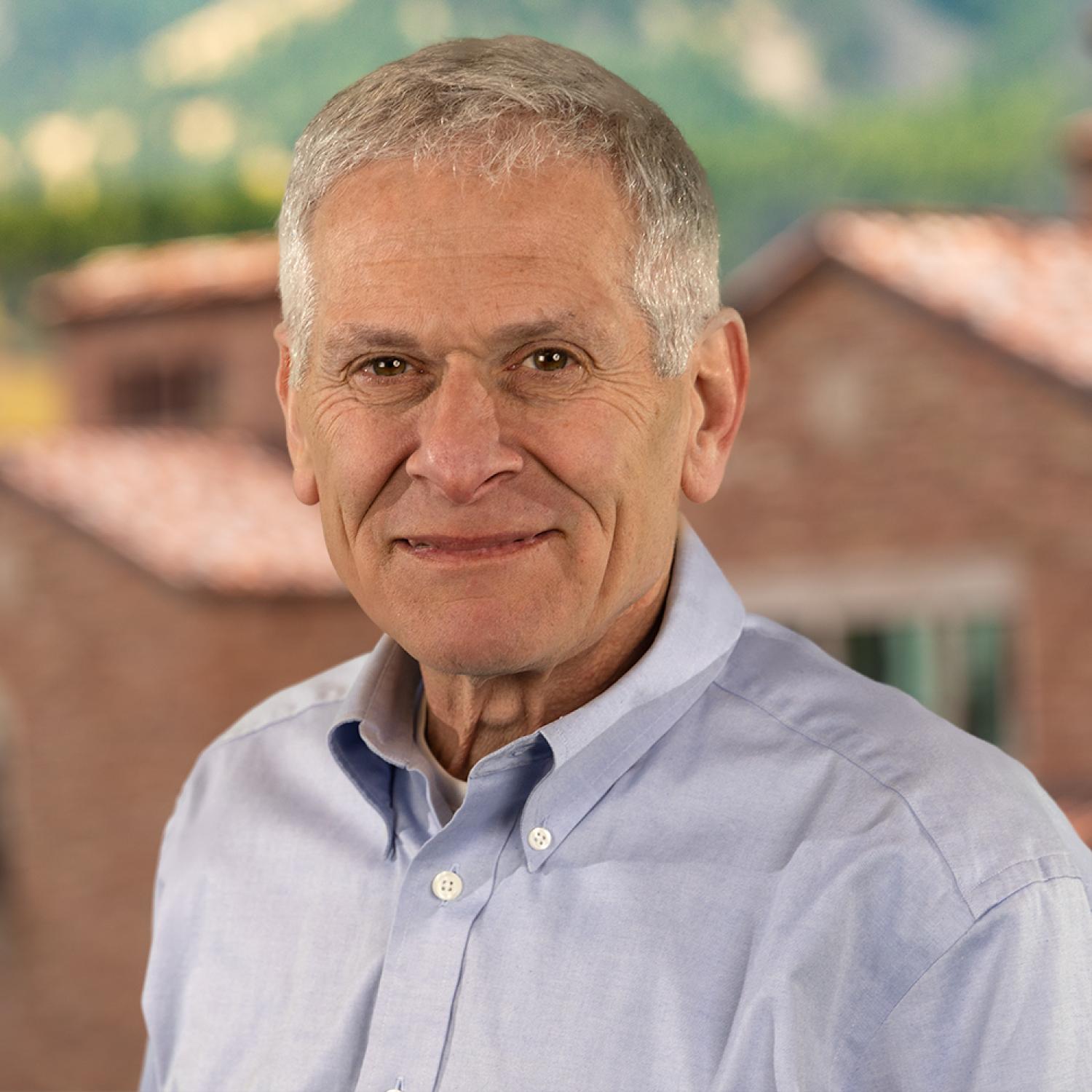
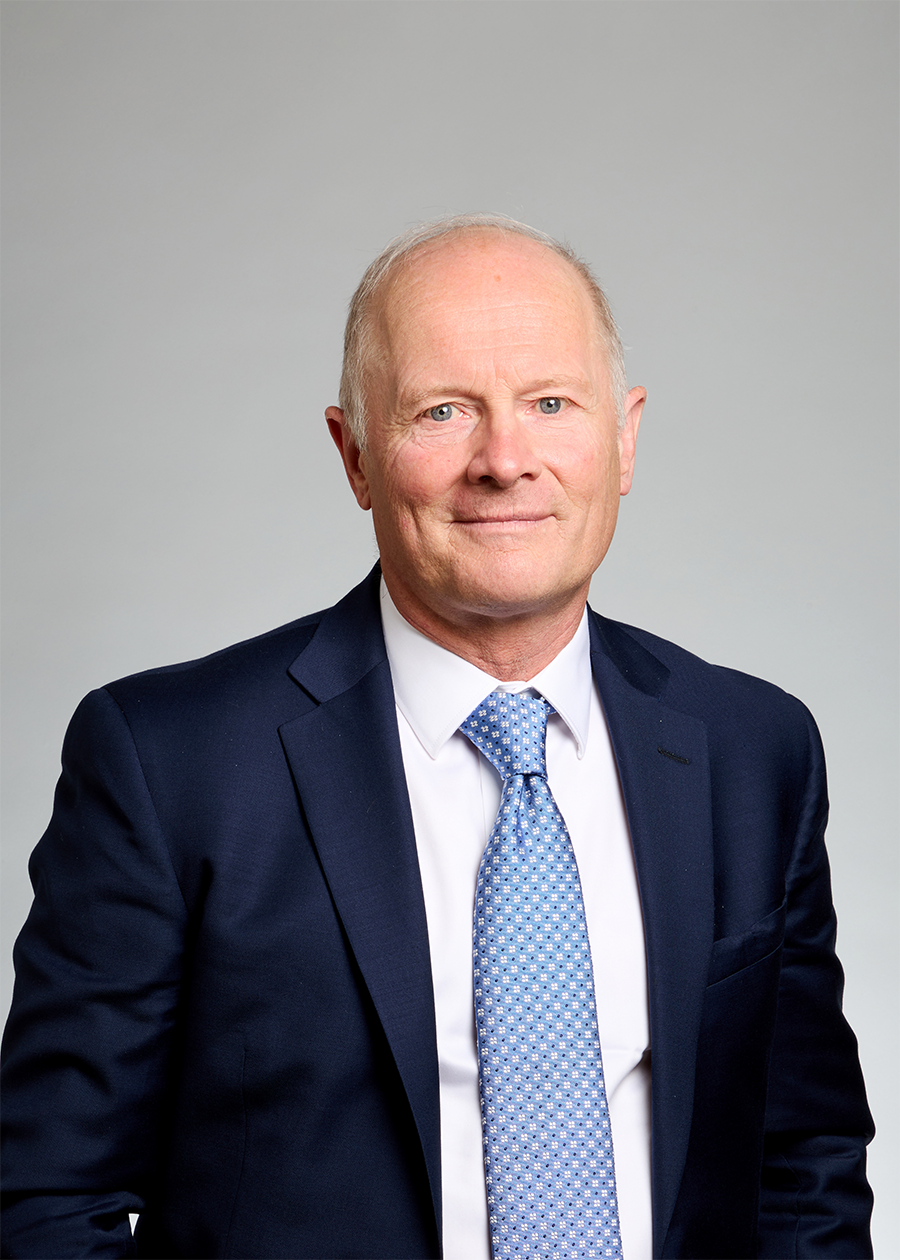
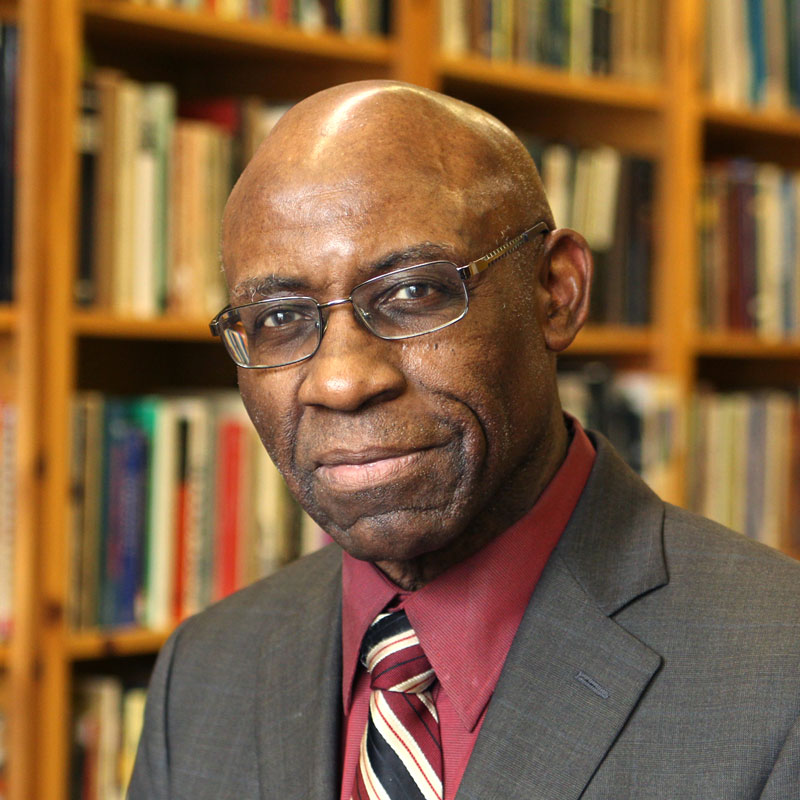
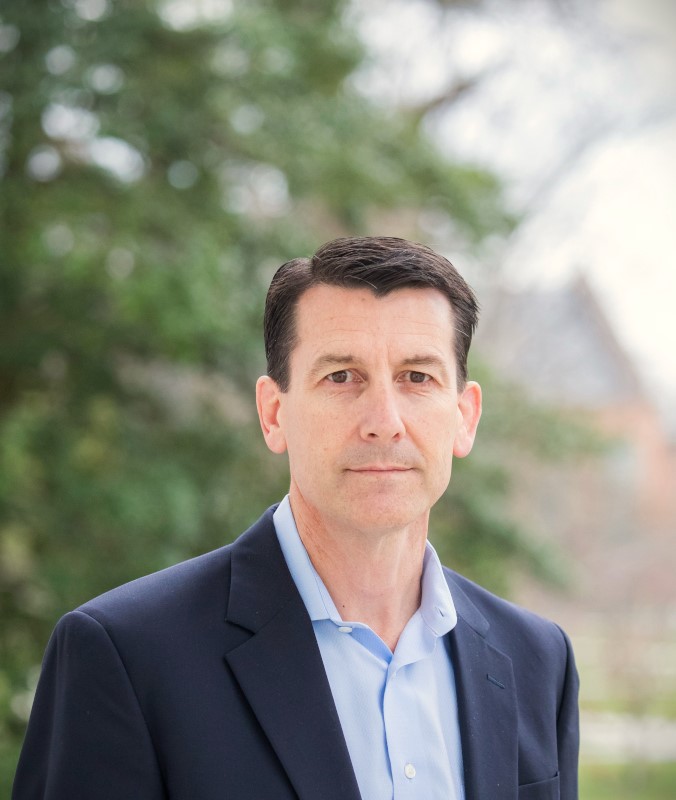
Craig Leth-Steensen is an Associate Professor in the Department of Psychology at Carleton University, affiliated with the Faculty of Arts and Social Sciences. He holds a Ph.D. from McGill University. His research focuses on cognitive psychology, particularly the application of quantitative methods and computational models (e.g., neural networks, random walks) to analyze human cognitive performance, reaction time distributions, and symbolic comparative judgments. Recent interests include early childhood cognitive development and interventions through programs like PlayWisely. His work spans experimental psychology and psychometrics, with key contributions to reaction time analysis, spatial-numerical associations (SNARC effect), and task-switching dynamics. He has published widely in journals like Psychological Review , Journal of Experimental Psychology , and Frontiers in Psychology . Dr. Leth-Steensen has no listed awards but has collaborated with institutions globally. His research emphasizes methodological rigor, integrating statistical techniques with experimental designs to explore information processing and decision-making mechanisms.
Andrew McKenzie is an Associate Professor in the Department of Linguistics at the University of Kansas, where he also serves as Director of Graduate Studies. He specializes in formal semantics and theory-driven language documentation with a focus on Native American languages, particularly Kiowa. His research interests include formal semantics, Native American languages (especially Kiowa), language documentation methodologies, switch-reference systems, noun incorporation phenomena, and grammatical complexity in polysynthetic languages. He maintains active research projects in Kiowa linguistics and extraterrestrial communication frameworks. Dr. McKenzie's publications demonstrate sustained focus on semantic theory, Native American language analysis, and innovative applications of linguistics. His recent work explores semantic structures across human and hypothetical alien languages, Kiowa grammatical systems, and pedagogical approaches in linguistics education. Articles frequently incorporate cross-linguistic comparison and formal theoretical frameworks. Honors include serving as invited plenary speaker at multiple international conferences (WSCLA, WECOL, WCCFL), recognition as Five-Minute Linguist runner-up, and receiving the DEL Grant from the National Science Foundation. He teaches courses including Semantics, Field Methods, Structures of Kiowa, and North American Indian Languages. Dr. McKenzie has developed educational tools like a LaTeX package for linguistics and pedagogical games including 'f(x): A Euro-style game for the λ-calculus'.
Yaacov Trope is a Professor of Psychology at New York University's Department of Psychology, College of Arts & Science. His research examines cognitive and motivational processes underlying how people transcend immediate concerns to consider broader temporal, social, and hypothetical perspectives. Key areas include psychological distance, self-control mechanisms, and abstract vs. associative thinking in social judgment. Education : B.A. summa cum laude, Tel Aviv University (1970) Ph.D. in Psychology, University of Michigan (1974) Research Interests : Trope's work explores three core themes: 1. **Psychological Distance**: How people mentally broaden horizons to envision distant futures, cultures, and perspectives. 2. **Self-Control**: Mechanisms resolving conflicts between short-term desires and long-term goals. 3. **Cognitive Processes**: Analytical vs. associative thinking, wishful thinking, and stereotyping. Labs/Teams : Directs the Trope Lab, studying expansive/contractive mental processes in social contexts. Research focuses on construal level theory and its implications for imitation, decision-making, and social perception. Advising/Grants : While specific grants are not listed here, his extensive publications (216+ works) indicate sustained academic leadership. Advises graduate students in NYU's Psychology Department, though specific names are not provided in source texts.
Paolo Pescetto is a Fixed-term tenure-track Assistant Professor in the Department of Energy (DENERG) at Politecnico di Torino, where he is also a member of the Interdepartmental Center PEIC (Power Electronics Innovation Center). He serves on multiple academic boards including the College of Electrical and Energy Engineering, College of Computer, Film and Mechatronics Engineering, and College of Mechanical, Aerospace, and Automotive Engineering. His research focuses on power electronics, electrical machines, and motor drives with particular emphasis on electric vehicle applications. His work spans motor control strategies, thermal management of high-power density motors, sensorless control techniques, and integrated power systems for e-mobility. He has developed advanced methodologies for flux mapping, torque ripple compensation, and fault protection in permanent magnet and synchronous reluctance machines. Analysis of his recent publications reveals a strong trend toward solving practical challenges in electric vehicle powertrains, with significant contributions in multi-phase motor drives, thermal management, and fault-tolerant control systems. His work bridges theoretical advances with practical automotive applications, particularly in third-generation electric vehicle technologies. Dr. Pescetto holds multiple patents in motor control technologies, including methods for MTPA tracking without HF injection, spatial harmonic flux-map identification, and isolated on-board battery chargers for electric vehicles. His intellectual property demonstrates practical innovation in the field of motor drives and power electronics. He actively supervises PhD students Andrei Bojoi and Chen Chen in the Electrical, Electronics, and Communications Engineering program, focusing on electric motor drives and sustainable traction electrification. His research projects include commercial contracts on sensorless control of synchronous reluctance machines, firmware implementation for motor control, and advanced sensorless control methodologies for brushless motors. As a member of the PEEMD Research Group within DENERG, Dr. Pescetto contributes to cutting-edge research in power electronics and motor drives, with a strong industry collaboration focus that translates academic research into practical automotive solutions.
Donald R. Lichtenstein is a Professor in the Department of Marketing at the Leeds School of Business, University of Colorado , and a key figure at the Center for Research on Consumer Financial Decision Making . He holds a PhD from the University of South Carolina (1984) and has been at CU Boulder since 1988. Education: B.A., University of Alabama (1978); PhD, University of South Carolina (1984) Administrative Roles: Chair of Marketing Division; former Associate Dean of Faculty and Academic Programs (1998-2001) Research Focus: Consumer processing of pricing and promotional information, corporate social responsibility, and nutritional labeling. His work bridges behavioral economics and marketing strategy, emphasizing how consumers interpret price cues and health information. Scientific Awards: 2004 Fordham Lifetime Achievement Award in Behavioral Pricing Research Publications: Span decades in top journals including the Journal of Consumer Research , Journal of Marketing , and Marketing Science , with recent work exploring financial education's impact on behavior and the dynamics of online user ratings.
Gunnar Elgered is a Professor at Chalmers University of Technology, specializing in space geodesy and atmospheric research. His work is centered at the Onsala Space Observatory, where he utilizes radio telescopes and Global Navigation Satellite Systems (GNSS) for geodetic and atmospheric studies. Previously serving as department head from 2000 to May 2017, he continues active research and teaching in engineering measurements with innovative examination methods. His research focuses on: Space geodesy using GNSS and VLBI techniques Atmospheric water vapor monitoring via microwave radiometers Climate research through long-term GNSS data analysis Tropospheric delay modeling for weather forecasting improvement Development of error correction models for geodetic applications Recent publications (2023–2025) demonstrate sustained leadership in atmospheric parameter assessment using co-located instrumentation at Onsala. His work shows increasing emphasis on climate model evaluation, with key contributions to GNSS interferometric reflectometry for sea level monitoring and tropospheric error modeling. The research integrates multiple geodetic techniques to address atmospheric variability and climate change impacts. Professor Elgered actively contributes to international geodetic infrastructure through the International VLBI Service (IVS), particularly via Onsala Space Observatory's Analysis Center activities. His projects focus on enhancing geodetic observing systems for climate monitoring, including the VGOS (VLBI Global Observing System) and co-location of geodetic techniques.
Jean Pierre Crousse serves as Associate Professor at the Pontificia Universidad Católica del Perú (PUCP) where he directs the Master Program in Architecture. He maintains an active academic presence as a visiting professor at prestigious institutions including Harvard Graduate School of Design (2015, 2022), Yale School of Architecture (2019, 2021), and University of Virginia (2020). As a foreign member of the French Académie d'Architecture, his academic career spans over two decades with significant contributions to architectural education. His research interests center on the integration of architecture with landscape, cultural heritage conservation, and the development of contemporary architectural responses to traditional practices. Crousse explores the complex relationship between built environments and cultural memory, particularly in the Andean context. His work examines how architecture can mediate between production systems and tourism while preserving cultural integrity, as demonstrated in his studio work on the Maras Salt Mine in Peru's Sacred Valley. He investigates critical conservation approaches that allow heritage sites to remain living, productive landscapes rather than frozen monuments. Crousse's architectural practice, Barclay & Crousse, has produced award-winning projects including the Place of Remembrance in Lima (2015), University Facilities at UDEP in Piura (2016), and the Paracas Museum (2016). These projects demonstrate his interest in creating spatial experiences that connect contemporary design with cultural memory and environmental context. His firm's work has been recognized with the Mies Crown Hall Americas Prize (2018), Oscar Niemeyer Prize (2016), and multiple Peruvian National Architecture Prizes. Foreign member of the French Académie d'Architecture Mies Crown Hall Americas Prize 2018 Oscar Niemeyer Prize 2016 Peruvian National Prize of Architecture 2014 Peruvian National Prize of Architecture 2018 Latin America Prize 2013 As an educator, Crousse has developed influential design studios that challenge students to reconcile contemporary architectural interventions with living heritage sites. His 2024 Yale studio on the Maras Salt Mine examines how architecture can integrate production systems with tourism while preserving cultural practices. He has published extensively on his architectural philosophy, including the book 'Barclay & Crousse: Landscapes of Intimacy' (2021), which presents twelve exemplary projects demonstrating how their work binds technological advances with designs centered on quality of life. His architectural practice serves as a laboratory for exploring how design specific to developing country conditions can inform global architectural conversations.
Robert Forget is a Professor in the Department of Health Sciences at Université de Montréal, affiliated with the CRIR (Centre de recherche interdisciplinaire en réadaptation du Montréal métropolitain) and REPAR (Réseau provincial de recherche en adaptation-réadaptation). His research focuses on sensorimotor integration, neurological rehabilitation, and the effects of sensory input on motor function in healthy and pathological conditions. Key areas include post-stroke neuromuscular coordination, visual perception deficits in children with mild traumatic brain injury (mTBI), and the development of assistive technologies like intelligent power wheelchairs. Research Projects: Leading a project on visual perception deficits in mTBI-affected children (2008–2015), funded by the Canadian Institutes of Health Research (CIHR). Collaborating on the development of intelligent power wheelchairs to enhance social participation (2012–2013), supported by Population Service International. Advising & Grants: Supervised over 12 PhD and Master’s students, including work on TBI’s impact on posture, stroke-induced motor deficits, and vibration therapy in hemiparesis. Recipient of CIHR grants totaling millions, emphasizing interdisciplinary approaches to mobility and neurological rehabilitation. Labs & Teams: Membre of CRIR and REPAR, focusing on translational research in neurorehabilitation and sensorimotor systems. Collaborates with clinicians and engineers to bridge research and clinical practice.
R. J. Dwayne Miller serves as University Professor in both the Department of Chemistry and Department of Physics at the University of Toronto. He also holds significant international appointments as Co-founding Director of the Max Planck Institute for the Structure and Dynamics of Matter in Hamburg, Germany, and previously directed the Max Planck Group at Centre for Free Electron Laser Science/DESY. His research focuses on understanding molecular reaction dynamics with particular emphasis on the connection between chemistry driving biological functions and the highly optimized structures in biological systems. Miller received his B.Sc. Honours from the University of Manitoba (1974-1978) under Professor Bryan R. Henry, followed by a Ph.D. from Stanford University (1978-1983) with Professor Michael D. Fayer. After a NATO Science Fellowship at Université Joseph Fourier (1983-1984), he began his academic career at the University of Rochester, progressing from Assistant Professor to full Professor before joining the University of Toronto in 1995, where he was promoted to University Professor in 2007. Professor Miller's research spans three interrelated areas: energy transduction in biological systems; interfacial structure and reaction dynamics; and high-order nonlinear laser spectroscopies as probes of liquid and protein 'memory' functions. His group has pioneered the development of ultrabright electron sources that enable direct observation of atomic motions during chemical reactions - creating what they call 'atomic movies.' This groundbreaking work accomplished one of science's dream experiments by bringing the chemist's collective thought experiment of chemistry to direct observation. Their research has challenged established paradigms, particularly in quantum biology where they demonstrated that nature exploits dissipation rather than avoiding it to direct energy transport in photosynthesis. Analysis of Miller's recent publications reveals a consistent progression from fundamental studies of energy transport to practical applications. His group has evolved their electron diffraction techniques to achieve unprecedented spatial and temporal resolution, enabling observation of atomic motions during barrier crossing in catalysis and resolving full enzymatic cycles. A significant trend is their development of serial electron diffraction methods requiring only nanograms of material, which could revolutionize structural biology and chemical synthesis by enabling 'lab on a chip' approaches with orders of magnitude higher throughput. Fellow of the Royal Society (2023) Fellow of the Royal Society of Canada Fellow of the Chemical Institute of Canada Fellow of the Optical Society of America Fellow of the Royal Society of Chemistry European Physical Society Prize for Laser Science A.P. Sloan Fellowship Camille and Henry Dreyfus Fellowship Guggenheim Fellowship Humboldt Award Presidential Young Investigator Rutherford Medal in Chemistry CIC Medal McNeil Medal for Science Promotion Professor Miller has secured substantial funding for his innovative research in ultrafast science, leading to numerous technological breakthroughs. His group has developed the Picosecond Infrared Laser (PIRL) technology, which enables minimally invasive surgery with intact molecular signatures for guidance and scar-free healing. This technology has been successfully applied in stapes surgery for hearing loss recovery and in treatments for glaucoma. His work on six-wave mixing spectroscopy has opened new avenues for investigating intermolecular forces that determine the dynamic structure of liquids and proteins. The Miller Group is housed in the Lash Miller Chemical Laboratories at the University of Toronto, where they maintain state-of-the-art instrumentation they've developed. Their labs include ultrabright electron sources sufficient to 'light up atomic motions' and observe chemistry at the atomic level. The group is working toward establishing the Centre for Atomically Resolved Dynamics to promote collaborative research. They maintain strong international connections, particularly with the Max Planck Institute in Hamburg, reflecting Miller's dual appointments in Canada and Germany.
Simone Marsi is a Research Fellow at University of Parma and Adjunct Professor of Contemporary Italian Culture at University of Urbino . Their work bridges literary historiography, contemporary Italian literature, and didactic innovation. PhD in Philological-Literary, Historical-Philosophical and Artistic Sciences from University of Parma Research explores contemporary Italian literature (with focus on authors like Rebora, Satta, Gadda), literary canon formation processes during Italy's unification, and literature-science-environment intersections . Recent publications examine spatial representation in visual-literary works, Dante's modern pedagogical adaptations, and fascist traces in educational materials. Current articles (2024-2022) reveal a trajectory through literary historiography , geocritical analysis , and ecocritical frameworks . Key trends include textbook evolution , gender studies in canon debates, and digital humanities approaches to memory.
Prof. Christopher Habel is a Professor in the Department of Computer Science at the University of Hamburg, leading the WSV work area. His research focuses on spatial and temporal cognition, multimodal interaction, and accessibility technologies. He holds the formal title of Head of Department WSV and is affiliated with the Faculty of Mathematics, Computer Science and Natural Sciences. Habel's work bridges cognitive science, artificial intelligence, and human-computer interaction with an emphasis on assistive technologies for visually impaired individuals. Key research projects include the CINACS International Research Training Group, exploring auditory-haptic access to spatial graphics, and the development of multimodal comprehension systems integrating text, graphics, and tactile feedback. His contributions span theoretical frameworks in cognitive linguistics and practical implementations of verbal assistance systems for tactile maps and haptic graph exploration. Over 30 years of academic activity is reflected in his extensive publication record (1984–2015), with recent work emphasizing cross-linguistic studies, event recognition in virtual environments, and the design of multimodal interfaces for cognitive robotics. His research integrates computational models with empirical studies on human perception and language processing.
Joe William Trotter Jr. is the Giant Eagle University Professor of History and Social Justice at Carnegie Mellon University, where he has been a faculty member since 1985. He previously served as Chair of the History Department and is the Founder and Director of Carnegie Mellon's Center for Africanamerican Urban Studies and the Economy (CAUSE). He is also President Elect of the Urban History Association and a distinguished member of the American Academy of Arts and Sciences. His academic journey began with a BA from Carthage College in Kenosha, Wisconsin, followed by M.A. and Ph.D. degrees from the University of Minnesota (1980). This educational foundation established his trajectory as a leading scholar in African American historical studies. Trotter's research centers on African American urban history, labor history, and working class history , with a particular focus on how economic structures intersect with racial dynamics. His scholarship spans from the colonial era to contemporary times, examining African American contributions to urban development and industrial growth. He has pioneered methodologies that connect local Pittsburgh history to national and global contexts, especially in his work on black labor movements and urban segregation patterns. His publications reveal a consistent analytical framework that challenges deficit narratives about African American communities. Rather than framing black populations as dependent 'takers,' his work demonstrates their essential role as economic 'givers' throughout American history. His recent scholarship expands this analysis globally, examining urban segregation across different historical periods and geographical locations, while maintaining Pittsburgh as a key case study. Member of the American Academy of Arts and Sciences Giant Eagle University Professorship at Carnegie Mellon University President Elect of the Urban History Association Past President of the Labor and Working Class History Association Trotter has advised numerous graduate students who have pursued successful careers in academia and cultural institutions. His leadership extends through CAUSE, which he founded and directs, securing research funding and fostering collaborations between scholars, community organizations, and policymakers. He has served on significant academic committees including the Executive Council of the Organization of American Historians and the Program Committee of the American Historical Association. As founder of CAUSE, Trotter has cultivated a research ecosystem focused on interdisciplinary approaches to African American urban studies. The center hosts regular conferences, supports graduate research fellowships, and facilitates community-based research projects that document and preserve African American urban history in Pittsburgh and beyond.
Kristina Nielsen is an Associate Professor of Neuroscience at Johns Hopkins University School of Medicine and a researcher at the Zanvyl Krieger Mind/Brain Institute. She investigates the function, development, and plasticity of higher-level visual cortex circuits. PhD, Max Planck Institute for Biological Cybernetics (Germany) Postdoctoral work at Salk Institute (2006-2012) with Ed Callaway and Rich Krauzlis Her research focuses on: Structure-function relationships in higher visual cortex Neural mechanisms of object recognition Developmental plasticity of visual circuits Two-photon microscopy applications in primates Viral vector-based circuit analysis Key article trends include primate visual cortex organization, motion and shape integration, and cortical development mechanisms. She has contributed to journals like Nature , Neuron , and Journal of Neuroscience . Scientific awards: CNRS 2025 bronze and silver medals Current lab members include graduate researchers Dallas Khamiss, Emmanuel Osikpa, and Brandon Nanfito. Her team has received ANR funding for projects like 'Earlier stages of development of the motion pathway' and 'Encoding of 2D and 3D shape in primate V4.'
Daniel Duque Campayo is a Professor in the Department of Physics Applied to Aeronautical and Naval Engineering at Universidad Politécnica de Madrid (UPM), affiliated with the School of Naval Engineering. He has held this position since 2012 and was appointed Deputy Director of the department in 2023. His research spans Applied Mathematics, Fluid Mechanics, and Computational Fluid Dynamics (CFD), with a focus on numerical simulations and interdisciplinary applications. Education: Implied PhD in Physics or Engineering, though exact details not explicitly provided. His recent publications include topics like blackbody radiation, Voronoi diagrams, and numerical methods in fluid dynamics. While specific awards are not listed, his curriculum highlights contributions to research financing, technological development, and training of young researchers. He actively collaborates with industry and public institutions, particularly in hydrodynamic testing through the CEHINAV group. He utilizes open-source tools like FreeCAD, OpenFOAM, and reveal.js for technical workflows and presentations, emphasizing software freedom. His blog archives from 2016–2025 reflect expertise in von Neumann stability, Coriolis force modeling, and Maxwell constructions for energy modeling.
Dr. Kevin D. Wilson is an Associate Professor of Psychology at Gettysburg College, serving as co-chair of the Neuroscience program. He specializes in cognitive neuroscience, combining non-invasive brain stimulation (tDCS), eye-tracking, and behavioral measures to study attention, memory, and emotional regulation. His academic journey includes a PhD in Experimental Psychology from the University of Pennsylvania (1999), a postdoctoral fellowship at Duke University, and a BA from Swarthmore College (1992). Research Interests: Dr. Wilson’s work focuses on understanding higher-level cognitive and social processes through innovative neuroscientific methods. His lab, the Cognitive Neuroscience Laboratory, explores topics like viewpoint-dependent neural activity, spatial attention mechanisms, and the integration of brain stimulation into undergraduate education. Recent studies highlight interdisciplinary approaches, including linking neuroscience with literature and addressing replication in psychological research. Teaching: Courses taught include PSYCH 238 Cognitive Neuroscience and PSYCH 305 Experimental Methods , emphasizing hands-on experience with advanced techniques like fMRI and tDCS. Labs/Teams: Director of the Cognitive Neuroscience Laboratory , fostering undergraduate research in cognitive processes and neurotechnology integration.