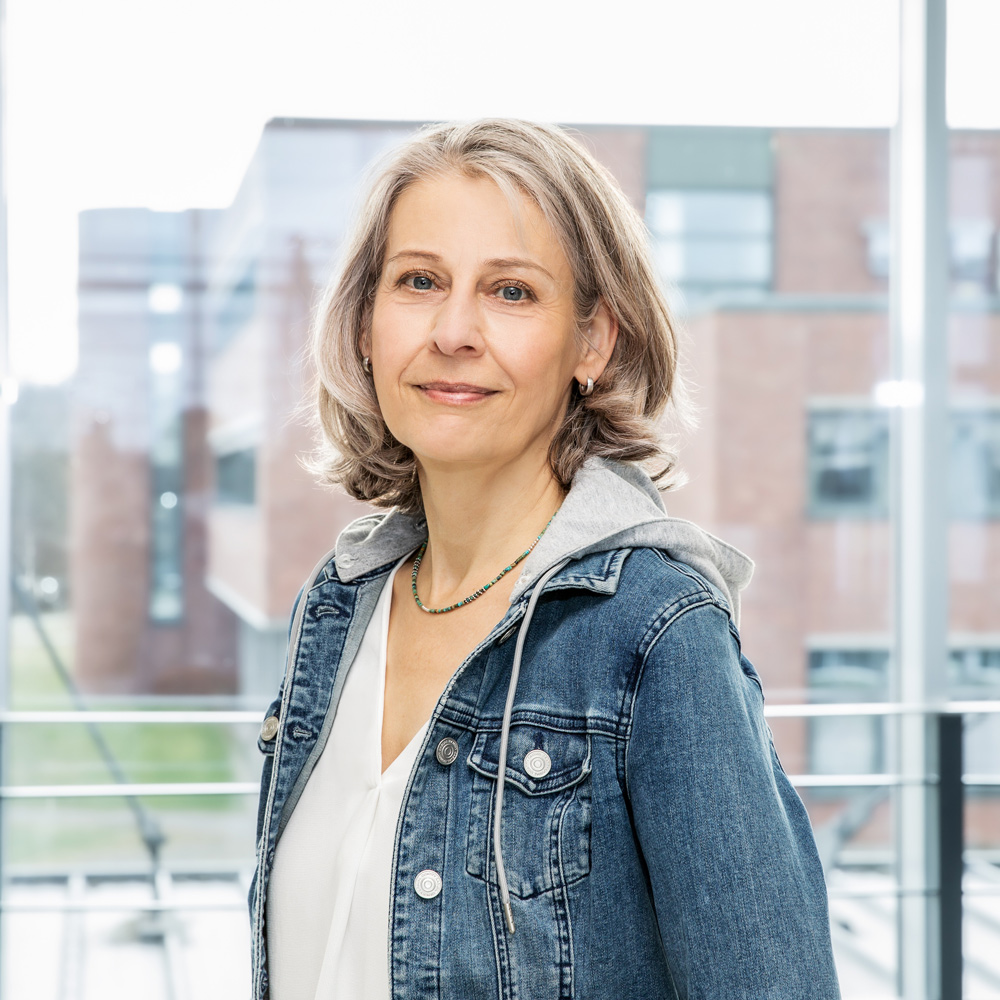
Prof. Dr. Eva Spies is a Professor for the Study of Religion with Focus on Africa at the University of Bayreuth within the Faculty of Humanities & Social Sciences . She holds a PhD in Cultural Anthropology from the University of Mainz and leads the Research Section Moralities in the Africa Multiple Cluster of Excellence (EXC 2052). Key Roles : Principal Investigator, Bayreuth International Graduate School of African Studies (BIGSAS) Vice Dean of Research Co-founder, German Association for the Study of Religion's Africa working group Research Interests span religious plurality, development cooperation, and transformative practices. She coined the concept of religious engineering to analyze how religious resources shape social/political worlds. Regional expertise in Niger/West Africa and Madagascar/Indian Ocean , with focus on: South-South mission Religion and pandemic response Intercultural hermeneutics Epistemological conflicts Material culture in development Projects : Africa Multiple Cluster of Excellence (2025): "Religious engineering. The making of moralities, development and religion in Niger" Humboldt Research Hub (2021): "Fighting pandemics with religion?" (with Moi University and University of Zimbabwe) Education : PhD in Cultural Anthropology, University of Mainz
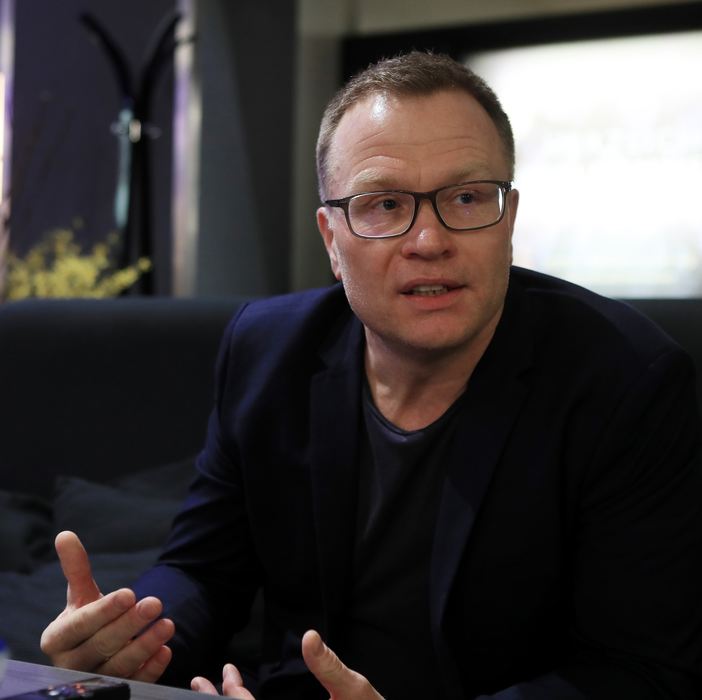
Prof. Dr. Sebastian Conrad holds the Chair of Modern History at Freie Universität Berlin , specializing in Global History , (Post-)colonial History , and Intellectual History . He joined the faculty in 2010 after teaching at European University Institute in Florence and serving as visiting scholar at institutions including NYU Abu Dhabi and The New School, New York. Director of MA "Global History" (FU Berlin/Humboldt University joint program) Director of Graduate School "Global Intellectual History" Principal Investigator, Cluster of Excellence "Temporal Communities" (2024) Research Interests focus on transnational historical frameworks , globalization of historical narratives , and postcolonial historiography . His latest book Die Königin: Nofretetes globale Karriere (2024) analyzes cultural globalization through Nefertiti's iconography, while his current project explores global history of bodily aesthetics and identity formation since the 19th century. Recent Publications include: 2022: "Empire and Nationalism" (American Historical Review) 2021: "Globalizing the Beautiful Body" (Journal of World History) 2020: "Greek in Their Own Way" (American Historical Review) Scientific Honors : Elected member, Berlin-Brandenburg Academy of Sciences and Humanities (2024) Elected member, Academia Europaea (2024) Finalist, German/NDR non-fiction book awards (2024) for Nefertiti study Academic Leadership includes editorial roles at Geschichte und Gesellschaft , Past & Present , and Globalgeschichte book series (Campus Verlag). His work bridges historical analysis with contemporary debates on memory, identity, and global cultural dynamics.
Professor Martin Doevenspeck is a distinguished scholar of Political Geography at the University of Bayreuth, where he holds a professorship in the Department of Political Geography within the Faculty of Biology, Chemistry & Earth Sciences. Since 2019, he has served as a Principal Investigator in the Cluster of Excellence "Africa Multiple" and as Spokesperson of the Research Section Mobilities. Previously, he was Managing Director of the Institute of Geography at the University of Bayreuth (2018-2022) and a member of the Executive Board of the Institute of African Studies Bayreuth. Professor Doevenspeck earned his "Diplom" in Geography from the University of Bonn and completed his PhD thesis entitled "Migration in rural Benin – Studies in social geography at an African border" at the University of Bayreuth in 2004. His academic journey includes positions as a Teaching and Research Assistant at the University of Bayreuth (2005-2011), Post-doc at the University of Bonn (2004), and various research and teaching roles focused on African geography and development. At the intersection of migration studies and political geography, Professor Doevenspeck's research focuses on (forced) im/mobilities, conflict, and border studies, with particular emphasis on African contexts. His current work centers on the project "Oil movements: the production and government of petro-(im)mobilities in East Africa" within the Bayreuth Cluster of Excellence "Africa Multiple," where he serves as Spokesperson of the Research Section Mobilities. His research spans West Africa (particularly Benin), Central Africa (Democratic Republic of Congo, Rwanda), and East Africa, examining how borders, conflicts, and resource extraction shape human mobility and territorial control. Analysis of Professor Doevenspeck's recent publications reveals a consistent focus on migration, borders, and conflict in African contexts, with increasing attention to environmental factors and resource extraction. His work demonstrates interdisciplinary approaches combining political geography, migration studies, and African studies. Recent publications particularly emphasize petro-mobilities, terrorism impacts on education, and migration control in West African borderlands, reflecting evolving research interests in the interplay between infrastructure development, security concerns, and human mobility. Professor Doevenspeck has supervised numerous doctoral and master's students, including Jaana M. Janßen, Fabian Liedl, Clemens Romankiewicz, Morgane Anziani-Vente, Muhire Blaise Mwanga, and Daniela Boß. His academic leadership extends to serving as Vice Dean of the Bayreuth International Graduate School of African Studies (BIGSAS) from 2012-2021, where he played a significant role in shaping graduate education in African studies. As a Principal Investigator in the Cluster of Excellence "Africa Multiple," Professor Doevenspeck leads research initiatives examining diverse manifestations of "Africa" across the continent and diaspora. His work involves collaboration with researchers from multiple disciplines and institutions, focusing particularly on mobilities as a key research section within the cluster. This collaborative research environment has produced significant insights into migration patterns, border dynamics, and conflict resolution in African contexts.
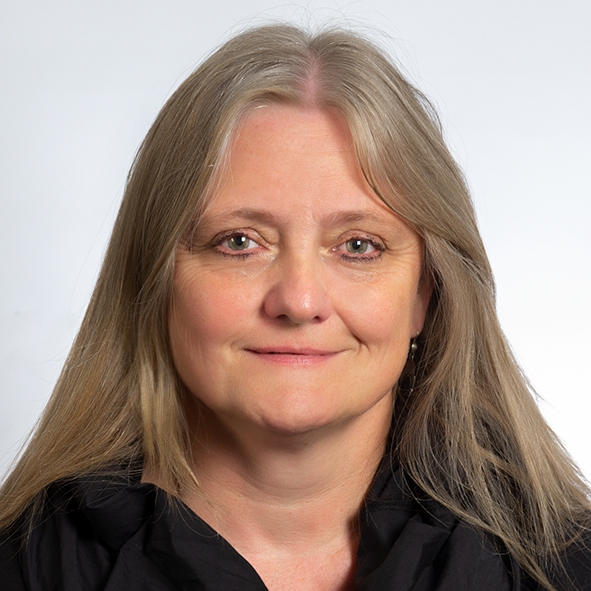
Prof. Bernt Schiele is a Max Planck Director at the Max Planck Institute for Informatics and holds a Professorship at Saarland University. His research focuses on understanding multimodal sensor data, with key areas in computer vision, 3D object recognition, and machine learning. He leads the Computer Vision and Machine Learning group, addressing challenges in sensor fusion, scene understanding, and human activity recognition. Schiele has held academic roles at TU Darmstadt, ETH Zurich, and MIT, and contributes to top journals like IEEE Transactions on PAMI and conferences like ECCV. His work emphasizes robust models, interpretability, and domain adaptation for real-world applications. Education: PhD (1997, Grenoble), MSc (1994 Karlsruhe/1993 Grenoble) Key Positions: MIT (1997-2000), ETH Zurich (1999-2004), TU Darmstadt (2004-2010) Research interests span 3D scene understanding, multimodal sensor processing, and machine learning techniques for large-scale data. His recent work advances robust object detection, explainable AI, and domain-invariant training methods. He also chairs major conferences like ECCV 2018 and co-chairs ICCV 2011. Publications highlight innovations in interpretable vision transformers, certified explanations, and test-time adaptation. Despite no listed awards, his contributions shape foundational areas of computer vision and multimodal AI.
Schloss Dagstuhl - Leibniz Center for InformaticsGermany
Teruko Mitamura is a prominent researcher at Carnegie Mellon University with over three decades of contributions to natural language processing, computational linguistics, and artificial intelligence. Her work spans from foundational research in event representation to advanced applications in multimodal systems and question answering. Her research interests focus on event detection and understanding, question answering systems, information retrieval, and multimodal processing. She has made significant contributions to event coreference resolution, timeline construction, and cross-document event analysis, developing methodologies that have become standard in the field. Her work often bridges theoretical advances with practical applications, particularly in complex information environments requiring deep semantic understanding. Natural Language Processing : Specializing in event extraction, coreference resolution, and narrative understanding with over 179 publications Question Answering Systems : Developing advanced techniques for complex question answering, particularly through NTCIR QA Lab and PoliInfo tasks Multimodal Processing : Integrating textual, visual, and temporal information for richer understanding in systems like ProMQA Evaluation Methodologies : Creating robust frameworks for assessing NLP systems through TAC KBP Event Tracks Her recent publication trends show a strong focus on leveraging large language models for event understanding, multimodal question answering, and timeline construction. She has expanded her research into specialized domains including patent analysis and novelty examination, demonstrating the breadth of her research impact across academic and practical applications. Active participant in major NLP conferences including ACL, EMNLP, NAACL, and AAAI with consistent publications Long-standing collaborator with researchers at CMU's Language Technologies Institute including Eduard H. Hovy and Eric Nyberg Contributor to shared tasks that have shaped research directions in event processing and question answering Organizer of multiple NTCIR QA Lab tasks focused on political information question answering Dr. Mitamura has mentored numerous researchers who have gone on to make their own contributions to the field, as evidenced by her extensive co-authorship network and the progression of her former students and collaborators into faculty and research positions. Her work continues to evolve with the field while maintaining her focus on deep semantic understanding of events and narratives.
Mei Mei Rado is an Assistant Professor at Bard Graduate Center, specializing in textile and dress history with a focus on China and France (18th–20th centuries). Her work connects global networks to local cultural systems through material analysis and cross-cultural interpretation. Education: PhD, Bard Graduate Center MA, University of Chicago BA, Nanjing University Research Interests: She explores intercultural textile exchanges, particularly European-Chinese interactions, rococo style diffusion, and Qing court arts. Her forthcoming book The Empire’s New Cloth (Yale, 2025) examines European textiles in Qing imperial contexts. Publications: Recent works include analyses of 18th-century French drapery, Qing cosmopolitanism through Japanese screens, and lamé textiles in modern fashion. Her research spans material culture, cross-cultural aesthetics, and historical networks. Curatorial Practice: Formerly Associate Curator at LACMA, she pioneered modern Chinese fashion collections. Collaborations with European/American institutions continue through her current projects on Edo-period textiles and light in fashion history.
Max Planck Institute for Empirical AestheticsGermany
Professor Emily S. Cross is a cognitive and social neuroscientist holding dual appointments at the University of Glasgow's School of Psychology & Neuroscience (UK) and Western Sydney University's MARCS Institute (Australia). She directs the Social Brain in Action Laboratory (SoBA), specializing in how embodied experiences shape social perception. Cross earned a BA in psychology and dance from Pomona College, MSc from University of Otago as a Fulbright Fellow, and PhD in cognitive neuroscience from Dartmouth College, followed by postdoctoral training at University of Nottingham and Max Planck Institute. Her research explores experience-dependent plasticity through dance, robotics, and neuroimaging techniques (fMRI, TMS), focusing on four key areas: neural signatures of embodied expertise, neuroaesthetics, visual learning across lifespan, and social engagement with robots. This interdisciplinary work bridges neuroscience, performing arts, and robotics. Cross's research shows strong focus on human-robot interaction dynamics, cultural perceptions of robotics, and the neural correlates of aesthetic experiences. Recent work investigates how social experience shapes human-robot interaction, cross-cultural differences in robot acceptance, and computational approaches to movement analysis. Publications consistently demonstrate methodological innovation through VR, economic games, and large-scale motion capture libraries. Honors & Awards: Jacob Brownowski Award (British Science Association, 2017) Philip Leverhulme Prize in Psychology (2018) World's 50 Most Renowned Women in Robotics (2020) Elected member: Young Academy of Europe Elected member: Royal Society of Edinburgh's Young Academy of Scotland Her ERC Starting Grant funds groundbreaking work on human-robot interaction. Cross leads the Social Brain in Action Lab with focus on mentoring next-generation scientists and research ethics training. The lab employs neuroimaging, training paradigms, and diverse methodologies to study action observation across dance, music, and robotics domains.
Prof. Dr. Ute Fendler holds the Chair of Romance Literature and Comparative Studies with Special Emphasis on Africa at the University of Bayreuth. Her academic journey includes a 2006 Habilitation and 1992 PhD from Saarland University, with research spanning Francophone African literatures , intermedial phenomena , and postcolonial cinematic analysis . She coordinates the Bayreuth Academy of Advanced African Studies as Vice-Director and serves on multiple editorial boards. 2006-Present: Professor at University of Bayreuth 2011-2015: Director of Institute for African Studies 2015-Present: Vice-Director of Bayreuth Academy of Advanced African Studies Her research interrogates urban ecotonal spaces through African music videos, transnational cinematic flows in African and Afro-Asian contexts, and mediated memory practices . Recent publications explore post-apocalyptic storytelling and decolonial aesthetics in music videos and films. Scientific contributions include: 2025: Staging Atmosphere: Urban Ecotonal Spaces in African Music Videos (Brill) 2024: Co-edited Asia-Africa: Multifaceted Engagement (Palgrave Macmillan) 2022: Animating the Future: Superheroes in Africa (Brill) 2020: Ghosts as Mediators: Memory and Hauntology (iwalewabooks) 2019: K-Pop Fandom in Germany (Korea University Press) She received the Faculty Enrichment Award from the Canadian Embassy in 2005 and serves on multiple academic committees including the University Library Commission (2007-2016).
Harald Zapf is a Senior Lecturer in the Department of English and American Studies at Friedrich-Alexander University Erlangen-Nürnberg (FAU), specializing in American literature and cultural studies. Affiliated with the Faculty of Philosophy and Theology, he focuses on postcolonial theory, hybridity, and multiculturalism in the Americas. 2002 Lilli Bechmann Rahn Doctoral Prize 2001 Bavarian American Academy Dissertation Prize His research explores intersections of ethnicity, language, and performance in contemporary American poetry, particularly in multilingual and transnational contexts. He has collaborated extensively with Wolfgang Binder and Klaus Lösch on publications examining cultural encounters and hybrid identities. Zapf’s publications span monographs, edited volumes, and critical articles, with a strong emphasis on authors like Ishmael Reed and theoretical frameworks such as rooted cosmopolitanism and deconstruction. His work bridges literary analysis with sociocultural and philosophical discourses.
Prof. Dr. Øyvind Eide is a Professor in Digital Humanities at the University of Cologne, affiliated with the Department of Digital Humanities under the Faculty of Arts and Humanities. He holds a PhD in Digital Humanities from King’s College London (2013). His research focuses on transformative digital intermedial studies, critical spatial formalization of cultural heritage information, and the relationship between texts and maps as media. He previously served as Chair of the European Association for Digital Humanities (EADH) from 2016–2019 and is actively involved in ICOM’s CIDOC committee. Eide’s work bridges theoretical and practical dimensions of digital humanities, emphasizing spatial analysis, ontology modeling, and interdisciplinary methodologies. His academic contributions include seminal works on network visualization in humanities, cultural heritage ontologies, and the application of critical formalization in media studies. Current research explores the interplay between verbal and spatial expressions of geography in historical narratives. Eide teaches courses such as 'Modelling and Digital Maps' and 'Digital Cultural Heritage,' reflecting his commitment to both research and education. Notable projects include the Ibsen Manuscripts digitization initiative, the GeoModelText tool for spatial narrative analysis, and contributions to archaeological document interconnection through the CIDOC CRM framework. He is Vice Director of the Scholarly Platform: Reflecting and Shaping the Digital Age at the University of Cologne.
Prof. Dr. Andreas Zick is a leading scholar at Bielefeld University, serving as Scientific Director of the Institute for Interdisciplinary Conflict and Violence Research (IKG) and Professor for Socialization and Conflict Research at the Faculty of Education. He also co-leads the ConflictA initiative since 2023 and contributes to migration education through the Faculty of Education. 2008: Professor for Socialization and Conflict Research, Bielefeld University 2013: Director of IKG 2023: Scientific Head of ConflictA His research focuses on intergroup conflicts , group-based antipathy , right-wing extremism , radicalization , and socialization processes . He investigates spatial dimensions of radicalization, societal integration challenges, and prejudice dynamics through comparative studies. Recent publications analyze radicalization spaces (2024-2025) using spatial sociology, democratic conflict perceptions (2025), and cross-cultural prosocial behavior during pandemics. Key methods include ethnography, longitudinal surveys, and multi-perspective comparative analysis. Scientific contributions recognized by: Communicator Award (2016) Nevitt Sanford Lifetime Award (2022) Active in public policy as member of the Federal Agency for Civic Education's advisory board and Federal Commissioner's Antiracism Expert Council. Leads major projects on radicalization prevention and spatial conflict dynamics with national/international partners.
Dr. Harry O. Maier is Professor of New Testament and Early Christian Studies at Vancouver School of Theology since 1994, with ongoing fellowships at the Max Weber Center for Advanced Cultural and Social Studies at the University of Erfurt since 2017. His academic career spans over 25 years with significant contributions to understanding early Christianity within the context of the Roman Empire. His educational background includes a D. Phil from Oxford University (1987), Master of Divinity from Lutheran Theological Seminary (1989), and B.A. from Pacific Lutheran University (1981). Maier's research focuses on the intersection of New Testament studies, early Christianity, and spatial theory within the Roman Empire. His work examines how early Christian communities navigated urban spaces, constructed religious identity, and engaged with imperial ideologies. He has pioneered approaches that analyze biblical texts through spatial theory, examining how geography, urban structures, and neighborhood dynamics shaped early Christian thought and practice. His research particularly emphasizes the Book of Revelation, the Shepherd of Hermas, and Pauline literature, with attention to how these texts engaged with Roman imperial culture. His scholarly contributions include significant publications such as New Testament Christianity in the Roman World (Oxford University Press, 2018) and Picturing Paul in Empire (Bloomsbury, 2013), which won recognition for their innovative approaches to understanding early Christian texts within their socio-spatial contexts. Canadian Christian Writers Association Award for Best Book in Philosophy and Christian Leadership (2003) for Apocalypse Recalled: The Book of Revelation after Christendom Canadian Corportation of Religion Award for Best Dissertation in Religion (1990) for The Social Setting of the Ministry as Reflected in the Writings of the Shepherd of Hermas, Clement and Ignatius Maier has organized numerous academic conferences including "The Shepherd of Hermas and Religious Experience" (2018), "Religion of Quarters" (2018), and "Locating Martyrs and Space/Time" (2017). He serves on editorial boards for several prestigious publications including as associate editor for the Bryn Mawr Classical Review since 2016 and co-editor of the Christian Religion and Public Life book series since 2020. His external reviewing work includes major academic presses such as Oxford University Press and Cambridge University Press. As founder and co-organizer of The Greater Vancouver Biblical Colloquium since 2008, Maier has fostered interdisciplinary dialogue among scholars of biblical studies and related fields. His academic leadership extends to professional societies including the Society of Biblical Literature and the North American Patristics Society.
Dr. Razak Khan is a Research Fellow in the History Research Group at CeMIS (Center for Modern Indian Studies). His academic journey includes a DPhil from Freie Universität Berlin (2014) and postdoctoral fellowships at the Max Planck Institute for Human Development and Friedrich–Alexander University Erlangen–Nürnberg. Research Focus: Early modern/colonial India, South Asian Islam, Urdu public cultures, history of emotions, Indo-German comparative histories, and global intellectual history. Key Projects: His Habilitation project explores 'Minor Cosmopolitanism' through Syed Abid Husain's writings, while his book Minority Pasts (OUP, 2022) examines locality and belonging in Rampur. Publications: 15 recent works span transnational Indo-German intellectual histories, emotional geographies, Urdu archives, and Indo-Islamic cultural studies. Collaborations: Co-edited The Incomparable Festival (Penguin, 2021) and contributed to interdisciplinary volumes on emotions and migration.
Rhenish Friedrich Wilhelm University of BonnGermany
Prof. Dr. Julia A. B. Hegewald is a Professor of Oriental Art History at the University of Bonn, Germany, affiliated with the Institute of Oriental and Asian Studies (IOA) and the Department of Asian and Islamic Art History (AIK). Her research focuses on artistic expressions of dependency in Asian art, particularly South Asian, using 're-use' theory to explore cultural integration and creativity under adversity. She holds a Ph.D. from SOAS, University of London, and a Habilitation from RWTH Aachen. Key academic roles include founding the Cam-Kar Research Institute in Mysore (since 2002) and serving on editorial boards for journals like the Journal of Global Archaeology and Veranda . She has led major projects, including the Emmy Noether Junior Research Group on Jainism in Karnataka (2005–2014). Awards include the DFG Emmy Noether extension (2011–2014) and the Prix en études indiennes (2010). Hegewald has authored over 3 books, edited 6 volumes, and published 77 academic articles. Her work bridges art history with cultural studies, addressing themes like Jaina temple architecture, Indo-Islamic syncretism, and modern Indian urban planning. She actively contributes to global academic networks, including the European Association for Asian Art and Archaeology (EAAA).
Dr. Jochen Lingelbach is a Research Associate at the Chair of African History within the Faculty of Cultural Studies at the University of Bayreuth, working in the Cluster of Excellence "Africa multiple. Reconfiguring African Studies" since 2019. He earned his doctorate in 2018 from the Institute of African Studies at the University of Leipzig, where he had previously worked as a doctoral student and research assistant in the DFG Research Training Group "Fracture Zones of Globalization" from 2012-2016. Prior to that, he was a Research Associate at the Centre Marc Bloch in Berlin (2016-2017). His academic background includes studies in Geography and African Studies at the University of Leipzig and the University of Dar es Salaam (2003-2010). Dr. Lingelbach's research focuses on migration history, particularly colonial history (with emphasis on German and British contexts), the history of East Africa (especially Tanzania and Uganda), and the history of refugee camps and international refugee aid organizations. His work demonstrates a strong interdisciplinary approach that bridges historical analysis with contemporary refugee studies. His publication record reveals consistent scholarly output with a clear thematic focus on refugee movements during and after World War II, particularly examining Polish refugees in colonial Africa. His recent work has expanded to include comparative analyses of refugee experiences across different historical periods, including connections to contemporary refugee situations such as the Ukrainian crisis. The publications demonstrate expertise in both European and African historical contexts, with particular attention to the intersections of race, colonial administration, and refugee status. Dr. Lingelbach is actively involved in several academic networks including the Working Group Africa in the Refugee Research Network, the Network for Displaced Persons Research, and AEGIS CRG African Migration, Mobility, and Displacement (AMMODI). His current research project, "Africa in the Global History of Refugee Camps (1940s to 1950s)," builds upon his completed doctoral work on "Polish refugees during and after the Second World War in East and Central Africa," demonstrating a sustained commitment to understanding refugee movements within colonial contexts and their implications for contemporary refugee studies.