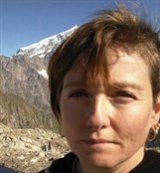
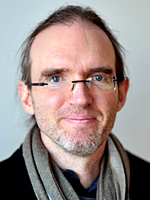
Kat Haynes is an Honorary Fellow at the School of Earth, Atmospheric and Life Sciences (SEALS) at the University of Wollongong. Her research focuses on environmental change, disaster risk reduction, and community resilience through participatory processes. She holds a Ph.D. in Environmental Sciences from the University of East Anglia (2005). Her work emphasizes youth and community-centered initiatives, including post-disaster investigations in Australia and volcano risk communication in Montserrat. Haynes has received significant recognition, including the Australian Academy of Science ASPIRE Award (2015) for contributions to disaster risk reduction and climate adaptation. She leads or collaborates on grants such as the NSW Bushfire Inquiry (2021), Re-walking and Reawakening Country (2021), and Indigenous cultural burning research (2020). She has advised on multiple higher-degree research projects, including geochemistry studies of historical fires. Her research spans natural hazards, environmental management, and human geography, with a focus on wildfire management, flood risk communication, and elderly resilience during disasters. She collaborates with government and NGOs to institutionalize child-centric disaster resilience strategies. Haynes also contributes to global initiatives like the Centre for Environmental Risk Management of Bushfires and has published extensively on disaster preparedness and recovery.
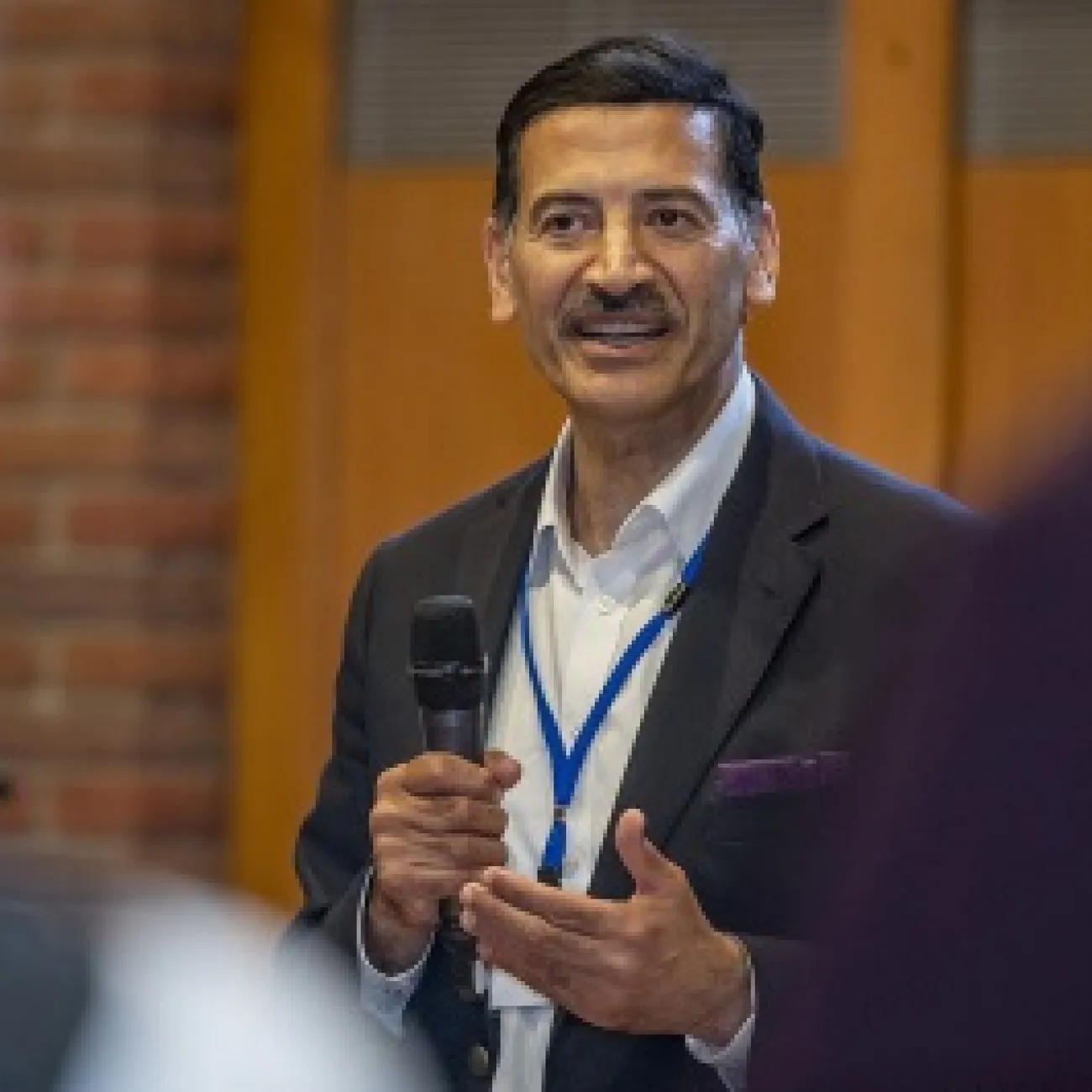
Maureen A. Kane, PhD, is a Professor and Executive Director of the Mass Spectrometry Center at the University of Maryland School of Pharmacy, Department of Pharmaceutical Sciences. She holds leadership roles in analytical chemistry, biomarker discovery, and translational research. Dr. Kane’s research focuses on mass spectrometry-based methodologies, retinoid metabolism, and radiation injury biomarkers. Education & Experience: BS in Chemistry, Canisius College (1995) PhD in Chemistry, University at Buffalo (2002) Postdoctoral Fellow, University of California, Berkeley (2003–2009) Assistant Professor (2009–2015), Associate Professor (2015–2022), and Professor (2022–present), University of Maryland School of Pharmacy Executive Director, Mass Spectrometry Center (2015–present) Research Interests: Dr. Kane’s work integrates advanced mass spectrometry techniques with biochemical studies to address disease mechanisms. Key areas include retinoid signaling in development and reproduction, radiation injury biomarkers, and pharmaceutical analysis. Her lab develops novel methods for metabolomics, lipidomics, and imaging mass spectrometry. Biomarker Research Highlights: Her team identifies biomarkers for radiation exposure outcomes, prenatal alcohol exposure, and traumatic brain injury. Collaborations with MCART (Medical Countermeasures Against Radiological Threat) consortium advance medical countermeasure development. Awards: Champions of Excellence Award (2018) Teacher of the Year (2011–2012) Waters Center of Innovation (2013–present) Grants & Advising: Dr. Kane leads NIH-funded projects on retinoid metabolism and radiation biomarkers. She mentors over 20 graduate students and postdocs, with many alumni in academic and industry roles. Lab & Facilities: The Mass Spectrometry Center, directed by Dr. Kane, provides cutting-edge instrumentation for proteomics, lipidomics, and MALDI-MSI. It supports collaborative research across disciplines.
Dr. Robert Sean McCann is an Assistant Professor in the Department of Medicine at the University of Maryland School of Medicine (UMSOM), with a secondary appointment in Microbiology and Immunology. He is affiliated with the Center for Vaccine Development and Global Health (CVDGH), leading the Malaria Research Program. His research focuses on malaria vector ecology, transmission dynamics, and intervention strategies. Education & Training: B.S. in Biology, University of North Dakota (2002–2006) Ph.D. in Entomology & EEBB (Ecology, Evolutionary Biology & Behavior), Michigan State University (2009–2013) Postdoctoral Researcher, Wageningen University & Research (2014–2019) Postdoctoral Fellow, UMSOM (2019–2020) Research Interests: Dr. McCann investigates spatial and temporal patterns of malaria vectors (Anopheles mosquitoes) and parasite transmission using field, lab, and computational tools. Key areas include: Vector habitat use and environmental drivers Genomic analysis of Anopheles populations Evaluation of vector control interventions (e.g., larval source management, house improvements) Human-to-mosquito transmission determinants Integration of geostatistical methods for high-resolution monitoring Advising & Grants: He leads the IRSDA/K01 Fogarty International Center award studying vector diversity impacts on intervention efficacy. His work emphasizes interdisciplinary collaboration to translate research into scalable malaria control strategies. Labs/Teams: Active in the Malaria Research Program at CVDGH, collaborating with global teams in Africa (e.g., Malawi, Kenya) on field-based studies.
Federica Burini is a Full Professor of Geography at the Department of Foreign Languages, Literatures and Cultures of the University of Bergamo . She serves as Scientific Coordinator of the Imago Mundi Lab, member of the Center for Territorial Studies, and Scientific Director of OrobieLab. Her academic career spans participatory processes, collaborative mapping, and sustainable territorial regeneration. Full Professor of Geography Imago Mundi Lab Coordinator Center for Territorial Studies member OrobieLab Scientific Director Research Focus : Federica specializes in participatory geography through collaborative mapping techniques for environmental governance in both rural and urban contexts. Her work emphasizes sustainable development in Sub-Saharan Africa and European mountainous regions, with particular attention to landscape valorization via participatory processes and responsible tourism. Key projects include digital co-mapping initiatives for community engagement and territorial regeneration. Participatory mapping tools Sustainable tourism frameworks Mountainous area development Rural community empowerment Digital geospatial applications Landscape perception studies Publications : Recent works explore digital collaborative mapping tools (2024), industrial heritage interpretation for slow tourism (2024), and water resource-driven community regeneration (2024). Earlier contributions examine pandemic impacts on tourism (2020) and participatory cartography methodologies (2016). Her research consistently bridges geographical theory with practical territorial governance solutions.
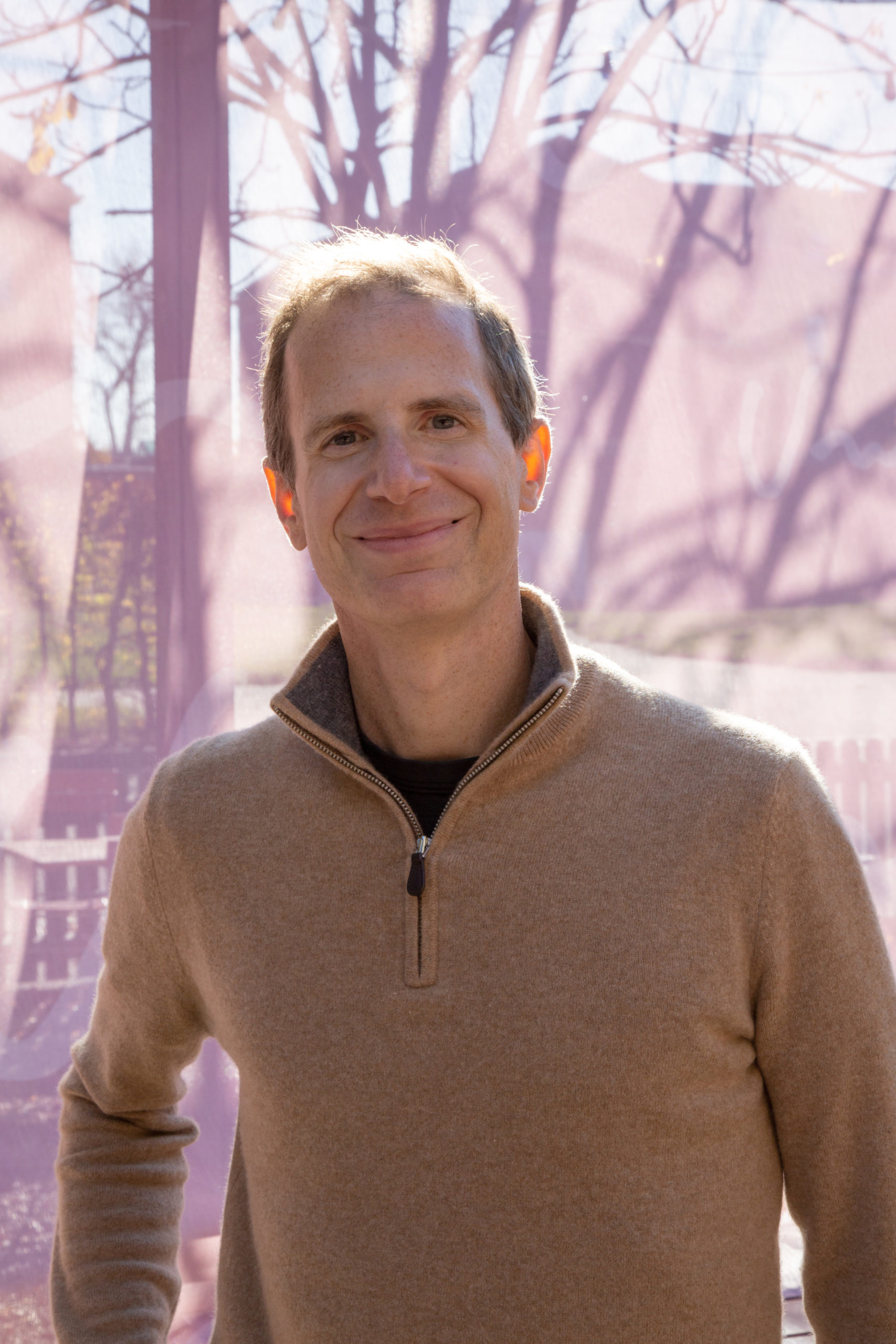
Douglas Nychka is a Professor in the Department of Applied Mathematics and Statistics at Colorado School of Mines since 2018. He holds an emeritus position at the National Center for Atmospheric Research (NCAR), where he previously directed the Institute for Mathematics Applied to Geosciences (IMAGe) from 2004 to 2017. Nychka earned his PhD in Statistics from the University of Wisconsin-Madison and a BA in Mathematics (with Physics emphasis) from Duke University. His research focuses on spatial statistics, nonparametric regression, and computational methods for large datasets, particularly applied to environmental and geophysical problems. He has developed influential R packages like fields and LatticeKrig , which are widely used for spatial data analysis. Nychka received prestigious awards including the Jerry Sacks Award for Multidisciplinary Research (2004) and recognition as a Fellow of both the American Statistical Association and the Institute of Mathematical Statistics. His work bridges statistical theory, computational innovation, and real-world applications in climate science and renewable energy. His academic career includes 14 years as a faculty member at North Carolina State University and roles at the National Institute of Statistical Sciences. Nychka's research emphasizes spatial statistics for climate data, statistical downscaling, and uncertainty quantification, with contributions to solar radiation modeling and extreme event analysis. He actively engages in interdisciplinary projects, collaborating with experts in climatology, environmental science, and data science. Professional service includes roles on committees for the National Research Council and leadership in statistical societies. His teaching focuses on modernizing curricula to integrate data science with applied statistics. Nychka’s work is characterized by a commitment to open-source software and reproducible research, exemplified by his R package contributions.
Lucy Bastin is a Professor in the School of Computer Science and Digital Technologies at Aston University, part of the College of Engineering and Physical Sciences. She holds academic roles since 2003, including leadership in the Digital Observatory for Protected Areas (DOPA) project at the European Commission. Her research focuses on biodiversity informatics, remote sensing, and citizen science, with applications in conservation planning and sustainable development. She advises PhD students on topics like GIS, remote sensing, and citizen observatories. Education: BSc Zoology (University of Nottingham), MSc GIS (University of Leicester), PhD in Spatial Population Ecology (University of Birmingham). She also holds a Postgraduate Certificate in Teaching and Learning in Higher Education. Research Interests: Essential Biodiversity Variables, metadata standards for citizen science, uncertainty in conservation models, disease mapping (e.g., MRSA), and environmental policy support. She developed the DOPA toolkit for protected area monitoring and co-authored the Bari Manifesto for biodiversity variables. Key Projects: DOPA Explorer 2.0, FLIERS EU project, EuroGEOSS initiatives Recent Awards: Midlands Women in Tech Finalist (2021), Best Paper Award (2018) Teaching: Software Engineering, Professional Ethics in Computing, GIS modules Labs/Teams: Part of the Computer Science Research Group and Aston Centre for Artificial Intelligence Research and Application. Collaborates with global partners on initiatives like BIOPAMA and the Green Deal Data Space.
Dr. Hamid Rabiei is an Assistant Professor in Geography at the School of History and Geography, Dublin City University. He holds a PhD in Spatial Planning and Urban Development from Politecnico di Milano, Italy. His research focuses on sustainable development, spatial inequalities, climate change, and remote sensing/GIS applications. He has secured prestigious grants like the Marie Skłodowska-Curie Fellowship and published extensively in top-tier journals such as Habitat International and Applied Geography . His work bridges engineering, social science, and data science to address global challenges like environmental degradation and urbanization patterns. Key research interests include smart cities, spatial composite indicators, gentrification, and social vulnerability to natural hazards. He has contributed to developing novel models like the Adaptive Inverse Distance Weighting (AIDW) for population estimation and the Ordered Geographically Weighted Averaging (OGWA) for composite indicators. Recent work includes spatial analysis of internal migration impacts in Iran, Afghan immigrant segregation in Tehran, and ensemble modeling of extreme temperatures. He serves on editorial boards of academic journals in environmental studies and urban planning. His research emphasizes policy relevance, collaborating with decision-makers to translate findings into actionable strategies. Publications span 2023-2025, reflecting interdisciplinary approaches to urban sustainability, disaster risk, and big data applications. Grants and fellowships highlight his international recognition, particularly in integrating geospatial techniques with socioeconomic analysis.
Professor Sir Bashir M. Al-Hashimi is currently Vice President (Research & Innovation) at King’s College London and holds the ARM Professorship in Computer Engineering there. He is also a Visiting Professor in Electronics and Computer Science at the University of Southampton. Prior to academia, he worked in the electronics design industry for eight years before joining the University of Southampton in 1999, where he became a personal Chair holder in 2004. His research focuses on energy-efficient computing systems, low-power testing, and energy-harvesting technologies, with a strong emphasis on smart city applications and wearable computing. He has led numerous interdisciplinary projects funded by the EPSRC and industry, including the PRiME Programme Grant and the EPSRC-funded Spatial Computational Learning consortium. He has supervised 45 PhD students and authored/co-authored nearly 400 technical papers, earning eight best paper awards and contributing to five books. His honors include a CBE (2018), knighthood (2025), Fellowship of the Royal Society (2023), and roles on the Research Excellence Framework panels. He founded the Arm-ECS industry-academia center in 2008, promoting energy-efficient computing research.
Dr. Indratmo is an Associate Professor and Chair of the Department of Computer Science at MacEwan University. He holds a PhD from the University of Saskatchewan, an M.Sc. from the University of Manitoba, and a B.Eng. from Petra Christian University. His research focuses on information visualization, human-computer interaction, and social computing, with a particular emphasis on developing tools for analyzing social media data. He has contributed to projects like a visual analytical tool for sentiment analysis in Edmonton's traffic-related social media data and studies on multimedia content effectiveness in communication strategies. Indratmo teaches a range of computer science courses, emphasizing student engagement through transparent pedagogical practices. His work bridges technical innovation with social impact, aiming to enhance communication strategies for organizations through data-driven insights. He has published extensively in journals like Big Data Research and Visual Informatics , and his research spans topics from educational visualization tools to smart mirror applications and geospatial heritage systems. Outside academia, he enjoys outdoor activities in the Canadian Rockies. Notable collaborations include work on stacked bar chart efficacy, web-based course registration models, and exploratory browsing frameworks. His research portfolio demonstrates a commitment to both theoretical advancement and practical applications in computing.
Yi-Chen Wang is an Associate Professor and Vice-Dean in the Department of Geography at the National University of Singapore, with a visiting position at Taipei Medical University. She holds a PhD in Geography from the University at Buffalo and researches spatial health, neglected tropical diseases, and land use change. Research integrates geospatial technologies to examine relationships between environmental factors and infectious diseases. Current projects investigate liver fluke transmission dynamics in Thailand's Mekong Region and COVID-19 vulnerability in urban Singapore. Work emphasizes human-environment interactions, landscape ecology, and socio-ecological determinants of disease risk. Publications focus on spatial epidemiology, urban health vulnerabilities, and cultural-environmental interactions. Research employs network analysis, GIS mapping, and field surveys to address public health challenges in Southeast Asia. Teaches courses in cartography, geovisualization, environmental modeling, and research methods. Developed GIS minor and master's programs at NUS. Conducts workshops on health GIS applications internationally.
Prof. Dr. Florian Knoll is a full professor in Computational Imaging at the Department of Artificial Intelligence in Biomedical Engineering (AIBE) at Friedrich-Alexander-Universität Erlangen-Nürnberg. He leads the Computational Imaging Lab, focusing on machine learning applications in medical imaging, particularly accelerating MRI through innovative reconstruction algorithms and translating them into clinical practice. His research emphasizes improving MRI speed, artifact robustness, and accessibility, alongside developing quantitative biomarkers for disease processes. Knoll's work is funded by NIH grants, including projects on machine learning for musculoskeletal imaging, MR fingerprinting, and deep learning frameworks for MRI reconstruction. He is a key figure in open science initiatives, co-creating the fastMRI dataset with Facebook AI, providing public access to over 1300 knee and 7000 brain MRI scans. He currently serves as deputy editor of Magnetic Resonance in Medicine and chairs the ISMRM Reproducible Research Study Group. His contributions extend to reproducible research, maintaining GitHub repositories with code for image reconstruction techniques (e.g., AGILE, gpuNUFFT) and educational materials. He teaches medical imaging fundamentals at FAU, integrating theoretical and practical insights for students and researchers. Grants: NIH R01EB024532, R21EB027241, P41EB017183, R01EB029957 Labs/Teams: Computational Imaging Lab, fastMRI initiative Software: GitHub repositories for MRI reconstruction (e.g., github.com/FlorianKnoll )
Naratip Santitissadeekorn is a Senior Lecturer in Data Assimilation at the School of Mathematics and Physics, University of Surrey, where he is affiliated with the Mathematics at the Interface Group. His work bridges mathematics, data science, and real-world applications in urban planning, crime analysis, and geophysical fluid dynamics. Dr. Santitissadeekorn received his PhD from Clarkson University in 2008, with a dissertation titled "Transport Analysis and Motion Estimation of Dynamical Systems of Time-Series data." His doctoral research was supervised by Professor Erik Bollt. Following his PhD, he completed two significant postdoctoral positions: from 2008-2011 at the University of New South Wales, Sydney, Australia, working with Professor Gary Froyland on numerical techniques for finite-time Lagrangian coherent set identification, with applications to delimiting the polar vortex and Agulhas rings; and from 2011-2014 at the University of North Carolina-Chapel Hill, working with Professor Chris Jones on data assimilation projects. Dr. Santitissadeekorn's research focuses on inverse problems and data assimilation in geophysical fluid dynamics, the applications of Lagrangian Coherent Structures (LCS), and computational ergodic theory. His work combines theoretical mathematics with practical applications, particularly in urban growth modeling and crime analysis. He has developed innovative methods for identifying coherent structures in fluid flows, estimating transition probabilities from spatiotemporal data, and creating data-driven frameworks for urban expansion scenarios. His research demonstrates how mathematical techniques can be applied to solve real-world problems in environmental science, urban planning, and public safety. An analysis of Dr. Santitissadeekorn's recent publications (2020-2023) reveals a strong focus on urban expansion modeling and network analysis. His work on urban growth has evolved from basic cellular automata models to sophisticated frameworks that manage uncertainty through parameter clustering and growth mode identification. His research on Hawkes processes has advanced ensemble-based filtering techniques for analyzing count data in large networks. These publications demonstrate a consistent pattern of applying mathematical rigor to complex spatiotemporal phenomena, with increasing emphasis on data-driven approaches and practical applications. Dr. Santitissadeekorn has made significant contributions to data assimilation methods, particularly through the development of the extended Poisson-Kalman filter (ExPKF) for urban crime modeling. His teaching includes courses in Algebra and Bayesian Statistics, reflecting his expertise in both theoretical and applied mathematics. While specific awards are not mentioned in the available information, his extensive publication record in high-impact journals demonstrates recognition within his field. Dr. Santitissadeekorn's research has practical implications for urban planning and law enforcement. His work on urban expansion models helps planners understand different growth trajectories, while his crime modeling research contributes to improved police patrolling strategies. His interdisciplinary approach, combining mathematics, computer science, and domain-specific knowledge, positions him at the forefront of applying data science to societal challenges.
Professor Adrian Hilton is a distinguished faculty member at the University of Surrey, serving as Director of the Centre for Vision, Speech and Signal Processing (CVSSP) and Director of the Surrey Institute for People-Centred AI. He is affiliated with the School of Computer Science and Electronic Engineering and leads the Visual Media Research Lab (V-Lab). His research focuses on pioneering next-generation 4D computer vision technologies that enable machines to understand and model dynamic real-world scenes. Key areas include 3D/4D shape capture, computer vision, machine learning, graphics, and animation for applications in sports analysis, film/TV production, virtual reality, and medical imaging. His work bridges the gap between real and computer-generated imagery, with notable contributions in volumetric capture, motion capture, and free-viewpoint video. Hilton's recent publications demonstrate a strong trend toward multimodal integration, particularly combining audio and visual processing for spatial audio applications, while advancing 4D reconstruction techniques for human performance capture. His work increasingly incorporates transformer architectures and neural rendering techniques for improved illumination estimation, shadow modeling, and multi-view consistency. Scientific Awards and Recognition Two EU IST Innovation Prizes Manufacturing Industry Achievement Award Royal Society Industry Fellowship (2008-2011) Royal Society Wolfson Research Merit Award in 4D Vision (2013-2018) Fellow of the Royal Academy of Engineering (FREng) Fellow of the International Association for Pattern Recognition (FIAPR) Fellow of the Institution of Engineering and Technology (FIET) Hilton actively mentors PhD and post-doctoral researchers through his leadership of CVSSP, which has a grant portfolio exceeding £31M and comprises 170 researchers. He has successfully commercialized several technologies, including systems used by the BBC for sports commentary visualization. His research collaborations span major industry partners including BBC, BT, Sony, Framestore, and The Foundry. He co-founded the G3 Games forum and the CVMP Conference on Visual Media Production, demonstrating strong engagement with the creative industries. Current research projects include the S3A Programme Grant in Future Spatial Audio and InnovateUK's ALIVE project for 360 video reconstruction.
Johan Schimanski is a Professor of Comparative Literature at the University of Oslo, affiliated with the Faculty of Humanities and the Department of Literature, Area Studies and European Languages. He holds a Ph.D. from the University of Oslo (1997) and has held academic positions at institutions including the University of Tromsø and the University of Eastern Finland as a visiting professor. His research focuses on borders in literature, postcolonialism, Arctic discourses, and migration narratives, with notable contributions to border aesthetics and cultural encounters. Education: Magister in Comparative Literature (University of Oslo, 1990), Ph.D. (1997). Key professional milestones include leadership roles such as Head of Research at ILOS (2017–2020) and co-leadership of the TRAUM project on author museums (2016–2019). He has authored or edited over 20 books and numerous articles, exploring themes like migration literature, Arctic studies, and the political aesthetics of borders. Research interests span borders and national identity, postcolonialism, science fiction, and literary museums. He co-leads initiatives like the Temporalities and Subjectivities workshop series (2019–2021) and serves on editorial boards for journals such as Journal of Borderlands Studies . His work bridges literary analysis with interdisciplinary approaches to contemporary global issues, emphasizing the role of aesthetics in understanding border dynamics.
Daniel Beat Müller serves as Professor at the Industrial Ecology Programme within the Department of Energy and Process Engineering at the Norwegian University of Science and Technology (NTNU), Trondheim. His office is located at Realfagbygget Gløshaugen (E4-120) with contact details daniel.mueller@ntnu.no and +4791897755. His research centers on analyzing human needs in relation to material/energy flows and environmental impacts, with two primary focus areas: (i) urban evolution and associated material flows for managing building/infrastructure stocks, and (ii) national/global metal cycles to identify supply constraint reduction strategies. His methodology integrates design, modeling, and decision-making through transdisciplinary stakeholder engagement. Müller teaches Material Flow Analysis and Systems Analysis of the Built Environment for Industrial Ecology and Civil Engineering Master's students. His research outputs demonstrate strong trends in circular cities, critical mineral management, and urban metabolism, with recent publications emphasizing building information modeling, electric vehicle battery systems, and phosphorus cycling. His work consistently addresses resource criticality within energy transition contexts. As (ad interim) chair of the International Society of Industrial Ecology’s MFA-ConAccount section, he contributes to methodological standardization. He previously served on the U.S. National Research Council’s Committee on Defense Stockpiles and remains active in Switzerland's National Research Programme 65 "New Urban Quality". Müller supervises numerous Master's and doctoral students, with thesis topics spanning lithium-ion battery recycling, building stock dynamics, and urban resource flows. His projects frequently involve industry collaboration for practical implementation of material stewardship strategies.