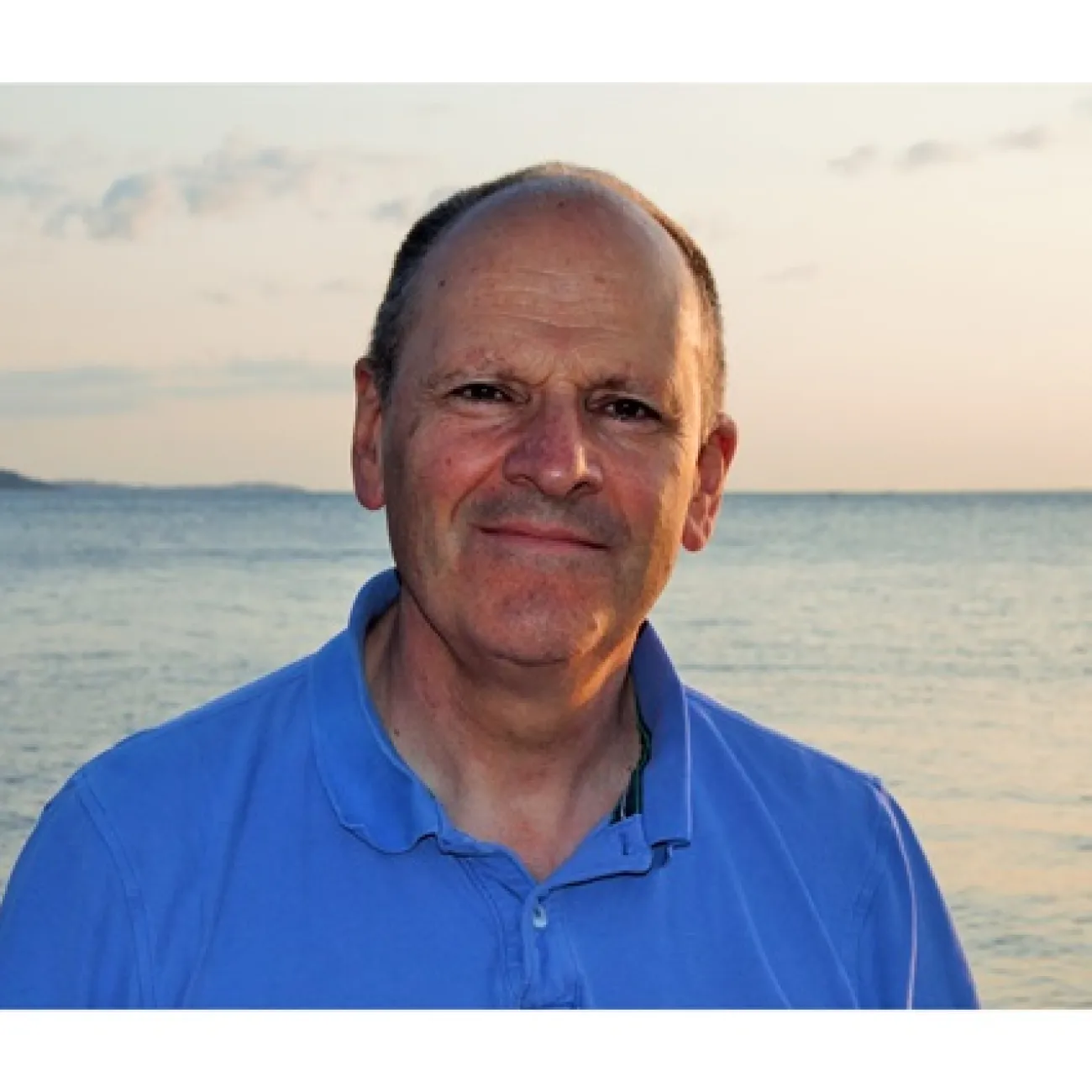
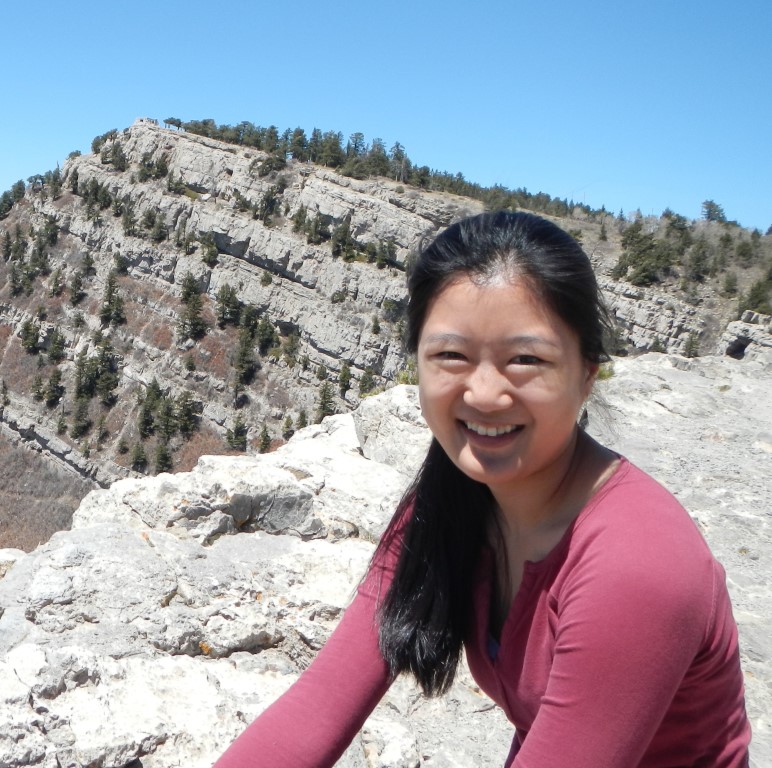
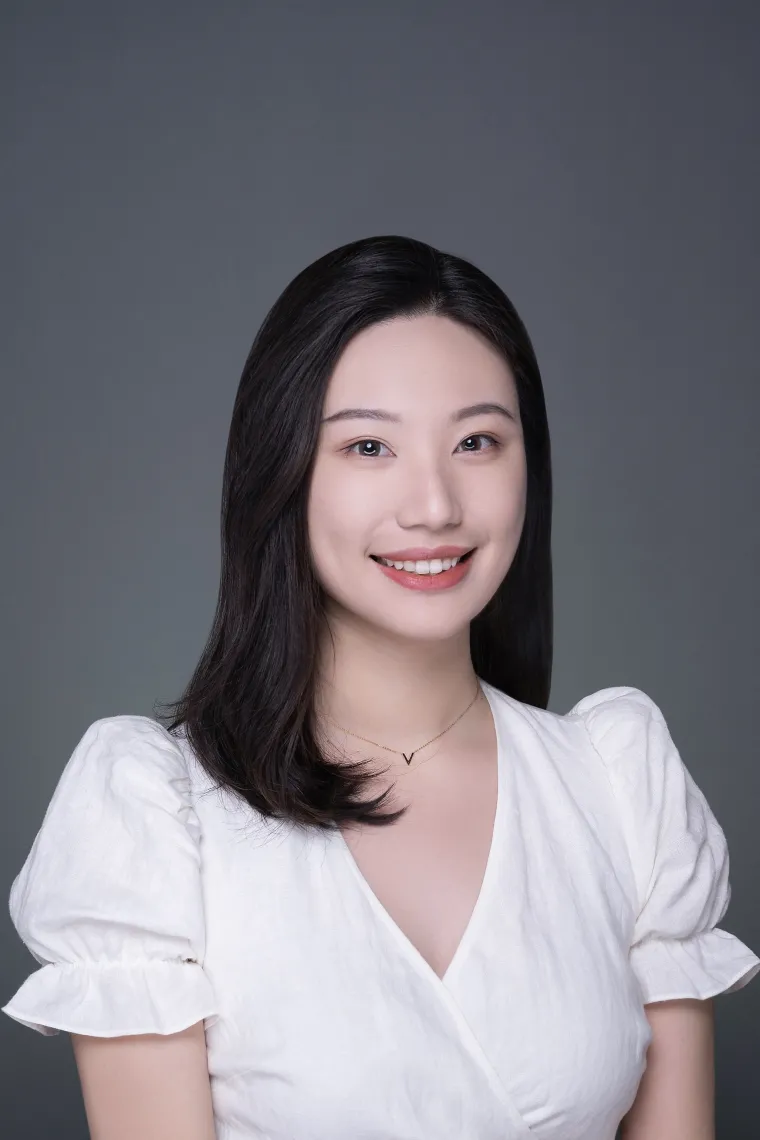
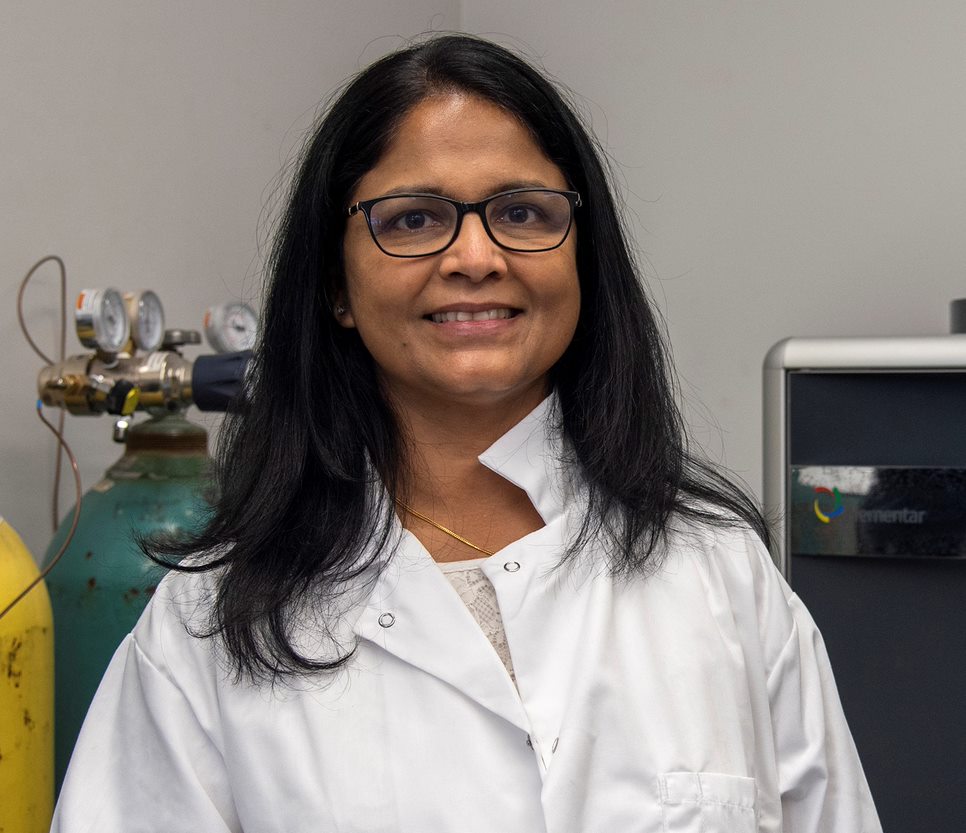
Robert Nicholls is a Professor of Coastal Engineering at the University of Southampton , affiliated with the School of Engineering and the School of Ocean and Earth Sciences . He co-directs the MSc Engineering in the Coastal Environment and leads the Coastal Engineering and Management research group. Theme Champion, Society and Government at Southampton Marine and Maritime Institute Southampton Lead, Tyndall Centre for Climate Change Research Editorial Board, Anthropocene Coasts His research focuses on long-term coastal engineering and climate change adaptation , particularly sea-level rise and deltaic area vulnerability . Key projects include the Bangladesh Delta Plan 2100 and the development of the DIVA (Dynamic Interactive Vulnerability Assessment) model for global coastal risk analysis. Recent publications address compound flooding , coastal landfill risks , and adaptation frameworks for deltas . His work informs international policy through contributions to the IPCC , World Bank , and Asian Development Bank . Award Highlights: Roger Revelle Medal (2008) by UNESCO's Intergovernmental Oceanographic Commission Lloyd’s Science of Risk Prize (2012) for climate change research Robert leads major initiatives like the iCOASST Project and ESPA Delta Studies , while supervising PhD students in coastal resilience and flood management.
Meta Berghauser Pont is a Professor of Urban Morphology and Urban Planning at Chalmers University of Technology. She leads the Spatial Morphology Group (SMoG), focusing on quantitative analysis of urban form, space syntax, and design theory. Key research themes: urban density, sustainable cities, social-ecological systems, pedestrian movement modeling Authored the 2023 book Spacematrix: Space, Density and Urban Form , redefining density metrics Her work bridges analytical urban morphology with practical urban planning applications, particularly in noise/air quality management, transport infrastructure, and digital twin city modeling. She manages pedagogical development for architecture programs at Chalmers. Active projects include: Digital Twin Cities Centre (EU/VINNOVA) Sustainable Urban Form (Formas) Green Infrastructure Integration (Mistra Urban Futures) Multi-scale Climate Proofing (VINNOVA) Urban Design Calculator (Naturvårdsverket) Her lab develops open-source tools like the Place Syntax Tool (PST) for morphological analysis of cities.
Thomas Kudraß serves as Professor for Database Systems at the Faculty of Computer Science, Mathematics and Natural Sciences (IMN) at Leipzig University of Applied Sciences (HTWK Leipzig). With over 25 years of academic and industry experience, he teaches courses including Database Basics, Database Application Programming, Data Warehousing, and Big Data Technologies. His leadership roles include Internship Coordinator for Computer Science since 2001, Member of the Academic Senate since 2011, and Contact person for the IMN faculty alumni association since 2005. Dr. Kudraß earned his Dipl.-Ing. in Computer Science from Technical University of Dresden (1985-1990) and completed his doctorate at Darmstadt University of Technology (1992-1997), where his dissertation received the prestigious Jos Schepens Memorial Award. Prior to academia, he worked as an Information Systems Architect at UBS AG Zurich and Database Specialist at Swiss Bank Corporation Basel. His research spans database technologies with focus on heterogeneous database integration, data quality, data privacy, and modern database concepts. Recent work explores cloud-native billing applications for 5G, NoSQL databases, and privacy-preserving record linkage techniques. His publication record shows continuous evolution from traditional database systems to contemporary challenges in big data and distributed systems. Jos Schepens Memorial Award for doctoral dissertation (1997) Active participation in German Informatics Society (GI) specialist groups Organizer of multiple database-related workshops and conferences Professor Kudraß has significantly contributed to academic governance as E-Learning Officer (2000-02), Faculty Council member (2009-12), and liaison lecturer for the German Society for Computer Science (2001-14). He has coordinated numerous student projects and served on program committees for major conferences including INFORMATIK 2017 and BTW series.
Anny Chung serves as Associate Professor of Plant Ecology in the Department of Plant Pathology at the University of Georgia's College of Agricultural and Environmental Sciences. She also holds a joint appointment as Associate Professor in the Department of Plant Biology within the Franklin College of Arts & Sciences and serves as Graduate Program Faculty in both departments. Dr. Chung directs the Chung Ecology Lab and holds the prestigious Haines Family Distinguished Professorship in Field Botany (Below Ground). Education: Ph.D. in Biology, University of New Mexico (2017) A.B. in Biology, Washington University in St. Louis (2011) Dr. Chung's research centers on how cross-trophic species interactions drive competition and coexistence in plant communities, with particular emphasis on plant-microbe interactions. Her work addresses fundamental ecological questions about species abundance, coexistence mechanisms, and range limitations. She combines field and greenhouse experiments, long-term datasets, statistical and computational modeling, and molecular techniques to investigate how microbial symbionts can shift paradigms in population and community ecology. Her research demonstrates that plant-microbe interactions alter plant competition dynamics, explain population commonness and rarity, and contribute to species turnover over decadal time scales. Analyzing her recent publications reveals a strong focus on plant-soil feedbacks, particularly examining their temporal and spatial dimensions, role in species coexistence, and responses to climate change. Her work spans multiple ecosystems including sagebrush steppe, Chihuahuan Desert grasslands, and North American plains, with increasing integration of large-scale datasets from the NEON network. A notable trend is the growing emphasis on climate change impacts on plant-microbe interactions and their implications for ecosystem resilience. Scientific Recognition: ESA Early Career Fellow (2022) Tansley Medal runner-up (2023) and short-listed (2022) Lily Teaching Fellowship (2022) Dr. Chung maintains an active research program supported by multiple funding sources including the National Science Foundation, Department of Energy, and various scientific societies. Her current projects investigate experimental precipitation regime changes on soil microbial communities, impacts of fire regimes on soil microbiomes, and mechanisms of hemiparasitic plant interactions. She mentors students through the Chung Ecology Lab, which appears to have a collaborative and active research environment as evidenced by lab events documented on their website. The Chung Ecology Lab combines field and greenhouse experiments with molecular techniques to investigate plant-microbe interactions across various ecosystems. The lab appears to maintain an active research community with documented group activities including summer lab lunches, white elephant parties, and recreational outings like float trips, suggesting a collaborative and supportive research environment.
Xinchen Yu serves as an Assistant Professor of Practice in the Department of Computer Science at the University of Arizona, maintaining an office in GS 829. Holding a Ph.D. from the University of North Texas, their research bridges computational methodologies with social science inquiry to address contemporary digital society challenges. Dr. Yu's scholarly focus centers on natural language processing and computational social science, with specialized expertise in analyzing online discourse dynamics. Their work investigates hate speech propagation, counterspeech effectiveness, conversation incivility measurement, and cross-cultural information diffusion patterns on social media platforms. Methodologically, they employ advanced NLP techniques, behavioral modeling, and causal inference frameworks to develop predictive systems for online conflict resolution and public sentiment analysis. Analysis of Dr. Yu's publication trajectory (2020-2025) reveals a cohesive research program addressing societal impacts of digital communication. Their work consistently applies computational social science to critical issues including hate speech mitigation (with 4 publications on counterspeech taxonomy and forecasting), pandemic information ecology (3 studies on COVID-19 discourse), and transnational movement diffusion (2 analyses of #MeToo and cross-border information flow). A distinctive pattern emerges in their development of forecasting models for conversational incivility and hater reactions, combined with rigorous examination of linguistic features in cross-geographic message propagation. Dr. Yu has not been mentioned to have received any specific scientific awards in the available documentation. No information regarding student advising responsibilities or externally funded research grants is provided in the source materials. The absence of such details suggests either early-career status or non-disclosure in the scraped content. There is no explicit reference to laboratory affiliations, research teams, or collaborative groups in the provided information, though their publication topics indicate engagement with interdisciplinary social computing research communities.
Sindhu Jagadamma serves as an Associate Professor in the Department of Biosystems Engineering and Soil Science at the University of Tennessee Institute of Agriculture (UTIA), part of the Herbert College of Agriculture. With seven years of service at UT, she has established herself as a leading researcher in soil health and sustainable agricultural practices, particularly focused on addressing the unique challenges of the southeastern United States agricultural landscape. Dr. Jagadamma's educational journey began in Kerala, India, where she earned her BS in Agricultural Sciences and MS in Soil Science from Kerala Agricultural University. After serving four years as an Extension Specialist and Soil Survey Officer for the Kerala state government, she came to the United States as a Ford Foundation International Fellow. At The Ohio State University, she completed both her MS and PhD in Soil Carbon Science under the mentorship of Dr. Rattan Lal, a globally recognized soil scientist and 2020 World Food Prize recipient. She continued her research as a postdoctoral researcher at OSU and Oak Ridge National Laboratory before joining UT as a tenure-track assistant professor in 2016, earning tenure and promotion to Associate Professor in 2022. Her research program centers on developing regionally adaptable approaches to improve soil health in agroecosystems, addressing the limitations of conventional no-tillage practices in the warm, humid southeastern US climate. Dr. Jagadamma investigates innovative strategies including multi-species cover cropping, organic soil amendments, adaptive grazing, and organic farming systems to enhance soil carbon sequestration, nutrient cycling, and overall ecosystem resilience. Her work has demonstrated that building soil health is the most meaningful and cost-effective way to balance agricultural productivity with environmental stewardship in challenging climatic conditions. Analysis of Dr. Jagadamma's recent publications reveals a strong focus on soil carbon dynamics under climate extremes, precision soil health assessment methodologies, and the development of carbon farming practices. Her research spans diverse topics including cover cropping systems, soil health indicators, carbon credit markets, and the impacts of drought and heat on soil processes. A notable trend is her integration of traditional soil science with emerging technologies to address complex agricultural challenges in the context of climate change. AgResearch Mid-Career Faculty Research Excellence Award (2023) University of Tennessee Graduate Student Senate's Graduate Student Mentor of the Year (2023) Gamma Sigma Delta Tennessee Chapter Research Award (2022) BESS Outstanding Research Faculty Award (2018, 2022) Ralph E. Powe Junior Faculty Enhancement Award from Oak Ridge Associated Universities (2017) Dr. Jagadamma has secured over $7 million in research funding, including multiple USDA-NIFA awards as lead principal investigator, an NSF award as co-PI, and USDA-NRCS Partnership for Climate-Smart Commodities awards. Her mentorship philosophy emphasizes cultivating independent research skills through regular individual and group meetings, professional development support, and networking opportunities. To date, she has mentored four PhD and seven MS graduates, with three former mentees now serving as Assistant Professors. Her research group conducts studies on soil processes related to carbon and nutrient cycling, soil health assessment, and developing sustainable management practices specifically adapted to southeastern US agriculture.
Leman Figen Gül is a Professor at the Department of Architecture , Istanbul Technical University 's Faculty of Architecture. She also serves as Head of the Game and Interaction Technologies Program and Coordinator of the Graduate Informatics in Architectural Design Program. Her academic career spans institutions like Newcastle University, University of Sydney, International University of Sarajevo, TOBB University of Economics and Technology, and MacQuarie University. PhD (2007) - University of Sydney, thesis: "Understanding Collaborative Design in Different Environments: Comparing Face-to-Face Sketching to Remote Sketching and 3D Virtual Worlds" Master's (2003) - University of Sydney, Digital Media Program Master's (1996) - Mimar Sinan University, Urban Conservation Program Licence (1993) - Mimar Sinan Fine Arts University, Department of Architecture Her research explores intersections between architecture, technology, and cognition, focusing on collaborative design , virtual/augmented reality , and AI integration in architectural education . Current projects investigate AI-driven co-design interfaces, gamification of cultural heritage, and material innovation in design pedagogy. Recent publications highlight trends in design technology and empathy in architecture . Her work combines theoretical inquiry with practical implementations in digital fabrication and immersive environments. Scientific Awards Academic Performance Award (ITU, 2024) Academic Performance Award (ITU, 2022) QHT Prize 3rd & People's Prize 2nd (University of Westminster, 2017) As principal investigator, she directs projects funded by TÜBİTAK and BAP , including AI collaboration systems and mixed reality heritage interpretation. She leads the Kumio Lab and participates in EU Horizon Project evaluations.
Laura Forastiere is an Associate Professor of Biostatistics at Yale School of Public Health and affiliated faculty at the Yale Institute for Global Health. Her research focuses on causal inference methods for complex clustered and network data, addressing challenges in global health, environmental health, and social epidemiology. Ph.D. in Statistics, University of Florence (2015) Postdoctoral training at Harvard University Former Postdoctoral Associate at Yale Institute for Network Science Research domains include: Methodological development for causal inference under network interference Behavioral interventions leveraging social networks Applications in low/middle-income countries (malaria, HIV, maternal/child health) Environmental exposure modeling (PM2.5, pollution transport) Her 15 most recent publications (2023-2025) span journals in biostatistics, epidemiology, and network science. Key themes involve network interference modeling (6/15), global health applications (5/15), and environmental health impacts (3/15). Scientific awards: Yale Global Health Spark Award (2023), Young Protagonist Researchers (2016) Collaborations: Yale Institute for Network Science, Center for Methods in Implementation and Prevention Science Active in public health practice across Africa and Latin America
Professor Peter Diggle is an EPSRC Senior Fellow at the University of Lancaster , where he leads a research program in Spatial and Longitudinal Data Analysis . He also holds an Adjunct Professor position in the Biostatistics Department at the Yale School of Public Health . Education : PhD from Newcastle University (1977), MSc from Oxford College (1973). Research Interests : Biostatistics, spatial epidemiology, longitudinal data analysis, public health modeling, and implementation science. Scientific Awards : EPSRC Senior Fellowship Recent Article Trends : His work spans geostatistical modeling for disease surveillance, wastewater-based COVID-19 monitoring, zoonotic spillover dynamics, and helminth control program optimization. Professional Roles : Founding co-editor of Biostatistics journal and trustee of the Biometrika Trust . Collaborations : Frequent collaborations with Federico Costa, Albert Ko, Jamie Childs, and Mitermayer Reis on tropical disease research.
Mike Thiv is a Researcher and Head of the Botany Department at the State Museum of Natural History Stuttgart . His work focuses on plant systematics, biogeography , and floristic mapping , with a particular emphasis on the Eritrean-Arabian region, the Mediterranean, and Macaronesia. He has contributed to understanding evolutionary patterns in laurel forests, island endemism, and glacial refugia dynamics. His academic journey includes a Habilitation at Heidelberg University (2015), a PhD on Gentianaceae phylogeny (2000), and a Diploma in Biology (1995). He has led third-party funded projects with grants totaling ~€800,000 and served as an associate editor for journals like Plant Systematics and Evolution . Research projects span molecular phytogeography of the Socotra Archipelago, decline of clubmoss in Baden-Württemberg, and floristic dynamics under global change. His publications address adaptive radiation, vicariant speciation, and taxonomic revisions across diverse plant families. Notable collaborations include work with M. Koch on Macaronesian Gesnouinia and Mediterranean Soleirolia woodiness evolution (2019), and with R. Linder on molecular phytogeography of Socotra plants (2001–2003). He has mentored no explicit advisees but contributes to interdisciplinary teams. Key trends in his publications include integrating molecular and morphological data for taxonomy, exploring biogeographic disjunctions, and analyzing conservation genetics. His work bridges historical botany with modern phylogenetic methods, emphasizing biodiversity in Mediterranean and island ecosystems.
Professor Longbing Cao serves as a Professor at University of Technology Sydney (UTS) in the Faculty of Engineering and Information Technology, specifically within the Data Science Institute. He also holds the position of Distinguished Chair Professor in AI at Macquarie University and is an ARC Future Fellow (Level 3). As a pioneering researcher in AI, data science, and advanced analytics, Professor Cao founded the UTS Advanced Analytics Institute, the first data science initiative in Australia. Professor Cao's research interests span across data science fundamentals, machine/deep learning, behavior informatics, and enterprise data science applications. His work bridges the gap between theoretical research and practical implementation, focusing on non-IID learning, actionable knowledge discovery, and complex behavior modeling. His research has addressed real-world challenges in government services, finance, insurance, banking, telecommunications, transport, and e-commerce sectors. His 15 most recent publications reveal a strong trend toward addressing distributional challenges in machine learning, developing transdisciplinary AI approaches, modeling complex temporal dependencies, and advancing negative sequence analysis. His work consistently integrates theoretical foundations with practical applications, particularly in financial analytics, healthcare, and disaster resilience. Scientific Awards: Eureka Prize for Excellence in Data Science (2019) ACM Distinguished Scientist Professor Cao has made significant contributions to academic leadership and research supervision. He established world-first research degrees at UTS (Master of Analytics and PhD Thesis: Analytics), founded the IEEE Task Force on Data Science and Advanced Analytics, and served as general chair of the KDD conference in 2015 (the first edition in Australia). His funded research portfolio includes multiple ARC grants and industry collaborations focusing on complex data analytics, behavior informatics, and AI applications. He leads the Data Science Lab at UTS, which has become a prominent center for data science research in Australia. The lab focuses on developing fundamental theories and practical applications of data science, with strong industry partnerships that translate research into real-world impact. Professor Cao's leadership in establishing the annual Big Data Summit in 2012 created Australia's first platform for bridging academic research with industry and government applications.
Martin Slepicka is a researcher at the Chair of Computing in Civil and Building Engineering at the Technical University of Munich. His work focuses on bridging Building Information Modeling (BIM) with additive manufacturing and digital twinning technologies. Department: Civil and Building Engineering Research Group: Digital Twinning, Construction Robotics Research Highlights: Slepicka specializes in: Integrating BIM with digital fabrication workflows Developing closed-loop systems for additive manufacturing Real-time data exchange in construction robotics Automated parameter calibration using machine learning Semantic enrichment of BIM through multi-sensor platforms Academic Contributions: Recent publications demonstrate expertise in: Extrusion-based additive manufacturing control Non-planar path planning for 3D-printed components Autonomous robot grasping solutions From fabrication models to simulation frameworks Laboratories: Active in: BIM-Lab Robotic Fabrication Lab Mobile Machinery development
Professor Andy Baker is a leading academic at the School of Biological, Earth and Environmental Sciences , UNSW Sydney. With a career spanning over three decades, he has also held prestigious positions at the University of Birmingham, University of Newcastle upon Tyne, and University of Exeter. PhD in Speleothem Growth Rate and Paleoclimate, Bristol University (1990-1993) BSc (Hons) in Geographical Science, Bristol University (1987-1990) His research focuses on the intersection between geology and water , utilizing stalagmites to reconstruct past climates, groundwater recharge patterns, and fire history. He specializes in isotopic and geochemical techniques for analyzing organic matter in natural and human environments, from groundwater systems to drinking water quality. Recent publications highlight interdisciplinary applications of stalagmite analysis in climate science, fire history reconstruction through geochemical signatures , and groundwater recharge modeling using cave drip water networks. His work spans from Mediterranean karst systems to sub-Antarctic lakes , with a focus on global environmental change and hydrological sustainability . Awardees include: Clarke Medal for Geology (2023) Fellow of Royal Society of NSW (2024) Over $75 million in successfully managed research grants He currently supervises PhD students in projects related to climate modeling , groundwater sustainability , and karst hydrology . His outreach includes regular media engagement with ABC, The Conversation, and international cave science training programs.
Professor Kate Seear is a leading Australian legal scholar at Deakin Law School, holding an Australian Research Council Future Fellowship. A practising solicitor with expertise in family and sexual violence law, she serves as Deputy Chair of Victoria’s Inquiry into Women’s Pain and co-editor of Contemporary Drug Problems . Her multidisciplinary work spans law, sociology, feminist theory, STS and posthumanism, focusing on drug policy, health, gender, stigma and multispecies justice. Education: PhD, Monash University LLB (Hons), Monash University BA (Hons), Monash University Admitted as Barrister & Solicitor, Supreme Court of Victoria & High Court of Australia (2003–present) Research Interests: Seear’s research interrogates how law governs alcohol and other drugs, health, gender and the body. She examines harm-reduction legal frameworks, drug-related stigma, overdose, hepatitis C, family violence, feminist lawmaking, legal ethics and emerging “post-human rights” approaches to drug policy. Her theoretical toolkit includes Science & Technology Studies, feminist, posthuman and new materialist thought. Publication Trends: Recent articles (2024-25) cluster around three themes: (1) gendered and posthuman critiques of drug policy (Colombian peace process, parliamentary scrutiny, “more-than-human rights”); (2) stigma and healthcare structures (EHR systems, space-time stigma, hepatitis-C complaint mechanisms); and (3) legal ontologies of drug use (narco-necropolitics, “dope-sick ontology”, rights assemblages). Outputs traverse law, sociology, health policy, criminology and feminist theory journals. Scientific Awards & Recognition: 2020 UK Socio-Legal Studies Association Theory & History Book Prize Monash Dean’s Award for Research Impact (2016, 2018, 2019) Monash Vice-Chancellor’s Research Impact Award (2019) Monash Faculty of Law Early Career Researcher of the Year (2015) Grants & Funding: Seear has secured over AUD 7.5 million in competitive funding. Highlights include a 2026-31 ARC Mid-Career Industry Fellowship (AUD 1.18 M) on a “Reform Collaboratory” for drug harms; an ARC Future Fellowship (2021-24, AUD 1.03 M) developing a world-first “post-human rights” drug-policy framework; and ARC Discovery projects on hepatitis-C discrimination and performance-enhancing drug injecting. Supervision & Teaching: She welcomes HDR candidates in socio-legal studies, drug law & gender, stigma, feminist legal theory, legal ethics and multispecies justice. She has supervised nine doctoral/masters projects to completion and currently co-supervises studies on GHB use in pregnancy and young women’s prescription stimulant use. She teaches units MLL427 and MLP720 at Deakin.
Ali Fard serves as Assistant Professor at the University of Virginia, where he is actively affiliated with the Environmental Institute—an interdisciplinary hub connecting architecture, urban planning, engineering, environmental science, data science, business, and law to address climate resilience challenges. His research critically investigates how data infrastructures and digital platforms reshape physical landscapes and territorial governance. Fard examines planetary-scale computing systems from Arctic regions to Northern Virginia, analyzing the materialities of cloud geographies, smart urbanism, and the colonial dynamics embedded in big data applications. This work reveals persistent themes of techno-colonial extraction and environmental adaptation across diverse spatial contexts. Analysis of Fard's publication trends (2011-2024) shows consistent focus on the spatial dimensions of information economies. His scholarship bridges architecture and critical geography to expose how digital platforms reconfigure urban territories, with particular attention to infrastructural violence, data sovereignty, and alternative network formations in climate-vulnerable regions. Fard contributes to the Environmental Institute's mission through interdisciplinary collaboration, advancing research on workable solutions for environmental resilience. His work connects architectural theory with urgent planetary challenges, emphasizing the need for equitable approaches to data-driven urbanization and climate adaptation.