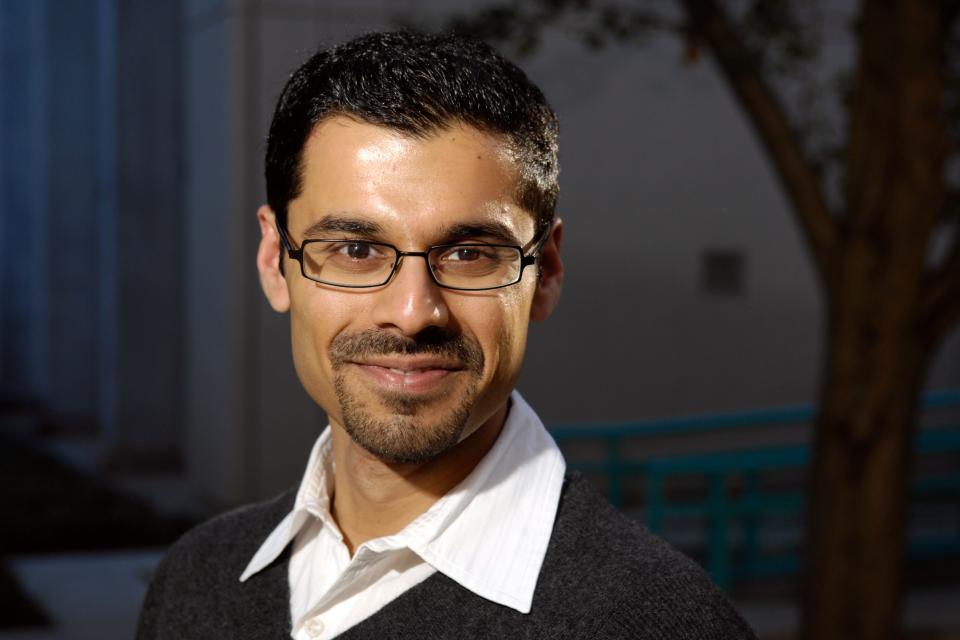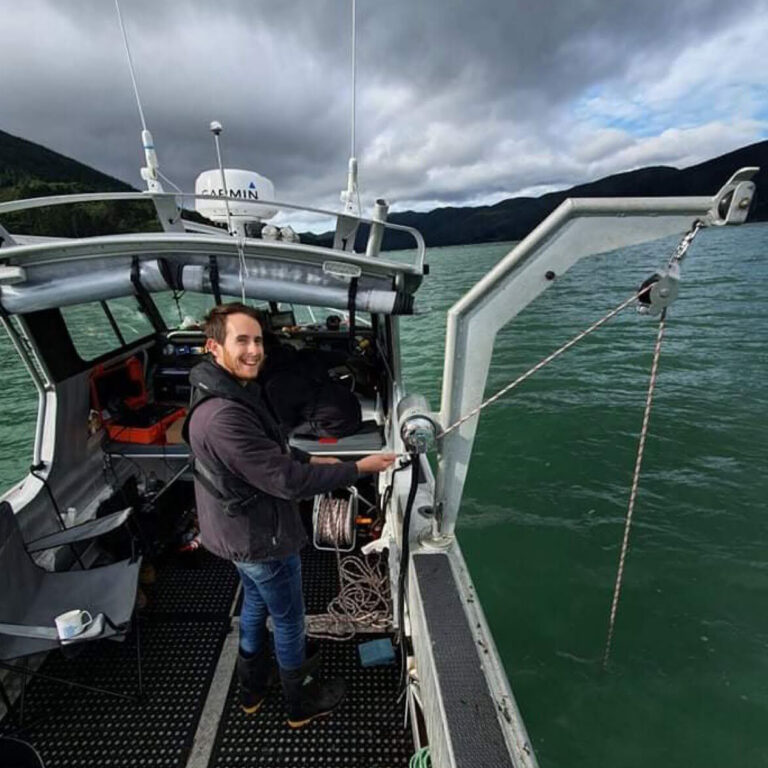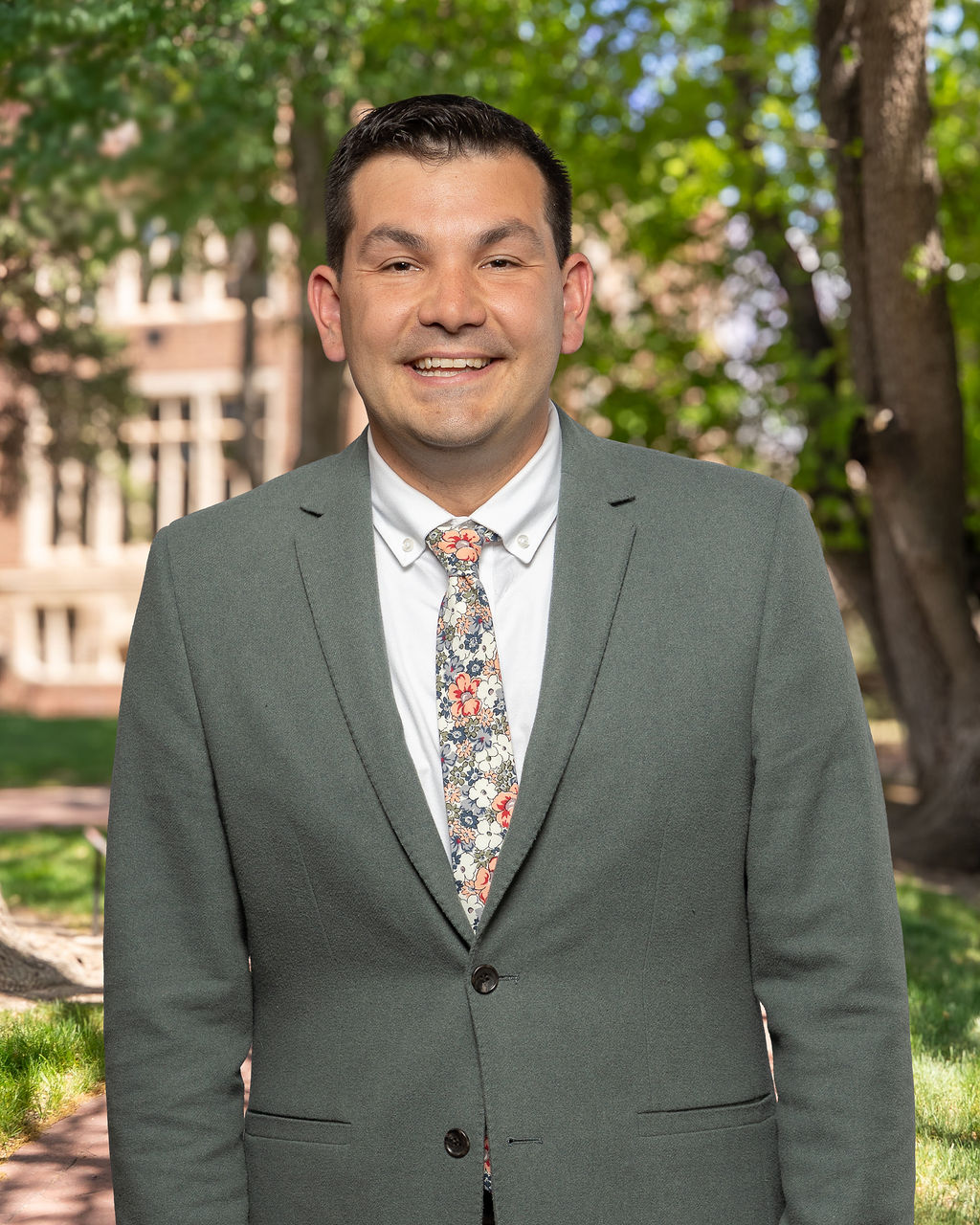
Professor Andrew (Jamie) Wood holds a joint appointment in Mathematics and Biology at the University of York, promoted to Professor of Mathematical Modelling in 2021 after serving as Senior Lecturer (2014) and Lecturer (2012). He chairs the Equality, Diversity and Inclusion Committee and co-founded the York Historical Warfare Analysis Group. His educational background includes undergraduate studies at Cambridge, a PhD at Imperial College, and a Royal Commission for the Exhibition of 1851 fellowship at Oxford where he transitioned from Mathematical Physics to biological applications. Earlier research involved Ising models and Daisyworld systems during a postdoc at Edinburgh's JCMB. Wood's research bridges computational mathematics with biological systems, focusing on collective motion dynamics (network interactions and noise effects), microbial ecology (metabolism, spatial structures, plasmid evolution), and unconventional domains like naval warfare modeling and glycosylation pathways . His work consistently applies stochastic modeling to evolutionary questions in symbiosis and translocation. Recent publications reveal an interdisciplinary trajectory spanning conservation biology (arthropod translocation), microbial evolution (plasmid-chromosome fitness tradeoffs), and sustainable biotechnology (cyanobacterial feedstocks). This reflects his core methodology of adapting statistical physics frameworks to biological complexity. Royal Commission for the Exhibition of 1851 fellowship RCUK Fellow (2007) Wood actively recruits PhD students for mathematics-biology interface projects and currently leads major grants including IMPROGLYC0 (EU-funded glycoform programming, 2025-2028) and BBSRC-funded glycan biosynthesis research (2024-2026). His group maintains collaborations with defense analysts through the Historical Warfare Analysis Group. He operates within York's Mathematical Biology and Chemistry Research Group, leveraging cross-departmental infrastructure for agent-based simulations of bacterial communities and warfare scenarios, with emerging work on fungal-cyanobacterial bioprocess engineering.