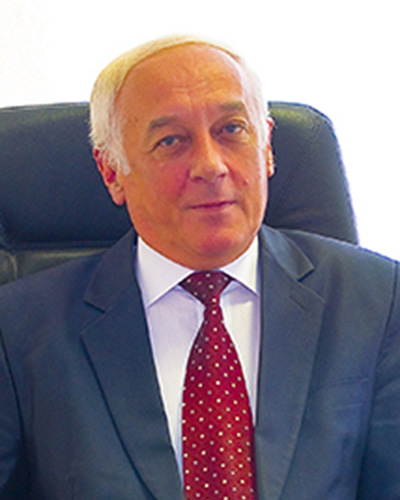
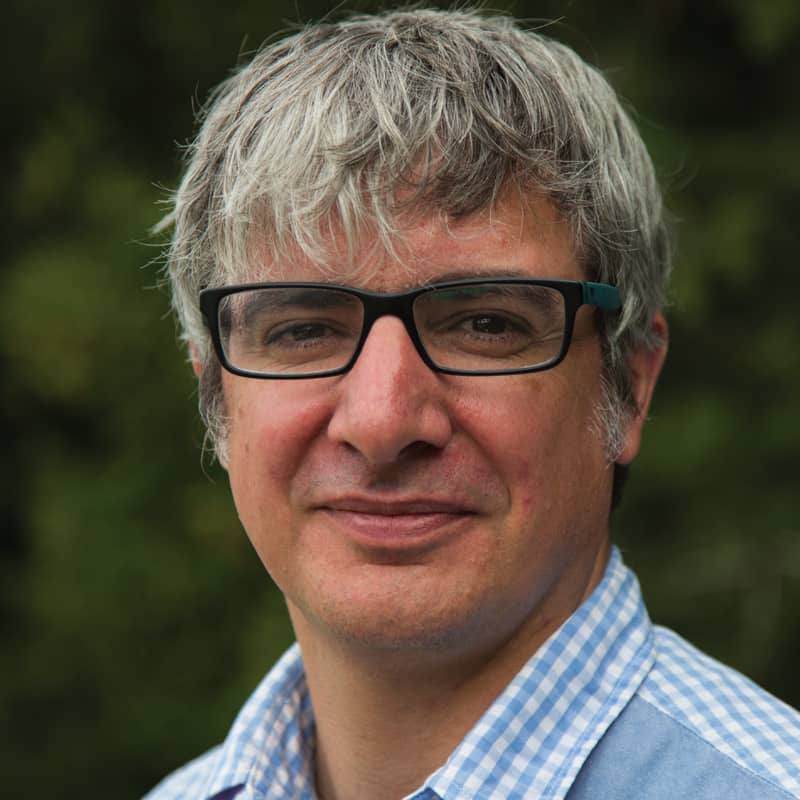
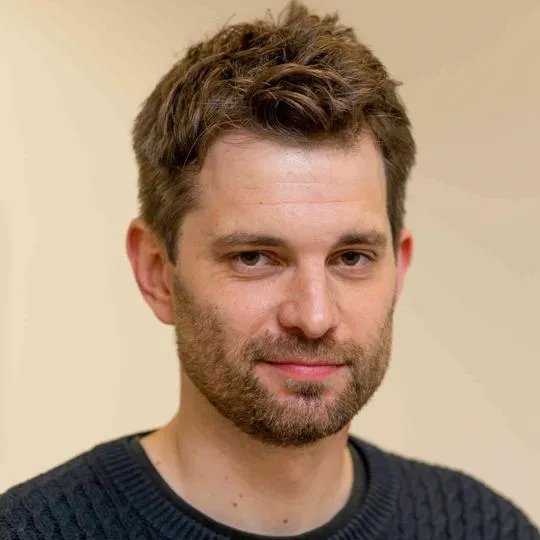
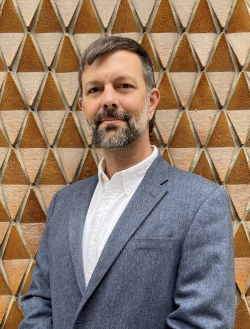
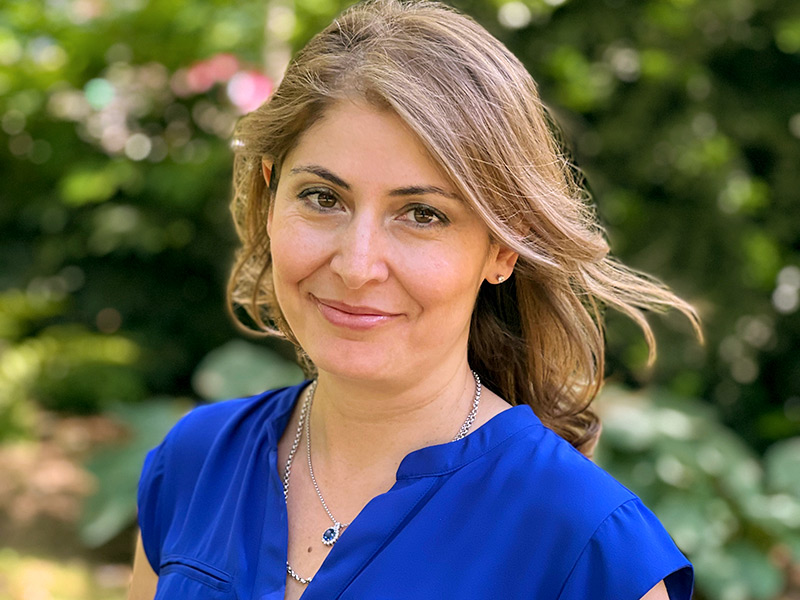
Gabrielle Hodge is a Senior Lecturer in Sign Language Linguistics at the University of Edinburgh's School of Philosophy, Psychology and Language Sciences. A deaf researcher, she specializes in sociolinguistics related to deaf communities, sign languages, and multimodal communication. Her work incorporates corpus linguistics, applied linguistics, and semiotics methodologies. Education: PhD in Linguistics (Macquarie University, 2014), BA (Hons) in Linguistics (La Trobe University, 2008). Teaching includes undergraduate and postgraduate courses in sign language linguistics and sociolinguistics. She chairs the University BSL Plan Implementation Group (2024-2030) and actively supervises PhD and MSc students in deaf community research. Research focuses on accessibility, sign language corpus methods, and inclusive language theory. Notable projects include the Accessibility & Inclusion Toolkit for deaf Australians and Signing to Know & Survive , exploring deaf communication resilience. She develops training for educators and interpreters, emphasizing direct access without relay systems. Key contributions include advancing corpus-driven sign language research, analyzing deaf professionals' trust in interpreters, and creating climate change resilience resources in Auslan. Her work challenges traditional linguistic frameworks to better incorporate deaf perspectives and embodied communication practices.
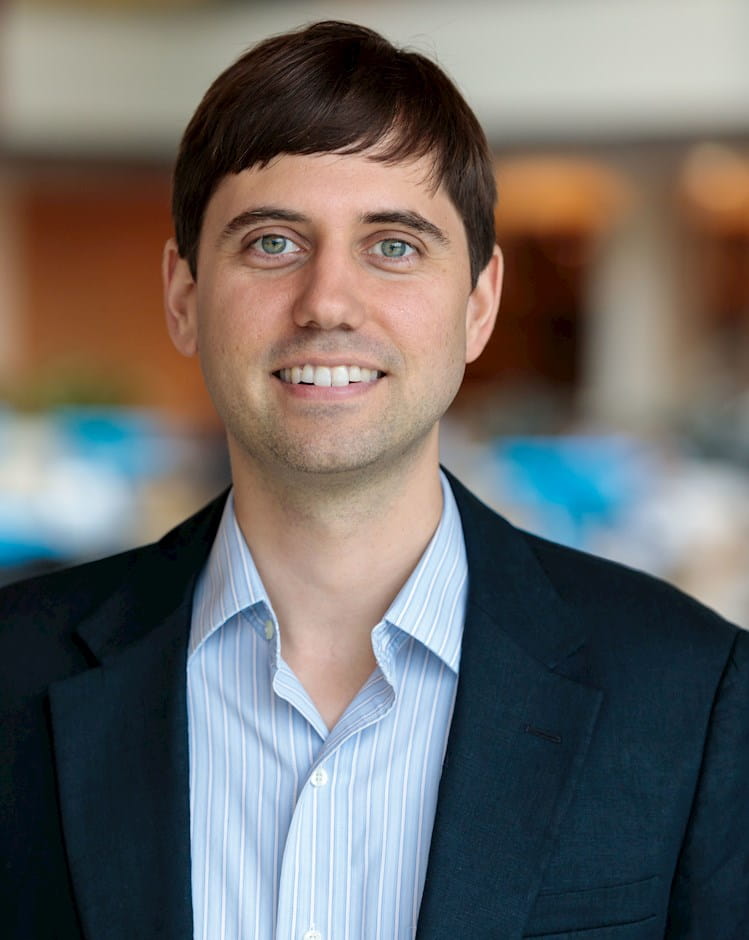
Simon Mak is an Assistant Professor of Statistical Science at Duke University and a Faculty Network Member of the Duke Institute for Brain Sciences. His educational background includes: Ph.D. in Statistics, Georgia Institute of Technology (2018) M.S. in Statistics, Georgia Institute of Technology (2018) B.S. in Statistics, Simon Fraser University (2013) Dr. Mak's research focuses on advanced statistical methodologies for complex scientific problems. His expertise spans statistical modeling , Bayesian inference , Gaussian process emulation , and uncertainty quantification . He applies these methods to nuclear physics (heavy-ion collisions), engineering (engine control systems), and music information retrieval, emphasizing scalability and interpretability in scientific computing. Analysis of his 2023-2025 publications reveals dominant trends in scalable Gaussian process methods for massive datasets and multi-fidelity simulations, particularly applied to high-energy physics and engineering systems. He has pioneered innovations in Bayesian optimization for expensive simulators and developed novel frameworks for online change-point detection in streaming data, demonstrating exceptional cross-disciplinary impact. Dr. Mak leads multiple significant research initiatives: Collaborative Research: Cost-Efficient and Confident Sampling for Modern Scientific Discovery (2023-2026) Science-Integrated Predictive modeLing (SCINPL) for scalable scientific computing (2022-2025) The X-SCAPE collaboration for statistically advanced nuclear collision modeling (2020-2025) These projects fund his development of statistical frameworks for scientific discovery in complex systems. He actively contributes to the JETSCAPE collaboration, developing multi-stage frameworks for studying jet quenching in heavy-ion collisions, and applies statistical methods through the Duke Institute for Brain Sciences to advance neuroscience research.
Professor Vasyl Stepanovych Kravtsiv is a distinguished academic and researcher at the Institute of Regional Studies named after M. I. Dolishnyi, part of the National Academy of Sciences of Ukraine. He serves as both the Director of the Institute (from 2014 to July 2025) and Head of the Department of Regional Environmental Policy and Nature Management. With a career spanning over four decades in regional studies, environmental policy, and economic development, Professor Kravtsiv has established himself as a leading expert in regional economics and environmental management in Ukraine. Professor Kravtsiv's educational background includes a degree in Geography from Ivan Franko Lviv State University (1980). His academic achievements include becoming a Candidate of Economic Sciences (1987), Senior Researcher (1994), Doctor of Economic Sciences (2007), and Professor (2010). He has also been honored as a 'Honored Worker of Science and Technology of Ukraine' for his significant contributions to the field. His scholarly work examines the theoretical and practical aspects of regional environmental policy formation, particularly during Ukraine's transition to a market economy. Professor Kravtsiv's research primarily focuses on regional economics, environmental policy, spatial development, and cross-border cooperation. His work examines the intersection of economic development and environmental sustainability, with particular emphasis on the Carpathian region of Ukraine. He pioneered economic methods of environmental quality management in Ukraine, which now operate as pollution fees. Professor Kravtsiv has developed numerous regional environmental safety programs approved by Western Ukrainian authorities and contributed significantly to Ukraine's State Regional Policy Concept. His recent publications address contemporary challenges including the impact of the war and pandemic on tourism, spatial economic development amid European integration, and sustainable growth in decentralization contexts. His scholarly contributions include over 100 scientific works, with 18 monographs exploring regional development, environmental policy, and cross-border cooperation. Professor Kravtsiv's work demonstrates consistent evolution from theoretical foundations to practical policy implementation, with recent publications showing adaptation to Ukraine's wartime conditions and European integration requirements. Honored Worker of Science and Technology of Ukraine Editor-in-chief of the journal 'Regional Economy' Editor-in-chief of the collection 'Socio-economic problems of the modern period of Ukraine' Author of over 100 scientific works including 18 monographs Key contributor to Ukraine's environmental policy framework As Director of the Institute of Regional Studies, Professor Kravtsiv oversees extensive research activities, coordinates international collaborations through Erasmus+ and Visegrad Fund programs, and guides scholarly publication efforts. His leadership has positioned the Institute as a key contributor to Ukraine's regional development policies and environmental management strategies. He actively participates in developing Ukraine's adaptation to European standards and contributes to reconstruction planning amid wartime conditions, demonstrating both academic rigor and practical policy relevance.
Hisham Zerriffi is an Associate Professor at the University of British Columbia (UBC) in the Department of Forest Resources Management, Faculty of Forestry. He also serves as Associate Dean for Equity, Diversity, and Inclusion. His research intersects technology, energy, and the environment, focusing on rural areas in the Global South. Affiliation: BioProducts Institute Affiliation: Clean Energy Research Centre Affiliation: Institute for Resources, Environment and Sustainability His research examines institutional factors in technology diffusion, household energy choices, and welfare impacts of energy use. Current projects include analyzing forest density's ecological impact, clean cooking transitions in India, and decentralized energy systems. Recent publications address just transitions, biomass energy economics, and policy misalignments in Indigenous communities. He has authored works on climate change mitigation via forest carbon credits and rural electrification strategies. Scientific Award: Ivan Head South/North Research Chair As a PhD supervisor, he has guided Natalie Payer on urban energy poverty in the U.S. He collaborates on interdisciplinary grants and leads the Energy Resources, Development and Environment Lab (ERDELab).
Dr. Araz Taeihagh is an Assistant Professor at the Lee Kuan Yew School of Public Policy, National University of Singapore (NUS), where he also serves as Principal Investigator at the Centre for Trusted Internet and Community (CTIC) and NUS Cities. He previously chaired the PhD Programme in Public Policy (2020-2023). Taeihagh holds a DPhil from the University of Oxford and has over two decades of consulting experience in energy, environment, transportation, and technology domains. His research focuses on policy design and governance of emerging technologies , with expertise spanning autonomous systems, AI governance, sharing economies, and smart cities. Key research areas include: Decision support systems and complexity approaches to public policy Infrastructure and sustainable development (energy/environment/transport) Socio-technical systems and technology governance Recent publications demonstrate strong focus on AI governance frameworks , autonomous systems regulation , and smart city development , particularly examining policy innovation in Singapore and comparative Asian contexts. Research frequently addresses tensions between technological innovation and regulatory oversight. Major recognitions include: Ranked Top 2% Scientist worldwide for energy (2023) and citation impact (2020-2022) Best Paper Award from Transport Reviews (2020) Research Excellence Awards (2019-2022) Faculty Research Fellowships from LKYSPP and NUS Humanities & Social Sciences He serves on editorial boards of Technological Forecasting and Social Change , Policy and Society , and other leading journals, and co-chairs scientific committees for AI Singapore's governance initiatives.
Dr. Philip Kirby is a Senior Lecturer in the History of Education at King’s College London’s School of Education, Communication & Society. He joined in 2020 after roles at the University of Oxford, the Sutton Trust, and the University of Exeter. His research focuses on the historical and social dimensions of specific learning difficulties like dyslexia and dyspraxia, alongside children’s culture and education policy. His notable work includes Dyslexia: A History (2022, co-authored with Prof. Margaret J. Snowling) and entries in encyclopedias like Palgrave Encyclopedia of Disability . He also explores geopolitical themes in media, including film scores and video games. Recent projects include Delphi studies on dyslexia assessment and policy reform. His research spans education policy, private tuition dynamics, and the intersection of popular culture with disability ethics. He actively contributes to interdisciplinary initiatives like the Centre for Public Policy Research, addressing social justice in education and policy.
Professor Luke Prendergast is the Deputy Dean of the School of Computing, Engineering & Mathematical Sciences (SCEMS) at La Trobe University (LTU) and holds a Professorship in the Department of Mathematics and Statistics. He previously served as Head of Department (2014–2020) and led LTU's Statistics Consulting Platform. His research focuses on robust statistics, meta-analysis, dimension reduction, and applied statistics, leading the DRAMA research group. Collaborations span fields like endocrinology, disability studies, and respiratory health. He actively contributes to research grants, including projects on Prader-Willi syndrome and exercise for disability populations. Professor Prendergast's recent work emphasizes statistical software development (e.g., the rquest package) and applications in biostatistics, such as metabolomics analysis and health intervention fidelity. His articles address topics like quantile-based hypothesis testing, geospatial accessibility for disability care, and motivational interviewing efficacy. Professional roles include NHMRC grant review panels, editorial boards for Nutrients and Respirology , and leadership in the Statistical Society of Australia (SSA Vic). His teaching includes courses in meta-analysis, linear models, and data-based critical thinking. Grants funded projects on exercise programs for cerebral palsy populations and community-university partnerships for disability inclusion. Luke's work bridges statistical theory with real-world health challenges, emphasizing robust methodologies and interdisciplinary collaboration.
Paavo Monkkonen is a Professor of Urban Planning and Public Policy at the UCLA Luskin School of Public Affairs. His research focuses on how policies and markets shape urbanization, housing affordability, and social segregation globally, with notable work in Latin America, Asia, and the U.S. He holds a Ph.D. in City and Regional Planning from UC Berkeley and an M.P.P. from UCLA Luskin. Monkkonen has been a visiting scholar at institutions including the Universidad Nacional Autónoma de México and Sciences Po Paris, and a Fellow at the Paris Institute of Advanced Studies (2024–2025). His research explores land use regulations, housing finance, and urban equity. Recent projects include studies on California’s fair housing laws and France’s social housing systems. Monkkonen teaches courses on housing policy, land value capture, and urban segregation. He founded the Latin American Cities Initiative (Ciudades) to foster academic and professional networks across the Americas. Monkkonen’s work has been supported by grants from the Robert Wood Johnson Foundation, MacArthur Foundation, and Lincoln Institute of Land Policy. His publications appear in journals like the Journal of the American Planning Association and Urban Studies , addressing topics such as zoning effects on segregation, housing development politics, and cross-national urban policy comparisons. He has advised on urban planning initiatives and contributed to policy debates on housing affordability, zoning reform, and equitable urban growth. His current research focuses on implementing fair housing laws in California and analyzing urban form’s environmental impacts.
Barbara A. Knuth is a Professor Emerita at Cornell University's College of Agriculture and Life Sciences, Department of Natural Resources and the Environment. She previously served as Dean of Cornell's Graduate School (over 10 years), Vice Provost/Senior Vice Provost (8 years), and Senior Associate Dean in CALS (3 years). Her academic career began with a PhD in Fisheries and Wildlife Sciences from Virginia Tech (1987), making her the first woman in tenure-track faculty at Cornell's Department of Natural Resources. Education: Ph.D., Fisheries and Wildlife Sciences (Virginia Tech) M.En., Environmental Science (Miami University) B. Phil. & A.B., Zoology/Environmental Studies (Miami University, Phi Beta Kappa) Research Interests: Focuses on ecosystem-based management in Great Lakes/marine systems, risk communication around chemical contaminants in fish, and environmental stewardship. Also studies equity/inclusion in graduate education. Key themes include: Social science integration in natural resource policy Health benefits/risk trade-offs in fish consumption Community-based conservation strategies Outreach: Advises state/tribal agencies on fishery management and public health. Led initiatives improving graduate education through professional development, mental health support, and faculty mentoring programs. Awards: Debra W. Stewart Award (2019) Fellow, American Fisheries Society (2015-) Council of Graduate Schools Recognition Multiple teaching/research awards (1999-2006) Grants & Funding: Supported by NSF, Sea Grant, EPA, Sloan Foundation, and others for projects on Great Lakes management, educational equity, and contaminant risk communication. Labs/Teams: Affiliated with Cornell's Center for Conservation Social Sciences. Collaborated with Ecologists Without Borders, Great Lakes Fishery Commission, and National Academies Ocean Studies Board.
Gulsah Akar is a Professor and Chair of the School of City & Regional Planning at Georgia Institute of Technology. She specializes in sustainable urban mobility, focusing on built environment-travel connections, equity, and new mobility technologies. Her research has been supported by grants from the Ohio Department of Transportation (ODOT) and the National Science Foundation (NSF). Prior to Georgia Tech, she held a professorship at The Ohio State University (OSU), where she led the PhD Program in City and Regional Planning from 2015–2021 and served as Research Program Lead at OSU’s Sustainability Institute (2019–2021). Her research interests include transportation equity, multimodal travel behavior, and smart city technologies. She co-authored over 35 peer-reviewed articles in top-tier journals, with recent work examining pandemic impacts on urban resilience, autonomous vehicle adoption, and aging populations’ travel patterns. Akar holds editorial roles, including former Editor of the Journal of Planning Literature (2015–2021), and actively contributes to Transportation Research Board committees. Educated at Middle East Technical University (B.Sc. and M.Sc.) and the University of Maryland (Ph.D.), her academic career bridges transportation engineering and urban planning. Key research trends in her publications focus on: 1) built environment interactions with travel behavior, 2) equity in mobility access, and 3) innovation in transportation systems. Her articles consistently analyze data from major U.S. cities like Columbus, Seattle, and New York.
Richard Hornbeck is the V. Duane Rath Professor of Economics at the University of Chicago Booth School of Business. He is an economic historian and applied-micro economist whose research focuses on the historical development of the American economy, examining why some places and people have become wealthier while others have remained poorer. Hornbeck is a research associate at the National Bureau of Economic Research, affiliated with programs on the Development of the American Economy, Development Economics, and Environmental and Energy Economics. Hornbeck's research spans multiple critical areas of economic history, with particular emphasis on slavery and emancipation economics, environmental history (especially the Dust Bowl migration), gender dynamics in 19th-century manufacturing, railroad development, and agricultural economics related to the Ogallala Aquifer. His work frequently utilizes newly digitized historical data to provide fresh insights into longstanding economic questions, connecting historical events to contemporary economic issues of wealth distribution and regional disparities. His publication record shows strong trends in American economic development research, with recent work focusing on the economic impacts of emancipation, historical manufacturing patterns by gender, and urban economic development. Many of his papers have been published as lead articles in top journals including the Journal of Political Economy, American Economic Review, and Review of Economics and Statistics. Hornbeck has received several prestigious honors including the Alfred P. Sloan Fellowship in 2014 and selection for the 2009 Review of Economic Studies Tour. His NBER affiliations demonstrate his standing in multiple subfields of economics research. Prior to joining Chicago Booth in 2015, Hornbeck was the Dunwalke Associate Professor of American History in the Economics Department at Harvard University. He received his PhD in economics from MIT in 2009 and a bachelor's degree in economics from the University of Chicago in 2004. His teaching includes courses on applied microeconomics in economic history and business in historical perspective, with course schedules extending through 2026.
Nick Haddad is a Professor of Integrative Biology at Michigan State University and serves as the Director of the Long-Term Ecological Research (LTER) site at Kellogg Biological Station. His research focuses on ecological experimentation, particularly examining how habitat loss and fragmentation impact biodiversity and ecosystem functioning. He specializes in reversing these negative effects through landscape connectivity strategies and diversified working landscapes, with a strong emphasis on insect conservation, including critically endangered butterfly species. Role: Professor, Integrative Biology Directorship: KBS LTER Site Location: 322 Kellogg Biological Station Email: haddadn3@msu.edu Haddad's research spans habitat fragmentation, biodiversity conservation, climate change impacts, and agricultural sustainability. His lab conducts large-scale experiments like the Corridor Project and studies rare butterflies (e.g., St. Francis’ satyr, Miami blue) to understand extinction risks and recovery strategies. Recent work explores pesticide effects, prairie restoration, and long-term ecological trends. The 15 most recent publications highlight habitat fragmentation's ecological impacts, climate-driven phenological shifts, and innovative conservation approaches. Key themes include biodiversity monitoring, pesticide-driven declines, prairie restoration for pollinators, and climate adaptation strategies. His work leverages long-term datasets (e.g., 40-year LTER) and integrates theory with applied conservation. Lab activities include mentoring undergraduate and graduate students at KBS, leading the Haddad Lab, and collaborating on projects like the KBS-LTER and SRS Corridor initiatives. Research spans both terrestrial and agroecosystems, emphasizing actionable solutions for conservation and sustainable land use.
Prof. Dr. Andreas Zick is a leading scholar at Bielefeld University, serving as Scientific Director of the Institute for Interdisciplinary Conflict and Violence Research (IKG) and Professor for Socialization and Conflict Research at the Faculty of Education. He also co-leads the ConflictA initiative since 2023 and contributes to migration education through the Faculty of Education. 2008: Professor for Socialization and Conflict Research, Bielefeld University 2013: Director of IKG 2023: Scientific Head of ConflictA His research focuses on intergroup conflicts , group-based antipathy , right-wing extremism , radicalization , and socialization processes . He investigates spatial dimensions of radicalization, societal integration challenges, and prejudice dynamics through comparative studies. Recent publications analyze radicalization spaces (2024-2025) using spatial sociology, democratic conflict perceptions (2025), and cross-cultural prosocial behavior during pandemics. Key methods include ethnography, longitudinal surveys, and multi-perspective comparative analysis. Scientific contributions recognized by: Communicator Award (2016) Nevitt Sanford Lifetime Award (2022) Active in public policy as member of the Federal Agency for Civic Education's advisory board and Federal Commissioner's Antiracism Expert Council. Leads major projects on radicalization prevention and spatial conflict dynamics with national/international partners.
Professor Emma Rich is affiliated with the University of Bath as a Professor of Physical Activity and Health Pedagogy and Director of the SPHERE Research Centre (Centre for Sport, Physical Activity and Health Equality). Her work bridges sociology and education , focusing on intersections between digital health technologies , body politics , and health inequities in educational and sport contexts. University: University of Bath Role: Professor & Research Centre Director Research Interests : Emma’s expertise spans critical pedagogy , digital health studies , obesity policy critique , and gendered body narratives . She pioneers feminist new materialist approaches to analyze how digital platforms shape health identities and practices among youth. Recent Publications examine digital health’s impact on body dissatisfaction , teacher mind maps , and spatial dynamics in digitized health education. These works emphasize datafication and quantified self trends in adolescent health behaviors. Awards & Recognition : Elected Fellow of the Academy of Social Sciences (2022) Nominated for FSHI Book Prize (2024) Bristol Bath Healthcare Research Impact Award (2019) Leadership & Collaborations : She leads international projects like the Wellcome Trust-funded Digital Health Generation and DigiHealthPE (UNA Europa), collaborating with institutions across the UK, Australia, and New Zealand. Her work integrates UN Sustainable Development Goals , particularly those addressing health equity and digital inclusion .
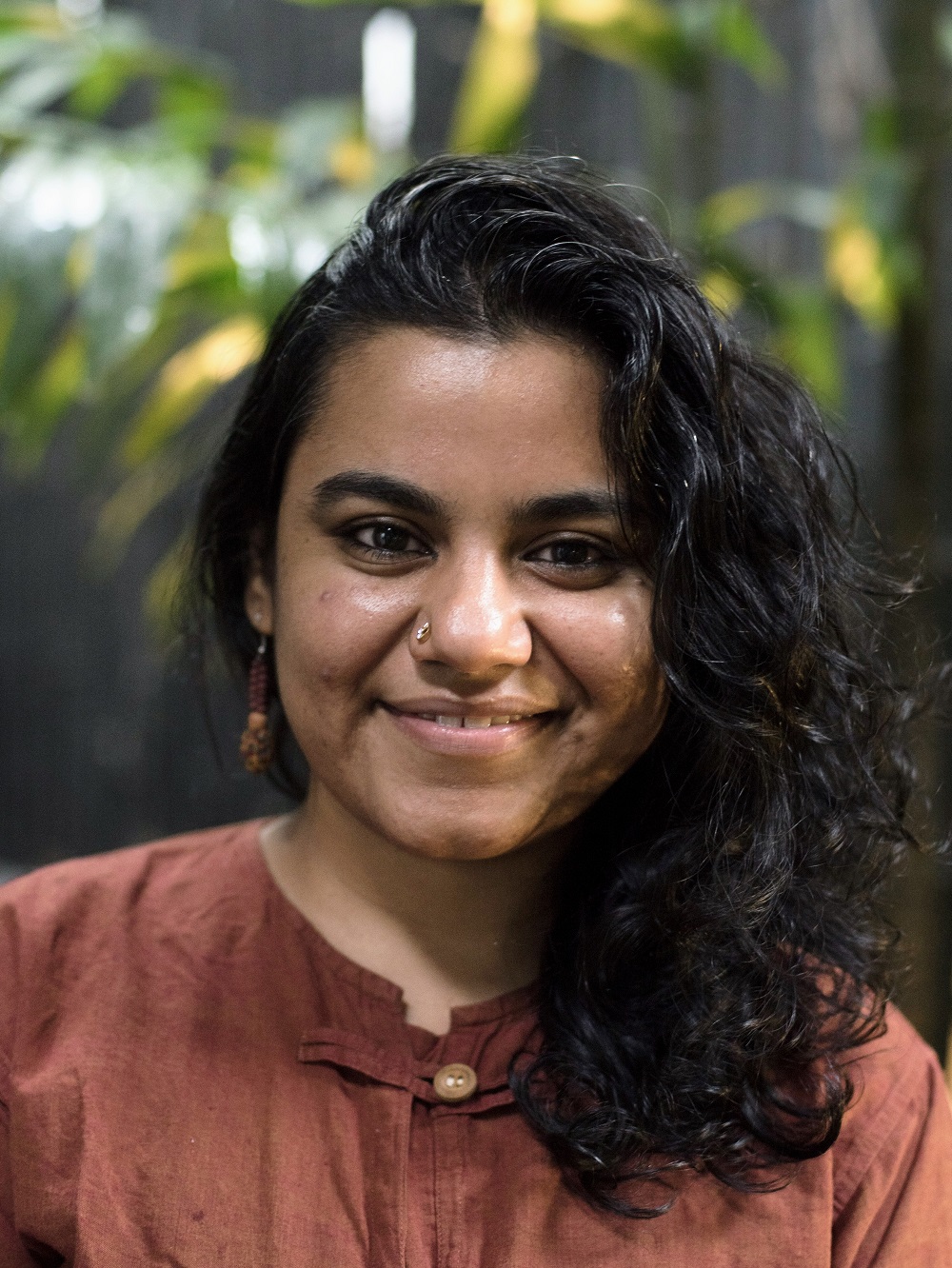
Priti Narayan is an Assistant Professor in the Department of Geography at the University of British Columbia (UBC), Faculty of Arts. Her research and teaching focus on urban processes and politics in India, with an emphasis on state-society relations, feminist methodologies, and public scholarship. Prior to joining UBC, she was a postdoctoral fellow at Princeton University’s Mellon Initiative in Architecture, Urbanism, and the Humanities. PhD in Geography, Rutgers University (2019) Narayan’s research explores how marginalized communities in Chennai, India, negotiate slum evictions through collective action. She collaborates with the Pennurimai Iyakkam (“Women’s Rights Movement”) to document working-class activists’ lived experiences and theorize their contributions to urban studies. Her work bridges academic and activist knowledge, advocating for interdisciplinary approaches to environmental justice and labor rights. Recent projects examine urban development in Tamil Nadu, labor codes, and occupational health for construction workers. Her academic publications span journals like Gender, Place & Culture , Urban Studies , and Environment and Planning D: Society and Space , often co-authored with local activists. She emphasizes ethnography, archival analysis, and collaborative methods. Scientific Awards : SSHRC Insight Development Grant (2023) UBC PRE Fund Award (2023) CIHR Operating Grant (Co-PI, 2021-23) Hampton New Faculty Research Grant Narayan supervises graduate students in Geography and Interdisciplinary Studies, including Varun Panickar and Paroma Wagle (postdoctoral). She currently does not accept new supervisees. Her courses at UBC include topics like urban environmental politics and climate change.