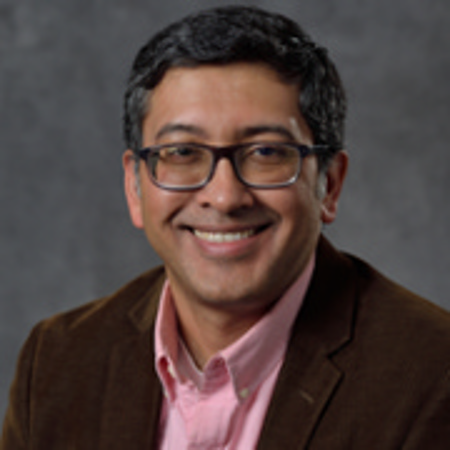
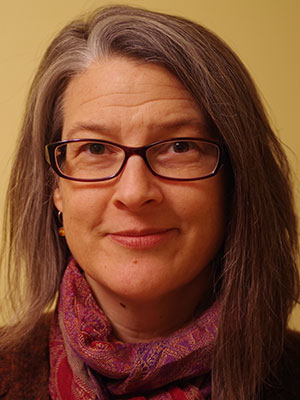
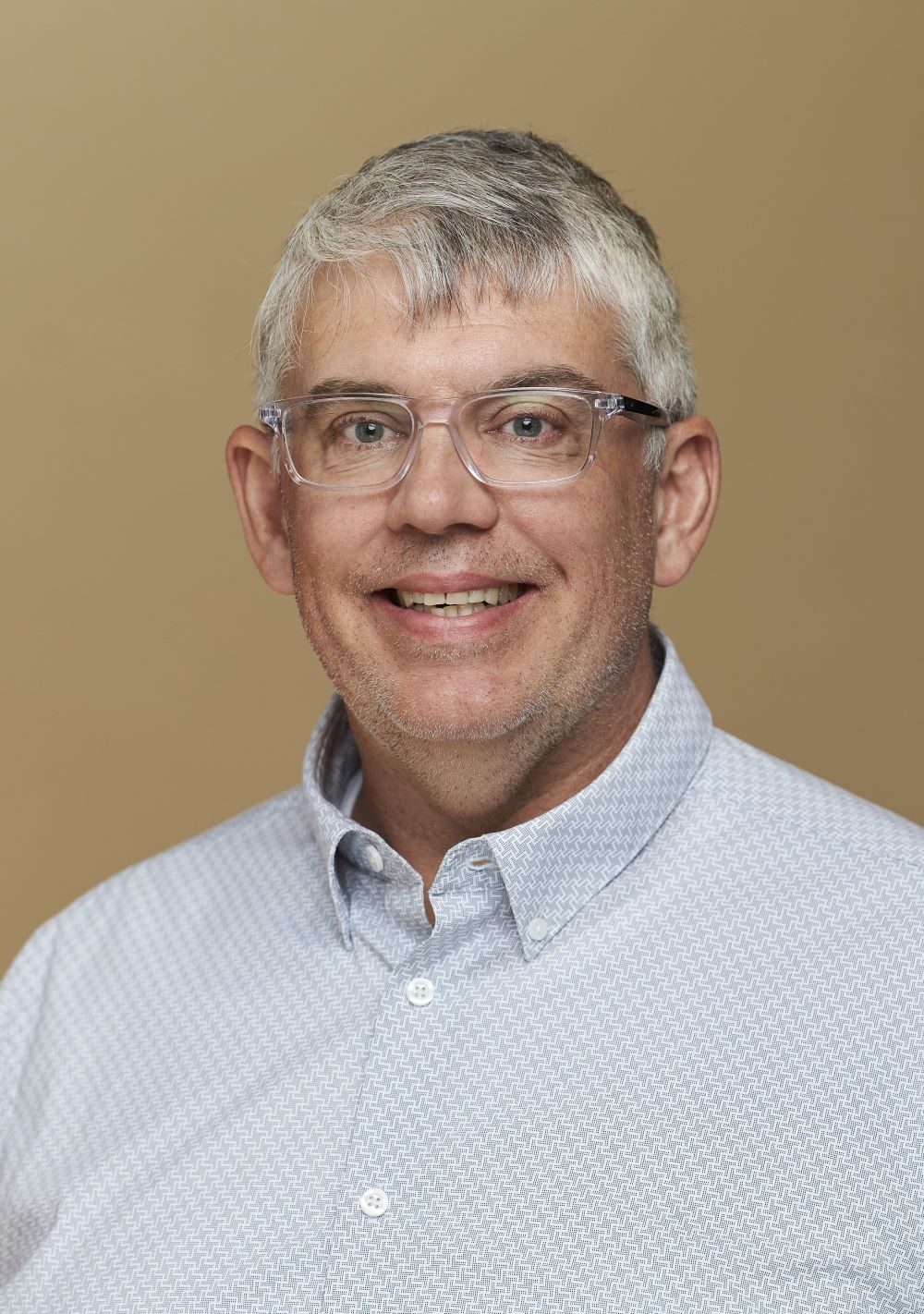
Joel Zylberberg is an Adjunct Assistant Professor at the University of California, Los Angeles (UCLA), affiliated with the Department of Ophthalmology within the School of Medicine . His research bridges Computational Neuroscience , Neural Networks , and Machine Learning , focusing on how neural activity and biological mechanisms inform artificial intelligence and visual cortex dynamics . Joel's work explores retinal computation , population coding , and neural adaptation , often analyzing mouse visual cortex and neurophysiological data . His recent publications highlight trends in dynamic retinal processes , stimulus-driven network topology , and brain-inspired machine learning , emphasizing the interplay between biophysics and computational modeling . Collaborators include Greg Field (UCLA), Richard Born (Harvard), and Michael DeWeese (UC Berkeley), with affiliations spanning institutions like University of Washington and University of California, San Diego (UCSD). His work appears in journals such as Nature Neuroscience , Neuron , and PLOS Computational Biology .
Ghassan Moussawi is an Associate Professor at the University of Illinois at Urbana-Champaign holding joint appointments across multiple departments. He serves as Director of Graduate Studies in Sociology while maintaining active roles in Gender and Women's Studies, Anthropology, Unit for Criticism and Interpretive Theory, and the Center for South Asian and Middle Eastern Studies. His interdisciplinary scholarship bridges critical social theory with empirical research on marginalized communities. Education: Ph.D., Rutgers University Moussawi's research program centers on transnational gender and sexualities, empire and coloniality, race and racism, queer of color critique, affect theory, and urban studies. His work critically examines how power structures intersect to shape lived experiences, with particular attention to marginalized communities and liberation movements. His theoretical contributions connect postcolonial studies with contemporary social justice frameworks, developing innovative approaches to understanding complex social phenomena through multi-scalar lenses. His recent publications demonstrate a consistent trajectory examining the intersections of race, gender, sexuality, and empire across multiple geographic contexts. Moussawi's scholarship often employs decolonial frameworks that challenge dominant narratives while centering marginalized perspectives. His work spans book-length projects, journal articles, and handbook chapters that collectively advance understanding of power dynamics in contemporary society. Scientific Awards: Social Problems Theory Division's Outstanding Article Award, Society for the Study of Social Problems, 2025 Conrad Humanities Scholar, University of Illinois (2024-29) Sociologists for Women in Society (SWS) Distinguished Feminist Lecturer Award, 2024 Helen Corley Petit Scholar, College of Liberal Arts and Sciences, University of Illinois, 2022-23 Sociology of Sexualities' Early Career Award, American Sociological Association, 2022 National Women's Studies Association's Gloria E. Anzaldúa Book Prize, 2021 Moussawi has received significant recognition for both his research and teaching excellence. His Multiracial Democracy Grant from the University of Illinois (2018) supported important work at the intersection of race and democracy. He has been repeatedly honored as an outstanding teacher, receiving multiple Teachers Ranked as Excellent and Outstanding awards across various semesters. His students benefit from his expertise in courses such as GWS 201: Race, Gender, Power; SOC 396: Sexuality and Society; and SOC 596/GWS 590: Power, Coloniality, Empire, where he integrates cutting-edge research with critical pedagogy. Moussawi maintains an active scholarly presence through his involvement with the Illinois Global Institute's Center for Global Studies and various research clusters within the university. His work connects with broader intellectual communities through his publications in leading journals, participation in interdisciplinary research initiatives, and engagement with multiple academic associations focused on social justice, gender studies, and critical race scholarship.
Clément Mallet is a Senior Researcher and Director of the LASTIG laboratory at Université Gustave Eiffel, IGN, and École Nationale des Sciences Géographiques (ENSG) in Champs-sur-Marne, France. He leads research in geospatial computer vision, focusing on the intersection of remote sensing, computer vision, and machine learning. His responsibilities include overseeing 75 laboratory members and directing the STRUDEL research team focused on spatio-temporal information modeling. Education: Habilitation (HDR) in Geographical Information Science, Université Paris-Est (2016) PhD in Image and Signal Processing, Télécom ParisTech (2010) Engineering Degree in Geographical Information Science, ENSG (2005) Master's in Remote Sensing, Université Paris 6 (2005) Research Interests: Dr. Mallet specializes in multi-modal land-cover mapping, change detection, geohistorical image analysis, and airborne lidar processing. His work integrates deep learning with geospatial data analysis to solve complex problems in environmental monitoring, urban studies, and historical geography. Current research explores foundation models for earth observation and semantic change detection using hybrid data generation techniques. Publication Trends: Mallet's recent articles (2021-2025) demonstrate strong focus on deep learning applications for geospatial challenges: 40% address land-cover mapping innovations, 30% develop novel change detection methodologies, 20% advance lidar data processing, and 10% explore historical map analysis. His work consistently bridges computer vision theory with operational remote sensing applications. Awards and Recognition: Schwidefsky Medal from ISPRS (2016) 5x Outstanding Reviewer awards (CVPR/ECCV/ICCV 2017-2024) Best Paper Awards at GEOBIA 2016 and ISPRS 2014 Young Researcher Award from GDR ISIS (2010) EuroSDR Best PhD Thesis supervision (2020) Research Leadership: Directs multiple national and international projects including MAESTRIA (ANR-funded multi-modal EO analysis) and HIATUS (historical image analysis). Supervised 14+ PhD students in geospatial AI topics. Secured funding from ANR, CNES, EU H2020 (VOLTA, LandSense), and industrial partners. Leads the STRUDEL team developing cutting-edge methods for territory dynamics analysis. Professional Service: Editor-in-Chief of ISPRS Journal of Photogrammetry and Remote Sensing (2021-present). Organized major conferences including ISPRS Congress (2020-2022 Program Chair) and JURSE events. Active in ISPRS working groups since 2008, currently leading initiatives in large-scale machine learning applications for geospatial data.
Maria Monica Wihardja serves as a Visiting Fellow and Co-coordinator of the Media, Technology and Society Programme at ISEAS–Yusof Ishak Institute while holding an Adjunct Assistant Professor position at the National University of Singapore. Her career bridges academic research and high-impact policy engagement, including former roles as World Bank Economist in the Poverty and Equity Global Practice and senior advisor to Indonesia's Presidential Executive Office on strategic economic reforms. Her educational background features: PhD in Regional Science, Cornell University MPhil in Economics, Cambridge University BA in Applied Mathematics-Economics, Brown University Wihardja's research integrates economic analysis with sociotechnical systems, focusing on digital transformation's impact on labor markets, food security, and democratic processes. She examines how technological disruption creates both opportunities for inclusion and risks of inequality, particularly through studies of platform economies, electoral disinformation, and sustainable agro-food systems. Her methodology combines quantitative econometrics with policy-oriented field research, often leveraging large-scale datasets from government and private sector partnerships. Analysis of her recent publications reveals three dominant research trajectories: (1) Digital economy effects on labor market polarization and inclusion, (2) Food system resilience through agricultural modernization, and (3) Geopolitical dimensions of supply chain reconfiguration. These intersect with her policy engagement in ASEAN economic integration frameworks and Indonesia's G20 presidency initiatives. Her scientific recognition includes: Nikkei Asian Scholar 2023 award Wihardja actively shapes regional discourse through editorial roles at East Asia Forum and Center for Indonesian Policy Studies. Her grant-funded work frequently involves World Bank partnerships and Indonesian government collaborations, particularly on stunting prevention and food policy reforms. Current projects examine deepfake impacts on electoral integrity and sustainable financing mechanisms for green transitions. She leads the Media, Technology and Society Programme at ISEAS, coordinating interdisciplinary research on digital governance and Southeast Asian technology policy. The programme partners with regional think tanks, government agencies, and private sector stakeholders to develop evidence-based policy responses to technological disruption.
Mark S. Handcock is a Distinguished Professor in the Department of Statistics and Data Science at the University of California, Los Angeles (UCLA), where he leads research at the intersection of statistical methodology and applied problems in social sciences, epidemiology, and environmental science. His work bridges theoretical statistics with real-world challenges through innovative methodological development. His primary research interests encompass statistical models for social networks, network inference, methodology for hard-to-reach population surveys, spatial processes, demography, and environmetrics. Handcock has pioneered advances in exponential-family random graph models (ERGMs) and developed foundational R packages like ergm and tergm within the statnet suite, enabling sophisticated network analysis across disciplines. Analysis of his recent publications (2023-2025) reveals three dominant research thrusts: (1) Antarctic sea ice modeling using Bayesian reconstruction and temporal variability analysis, (2) epidemiological modeling of infectious disease transmission dynamics (particularly COVID-19), and (3) methodological innovations in network inference and causal analysis over stochastic networks. His work consistently integrates advanced computational statistics with domain-specific applications in climate science, public health, and social systems.
Scott L. Diamond is the Arthur E. Humphrey Professor of Chemical and Biomolecular Engineering and Bioengineering at the University of Pennsylvania's School of Engineering and Applied Sciences. He serves as Director of the Penn Center for Molecular Discovery, Director of the Penn Biotechnology Masters Program (one of the largest in the country with over 130 students), and Associate Director of the Institute for Medicine and Engineering (IME). His laboratory is located in the Roy and Diana Vagelos Laboratories at 3340 Smith Walk, 1020 Vagelos Research Laboratories, Philadelphia, PA. Diamond's research spans multiple interconnected fields in blood biology and biotechnology. His work focuses on mechanobiology, thrombolysis, coagulation, bioadhesion, gene therapy, drug/device development, proteomics, drug discovery, systems biology, and microfluidics. His laboratory has developed numerous specialized microfluidic devices for studying blood clotting under various flow conditions, including 8-channel devices for high-throughput clotting assays, side-view devices for clot structure analysis, stenosis devices for high shear clotting assays, and impingement-post devices for studying von Willebrand factor fibers. Diamond's research group has pioneered approaches to model and predict blood function using systems biology principles. His team has developed computational models that integrate reaction-transport phenomena with platelet signaling networks to predict thrombus formation under flow. These models have enabled the development of 'virtual blood' computer simulations that can predict the effectiveness of anticoagulation drugs for individual patients, contributing significantly to personalized medicine approaches in hemostasis and thrombosis. His extensive publication record demonstrates a consistent focus on understanding the fundamental mechanisms of blood clot formation and dissolution. Recent work has emphasized microfluidic approaches for point-of-care diagnostics, patient-specific modeling of platelet function, and the development of novel therapeutic strategies for thrombotic disorders. His research bridges engineering principles with clinical hematology to address significant challenges in cardiovascular medicine. NSF National Young Investigator Award NIH FIRST Award American Heart Association Established Investigator Award AIChE Allan P. Colburn Award George Heilmeier Excellence in Research Award Elected Fellow of the Biomedical Engineering Society (BMES) Diamond has secured significant research funding, including a $2.8 million NIH grant for 'Blood Systems Biology' and a $9.5 million NIH grant for the Penn Center for Molecular Discovery. His laboratory has developed numerous microfluidic devices for blood analysis and has collaborated extensively with clinicians and industry partners. Diamond has served on advisory committees for NSF, NIH, AHA, and NASA, and has consulted extensively for industry and government. With over 180 publications and patents, his work has significantly advanced the understanding of blood clotting mechanisms and the development of diagnostic and therapeutic approaches for thrombotic disorders.
Sudin Bhattacharya is an Associate Professor at the BioMolecular Science Gateway, Michigan State University, with affiliations in the Genetics & Genome Sciences Program and Cell & Molecular Biology Program. His research bridges computational biology and toxicology to understand complex biological systems. Email: sbhattac@msu.edu Research Interests Dr. Bhattacharya specializes in systems toxicology, focusing on computational modeling of gene regulatory networks, single-cell transcriptomics, and molecular dynamics in response to environmental toxicants. His work examines how chemical exposures disrupt cellular pathways and contribute to disease mechanisms. Article Trends His recent publications emphasize: Single-cell and single-nucleus RNA sequencing for toxicological profiling Computational models of circadian rhythms and intercellular communication Dose-dependent responses to environmental chemicals like TCDD and heavy metals Mechanistic studies of adipose tissue remodeling and hypertension Applications of machine learning in chemical risk assessment Integrative approaches to liver metabolism and disease modeling Scientific Contributions Dr. Bhattacharya has pioneered multiscale modeling of biological systems, particularly in hepatic and vascular contexts. His work on the aryl hydrocarbon receptor and PPARα signaling networks has advanced predictive toxicology frameworks.
Cécile Mailler is a Reader in Probability at the University of Bath, where she is a member of the probability group Prob-L@B. She has held significant research positions including an EPSRC postdoctoral fellowship (2018-2021) titled "Random trees: analysis and applications" and previously worked as a postdoc at Prob-L@B (2013-2016) as part of Peter Mörters' EPSRC project "Emergence of Condensation in Stochastic Networks". She earned her PhD under the supervision of Brigitte Chauvin and Danièle Gardy at the Laboratoire de Mathématiques de Versailles. Her research focuses on probability theory with emphasis on branching processes, random trees, reinforcement mechanisms, Pólya urns, stochastic approximation, random networks, and statistical physics. She has made significant contributions to understanding preferential attachment models, zero-range processes, and random Boolean trees. Her work bridges theoretical probability with applications in statistical physics and combinatorics. Analysis of her recent publications shows a strong focus on random tree structures, branching processes, and reinforcement learning algorithms, with applications spanning from network theory to statistical mechanics. Her research demonstrates sophisticated mathematical techniques applied to complex stochastic systems, particularly those with reinforcement mechanisms and memory effects. Associate Editor of the Applied Probability Trust (since October 2020) Associate Editor of Stochastic Processes and Their Applications (since March 2022) Author of a general introduction to Pólya urns for the LMS Newsletter (November 2020) Co-organizer of the "Random Walks: Applications and Interactions" conference at CIRM (January 2026) She actively supervises PhD students working on topics including the multi-city ants process, Pólya urns with growing initial composition, large deviations for the Monkey walk, and competing growth processes. She has secured research funding through EPSRC fellowships and has been involved in multiple collaborative projects with prominent researchers in probability theory. Mailler regularly teaches mini-courses on advanced probability topics at international summer schools and workshops, demonstrating her commitment to knowledge dissemination in the field.
Kristin Sziarto is an Associate Professor of Geography at the University of Wisconsin-Milwaukee (UWM), holding affiliations in Urban Studies and serving as Faculty Director of the L&S Curriculum and Governance. Her work bridges social movements, urban spatial politics, and biopolitical analysis. She holds a PhD in Geography from the University of Minnesota (2007), MA from the University of Georgia (2000), and BA in Theater from Williams College (1988). Education: PhD, Geography, University of Minnesota, 2007 MA, Geography, University of Georgia, 2000 BA, Theater, Williams College, 1988 Her research focuses on spatial dimensions of social movements, including health equity campaigns in Milwaukee, religion-labor alliances, and geographies of resistance. Current projects include the Muslim Milwaukee Project examining Islamic community dynamics. She also investigates pedagogical methods in geography education to foster critical spatial thinking. Her publications address infectious disease governance, anti-corporatization movements, stealth feminism in academia, and the intersection of race and biopolitics in public health initiatives. She teaches courses on world regions, cartography, and critical geographies of power.
Vernita Gordon is an Associate Professor in the Department of Physics at the University of Texas at Austin (since 2018), previously serving as an Assistant Professor there from 2010 to 2018. She holds a Ph.D. in Physics from Harvard University (2003) and a B.Sc. in Physics and Mathematics from Vanderbilt University (1997). Her research focuses on understanding how physical characteristics like mechanics and spatial structure influence bacterial biofilms, particularly their interactions with the immune system and resistance to antibiotics. She has pioneered techniques such as laser trapping to manipulate biofilm structures and studies radiation effects on bacteria like Deinococcus radiodurans . Education: Ph.D. in Physics, Harvard University (2003) B.Sc. in Physics and Mathematics, Vanderbilt University (1997) Research Interests: Dr. Gordon’s work integrates biophysics, microbiology, and materials science to explore biofilm mechanics, bacterial mechanosensing, and radiation biology. Key areas include: How biofilm mechanics resist immune clearance and antibiotic treatment Role of surface stiffness and shear stress in biofilm initiation Radiation resistance mechanisms in Deinococcus radiodurans Development of tools like laser trapping to study biofilm structure Key Achievements: Recipient of the Elizabeth B. Gleeson Professorship (2023) and Texas Mindset Initiative Fellowship (2023) Provost’s Teaching Fellow (2020–2024) and multiple teaching awards Funded by NSF, NIH, and Cystic Fibrosis Foundation Published over 60 peer-reviewed articles, including in Nature , PNAS , and Biophysical Journal Advising & Outreach: She mentors graduate students in Physics, Microbiology, and Biomedical Engineering, emphasizing interdisciplinary training. Her group actively recruits undergraduates and collaborates with industry partners like Solvay and the College of Pharmacy. Outreach includes lesson plans for high school STEM education and community science initiatives. Labs & Collaborations: Her lab uses advanced microscopy, microrheology, and computational modeling. Key collaborations include work with the Contreras Lab (UT Austin Chemical Engineering) on radiation-resistant bacteria and the Raizen Lab (UT Austin Physics) on self-sterilizing surfaces.
Prof. Stephen Mayhew is a Professor at Aston University's School of Life & Health Sciences, affiliated with the College of Health and Life Sciences. He leads the Cognition & Neuroscience Research Group (CNRG) and contributes to the Aston Research Centre for Health in Ageing. His research focuses on multimodal neuroimaging (EEG/fMRI/MRI/MEG) to study brain activity in health and cognition, particularly negative BOLD responses and their role in neural inhibition and behavior. Recent work includes investigating task-demand effects on BOLD responses, brain state dynamics during rest, and neurovascular coupling methods. Education & Affiliations: Affiliated with Aston University's School of Life & Health Sciences Member of CNRG and Health in Ageing Centre Research Interests: His work explores collaborative/antagonistic brain networks, lifespan changes in brain function, and the functional significance of negative BOLD responses. Techniques include fMRI, EEG, and advanced neuroimaging analysis methods like fractal dimension and laminar 7T MRI. Key Contributions: Published over 30 peer-reviewed articles on neuroimaging and brain networks Systematic reviews on neurovascular coupling and transcranial Doppler methods Labs & Teams: Active in CNRG and collaborates across disciplines in health sciences and bioengineering.
Laura Hengehold is a Professor of Philosophy at Case Western Reserve University, holding the endowed Beamer-Schneider Professorship in Ethics. Her research focuses on intersections of language, embodiment, and political conflict, drawing on 20th-century French philosophy (Foucault, Deleuze), feminist theory, and African-European political dialogue. She explores how knowledge systems shape women’s bodily experiences, emphasizing ethical and political implications. Key works include Simone de Beauvoir’s Philosophy of Individuation and The Body Problematic . She co-edited African Philosophy for the 21st Century and translated works by Seloua Luste Boulbina. Her scholarship bridges existentialism, post-structuralism, and transnational feminism. Research Interests: Feminist philosophy, continental philosophy, political theory, embodiment studies, decolonial thought. Awards: Beamer-Schneider Professorship in Ethics (2017–present). Teaching: Courses on social/political philosophy, feminist theory, African political thought, and Deleuze. Recent talks include engagements on Simone de Beauvoir’s ethics, African political thought, and Foucault’s influence. She collaborates with the Women and Gender Studies and World Literature Programs at CWRU.
Christopher Storie is a Professor of Geography at the University of Winnipeg, specializing in GIS, Remote Sensing, and Urban Geography. He holds an office in Lockhart Hall (5L03) and teaches courses such as Introduction to GIS, Remote Sensing, and Urbanization in the Developing World. His research focuses on Deep Learning applications for automated land use/land cover mapping, informal settlement mapping, and urban-rural fringe detection. Key research interests include leveraging neural networks for geospatial analysis, urban dynamics in regions like Mexico City, and collaborative international fieldwork. He has contributed to over 20 peer-reviewed articles since 2000, emphasizing satellite imagery analysis and environmental monitoring. His work bridges technical geospatial methods with socio-environmental challenges in urban and developing regions.
Keller Easterling is a Professor at the Yale School of Architecture and director of its Master of Environmental Design program. An architect, writer, and theorist, her work interrogates infrastructure space as a medium of political and social innovation. Key themes include global development , spatial justice , and climate resilience , with projects like ATTTNT (2023–2024), a reparations-focused land trust network, and Switch (2015), a mobility framework addressing urban sprawl. Books : Extrastatecraft (2014), Subtraction (2014), Medium Design (2021). Exhibitions : Featured in the Venice Biennale (2014), Architectural League (New York), and the Rotterdam Biennale . Research : Explores spatial products of capitalism , decolonial landholding , and non-extractive design . Engages with HBCUs and land activists to operationalize community economies and mutualist infrastructures . Select Articles : Contributions to Harvard Design Magazine , Domus , and e-flux , analyzing infrastructure as design and spatial counter-logics . Teaching & Collaborations : Leads design studios on medium design and infrastructural reprogramming . Collaborated with institutions like MIT , Guggenheim , and Prada , with recent talks at the European Graduate School (2025) and MoMA (2025).
Kevin Wood was an Associate Professor of Physics and Biophysics at the University of Michigan. He held a dual PhD in Theoretical Physics and Physical Chemistry from the University of California-San Diego (2007), followed by postdoctoral research in Systems Biology (2008-2013) and Chemistry (2007-2008) at Harvard University. His research focused on applying theoretical physics principles to study antibiotic resistance, microbial ecology, and cancer biology. Wood's work emphasized understanding population dynamics in bacterial colonies, drug resistance evolution, and optimizing treatment strategies through mathematical modeling. Education: B.S. Chemical Physics, Centre College (2001) M.S. Biology, University of California-San Diego (2003) Ph.D. Physics and Ph.D. Physical Chemistry, University of California-San Diego (2007) Postdoctoral Fellowships: Harvard University (2007-2013) Wood's research interests included spatial evolution of drug resistance, collateral sensitivity in bacteria, and critical phenomena in cancer cell populations. His lab developed novel frameworks for predicting antibiotic efficacy and designing treatment sequences to combat resistance. Despite his untimely passing, he left a legacy of impactful contributions to biophysics and mentorship of students. Advising and Grants: Wood mentored numerous students but specific grants were not detailed. His Wood Lab was located in the Randall Laboratory and Homer A. Neal Lab at the University of Michigan.