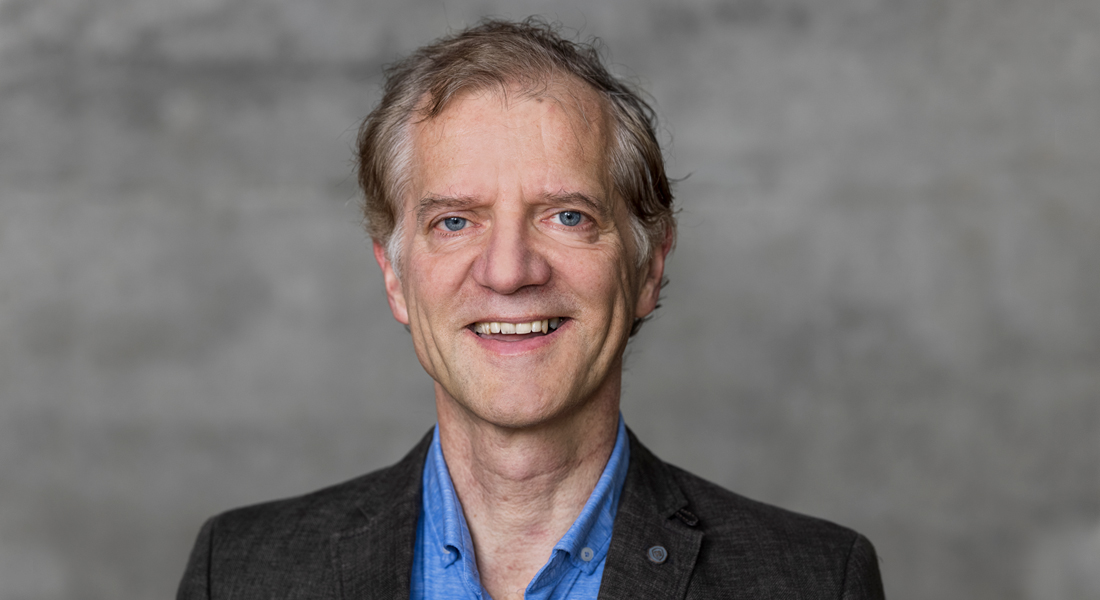
Prof. Dr. Alexander Stroh-Steckelberg is Professor of Political Science with a focus on African Politics & Development Policy at the University of Bayreuth since 2022. He serves as Deputy Head of the Bayreuth International Graduate School of African Studies (BIGSAS) until 2025 and has held prior roles as Junior Professor and Senior Fellow at BIGSAS (2015–2021). His academic career includes research associate positions at the GIGA German Institute of Global and Area Studies (2006–2015) and teaching roles at the Universities of Abomey-Calavi, Heidelberg, and Lüneburg. Stroh-Steckelberg’s research spans comparative democracy studies , judicial politics , electoral systems , political party dynamics , and development policy in Africa, with regional expertise in Francophone West Africa and Rwanda . His work emphasizes institutional diffusion, informal networks in courts, and the interplay between formal and informal governance structures. Recent publications reveal a focus on judicial appointment policies , electoral manipulation , and local governance challenges across Africa. He contributes to methodological advancements in comparative area studies and network analysis , particularly in non-Western democracies. Stroh-Steckelberg is actively involved in academic communities including the American Political Science Association , German Political Science Association , and Association for African Studies in Germany .
Prof. Dr. Thomas Brinkhoff is Chair of the Institute Board and Chair of Geoinformatics at Oldenburg University of Applied Sciences. He leads the Institute for Applied Photogrammetry and Geoinformatics (IAPG) and contributes to institutions like the Association for the Promotion of Geoinformatics in Northern Germany (GiN e.V.) and the Oldenburg Research and Development Institute for Computer Science (OFFIS e.V.). Education: Diploma in Computer Science (Informatik), Universität Bremen (1990) Doctorate in Computer Science (Dr. rer. nat.), Ludwig Maximilian University of Munich (1994) Brinkhoff's research spans geodatabase systems, spatiotemporal data processing, geosensor analytics, and location-based services. His work addresses Volunteered Geographic Information (VGI), web-based geospatial visualization, and mobile data integration, with applications in traffic management and forensic science. Recent projects include ProSaDi (Digital Provenance and Collection Research) and contributions to the Laboratory for optical 3D metrology . He has served on program committees for ACM SIGSPATIAL (2002-2019), AGILE conferences (2010-2025), and editorial boards of journals like GeoInformatica and TGIS. Notable Lectures: 2024: Forensic applications of tachograph data 2023: Geoinformatics in homicide investigations 2022: Spatiotemporal analysis for sustainability projects 2015: Open geodata standards at FOSSGIS 2014: Mobile sensor data processing
Prof. Dr. Eva Spies is a Professor for the Study of Religion with Focus on Africa at the University of Bayreuth within the Faculty of Humanities & Social Sciences . She holds a PhD in Cultural Anthropology from the University of Mainz and leads the Research Section Moralities in the Africa Multiple Cluster of Excellence (EXC 2052). Key Roles : Principal Investigator, Bayreuth International Graduate School of African Studies (BIGSAS) Vice Dean of Research Co-founder, German Association for the Study of Religion's Africa working group Research Interests span religious plurality, development cooperation, and transformative practices. She coined the concept of religious engineering to analyze how religious resources shape social/political worlds. Regional expertise in Niger/West Africa and Madagascar/Indian Ocean , with focus on: South-South mission Religion and pandemic response Intercultural hermeneutics Epistemological conflicts Material culture in development Projects : Africa Multiple Cluster of Excellence (2025): "Religious engineering. The making of moralities, development and religion in Niger" Humboldt Research Hub (2021): "Fighting pandemics with religion?" (with Moi University and University of Zimbabwe) Education : PhD in Cultural Anthropology, University of Mainz
Prof. Dr. Sebastian Conrad holds the Chair of Modern History at Freie Universität Berlin , specializing in Global History , (Post-)colonial History , and Intellectual History . He joined the faculty in 2010 after teaching at European University Institute in Florence and serving as visiting scholar at institutions including NYU Abu Dhabi and The New School, New York. Director of MA "Global History" (FU Berlin/Humboldt University joint program) Director of Graduate School "Global Intellectual History" Principal Investigator, Cluster of Excellence "Temporal Communities" (2024) Research Interests focus on transnational historical frameworks , globalization of historical narratives , and postcolonial historiography . His latest book Die Königin: Nofretetes globale Karriere (2024) analyzes cultural globalization through Nefertiti's iconography, while his current project explores global history of bodily aesthetics and identity formation since the 19th century. Recent Publications include: 2022: "Empire and Nationalism" (American Historical Review) 2021: "Globalizing the Beautiful Body" (Journal of World History) 2020: "Greek in Their Own Way" (American Historical Review) Scientific Honors : Elected member, Berlin-Brandenburg Academy of Sciences and Humanities (2024) Elected member, Academia Europaea (2024) Finalist, German/NDR non-fiction book awards (2024) for Nefertiti study Academic Leadership includes editorial roles at Geschichte und Gesellschaft , Past & Present , and Globalgeschichte book series (Campus Verlag). His work bridges historical analysis with contemporary debates on memory, identity, and global cultural dynamics.
Cyrill Stachniss is a Full Professor at the University of Bonn , where he heads the Lab for Photogrammetry and Robotics and is affiliated with the Lamarr Institute for Machine Learning and Artificial Intelligence . He was previously a Visiting Professor in Engineering at the University of Oxford until 2025. His academic journey includes positions at the University of Freiburg, University of Zaragoza, and the Swiss Federal Institute of Technology. University: University of Bonn School: Faculty of Engineering Department: Department of Photogrammetry Academic Rank: Professor His research spans robotics, photogrammetry, SLAM, autonomous navigation, perception systems, agricultural robotics, and unmanned aerial vehicles . He emphasizes probabilistic techniques for mobile robots and has made significant contributions to visual and LiDAR-based localization, scene understanding, and 3D reconstruction. The recent publications highlight a strong trend toward neural implicit representations, agricultural phenotyping, radar-based perception, and active learning . His team develops robust systems for real-world deployment in dynamic and unstructured environments, particularly in precision farming and autonomous vehicles. Scientific Awards: IEEE RAS Early Career Award (2013) Microsoft Research Faculty Fellow (2010) 7th EURON Georges Giralt Award (2008) Multiple Best Paper Awards at ICRA, IROS, RSS, and RAL Faculty Teaching Award, University of Freiburg He has advised numerous students and leads the DFG Cluster of Excellence PhenoRob and Research Unit FOR 1505 Mapping on Demand . His lab has co-founded three startups, reflecting strong industry and societal impact. He also runs the educational video series 5 Minutes with Cyrill , explaining key robotics concepts.
Professor Martin Doevenspeck is a distinguished scholar of Political Geography at the University of Bayreuth, where he holds a professorship in the Department of Political Geography within the Faculty of Biology, Chemistry & Earth Sciences. Since 2019, he has served as a Principal Investigator in the Cluster of Excellence "Africa Multiple" and as Spokesperson of the Research Section Mobilities. Previously, he was Managing Director of the Institute of Geography at the University of Bayreuth (2018-2022) and a member of the Executive Board of the Institute of African Studies Bayreuth. Professor Doevenspeck earned his "Diplom" in Geography from the University of Bonn and completed his PhD thesis entitled "Migration in rural Benin – Studies in social geography at an African border" at the University of Bayreuth in 2004. His academic journey includes positions as a Teaching and Research Assistant at the University of Bayreuth (2005-2011), Post-doc at the University of Bonn (2004), and various research and teaching roles focused on African geography and development. At the intersection of migration studies and political geography, Professor Doevenspeck's research focuses on (forced) im/mobilities, conflict, and border studies, with particular emphasis on African contexts. His current work centers on the project "Oil movements: the production and government of petro-(im)mobilities in East Africa" within the Bayreuth Cluster of Excellence "Africa Multiple," where he serves as Spokesperson of the Research Section Mobilities. His research spans West Africa (particularly Benin), Central Africa (Democratic Republic of Congo, Rwanda), and East Africa, examining how borders, conflicts, and resource extraction shape human mobility and territorial control. Analysis of Professor Doevenspeck's recent publications reveals a consistent focus on migration, borders, and conflict in African contexts, with increasing attention to environmental factors and resource extraction. His work demonstrates interdisciplinary approaches combining political geography, migration studies, and African studies. Recent publications particularly emphasize petro-mobilities, terrorism impacts on education, and migration control in West African borderlands, reflecting evolving research interests in the interplay between infrastructure development, security concerns, and human mobility. Professor Doevenspeck has supervised numerous doctoral and master's students, including Jaana M. Janßen, Fabian Liedl, Clemens Romankiewicz, Morgane Anziani-Vente, Muhire Blaise Mwanga, and Daniela Boß. His academic leadership extends to serving as Vice Dean of the Bayreuth International Graduate School of African Studies (BIGSAS) from 2012-2021, where he played a significant role in shaping graduate education in African studies. As a Principal Investigator in the Cluster of Excellence "Africa Multiple," Professor Doevenspeck leads research initiatives examining diverse manifestations of "Africa" across the continent and diaspora. His work involves collaboration with researchers from multiple disciplines and institutions, focusing particularly on mobilities as a key research section within the cluster. This collaborative research environment has produced significant insights into migration patterns, border dynamics, and conflict resolution in African contexts.
Martina Artmann is a Research Professor in Green Infrastructure at the University of Applied Science Weihenstephan-Triesdorf, Germany. She leads the Leibniz Junior Research Group URBNANCE on Urban Human-Nature Resonance at the Leibniz Institute of Ecological Urban and Regional Development (IOER) in Dresden. Her work spans urban ecology, green infrastructure, and sustainability transformation, with a focus on human-nature interactions in cities. PhD in Natural Sciences, University of Salzburg & Bavarian Academy for Nature Protection MSc in Landscape, Regional and Urban Management, University of Salzburg BSc in Agricultural Science, University of Hohenheim Her research centers on urban ecosystem services, green infrastructure, and edible cities as nature-based solutions for urban sustainability. She investigates how urban agriculture, soil sealing, and green space planning contribute to resilient cities. Her work integrates transdisciplinary methods, citizen science, and policy evaluation to foster human-nature resonance and transformative change. Her recent publications reflect a strong trend toward systemic assessments of urban agriculture, sustainability transformation, and the role of relational values in urban ecology. Themes include edible cities, green infrastructure, urban human-nature interactions, and the integration of ecological and social dimensions in urban planning. Student Award, German IALE-D (2012–2014) Doctoral Scholarship, German Federal Foundation for Environment (DBU, 2011) TUD Young Investigator, TU Dresden (2013) Fellowships for study in China (2005) and New Zealand (DAAD) Artmann has led multiple funded research projects, including DFG’s Edible Cities, BMBF’s Future Town Dresden, and BMVI’s meinGrün. She mentors students through project-based teaching at TU Dresden and has served as a visiting professor at the University of Bucharest. She is a Review Editor for Frontiers in Environmental Science and actively contributes to academic networks such as the Society for Urban Ecology (SURE) and the China Centre for Urban Ecology (CCUE). She is involved in research labs and teams including the URBNANCE Junior Research Group at IOER and collaborates with interdisciplinary teams on urban sustainability projects. Her work emphasizes transdisciplinary research, stakeholder engagement, and the co-creation of knowledge for sustainable urban development.
Prof. Antje Stokman is a Professor of Landscape Architecture and Landscape Planning at HafenCity University Hamburg. Her department researches and designs landscape-, nature-, and water-related transformation processes, with teaching and research focused on the design and collaborative creation of urban landscapes in their dynamic interactions between natural and human habitats. Her research interests include: Landscape Architecture and Urban Design Climate-Adapted Urban Landscapes Blue-Green Infrastructure Water-sensitive Urban Design Linear Infrastructure Landscapes Urban Transformation Processes Prof. Stokman has led several significant research projects including the LILAS research network (Linear Infrastructure Landscapes as Open Spaces for the City in Climate Change), the City on the Blue Belt project, and the Blue-Green Infrastructure Dialogue Process. Her recent publications focus on transforming urban linear infrastructure landscapes and developing water development corridors along federal waterways as open space potential for urban green-blue infrastructure. Scientific awards: City of Hamburg's Teaching Prize (Hamburg Teaching Award) Prof. Stokman supervises doctoral projects including Katarina Bajc's work on "Perception and Design of Ecological Processes in Landscape Architecture" and Anne Kittel's research on "The Transformation of Metropolitan Landscapes." She has received research funding from various sources including the Federal Environment Agency, BMUV, BMBF, and EU Horizon 2020. She co-leads the Blue-Green Infrastructure Lab (BGI-Lab) with Prof. Wolfgang Dickhaut, which focuses on interdisciplinary research at the intersection of environmentally sound urban planning and landscape architecture.
Marina Alberti is a Professor of Urban and Environmental Planning at the University of Washington, affiliated with the Department of Urban Design and Planning. She directs the Interdisciplinary Ph.D. Program in Urban Design and Planning and leads the Urban Ecology Research Laboratory. Her expertise lies in studying the interactions between urban development patterns and ecosystem dynamics, focusing on resilience, socio-ecological innovation, and biocomplexity. Her research emphasizes interdisciplinary approaches to urban ecological problems, with a strong focus on Geographic Information Systems (GIS), land cover change, and environmental performance metrics. She has developed simulation models integrating urban development and ecological processes, supported by NSF, NOAA, and Washington state grants. NSF Biocomplexity Program Grant : Developing simulation models for urban-ecological integration. Washington State Department of Transportation Grant : Remote sensing for impervious surface estimation. NOAA/Washington Department of Ecology Grant : GIS analysis of land use and shoreline habitats. Her work spans urban planning, ecological assessment, and policy-making, with a methodological emphasis on GIS, remote sensing, and land use dynamics. She has contributed extensively to journals like International Regional Science Review , Urban Ecosystems , and BioScience , addressing topics such as urban gradients, biodiversity, and environmental sustainability. Alberti's teaching includes Urban Ecology, Environmental Planning, GIS, and advanced research design, reflecting her commitment to training the next generation of urban ecologists.
Teruko Mitamura is a prominent researcher at Carnegie Mellon University with over three decades of contributions to natural language processing, computational linguistics, and artificial intelligence. Her work spans from foundational research in event representation to advanced applications in multimodal systems and question answering. Her research interests focus on event detection and understanding, question answering systems, information retrieval, and multimodal processing. She has made significant contributions to event coreference resolution, timeline construction, and cross-document event analysis, developing methodologies that have become standard in the field. Her work often bridges theoretical advances with practical applications, particularly in complex information environments requiring deep semantic understanding. Natural Language Processing : Specializing in event extraction, coreference resolution, and narrative understanding with over 179 publications Question Answering Systems : Developing advanced techniques for complex question answering, particularly through NTCIR QA Lab and PoliInfo tasks Multimodal Processing : Integrating textual, visual, and temporal information for richer understanding in systems like ProMQA Evaluation Methodologies : Creating robust frameworks for assessing NLP systems through TAC KBP Event Tracks Her recent publication trends show a strong focus on leveraging large language models for event understanding, multimodal question answering, and timeline construction. She has expanded her research into specialized domains including patent analysis and novelty examination, demonstrating the breadth of her research impact across academic and practical applications. Active participant in major NLP conferences including ACL, EMNLP, NAACL, and AAAI with consistent publications Long-standing collaborator with researchers at CMU's Language Technologies Institute including Eduard H. Hovy and Eric Nyberg Contributor to shared tasks that have shaped research directions in event processing and question answering Organizer of multiple NTCIR QA Lab tasks focused on political information question answering Dr. Mitamura has mentored numerous researchers who have gone on to make their own contributions to the field, as evidenced by her extensive co-authorship network and the progression of her former students and collaborators into faculty and research positions. Her work continues to evolve with the field while maintaining her focus on deep semantic understanding of events and narratives.
Professor Matthias Mann is a world-leading scientist serving as Director of the Proteomics and Signal Transduction department at the Max Planck Institute of Biochemistry in Martinsried, Germany, and Director of the Proteomics department at the Novo Nordisk Foundation Center for Protein Research, Faculty of Health Sciences, University of Copenhagen, Denmark. With an h-index exceeding 277 and over 350,000 citations, he is recognized as the highest cited German researcher and one of the most influential scientists globally in proteomics. His educational background includes: Ph.D. in Chemical Engineering from Yale University (1988) Master's Degree in Physics from Georg August University Göttingen (1984) Bachelor's of Arts in Mathematics from Georg August University Göttingen (1982) Professor Mann's research focuses on advancing mass spectrometry-based proteomics to understand biological systems at the protein level. His work spans technological developments in mass spectrometry, bioinformatics and computational analysis, signal transduction and posttranslational modifications, and clinical proteomics applications for disease diagnosis and treatment. The Mann lab has pioneered groundbreaking methods like SILAC for quantitative proteomics and MaxQuant for proteome data analysis. Their vision is to translate proteomics knowledge into clinical practice for predictive, diagnostic, and preventive medicine, with recent work focusing on AI-guided platforms for analyzing proteomes from minimal tissue samples. Analysis of Professor Mann's recent publications reveals a strong trend toward clinical applications of proteomics, particularly in cancer research, metabolic diseases, and neurodegenerative disorders. His work increasingly integrates spatial proteomics, single-cell resolution techniques, and artificial intelligence approaches to uncover disease mechanisms and identify potential biomarkers, with a clear shift from basic technology development toward direct clinical applications and personalized medicine. Professor Mann has received numerous prestigious awards throughout his career: 2025: Elected member of the American National Academy of Sciences 2024: Dr. H.P. Heineken Award for Biochemistry and Biophysics 2023: Otto Warburg Medal 2019: Nominated member of the Bavarian Academy of Sciences 2013: Elected member of Leopoldina German National Academy of Sciences 2012: Körber European Science Award, Louis-Jeantet Foundation Prize for Medicine, Ernst Schering Prize, and Leibniz Prize Professor Mann leads a highly collaborative research team involved in multiple international networks including the Bill & Melinda Gates Foundation, Michael J. Fox Foundation for Parkinson's Research, CLINSPECT-M, and Munich Heart Alliance. His lab has mentored numerous successful researchers, with several former postdocs receiving prestigious ERC Starting Grants. The Mann group has developed innovative clinical proteomics pipelines for analyzing archived tissue specimens and body fluids, aiming to identify protein markers for early detection of diseases such as diabetes and cancer. The Mann lab operates across two major research centers with state-of-the-art mass spectrometry facilities. Their Clinical Knowledge Graph platform integrates multi-omics data with extensive metadata, creating an ecosystem for machine learning applications in proteomics. Current research focuses on developing highly sensitive methods that can profile thousands of proteins from minimal cell samples, enabling the identification of critical disease-related proteins and supporting the development of individualized therapies.
Toby Jia-Jun Li is an Assistant Professor in the Department of Computer Science and Engineering at the University of Notre Dame, where he leads the SaNDwich Lab. He also serves as the Director of the Human-Centered Responsible AI Lab in the Lucy Family Institute for Data & Society and is a Faculty Fellow at the Institute for Educational Initiatives (IEI). Previously, he was affiliated with Carnegie Mellon University's Human-Computer Interaction Institute (HCII) and GroupLens Research. Dr. Li's research spans the intersection of Human-Computer Interaction (HCI), End-User Software Engineering, Machine Learning (ML), and Natural Language Processing (NLP), with recent work focusing on addressing societal challenges in the future of work through human-AI collaborative approaches. His work has resulted in over 40 publications at premier venues including CHI, UIST, CSCW, ACL, and ICSE, with 8 papers winning Best Paper or Honorable Mention awards. His recent publications demonstrate a strong focus on human-AI collaboration across various domains, including code understanding, privacy, accessibility, and creative tools. The work shows a trajectory toward increasingly sophisticated integration of human-centered design with AI capabilities, particularly using large language models to enhance human productivity and address societal challenges. Google Research Scholar Award recipient Recipient of Yahoo! Fellowship ($100,000/year) Best Paper Award at UIST 2020 Best Paper Honorable Mention Award at CHI 2021 Best Paper Award at CSCW 2024 Best Paper Award at CHI 2025 Dr. Li actively mentors Ph.D. students and has established collaborations with Google, Microsoft Research, IBM Research, Adobe, Verizon, and J.P. Morgan. His research has been supported by NSF, Google Research Scholar Program, AnalytiXIN Initiative, Yahoo! InMind project, and J.P. Morgan. He is currently recruiting Ph.D. students and undergraduate researchers for his SaNDwich Lab, which focuses on developing interactive systems to empower individuals to create, configure, and extend AI-powered computing systems.
Xiaoxiao Long is a Tenure-Track Associate Professor at the School of Intelligence Science and Technology, Nanjing University. He joined NJU as an associate professor in February 2024. Previously, he earned his Ph.D. from the University of Hong Kong (HKU) under the supervision of Prof. Wenping Wang (IEEE & ACM Fellow) and Prof. Taku Komura. His educational background includes: Ph.D. in Computer Science from University of Hong Kong Bachelor's degree in Control Science & Engineering from Zhejiang University Dr. Long's research focuses on computer graphics and 3D computer vision, with particular emphasis on 3D Vision, Physical AI, and World Models. His long-term goal is to develop General-Purpose AI with spatial capabilities. His work bridges theoretical understanding of 3D spaces with practical implementations of spatial AI systems, with applications spanning robotics, virtual reality, and augmented environments. He employs innovative neural network approaches and geometric constraints to advance 3D scene understanding and reconstruction. His publication record shows strong momentum with multiple papers accepted to top-tier conferences including CVPR (5 papers in 2025 alone), ICML, ICLR, ECCV, and TPAMI. His research demonstrates a clear progression from foundational geometric estimation techniques (ASN++) toward more comprehensive spatial AI systems. His scientific recognition includes: Excellent Young Scholars Fund (Overseas) from NSFC Dr. Long has successfully mentored numerous students who have published at major venues and gone on to pursue advanced degrees at prestigious institutions including USTC, Beihang University, HKU, UCAS, Virginia Tech, and HKUST. He is currently recruiting Ph.D. and master's students for Fall 2026, seeking candidates interested in pushing the boundaries of 3D computer vision and spatial AI. His laboratory focuses on developing advanced techniques for 3D scene understanding, neural rendering, and physical AI. Current projects span Gaussian-based representations, neural radiance fields, and geometric estimation, with applications in robotics, virtual environments, and spatial reasoning systems.
Prof. Waldemar Kolanus leads the Molecular Immunology and Cell Biology department at the University of Bonn's Life & Medical Sciences Institute (LIMES) . His research bridges immunoregulation , stem cell dynamics , and metabolic stress responses in immune cells. Unit 2 member at LIMES Principal investigator in SFB 704 and ImmunoSensation Cluster Leads a multidisciplinary lab with postdocs, PhD students, and technical staff His work focuses on intracellular signaling pathways connecting immune activation to tissue homeostasis, particularly through: Cytohesin proteins in integrin-mediated adhesion and migration TRIM71 in stem cell regulation and congenital hydrocephalus High-salt environments affecting macrophage function Publication trends show expertise in immune cell migration , genetic models , and chemical inhibition , with frequent use of mice and zebrafish for in vivo studies. Key articles explore: TRIM71's dual role in auditory development and germ cell maintenance Cytohesin family's Golgi regulation and insulin signaling Ruxolitinib's off-target migration inhibition of dendritic cells Contact details: Address: LIMES Institute, Carl-Troll-Straße 31, Bonn Email: kolanus.sekretariat@uni-bonn.de Phone: +49 228 73-62788
Prof. Christian Heipke is a distinguished academic serving as Dean of the Faculty of Civil Engineering and Geodetic Science at Leibniz University Hannover, Germany. He also holds the position of Executive Director at the Institute of Photogrammetry and GeoInformation (IPI), one of the leading research institutions in geospatial sciences within the faculty. His leadership extends across multiple committees including the Curriculum and Teaching Committee, Admissions and Examination Boards for Geodetic Science and Geoinformatics, and Navigation and Environmental Robotics. As a Professor at IPI, he maintains active research while overseeing significant academic and administrative responsibilities at the university. Professor Heipke's research spans multiple domains within geospatial sciences, with particular emphasis on: Advanced photogrammetric techniques and algorithms Remote sensing applications for environmental monitoring Computer vision approaches for geospatial data analysis Urban development monitoring using satellite imagery Machine learning applications in geoinformatics Disaster prediction and management systems His recent scholarly output reveals a strong focus on integrating cutting-edge computer vision and deep learning techniques with traditional photogrammetric methods. Analysis of his 15 most recent publications shows a clear trajectory toward more sophisticated AI-driven approaches for processing geospatial data, with particular attention to time-series analysis, uncertainty quantification, and multi-view systems. His work bridges theoretical advancements with practical applications in flood forecasting, deforestation monitoring, urban planning, and construction materials analysis. The geographic scope of his research has expanded significantly, with recent projects focusing on international case studies in the Philippines and tropical regions. Professor Heipke leads the Institute of Photogrammetry and GeoInformation, a major research hub that has celebrated 75 years of contributions to the field. His leadership extends to the Graduiertenkolleg 2159: "Integrity and Collaboration in Dynamic Sensor Networks," where he serves as a professor overseeing doctoral research. The institute maintains state-of-the-art facilities for processing satellite imagery, aerial photography, and developing novel algorithms for geospatial data analysis. Under his direction, the institute has strengthened its international collaborations and interdisciplinary research approaches, particularly in addressing Sustainable Development Goals through geospatial technologies.