Professor Aliye Ahu Gülümser serves at Istanbul Technical University's Faculty of Architecture within the Department of Urban and Regional Planning. Her current roles include Director of the ITU Environment and Urbanization Application and Research Center and past leadership as Department Head (2020-2022). Her research focuses on Rural Planning , Strategic Spatial Planning , and Sustainable Rural Development , with particular emphasis on rural entrepreneurs, ethical urban planning, and resilience frameworks. Key projects include Istanbul's Natural and Rural Areas Sustainable Management and Turkey's Spatial Strategy Plan development. Recent publications analyze metropolitanization impacts in Turkey, ethical perspectives of urban planners, and material innovations in contemporary practice. Her work consistently bridges academic research with practical applications in Turkish urban contexts. First Prize Antakya Metropolitan Municipality (2021) Ilhan Tekeli Thesis Master's Thesis Award (2022) She actively supervises theses (24 in progress per Scopus) and leads major research projects including TTO Turkey's Spatial Strategy Plan and Rural Area Planning Models. Her professional network spans the Regional Studies Association, Urban Economics Association, and TMMOB Chamber of Urban Planners since 2004. Gülümser directs the ITU Environment and Urbanization Application and Research Center, focusing on sustainable development projects at Taşkışla Campus. Her collaborative work includes international partnerships through Vrije Universiteit Amsterdam research experience.
Özhan Ertekin is an Associate Professor at Istanbul Technical University , affiliated with the Department of Architecture, Urban and Regional Planning . His academic journey includes a Ph.D. and MA in Regional Planning from Istanbul Technical University, and he has held roles such as Deputy Director of Research and Application Center (2018-2021) and Vice Dean (2015-2016). Research Interests: Dr. Ertekin specializes in Urban Transformation Regional Planning Urban Governance Smart Cities Historical Preservation His work often integrates sustainable development goals, particularly focusing on participatory processes and digital-era urban challenges. Scientific Contributions: His recent research explores urban living labs as tools for governance, spatial distribution of commercial zones, and historical area regeneration. Collaborations span Turkey and international contexts. Awards: Urban Design Incentive Award (2023) Analysis and Planning Incentive Award (2023) Second Prize, Teknopark Istanbul Inc. (2012) 2nd Honorable Mention, Istanbul Metropolitan Municipality (2001) Advising: Dr. Ertekin has mentored over 14 graduate students, guiding research on topics like 3D city modeling, social housing practices, and spatial transformation of historical areas.
Dr. Ariel Greiner is an NSERC Postdoctoral Fellow in the Department of Biology at the University of Oxford and Pennsylvania State University, supervised by Dr. Katrina Davis and Dr. Katriona Shea. Her interdisciplinary research applies mathematical and statistical modeling to conservation challenges, with current focus on optimizing coral reef management in Melanesia through value-of-information frameworks and socioeconomic integration. Her academic foundation includes: PhD in Ecology and Evolutionary Biology from the University of Toronto (supervised by Dr. Martin Krkošek, Dr. Marie-Josêe Fortin, and Dr. Emily Darling) Bachelor of Science from McGill University (research with Dr. Andrew Gonzalez on ecosystem functioning debts and global genetic diversity patterns) Dr. Greiner's research centers on coral reef resilience under anthropogenic pressures, employing network theory and dynamical systems to model connectivity, regime shifts, and climate impacts. Her work bridges theoretical ecology with practical conservation, emphasizing equity in scientific practice. Recent publications demonstrate methodological innovation in state-space modeling, macrogenetics, and disease epidemiology while maintaining consistent focus on coral reef sustainability. Analysis of her 15 most recent publications reveals dominant themes in coral reef dynamics (73% of works), with significant contributions to disease modeling (13%) and conservation genetics (13%). Temporal trends show increasing integration of socioeconomic factors since 2021, while mathematical approaches consistently emphasize network connectivity and stability analysis across all publications. Her accolades include: Excellence in Doctoral Research Award (Canadian Society of Ecology and Evolution) Harold H. Harvey Prize for Academic Leadership NSERC Doctoral Scholarship NSERC Postdoctoral Fellowship Supported by NSERC funding throughout her career, Dr. Greiner has collaborated extensively with the Wildlife Conservation Society (WCS) Fiji and Melanesia, including fieldwork surveying Fijian reefs. While no formal advisees are documented, her work demonstrates strong mentorship through collaborative publications and educational contributions like the 'Ten Simple Rules' modeling guide. Her current Melanesian reef project exemplifies her signature approach: integrating mathematical optimization with community engagement to develop context-specific conservation strategies that balance ecological resilience and human needs.
Abhishek Kumar Gupta is an Associate Professor in the Department of Electrical Engineering at the Indian Institute of Technology Kanpur. His educational background includes: Ph.D. in Electrical and Computer Engineering from the University of Texas at Austin (2016) B.Tech.-M.Tech. dual degree in Electrical Engineering from IIT Kanpur (2010) Dr. Gupta specializes in Wireless communications , with research interests spanning 5G/6G Technologies including mmWave, THz, RIS, vehicular, and molecular communication, Quantum communications, and Stochastic geometry. His work focuses on advancing the theoretical foundations and practical implementations of next-generation wireless systems, particularly in the areas of millimeter wave communications, spectrum management, and network densification. His research has significant implications for the development of future wireless networks that can support the exponentially growing demand for mobile data. Analysis of Dr. Gupta's publications reveals a strong focus on millimeter wave cellular systems, with several papers examining modeling approaches, spectrum licensing strategies, and network analysis using stochastic geometry. His work bridges theoretical mathematics with practical wireless communication challenges, particularly addressing the fundamental limits of network densification and performance scaling in ultradense urban environments. The recurring themes in his research include spectrum efficiency, interference management, and novel approaches to wireless network architecture. Dr. Gupta has received notable recognition for his academic achievements: GE-FS Leadership Award by General Electric Foundation and Institute of International Education (2009) IITK Academic Excellence Award for four consecutive years (2006-2009) Prior to his academic career, Dr. Gupta gained valuable industry experience working with Samsung Research America as a Sr. Standards Engineer, as well as with Applied Microelectronics Circuit Corporation, FutureWei Technologies, and Nokia Networks. This industry experience informs his research approach, ensuring practical relevance alongside theoretical rigor.
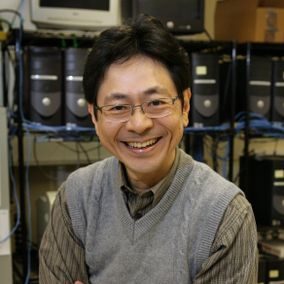
Katsushi Arisaka is a Distinguished Professor in the Department of Physics and Astronomy at the University of California, Los Angeles (UCLA), within the College of Physical Sciences. His research spans multiple disciplines including particle physics, cosmology, biophysics, and neurophysics. Dr. Arisaka began his academic journey at the University of Tokyo in 1979 as a graduate student under Professor Masatoshi Koshiba, working on the development of the world's largest 20-inch photomultiplier for the Kamiokande Experiment. He moved to the United States in 1985 and established his research group at UCLA in 1988. His educational background includes a Ph.D. from the University of Tokyo, though specific dates are not provided in the available materials. Professor Arisaka's research interests center around answering fundamental questions about the universe and life itself. His work explores three primary areas: the origin of the universe through dark matter research and cosmic ray studies; the origin of life through biophysics and molecular tracking; and the origin of consciousness through neurophysics. His approach consistently leverages advanced photon detection technologies across these diverse fields. Early in his career, he focused on rare decay processes of kaons to understand CP-violation at BNL and Fermilab, then shifted to cosmology in 1998, participating in the Pierre-Auger Cosmic Ray Observatory and CMS Endcap Muon Chambers for LHC at CERN. Since 2007, his main focus has been dark matter experiments including XENON100 at Gran Sasso in Italy and its successor XENON 1Ton, while also collaborating with DarkSide and MAX projects. His recent publications (2020-2023) reveal a strong trend toward interdisciplinary research, particularly at the intersection of physics, neuroscience, and consciousness studies. The 2022-2023 publications show a significant focus on visual perception, neural holographic tomography, and the grand unified theory of mind and brain. Earlier works (2017-2020) demonstrate continued activity in dark matter detection with experiments like XENON and DarkSide, as well as applications of advanced photon detectors to biological imaging. Grand Unified Theory of Mind and Brain (2022 series) Visual Perception of 3D Space and Shape (2022 series) Transverse sheet illumination microscopy (2023) DarkSide direct dark matter search (2017) Dr. Arisaka has been actively involved in major international collaborations including the CMS experiment at CERN's Large Hadron Collider, the XENON dark matter project at Gran Sasso in Italy, and the DarkSide experiment. His laboratory has developed innovative imaging techniques such as the Spatio-Temporal Multiplexing (STEM) microscope for multiple plane imaging and high-speed confocal microscopy systems capable of capturing 1,000 frames per second. The STEM microscope, developed with Adrian Cheng, allows simultaneous scanning of multiple planes using time differences between beams. At UCLA, Professor Arisaka has established productive collaborations across campus, particularly with the Medical School, where his advanced photon detection technologies have been applied to neuroscience research. His laboratory has contributed to significant discoveries in hair cell oscillation measurements and neural development studies. He teaches several physics courses including Physics 6B, 6C, 89 for 6B, 89 for 6C, and Physics 19, and regularly seeks graduate and undergraduate students interested in his research directions. His group has developed virtual reality systems for rats to study spatial recognition in the hippocampus in collaboration with Prof. Mayank Mehta's group. The Arisaka Lab maintains state-of-the-art facilities including a Photon Detector Lab and collaborates with multiple research groups on campus. Current research directions include the development of Transverse Sheet Illumination Microscopy (TransIM) and continued work on dark matter detection with next-generation XENON experiments. His lab's philosophy centers on using physics principles to answer the fundamental questions: 'Where do we come from? What are we? Where are we going?' through experimental approaches rather than philosophical speculation.
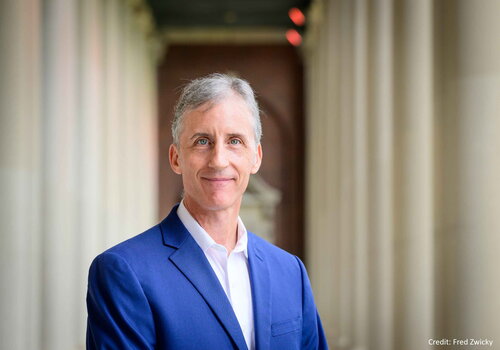
Dr. Abolghasem Sadeghi-Niaraki is an Associate Professor in the Department of Computer Science and Engineering at Sejong University's College of Engineering, where he has served since 2017. He leads the eXtended Reality (XR) Research Center and holds a Research Professor position at the Super-Realistic XR Technology Research Center (2022-2030). Previously, he was an Assistant Professor at INHA University's Department of Geo-Informatics Engineering (2009-2017). Recently appointed as a Fellow at Harvard University's Spatial Data Lab (SDL), he conducts collaborative research in spatiotemporal data analytics and geo-AI. Dr. Sadeghi-Niaraki's research spans Geo-AI, XR technologies, Machine Learning, Metaverse applications, and IoT. His work focuses on applying AI to geospatial problems, developing immersive technologies for education and cultural heritage, and creating predictive models for natural hazards. He has secured significant funding for XR Metaverse research from the Ministry of Science and ICT, focusing on Real-Virtual integration. His interdisciplinary approach combines computer science with environmental science, urban planning, healthcare, and education. His research portfolio demonstrates strong trends in geospatial AI applications for environmental monitoring, particularly in natural hazard prediction (floods, wildfires, earthquakes), as well as innovative educational applications of VR/AR. Recent work shows increasing integration of large language models with immersive technologies and a growing focus on healthcare applications within virtual environments. Dr. Sadeghi-Niaraki has received significant recognition including: Top 2% Scientist Worldwide (Stanford-Elsevier 2024) Fellow at Harvard SDL, Center for Geographic Analysis Australian Endeavour Fellowship Recipient Member of IEEE & AAG (American Association of Geographers) He has led over $9.3 million in research funding, supervised 40+ Master's and 6+ Ph.D. students, and collaborated with 14 universities across 8 countries in immersive technology development. His laboratory work centers on the eXtended Reality Research Center at Sejong University, where his team develops patented methods for context-aware AR/VR systems applied to tourism, cultural heritage, and smart city planning.
Matthew Velasco is an Associate Professor in the Department of Anthropology at Cornell University , affiliated with the College of Arts and Sciences. He specializes in bioarchaeology and Andean prehistory, focusing on the late prehispanic period (AD 1000-1532) in the Peruvian Andes. Ph.D. in Anthropology, Vanderbilt University (2016) His research examines how social identity, conflict, and state formation were embodied through skeletal remains, cranial modification, and mortuary practices during the Inka imperial expansion. Key themes include: Novel mortuary traditions and social memory Differential health and violence exposure Ethnogenesis in multi-ethnic societies Supported by the Wenner-Gren Foundation, Ford Foundation, and National Science Foundation, his work integrates: Archaeological and ethnohistoric data Bioarchaeological and isotopic analyses Community-engaged fieldwork in Peru He directs Proyecto Bio-arqueológico Coporaque and collaborates on Proyecto Machu Llaqta , addressing prehispanic social status and foodways.
Charles L. White, III, M.D., is a Professor of Pathology at the University of Texas Southwestern Medical Center. He holds the Nancy R. McCune Distinguished Chair in Alzheimer Disease Research and serves as Director of Neuropathology and the Neuropathology Core for the UT Southwestern Alzheimer Disease Research Center. Additionally, he directs the Winspear Family Special Center for Research on the Neuropathology of Alzheimer's Disease and oversees the ACGME-accredited Neuropathology Fellowship program, which has trained 22 board-certified neuropathologists since 1988. Clinical/Research Focus: Neurodegenerative brain disorders, tauopathies, TDP-43 encephalopathy, amyloid-β pathology, and digital pathology applications. Leadership: Past President of the American Association of Neuropathologists. Awards: 2020 Award for Meritorious Contributions to Neuropathology. His research explores the molecular and cellular mechanisms underlying Alzheimer's disease, chronic traumatic encephalopathy (CTE), and other tauopathies, with a focus on genetic modifiers, immune dysfunction, and diagnostic biomarkers. He has pioneered AI applications in neuropathology and contributed to standardized criteria for LATE-NC staging and progressive supranuclear palsy.
Scott L. Althaus is Merriam Professor of Political Science, Professor of Communication, and Director of the Cline Center for Advanced Social Research at the University of Illinois Urbana-Champaign, with additional faculty appointments in the School of Information Sciences and National Center for Supercomputing Applications. He joined the university in 1996 and has established himself as a leading scholar in political communication and public opinion research. Professor Althaus's research explores communication processes that support political accountability in democratic societies and empower political discontent in non-democratic systems. His work examines how journalists construct news in hybridized communication ecosystems, how leaders shape news coverage for political advantage, how citizens interpret news about public affairs, and how citizens convey preferences through collective behaviors like voting and civil unrest. His specific interests include popular support for war, data science methods for extreme-scale news analysis, political psychology, and communication concepts in democratic theory. His recent publications reveal a strong focus on computational approaches to political communication, with significant contributions in automated content analysis of global news coverage, event data validation, and the development of theoretical frameworks connecting media, politics, and public opinion. His work increasingly applies text analytics and machine learning to analyze millions of news stories for societal insights. 2023 International Journal of Press/Politics Hazel Gaudet-Erskine Best Book Award for Building Theory in Political Communication 2023 Campus Excellence in Public Engagement Faculty & Staff Team Award 2006 Political Communication Article of the Year Award 2004 David Easton Prize and Goldsmith Book Prize Dean's Award for Excellence in Undergraduate Teaching (2013) Professor Althaus serves on editorial boards of Political Communication and Public Opinion Quarterly, with research appearing in top journals across political science, communication, and interdisciplinary fields. His work with the Cline Center has produced significant public engagement through projects like SPOTLITE (documenting police uses of lethal force) and the Coup d'État Project. He regularly appears on the university's List of Teachers Ranked as Excellent by Their Students and has advised numerous research initiatives applying data science to political communication challenges.
John Joseph Clague is a full Professor at Simon Fraser University, Canada, and one of the most cited Quaternary geologists worldwide (h-index 67, >18,000 citations). His research integrates field mapping, sedimentology, geochronology and remote sensing to unravel the glacial history, sea-level fluctuations, and natural hazards of western North America and comparable regions globally. Education & affiliations: While the source text does not list degrees, his appointment at Simon Fraser University and sustained leadership in large international projects indicate a standard PhD-level academic trajectory with continuous faculty tenure. Research interests: Clague’s work spans glacial geology, geomorphology, paleoseismology, dendrogeomorphology and hazard modelling. He is particularly known for studies of glacier-dammed lakes and their outburst floods, Holocene glacier fluctuations, post-glacial sea-level change, landslide susceptibility, and the application of machine-learning techniques to geohazard assessment. Publication trends 2021-2025: His recent output documents rapid landscape change driven by deglaciation, climate-induced flood risk, and anthropogenic landslide intensification. A recurring theme is the integration of high-resolution topographic data (lidar, InSAR) with novel dating techniques (cosmogenic nuclides, dendrochronology) to refine the timing and impacts of Quaternary events. Scientific recognition: Although specific medals or fellowships are not itemised in the text, his citation metrics and continual invitation to lead review papers and large databases (e.g., NADI-1 deglaciation compilation) attest to significant peer recognition. Collaboration & grants: Clague routinely leads multi-institutional teams across North and South America, Europe and Asia, implying sustained major grant support; exact grant numbers are not provided. Labs & teams: While no single laboratory name is given, his use of lidar, InSAR, cosmogenic nuclide and machine-learning approaches indicates access to advanced geochronology and remote-sensing facilities at Simon Fraser University and partner institutions.
Jesús Vilar Martín is a Full Professor at the Department of Social Education and Social Work , Faculty of Social Education and Social Work , Ramon Llull University. He leads the Innovation Research and Social Analysis Group (GIAS) , focusing on ethical frameworks and complexity in socio-educational practices. Role: Full Professor Institution: Ramon Llull University Department: Social Education and Social Work Research Interests: His work explores the intersection of ethics and complexity theory in social education, emphasizing: Moral personality development in educational contexts Technical and ethical implications of complex systems Socio-educational interventions for vulnerable youth and juvenile justice populations Building ethical organizational cultures Key Scientific Contributions: His recent publications address deontological codes, emotional dimensions in decision-making, and professional satisfaction in early childhood education. Notable themes include complexity theory , ethical mentorship , and territorial analysis .
Oliver Duke-Williams is Professor of Population Information in the Department of Information Studies at University College London (UCL), where he also serves as Programme Director for the MA/MSc Digital Humanities programmes and Graduate Tutor. His academic appointments include Professor of Population Information (2023-present), Senior Lecturer/Associate Professor in Digital Information Studies (2015-2023), and Lecturer in Digital Information Studies (2011-2015). His educational background includes a Doctorate, Masters, and First Degree in Geography from the University of Leeds, with specialization in Geographic Information Systems. Duke-Williams' research focuses on census methodology and population data, with particular expertise in UK census systems, disclosure control issues, migration patterns, and geospatial data analysis. His work bridges demographic research with digital humanities, examining how population data can be made accessible while maintaining privacy standards. He has made significant contributions to understanding internal migration within the UK, census data accessibility, and the application of longitudinal studies for population research. Analysis of his recent publications reveals strong thematic continuity in census methodology, population geography, and data accessibility issues. His work increasingly addresses contemporary challenges including pandemic impacts on population mobility, LGBTQ+ data collection, and the development of new deprivation indices for urban health assessment. His research demonstrates a consistent focus on practical applications of demographic data for policy and academic research. Duke-Williams serves as Census Service Director at the UK Data Service and is a senior member of the Centre for Longitudinal Study Information and User Support (CeLSIUS), which facilitates access to the ONS Longitudinal Study. Since 2018, he has been a member of the National Statistician's Methodological Assurance Review Panel (MARP), providing guidance on the implementation of the 2021 Census and future population statistics. He has also served on the ESRC Peer Review College since 2010 and as an editor for the International Journal of Population Research since 2010. His teaching activities include leading the MA/MSc Digital Humanities programme and teaching modules on Data Visualisation and GIS, and Introduction to Programming within UCL's Department of Information Studies.
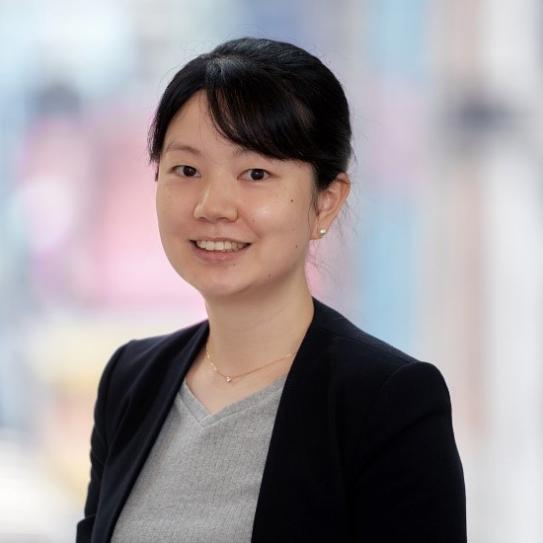
Qianru Guo serves as an Adjunct Professor in the Department of Civil and Urban Engineering at NYU's Tandon School of Engineering, while maintaining her primary role as Senior Consulting Engineer at Simpson Gumpertz & Heger Inc. (SGH) with over 10 years of specialized experience in performance-based fire protection design and structural fire engineering. Her academic credentials include: Ph.D. in Structural Engineering from University of Michigan, Ann Arbor M.S. in Civil Engineering and Mechanical Engineering from University of Michigan, Ann Arbor B.S. in Civil Engineering from Tongji University, Shanghai, China Dr. Guo's research pioneers the integration of probabilistic methodologies with structural fire engineering, focusing on reliability analysis of fire-exposed structures through advanced computational techniques. Her work develops inverse modeling for heat release rate determination, stochastic finite element methods for fire resistance evaluation, and performance-based design frameworks that redefine safety standards. She addresses critical gaps in predicting structural behavior under fire by quantifying uncertainties in material properties, fire scenarios, and structural responses. Analysis of her publication trajectory reveals consistent methodological evolution from fundamental reliability theory (2011-2013) toward practical performance-based design applications (2014-2018). Her research consistently bridges computational mechanics with fire safety engineering, emphasizing probabilistic safety assessment and code-compliant reliability calibration across residential and commercial structures. Based at 6 MetroTech Center, 4th Floor, Brooklyn, NY 11201, her professional activities integrate academic research with real-world engineering practice to advance fire-resilient infrastructure design.
Prof. Jürgen Knies serves as Professor and Vice Dean of Faculty 2 (Faculty of Architecture, Civil Engineering and Geomatics) at Bremen City University of Applied Sciences. Based in the Department of Infrastructure Planning of Environmental and Energy Systems (building UB, room 107), his work integrates ecological principles, Geographic Information Systems (GIS), Building Information Modeling (BIM), and environmental law to address complex infrastructure challenges. His leadership extends to municipal heat planning initiatives and跨-institutional research networks across Northwest Germany. His research focuses on urban energy transitions , with particular emphasis on heat system transformation, spatial planning integration, and socio-technical implementation barriers. Key methodologies include GIS-based spatial analysis, BIM integration, and multi-stakeholder governance frameworks. Current investigations target cold district heating networks, wastewater heat recovery, solar cadastre validation, and equity considerations in energy transitions—always contextualized within Bremen's municipal challenges and North German regional cooperation frameworks. Analysis of his 15 most recent publications (2017-2025) reveals a consistent trajectory: evolving from foundational spatial energy modeling toward integrated socio-technical solutions for urban heat transitions. The body of work demonstrates increasing sophistication in Digital integration (E-Government/BIM fusion) Multi-scale spatial analysis (neighborhood to regional) Equity-focused implementation strategies Legal-regulatory-compliance frameworks with Bremen serving as both living laboratory and model for municipal energy planning. No scientific awards are documented in the provided materials. His advising activities center on thesis supervision in infrastructure planning, while grant leadership includes major projects: hyBit (Hydrogen for Bremen's industrial transformation; 2021-2022) Heat Transition Northwest (digitalization for heat implementation; 2021-2025) North German Research Associations coordination Bremen Heat Transition Network initiatives These involve partnerships with municipal authorities, industry, and regional research consortia. His operational ecosystem includes the GIS Laboratory for spatial analysis, active participation in Networking AG Wärme (Heat Working Group), and leadership in the Bremen Heat Transition Network . Current engagements extend through 2026, including coordination of the 3rd North German Conference on Thermal Research—demonstrating sustained commitment to advancing urban energy infrastructure through academic-practice integration.
Dr. Jajati Mandal serves as a University Fellow (Environmental Pollution) at the University of Salford's School of Science, Engineering & Environment. His work focuses on addressing pressing environmental challenges related to soil and water contamination, with particular emphasis on agricultural systems. He is affiliated with the Environmental Research Centre and contributes to the University's mission of tackling global sustainability challenges through the UN Sustainable Development Goals, particularly those related to food security, health, and sustainable cities. Dr. Mandal's research interests center on environmental soil chemistry, specifically investigating the behavior and impacts of environmental contaminants including metal(loid)s, PFAS (Per- and Polyfluorinated Alkyl Substances), and tire-rubber chemicals within agricultural ecosystems. His analytical expertise encompasses speciation techniques for metals and metalloids in environmental samples (water, soil, plants), while his methodological approach combines laboratory experiments, field studies, and predictive modeling using machine learning algorithms coded in R. He has developed specialized R packages such as 'Inquilab' and 'AdsorpR' for modeling adsorption kinetics. His extensive publication record spanning 2015-2025 demonstrates consistent focus on environmental contamination issues, with recent work (2024-2025) increasingly addressing PFAS contamination, advanced remediation techniques using biochar and nanomaterials, and sophisticated machine learning applications for predicting contamination thresholds. His research shows strong interdisciplinary connections between environmental chemistry, agricultural science, data science, and public health, with practical applications for improving food safety and water quality. Dr. Mandal actively engages in knowledge dissemination through short courses (such as the 2024 course on 'Arsenic and Potentially Toxic Metals in Food and Agroecosystems' which attracted 43 participants) and collaborative initiatives like the Coastal Ecosystem Hub workshop scheduled for June 2025. His work bridges academic research with practical policy implementation, collaborating with organizations like the Mersey Gateway Environmental Trust to translate scientific findings into environmental management strategies.