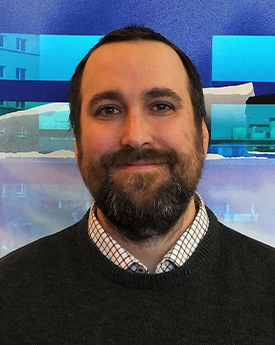
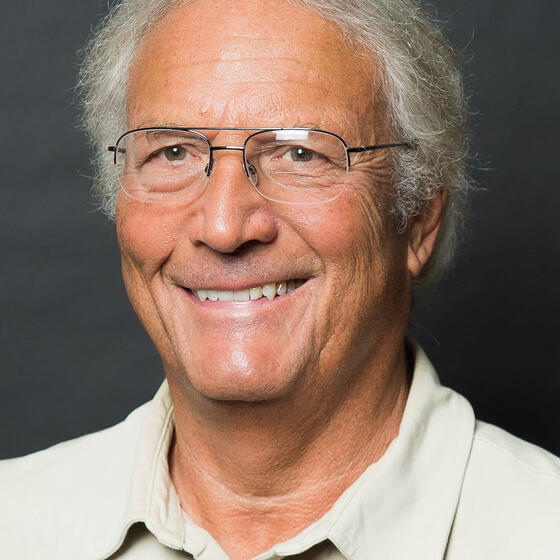
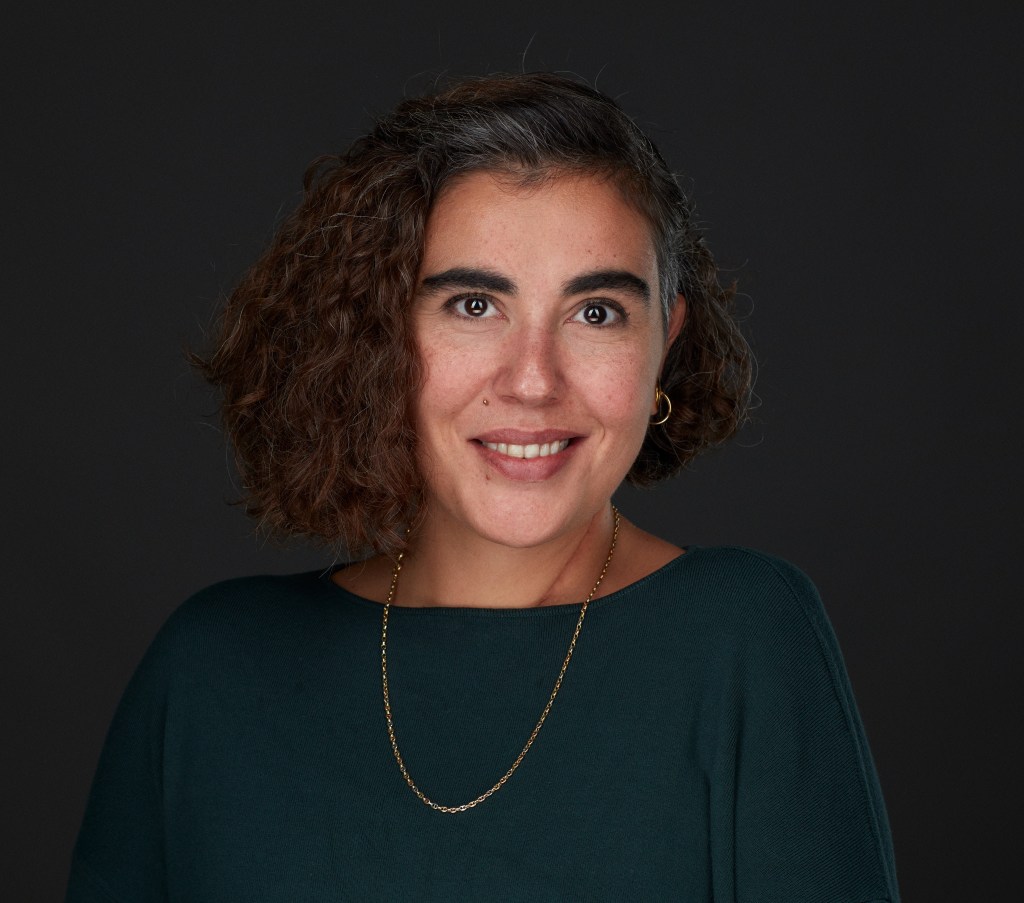
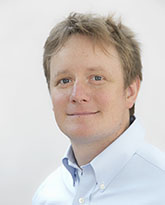
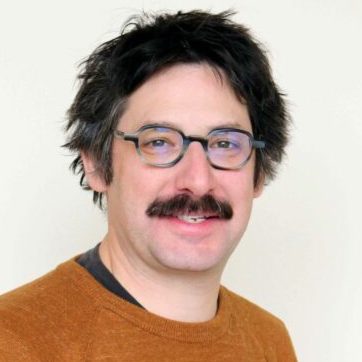
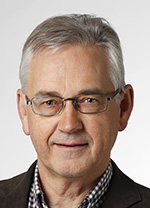
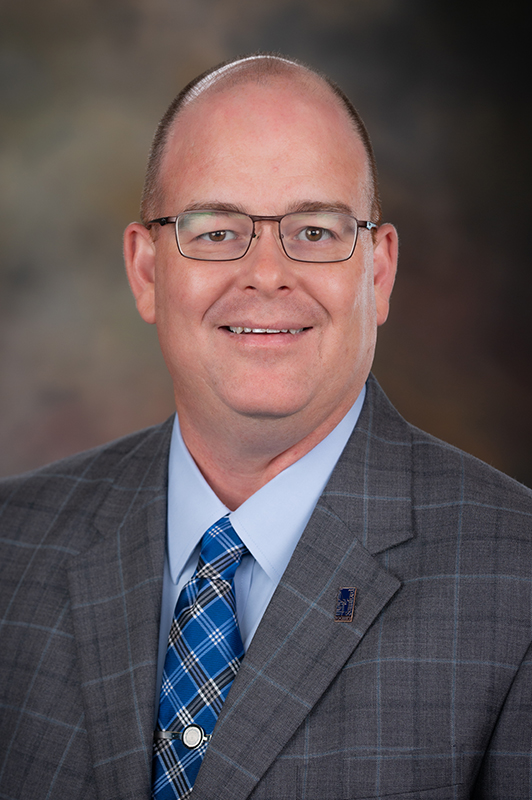
Dr. Caine Smith is an academic staff member in the School of Life and Environmental Sciences at the University of Sydney . He specializes in Biochemistry, Molecular Biology, Neuroscience, and Mass Spectrometry Imaging , with a focus on alcohol-related brain damage, psychiatric disorders, and neurodegenerative diseases like Alzheimer's. His research involves advanced methodologies in MALDI imaging and lipidomics.
Evren Sahin is a researcher specializing in Operations Management with a focus on Supply Chain Optimization , Healthcare Logistics , and Inventory Management . He is affiliated with the Industrial Engineering Laboratory, where his work integrates optimization , discrete event simulation , and production systems . His research explores the intersection of emergency vehicle logistics , home healthcare operations , and agri-food supply chains . Recent publications highlight applications of machine learning in demand forecasting and digital twin technology for supply chain agility. Collaborations with Zied Jemai, Yves Dallery, and Andrea Matta span theoretical and applied projects. Key methodologies include integer programming , inventory control models , and human-robot kitting systems . His work addresses closed-loop supply chains , perishable product management , and emergency medical service improvements through simulation and optimization.
Yinghua Fu, PhD, serves as a Research Fellow in the Department of Diagnostic Radiology and Nuclear Medicine, focusing on advanced medical image analysis through computational methods. Her work bridges clinical medicine and artificial intelligence to develop practical diagnostic tools. Her research centers on deep learning applications for medical imaging, particularly in diabetic retinopathy analysis, Alzheimer's disease classification, and retinal image change detection. Key innovations include DAGU-Net for segmentation efficiency, TSCA-Net for attention-based spatial-channel processing, and lightweight architectures like MirageNet that minimize computational demands while maintaining accuracy. She specializes in adapting computer vision techniques to clinical constraints, emphasizing model interpretability and real-world deployability. Analysis of her 15 most recent publications (2023-2026) reveals three dominant trends: (1) Multi-scale feature extraction for medical image segmentation, (2) Lightweight network design targeting edge deployment in clinical settings, and (3) Cross-modal fusion techniques integrating structural and functional imaging data. Her work consistently addresses diabetic retinopathy and neurodegenerative disorders through retinal and brain imaging biomarkers. Scientific awards: No awards were documented in the provided materials. Advising and grants: The source text contained no information regarding student supervision, research funding, or collaborative grants.
Bojing Liu is a Research Specialist at the Department of Medical Epidemiology and Biostatistics, Karolinska Institutet, specializing in epidemiology and computational medicine. Their work bridges deep learning, histopathology, and neurodegenerative disease research. PhD in Medical Epidemiology and Biostatistics (2018), Karolinska Institutet Master of Medical Science (2012), Karolinska Institutet Liu's research focuses on applying deep learning to histopathology and genomics for cancer prognosis, including breast and prostate cancer. They also investigate neuroepidemiology , particularly Parkinson's disease risk factors linked to early-life conditions, surgical history, and gut-brain axis interactions. Their publications highlight expertise in computational pathology (e.g., spatial interpretation of weakly supervised models) and epidemiological methods using Swedish register-based datasets. Recent work includes self-supervised learning for colon cancer therapeutic strategies and AI-driven histological grading. Grants include funding from the Swedish Research Council for projects such as: CARE-B : AI in Registry-based Image Epidemiology for Breast Cancer (2024-2028) Deep-learning Models for Cancer Outcomes (2020-2022) Liu collaborates with the Predictive Medicine group led by Mattias Rantalainen, contributing to interdisciplinary research at the intersection of epidemiology , machine learning , and clinical medicine .
Dr. Eduard Campillo-Funollet is a Lecturer in Statistics at the School of Mathematical Sciences , Lancaster University. His research focuses on inverse problems and inference in biology, ecology, epidemiology, and industrial applications, using Bayesian methods for parameter estimation in differential equations. Research Interests include: Bayesian inference for dynamical systems Inverse problems in biological and industrial contexts Statistical ecology and epidemiological modeling Computational methods for ordinary/partial differential equations Publication Trends show expertise in epidemiological modeling (e.g., COVID-19 transmission dynamics ), computational biology (e.g., DNA replication studies ), and industrial applications (e.g., gas quality prediction ), with a consistent emphasis on robust Bayesian methodologies. Projects include collaborations on Nigeria-UK epidemiological research , Finland-Lancaster synthetic gas analysis , and Diabetic Foot Ulcer measurement accuracy , highlighting interdisciplinary applications of statistical methods. Contact: e.campillo-funollet@lancaster.ac.uk
John A. Sorrentino is an Associate Professor of Economics in the College of Liberal Arts at Temple University , where he has served since 1973. He is also the Coordinator at Temple’s Ambler Campus and a Faculty Associate at the Center for Sustainable Communities . Education: Ph.D. in Economics, Purdue University (1973) M.S. in Economics, Purdue University (1971) B.B.A. in Economics, Baruch College, CUNY (1969) Research Interests: Dr. Sorrentino’s work lies at the intersection of energy economics , environmental economics , ecological economics , and sustainability . He has pioneered the use of Geographic Information Systems (GIS) in economic analysis, applying spatial tools to questions of urban green amenities , sustainable housing placement , watershed-wide decision making , and urban agriculture . His scholarship integrates micro-economic theory with policy-relevant environmental modeling. Publication Trends: Across more than four decades, his publications have evolved from foundational theoretical studies on externalities and exhaustible-resource recycling to cutting-edge, GIS-based assessments of urban sustainability . Recent articles emphasize land-use change , green infrastructure , and climate policy instruments such as cap-and-trade versus carbon taxation. Scientific Awards & Honors: Christian R. & Mary F. Lindback Award for Distinguished Teaching (1999) Inducted into the Temple University Teaching Academy (2000) National Science Foundation Traineeship (1971-1972) Multiple federal fellowships from NASA, DOE, EPA, and ERDA for energy and environmental research (1975-1984) Research leaves awarded by Temple University (1982, 1991, 2009, 2018-2019) Advising & Grants: Dr. Sorrentino has supervised three Ph.D. dissertations and taught across the full spectrum—from undergraduate GenEd courses to Ph.D. mathematical economics. He has secured external funding from the EPA, NSF, DOE, and NASA for projects ranging from energy-conservation system design to watershed vulnerability assessment and sustainable-business practices. Service & Outreach: Beyond academia, he serves as Secretary-Treasurer of the U.S. Society for Ecological Economics and has been a member of the Abington Township Environmental Advisory Council since 2009. He co-founded Temple’s Environmental Studies Program and has held leadership roles on numerous university committees spanning curriculum, research, and sustainability initiatives.
Francesca Capozzi, PhD, is a Professor at the Department of Psychology, Université du Québec à Montréal, and an Associate Investigator in the Brain Repair and Integrative Neuroscience (BRaIN) Program at RI-MUHC's Montreal General Hospital site. Her work focuses on socio-cognitive factors supporting relational wellbeing through group therapies for LGBTQ+ individuals and families at the MUSIC (McGill University Sexual Identity Centre) clinic, using quantitative/qualitative language analysis. PhD in Cognitive Neuroscience (University of Turin, 2016) Postdoctoral work at McGill University (2016-2021) Clinical training in Couple and Family Therapy (McGill School of Social Work, 2020-2022) Her research explores social perception mechanisms, affective processes, and nonverbal communication in group dynamics and emotion recognition. Key methodologies include dual mobile eye tracking, multisensory integration analysis, and behavioral immune system evaluation. Current projects examine how societal underrepresentation affects emotional distress and how visual/auditory cues shape social event segmentation. She maintains affiliations with CORE research lab and MUSIC clinic. Licensing includes Quebec psychotherapist registration (OTSTCFQ #62045-22, #CAPF2206200TCF). Contact available via francesca.capozzi@muhc.mcgill.ca (academic) and psycho@francescacapozzi.ca (therapy inquiries).
Dr. Ramona Heim is a researcher at the Institute of Landscape Ecology at the University of Münster , where she leads work in the Biodiversity and Ecosystem Research Group . She holds a Master of Science in Ecology, Evolution and Nature Conservation (University of Potsdam) and a Bachelor of Science in Biology (University of Freiburg). Current Role: Akademische Rätin auf Zeit (Fixed-Term Academic Counselor) since 2025 Prior Roles: PostDoc at University of Münster (2024–2025), University of Zurich (2022–2024), and guest researcher at University of Turku (2021–2022) Research Interests focus on Vegetation Ecology , Fire Ecology , and Biodiversity Conservation in Arctic and subarctic ecosystems. Her work explores climate change impacts on tundra vegetation, fire disturbance effects on carbon/nitrogen cycles, and anthropogenic threats to migratory birds. Publication Trends span 2018–2025, emphasizing: Arctic tundra responses to climate change and fires Bird migration tracking using geolocators Human-wildlife conflict mitigation Microplastic pollution in urban ecosystems High-resolution ecological mapping via remote sensing Honors: Recipient of the Studienstiftung des deutschen Volkes scholarship (2018–2021). Collaborates with international teams across Germany, Switzerland, Finland, and Russia.
William Anderegg is a Professor in the Department of Biology at the University of Utah, College of Science. His research focuses on understanding forest ecosystems in the context of climate change, particularly addressing drought, wildfire, and insect impacts on tree mortality and carbon cycling. He integrates physiological and ecosystem-scale approaches to study biosphere-atmosphere feedbacks and nature-based climate solutions. Research Themes: Drought physiology, forest carbon dynamics, climate mitigation, and ecosystem resilience. Key Collaborations: NSF-funded projects, NEON (National Ecological Observatory Network), and policy-engaged research with state agencies. Media Recognition: His work has been highlighted in Nature , Science , TIME , and Forbes . Dr. Anderegg's lab employs interdisciplinary methods across spatial scales, from xylem cells to global forests, and emphasizes data synthesis for predictive modeling and climate policy.
Zsolt Bottlik is an Associate Professor and lecturer at Eötvös Loránd University's Institute of Geography and Earth Sciences, with joint appointments in the Department of Social and Economic Geography and the Center of Geography. His office is located at 1117 Budapest, Pázmány Péter sétány 1/c (Room 1-418). Contact is available via email (zsolt.bottlik@ttk.elte.hu) or phone extension 1746. Research Focus: Dr. Bottlik specializes in human-environment interactions, ethnic mapping, and post-Soviet regional dynamics. His work examines: Historical borders and their impact on modern inequalities in Eastern Europe Ethnic cartography as a tool for nation-building in the Balkans Social assessments of protected areas like Aggtelek National Park Geotourism's role in sustaining karst landscapes Identity politics in post-Soviet states (Azerbaijan, Moldova) Publication Trends: His 15 most recent articles (2013–2025) reveal interdisciplinary exploration of historical geography, political cartography, and socio-ecological systems. Common themes include phantom borders, ethnic mapping methodologies, Karst ecosystem management, and post-communist urban transitions. The Balkans and Carpathian Basin feature prominently as case studies. Awards & Students: No scientific awards or supervised students are mentioned in available sources. Affiliations: He actively contributes to the Center of Geography's initiatives, focusing on regional development and transborder collaborations in Central Europe.
Brian DePasquale is an Assistant Professor in the Department of Biomedical Engineering at Boston University. He holds additional affiliations with the Neuroscience & Neuroengineering program as a Primary & Affiliated Faculty member. His research bridges computational neuroscience and machine learning, focusing on understanding neural computations through mathematical modeling of biological systems. Dr. DePasquale received his PhD from Columbia University followed by postdoctoral training at the Princeton Neuroscience Institute. His educational background has positioned him at the intersection of engineering, neuroscience, and computational methods, creating a unique approach to studying neural computation. DePasquale's research employs two complementary approaches: a data-driven method involving collaboration with experimental neuroscientists to develop machine learning models of neural activity, particularly for decision-making and movement behaviors; and a theoretical approach constructing artificial neural network models to understand how structure gives rise to functional features in biological circuits. Recent projects include applying graph neural networks to olfaction research, developing the StateSpaceDynamics.jl package for neuroscience time series analysis, and creating methods for training biophysically detailed spiking neural networks. His publication record reveals a consistent focus on neural dynamics across multiple scales, from single neuron properties to population-level computations underlying decision-making. The work spans theoretical models to practical applications, with growing emphasis on machine learning approaches to analyze complex neural datasets, particularly in understanding evidence accumulation processes and developing more biologically plausible artificial intelligence systems. Among his professional recognitions, DePasquale was awarded the prestigious NSF Graduate Research Fellowship (NSF-GRF). His research is supported by grants enabling his lab to pursue innovative projects at the intersection of neuroscience and machine learning. DePasquale leads the Artificial and Biological Intelligence Laboratory at Boston University, where his team develops open-source computational tools and fosters collaboration between computer scientists, neuroscientists, and engineers. The lab's emphasis on open science is exemplified by publicly available software implementations like StateSpaceDynamics.jl and full-FORCE demos on GitHub.
Cem GAZİOĞLU is a Professor at Istanbul University , affiliated with both the Institute of Marine Sciences and Management and the Faculty of Architecture (Department of Architecture). His academic career spans over two decades, with prior appointments at Istanbul Kültür University (2005-2013) and technical institutions. He holds a Doctorate in Marine Environment-Coastal Engineering (2001) and postgraduate degrees in Geomatics Engineering (1995, 1993). Research areas include Marine Sciences , Oceanography , Remote Sensing , and Environmental Pollution . Doctorate: Istanbul University , Institute of Marine Sciences and Management, Department of Marine Environment-Coastal Engineering (2001) Postgraduate: Istanbul Technical University , Geodesy and Photogrammetry Engineering Program (1995) Undergraduate: Istanbul Technical University , Geodesy and Photogrammetry Engineering (1993) His work focuses on coastal vulnerability , marine pollution , ship emissions , and climate change impacts on coastal zones. He employs remote sensing , GIS , and deep learning for coastal monitoring and environmental risk assessment. Recent studies include pharmaceutical residues in Arctic waters , antifouling paint biocides in the Sea of Marmara , and coastal inundation modeling . Publications highlight trends in satellite-derived bathymetry , coastal risk assessment , and maritime transport emissions . He has advised 38 graduate theses on topics like decarbonization in shipping , deep learning for coastal analysis , and marine environmental policy . His managerial roles include Director of the Institute and Member of the Senate at Istanbul University.
Camille Morlighem is a researcher at the Geography Research Unit within the Institute of Life-Earth-Environment at the University of Namur. Her work focuses on integrating environmental factors and human vulnerability to map malaria risk in Senegal using remote sensing and spatial modeling techniques. Specializes in infectious disease epidemiology and health-demographic data analysis Collaborator on projects like Mapping Malaria Risk and Remote Sensing for Epidemiology in African Cities Her research has produced significant publications in journals like Malaria Journal and PLoS ONE . She received the 1er prix du Jury at Namur's thesis competition (2024) and the Geomatics Best Thesis Award (2022). 2025: 4 publications 2024: 3 publications 2023: 1 publication 2022: 3 publications 2021: 1 publication
Arild Nesbakken is a Clinical Associate Professor at the Faculty of Medicine , University of Oslo , affiliated with the Department of Surgery at Oslo University Hospital (OUS). His research focuses on colorectal cancer , molecular biomarkers , tumor heterogeneity , and geriatric oncology , with a strong emphasis on translational studies linking genomic features to clinical outcomes. Recent publications highlight his work in transcriptomic subtyping , pharmacogenomics , and imaging techniques for rectal cancer staging. He collaborates extensively with international research groups, including computational oncology teams and molecular pathology experts, contributing to studies on consensus molecular subtypes , immune microenvironment , and organoid modeling for personalized treatment strategies. His 15 most recent articles (2022–2025) span topics such as ex vivo tumor heterogeneity , MRI optimization , serum biomarkers , macrophage-T cell interactions , and geriatric assessment tools . These studies reflect his commitment to integrating multi-omics data with clinical decision-making to improve colorectal cancer outcomes. Arild Nesbakken's work is supported by collaborations with institutions like the Centre for Cancer Biomedicine (OUS), Ragnhild Lothe 's cancer prevention division, and Anita Sveen 's molecular genetics group. He actively participates in international audits and GOSAFE studies , addressing disparities in cancer care and refining prognostic models.
Jeremiah D. Davis is a Professor and Director of the National Poultry Technology Center in the Department of Biosystems Engineering at Auburn University's College of Engineering. His expertise focuses on engineering solutions for sustainable and efficient poultry production systems. His educational background includes: Ph.D. in Agricultural Engineering from Iowa State University M.S. in Biosystems and Agricultural Engineering from the University of Kentucky B.S. in Agricultural Engineering from Texas A&M University Dr. Davis's research centers on commercial poultry housing systems, environmental control for animal housing, instrumentation and sampling methods, water and energy conservation in agriculture, and animal instrumentation and tracking. His work integrates engineering principles with animal science to enhance welfare, sustainability, and productivity in poultry operations through innovations in lighting, thermal management, and resource efficiency. Analysis of his 2023-2025 publications reveals dominant themes in optimizing broiler house environments, particularly lighting systems (including GAP-certified natural illumination and LED technology), thermal performance, feed efficiency, and water conservation. His research demonstrates strong industry relevance through field validation of protocols for feed spillage measurement and spatial modeling of environmental parameters. No specific scientific awards were mentioned in the provided text. Information regarding Dr. Davis's student advising activities and research grants was not available in the source material. As Director of the National Poultry Technology Center, he leads research initiatives focused on developing practical engineering solutions for poultry housing, environmental control systems, and resource conservation technologies serving the global poultry industry.