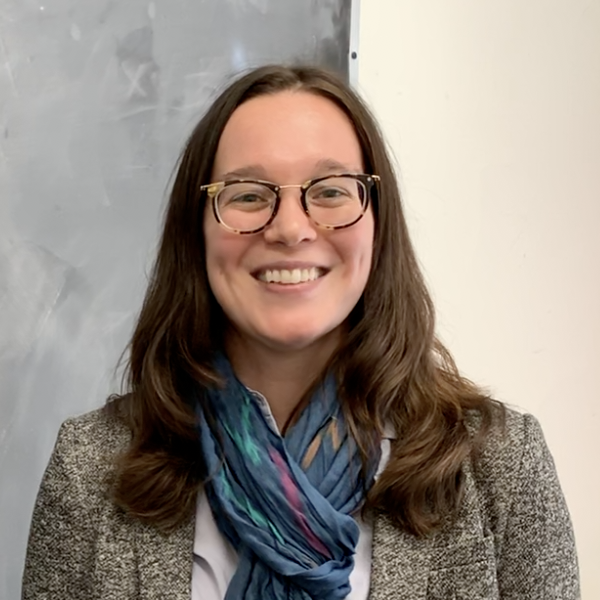
Robert Brodman is a Visiting Professor in the Department of Biology at Scripps College. His research focuses on biodiversity conservation, amphibian ecology, and ecological impacts of environmental stressors. He has conducted extensive field surveys across Indiana and other regions, investigating species distribution, population dynamics, and ecosystem health. Key research areas include amphibian population studies, biodiversity surveys in natural and urban landscapes, and the effects of climate change, pesticides, and hurricanes on wildlife. His work emphasizes practical conservation strategies, policy analysis, and interdisciplinary approaches to global change monitoring. Publications highlight his contributions to understanding amphibian behavior, wetland ecosystem dynamics, and the integration of cutting-edge methods for ecological research. He has collaborated on projects such as biodiversity surveys in state forests, urban parks, and agricultural landscapes, contributing to both academic knowledge and applied conservation efforts. Dr. Brodman is affiliated with The Claremont Colleges and actively engages with organizations like the Red-Tail Land Conservancy and Indiana Forest Alliance. His research underscores the importance of natural history data and long-term monitoring for effective conservation planning.
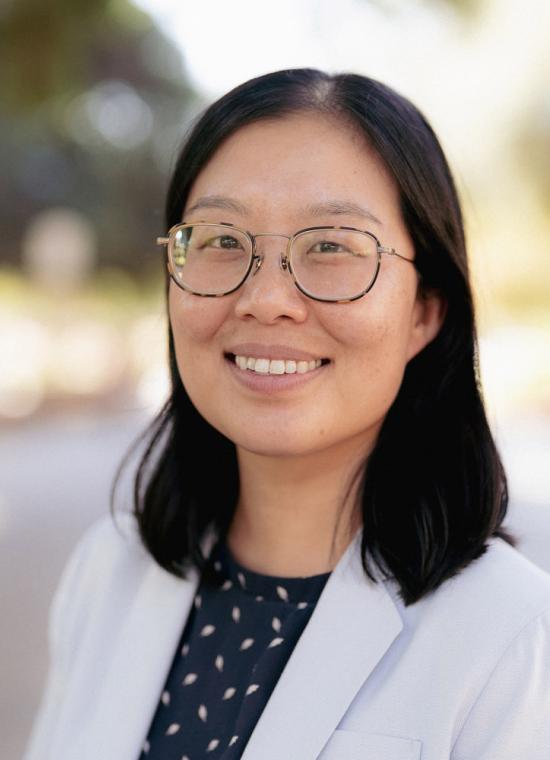
Katherine Y. Zipp is an Associate Professor of Environmental and Resource Economics in the Department of Agricultural Economics, Sociology, and Education (AESE) at The Pennsylvania State University, where she is co-funded by the Institutes of Energy and the Environment (IEE). Based at 116 Ferguson Building in University Park, PA, she conducts critical research on the economic drivers and environmental consequences of land cover and land use changes, addressing pressing issues including climate change, habitat destruction, and water pollution through interdisciplinary frameworks. Her research program integrates Environmental and Resource Economics with spatial analysis to investigate Open-space Conservation, Environmental Risk Assessment (focusing on floods, wildfires, and invasive species), Water Quality, and Biofuel Production. She develops sophisticated models that capture the dynamic feedback between economic decisions and environmental systems, emphasizing how land-use policies must account for both human behavior and ecological processes to achieve sustainable outcomes. Her work bridges theoretical economics with practical applications in conservation and resource management. Analysis of her recent publications reveals a consistent focus on spatially explicit economic modeling applied to environmental challenges, particularly in three domains: flood risk and insurance policy (examining market adaptations to flood maps), bioenergy crop adoption on marginal lands (using spatial hot spot analysis), and recreational ecosystem services (linking visitor motivations to management outcomes). Her interdisciplinary approach frequently incorporates natural resource management perspectives and stakeholder engagement, yielding actionable insights for environmental policy design. Dr. Zipp has secured substantial external funding as Principal Investigator and Co-Principal Investigator across multiple high-impact projects: Co-PI on a $748,456 U.S. Fish and Wildlife Service grant (2020-2022) for "Implementing High Priority Objectives, Strategies, and Actions Identified in the Pennsylvania Aquatic Invasive Species Management Plan" PI on a $9,952 PSU ICS Seed Grant for "The Study and Simulation of the Mechanisms Driving Species Migration" Co-PI on a $797,949 U.S. Fish and Wildlife Service grant (2019-2021) for "Advancing High Priority, Objectives, Strategies and Actions Identified in the Pennsylvania Aquatic Invasive Species Management Plan" Co-PI on a $499,500 USDA National Institute of Food and Agriculture grant (2017-2019) for "Flexible Buffer Systems: Enhancing Ecosystem Services and Expanding Agricultural Options in Riparian Areas" PI on a $200,000 FAA ASCENT grant (2016-2017) for "Analysis of Ecosystem service valuation and policy design of water quality improvements associated with perennial grasses and cover crops" Co-PI on a $326,646 USDI Joint Fire Sciences Program grant (2016-2019) for "Firescapes in the mid-Atlantic: Mismatches between social perceptions and prescribed fire use" Co-PI on a $50,000 Center for Rural Pennsylvania grant (2016) for "Flood Mitigation for Pennsylvania's Rural Communities: Community-Scale Impact of Federal Policies" She actively mentors graduate researchers including William L. Rice, X. Li, W. Jiang, and Y-H Shr, whose collaborative work appears in her publication record. Her research teams consistently integrate economists, ecologists, and social scientists to address complex environmental problems, with strong partnerships across federal agencies, state programs, and interdisciplinary research centers at Penn State.
Charlotte Chang serves as Assistant Professor of Biology and Environmental Analysis at Pomona College, where she has been faculty since 2020. Her dual appointment bridges the Department of Biology and Environmental Analysis program, with laboratory space in Seaver South. She maintains active affiliations including a Visiting Science Fellowship with The Nature Conservancy's One Conservancy program and collaborations with Centre for Wildlife Studies India and Wildlife Conservation Society. Ph.D. in Ecology and Evolutionary Biology, Princeton University Master of Philosophy, University of Cambridge Bachelor of Arts, Pomona College Chang's research integrates social-ecological systems analysis to advance conservation science, specializing in digital conservation constituencies, illicit wildlife hunting dynamics, and agroforest management for habitat specialists. Her lab employs innovative methodologies combining data science, quantitative ecology, and field methods to examine human-environment interactions across tropical systems. Current projects include LLMs for natural climate solutions evidence mapping and environmental social media analysis for conservation outreach optimization. Her publication record demonstrates consistent high-impact output across conservation biology, ecological modeling, and social science journals. Trends show increasing focus on digital conservation mobilization since 2020, with notable work on Twitter environmental discourse and platform migration patterns. Earlier research established foundational work on hunting motivation in Southwest China and coffee agroforest biodiversity in India's Western Ghats. David H. Smith Conservation Research Fellow National Science Foundation NIMBioS Postdoctoral Fellow IUCN Critical Ecosystem Partnership Fund Research Grant NSF GROW with USAID research fellowship Fulbright Fellowship Chang actively mentors early-career researchers across North America and Asia, with notable success in placing mentees in conservation organizations and graduate programs. Her lab receives funding from multiple NSF programs and conservation NGOs, supporting fieldwork in China, India, and Southeast Asia. Current grants focus on social media analysis for conservation outreach and natural climate solutions mapping. The Chang Lab operates as an interdisciplinary hub combining computational ecology, conservation social science, and field research. Her team collaborates with environmental practitioners, community leaders, and academic colleagues globally, with recent projects spanning the Western Ghats, Southwest China, and digital conservation networks worldwide.
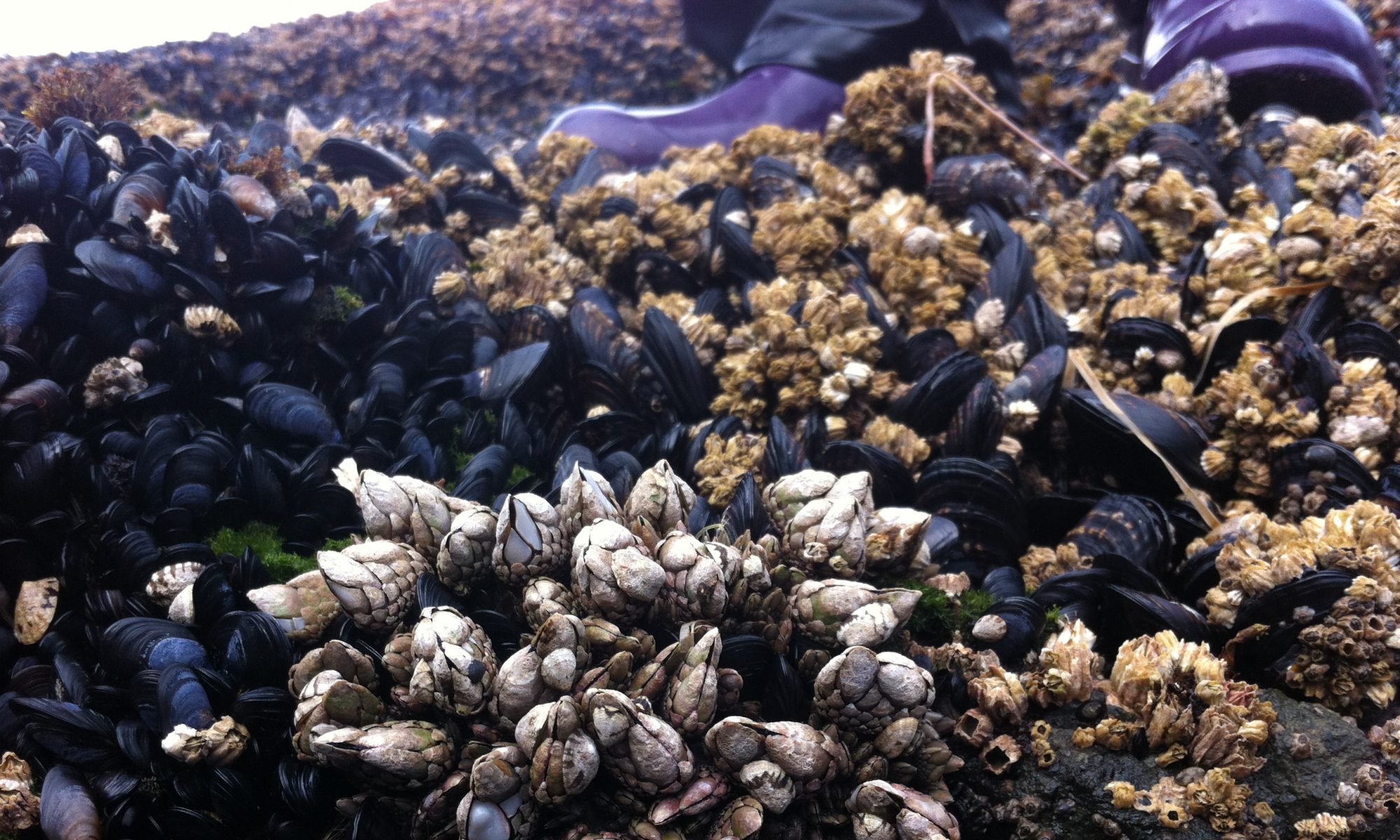
Christopher Harley is a full Professor in the Department of Zoology at the University of British Columbia (UBC) since 2005 and a member of the UBC Institute for the Oceans and Fisheries since 2016. His research focuses on understanding how climatic factors (temperature, ocean acidification, salinity) and biological interactions (predation, competition, facilitation) structure coastal marine communities. Education includes a BSc from Brown University (1994) , a PhD from the University of Washington (2001) , and postdoctoral fellowships at Stanford University (2001-2003) and University of California, Davis (2003-2005) . His lab at UBC investigates five priority areas: changing environmental variability, multiple stressors, life-cycle effects, genetic diversity, and interspecific interactions. Recent publications highlight his work on thermal stress, invasive species, and ocean acidification across marine ecosystems. Over 15 years, his research has spanned topics like Seaweed Responses to Climate Change , Sea Otter Impacts on Mussel Beds , and Ocean Acidification Effects on Calcifiers . Notable awards include the Murray A. Newman Award (2017) , Peter Wall Scholar (2016) , and Killam Faculty Research Fellowship (2011) . Key Research Themes Climate Change Impacts on Rocky Coasts Abiotic-Biotic Interaction Dynamics Intertidal Species Distribution Shifts Marine Biodiversity and Ecosystem Function Scientific Awards Murray A. Newman Award for Excellence in Coastal Ocean Research (2017) Peter Wall Scholar (2016) Killam Faculty Research Fellowship (2011) Distinguished Scholar Award (2012) Current Lab Members Graduate Students: G. Hall, S. Johnston, E. Kabanova, K. Ma, S. Park Collaborative Research on Stressors and Community Resilience
Ole Arve Misund serves as a Professor at the Norwegian Fisheries College within UiT The Arctic University of Norway, Tromsø. His research spans polar science, Arctic marine ecology, fisheries management, and international relations in polar regions, with particular focus on Norway-Russia scientific cooperation dynamics following geopolitical shifts in 2022. His research interests center on climate change impacts on Arctic marine ecosystems, acoustic monitoring of marine organisms, and the geopolitical dimensions of polar research. Recent work examines boreal species migration into the Central Arctic Ocean, machine learning applications for backscatter analysis, and management frameworks for the Central Arctic Ocean. Analysis of his recent publications reveals strong interdisciplinary trends, integrating marine ecology with political science through studies of Russian-Norwegian scientific collaboration under sanctions, illegal fishing enforcement, and policy-relevant polar research. His work consistently bridges academic research with practical fisheries management and geopolitical considerations. Misund actively engages in science communication through Norwegian media outlets like Nordlys and Fiskeribladet, addressing topics from climate policy contradictions to Antarctic hydrological changes. His expeditionary work includes North Pole 2022 aboard the "Kronprins Haakon" research vessel. Professional activities demonstrate significant leadership in polar research infrastructure development and international scientific collaboration, particularly through the Norwegian Polar Institute where he contributes to strategic planning and policy advice. His work emphasizes evidence-based approaches to Arctic governance amid evolving geopolitical landscapes.
Dr Emma McKinley is a Senior Research Fellow at Cardiff University's School of Earth and Environmental Sciences, where she has been based since 2016. An expert in marine social sciences, she focuses on understanding the complex relationship between society and the sea, examining diverse perceptions, attitudes, and values held by different communities and audiences to support effective ocean governance. Dr McKinley holds a BSc in Marine Biology from the University of Stirling, an MSc in Marine Environmental Protection from the University of Wales, Bangor, and a PhD from the University of Bournemouth examining marine citizenship in UK marine and coastal management. As an experienced mixed-methods researcher, she applies diverse techniques across her work, bridging natural and social science perspectives. Her research spans marine spatial planning, ecosystem services, public perceptions of marine issues, coastal community resilience, and the Blue Growth agenda. She has developed strong working relationships with government bodies, the United Nations Environment Programme – World Conservation Monitoring Centre (UNEP-WCMC), NGOs including the RSPB and Marine Conservation Society, and partners across Northern Europe. Her work emphasizes community and stakeholder engagement at local, regional, national, and international scales to inform marine policy and governance. Analysis of her recent publications reveals a consistent focus on ocean literacy, marine social science integration, and the human dimensions of marine governance. Her work demonstrates increasing attention to interdisciplinary approaches that bridge natural and social sciences, with growing emphasis on community engagement, cultural connections to the ocean, and policy-relevant research that addresses the UN Ocean Decade goals. Dr McKinley is the Founder and Chair of the Marine Social Science Network, Chair of the Royal Geographical Society's Coastal and Marine Research Group, and serves on the UK's Marine Science Coordinating Committee's Social Science Task Group and Working Group on Ocean Literacy and Communication. She also sits on Welsh Government groups including the Wales Marine Advisory and Action Group and the Marine Planning Stakeholder Reference Group. As an active supervisor, she mentors postgraduate students across marine social sciences topics. She serves as Interim Manager of the Severn Estuary Partnership, supporting community and stakeholder engagement activities including the Natural Resources Wales funded 'Discover the Severn' project. Her public outreach includes participation in NERC's 'UnEarthed' Event, Soapbox Science Cardiff, Pint of Science, and Eisteddfod events.
Simone Baumann-Pickering is a Professor of Biological Oceanography at the Marine Physical Laboratory, part of the Scripps Institution of Oceanography at UC San Diego. Her research focuses on acoustic ecology, marine mammal behavior, and conservation, with an emphasis on using passive acoustics to study species distribution, habitat utilization, and ecosystem dynamics. She leads the Scripps Acoustic Ecology Laboratory , which develops innovative methods for long-term acoustic monitoring and species classification. Education: PhD in Biology, Eberhard-Karls-Universität Tübingen, Germany M.S. in Biology, Eberhard-Karls-Universität Tübingen, Germany B.S. in Biology, Eberhard-Karls-Universität Tübingen, Germany B.S. in Media Engineering, Stuttgart Media University, Germany Research Interests: Acoustic ecology, adaptive strategies in changing environments, conservation management, habitat modeling, and species discrimination through sound. Her work bridges technology and ecology, leveraging machine learning and hydrophone arrays to address conservation challenges. Recent Research Trends: Her articles emphasize the integration of acoustic data with environmental variables (e.g., oceanographic conditions, climate fluctuations) to understand species behavior and distribution. Key themes include sperm whale demographics, beaked whale habitat utilization, and the impacts of vessel noise on marine ecosystems. Grants & Projects: She leads initiatives like SanctSound , which builds data systems for marine management decisions. Her work often involves collaboration with federal agencies and conservation organizations to inform policy. Labs & Teams: The Scripps Acoustic Ecology Laboratory develops tools such as Where’s Whaledo to advance array-based localization of marine animal vocalizations, enhancing conservation and research capabilities.
Martin Dahl is an Associate Professor and Associate Senior Lecturer at Södertörn University's Department of Natural Sciences, Technology and Environmental Studies (MD439). His work focuses on coastal Blue Carbon dynamics, seagrass meadows, and the impact of human activities on coastal ecosystems. He conducts research in both the Baltic Sea/Skagerrak and the Western Indian Ocean, emphasizing nutrient retention, paleo-ecology, and landscape configuration effects on carbon storage. Key projects include a Baltic Sea Foundation-funded study (2022) investigating land-use and climate impacts on nitrogen retention over 300 years, and the ClimScape initiative assessing Baltic coastal seascape carbon hotspots. His research integrates paleo-proxy analyses with modern environmental data to inform climate mitigation strategies. Publications emphasize seagrass sediment carbon dynamics, methane emissions, and the role of human-driven changes on coastal carbon sinks. While no awards are explicitly listed, his work contributes to global Blue Carbon science frameworks. Advising focuses on environmental and marine science topics, with collaboration through Södertörn University's DiVA publication platform and interdisciplinary coastal projects.
Meredith Martin is an Assistant Professor in the Department of Forestry and Environmental Resources at North Carolina State University’s College of Natural Resources. Her research focuses on tropical ecosystems, human-environment interactions, and sustainable land-use practices. She investigates topics such as forest fragmentation, invasive species management, and socio-economic motivations behind tree planting. Her work spans multiple regions, including Sri Lanka, Mexico, and tropical dry forests globally. Key themes include biodiversity conservation, carbon sequestration mechanisms, and restoration strategies for degraded ecosystems. Notable projects address land tenure impacts on biomass distribution, gold mining ecological consequences, and agroforestry systems in traditional homegardens. Dr. Martin’s publications emphasize interdisciplinary approaches, blending ecological field studies with socio-economic analyses. She has contributed to global reviews on invasive species management and local studies on forest dynamics in temperate and tropical regions. While no formal awards are listed, her active publication record reflects sustained academic engagement in critical environmental issues. Her advising role and lab affiliations are not explicitly detailed in the provided text, but her faculty position suggests involvement in graduate training and research teams within the College of Natural Resources. Research interests consistently highlight applied solutions for balancing ecological preservation with human livelihood needs.
Dr. Manuel Gonzalez Rivero is a Research Fellow and Team Leader of Reef Process Dynamics at the Australian Institute of Marine Science (AIMS). His work focuses on multidisciplinary approaches to understand coral reef ecosystem dynamics, combining ecological theory, mathematical modeling, and advanced technologies like AI and 3D mapping. He leads initiatives integrating global coral reef monitoring with climate change impact assessments. Education: PhD in Biological Sciences (University of Exeter, UK, 2012), BSc in Biological Sciences (Universidad Central de Venezuela, 2005). Research Interests: Spatial and disturbance ecology of coral reefs Climate change effects on reef resilience Automated coral reef monitoring using AI and autonomous systems Long-term trajectories of reef communities Technological advancements in habitat mapping and 3D modeling Publications highlight contributions to coral reef recovery dynamics, AI-driven monitoring, and global bleaching impacts. His work emphasizes scalable solutions for reef conservation amid climate pressures. Grants and Labs: Active in AIMS-led projects, including XL Catlin Seaview Survey and Reef 2050 monitoring. Collaborates with institutions like the University of Queensland and UNESCO.
Assoc. Prof. Dr. Wayne FULLER is a faculty member at Near East University's Faculty of Veterinary Medicine, Department of Genetics. He earned his BSc in Zoology from the University of Oxford before pursuing doctoral research at Exeter Universities' Centre for Ecology and Conservation in North Cyprus. Specializing in Mediterranean marine turtle conservation and ecology, his work spans climate change impacts, plastic pollution, and stable isotope applications. Education: BSc in Zoology, PhD in Marine Ecology Current Roles: Head of Department of Genetics, Near East University Key Projects: IUCN Marine Turtle Specialist Group (2017-present), EU Nature 2000 implementation in Cyprus (2008) His recent research explores phenological shifts in sea turtle offspring under climate change, macroplastic ingestion patterns, and avian conservation in Mediterranean forests. Publications emphasize ecological monitoring, habitat connectivity, and conservation technology applications like GPS and stable isotopes. Scientific recognition includes: Member of IUCN Marine Turtle Specialist Group
Pascal A. Niklaus is a Senior Lecturer and Adjunct Professor at the Department of Evolutionary Biology and Environmental Studies, University of Zurich. He leads the Global Change and Soil Ecology Group, focusing on plant-soil interactions, biogeochemical cycles, and biodiversity-ecosystem functioning relationships. His research integrates field experiments, statistical analysis, and microbial ecology to address global change impacts on ecosystems. Education: PhD in Botany, University of Basel (1997-2000) Postdoctoral positions at ETH Zurich and University of Basel National Science Foundation Postdoctoral Fellowship (2001-2002) Research Interests: His work explores how plant diversity influences ecosystem processes, particularly methane and nitrous oxide dynamics in soils. He investigates microbial community responses to environmental changes and the role of biodiversity in maintaining ecosystem resilience. His studies span terrestrial ecosystems, including forests and grasslands, using experimental approaches and advanced analytical techniques. Articles Trends: Recent work emphasizes climate impacts on tree traits, microbial diversity effects on carbon cycling, and the role of plant-soil interactions in mediating global change effects. Key themes include biodiversity-productivity relationships and the ecological consequences of species loss. Awards: No specific scientific awards listed, but recognized for editorial roles in Oecologia and Scientific Reports . Grants & Grants: Secured funding from NSF, Swiss National Science Foundation, and the Treubel Foundation. Current projects address soil ecology under global change and microbial community dynamics. Labs/Teams: Head of the Global Change and Soil Ecology Group at UZH, collaborating with international networks on biodiversity and ecosystem studies.
Helen Bothwell is an Assistant Professor at the University of Georgia's Warnell School of Forestry and Natural Resources, specializing in Landscape Ecology and Conservation Genetics. Her research focuses on applying genetic and spatial modeling approaches to address global change impacts on ecosystems, particularly in foundational species like eucalyptus and Populus trees. She leads the Bothwell Conservation Genetics Lab, which collaborates with government agencies to inform conservation management through projects such as drought adaptation genomics and population viability assessments for Georgia black bears and ruffed grouse. Education: B.S. in Conservation Biology from University of Wisconsin-Madison (2010), Graduate Certificate in Applied Statistics from Northern Arizona University (2013), and Ph.D. in Biology from Northern Arizona University (2017). Her work bridges theoretical advances in landscape genetics with applied conservation solutions, emphasizing 'genes-to-ecosystems' frameworks to understand microevolutionary processes influencing macroscale biodiversity patterns. Research Interests include spatial conservation prioritization, functional genomics of drought adaptation, and improving predictive models by integrating genetic data. Current projects span Australian eucalyptus restoration, North American Populus genetics, and Southeast Asian clouded leopard habitat modeling. Her lab emphasizes interdisciplinary collaboration to foster student development and practical outcomes. Grants and Partnerships: Collaborates with Georgia DNR, Australian Research Council, and Global Felid Initiative to translate genetic insights into actionable conservation strategies. Lab members include graduate students and postdocs working on diverse topics from microbial community interactions to wildlife corridor design. Lab Facilities: Utilizes advanced molecular labs, spatial modeling tools, and field research networks across multiple continents. Current initiatives prioritize climate-resilient forest restoration and genetic connectivity mapping for imperiled species.
Jeff Kelleway is a Senior Research Fellow at the University of Wollongong's School of Earth, Atmospheric and Life Sciences. His research focuses on coastal wetland ecosystem function, particularly carbon sequestration in mangroves, saltmarshes, and supratidal forests. He explores how these ecosystems respond to climate change and human impacts, emphasizing greenhouse gas dynamics and long-term carbon storage. Appointments: Senior Research Fellow (2023–present), Vice-Chancellor's Research Fellow (2019–2022). Awards: Finalist, Eureka Prize for Environmental Research (2019); Tony Roach Prize in Marine Science (2016). Research interests include climate change impacts on wetlands, blue carbon mitigation strategies, and ecosystem resilience. His work integrates field studies, remote sensing, and biogeochemical analysis to inform global climate policy and conservation efforts. Teaching and supervision focus on coastal wetland responses to extreme events, carbon sequestration drivers, and mangrove-saltmarsh dynamics. He advises multiple PhD candidates on topics like post-fire wetland recovery and sea-level rise impacts.
Jeffrey Buler is a Professor of Wildlife Ecology in the Department of Entomology and Wildlife Ecology at the University of Delaware's College of Agriculture & Natural Resources. He holds a Ph.D. in Biology from the University of Southern Mississippi (2006), an M.S. in Wildlife from Louisiana State University (1999), and a B.A. in Biology from St. Mary’s College of Maryland (1995). His research focuses on radar aeroecology , avian migration , landscape ecology , and conservation biology . He teaches courses including Wildlife Habitat Management (ENWC 416/616), Landscape Ecology (ENWC 820), and Ecological Modeling (ENWC 842). Buler's recent publications (2021-2024) demonstrate strong themes in: Migratory stopover ecology and habitat conservation Impacts of artificial light and wind energy on birds Avian influenza transmission risks Innovative use of weather radar for wildlife monitoring He has advised 19+ graduate students and post-doctoral researchers on projects ranging from owl migration to grassland songbird ecology. Professional affiliations include Fellow of the American Ornithological Society, Midwest Migration Network Steering Committee, and editorial roles in major ornithological journals. Buler directs the Aeroecology Program and contributes to the Waterfowl Alert Network, developing tools to track waterfowl movements for disease prevention.