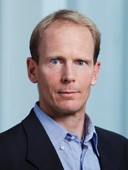
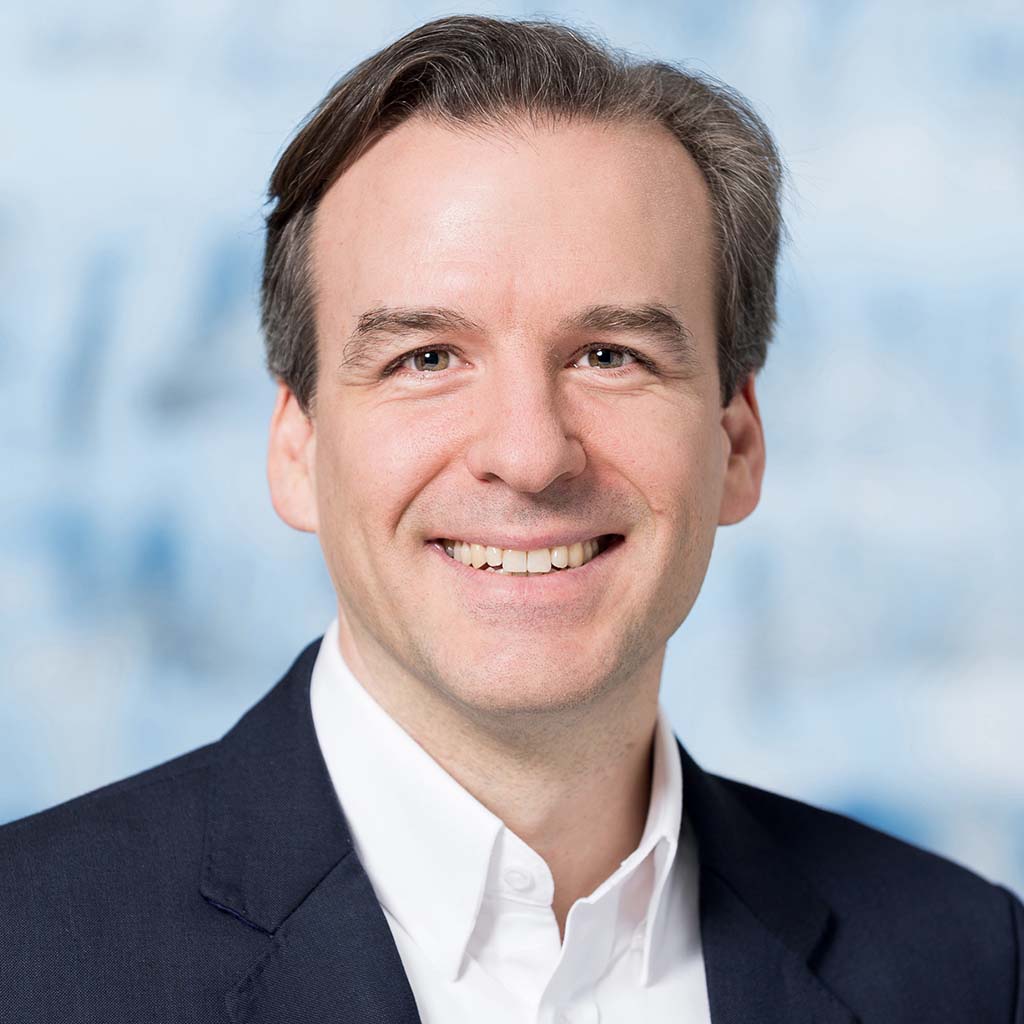
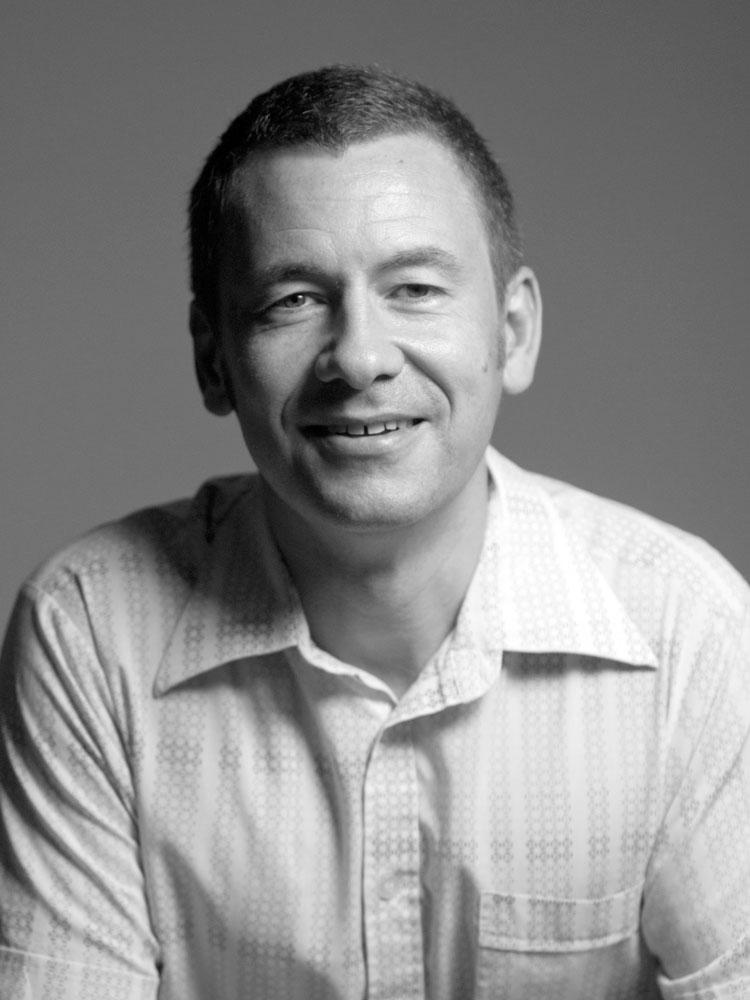
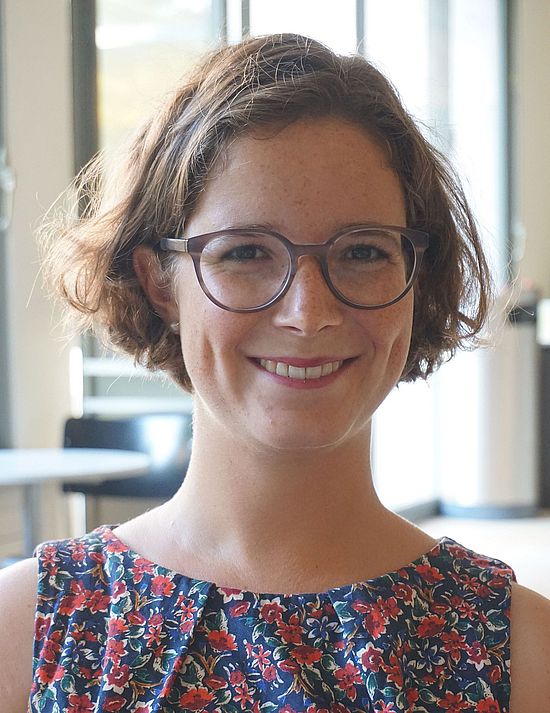
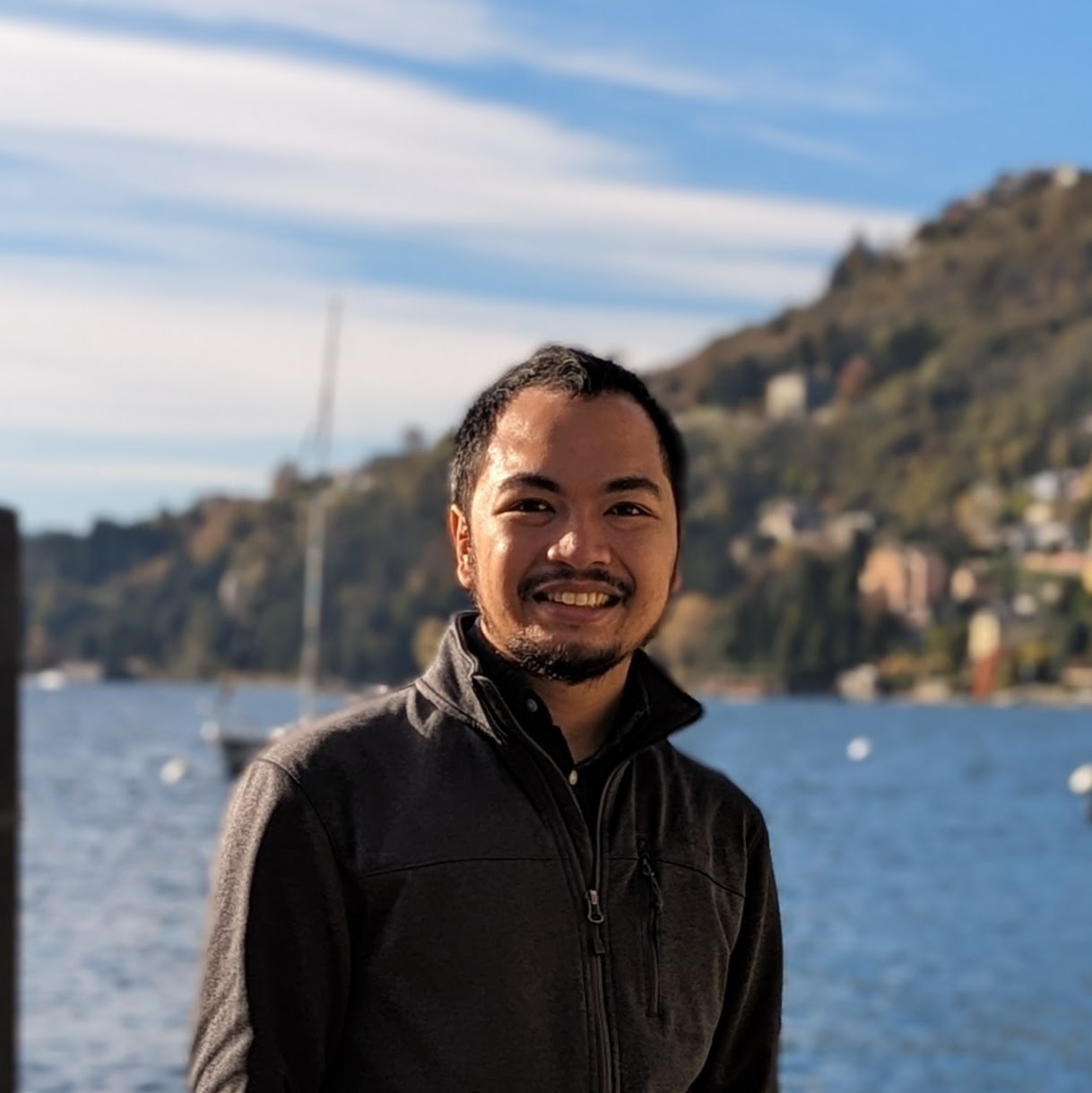
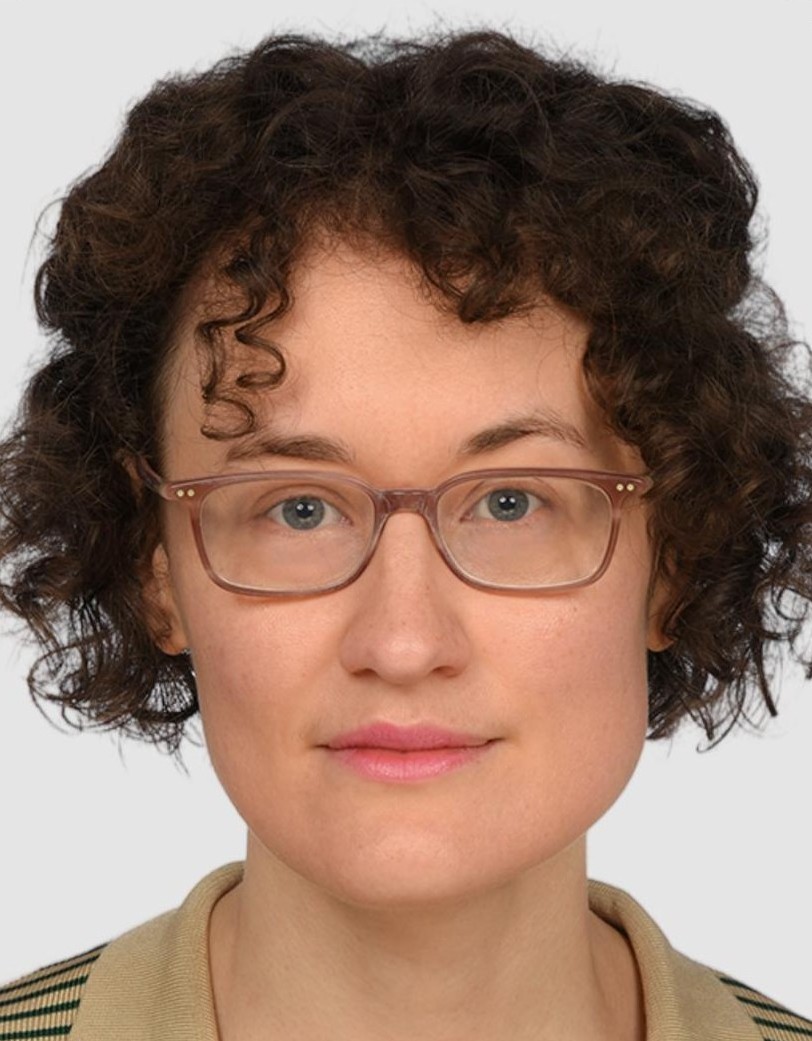
Prof. Patrick Jenny is a Full Professor at the Department of Mechanical and Process Engineering and Head of the Institute of Fluid Dynamics at ETH Zurich. His research focuses on computational fluid dynamics (CFD), numerical methods for turbulent and multiphase flows, and reservoir simulation. He has held positions at ChevronTexaco and Cornell University, and received the National Latsis Prize 2005. PhD in CFD from ETH Zurich (1997) Postdoctoral work at Cornell University (1997–1999) Senior Researcher at ChevronTexaco (1999–2003) Research interests include: turbulent reactive flows, PDF modeling, multi-scale reservoir simulation, and data assimilation in engineering systems. He teaches courses on fluid dynamics, turbulence, and computational methods. Over 100 peer-reviewed publications span topics like fracture modeling, LES/RANS coupling, and particle-laden flows. His work bridges academia and industry, addressing challenges in energy systems, environmental engineering, and numerical algorithms. Winner: National Latsis Prize 2005 Led over 20 PhD projects and collaborates with institutions globally. His lab develops open-source tools for CFD and energy systems analysis.
Dr. Paolo Bergamo is a Senior Researcher at the Swiss Seismological Service (SED), ETH Zurich, since April 2016. He specializes in engineering seismology, focusing on earthquake site response models, ground-motion modeling, and seismic risk assessment. His work includes projects such as the Earthquake Risk Model Switzerland (ERM-CH23) and the SERA Horizon2020 initiative. He holds a PhD in Earth Sciences from Politecnico di Torino (2012) and advanced degrees in Environmental Engineering. Key research areas include soil amplification analysis, geophysical surveys, and the integration of empirical and computational methods for seismic hazard mitigation. His contributions span microzonation studies, site characterization using borehole and ambient vibration data, and the development of design-compatible waveforms for Swiss building codes. Education: PhD in Water and Territory Management Engineering, Politecnico di Torino (2012) MSc and BSc in Environmental Engineering, Politecnico di Torino (2008, 2005) Research Interests: Dr. Bergamo’s work emphasizes the collation of empirical ground-motion data with building codes, spatial modeling of soil amplification, and geophysical site characterization. He employs advanced techniques like surface-wave analysis, machine learning, and canonical correlation for seismic hazard assessment. Projects & Grants: ERM-CH23: Site response implementation and national seismic risk modeling SERA Project (Horizon2020): Site characterization indicators Swiss Federal Office for Environment-funded studies on microzonation and geophysical monitoring Labs & Teams: Active contributor to the Engineering Seismology group at SED, leading efforts in alpine valley seismic modeling and offshore site characterization in Lake Lucerne.
Dr. Matteo Fadel is a Researcher in the Department of Physics at the University of Basel, working in the Quantum Optics Lab led by Prof. Philipp Treutlein. He completed his PhD (2014-2018) and Postdoc (2018-2021) in the same group, focusing on quantum many-body systems, entanglement, and quantum metrology. His research explores foundational aspects of quantum physics using ultracold atoms and hybrid atom-optomechanical systems, with applications in quantum technologies like quantum memories and sensors. Education: B.Sc. Physics, University of Padua (2008-2011) M.Sc. Physics, ETH Zurich (2011-2013) Key Research Interests: Entanglement in macroscopic systems (e.g., Bose-Einstein condensates) Einstein-Podolsky-Rosen steering and quantum nonlocality Quantum memories and optical storage in atomic vapor cells Hybrid quantum systems (e.g., atom-mechanical oscillator coupling) Publications Highlight: Recent work includes observing the EPR paradox in two Bose-Einstein condensates (2023), developing microfabricated quantum memories (2024), and studying spin squeezing in helium-3 (2021). These contributions bridge fundamental quantum physics with technological applications. Awards: Prix Schläfli 2019 (Swiss Academy of Sciences) Contributor to Paul Ehrenfest Best Paper Award 2017 Teaching: Fadel has contributed to courses such as Physik IV, Quantum Optics I, and Introductory Computational Quantum Mechanics at the University of Basel.
Isabella Di Lenardo is a Lecturer and Scientist at the Digital Humanities Institute (DHI) at École Polytechnique Fédérale de Lausanne (EPFL), where she also serves as the coordinator of the EPFL Time Machine Unit and the European Local Time Machines. She holds affiliations across multiple departments, including DHI-GE, SAR-ENS, SHS-ENS, and EDDH-ENS, reflecting her interdisciplinary role in teaching and research. Her educational background includes a PhD in Theories and Art History, with postdoctoral and faculty experience at institutions such as INHA (Paris), EPFL, and IUAV (Venice). Her research spans Digital Humanities, Art History, Urban History, and GIS , with a focus on digital urban reconstruction, historical cadastres, and AI applications in cultural heritage. She employs advanced computational methods including machine learning, 4D modeling, and semantic segmentation to analyze historical maps, cadastral records, and art archives. Her work bridges humanities scholarship with computer science, particularly in reconstructing urban evolution and analyzing visual patterns. The recent publications reveal a consistent trend in AI-powered historical data analysis , especially in processing non-standardized historical documents, reconstructing urban spaces, and developing open-source tools for digital heritage. Her work frequently involves large-scale datasets from Venice, Lausanne, Paris, and Jerusalem, demonstrating a transnational and interdisciplinary approach. She has contributed to significant collaborative projects such as the Venice Time Machine , Parcels of Venice , and Time Machine Organization , often acting as a principal investigator or project leader. Her role involves coordinating diverse teams of researchers, engineers, and cultural institutions. Scientific contributions include: Development of the Morphograph tool for visual pattern recognition in art archives Automatic vectorization and analysis of Napoleonic cadastres Creation of 4D models for historical cities AI-driven text and pattern extraction from historical maps Building discovery engines for digital art history She actively teaches ex cathedra courses in Digital Urban History and Art History at EPFL and internationally. Her work in grants and projects emphasizes open data, reproducibility, and interdisciplinary collaboration. She has led research funded by organizations supporting digital heritage innovation. She is a key member of the Digital Humanities Laboratory at EPFL and the Time Machine Organization , where she fosters collaboration between computer scientists, historians, and cultural institutions. Her work in the Replica Project and ARCHiVe center highlights her leadership in digitizing and making accessible large art historical archives.
Prof. Bernd Domer is an Associate Professor at the Geneva School of Landscape, Engineering and Architecture (HES-SO) specializing in Building Information Modeling (BIM) , Geographic Information Systems (GIS) , and digital transformation of civil engineering . He leads multiple ongoing research projects including CU_OFROU_PAB (CHF278,844) focused on BIM-GIS workflows for noise barriers, and SousEtoile (CHF50,000) developing subsurface prediction models for urban planning. His work addresses critical challenges in software interoperability and point cloud processing for infrastructure digital twins. BA HES-SO in Architecture (HEPIA) BSc Civil Engineering (EPFL) BSc HES-SO in Civil Engineering (HEPIA) MSc HES-SO in Engineering (HES-SO Master) His research explores digital workflows for infrastructure projects, with over 15 recent publications examining topics like: Semantic segmentation of point clouds (2024) IFC standard optimization (2023) Underground confidence level modeling (2021) Swiss BIM implementation frameworks (2020) Construction waste management platforms (2018) He serves as Head of the MIC Group and co-directs the CAS in BIM Coordination . Active in international committees like EG-ICE and Bauen digital Schweiz , his work bridges academic research with practical implementation through collaborations with HEPIA , HEIG-VD , and institutions like the Swiss Federal Roads Office (OFROU) .
Prof. Dr. Jochen Menges is a Professor at the University of Zurich , holding the Chair of Human Resource Management and Leadership within the Department of Business Administration under the Faculty of Business, Economics and Informatics . He serves as Director of the Center for Leadership in the Future of Work and contributes to the DSI Community Work. Research Interests: His work bridges leadership studies , emotional intelligence , mindfulness practices , and digital transformation in work environments. Key areas include charismatic leadership attribution , AI-human collaboration , emotion regulation , and future of work dynamics . Recent Publications: Menges explores how anthropomorphic AI affects workplace emotions, develops VR-based organizational simulations , and investigates the role of awe in leadership perception . His 2024 guest editorial on human-centered future of work emphasizes balancing technological and human needs. Emerging Insights: Studies on emotional responses to AI , mindfulness interventions , and gender dynamics in emotional intelligence demonstrate his focus on emotional and psychological dimensions of modern work. His populist support research connects negative affect with global political trends.
Dr. Yizi Chen is a Researcher affiliated with the Professorship for Cartography at ETH Zurich's Department of Civil, Environmental and Geomatic Engineering. Their work focuses on advancing cartographic techniques through AI-driven methods, historical map analysis, and geospatial technologies. Key contributions include automated map vectorization, semantic segmentation of historical maps, and integrating multimodal data for robotic systems. They have published extensively in top-tier journals and conferences, addressing challenges in deep learning applications for geomatic engineering. Education details are not explicitly provided in the text. Research interests include semantic segmentation, generative AI for cartography, and steganography in image translation. Notable publications span topics from eye-tracking segmentation to urban land use mapping, reflecting a strong interdisciplinary approach. Dr. Chen collaborates on projects involving historical map digitization and benchmarking datasets for computer vision tasks. No awards or grants are mentioned. Their work contributes to advancing geomatic engineering through innovative solutions in digital mapping and spatial data analysis.
Prof. Dr. Volker Dellwo is an Associate Professor of Phonetics and head of the Department of Computational Linguistics. His research focuses on phonetics, speech recognition, computational linguistics, and dialectology, with applications in forensic analysis, voice biometrics, and multimodal emotion recognition. Academic Rank: Associate Professor Department: Computational Linguistics His work explores phonetic convergence , speaker discrimination, and the role of prosodic features in voice recognition. Recent studies analyze whispered speech processing, cross-dialect accommodation, and neural mechanisms of speaker identity encoding. Key article trends include self-supervised learning for speech recognition , multimodal emotion detection , and forensic voice analysis . Subfields span acoustic variability, temporal envelope dynamics, and voice quality metrics. Publications emphasize computational phonetics , cross-linguistic studies , and neural network applications in speaker identification. Research also addresses challenges in forensic audio analysis and synthetic speech dataset generation.
Simon Clematide is an Academic Associate at the Department of Computational Linguistics within the Faculty of Arts and Social Sciences at the University of Zurich, where he has been actively engaged in research and teaching since the early 2000s. His work spans computational linguistics, natural language processing, and text mining with a particular focus on historical document processing, multilingual applications, and practical implementations of machine learning techniques. Dr. Clematide's research interests encompass Natural Language Processing , Computational Linguistics , Text Mining , Machine Learning , Sentiment Analysis , Named Entity Recognition , and Historical Document Processing . His interdisciplinary approach bridges computer science with humanities applications, particularly in analyzing historical newspapers and multilingual corpora. His work demonstrates strong expertise in developing practical NLP systems that address real-world challenges in document analysis and language processing. Over the past five years, his publication record reveals a consistent focus on historical text processing, multilingual NLP applications, and shared task competitions. His research shows particular strength in named entity recognition for historical documents (CLEF HIPE shared tasks), grapheme-to-phoneme conversion (SIGMORPHON shared tasks), and OCR post-processing for historical newspapers. The interdisciplinary nature of his work is evident in collaborations spanning computer science, linguistics, history, and geography. Dr. Clematide has been instrumental in organizing and participating in numerous shared tasks including CLEF-HIPE (2020-2022), SIGMORPHON (2017-2021), and CoNLL-SIGMORPHON (2017-2020), where his team achieved multiple first and second places. His teaching portfolio includes courses on Text Mining, Machine Learning for NLP, Deep Learning in Language Technology, and Sentiment Analysis, demonstrating his commitment to educating the next generation of computational linguists. He has led or participated in diverse research projects including NFP 77, impresso, Citizen Linguistics Projects (tonaccent.ch, dindialaekt.ch), SPARCLING, KTI project with Eurospider, and biomedical text mining initiatives (MANTRA, SASEBio). His interdisciplinary work extends to collaborations with material scientists and social scientists on concept extraction and text zoning applications. Dr. Clematide has contributed to the development of several computational tools and resources, including finite-state morphology systems for Rumansh Grishun, Standard German, and Swiss German, as well as the CLab web-based virtual laboratory for computational linguistics. His work on crowdsourcing OCR ground truth for heritage corpora demonstrates practical solutions to real-world digitization challenges.
Philip Brunner is a Professor of Hydrogeology at the University of Neuchâtel's Faculty of Science since 2012. He is based at the Center for Hydrogeology and Geothermics (CHYN), leading the Laboratory of Hydrogeological Processes. His work centers on sustainable water resource management through quantitative tools. He earned his PhD from ETH Zurich, focusing on sustainable salt and water management in Western China's agricultural basins. Post-PhD, he conducted three years of postdoctoral research in Australia, developing new approaches for simulating river-aquifer interactions. Brunner's research spans surface water-groundwater interactions, numerical modeling, and remote sensing. He integrates methods from numerical modeling, remote sensing, scientific computing, and isotopic chemistry. His interdisciplinary collaborations with mathematicians, biologists, and physicists address challenges in agriculture, ecohydrology, engineering, and sustainable resource management. Recent publications highlight innovative tracer techniques (noble gases, microbes), low-cost monitoring systems, and advanced numerical models. His work tackles climate change impacts on ecosystems, groundwater in conflict zones, and sustainable practices in diverse environments including mountains and agricultural regions. He teaches courses such as Introduction to Hydrological Processes (Master), Numerical Modeling (Master), Remote Sensing (Master), and Introduction to Soil Physics (Bachelor, in French). His laboratory serves as a center for experimental and computational hydrogeological research.
Nina Goldman is a human geographer and lecturer at the University of Basel's Department of Environmental Sciences. Currently, she is based at the University of Manchester on a two-year mobility fellowship from the Swiss National Science Foundation. Her work focuses on understanding social connection in urban environments and addressing loneliness through place-based interventions. She also conducts research for the World Health Organization and serves as a guest editor for a special issue on "Loneliness and the Built Environment" in the Journal Health & Place. Dr. Goldman teaches an annual introductory course in social science methods for the Land Use Changes research group at the University of Basel and has developed various courses since 2017, including "Introduction to Empirical Social Research" and "Urban Geography and Urban Health." Her teaching extends to field excursions across Switzerland, Germany, France, and China, focusing on urban health, poverty, sustainability, and spatial transformations. Her research interests center on the intersection of human geography, urban health, and social connection. Specifically, she investigates which place-based factors are most crucial in determining social connection in cities that, despite offering abundant opportunities for social contact, often leave residents feeling isolated. This work combines geographical analysis with social science methodologies to understand urban loneliness and develop interventions. Dr. Goldman's scholarly work reveals a strong evolution from spatial epidemiology of influenza transmission (reflected in her PhD "The Taming of the Flu") to her current emphasis on loneliness as a critical urban health challenge. Her publications demonstrate an interdisciplinary approach bridging geography, public health, and social science, with increasing focus on policy implications across 52 countries. Swiss National Science Foundation Mobility Fellowship Dr. Goldman has advised numerous students through her courses and field excursions. Her research for the World Health Organization on governmental approaches to addressing loneliness represents a significant contribution to public health policy. She organizes international workshops on place-based interventions for loneliness, fostering global collaboration on this pressing issue. While not explicitly mentioned as leading a formal lab, Dr. Goldman collaborates with the Land Use Changes research group at the University of Basel and participates in international research initiatives related to urban health and social connection. Her work with the World Health Organization and her guest editorship for the Journal Health & Place indicate active engagement in shaping research agendas in her field.
Dr. Damian Nale Dailisan is a Lecturer in the Department of Humanities, Social and Political Sciences at ETH Zürich, affiliated with the Computational Social Science group. He holds a Ph.D. in Physics from the University of the Philippines, specializing in traffic modeling and machine learning applications. His research focuses on multi-agent systems, particularly in transportation and urban systems. He has held postdoctoral roles and contributed to projects like the ACCeSs@AIM lab. His work bridges computational methods with real-world challenges, including traffic control optimization, AI-driven decision-making, and smart city infrastructure. Notable projects include FAIRLANE for priority lane management and studies on democratizing traffic control systems. Dailisan’s publications span journals like Transportation Research Part C and IEEE Access, addressing topics such as reinforcement learning in traffic signals and ethical AI frameworks. He has presented at workshops like 'Back to the Future' at ETH Zurich and collaborates with interdisciplinary teams to enhance urban mobility solutions. His technical expertise includes Python, network analysis, and agent-based modeling, with contributions to open-source tools for earthquake networks and social systems analysis.
Clarissa Alicia Kroll is a Research Fellow affiliated with the Professorship for Climate Dynamics at ETH Zurich's Department of Environmental Systems Science. Her research focuses on tropical atmospheric circulation, stratospheric water vapor dynamics, and process-based model evaluation. She holds an ETH Postdoctoral Fellowship (2024) and contributes to high-performance computing projects involving km-scale weather and climate simulations on systems like Alps and Daint. Her work spans interdisciplinary fields including climate dynamics, atmospheric chemistry, and medical physics. Key research areas include the impact of volcanic eruptions on stratospheric moisture, hydrometeor transport pathways in the tropical tropopause layer, and improving computational models for MRI-guided radiation therapy. Research Highlights: Analysis of indirect stratospheric moisture changes post-volcanic eruptions Development of high-resolution climate models (ICON-Sapphire) Investigation of spatial distortion effects in medical imaging Publications reflect her dual expertise in climate science and medical physics, with recent contributions to Communications Earth and Environment , Environmental Research Letters , and Geoscientific Model Development . She actively collaborates with global research networks on both climate systems and computational healthcare technologies.
Lenka Zdeborová is an Associate Professor at EPFL, jointly affiliated with the School of Basic Sciences and School of Computer and Communication Sciences. She leads the Laboratory of Statistical Physics of Computational Systems, where her research bridges statistical physics, machine learning, and computational biology. Education: PhD in Physics, Université Paris-Cité (2012) MSc in Fundamental Physics, École Normale Supérieure (2009) BSc in Physics, École Normale Supérieure de Lyon (2007) Her work focuses on phase transitions in learning algorithms, high-dimensional statistics, and neural network theory. Current projects investigate fundamental limits of machine learning, dynamics of graph neural networks, and applications to biological systems. Recent publications explore attention mechanisms in transformers, neural network depth advantages, and Bayes-optimal learning. Methodological innovations include cavity methods for hypergraphs and analysis of high-dimensional inference problems. Supervises doctoral students researching statistical physics approaches to machine learning and optimization. Teaches graduate courses in data science and machine learning for physicists.
Helen Oleynikova is a Lecturer at the Department of Mechanical and Process Engineering at ETH Zürich, where she is part of the Autonomous Systems Lab. She works on the intersection of perception and planning, particularly for micro-aerial vehicles. Her research focuses on real-time onboard mapping, planning, and localization using visual-inertial systems and signed distance fields. Research Interests: Helen's work spans robotics, autonomous systems, and computer vision, with a focus on enabling safe and efficient navigation in complex environments. She specializes in visual-inertial odometry, SLAM, 3D mapping using signed distance fields, and real-time path planning for MAVs. Her projects often involve embedded systems and FPGA-based high-speed vision for obstacle avoidance. Publication Trends: Her recent publications (2023–2019) show a consistent focus on real-time, onboard algorithms for autonomous navigation. Key themes include signed distance function maps, collision-free motion generation, global localization, and efficient exploration. She frequently publishes in top-tier robotics conferences such as ICRA and IROS, and journals like IEEE RA-L and Journal of Field Robotics. Professional Experience: Senior Researcher, Autonomous Systems Lab, ETH Zürich Senior Software Engineer, Isaac 3D Perception, Nvidia Senior Scientist, Microsoft Mixed Reality and AI Lab, Zürich Software Engineer, Google (StreetView) Contributor, Willow Garage (ROS, TurtleBot Arm) Education: PhD in Robotics, ETH Zürich (2019) MSc in Robotics, ETH Zürich BSc in Robotics, Olin College of Engineering (2011) Advising and Grants: While no formal students are listed, she has collaborated extensively with researchers at ETH Zürich and industry labs. Her work has been supported through institutional affiliations and industry research roles. She has contributed to open-source robotics software, particularly in ROS-based systems for manipulation and navigation. Labs and Teams: Helen is a key member of the Mobile Manipulation team at the Autonomous Systems Lab at ETH Zürich. She has also been involved in projects at Nvidia, Microsoft, Google, and Willow Garage, focusing on real-world deployment of autonomous systems.