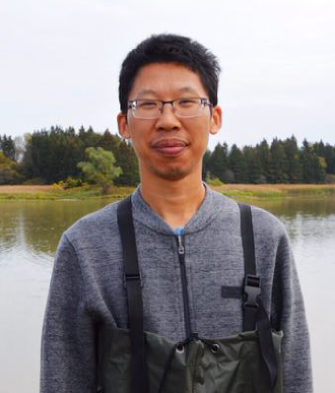
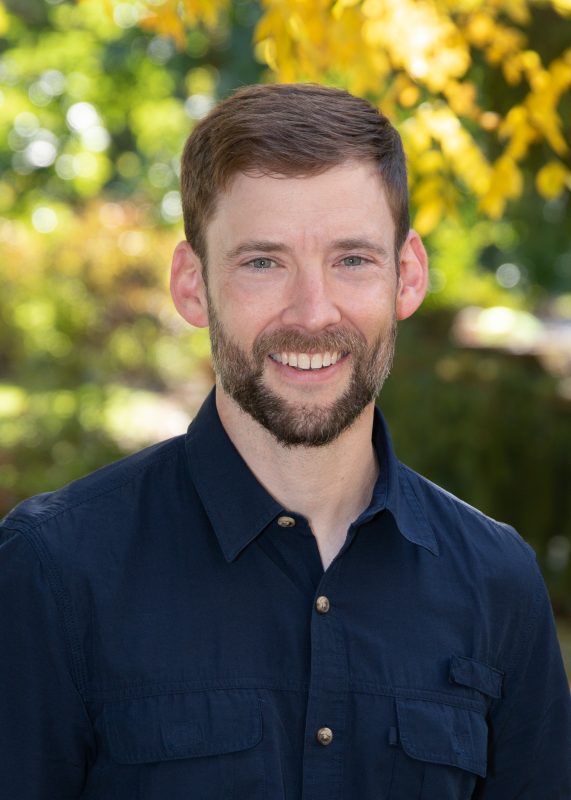
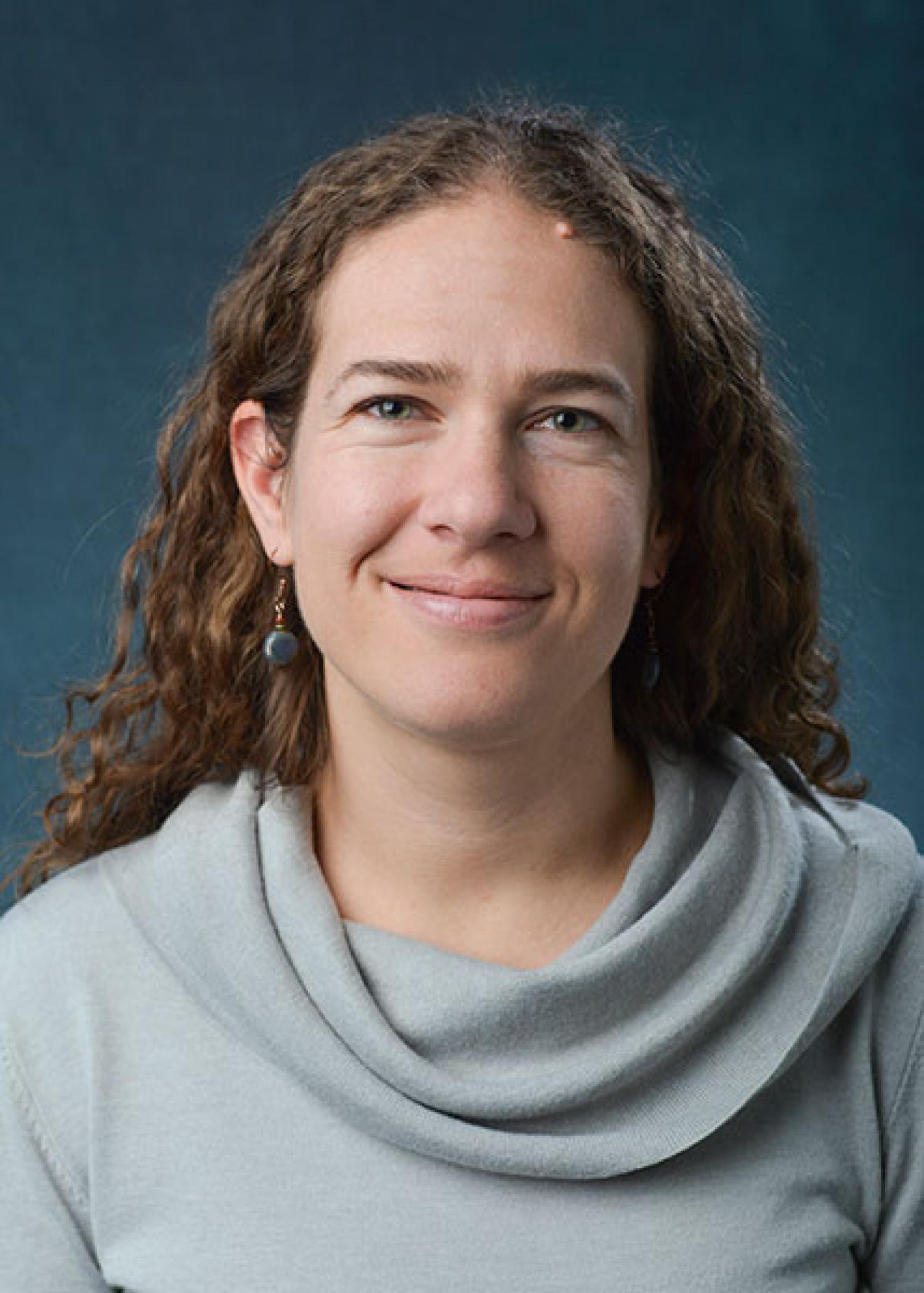
Thomas Josef Wintgens serves as a Professor at the Institute of Environmental Engineering, RWTH Aachen University, with his office located at Mies-van-der-Rohe-Str. 1/IV, 52074 Aachen. His research spans Environmental Engineering, emphasizing Water Treatment technologies, Wastewater Management systems, Sustainable Engineering practices, and Pollution Control methodologies. This work addresses critical challenges in resource conservation and ecological protection through advanced engineering solutions. Professional recognition includes foundational contributions to environmental process engineering, though specific awards are not documented in the source material.
Antara Dasgupta serves as Junior Professor for Data-driven Computing in Civil Engineering at RWTH Aachen University within the Faculty of Architecture and Civil Engineering. Her position at the Institute of Hydraulic Engineering and Water Resources Management (IWW) focuses on integrating advanced computational methods with civil engineering applications, particularly in hydrological systems and flood risk management. Her research centers on flood inundation mapping through satellite remote sensing and machine learning, with specialized expertise in Synthetic Aperture Radar (SAR) data analysis. Key interests include data assimilation techniques for hydrological models, flood forecasting system optimization, and developing solutions for challenging environments like arid regions. She actively explores citizen science applications in hydrology and infrastructure resilience against flash floods, emphasizing the translation of research into operational forecasting systems. Recent publications reveal a concentrated effort on enhancing flood detection accuracy using multi-source satellite data (Sentinel-1, Capella SAR) and deep learning, with significant focus on overcoming arid region limitations. Her work bridges global-scale hydrological modeling with local flood management through international collaborations like the Global Flood Partnership, while advancing validation methodologies for Earth observation flood maps and urban infrastructure resilience. She is affiliated with RWTH Aachen's Institute of Hydraulic Engineering and Water Resources Management (IWW), contributing to research on sustainable water resource management and flood risk reduction through advanced computational approaches.
Dr. Lorenzo Nespereira, José María is a Professor in the Department of Biology at the University of Las Palmas de Gran Canaria (ULPGC). He is affiliated with the IU of Environmental Studies and Natural Resources and is a member of the GIR IUNAT: Applied Marine Ecology and Fisheries research group. His research interests focus on: Marine ecology Fisheries science Environmental science Ecotoxicology Marine pollution assessment Dr. Lorenzo has published numerous articles on marine ecology, fish biology, and metal contamination in marine organisms. His recent publications include studies on metal accumulation in sardines, pelagic fish, crustaceans and other marine species, impacts of natural events on marine pollution, and reproductive biology of various marine organisms. Dr. Lorenzo has supervised several master's theses including: Gonzalo Tejera Romero on reproductive characteristics of the Moorish grouse in Canary Islands waters Rocío Arenas Ruiz on reproductive aspects of the Catalufa in the Canary Islands Erick Ross-Salazar on monitoring marine protected areas in Costa Rica Maite Zarranz on germination of Cymodocea nodosa seeds Rosa Domínguez-Seoane on age and growth of the sharpnose seabream in Gran Canaria waters
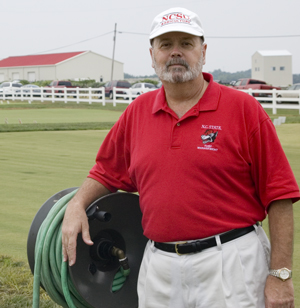
Dr. Charles Peacock is a Professor and Extension Turfgrass Specialist at North Carolina State University, focusing on turfgrass fertility, stress physiology, and environmental best management practices. He teaches Advanced Turf Management (CS 155) and Environmental Issues in Turf Management (CS 495J/590J), advising undergraduate/graduate students and leading the GCSAA student chapter. His research integrates turfgrass management, nutrient cycling, and environmental sustainability. Key areas include: Nitrogen fate studies on golf course fairways Bermudagrass cultivar evaluation for stress tolerance Water quality protection strategies Salinity and cold resistance mechanisms Extension activities involve collaboration with the Turfgrass Council of North Carolina, where he co-chairs conferences and develops industry publications on water quality. His recent publications emphasize sustainable turf management under environmental stresses, with recurring themes of water conservation, nutrient efficiency, and climate-resilient turfgrass selection. Dr. Peacock mentors graduate and undergraduate researchers in turf science but no current grants or lab details are specified.
Dr. Oliver Kinnane is a Researcher at University College Dublin's School of Architecture, Planning & Environmental Policy within the College of Engineering and Architecture. His research focuses on developing high-performance building materials, particularly innovative concrete technologies for energy-efficient building skins. As a principal investigator on the European Horizon 2020 IMPRESS project, he collaborates with industry partners including Firebird and Techrete to create sustainable solutions for both new construction and building retrofit applications. Dr. Kinnane's research interests center on sustainable building materials, energy efficiency in construction, and reducing the carbon footprint of the built environment. His work addresses critical challenges in building physics, particularly the hygrothermal properties of traditional and innovative materials. He specializes in developing thin, ultra-high-strength concrete skins that improve thermal performance while reducing material usage. His research spans from fundamental material science to practical applications in social housing and commercial buildings, with particular emphasis on Ireland's building stock and climate conditions. Analysis of Dr. Kinnane's recent publications reveals a strong focus on the hygrothermal properties of traditional building materials, particularly Irish stone and brick construction. His work bridges historic building conservation with modern energy efficiency requirements, investigating how traditional materials perform under contemporary climate conditions. A significant portion of his research examines retrofit strategies for existing buildings, with emphasis on accurate material characterization for reliable performance prediction. His publications consistently address the environmental impact of construction, particularly embodied carbon analysis and life cycle assessment of building materials and systems. Dr. Kinnane has secured significant research funding including from the Sustainable Energy Authority of Ireland (SEAI) for the nZEB_101 project monitoring near zero energy buildings in social housing. As principal investigator on the Horizon 2020 IMPRESS project, he leads a 16-partner European collaboration developing innovative prefabricated building panels. His industry partnerships with companies like Firebird and Techrete demonstrate the applied nature of his research, translating academic findings into practical building solutions. Dr. Kinnane's laboratory work focuses on developing and testing novel concrete technologies incorporating phase change materials, cement replacements, and alternative reinforcement systems. His research group collaborates with architects, construction companies, and local authorities to implement sustainable building practices in Ireland. The IMPRESS project demonstration units represent a key aspect of his team's work, validating new prefabricated technologies under real-world conditions.
Allison Roy serves as a Research Associate Professor within the Department of Environmental Conservation at the School of Earth and Sustainability, University of Massachusetts Amherst. Her academic office is located in Holdsworth Hall 314 at 160 Holdsworth Way, Amherst, Massachusetts. Her educational background includes: Ph.D., The University of Georgia M.S., The University of Georgia B.S., Allegheny College Dr. Roy's research program centers on characterizing human impacts on aquatic ecosystems and developing conservation strategies for watershed protection. She investigates how urbanization-induced stressors—including altered hydrology, temperature fluctuations, habitat degradation, water pollution, and disrupted food resources—affect stream and lake biota, with specialized focus on threatened fish and mussel populations. Her work evaluates management interventions such as forested riparian buffers, green infrastructure implementation, and dam removal for ecosystem restoration. No scientific awards were documented in the source material. Information regarding student advising, research grants, laboratory facilities, or collaborative research teams was not provided in the available text.
Dr. Latif Kalin serves as the Alumni & Clinton McClure Professor at Auburn University's College of Forestry, Wildlife, and Environment, where he also holds the position of Associate Director for the Center for Environmental Studies at the Urban-Rural Interface. His research program focuses on critical water resources challenges at the intersection of human activities and natural systems, with active collaborations across the United States and internationally including Brazil. Education: Ph.D. in Civil Engineering, Purdue University (2002) MSCE in Civil Engineering, Purdue University (1998) BSCE in Civil Engineering, Middle East Technical University, Turkey (1995) Dr. Kalin's research investigates urbanization and climate change impacts on hydrology and water quality, with emphasis on watershed-scale modeling, uncertainty analysis, erosion/sediment transport, and nutrient cycling in wetlands and bottom sediments. His work integrates field studies with advanced computational models to address pressing water resource challenges in agricultural, forested, and urbanizing landscapes. Current projects examine forest-wetland-hydrology interactions, ecologically relevant flow regimes, and climate adaptation strategies for vulnerable coastal ecosystems. Analysis of Dr. Kalin's recent publications reveals a strong focus on improving hydrological predictions through better representation of forests and wetlands in models, with increasing integration of machine learning techniques. His work consistently addresses practical water management challenges while advancing fundamental understanding of hydrological processes across multiple scales, with particular attention to the southeastern United States and tropical ecosystems. Scientific Awards: Clinton McClure Endowed Professorship (2021) Fulbright U.S. Scholar Award for research in Brazil (2021) Alumni Professorship (2020) Best Associate Editor, Journal of Hydrologic Engineering (2020) Dr. Kalin has successfully advised numerous graduate students through PhD and MS programs while securing significant research funding. Current projects include a USDA-NIFA grant ($499,932) coupling SWAT and WetQual models for agricultural watersheds, and a National Academies grant developing coupled natural-human frameworks for coastal community risk assessment. His research program maintains strong partnerships with federal agencies including the U.S. EPA and USDA, as well as international institutions in Brazil. Dr. Kalin leads an active research team comprising PhD and MS students working on watershed modeling, wetland ecology, and climate change adaptation projects. The group operates within Auburn University's water resources research infrastructure with access to advanced computational resources and field sites across Alabama's diverse ecosystems, including the Mobile-Tensaw-Apalachee River Delta.
Mark Dougherty serves as Associate Professor in the Biosystems Engineering department within Auburn University's College of Engineering. His academic work bridges agricultural systems and environmental engineering with focus on sustainable water resource management. Education: Ph.D. Civil and Environmental Engineering, Virginia Tech M.S. Biological Systems Engineering, Virginia Tech B.S. Agricultural Engineering, Texas Tech B.S. Geography, Clarion University Dougherty's research centers on water resources engineering with emphasis on sustainable development balancing environmental protection and economic progress. His work spans water quality management , source water protection , wastewater reuse for irrigation , and green infrastructure environmental impacts . He actively investigates erosion control systems for steep slopes and explores international opportunities enhancing food production and urban water usage. His 15 most recent publications demonstrate strong focus on irrigation technologies (particularly subsurface drip systems), wastewater treatment innovations (sand filters, sludge management), and urban water challenges (pervious concrete, stormwater thermal characteristics). Research frequently combines field-scale investigations with watershed-scale geographic information systems. Dougherty teaches multiple courses including Irrigation Design (BSEN 4210), Turf Systems Irrigation (BATM 3560), and specialized topics in sustainable composting, soil moisture sensing, and bioretention monitoring. His educational contributions include pioneering e-portfolio implementation for engineering graduates and lifelong learning frameworks. Current research continues exploring conjunctive use of public water resources while addressing climate adaptation through ENSO-based rainwater harvesting and sustainable irrigation scheduling methods.
Dr Helen Glanville is a Senior Lecturer in Geography and Environmental Science at Loughborough University (2022-present), previously holding academic positions at Keele University (2017-2022) and conducting post-doctoral research at Bangor University. Her expertise spans soil science, environmental biogeochemistry, and ecosystem services. She holds a PhD in Soil Science from Bangor University (2013) and an MSci in Geology from the University of Birmingham. Education: PhD Soil Science, Bangor University (2013); MSci Geology (2:1), University of Birmingham (2005) Professional Roles: NERC Peer Review College member (2021-present), Editor for Frontiers in Soil Science (2020-present), Fellow of the Higher Education Academy Her research focuses on soil and water biogeochemistry, wildfire impacts, dissolved organic matter dynamics, and microbial ecology. She has contributed to NERC-funded projects including DOMAINE (water biogeochemistry) and Macronutrients (soil biogeochemistry). Her work integrates field studies, laboratory analysis (e.g., pXRF, mass spectrometry), and microbial genomic sequencing to address environmental challenges. Recent articles highlight her work on wildfire effects on soil properties, dissolved organic matter characterization, and pharmaceutical impacts on aquatic ecosystems. She has received the Drapers Company Medal for her doctoral research and actively contributes to environmental policy through roles like Honorary Consultant for Shropshire Council (2019). Awards: Drapers Company Medal (2013), Fellow of HEA (2020) Grants: NERC-funded DOMAINE and Macronutrients projects Dr Glanville co-founded the Bangor University Women in Science Network (2015) and serves on academic committees such as the Geography, Geology, and Environmental Science Laboratory Committee at Keele University (2019-2022). Her teaching and research address global environmental issues, emphasizing interdisciplinary solutions for sustainable ecosystems.
Caroline Duchaine is a Full Professor in the Department of Biochemistry, Microbiology and Bioinformatics at Université Laval, affiliated with the Faculty of Science and Engineering. She holds a Ph.D. in Computer Engineering from École Polytechnique de Montréal (2007) and completed postdoctoral training at Mount Sinai School of Medicine (2007–2011). Her research focuses on environmental microbiology, occupational health, and the One Health approach, particularly studying bioaerosols, antibiotic resistance genes, and respiratory diseases. She has received the Teaching Star award multiple times (2003, 2005, 2009, 2012–2016, 2021, 2025). Her work addresses bioaerosol dynamics in healthcare, agricultural, and industrial settings, emphasizing airborne pathogen transmission and mitigation strategies. She leads projects on antimicrobial resistance genes in environmental matrices and the impact of bioaerosols on human and animal health. Her lab develops innovative sampling techniques and evaluates filtration efficiency of protective equipment. Education: B.Eng. (2002), M.Sc.A. (2004), Ph.D. (2007) in Computer Engineering, École Polytechnique de Montréal Postdoctoral Fellowship: Iyengar Lab & Systems Biology Center, Mount Sinai School of Medicine (2007–2011) Teaching: Courses include bioaerosols, microbial cultivation, and seminars in microbiology Key research areas include: Environmental hygiene and occupational safety One Health interdisciplinary approaches Bioaerosol characterization in farming and healthcare Antibiotic resistance gene dispersion mechanisms Her 15+ recent articles (2024–2025) span: Wastewater treatment plant bioaerosol risk assessment Masks' filtration efficiency against viral aerosols Manure-spreading impacts on antibiotic resistance emissions Lichen-associated antibiotic resistance genes Advises over 20 graduate students and supervises postdocs like Florent Rossi. Active in lab design (e.g., wind tunnels for filtration testing) and policy-oriented studies on indoor air quality in Arctic communities and schools.
Hui Peng is an Associate Professor in the Department of Chemistry at the University of Toronto. He leads the Environmental Chemical Biology research group, focusing on developing analytical and biochemical methods to study environmental contaminants and their toxic mechanisms. His work bridges chemistry and biology to address critical challenges in environmental science, including untargeted contaminant identification and protein interaction mapping. Dr. Peng earned his BSc and PhD from Peking University, followed by postdoctoral training at the University of Toronto and University of Saskatchewan before joining the U of T faculty in 2017. Research interests include environmental chemical-protein interaction networks, nontargeted contaminant analysis, and high-throughput toxicity assessment. Key achievements include pioneering the use of affinity selection mass spectrometry for protein target identification and developing novel methods to study environmental chemical transformations. Educations: BSc (Peking University, 2008), PhD (Peking University, 2013), Postdoc (University of Toronto/Saskatchewan, 2013–2016) Awards: ACS Measurement Science Award, James J. Morgan Career Award, CIC EN Early Career Research Award Dr. Peng oversees a dynamic research group with over 20 current and past members, including PhD and Master’s students, postdoctoral fellows, and undergraduate researchers. His lab is equipped with advanced instrumentation such as LC-Q Exactive, HPLC-UV, and nLC-QE HFX systems for proteomics and contaminant analysis.
Dr. T. Adam Coates is an Associate Professor of Wildland Fire Ecology and Management at Virginia Tech's Department of Forest Resources and Environmental Conservation, within the College of Natural Resources and Environment. He holds a Ph.D., M.S., and B.S. in Forest Resources from Clemson University (2017, 2006, 2003). His research focuses on understanding wildland fire impacts on ecosystems, including soil health, water quality, wildlife habitats, and carbon cycling. He explores prescribed fire applications in the Appalachian Mountains and evaluates fire effects on forest composition and fuel dynamics. Dr. Coates teaches courses like FOR 2514 and FOR 4414, focusing on fire ecology and management. Research themes include biomass burning impacts, fire behavior modeling, and restoration ecology. His work spans experimental studies on fire effects in National Parks and analyses of long-term silvicultural treatments. Collaborative projects address community fire management practices among Black landowners and safety protocols for field research. Dr. Coates' publications emphasize interdisciplinary approaches to fire science, integrating ecological, social, and managerial perspectives. His work contributes to wildfire education and policy, advocating for evidence-based practices in fire management. While no specific awards are listed, his extensive publication record reflects sustained scholarly contribution. Advising and grant details are not explicitly stated, but his research program engages graduate students in field and laboratory studies. Dr. Coates' lab focuses on advancing fire science through applied research, bridging ecological understanding with practical land management strategies.
Raina Gough is a Teaching Assistant Professor in the Department of Chemistry at the University of Colorado Boulder, affiliated with the Cooperative Institute for Research in Environmental Sciences (CIRES). Her research focuses on planetary environmental chemistry, particularly the behavior of salts and brines in Martian and Earth analog environments. She investigates how salts deliquesce, form brines, and interact with atmospheric water vapor, with implications for liquid water stability, soil cohesion, and astrobiology. Her work spans topics such as methane variability in the Martian atmosphere, the potential for transient liquid water on Mars, and the geochemical processes shaping the Martian surface. She collaborates with teams analyzing Curiosity Rover data and conducts laboratory experiments simulating Martian conditions. Gough is also a member of the CIRES Early Career Community (CECA), fostering interdisciplinary research among early-career scientists. Key research areas include planetary surface chemistry, astrobiology, and environmental science. Her findings contribute to understanding Mars' water cycle, potential habitability, and the development of planetary protection protocols for future missions.
Michael O'Driscoll is a Professor in Coastal Studies at East Carolina University, affiliated with Integrated Coastal Programs. His research focuses on water quality, wastewater treatment systems, and coastal environmental dynamics. He has led over 50 projects funded by agencies like the NC Department of Environmental Quality and the National Science Foundation. **Education**: Not explicitly stated in text. **Research Interests**: Investigates nitrogen and phosphorus dynamics in coastal watersheds, septic system impacts, groundwater-surface water interactions, and climate adaptation strategies for wastewater infrastructure. His work combines field studies, geophysical methods, and community engagement. **Awards**: Recognized for contributions to water resources research, including the ECU Outstanding Research Faculty Award (2020) and the Surface Water/Groundwater Implementation Source Protection Award (2017). **Grants & Service**: Principal investigator on projects like 'Developing Coastal Plain Ecological Flow Guidance' and 'Evaluating Stormwater Retrofit Potential'. Serves on advisory boards for the Albemarle-Pamlico National Estuary Partnership and the NC Nutrient Criteria Development Plan. **Labs/Teams**: Collaborates with the Coastal Studies Institute and leads initiatives like WaterCorps, a student-led environmental consulting program.
Dr. Joseph Di Battista is a Senior Lecturer in the School of Environment and Science at Griffith University, affiliated with the Australian Rivers Institute. He holds a PhD from McGill University (2009) and has held roles including NSW Senior Research Scientist at the Australian Museum (2018–2023) and Early Career Research Fellow at Curtin University. His research focuses on molecular ecology, particularly environmental DNA (eDNA) for coastal and marine ecosystem monitoring, fish biodiversity, and citizen science integration. Education: BSc (McGill, 2001), MSc (University of Ottawa, 2005), PhD (McGill, 2009). His career includes postdoctoral work at the Hawai'i Institute of Marine Biology (2009–2012) and the King Abdullah University of Science and Technology (2013–2015). He has secured over AU$3.2M in grants from national/international agencies and philanthropic sources. Research interests include eDNA applications, fish microbiomes as ecological indicators, and leveraging citizen science for biodiversity audits. He coordinates projects like the Marine Biodiversity of Southern Sydney Harbour (inaturalist.org). Recent grants support eDNA tools in Australia, Japan, Oman, and Chile. He has co-supervised 4 PhD, 3 MSc, and 5 Honours students, training in field, lab, and analytical techniques. Current collaborations span institutions like the Australian Museum and CSIRO. His work addresses Sustainable Development Goals 13, 14, and 15 (Climate Action, Life Below Water, Life on Land).