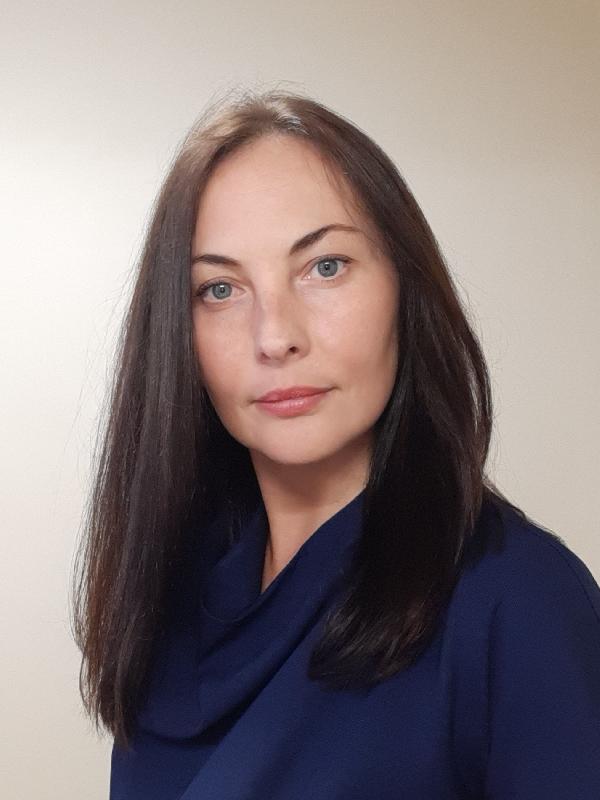
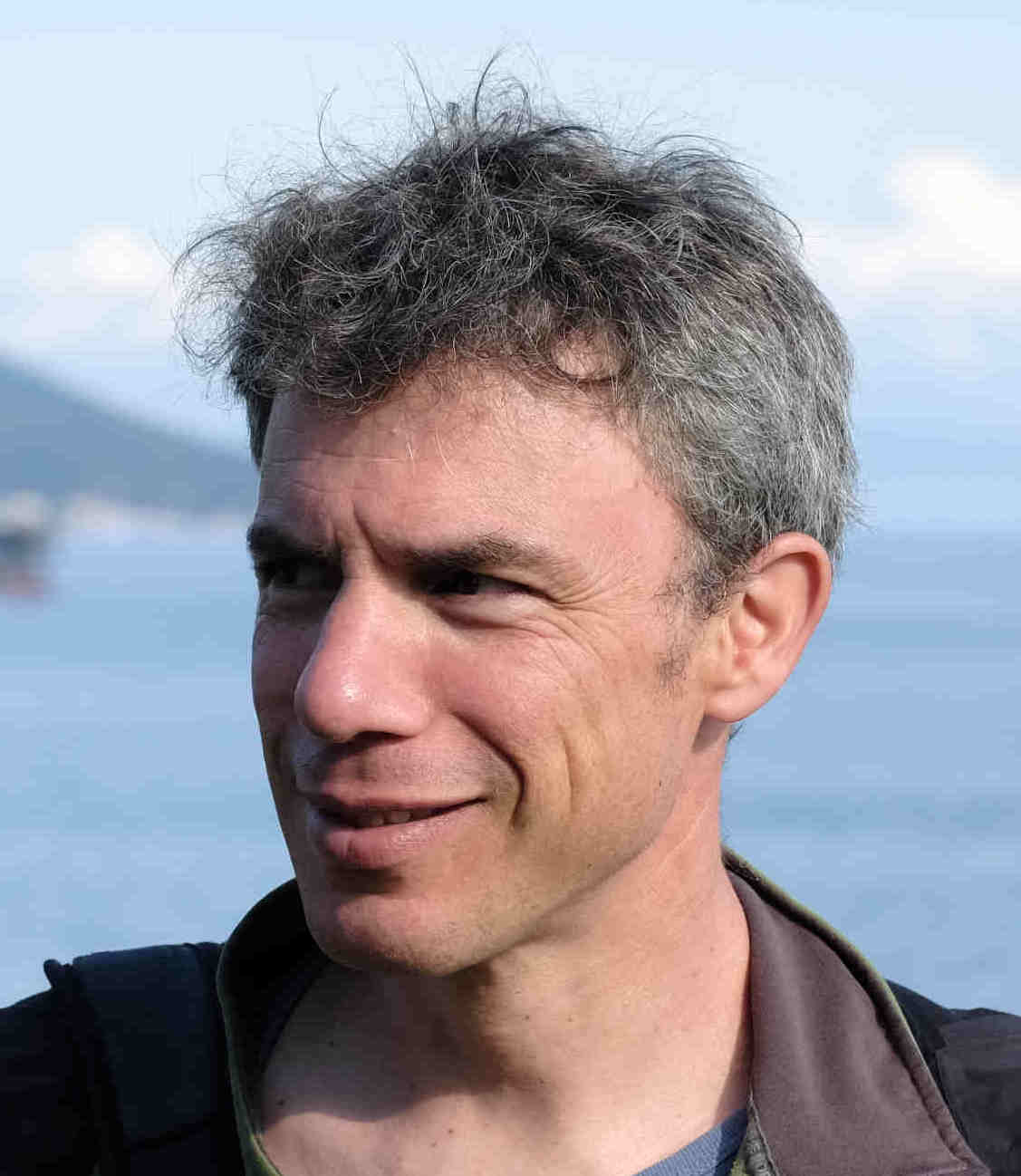
Dr. Yevheniia Anpilova is a Researcher at the Computational Hydrosystems Department of the Helmholtz Centre for Environmental Research - UFZ in Leipzig, Germany. She holds a PhD in Environmental Protection from the National University of Construction and Architecture in Kyiv and has completed specialized GIS training at Vancouver Island University. Research Focus: Geospatial analysis for environmental monitoring Hydrological system impacts of mining activities Remote sensing applications in post-mining landscapes Climate change adaptation strategies Her recent publications analyze nitrogen export dynamics in European catchments, landslide monitoring via satellite radar, and war-related river pollution in Ukraine. She received the 2013 Presidential Grant for Young Scientists and 2013 Presidential Award for her work on water quality mapping. Currently, she contributes to 4DHydro (ESA-funded) and TERENO (terrestrial environmental observatories) projects. Scientific Contributions: Developed GIS models for water quality assessment in the Siversky Donets River Created geospatial infrastructure frameworks for Ukrainian government agencies Co-authored 6 Technology Needs Assessment Reports for UNEP
Dr. Benjamin Richard is a Lecturer-Researcher in Agronomy/Agroecology at ISARA Lyon , Department of Agroecology and Environment, since 2022. Prior roles include Associate Research Fellow at the University of Hertfordshire (2018-2022) and Postdoctoral Researcher at Rothamsted Research (2013-2018). He holds a PhD in Plant Epidemiology from INRA (2012) and a Master's in Continental Environment and Hydrosciences from Pierre and Marie Curie University (2012). Education: PhD in Plant Epidemiology (INRA, 2012) Master's in Continental Environment and Hydrosciences (Pierre and Marie Curie University, 2009) His research focuses on plant epidemiology , genotype-environment-crop management interactions , and integrated crop protection . He develops models linking canopy architecture to disease dynamics and applies decision-support tools for sustainable agriculture. Recent publications address water scarcity in Egypt , climate-smart farming , and microclimate effects on crop diseases . Current projects include developing direct seeding under plant cover (DevSD, 2023-2025) and analyzing agroecological transitions in French farms (PERFECO, 2023-2025). His work bridges theoretical agronomy (e.g., systemic diagnosis of cropping systems) with practical innovations in Mediterranean agriculture and biocontrol strategies.
Giuliana Panieri serves as Professor in Geology at UiT The Arctic University of Norway's Department of Geosciences. She is a member of CAGE's WP5 Methane Seep History, Adjunct Scientist at Woods Hole Oceanographic Institution, and serves on CHESS's steering board for Changing Climates in the Coupled Earth System. Since 2016, she has held leadership roles in the European Geosciences Union including Biogeosciences Division President and current Education Committee member. Her research employs micropaleontology and geochemistry to investigate extreme environments including Arctic cold seeps, gas hydrates, hydrothermal vents, and anthropogenic sites, with emphasis on paleoenvironmental reconstructions. She leads UiT's Mass Spectrometer Laboratory and directs the ADVANCING KNOWLEDGE OF METHANE IN THE ARCTIC (AKMA) project while coordinating biological response studies in EMAN 7 and educational initiatives in the BridgET Erasmus+ project. Recent publications (2024-2025) reveal three dominant research streams: Arctic methane dynamics using foraminifera as environmental proxies, biodiversity conservation at extreme habitats like the Borealis Mud Volcano, and innovative ocean literacy frameworks connecting ecological awareness with emotional literacy. Her work consistently bridges geoscience, climate impact assessment, and societal engagement through projects like The Deep Network and BLUE REVOLUTION. No scientific awards or fellowships are documented in the source material. She leads multiple externally funded projects including AKMA (Norwegian Research Council Intpart), EMAN 7 (Petromaks2), and BridgET (Erasmus+ KA203), focusing on methane emission tracking, environmental impact assessment, and virtual climate education tools. Her grant portfolio demonstrates strong international collaboration across polar research institutions. Panieri coordinates the Mass Spectrometer Laboratory at UiT and contributes to CAGE's research infrastructure. She participates in the Eurasian Arctic C4 2023 expedition and leads foraminifera studies in the 'Fauna associated with hydrothermal vents and cold seeps in Norwegian waters' project through Artsdatabanken, while collaborating on the BLUE REVOLUTION AI taxonomy initiative with IFREMER.
Mustafa ÖNCEL, born March 10, 1987, in Eskişehir, is an Assistant Professor at the Department of Forest Industry Engineering, Faculty of Forestry, Kastamonu University. His work focuses on wood mechanics, composites, and structural systems. Education: PhD (2022), Kastamonu University, Department of Forest Industry Engineering MSc (2016), Kastamonu University, Forest Industry Engineering BSc (2009), Bartın Faculty of Forestry, Forest Industry Engineering Program Research Areas: Wood mechanics, thermal treatment, composite development, structural performance, and sustainable materials. His projects include seismic/fire-resistant wooden panels (2023), hemp fiber-reinforced composites (2025), and numerical modeling of wood composites. Publication Trends: Recent works (2023-2025) explore waste valorization (rubber, plastics), climate resilience in wood products, and hybrid composites. Earlier studies (2015-2019) examined heat treatment effects, coating performance, and agricultural byproduct utilization. Collaborations: Active with researchers like Alperen Kaymakcı, Osman Emre Özkan, and international partners in Slovakia, Poland. 27 publications with 72 Google Scholar citations (h-index 5).
Uttam Kumar serves as an Assistant Professor specializing in sustainable agricultural systems, with particular expertise in crop rotation dynamics and soil-environment interactions in resource-limited agroecosystems. His research bridges theoretical plant science with practical field applications to enhance food security under climate constraints. His primary research domains include: Sustainable Crop Production Systems Allelopathic Weed Suppression Mechanisms Catch Crop Residual Effects Nitrate Leaching Mitigation Semi-arid Tropics Agriculture Herbicide Reduction Strategies Dr. Kumar's recent publications demonstrate innovative approaches to leveraging natural plant interactions for sustainable intensification. His 2025 work examines how allelopathic knowledge reduces chemical dependency in crop rotations while maintaining productivity, and investigates catch crop sequencing effects on barley yields and groundwater protection. These studies provide actionable frameworks for climate-resilient farming in drought-prone regions. Analysis of his publication record reveals consistent focus on ecological intensification through plant-soil feedback mechanisms, with strong emphasis on practical field applications over theoretical modeling. His research directly addresses critical challenges in nitrogen management and weed control without synthetic inputs. No awards, student advisement records, or grant details were documented in source materials. Institutional affiliations and laboratory facilities remain unspecified in available content.
Abhishek Rakesh Kumar Singh is a Researcher at Yerevan State University's Institute of Biology, Department of Applied Ecology, focusing on nanotechnology applications in environmental and agricultural systems. His work centers on developing nanoparticle-based solutions for salinity stress management, soil remediation, and sustainable crop production. His research interests span nanotechnology, environmental science, and agricultural innovation, with emphasis on biogenic nanoparticles, biochar applications, and crop resilience mechanisms. Singh investigates how nanomaterials enhance plant tolerance to abiotic stresses through physiological, biochemical, and molecular pathways while optimizing nutrient assimilation under saline conditions. Analysis of his publication trends reveals a strong focus on nanotechnology-driven environmental solutions, particularly in Mediterranean and Armenian agricultural contexts. His work integrates sensor development for pollutant detection, soil restoration techniques, and climate-resilient farming practices, often collaborating with international researchers on sustainable development goals. While no scientific awards are documented in available sources, his research contributes to emerging fields in nano-remediation and sustainable agriculture. Singh's collaborative projects involve field studies in saline environments, particularly in Armenia's Ararat Plain, addressing food security challenges through nanomaterial-biochar synergies. His laboratory work involves nanomaterial synthesis (including rare-earth niobates and zinc oxide nanoparticles), plant stress response characterization, and field-scale soil remediation trials. Current projects emphasize European trade integration through climate-resilient agricultural practices in Armenia.
Nuno Alvaro Freire De Melo serves as an active Associate Professor at the Higher School of Technology and Management, Polytechnic Institute of Guarda, where he has taught Hydraulics, Water Resources, and Environmental courses since March 2000. His academic qualifications include: Civil Engineering degree from Polytechnic Institute of Guarda (2000) Master's degree in Hydraulics and Water Resources from Instituto Superior Técnico (2009) Specialist degree in Civil Construction and Civil Engineering (2015) His research centers on sustainable water management systems, integrating hydraulic engineering principles with environmental protection strategies. Key focus areas include watershed modeling, fluid dynamics applications, and infrastructure resilience in civil environmental contexts. No scientific awards were documented in the source material. Information regarding student supervision, research grants, or laboratory collaborations was not provided in the available text.
Professor Ian Singleton is a distinguished academic at Edinburgh Napier University's School of Applied Sciences, specializing in microbiology and environmental science. His research focuses on food safety, environmental microbiology, and bioremediation, with particular expertise in microbial pathogens, antimicrobial resistance, and soil contamination issues. He is actively involved with the Microbiology Research Group and has contributed significantly to understanding Listeria monocytogenes and other foodborne pathogens. Professor Singleton's research interests span environmental microbiology, bioremediation of contaminated sites, food safety, and antimicrobial resistance. His work bridges fundamental microbial ecology with practical applications for improving food safety and environmental health. He has investigated the survival of pathogens on fresh produce, microbial responses to environmental contaminants including nanoparticles, and the use of biological approaches for environmental remediation. His research portfolio demonstrates a consistent focus on microbial interactions in environmental and food systems, with particular attention to practical applications for public health and environmental protection. Analysis of Professor Singleton's recent publications reveals a strong focus on food safety and environmental microbiology, particularly regarding Listeria monocytogenes and other pathogens in fresh produce systems. His work increasingly incorporates nanotechnology applications, examining the effects of silver nanoparticles on soil fungi and plant pathogens. There's also a growing emphasis on environmental contaminants including microplastics and their impact on ecosystems. His research consistently addresses practical challenges in food safety and environmental protection, with clear translational potential for industry and policy applications. Professor Singleton has secured significant research funding for projects including TRANSFORM (a British Council-funded initiative to improve research capability in Sri Lankan higher education) and the Rutherford Fund Strategic Partner Grant focused on food safety and antimicrobial resistance. His collaborative approach is evident through partnerships with institutions across multiple countries, reflecting the global relevance of his research on food safety and environmental microbiology.
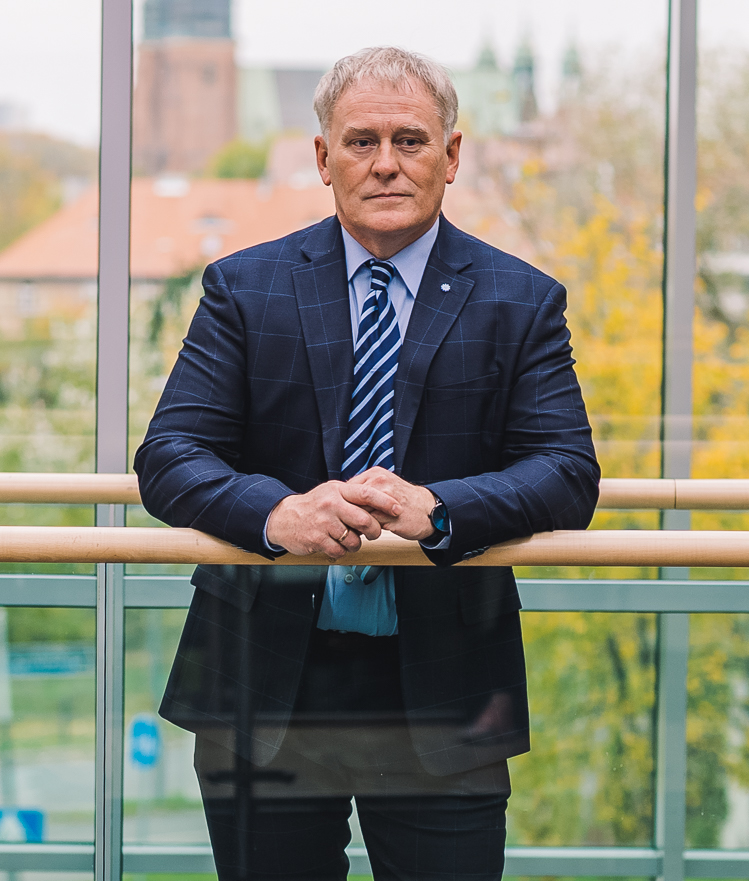
Piotr Bogacz is an Assistant Professor at the Institute of Geodesy and Civil Engineering under the Faculty of Geoengineering, University of Warmia and Mazury in Olsztyn. His academic career focuses on civil engineering, geodesy, and transport infrastructure, with a strong emphasis on construction technology, environmental impact, and structural analysis. Faculty: Faculty of Geoengineering Department: Institute of Geodesy and Civil Engineering Rank: Assistant Professor His research spans multiple subfields including flood embankment analysis , building rehabilitation , energy efficiency in construction , and structural diagnostics . He has contributed to understanding vibration propagation from railways, waterproofing solutions, and masonry building repairs. His work integrates environmental considerations with technical construction challenges, particularly in historic buildings and flood defense systems. The 15 most recent publications reflect expertise in geotechnical engineering , construction safety (BHP) , and building energy systems . Common themes include structural behavior under stress, material degradation, and environmental policy compliance. The keyword analysis indicates strong ties to Civil Engineering , Geodesy , and Environmental Science disciplines. While no explicit scientific awards are documented in this dataset, his academic contributions include overseeing 96 promoted theses, suggesting significant mentorship activity. Bibliometric data shows an h-index of 1 (Web of Science), total impact factor of 0.734, and a ministerial score of 297.
Prof. Dr. hab. Piotr Krawczyk is a Professor at Poznań University of Technology, Faculty of Chemical Technology, where he serves as Deputy Director of the Institute of Technical Chemistry and Electrochemistry. He is also a Member of the Disciplinary Council, Faculty Council, and the Polish Coal Society. His academic career spans over two decades at the university, where he has established himself as a leading researcher in carbon materials and electrochemistry. His educational background includes: 1994: Master's Degree from the Faculty of Chemistry, Adam Mickiewicz University 2000: PhD from the Faculty of Chemical Technology, Poznań University of Technology 2014: Habilitation from the Faculty of Chemical Technology, Poznań University of Technology 2015: Professor at Poznań University of Technology Prof. Krawczyk's research focuses on advanced carbon materials and their applications in electrochemistry. His work spans several interconnected areas: Graphite science : intercalation, reintercalation, exfoliation, modification, regeneration of graphite materials Graphene development : preparation, characterization, modification, and practical applications of graphene Environmental electrochemistry : developing electrochemical solutions for environmental protection Energy storage : carbon materials for chemical power sources and electrochemical capacitors Material treatment : ozone treatment of carbon materials to enhance their properties His recent publications (2020-2024) demonstrate a strong focus on advanced carbon materials for energy and environmental applications. A significant portion of his work involves graphite intercalation compounds, graphene-based materials, and their applications in electrocatalysis, particularly for methanol electrooxidation in fuel cells. His research shows a clear trajectory toward developing practical applications of carbon nanomaterials, with increasing emphasis on composite materials and their industrial implementation. While specific awards aren't detailed in the available information, Prof. Krawczyk has established significant scientific collaborations with: NanoBioMedical Center of Adam Mickiewicz University Clinic of Prosthetics, Faculty of Medicine II, Poznań University of Medical Sciences Department of Basic Medical Bioengineering and Electrical Engineering, Kazimierz Wielki University in Bydgoszcz Prof. Krawczyk actively supervises doctoral students, with Bartosz Piotr Gurzęda successfully defending his dissertation on "Exfoliation processes of graphite oxides obtained electrochemically" in 2017. His teaching responsibilities include lectures on Basics of Electrochemical Technology and Ecological Electrochemistry, laboratory classes, and doctoral seminars. His research has resulted in numerous intellectual property rights, including several inventions related to graphite processing and carbon material modifications. His research is conducted within the Department of Applied Electrochemistry at the Institute of Technical Chemistry and Electrochemistry. His work bridges fundamental materials science with practical applications, particularly in energy storage and environmental protection technologies. The interdisciplinary nature of his research is evident in his collaborations across chemistry, materials science, and medical fields.
Manuel Miguel Ramos Álvarez serves as a University Professor in the Department of Psychology at the University of Jaen, Spain, leading the research group "Comparative Psychology: Learning, Attention and Memory". His academic foundation includes a PhD from the University of Granada (2001) focused on predictive competition mechanisms in learning. Education: PhD in Psychology, University of Granada (2001): Thesis on "Learning in situations involving more than one predictor of consequences. Research on the principle of predictive competition" supervised by Dr. Andrés Catena Martínez and Dr. Ana Raquel Ortega Martínez. Research Interests: Dr. Ramos Álvarez specializes in comparative psychology with emphasis on learning, attention, and memory processes . His work investigates predictive learning mechanisms, sensory-decision interactions in consumer behavior (particularly olive oil evaluation), and cognitive aspects of educational strategies. He employs interdisciplinary approaches bridging behavioral neuroscience, reproductive medicine, and psychopathology. Publication Trends: Analysis of his 2018-2025 publications reveals three dominant threads: (1) Reproductive medicine collaborations examining progesterone's role in embryo transfer outcomes; (2) Consumer psychology research on sensory evaluation and decision-making in food product assessment; (3) Clinical psychology studies of psychosis risk factors and social support systems. This demonstrates exceptional cross-disciplinary integration of psychological principles into medical and social contexts. Scientific Awards: No awards were documented in the provided materials. Advising and Grants: While specific student names and grant details are absent from the source text, his leadership of an active research group and extensive publication record suggest supervision of graduate students and successful acquisition of research funding for interdisciplinary projects in behavioral science and medical collaborations. Research Infrastructure: He directs the "Comparative Psychology: Learning, Attention and Memory" group at the University of Jaen, which conducts experimental studies on cognitive processes using both human and animal models, with recent expansions into applied sensory evaluation and medical decision-making research.
Dr. Till Luckenbach is a senior researcher at the Department of Bioanalytical Ecotoxicology within the Helmholtz Centre for Environmental Research (UFZ) in Leipzig, Germany, where he has been employed since 2006. His work focuses on molecular mechanisms of chemical uptake and defense systems in aquatic organisms, with particular expertise in multixenobiotic resistance (MXR) and ABC transporters that serve as protective barriers against environmental contaminants. Dr. Luckenbach received his biology education and doctorate from the University of Tübingen in 2002, followed by postdoctoral positions at the Max-Planck Institute for Developmental Biology and Stanford University's Hopkins Marine Station (2002-2005). His research program has been supported by numerous funding agencies including the State of Baden-Württemberg, DAAD, DFG, and the Helmholtz Association through various fellowships and collaborative projects. His primary research interest centers on molecular 'pumps' (transporter proteins) that prevent toxic chemicals from accumulating inside cells. He develops innovative test systems to study these transporters using zebrafish embryos, marine and freshwater invertebrates, and cellular systems. A significant portion of his work involves field studies at Lake Baikal in Siberia, investigating how the unique endemic fauna responds to environmental changes related to water chemistry and climate. His research addresses both fundamental molecular mechanisms and their ecological consequences in natural systems. Dr. Luckenbach's recent publications (2021-2025) demonstrate a continued focus on molecular ecotoxicology, with particular emphasis on proteomic and transcriptomic responses to environmental stressors, ABC transporter function across species, and adaptation mechanisms in aquatic organisms facing climate change and pollution pressures. His work bridges molecular mechanisms with ecological consequences, examining how environmental changes affect cellular defense systems in diverse aquatic species from Lake Baikal amphipods to marine polychaetes. SETAC Best Publication Award 2006 Dr. Luckenbach has secured funding from various sources to support his research program, including early career grants from DFG and collaborative projects through the Helmholtz Association. His work contributes significantly to understanding how aquatic organisms defend against chemical stressors and how these defense mechanisms may be compromised by environmental changes. He has established international collaborations with researchers in Russia (particularly for Lake Baikal studies), Croatia, and Spain, enhancing the global impact of his research. As part of the Ecotoxicology Department at UFZ, Dr. Luckenbach contributes to multiple research initiatives including the Proxies of the Eco-exposome project (2018-2022), InCeTo (2019-2023), and other environmental research programs focused on understanding chemical impacts on ecosystems.
René Therrien is a Full Professor in the Department of Geology and Geological Engineering at Laval University's Faculty of Science and Engineering. He serves as the director of both the Department of Geology and Geological Engineering and CentrEau, Quebec's water research group focused on water availability, use, management, and governance. Additionally, he is a member of CIMMUL (Interdisciplinary Center for Mathematical Modeling) and the Nordic Institute of Quebec. Dr. Therrien's research focuses on hydrogeology and the development and application of hydrological models to support water resource management. His specific research interests include: Water Quality Engineering Hydrogeology Surface Hydrology and Physical Catchment Hydrology Computational Fluid Mechanics Mathematical Modeling and Simulation Permafrost Dynamics His extensive publication record demonstrates expertise in integrated surface-subsurface hydrological modeling, with recent work showing a strong emphasis on climate change impacts on water resources in cold regions, geothermal energy applications, and advanced numerical techniques for complex hydrogeological systems. Many studies involve interdisciplinary collaboration addressing Arctic hydrology, permafrost dynamics, and sustainable water management solutions. Dr. Therrien has received significant recognition for teaching excellence: Teaching Star, Faculty of Science and Engineering (2021) Teaching Star, Faculty of Science and Engineering (2020) Teaching Star, Faculty of Science and Engineering (2019) Teaching Star, Faculty of Science and Engineering (2012) Teaching Star, Faculty of Science and Engineering (2009) Teaching Star, Faculty of Science and Engineering (2006) Teaching Star, Faculty of Science and Engineering (2005) He actively supervises graduate students and leads multiple major research projects including 'Securing availability and access to freshwater in Pacific Island Countries facing climate change' (2024-2027), 'Cloud to Aquifer Natural Observatories' (2023-2028), and the Quebec Water Research Center (2022-2028), addressing critical water resource challenges related to climate adaptation and sustainable management. As director of CentrEau, Dr. Therrien oversees a major research initiative bringing together interdisciplinary expertise to address complex water management challenges across Quebec and internationally, with particular relevance for northern communities facing permafrost thaw and water resource challenges due to climate change.
Sara Lehmann-Konera is a Lecturer in the Department of Geomorphology and Paleogeography at Maria Curie-Skłodowska University in Lublin, Poland. She is an active researcher specializing in Arctic environmental science with a focus on hydrochemistry, pollutant transport, and climate change impacts in polar regions. Her work involves extensive field research through numerous polar expeditions to Svalbard, where she leads and participates in international scientific projects. Dr. Lehmann-Konera earned her PhD in Chemical Sciences from Gdańsk University of Technology in 2019, with research focused on anthropogenic pollutants in Arctic catchments. Her academic journey includes an M.Sc. in Environmental Protection Technology (2012) and an Environmental Protection Engineer degree (2011). She has developed expertise in analyzing atmospheric and hydrological systems in extreme environments, particularly studying the transport and transformation of pollutants in glacial and permafrost regions. Her research portfolio demonstrates a consistent focus on Arctic environmental chemistry, with publications examining rainwater composition, surface and groundwater hydrochemistry in permafrost catchments, pollutant transport mechanisms, and biogeochemical cycling in polar ecosystems. The articles reveal a progression from studying glacier surface chemistry to more complex investigations of non-glaciated catchments as climate change accelerates glacier retreat in the Arctic. Scientific Awards: Minister of Education and Science Scholarship for Outstanding Young Scientists (2023) Rector's Award for Obtaining Research Funds at UMCS (2020) Rector's Award for Best PhD Student at Gdańsk University of Technology (2016) PhD Scholarship from Gdańsk University of Technology for Promoting Quality of Scientific Research (2012-2016) Dr. Lehmann-Konera actively mentors students through polar expeditions and research projects, with recent involvement in the HarSval initiative that includes funding opportunities for student mobility. Her work bridges laboratory analysis with challenging field conditions in the High Arctic, contributing significantly to our understanding of how climate change affects pollutant dynamics in polar environments.
Katharina Stapelmann is an Associate Professor in the Department of Nuclear Engineering at North Carolina State University, leading the Plasma for Life Sciences research group. Her work bridges plasma physics with biomedical and agricultural applications, focusing on optimizing plasma discharges for macromolecular interactions. Education: Ph.D. (2013) and M.S. (2009) in Electrical Engineering from Ruhr University Bochum Her research spans plasma-liquid interactions , sterilization of medical instruments , wound healing , air purification , and planetary protection . Key methodologies include dielectric barrier discharges , laser-induced fluorescence , and plasma-activated water . Recent publications emphasize atmospheric pressure plasmas , reactive oxygen species measurement , and biofilm inactivation . Her work impacts biomedical engineering, sustainable agriculture, and advanced plasma diagnostics. Scientific Awards: Early Career Award for Plasma Medicine (ECAPM), Mercator Fellowship Dr. Stapelmann advises graduate researchers like Nicholas Sponsel and collaborates with institutions such as Ruhr University Bochum. She utilizes facilities including the Burlington Laboratory and contributes to the Nuclear Reactor Program .