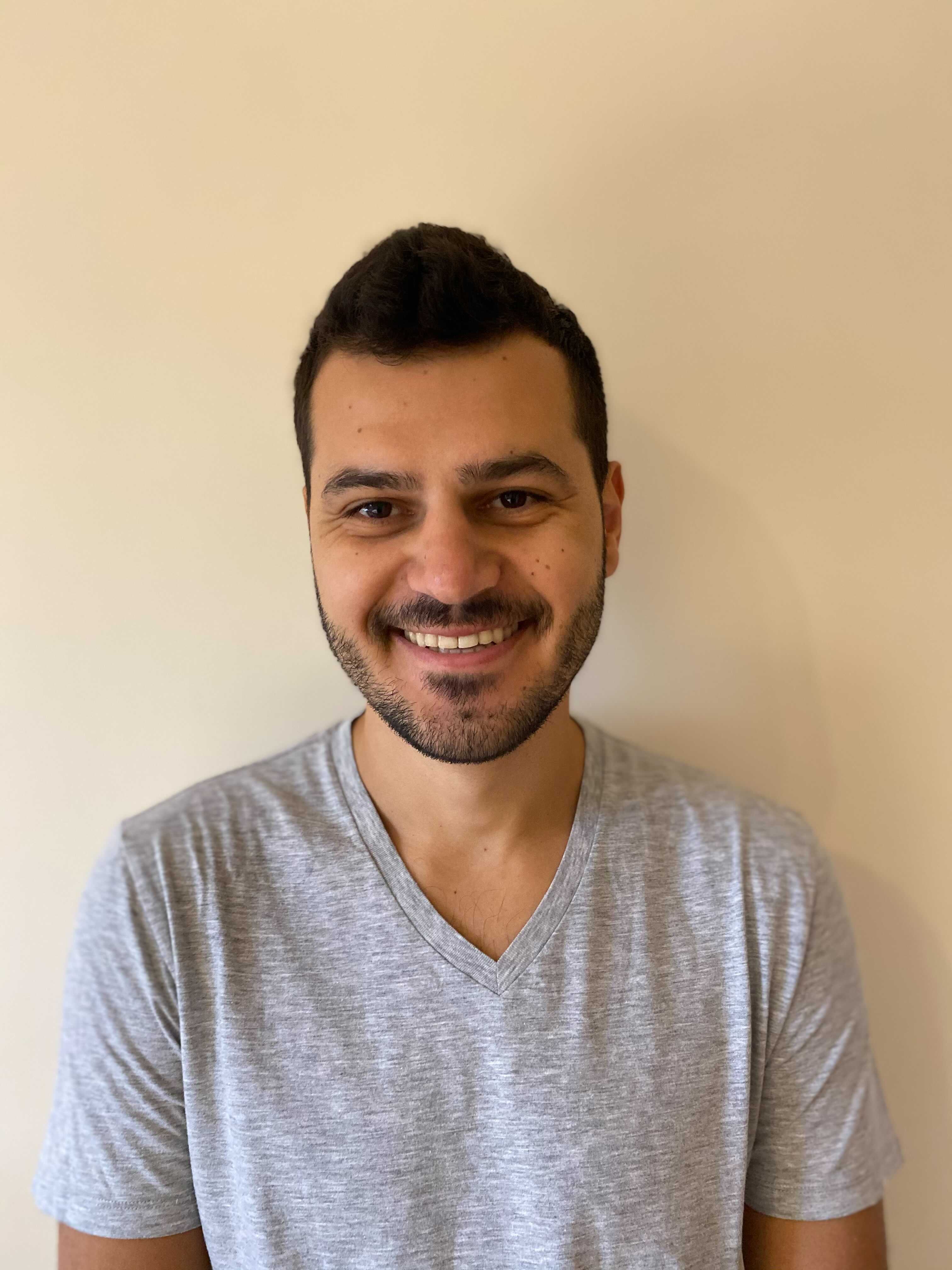
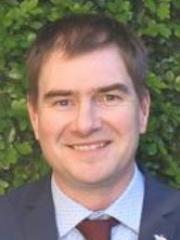
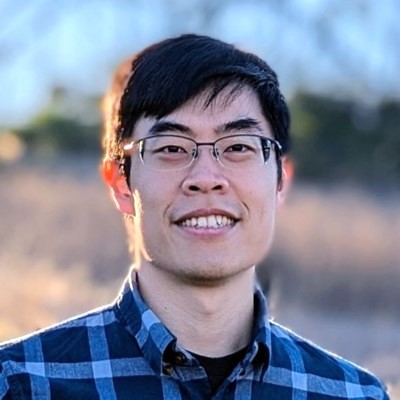
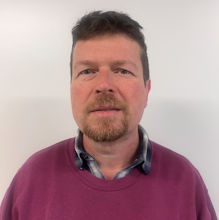
James Davis is an Assistant Professor in the Elmore Family School of Electrical and Computer Engineering at Purdue University. His research focuses on engineering robust computing systems through socio-technical approaches, emphasizing software correctness, security, and usability. He applies empirical methodologies to evaluate the practical impact of technical solutions. Research interests include software supply chain security, deep learning reproducibility, regular expression optimization, IoT cybersecurity, and the socio-technical challenges in system design. His work bridges theoretical foundations with real-world applications, addressing issues like regex denial-of-service (ReDoS), model reuse in AI, and developer practices for safety-critical systems. Recent publications span topics such as actor reputation metrics in software supply chains, AI safety for downstream developers, and edge-computing optimizations for vision transformers. His interdisciplinary approach integrates empirical studies, formal verification, and human-centered design principles. No scientific awards are explicitly mentioned in the provided materials. His advising record is currently unspecified, though his research group likely engages in collaborative projects with industry and academia. He contributes to initiatives like the Sigstore ecosystem and open-source security tooling, reflecting his commitment to practical impact.
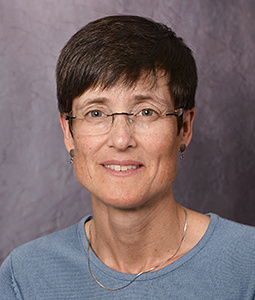
Georgi Ganev is a PhD Researcher at University College London (UCL) and Principal Research Scientist at SAS, following the acquisition of Hazy, a synthetic data company. He is part of UCL's Information Security Research Group under Professors Emiliano De Cristofaro and David Barber. His research focuses on advancing privacy-preserving synthetic data techniques, particularly in machine learning and differential privacy. Key areas include developing DP generative models, auditing privacy mechanisms, and addressing legal implications of synthetic data. Education: MSc in Computational Statistics and Machine Learning (UCL, supervised by Prof. Sebastian Riedel) and BSc in Business Mathematics and Statistics (LSE, supervised by Prof. Wicher Bergsma). Research Interests: Privacy-preserving synthetic data, differential privacy, privacy auditing, generative models, and regulatory compliance. His work has led to 25+ discovered privacy bugs in open-source libraries and vulnerabilities in deployed systems, with publications in top-tier conferences like IEEE S&P, USENIX Security, and ICML. Notable Achievements: Distinguished Paper Award at IEEE S&P 2025. His research has been integrated into SAS's synthetic data products, impacting industry adoption. Open-source contributions include dpmm and dpart libraries for DP synthetic data generation. Publications: Over 15 peer-reviewed articles, including works on privacy metrics inadequacy, PATE-GAN benchmarking, and synthetic data regulatory challenges. Active in workshops on generative AI and law, and deployment challenges in enterprise settings.
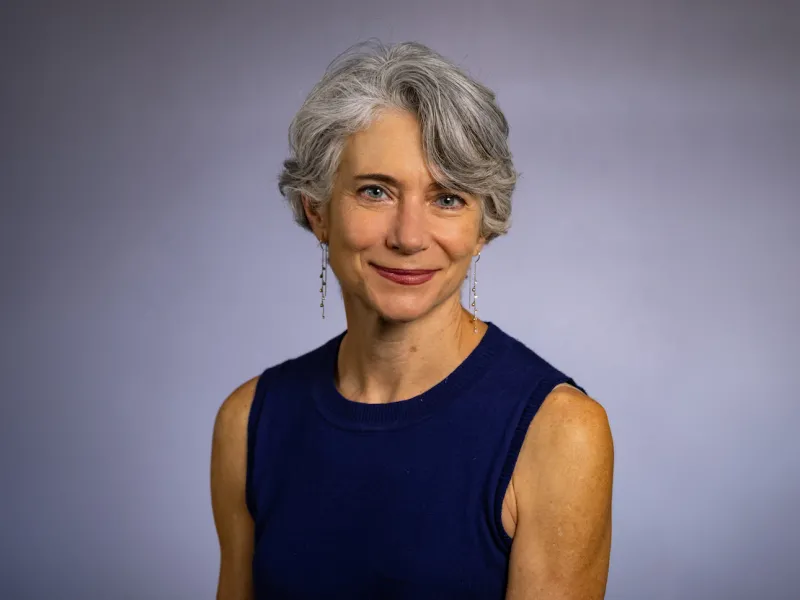
Emmeline Chuang serves as Associate Professor and Mack Distinguished Professor at the University of California, Berkeley, where her research examines organizational strategies to improve service access and well-being for underserved populations through inter-organizational relationships, evidence-based practice implementation, and work design in health and human service systems. Her educational foundation includes a Ph.D. in Health Policy and Management from the University of North Carolina at Chapel Hill (2010), preceded by practical experience as an Americorps/Healthcorps volunteer and research analyst specializing in health and social service program evaluation. Dr. Chuang's research program centers on health services accessibility for vulnerable populations, with three interconnected pillars: the impact of cross-organizational collaboration on client outcomes, leadership strategies for evidence uptake by frontline practitioners, and work design effects on staff satisfaction and care quality. Her work bridges public health, social work, and organizational behavior to address systemic barriers in serving Medicaid enrollees, homeless youth, and populations with complex health and social needs. Analysis of her 2019-2024 publications reveals consistent focus on Medicaid innovation (particularly California's Whole Person Care pilots), integration of health and social services, and reduction of disparities through implementation science approaches. Her methodology frequently combines qualitative and quantitative techniques to evaluate cross-system collaboration in child welfare, substance use treatment, and primary care settings. Honors include: Mack Distinguished Professor Her research program has secured competitive funding from the National Institute on Drug Abuse, William T. Grant Foundation, Centers for Disease Control and Prevention, Robert Wood Johnson Foundation, and Hitachi Foundation. While specific advisees aren't listed in source materials, her professorship entails graduate student mentorship in health policy implementation. With over 70 peer-reviewed publications plus policy tools for practitioners, her work directly informs organizational practices in human services. She maintains active affiliation with the Mack Center for Advancing the Dignity of Work, focusing on improving work conditions and organizational practices to enhance service delivery across human service sectors.
Dr. Alicia Wilson is Professor of Hydrogeology at the University of South Carolina's School of the Earth, Ocean & Environment. Her research investigates coastal hydrogeology with focus on submarine groundwater discharge, salt marsh ecohydrology, and groundwater's role in coastal biogeochemical cycles. Served as Director of SEOE (2020-2022). Research examines groundwater-surface water interactions in coastal systems ranging from tidal creeks to continental shelves. Current projects study the role of groundwater in nutrient loading to coastal systems and carbon cycling in salt marshes. Field studies investigate effects of crab burrows on marsh hydrology and greenhouse gas emissions. Publications demonstrate fundamental contributions to coastal hydrogeology, particularly submarine groundwater discharge processes and salt marsh ecohydrology. Recent work explores large-scale impacts of groundwater flow on ocean chemistry and coastal vulnerability to sea-level rise. Directs graduate research on coastal hydrology, nutrient cycling, and climate change impacts. Current students include Jacob Vincent studying submarine groundwater discharge detection methods, Camaron George modeling continental shelf groundwater flow, and Riliwan Aboiye investigating coastal water table dynamics. Received the 2023 Darcy Lecture from the National Ground Water Association and the University of South Carolina's Mungo Undergraduate Teaching Award (2018).
Barbara E. Mundy is a Professor of Art History and holds the Martha and Donald Robertson Chair in Latin American Art at Tulane University's Newcomb Art Department within the School of Liberal Arts. She earned her Ph.D. from Yale University. Her research focuses on colonial Latin America, particularly Mexico/New Spain, examining Indigenous-settler interactions, cartography, urban history, and the history of the book. She has held prestigious fellowships including the 2021-22 Kislak Chair at the Library of Congress and contributed to major projects like Vistas: Visual Culture in Spanish America (1520-1820). Research Interests: Indigenous mapping traditions, decolonization methodologies, Nahuatl language studies, and digital humanities. Notable Works: The Death of Aztec Tenochtitlan (prize-winning), The Mapping of New Spain , and forthcoming Rock, Paper, Scissors . Her work bridges art history with ethnohistory and material culture, emphasizing Indigenous agency in colonial contexts. Mundy serves on editorial boards for The Americas and is a past president of the American Society for Ethnohistory.
Yvo Desmedt is the Jonsson Distinguished Professor in Computer Science at the University of Texas at Dallas and Director of the Cyber Security Research and Education Institute. An IACR Fellow and member of the Belgium Academy of Science, he invented e-Passports and e-Visas in 1988. His research spans cryptography, quantum computing, network security, and critical infrastructure protection. Desmedt pioneered techniques in binary software hardening including control-flow integrity and object flow integrity protections. Recent innovations include crook-sourcing for intrusion detection improvement and confidential computing for deep learning inference. His work bridges theoretical cryptography with practical security applications, earning recognition including the NSF IUCRC Technology Breakthrough Award. With over 200 publications, he has chaired major conferences including Crypto and Public Key Cryptography. Current projects examine vulnerability detection using graph learning and renewable control-flow integrity mechanisms for software security.
Dr. Aleksandar Dimitrovski is an Associate Professor at the University of Central Florida (UCF) in the Department of Electrical and Computer Engineering, College of Engineering and Computer Science. Holding a Ph.D. in Power Engineering from Saints Cyril and Methodius University (1997), his research focuses on power system modeling under uncertainty, microgrid protection, parallel simulation techniques, and renewable energy integration. Ph.D., Power Engineering, Saints Cyril and Methodius University (1997) Active research areas: Power System Protection, Parallel Simulation, Solar Integration, Magnetic Amplifiers His publications emphasize advanced simulation algorithms like Parareal, probabilistic forecasting for solar power, and magnetic reactor applications in grid control. He has led DOE-funded projects on solar integration and real-time grid protection. Fulbright Scholar (2016) R&D 100 Award (2014) Prof. Dimitrovski serves as an IEEE Senior Member, CIGRE member, and reviewer for journals like IEEE Transactions on Power Systems and Smart Grid. He developed the open-source RAPID simulation toolbox and contributed to cyber-physical security frameworks for smart grids.
Dr. Kevin Schneider is a Professor in the Department of Computer Science at the University of Saskatchewan. His research focuses on software architecture, evolution, analysis, and visualization, with notable work in quantum computing applications and machine learning. He also explores collaborative software teams and domain-specific languages to enhance development processes. Education: Ph.D., Computing and Information Science, Queen’s University (2000) Research Associate, Computing and Information Science, Queen’s University (1991–94) M.Sc., Computing and Information Science, Queen’s University (1990) B.Sc.(Hon), Computational Science, University of Saskatchewan (1980) Research interests include software design principles, maintenance strategies, and the integration of AI/quantum computing into software engineering. He emphasizes reproducibility in scientific workflows and tools like VizSciFlow. His work often bridges theory and practice, addressing challenges in code clone stability, user feedback management, and healthcare-related machine learning frameworks. Scientific Awards: Most Influential Paper at SCAM 2001 for his work on software engineering via source transformation. Advising and grants: While no specific advisees are listed, his research involves large-scale projects such as the Nutrient App and automated polyp segmentation tools. He collaborates on grants related to quantum computing applications and cloud-based software systems. Labs and teams: His work centers on collaborative scientific data analysis groups and developing tools for real-time groupware systems in complex workflows. He contributes to projects like CloneCognition and FSECAM, aiming to improve software design and maintenance through advanced analytics.
Cuihong Li serves as Professor and Department Head of Operations and Information Management at the University of Connecticut School of Business, holding the distinguished Robert Cizik Chair in Manufacturing & Technology Management. She previously co-directed the interdisciplinary Management and Engineering for Manufacturing (MEM) Program, a collaboration between the School of Business and School of Engineering. Her academic credentials include: Ph.D. in Management of Manufacturing and Automation from Carnegie Mellon University's Tepper School of Business (joint program with Robotics Institute) M.S. in Automation and Systems Engineering from Tsinghua University, China B.S. in Automation and Systems Engineering from Tsinghua University, China Professor Li's research centers on operations and supply chain management, with particular emphasis on strategic interactions across supply chains that intersect economics, marketing, and information technology. Current investigations focus on procurement strategies, supplier and consumer behavior dynamics, and Industry 4.0 operational transformations. Her work addresses critical challenges in modern supply chain design through rigorous analytical modeling. Analysis of her publication record (2009-2022) reveals consistent contributions to supplier competition frameworks, cost reduction mechanisms under information asymmetry, quality management systems, and service operations innovation. Key methodological approaches include game theory, contract design, and empirical analysis of strategic sourcing decisions. Professional honors include: Robert Cizik Chair in Manufacturing & Technology Management Academic service encompasses editorial roles as Associate Editor for Manufacturing and Service Operations Management , Production and Operations Management , and Decision Support Systems . She teaches core operations management and business decision modeling across undergraduate, MBA, and master's programs, demonstrating commitment to integrated business education. Her leadership in the MEM Program established a unique platform for cross-disciplinary collaboration between business and engineering disciplines, preparing students for manufacturing leadership roles through combined technical and managerial training.
Farid Farrokhi serves as an Associate Professor of Economics at Boston College, maintaining an office in Maloney Hall, room 341. His professional correspondence is facilitated through farid.farrokhi@bc.edu . His academic foundation includes: B.Sc. from Sharif University M.Sc. from Sharif University Ph.D. from Penn State Professor Farrokhi's research bridges International Trade , Spatial Economics , and Environmental Economics , with particular emphasis on trade-induced agricultural transformation, spatial migration patterns, and climate-trade policy interactions. His methodological approach integrates theoretical modeling with empirical analysis of global economic systems. Analysis of his 2019-2025 publications reveals a consistent focus on trade-environment synergies, notably examining deforestation dynamics and climate mitigation through trade policy. Concurrently, his spatial economics work investigates urban wage structures and refugee resettlement networks, while agricultural trade studies explore productivity shifts and food consumption patterns. No scientific awards were documented in the provided materials. The available information does not specify current advisees, grant funding, or research supervision activities. His professional resources include a curriculum vitae and research statement accessible through institutional channels. There is no indication of laboratory affiliations or dedicated research teams within the source documentation.
Chenzi Xu is an Assistant Professor of Economics at the University of California, Berkeley, conducting research at the intersection of finance, international economics, and economic history. Her work focuses on how financial institutions shape the flow of capital and goods across borders, with particular emphasis on historical events' long-term impacts on modern economic outcomes. Prior to joining UC Berkeley, she served as an Assistant Professor of Finance at Stanford University's Graduate School of Business. Dr. Xu earned her BA in economics from Harvard University, an MPhil in economic history from the University of Cambridge (where she was the William Shirley Scholar at Pembroke College and a Cambridge Overseas Trust Scholar), and completed her PhD in economics at Harvard University. Her scholarly contributions have established her as a leading researcher in historical finance and international macroeconomics. Her primary research interests include: The role of financial markets in international economics How banking regulation changes impact trade patterns and structural transformation Trade finance as a tool of industrial policy Long-term effects of historical banking crises on global trade Development of currency systems through liquidity provision Dr. Xu's groundbreaking work demonstrates how financial disruptions can reshape global trade patterns for decades. Her research on the 1866 London banking crisis revealed that countries exposed to bank failures immediately reduced exports significantly and never recovered their lost market share growth relative to unexposed countries. These persistent market-share losses primarily stemmed from lack of extensive margin growth as financing shocks caused importers to source from new trade partners. Her scientific recognition includes: AQR Top Finance Graduate Award BlackRock Applied Research Prize Finalist French Finance Association Research Prize Economic History Society New Researcher Prize World Economic History Congress Poster Prize WFA Cubist Systematic Strategies PhD Candidate Award Dr. Xu serves as an Associate Editor at the Journal of Political Economy and maintains active affiliations with the National Bureau of Economic Research (NBER) and Centre for Economic Policy Research (CEPR). Her research has received funding from the National Science Foundation (Grant #2117003) and the British Academy Leverhulme Grant. She has developed the Global Macro Database, providing 46 macroeconomic variables across 243 countries from 1084 to 2030, along with extensive historical datasets on international trade and banking connections.
Auguste Genovesio is a Research Director (DR INSERM) leading the Computational Bioimaging and Bioinformatics team at the Centre for Computational Biology within the École Normale Supérieure (ENS) in Paris. His work focuses on large-scale cellular morphology analysis, integrating machine learning, microscopy, and computational modeling to study cellular responses to perturbations. His team develops algorithms for analyzing high-dimensional biological data, with applications in drug discovery, functional genomics, and neuroscience. Education and Affiliations: Genovesio’s research is anchored at ENS and collaborates with institutions like Institut Curie, Collège de France, and ESPCI. His lab develops open-source tools such as PySpacell and ALFA , advancing spatial analysis and genomic data processing. Research Interests: His group combines deep learning, bioinformatics, and experimental biology to tackle challenges in cellular dynamics, morphological heterogeneity, and predictive modeling. Recent work includes applying diffusion models to reveal subtle phenotypes and optimizing microscopy image analysis pipelines. Key Projects: Cross-modal knowledge distillation for transcriptomics, latent diffusion models for small datasets, and super-resolution microscopy via StyleGAN regularization. Applications: Collaborations in drug screening, neurobiology (e.g., Drosophila memory studies), and cancer cell analysis. Publications: Over 50 peer-reviewed articles since 2007, including work in Nature Communications , Developmental Cell , and NeurIPS . Recent focus on generative AI for biological image analysis and self-supervised learning biases. Grants & Awards: While specific grants aren’t listed, his lab’s cutting-edge research suggests significant institutional and collaborative support. No explicit awards mentioned in texts. Labs/Teams: Director of the Computational Bioimaging group, part of the Functional Genomics section at ENS. Supervises PhD students and postdocs in AI-driven biology and computational microscopy.
Professor Kevin Thomas serves as Director of the Queensland Alliance for Environmental Health Sciences (QAEHS) at the University of Queensland's Faculty of Health, Medicine and Behavioural Sciences. He also leads the Minderoo Centre for Plastics and Human Health at UQ and serves as Deputy-Director of the Australian Research Council Industrial Transformation Training Centre for Hyphenated Analytical Separation Technologies (HyTech). As an environmental health scientist with extensive expertise in contaminants of emerging concern (CECs), Professor Thomas has established himself as a leading researcher in environmental exposure assessment and analytical methodologies. His educational background includes a Doctor of Philosophy and Doctoral Diploma of Science (Advanced) from Plymouth University. Professor Thomas has built a distinguished career focused on understanding human exposure to environmental contaminants, particularly plastics pollution and associated chemicals. His research spans multiple disciplines including analytical chemistry, environmental toxicology, and public health surveillance. Professor Thomas's primary research interests center on environmental exposure assessment, with particular emphasis on plastics pollution (microplastics and nanoplastics), PFAS exposure, and wastewater-based epidemiology for community health assessment. His work combines advanced analytical methodologies with environmental monitoring to assess human and ecological risks from emerging contaminants. He has pioneered innovative approaches to exposure monitoring using alternative matrices such as explanted silicone prostheses and wristbands, and has founded the international SCORE network on sewer biomarker analysis. His research has significant implications for environmental health policy and risk management strategies. Analysis of Professor Thomas's recent publications reveals a strong focus on plastics pollution across multiple environmental matrices (water, air, soil, food, and human tissues), advanced analytical method development for contaminants of emerging concern, and wastewater-based epidemiology as a public health surveillance tool. His work demonstrates a clear trajectory toward understanding the human health implications of environmental contaminants, particularly plastics and PFAS, while developing increasingly sophisticated analytical techniques to characterize these exposures. As an active research leader, Professor Thomas has secured significant funding from diverse sources including the Australian Research Council, Queensland Health, NHMRC, and the Minderoo Foundation. His collaborative approach is evident in his leadership of multiple research centers and networks that bring together experts from various disciplines to address complex environmental health challenges. Professor Thomas actively supervises numerous PhD students across a wide range of projects related to environmental health sciences. His supervision portfolio demonstrates his commitment to training the next generation of environmental health scientists while advancing research in plastics pollution, wastewater analysis, and exposure assessment. He serves as Associate Editor for the journal Science of the Total Environment, reflecting his standing in the scientific community. Professor Thomas leads the Queensland Alliance for Environmental Health Sciences (QAEHS), a multidisciplinary research center committed to world-class research across environmental health sciences. He has also established the InSpectra platform for identifying emerging chemical threats and co-founded the international SCORE network on sewer biomarker analysis. His research infrastructure includes advanced analytical capabilities for characterizing contaminants of emerging concern, particularly in the areas of mass spectrometry and environmental monitoring.
Hao-Wen Dong is an Assistant Professor in the Department of Performing Arts Technology at the University of Michigan, with an affiliation to the Computer Science and Engineering Department. His research focuses on Human-Centered Generative AI for content creation, emphasizing music, audio, and video domains. He holds a Ph.D. in Computer Science from UCSD, advised by Julian McAuley and Taylor Berg-Kirkpatrick. Affiliations: University of Michigan (Primary), UCSD (Ph.D.), National Taiwan University (B.S.) Research Pillars: Generative AI models for new domains, AI-assisted creative tools, and multimodal content creation His work spans music generation (e.g., MuseGAN), audio synthesis (e.g., ViolinDiff), and multimodal systems (e.g., TeaserGen). He has led over 25+ publications in top venues like ISMIR, ICASSP, and ICLR. He advises students in interdisciplinary projects and teaches courses on AI Music and Generative AI for Music/Audio Creation. Notable awards include the Doctoral Award for Excellence in Research (2024) and Rising Stars in AI (2024).
Dr Terry Dillon is a Senior Lecturer in Physical Chemistry and Faraday College Director of Studies at the University of York's Department of Chemistry. His research focuses on gas-phase chemistry in indoor and outdoor atmospheres, utilizing advanced techniques such as laser spectroscopy, mass spectrometry, and low-cost sensors. He leads experimental work in the Wolfson Atmospheric Chemistry Laboratories (WACL) and laser facilities, investigating emissions, transformations, and fates of atmospheric species. Education: PhD in Physical Chemistry from the University of Leeds (1997–2001), supervised by Dwayne Heard and Mike Pilling; MChem from the University of Oxford (1993–1997). Prior roles include Research Scientist (2011–2013) and Research Fellow (2001–2010) at the Max Planck Institute for Chemistry, and Visiting Professor at Lille-1/CNRS (2012). Research Interests: Atmospheric radical lifetimes, indoor air pollution from cooking/cleaning, and degradation of 'green' solvents. Collaborations include projects with Rob McElroy (University of Lincoln), Andrew Rickard, and Pete Edwards. His work addresses environmental and health impacts of pollutants, with recent focus on indoor environments. Teaching: Leads courses on 'Kinetics', 'Lasers in Extreme Environments', and 'Processes at Solid Surfaces'. Chair of the Chemistry Department Teaching Committee. Supervised nine PhD students and numerous undergraduate/postgraduate researchers. Grants & Projects: Principal investigator on initiatives like 'Validation of Lagrangian Stochastic Methods for Indoor Air Quality' (STFC-funded) and 'Atmospheric Degradation of New Green Solvents'. Co-investigator on the £2.5M NERC-funded INGENIOUS project.