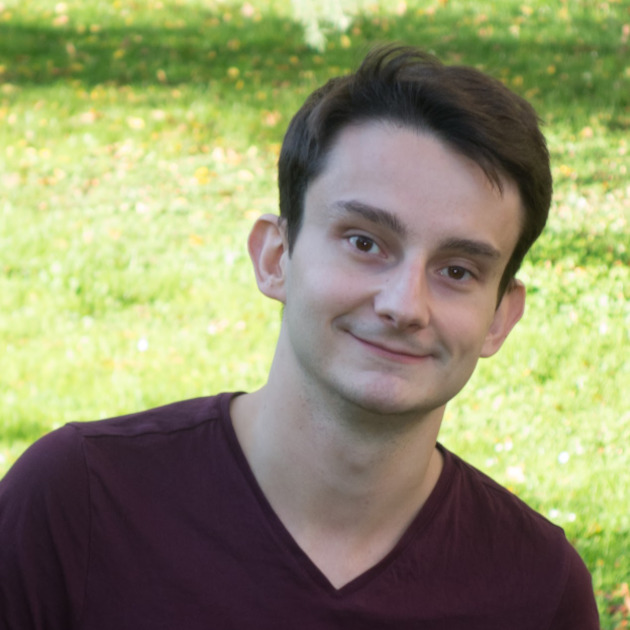
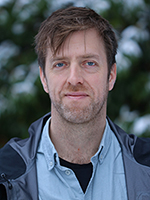
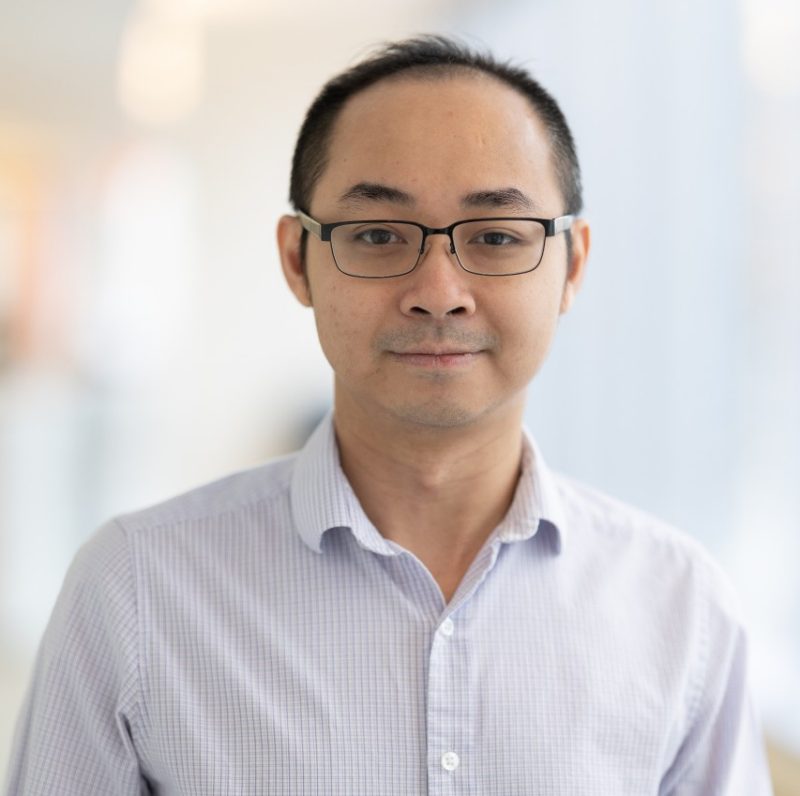
Christophe Kervazo is an Assistant Professor (Maître de Conférences) at Télécom Paris, France, affiliated with the IMAGES group under the Image, Data, Signal (IDS) department . His research focuses on sparse blind source separation, nonnegative matrix factorization, hyperspectral imaging, and optimization techniques for remote sensing and biomedical applications. Education: Engineering degree from Supélec (2015), Master of Science from Georgia Institute of Technology (2016), PhD in Signal and Image Processing from Université Paris Saclay (2019). His work spans deep learning for inverse problems (including deep unrolling techniques), remote sensing (hyperspectral imaging and SAR), and uncertainty quantification . Recent publications address synthetic data training for medical imaging, distributed sparse BSS, and nonlinear component separation. Collaborators include institutions like CEA Saclay, Université de Mons, and ONERA. Current students include PhD candidates working on topics such as digital breast tomosynthesis, hyperspectral unmixing, and SAR image reconstruction. Former students and interns have contributed to projects involving plug-and-play methods, unrolling algorithms, and implicit regularization. He is involved in teaching and research projects, including collaborations with Airbus and ONERA on hyperspectral imaging and spectral band optimization. His lab, LTCI (Information Processing and Communication Laboratory), supports interdisciplinary work in signal and image processing.
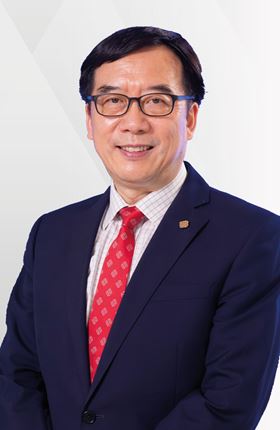
Ioannis Andreadis is a Professor in the Department of Electrical and Computer Engineering at the School of Engineering, Democritus University of Thrace. He has been a faculty member since 1993, following his appointment as a Visiting Professor at the School of Technological Applications of TEI Kavala (1991-1992). His academic journey began with a Diploma in Electrical Engineering from Democritus University of Thrace (1983), followed by an M.Sc. in Electrical Engineering & Electronics (1985) and a Ph.D. in Instrumentation & Analytical Science (1989), both from the University of Manchester. Professor Andreadis's research spans the Design and Implementation of Electronic Systems with particular emphasis on Intelligent Systems and Machine Vision . His work has resulted in over 230 publications in international journals, book chapters, and conference proceedings. He has made significant contributions to image processing, particularly in mathematical morphology, color image processing, and real-time implementation of image processing algorithms. His research has practical applications in seismic signal processing, crowd management systems, and 3D reconstruction technologies. The analysis of his recent publications reveals a strong focus on advanced image processing techniques, with increasing integration of deep learning approaches. His work spans both theoretical foundations (such as entropy estimation and moment calculations) and practical applications (including image stabilization, multi-focus image fusion, and crowd management systems). The interdisciplinary nature of his research connects electrical engineering, computer vision, and signal processing with applications in safety engineering, structural analysis, and robotics. Among his notable achievements are the IET Image Processing Premium Award (2009) , Best Paper Award at PSVIT 2007 , and Best Paper Award at EUREKA 2009 . He was elected Fellow of the Institute of Engineering & Technology (IET) in 2006 and Fellow of the Institute of Measurement & Control (InstMC) in 2021. He has also served as Subject Editor of the IET Electronics Letters and as Guest Editor for special issues of Pattern Recognition journal. Professor Andreadis has supervised 14 PhD theses , 21 Master's theses , and 88 Diploma works , demonstrating his commitment to academic mentoring. His research has been supported by significant grants including the EDUnet project (€280,000), wireless network implementation (€37,000), laboratory infrastructure development (€120,000), school information systems support (€478,000), the RESCUER project (€350,000 as Deputy P.I.), and the EDUSAFE project (Marie Curie Actions). He leads the Electronics Laboratory at Democritus University of Thrace, which has undergone significant infrastructure development through multiple funding sources. His work on the RESCUER project demonstrates collaboration with European partners on emergency risk management systems, while his EDUSAFE involvement shows commitment to advanced AR/VR safety systems development. His research group applies computational intelligence techniques to diverse challenges from seismic analysis to pedestrian evacuation modeling.
Professor John Shi Wen-zhong is Chair Professor of Geographical Information Science and Remote Sensing at The Hong Kong Polytechnic University, where he serves as Head of the Department of Land Surveying and Geo-Informatics. He also holds leadership positions as Director of the Otto Poon Charitable Foundation Smart Cities Research Institute and Director of the PolyU-Shenzhen Technology and Innovation Research Institute (Futian). Professor Shi is recognized as an international leader in uncertainty modeling and quality control for spatial data and spatial analyses, with contributions dating back to the 1990s. He currently serves as President of the International Society for Urban Informatics and Editor-in-Chief of the international journal Urban Informatics. Professor Shi's research focuses on urban informatics for smart cities, geographical information science and remote sensing, artificial intelligence-based object extraction and change detection from satellite imagery, intelligent analytics and quality control for spatial big data, and mobile mapping and 3-D modelling based on LiDAR and remote sensing imagery. His work has solved fundamental uncertainty issues in spatial data and spatial analyses, making significant contributions to geographical information science. He has authored over 300 research articles in Web of Science-indexed journals and 20 books, and has been granted 44 patents as of July 2023. Professor Shi has received numerous prestigious awards for his groundbreaking work: ESRI Award for Best Scientific Paper by the American Society for Photogrammetry and Remote Sensing (2006) State Natural Science Award (Second Award), China's highest award for fundamental research (2007) Wang Zhizhuo Award by the International Society for Photogrammetry and Remote Sensing (2012) Founder's Award by the International Spatial Accuracy Research Association (2020) CPGIS Distinguished Scholar Award (2021) Gold Medals at both the 2021 and 2023 Geneva Invention Expos Smart 50 Awards (2021) Gold Medal in Asia International Innovative Invention Exhibition (2023) He is also listed among the world's top 2% most cited researchers according to Elsevier BV's standardized citation indicators. Professor Shi has been elected as an Academician of the International Eurasian Academy of Sciences and is a Fellow of the Academy of Social Sciences (UK), the Royal Institution of Chartered Surveyors, and the Hong Kong Institute of Surveyors.
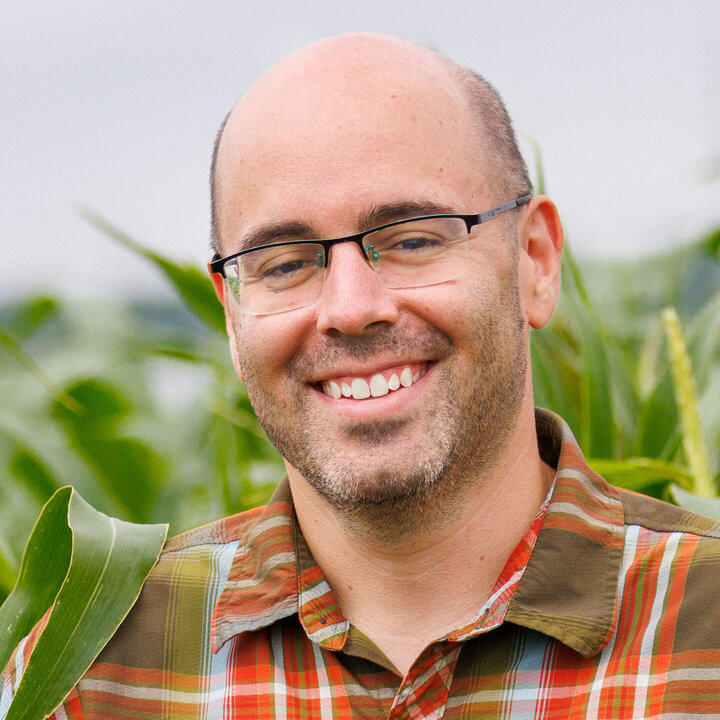
James Schnable serves as the Charles O. Gardner Professor of Agronomy in the Department of Agronomy and Horticulture at the University of Nebraska-Lincoln. His research integrates genomic, phenomic, and environmental data to advance crop breeding methodologies for maize and sorghum, with particular emphasis on climate-resilient varieties. Dr. Schnable's research program spans plant genomics , high-throughput phenomics , and quantitative genetics , focusing on genetic dissection of nitrogen use efficiency, photosynthetic traits, and stress tolerance mechanisms. His laboratory pioneers UAV- and satellite-based phenotyping systems, machine learning applications for image analysis, and genomic prediction models that bridge genotype-phenotype gaps under variable environmental conditions. Key innovations include nighttime fluorescence phenotyping to reduce environmental noise and spectral feature extraction for accelerated trait assessment. Analysis of his 2021-2025 publications reveals consistent leadership in genotype-environment interaction studies and computational phenotyping , with dominant themes including transcription factor binding site variation explaining heritability, nonphotochemical quenching kinetics in stress responses, and scalable satellite-based yield prediction methods. His work frequently employs the Genomes to Fields Initiative infrastructure for multi-state field validation. Charles O. Gardner Professorship Dr. Schnable directs an active research program involving advanced sensor networks, genomic selection pipelines, and multi-institutional field trials. His team develops computational frameworks like PlantSegNet for 3D plant reconstruction and SPARC-LoRa for agricultural IoT applications. While specific grant details aren't provided in source materials, his extensive publication record in high-impact journals indicates sustained funding from major agricultural research programs. The laboratory maintains cutting-edge phenotyping infrastructure including UAV fleets, hyperspectral imaging systems, and gas sensor networks for early stress detection. Current projects focus on nitrogen-responsive growth trajectories, chilling tolerance mechanisms in panicoid grasses, and gut microbiome interactions with grain composition, reflecting an integrative approach from molecular mechanisms to field performance.
Andrew V. Scott, MD, serves as a Clinical Assistant Professor in the Department of Anesthesiology at the University of Utah, providing clinical care at University of Utah Hospital in Salt Lake City. Board-certified by the American Board of Anesthesiology and National Board of Medical Examiners, he specializes in cardiothoracic and critical care anesthesiology with a focus on blood management. His educational trajectory includes: Undergraduate: B.S. in Biochemistry from Loyola University New Orleans Medical Degree: M.D. from Johns Hopkins University School of Medicine Internship: Internal Medicine at Mercy Medical Center, University of Maryland School of Medicine Residency: Anesthesiology at Johns Hopkins Hospital Fellowships: Critical Care Anesthesiology at Johns Hopkins Hospital Cardiothoracic Anesthesiology at University of Colorado School of Medicine Transfusion and Bloodless Medicine at Johns Hopkins University School of Medicine Dr. Scott's research centers on transfusion medicine and bloodless surgical techniques , investigating blood storage effects, autologous salvage efficacy, and outcomes in transfusion-averse patients. His work bridges perioperative physiology with practical clinical applications in high-risk surgical settings, particularly within cardiothoracic and oncologic procedures. Analysis of his 12 publications (2015-2022) reveals consistent focus on blood conservation strategies and transfusion optimization . Key themes include blood storage duration impacts, perioperative temperature management, and bloodless care protocols, with strong emphasis on clinical outcomes and cost-effectiveness in complex surgical populations. No scientific awards were documented in the source material. While no student mentoring or grant activities were specified, his collaborative publications with institutions like Johns Hopkins and University of Colorado indicate active research partnerships. His work demonstrates translational focus from laboratory investigations to clinical implementation. Though specific laboratory affiliations weren't mentioned, his publications suggest involvement in perioperative blood management initiatives and transfusion research consortia at major academic medical centers.
Lili Zach is a Senior Lecturer in the Department of English Studies at Eötvös Loránd University , Budapest, Hungary. Her academic work bridges the School of English and American Studies and transnational historical research, with a focus on Ireland and Central Europe. M.A. in English (Irish Studies) and History from University of Szeged, Hungary Ph.D. from National University of Ireland, Galway Her research centers on three interconnected fields: transnational history linking Ireland with Central Europe, humour studies in 20th-century totalitarian regimes, and food history tracing colonial and political influences on gastronomy. She emphasizes contextualizing events within broader historical frameworks to enhance critical engagement with primary sources. Recent publications explore topics like the transnational journey of Trappist cheese from Bosnia to Hungary (2022), humour's role in post-1956 Hungarian society (2025), and Jewish culinary traditions pre-1945 (2024). Her work often examines how colonial, national, and communist forces shaped cultural artifacts. She actively participates in international conferences including the European Social Science History Conference (ESSHC), Association for the Study of Nationalities (ASN), and British Association for Slavonic and East European Studies (BASEES), presenting research on Irish-Central European parallels in political identity, minority questions, and diplomatic links. Lili supervises graduate research in modern history of English-speaking countries , humour studies , and food/drink history . Her teaching portfolio includes courses on political humour , colonial food culture , and 20th-century Irish-Hungarian relations.
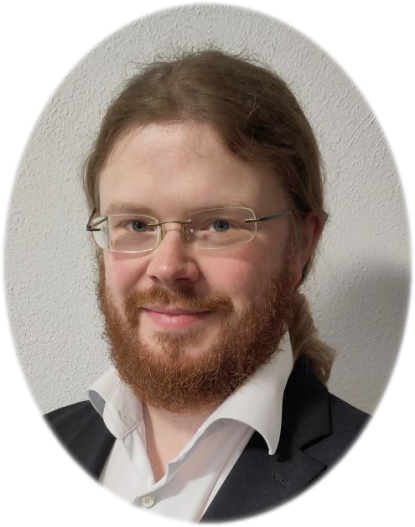
Benedikt Schmitz is a PostDoc researcher at the Technical University of Darmstadt, working at the Institute of Nuclear Physics (IKP) and the Theory of Electromagnetic Fields (TEMF). His research spans multiple domains of physics including superconductivity, laser-plasma interactions, and AI-supported modeling of complex physical phenomena. PhD in Physics from Technical University of Darmstadt (2023) Master's research at Helmholtz-Zentrum Berlin (2016-2018) Dr. Schmitz's research focuses on superconductivity, particularly magnetic field interactions with superconductors, and laser-plasma physics for particle acceleration. His work on radiochromic film dosimetry led to pyRES, an open-source evaluation tool. He pioneered AI applications in physics research, developing surrogate models using deep learning for neutron yield prediction and liquid target experiments. His research bridges traditional physics with modern computational approaches, demonstrating how machine learning can transition from research subject to research tool. His publication record shows a clear evolution from superconductivity research toward laser-plasma physics and AI modeling. Early works focused on SRF cavity diagnostics, while recent publications center on laser-driven neutron sources and deep learning applications. This progression reflects his doctoral work and growing expertise in computational physics. His articles demonstrate interdisciplinary approaches combining plasma physics, nuclear engineering, and machine learning to solve complex problems in particle acceleration and detection. First prize at Medtech:Hack with BIOSCAN at CERN (April 2018) Dr. Schmitz has led multiple research projects including SRF Magnetometry during his Master's work, Neutron Prediction and TNSA Liquid Leaf for his PhD, and ongoing development of pyRES. His BIOSCAN detector project resulted in a patent and demonstrates his ability to translate physics concepts into medical applications. He has developed software tools like LabTab for electronic lab journals and maintains active GitHub repositories for his research code. His projects consistently combine experimental work with computational modeling and increasingly incorporate machine learning approaches. His research is conducted within collaborative teams including the TEMF group at TU Darmstadt under Prof. Boine-Frankenheim for his doctoral work, and previously with Prof. Jens Knobloch's group at Helmholtz-Zentrum Berlin. His work spans multiple laboratories and computational environments, utilizing particle-in-cell simulations, Monte Carlo methods, and deep learning frameworks to advance understanding in his fields of interest.
Peter Vary is a Professor at the Faculty of Electrical Engineering and Information Technology of RWTH Aachen University, serving as Director of the Institute for Communication Systems. His work focuses on speech and audio signal processing for communication systems. Digital Signal Processing Speech Enhancement Acoustic Echo Control Microphone Array Beamforming Communication Systems Audio Compression His recent publications (2023–2024) emphasize speech coding, noise reduction, and bandwidth extension for hearing aids and mobile devices, with technical innovations in Kalman filters, hybrid digital-analog transmission, and wind noise detection. He holds a leadership role in the Institute for Communication Systems and serves as Ombudsperson for teaching in his faculty. Contact: vary@iks.rwth-aachen.de
Michelle Mazei-Robison is a Professor in the Department of Physiology at Michigan State University and faculty member in the Neuroscience Program, with an additional appointment as Associate Professor in the BioMolecular Science Gateway. Her research laboratory, located at 5017 766 Service Road, Room 5017, focuses on molecular mechanisms underlying psychiatric disorders including depression and addiction, utilizing the chronic social defeat mouse model to investigate the mesocorticolimbic dopamine system. Her primary research interests center on neuroadaptations in ventral tegmental area (VTA) dopamine neurons induced by stress and drugs of abuse. She investigates structural and functional changes in VTA neurons, signaling pathways altered by morphine/cocaine exposure, and subtype-specific responses within dopaminergic circuits. Her lab employs cutting-edge methodologies including optogenetics, viral-mediated gene transfer, 3D neuronal reconstruction, and behavioral assays to unravel mechanisms of depression and addiction. Analysis of her 2020-2025 publications reveals consistent focus on VTA neuronal subpopulations (particularly neuromedin S and GLP-1 expressing neurons), SGK1 kinase signaling in drug reward, and sex-specific stress responses. Her work demonstrates how molecular adaptations in dopamine neurons mediate morphine/cocaine behaviors while exploring hippocampal contributions to stress resilience through ΔFosB regulation. Scientific Awards: No awards were documented in the provided sources. Advising and Grants: The available materials list no specific students, grant awards, or mentoring activities. Her laboratory operations and publication record indicate active research funding, though exact mechanisms remain unspecified in the source texts. Labs and Teams: Dr. Mazei-Robison co-directs the Robison and Mazei-Robison Labs, which integrate mouse models, genetic engineering, electrophysiology, and advanced microscopy to study comorbid conditions like opiate abuse with PTSD. The lab bridges molecular mechanisms (gene expression, protein function) across multiple neural systems to explain behavioral outcomes in addiction and depression.
Mikael Males is a Professor in Old Norse Philology at the University of Oslo , affiliated with the Old Norse and Celtic Philology section. His research focuses on medieval Scandinavian literature, particularly skaldic and eddic poetry, textual criticism, and the intersection of language, faith, and historical context. Research Interests include dating criteria for Old Norse poetry, metrics and prosody, pseudonymous skaldic works, and the cultural impact of Irish and Christian elements on Norse paganism. He has extensively studied manuscripts like the Fifth Grammatical Treatise and Skáldskaparmál . Recent publications address the chronology of eddic poems, the role of textual criticism in philology, and the poetic genesis of Old Icelandic literature. His work often involves interdisciplinary analysis of historical, linguistic, and mythological dimensions. He is associated with research groups in Linguistics and Poetics and contributes to projects like Old Norse Poetry and the Development of Saga Literature .
Annett Junginger is a researcher at the University of Tübingen's Department of Geosciences, leading the Micropaleontology research group and contributing to the Senckenberg Center for Human Evolution and Paleoenvironment (HEP Tübingen). With a career spanning over two decades, she specializes in paleoclimatology, micropaleontology, and environmental-geochemical analysis of rift lakes. Education: Dr.rer.nat. in Paleoclimatology (2011) and Diploma in Geosciences (2006) from University of Potsdam/FU Berlin Key Projects: Hominin Sites and Paleolakes Drilling Project (HSPDP), Chew Bahir Basin studies, Suguta Valley hydrology Her research focuses on paleoclimate dynamics in East Africa, using lake sediments , isotope geochemistry , and micropaleontological proxies to understand climate variability across Quaternary periods. She investigates how hydroclimate fluctuations impacted hominin evolution and dispersal routes, particularly during the African Humid Period (15–5 ka BP) and MIS 12 glacial stage. Recent publications (2024) examine Lake Albert biodiversity via environmental DNA, Lake Naivasha metal sources , and Chew Bahir strontium isotopes . Earlier work includes volcano-tectonic fragmentation of Turkana-Suguta Megalake (2023), paleo-hydrology of Greece (2021), and Angolan diatom studies (2020). She employs multi-sensor remote sensing and phytolith analysis for climate modeling. Teaching responsibilities include BSc/MSc courses in Micropaleontology, Paleontology, and field practicals in Austria. She organizes African fieldtrips (Kenya, Tanzania, Ethiopia, etc.) for paleoenvironmental data collection.
Laura Wasylenki, PhD, is an Associate Professor in the Department of Chemistry and Biochemistry at Northern Arizona University. Her research focuses on isotope geochemistry, particularly the biogeochemical cycles of metals like nickel (Ni), tungsten (W), and zinc (Zn) in marine and environmental systems. She investigates mechanisms of isotope fractionation during mineral surface interactions, such as sorption to manganese oxides (e.g., birnessite), and their implications for paleoenvironmental reconstructions and modern marine budgets. Her work addresses critical questions in marine geochemistry, including the role of Mn oxyhydroxides in Ni cycling, the fidelity of carbonate records for Ni isotopes, and the impact of sorption processes on isotope fractionation. She also explores biogeochemical controls on metal transport, such as uranium sequestration in plant roots and the environmental health implications for communities like the Navajo people. Her recent studies emphasize experimental validation of isotope fractionation mechanisms and their application to understanding Earth's history, such as linking Siberian Traps aerosols to the end-Permian mass extinction via Ni isotopes. Collaborations with NAU's Chemistry Building, Wettaw Biochemistry Building, and Science Lab Facility enable advanced laboratory and field-based research. Key themes in her publications include refining marine nutrient budgets, developing cleaning protocols for ancient seawater proxies, and advancing methodological frameworks for interpreting metal isotope systems in environmental and paleo contexts.
Zin Lin is an Assistant Professor in the Bradley Department of Electrical and Computer Engineering at Virginia Tech, based at the Virginia Tech Research Center in Arlington. His research focuses on inverse design principles in nanophotonics, computational modeling, and scientific machine learning, with applications in quantum photonics, electromagnetics, and optical imaging. He leads the Inverse Design and Discovery Group, emphasizing large-scale optimization for physical systems and novel device discovery through physics-based AI. Education: Postdoc in Applied Mathematics at MIT (2018–2022), Ph.D. in Applied Physics from Harvard University (2018), and a B.A. in Physics and Mathematics from Wesleyan University (2012). He is a recipient of the National Science Foundation Graduate Fellowship (2014–2018). Research interests include inverse design of nanophotonic devices, topology optimization, quantum optics, and computational imaging. His group explores cutting-edge topics like metasurface engineering, terahertz wave generation, and bio-chemical sensing through physics-driven optimization frameworks. Recent work emphasizes scalable optical systems, such as end-to-end optimized metalenses and meta-optics for imaging, as well as quantum control in graphene-based metasurfaces. Key contributions span nonlinear frequency conversion, high-energy particle detection via nanophotonic scintillators, and topology-optimized multi-layered optical systems. Notable awards include the NSF Graduate Fellowship. His team actively pursues interdisciplinary projects at the intersection of wave physics, machine learning, and high-performance computing, with open positions for PhD students and postdocs.
Prof. Jan De Beenhouwer is a faculty member at the University of Antwerp, affiliated with the Department of Physics and the imec Vision Lab. His research focuses on advanced computational imaging techniques, particularly in X-ray tomography, phase contrast imaging, and reconstruction algorithms for medical and industrial applications. His primary research interests include: Development of novel X-ray imaging methodologies like edge illumination phase contrast Advanced CT reconstruction algorithms for sparse-view and dynamic systems Integration of deep learning with tomographic reconstruction Industrial applications including defect detection and material characterization Biomedical imaging such as bone structure analysis and tissue modeling Analysis of recent publications (2024-2025) reveals strong emphasis on: Innovations in phase contrast imaging hardware and simulation tools Advanced reconstruction techniques for motion compensation and sparse data AI-powered approaches for industrial inspection and biomedical research Development of open-source tools (CAD-ASTRA) for the tomography community He leads research at imec Vision Lab, focusing on both fundamental imaging physics and practical applications. The lab collaborates extensively with industrial partners on non-destructive testing solutions.
Dr. Adam McArthur is the Director of the Turbidites Research Group and leads the Sedimentary Processes Research Cluster at the University of Leeds' School of Earth and Environment. He specializes in deep-marine sedimentology, particularly turbidite systems, and employs multidisciplinary approaches including outcrop analysis, organic geochemistry, and seismic interpretation. His work spans global locations such as New Zealand, Mexico, Brazil, and the North Sea. Education: PhD in Geology (University of Aberdeen, 2012) BSc (Hons) in Geology (University of Aberdeen) Research Interests: Multidisciplinary study of sedimentary environments Interaction of sedimentary processes with active tectonics Deep-water systems evolution, including channel and canyon architecture Palynology and organic matter studies for paleoenvironmental reconstruction Key Projects: East Coast Basin Project (New Zealand) Baja California deep-marine systems Hikurangi Margin sedimentation studies (New Zealand) Advising & Collaboration: Supervises 13+ PhD/MSc students globally Co-leads international field and lab-based research Labs/Teams: Turbidites Research Group (TRG) - focuses on advancing understanding of deep-marine sedimentary systems through integrated field, experimental, and analytical approaches.