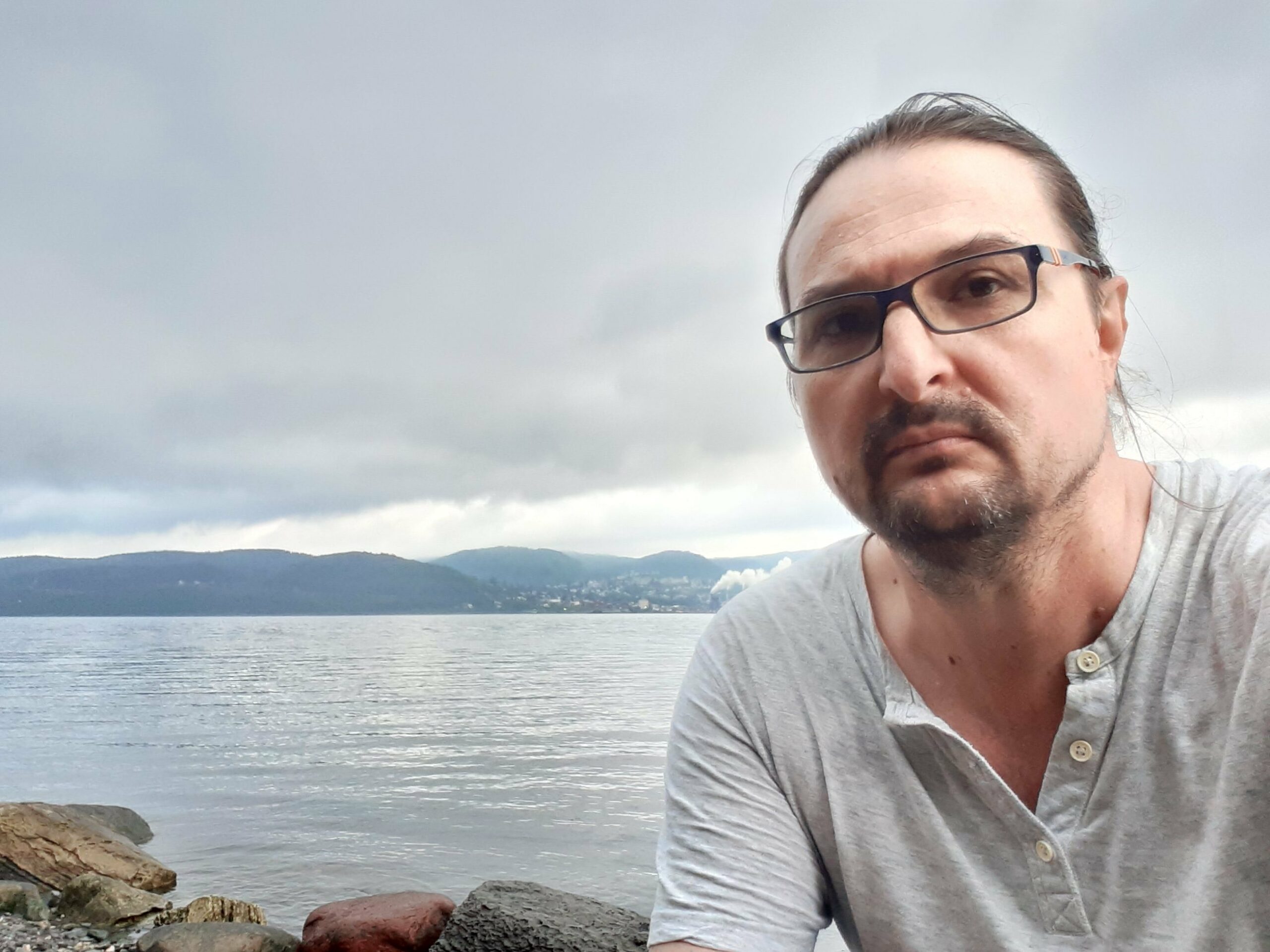
Philip Brunner is a Professor of Hydrogeology at the University of Neuchâtel's Faculty of Science since 2012. He is based at the Center for Hydrogeology and Geothermics (CHYN), leading the Laboratory of Hydrogeological Processes. His work centers on sustainable water resource management through quantitative tools. He earned his PhD from ETH Zurich, focusing on sustainable salt and water management in Western China's agricultural basins. Post-PhD, he conducted three years of postdoctoral research in Australia, developing new approaches for simulating river-aquifer interactions. Brunner's research spans surface water-groundwater interactions, numerical modeling, and remote sensing. He integrates methods from numerical modeling, remote sensing, scientific computing, and isotopic chemistry. His interdisciplinary collaborations with mathematicians, biologists, and physicists address challenges in agriculture, ecohydrology, engineering, and sustainable resource management. Recent publications highlight innovative tracer techniques (noble gases, microbes), low-cost monitoring systems, and advanced numerical models. His work tackles climate change impacts on ecosystems, groundwater in conflict zones, and sustainable practices in diverse environments including mountains and agricultural regions. He teaches courses such as Introduction to Hydrological Processes (Master), Numerical Modeling (Master), Remote Sensing (Master), and Introduction to Soil Physics (Bachelor, in French). His laboratory serves as a center for experimental and computational hydrogeological research.
Dr. Markus Venohr is a Senior Scientist and Research Group Leader at the Leibniz-Institute of Freshwater Ecology and Inland Fisheries (IGB) in Berlin, Germany, where he leads the River System Modelling research group within Department 1 (Ecohydrology and Biogeochemistry). He holds a PhD from Humboldt-University Berlin and has been with IGB since completing his doctorate, first as a Post-doc (2006-2008) and then as a Senior Scientist since 2009. Dr. Venohr received his PhD from Humboldt-University Berlin (2001-2005), following studies in Geography, Meteorology and Oceanography at Christian-Albrechts University Kiel (1996-2000), and initial Geography studies at Ruhr-University Bochum (1994-1996). His research focuses on nutrient fluxes from land to sea , nutrient transport and transformation , biotic-abiotic coupling , river system modelling , climate change and management adaptation , and recreation ecology . Dr. Venohr specializes in understanding how human activities impact freshwater systems, particularly through nutrient pollution from agricultural and urban sources, and develops models to assess and predict these impacts. His work bridges the gap between scientific research and practical water management solutions. Dr. Venohr's recent publications demonstrate a strong focus on nutrient modeling (particularly the AGRUM-DE framework), water quality assessment across scales from Berlin waterways to the Danube basin, and the impacts of human activities on freshwater ecosystems. His research increasingly addresses urban pollution sources, recreation ecology impacts, and climate adaptation strategies, with significant international collaborations evident in his work on topics ranging from the Kakhovka Dam destruction to nicotine contamination in surface waters. AQUATAG (2019-2022): Water-based recreational activities analysis BAUM (2015-2018): Climate adaptation measures in Brandenburg MARS (2014-2018): Multiple stressors in aquatic ecosystems OSCAR (2017-2020): Riparian buffer strips optimization RESI (2015-2018): Ecosystem services of rivers and floodplains He leads the River System Modelling group at IGB, which develops and applies advanced modeling approaches including MONERIS and AGRUM-DE to understand human impacts on freshwater systems. The group works closely with water management authorities across Germany and Europe to translate scientific findings into practical management solutions, particularly regarding nutrient pollution reduction and climate adaptation strategies.
Dr. Andreas Kopmann serves as Deputy Director of the Institute for Process Data Processing and Electronics (IPE) at Karlsruhe Institute of Technology (KIT) and leads the Process Data Processing group. With over two decades of experience in experimental physics and data systems, he plays a pivotal role in major international research collaborations including the KATRIN neutrino experiment and PANDA detector project. PhD in Electrical Engineering, University of Hannover (2000) Diploma in Electrical Engineering, University of Hannover (1994) Dr. Kopmann's research focuses on data acquisition systems, trigger systems, real-time monitoring, GPU computing, and data management for large-scale physics experiments. His work bridges experimental physics requirements with advanced computing technologies, particularly in high-data-rate applications for particle physics and synchrotron radiation facilities. He has pioneered novel detector technologies and data processing frameworks that enable cutting-edge scientific discoveries in neutrino physics and accelerator science. Analysis of Dr. Kopmann's recent publications reveals a strong trajectory toward higher data rates, sophisticated real-time processing, and integration of machine learning techniques. His work spans neutrino physics through KATRIN, detector development for PANDA and other experiments, and innovative data acquisition systems like KALYPSO and UFO. The interdisciplinary nature of his research combines particle physics, computing science, and electronics engineering to solve complex experimental challenges. KIT Program Lead for "Matter and Technologies" (2021-present) Coordinator of Helmholtz Program Topic "Detector Technologies and Systems" Principal Investigator in Karlsruhe School for Elementary Particle Physics (KSETA) Project Leader for Data Acquisition in KATRIN experiment As Deputy Director of IPE, Dr. Kopmann oversees research groups developing critical technologies for experiments at KIT, DESY, CERN, and other international facilities. His team's work on high-speed data acquisition, detector electronics, and computing infrastructure supports groundbreaking research in particle physics, neutrino physics, and materials science.
Dr. Joshua M. Pearce is a Professor at Western University, holding appointments in the Department of Electrical & Computer Engineering and the Ivey Business School. He is the John M. Thompson Chair in Information Technology and Innovation at the Thompson Centre for Engineering Leadership & Innovation and a Fellow of the Canadian Academy of Engineering. His research focuses on open-source appropriate technology for sustainability and poverty reduction, spanning solar photovoltaics, 3D printing, distributed recycling, and policy analysis. Ph.D. in Materials Engineering from Pennsylvania State University Former Richard Witte Professor at Michigan Tech Editor-in-Chief of HardwareX Author of multiple open-source sustainability books His work integrates engineering, economics, and policy to solve global sustainability challenges. Recent projects include agrivoltaic systems, open-source medical devices, and climate-resilient food production frameworks. He leads the Free Appropriate Sustainability Technology (FAST) research group, which has produced over 200 open-access publications cited in top-tier journals like Renewable and Sustainable Energy Reviews (IF=16.3) and HardwareX (IF=2). Dr. Pearce's scientific contributions include: Fulbright-Aalto University Distinguished Chair Top 0.06% most cited scientist (Elsevier metrics) Leading open-source hardware certification frameworks Developing low-cost scientific instruments His research team includes cross-disciplinary collaborators from Mechanical Engineering, Environmental Science, and Policy Studies. The FAST group emphasizes practical open-source solutions for energy, water, and food security in both developed and low-resource contexts.
Professor Bela Buck is a Marine Biologist and Head of the Unit for Marine Aquaculture within the Shelf Sea System Ecology department at the Alfred Wegener Institute. He also holds a professorship for Applied Marine Biology at the University of Applied Sciences Bremerhaven, has the right to award doctorates at the University of Bremen, and serves as an Affiliated Professor at Klaipeda University. His leadership extends to chairing the ICES Working Group on Open Ocean Aquaculture (WGOOA). Professor Buck's research focuses on applied marine biology and maritime technologies , with particular expertise in offshore and exposed aquaculture systems . His work addresses critical challenges in multi-use of offshore wind farms , shellfish and seaweed cultivation , culture techniques and system design , and site selection for marine aquaculture operations. His research bridges biological sciences, engineering, and policy development to advance sustainable marine resource utilization. An analysis of his recent publications (2022-2024) reveals a clear trend toward standardizing terminology and metrics for exposed aquaculture environments, developing integrated multi-use platforms combining renewable energy infrastructure with aquaculture, and optimizing cultivation techniques for shellfish and seaweed. His work increasingly addresses sustainability challenges, focusing on circular economy principles, resource efficiency, and climate change adaptation in marine food production systems. Professor Buck leads the AWI-Working Group 'Marine Aquaculture' and collaborates extensively with international research teams across Europe and beyond. His work has significant implications for marine spatial planning, sustainable food production, and blue economy development. He maintains strong connections with both academic institutions and industry partners to ensure practical applications of research findings. His laboratory and field work focuses on developing and testing aquaculture systems for exposed environments, with particular emphasis on site assessment methodologies, structural design for high-energy marine environments, and optimizing cultivation protocols for various marine species. The research group maintains close ties with offshore energy developers, aquaculture operators, and policy makers to ensure research addresses real-world challenges.
Edwin Cowen is a Professor in the Department of Civil and Environmental Engineering at Cornell University's College of Engineering. He serves as Director of the DeFrees Hydraulics Laboratory and previously held the Kathy Dwyer Marble and Curt Marble Faculty Director for Energy position at the Atkinson Center for Sustainability (2013-2018). Cowen joined Cornell in 1997 after earning a B.S. in Civil Engineering from Brown University (1987) and M.S. (1991) and Ph.D. (1997) in Civil Engineering from Stanford University. His research focuses on experimental and observational studies in environmental fluid mechanics, with five core themes: environmental transport processes, water wave dynamics, lake hydrodynamics, energy harvesting, and quantitative imaging techniques. He develops novel experimental methods and facilities to study phenomena like scale-dependent dispersion, wave-structure interactions, sediment suspension, and kinetic energy harvesting. Key application areas include sustainability, renewable energy systems, and water resource management. His recent projects analyze San Francisco Bay Delta surface turbulence for juvenile fish transport, optimize turbine arrays for energy harvesting, explore pre-tensioned wave-like ribbons for mechanical energy capture, and investigate environmental DNA transport in Cayuga Lake. Scientific Awards: James and Mary Tien Excellence in Teaching Award (2013) Graduate and Professional Student Assembly Teaching/Advising Award (2012) Chi Epsilon Professor of the Year (2010) Guggenheim Memorial Foundation Fellow (2004) NSF CAREER Award (2001) As an NSF-sponsored collaborator with Avangrid, Cowen works on residential electric storage systems for grid flexibility and renewable integration. He also contributes to Cornell's sustainability initiatives through the Lake Source Cooling Technical Advisory Committee and Earth Source Heat project steering team.
Silvia Santa Maria Newell serves as Director of Michigan Sea Grant and Professor at the University of Michigan School for Environment and Sustainability (SEAS), where she leads critical research on freshwater ecosystems. Her work bridges academic scholarship with practical environmental management through federal partnerships and stakeholder engagement initiatives focused on the Great Lakes region. Education Ph.D. in Geosciences, Princeton University M.A. in Geosciences, Princeton University A.B. in Biogeochemistry, Smith College Newell specializes in nutrient biogeochemistry and microbial ecology, with primary focus on how excess nutrients from agricultural and wastewater sources drive harmful algal blooms (HABs) in freshwater systems. Her research integrates field studies of nitrogen cycling, mercury methylation processes, and climate change impacts on eutrophication. She develops stakeholder-driven solutions for nutrient reduction in watersheds through interdisciplinary collaboration with farmers, policymakers, and environmental managers. Analysis of her 15 most recent publications reveals dominant research themes in Great Lakes HABs mitigation, nutrient cycling dynamics (particularly nitrogen-phosphorus interactions), and emerging contaminants like mercury. Her work consistently connects microbial processes to ecosystem-scale phenomena, with strong emphasis on practical applications for water resource management across North American and international freshwater systems. Scientific Awards Excellence in Grantsmanship (2022) for securing $1M+ research funding AGU Top 10 Most Downloaded Paper (2021) Limnology & Oceanography Outstanding Reviewer (2021) ASTRA Fellow, Estonia Education (2019-2020) Newell actively mentors the next generation of environmental scientists as primary advisor to PhD candidates Berk Durutürk and Ran Jin, and Master's student Monica Woodruff. Her current $1.2M+ research portfolio includes NSF-funded projects on Lake Erie HABs mitigation (DISES CHABS: $150K), mercury-nitrogen cycling interactions (GEOTRACES: $378K), and Ohio wetland monitoring (H2Ohio: $500K). She directs major collaborative initiatives including the Great Lakes Commission HABs Collaboratory and Lake Erie Area Research Network. As Director of Michigan Sea Grant, Newell oversees a federal-state partnership that funds research, outreach, and education programs addressing critical Great Lakes challenges. Her leadership connects university resources with community stakeholders through the Maumee River watershed engagement project and international collaborations studying nutrient pollution impacts from Lake Erie to Lake Taihu in China.
Sathyanarayanan N. Aakur is an Assistant Professor in the Department of Computer Science and Software Engineering at Auburn University's College of Engineering. Previously, he was an Assistant Professor in the Department of Computer Science at Oklahoma State University. He is an IEEE Senior Member and has received the prestigious NSF CAREER award for his research on multi-modal event understanding. Dr. Aakur received his PhD from the University of South Florida, where he worked with Dr. Sudeep Sarkar in the Computer Vision and Pattern Recognition Group. He also holds a Master's degree in Management Information Systems from the Muma College of Business at the University of South Florida and an undergraduate degree in Electronics and Communication Engineering from Velammal Engineering College, Anna University, India. His research focuses on the intersection of computer vision, natural language processing, and psychology, with the goal of building intelligent agents that understand the visual world beyond simple recognition or captioning. His work encompasses self-supervised predictive learning for video event segmentation, commonsense reasoning to ground perception and prior knowledge, and generative modeling for building knowledge systems. Much of his group's current work focuses on analyzing, modeling, and synthesizing complex video scenes, with applications in agriculture and animal diagnostics. His recent publications demonstrate a strong focus on open-world visual understanding, neurosymbolic reasoning, and multimodal learning. His work spans from fundamental computer vision problems like egocentric action recognition and scene graph generation to applied research in agricultural technology and biomedical informatics. He has successfully published at top-tier conferences including CVPR, ICCV, ECCV, and WACV, as well as in high-impact journals like IEEE TPAMI. NSF CAREER Award (2022) IEEE Senior Member (2024) Dr. Aakur serves as Area Chair for major conferences including CVPR, WACV, ICML, and NeurIPS, and as Associate Editor for Pattern Recognition journal. He has successfully mentored numerous students who have published at top venues in computer vision and machine learning. His research group has received funding from sources including the NSF and USDA for projects related to multimodal time series classification and stress detection in precision agriculture. The lab maintains active collaborations with institutions including the University of South Florida and Florida State University.
Leila De Floriani is a Professor at the University of Maryland, with appointments in the Department of Geographical Sciences and the University of Maryland Institute for Advanced Computer Studies (UMIACS). She previously served as a professor at the University of Genova (Italy) since 1990, where she developed Italy's first undergraduate and graduate curricula in computer graphics and directed the Ph.D. program in Computer Science for eight years. Her professional activities include serving as the 2020 President of the IEEE Computer Society and currently as IEEE Division VIII Director for 2023-24. Professor De Floriani's research spans geometric modeling, data visualization, spatial data representation and processing, computer graphics, shape analysis, and topological data analysis. Her work focuses on developing mathematical models and algorithms for representing, analyzing, and visualizing complex spatial data, particularly through hierarchical models, mesh-based representations, and topology-based approaches. Her research group, the GeoVis group, investigates applications in terrain modeling, environmental data analysis, and forest structure mapping using LiDAR technology. Analysis of her recent publications reveals a strong focus on terrain representation and processing, with increasing emphasis on topological data analysis, machine learning integration, and efficient algorithms for large-scale spatial data. Her work bridges theoretical foundations in computational topology with practical applications in geospatial sciences, demonstrating consistent innovation in data structures and visualization techniques. Scientific Awards & Recognitions Fellow of IEEE (2016) for contributions to geometric modeling and scientific visualization Fellow of International Association for Pattern Recognition (IAPR) (1998) for contributions to geometric modeling and image analysis Fellow of Eurographics Association (2020) for outstanding contributions to computer graphics and visualization Pioneer of Solid Modeling Association (2017) for seminal work in solid and feature-based modeling Inducted Member of IEEE Visualization Academy (2020) IEEE Computer Society Golden Medal Award (2018) Inducted Member of IEEE Honor Society Eta Kappa Nu (2019) Multiple best paper awards at major conferences including Shape Modeling International (2015), IEEE/EG Symposium on Volume and Point-Based Graphics (2008), and ACM SIGSPATIAL (2008) Professor De Floriani has successfully advised numerous PhD students including Xin Xu, Yunting Song, and Noel Dyer, whose recent dissertations focused on topology-based individual tree mapping, efficient terrain analysis, and bathymetric data visualization respectively. Her research has been funded by prestigious agencies including the National Science Foundation, NASA, and the European Commission. As the leader of the UMD GeoVis group, she oversees a research program that develops open-source tools for spatial data analysis available on GitHub, with current projects focusing on forest point cloud processing and topology-based geospatial data visualization. The GeoVis group, affiliated with the Department of Geographical Sciences, UMIACS, and the Center for Geospatial Information Sciences, maintains a strong collaborative environment with ongoing projects in geometric modeling, spatial data structures, topology-based machine learning, and mesh-based terrain modeling. The group has received recent funding from NASA's HPOSS program for developing an open-source library for forest point cloud processing based on topological data analysis.
Verena Siewers is a Research Professor at the Department of Biology and Biological Engineering, Chalmers University of Technology. Her work focuses on synthetic biology and metabolic engineering of yeast cell factories for producing biofuels, pharmaceuticals, nutraceuticals, and bioplastics, with particular emphasis on developing biosensor tools for pathway optimization. Key research themes: yeast-based biosensors, lipid metabolism engineering, CRISPRi/a applications, and dynamic gene regulation Notable projects include: Development of acetic acid tolerance mechanisms Optimization of fatty acid ethyl esters production Engineering phosphoketolase pathways for acetyl-CoA overproduction Her recent articles reveal trends in: CRISPR-mediated pathway engineering Stress response transcriptional profiling Heterologous plant gene expression in yeast Promoter and transcription factor engineering Funding sources: VINNOVA Novo Nordisk Foundation Carl Tryggers Stiftelse EU Horizon grants Swedish Research Council (VR) Formas
Dr. Shweta Singh serves as an Assistant Professor of Information Systems and Management at Warwick Business School, University of Warwick. She concurrently holds prestigious appointments as a Fellow at the Warwick Institute for Global Sustainability Development (IGSD) and a Behavioral Data Science researcher at The Alan Turing Institute in London. Her academic journey includes a Ph.D. in Information and Decision Sciences from the Carlson School of Management at the University of Minnesota, complemented by dual Master's degrees in Computer Science and Applied Economics from the same institution. Ph.D. in Information and Decision Sciences, University of Minnesota Master's in Computer Science, University of Minnesota Master's in Applied Economics, University of Minnesota Dr. Singh's research centers on developing ethical and responsible artificial intelligence systems that address societal challenges. Her work specifically targets mitigating AI bias, creating explainable AI frameworks, and leveraging technology to combat societal injustice. She investigates how digital platforms, sharing economy models, and IT outsourcing create business value while ensuring these technologies promote sustainability and reduce inequalities. Her innovative approach combines technical AI expertise with deep social awareness, particularly focusing on gender equality and child protection in digital spaces. Her publication record demonstrates consistent high-impact contributions to Information Systems Research, International Conference on Information Systems, and related venues. The trajectory of her work shows increasing focus on practical applications of responsible AI, with recent projects addressing online child safety and human trafficking prevention. Her research increasingly intersects with policy development, as evidenced by her contributions to UK Parliamentary Office of Science and Technology briefs. Doctoral Dissertation Fellowship, University of Minnesota McNamara Fellowship, University of Minnesota Social Impact Project of the Year shortlist (2023) Asian Women of Achievement Award finalist (2023) British Indian Awards finalist (2019) Top 5 Women in Tech for Good Award shortlist (2022) Inspiring 50 UK recognition (2025) Dr. Singh actively mentors students and has been recognized with the Staff Social Inclusion Award (2024) for her teaching excellence. Her advisory roles extend beyond academia to include the UN Women UK delegation for the Commission on the Status of Women and the Advisory Board of AI retail company 'Love the Sales'. She serves as an external collaborator for Boston Consulting Group's Henderson Institute, bridging academic research with industry applications. Through her leadership in the ISM-Analytics (ISMA) Group at Warwick, Dr. Singh fosters interdisciplinary collaboration focused on creating socially responsible technological solutions. Her work with the IGSD specifically targets UN sustainability goals related to reducing inequalities and promoting inclusive societies through responsible AI implementation.
Manuel Fontaine Campos serves as Associate Professor at the Faculty of Law of the Catholic University of Portugal (UCP), where he has held directorial responsibilities since 2013 and previously served as Vice-President of UCP's Porto Regional Center (2017-2021). His academic journey includes a Law degree (1996), Master's in Political Science (1999), and Doctorate in Law (2012), all from UCP. His research focuses on Public Law , European Union Law , and International Trade Law , with particular expertise in State Aid regulation, constitutional interpretation, and EU competition policy. His publication record spans over two decades, including commentaries on Portugal's Civil Code and Constitution, analyses of EU regulatory frameworks, and historical studies of international trade regulations. Professionally, he has held visiting positions at universities in Mozambique, Macau, Spain, and Portugal, and contributes to legal discourse through scholarly publications and expert opinions. His teaching portfolio includes International Trade Law, Public Law, and European Economic Law modules across multiple UCP degree programs. As both academic and practitioner (having worked as a lawyer and legal consultant), Campos bridges theoretical scholarship with practical legal application, particularly in EU regulatory compliance and constitutional interpretation. His current work continues to influence Portuguese legal scholarship through ongoing publications and institutional leadership.
Adrian Unc is a Professor at Memorial University of Newfoundland's School of Science and the Environment, with affiliations at McGill University and University of Leeds. His research focuses on northern agriculture under climate change, boreal soil health, waste re-valorization, and microbiological drivers of soil fertility. B.Sc. in Agronomy (Timisoara, Romania) M.Sc. & PhD in Soil Science (University of Guelph) Postdoc in Environmental Microbiology (University of Ottawa, Medicine) Research spans climate change impacts on boreal soils, biochar applications for soil fertility, microbial transport dynamics, and permafrost-affected soil systems. He established Canada's first graduate program for northern agriculture (Boreal Ecosystems and Agricultural Sciences - BEAS) and co-founded the Canadian Soil Biodiversity Observatory. His 15 most recent articles address soil carbon cycling, microbial ecology in reclaimed mines, fertilizer source effects on nutrient dynamics, biochar's role in boreal agriculture, and geophysical methods for soil moisture mapping. These works emphasize interdisciplinary approaches to food security, environmental quality, and climate adaptation strategies. Senior Cheney Fellow (2014) Top 3% Cited in Soil Use and Management (2024) Scientific Reports Top 100 Earth Science Article (2018) Top 1% Cited in Applied Soil Ecology (2000 paper) As Deputy Editor of Soil Use and Management and former Associate Editor of Algal Research , he has shaped scientific discourse in soil and algal sciences. His work integrates field studies (e.g., Pye Farm, Labrador) with global collaborations on boreal climate impacts.
Katherine Romanak is a Research Professor at the Bureau of Economic Geology, The University of Texas at Austin, specializing in geochemistry and carbon capture/storage (CCS) technologies. She pioneered the process-based soil gas monitoring approach for detecting CO2 leakage, which has become a global standard. Her work bridges scientific research and policy, with contributions to UNFCCC COPs and U.S. Class VI CCS regulations. Ph.D. in Geology (1997), UT Austin M.S. in Geology (1988), UT Arlington B.S. in Geology (1984), Southern Methodist University Her research focuses on: Geochemistry of carbon cycling in vadose zones and aquifers Development of environmental monitoring protocols for CCS sites CO2 leakage attribution and stakeholder engagement Integration of machine learning with field monitoring techniques Recent publications emphasize simplifying monitoring complexity, offshore CCS applications, and machine learning for anomaly detection. She holds two U.S. patents and collaborates globally on projects in Japan, Australia, Canada, and the U.S. Gulf Coast. Scientific awards include: 2015 BEG publication award 2017 U.S. patents for CO2 leakage detection Her team seeks partnerships with vadose zone modelers and microbiologists to advance industrial-scale monitoring systems. Romanak also co-developed UT Austin’s online CCS certification program and provides technical training for petroleum professionals transitioning to CCS roles.
Summer Rupper is a Professor at the School of Environment, Society & Sustainability at the University of Utah, where she has held her position since July 2019. Her research focuses on understanding the interactions between climate, glaciers, and water resources, with particular emphasis on high mountain regions including High Mountain Asia, the Himalayas, and polar regions. She leads multiple research projects examining glacier dynamics, hydrological processes, and climate change impacts on water security for downstream populations. BS in Geology from Brigham Young University (2001) MS in Geology from University of Washington (2004) PhD in Earth and Space Sciences from University of Washington (2007) Professor Rupper's research spans physical geography, environmental geoscience, and climate change science, with specific expertise in glaciology, hydrology, and atmospheric sciences. Her work integrates field measurements, remote sensing, and numerical modeling to understand glacier dynamics, snow processes, and water resource availability in mountainous regions. She has particular expertise in High Mountain Asia, where glaciers provide critical water resources for over a billion people. Her research addresses fundamental questions about glacier response to climate change, hydrological partitioning, and the implications for water security in vulnerable regions. Her recent publications demonstrate a consistent focus on understanding glacier dynamics, hydrological processes, and climate interactions in mountainous regions. The work spans multiple methodologies including remote sensing analysis, numerical modeling, statistical approaches, and field-based measurements. Key themes include glacier melt contributions to river systems, precipitation patterns in complex terrain, snow density modeling, and the impacts of climate change on water resources in High Mountain Asia and polar regions. Her research often integrates multiple data sources and approaches to address complex questions about cryospheric processes and their societal implications. Superior Research Award (2024, CSBS, University of Utah) G.K. Gilbert Award for Excellence in Geomorphic Research (2022) Outstanding Utah Higher Education Science Teacher (2021) Top Researcher Award, Celebrate U showcase (2017) Antarctic Service Medal (2010, USAF) Professor Rupper actively mentors graduate students through thesis research courses at both the PhD and Master's levels, as well as individual projects. She has secured significant research funding from multiple federal agencies including NSF, NASA, and USAID, with current projects examining climatic controls on Antarctic ice sheets, glacier dynamics in High Mountain Asia, and historical glacier changes. Her collaborative work extends across international boundaries, working with scientists in Pakistan, Bhutan, and other regions to address shared water security challenges. She also engages in community outreach through workshops with school districts and science teacher associations to communicate climate science to broader audiences. Professor Rupper participates in multiple collaborative research teams including the NASA High Mountain Asia Team (HiMAT), where she contributes expertise in glacier dynamics and hydrology. She serves on several scientific committees including the NSF Ice Core Facility Sample Allocation Committee and the American Geophysical Union Cryosphere Section Fellows Committee. Her research often involves interdisciplinary teams combining expertise in glaciology, hydrology, remote sensing, and climate modeling to address complex questions about mountain water systems under changing climate conditions.