- Emotion Regulation
- Stress and Coping
- Resilience
- +۴ مورد دیگر
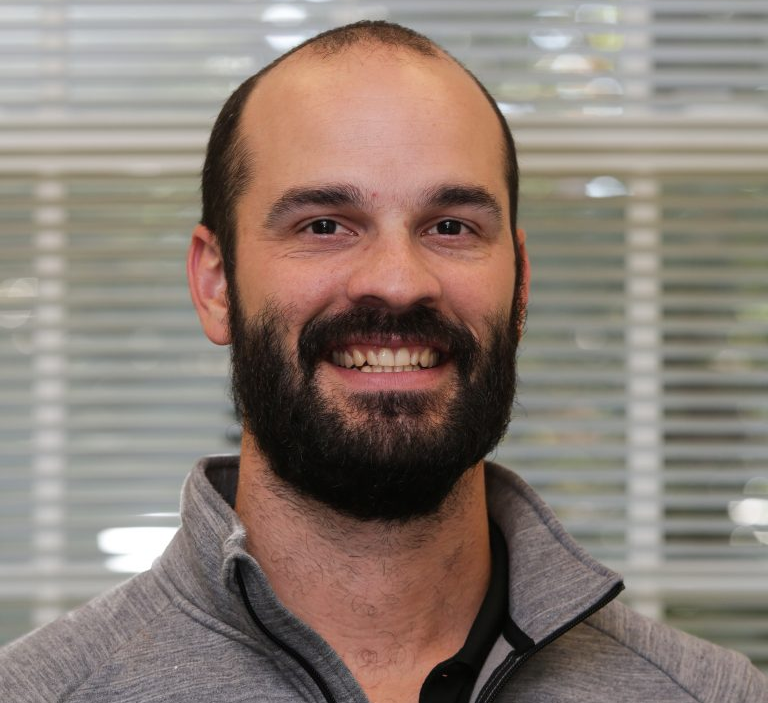
Christian Waugh serves as Professor of Psychology at Wake Forest University, based in Greene Hall 445 with contact email waughce@wfu.edu. He directs the Emotion and Motivation Lab (eMolab), as evidenced by his active research website https://emolab.psych.wfu.edu , and teaches courses within the Department of Psychology. His research centers on emotion regulation mechanisms, particularly cognitive reappraisal strategies, stress reactivity, and resilience across the lifespan. Key investigations examine how individuals maintain emotional states during stressors, the neural underpinnings of positive emotion's buffering effects, and age-related differences in recovery from adversity. His work integrates psychological, biological, and social perspectives to understand affective processing dynamics, with significant focus on temporal aspects of emotional experience and coping. Analysis of his 2023-2025 publications reveals dominant themes in reappraisal implementation phases, affective working memory, and pandemic-related stress adaptation. His methodological approach combines fMRI, physiological monitoring, ecological momentary assessment, and computational modeling to explore how positive emotions facilitate stress resilience. Notable patterns include the temporal anchoring of regulatory strategies and the differential impacts of distraction versus avoidance coping. Scientific awards: No awards were documented in the source material. Regarding academic advising and research funding, the source text provides no specific details about graduate students, grants, or sponsored projects. However, his active laboratory and extensive publication record suggest ongoing mentorship and research support activities typical of senior faculty. Waugh leads the Emotion and Motivation Lab (eMolab), which investigates neural and psychological mechanisms of emotion regulation through multiple experimental paradigms. Current research examines stressor reactivity in aging populations, virtual reality mood induction techniques, and computational models of resilience, with strong emphasis on translating findings to real-world coping applications.