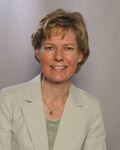
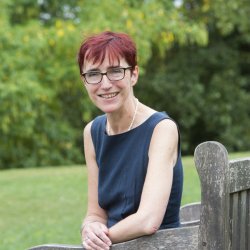
Prof. Dr. Kirsten Jung is a faculty member at the Department of Microbiology , Faculty of Biology , Ludwig Maximilian University of Munich . Her research focuses on bacterial signal transduction, stress response mechanisms, and systems biology approaches to understand microbial regulatory networks. Key research areas include stress-dependent gene expression in bacterial populations Structural and functional analysis of membrane-integrated receptors Metabolism-based chemical communication in bacteria Integration of experimental and computational systems biology Recent publications highlight her lab's work on Escherichia coli epitranscriptomic modifications under heat stress, m 5 C rRNA dynamics, and the role of RNA methylation in host-pathogen interactions. Collaborative studies address bacterial acid stress responses and their implications for antibiotic tolerance. Her interdisciplinary work bridges microbiology with ecological studies, as evidenced by research on biodiversity conservation in forest and urban ecosystems. Publications also demonstrate expertise in advanced imaging techniques (e.g., arterial spin labeling for glioma analysis) and bioinformatics approaches. Current advisees include Gloria Gessinger and Tania P. Gonzalez-Terrazas . She can be contacted at jung@lmu.de .
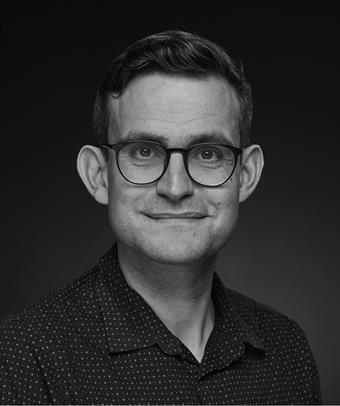
Çağlar Akçay is a Senior Lecturer in the School of Life Sciences at Anglia Ruskin University, part of the Faculty of Science and Engineering. He holds a PhD in Animal Behavior from the University of Washington, alongside an MA in Cognition and Perception and a BS in Biology and Psychology from Middle East Technical University. His research focuses on behavioral ecology, particularly the evolution of animal communication and social cognition in songbirds. He investigates how animals adapt to anthropogenic environments, including effects of urbanization on signaling and aggression. Key research areas include animal communication systems, social interactions mediated by vocal signals, and the impact of environmental changes on behavior. He leads the Bird Lab, studying the interplay between communication and social behavior in birds, with projects on Darwin’s finches and song sparrow territorial dynamics. His work emphasizes field studies combined with experimental approaches, such as acoustic manipulations and observational tracking. Member of the Behavioral Ecology Research Group Recipient of Turkish Science Academy Early Career Fellowship (2019-2021) Teaching responsibilities include BSc programs in Animal Behaviour and Zoology, and an MSc in Animal Behaviour Applications for Conservation Recent publications highlight topics like survival processing effects in memory, avian behavioral plasticity in urban settings, and the role of acoustic signals in territorial disputes. His interdisciplinary work bridges ecology, cognition, and conservation, with a focus on translating findings into wildlife management strategies.
John L. Drever is a Professor in the Department of Music at Goldsmiths, University of London, affiliated with the Unit for Sound Practice Research. His work bridges acoustic ecology, sound art, and interdisciplinary studies, emphasizing aural diversity and the intersection of sound with environment, culture, and human perception. His research explores urban soundscapes, field recording methodologies, and the ethical implications of sound design for vulnerable populations. Education: Ph.D. in Sound Practice Research (Phonographies: Practical and Theoretical Explorations into Composing with Disembodied Sound, 2001) from University of Plymouth. Research Interests: Drever’s work focuses on acoustic ecology, soundscape composition, noise pollution’s impact on health, and aural diversity—advocating for inclusive soundscapes that account for varied hearing experiences. He has pioneered studies on hand dryer noise effects and urban soundscape design. His articles and books, such as Aural Diversity (2022, co-edited) and contributions to The Oxford Handbook of Sound Art , reflect his interdisciplinary approach. Key projects include London Street Noises (2021) and Sounding Dartmoor (2002). He actively participates in international conferences and soundwalk initiatives, emphasizing sound’s role in environmental and cultural preservation.
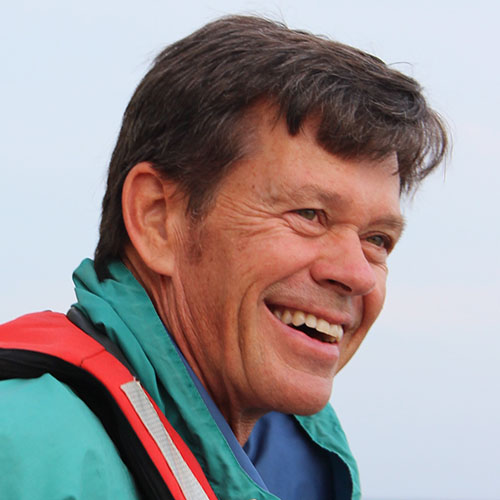
Dr. David Eggleston is an Alumni Distinguished Undergraduate Professor and Director of the Center for Marine Sciences and Technology (CMAST) at NC State University. He leads the Marine Ecology and Conservation program, focusing on fisheries ecology, habitat restoration, and deep-sea biology. His research integrates field observations, modeling, and molecular tools to address ecological theory and sustainable resource management. Eggleston holds affiliations with the Department of Marine, Earth & Atmospheric Sciences and serves on national/international advisory boards. His academic roles include teaching courses like Introduction to Oceanography and Marine Benthic Ecology . Eggleston’s research spans tropical to temperate marine systems, emphasizing interdisciplinary approaches linking biology, physics, and economics. Awards include NSF’s Early Career Award and recognition in teaching/outreach. Current students focus on topics like oyster reef acoustics, coral reef soundscapes, and blue crab habitat dynamics. Eggleston’s lab emphasizes graduate mentorship, fostering future leaders in academia and resource management. Outreach initiatives include Ecological Synergism and educational tools like The Blue Crab in NC . Collaborative projects involve NOAA, The Nature Conservancy, and international marine organizations.
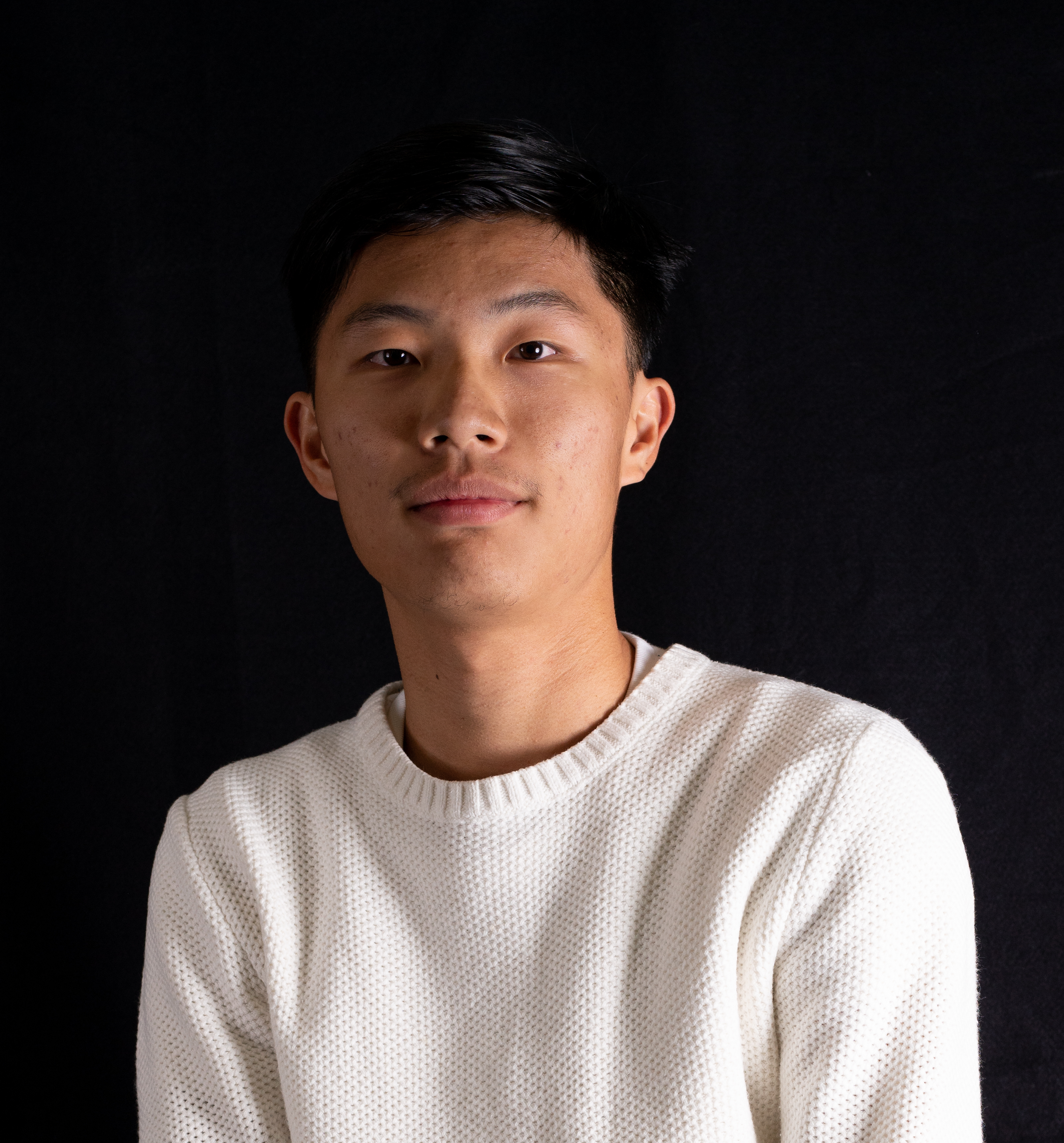
Liang-Yuan 'Leo' Wu is a Researcher at the University of Michigan's Computer Science and Engineering department, working with Prof. Dhruv 'DJ' Jain in the Soundability Lab at the AI Laboratory. He recently completed his Master's degree in Computer Science & Engineering at the University of Michigan. His educational background includes: Master of Science in Computer Science & Engineering, University of Michigan (2022-Present) University of Edinburgh (2021) Bachelor's degree, National Taiwan University (2017-2021) Wu's research centers on human-centered AI solutions for auditory accessibility, with deep collaboration with the Deaf and Hard of Hearing (DHH) community. He develops technologies that leverage multimodal AI and large language models to interpret soundscapes, generate personalized audio descriptions, and enhance captioning systems—particularly in challenging environments like clinical settings where communication accuracy is critical. His work bridges technical innovation with real-world user needs through mixed-methods UX research. His publication trajectory reveals a strategic focus on applying cutting-edge AI models to solve accessibility gaps in sound interpretation and captioning, with increasing emphasis on healthcare applications and community-driven design principles. This represents a significant shift toward context-aware, deployable accessibility tools rather than theoretical frameworks. Wu's research impact is recognized through: BEST POSTER AWARD at ASSETS 2024 for CARTGPT Google Academic Research Award for 'Audio Scene Understanding' proposal While not yet mentoring formal advisees, Wu secures competitive research funding through awards like Google's Academic Research Award and actively collaborates with interdisciplinary teams across HCI, AI, and accessibility domains. His work in the Soundability Lab emphasizes community co-creation with DHH individuals to ensure technologies address authentic user needs rather than theoretical scenarios. The Soundability Lab serves as Wu's primary research environment, focusing on making sound universally accessible through AI-driven innovation. The lab maintains direct partnerships with the DHH community throughout the research lifecycle—from problem identification to solution validation—ensuring technologies are both technically robust and socially impactful.
Angus Carlyle is a Professor of Sound Arts Practice and Sound Landscape at the London College of Communication, part of the University of the Arts London. His research explores soundscapes, environmental acoustics, and interdisciplinary art practices. He holds degrees in Law (LLB, University of Hull), Political Theory (MA, University of Manchester), and a PhD in Political Theory/Philosophy (University of Manchester). Carlyle’s creative work bridges documentary and poetic registers through field recordings and collaborations, including projects like Air Pressure and Zawawa , which investigate sound in contested environments. He has authored/co-authored influential books such as On Listening (2013), In the Field (2013), and Sound Arts Now (2021). His teaching focuses on sound arts education, designing courses like The Politics of Noise and supervising over 50 student projects. He has secured major grants, including the Arctic Auditories project (2021–2024) and the Positive Soundscape Project (2006–2010), exploring soundscapes’ social and environmental impacts. Carlyle is a member of the Creative Research into Sound Arts Practice (CRiSAP) research centre. Key research interests include sonic ecology, post-natural soundscapes, and decolonial listening practices. His work frequently engages with anthropological, environmental, and political frameworks to critique and reimagine auditory environments.
Dr. Matthew James Slater is the Head of the Aquaculture Research Group at the Alfred Wegener Institute, focusing on sustainable marine bioeconomy. His work emphasizes integrated multitrophic aquaculture (IMTA), holothurian ecology, and economic development through aquaculture. He leads applied research with industry partners to develop sustainable feed solutions and improve aquaculture practices. Research interests include optimizing feed ingredients from by-products (e.g., black soldier fly larvae, shrimp processing remains) and exploring the ecological roles of sea cucumbers. He investigates the effects of environmental factors (soundscapes, light, temperature) on aquatic species and promotes circular economy principles in aquaculture. Key contributions span over 60 peer-reviewed publications, with recent work on microplastic contamination in fish and the economic value of small-scale fisheries. His research integrates interdisciplinary approaches to address global challenges in aquaculture sustainability and food security. Contact: matthew.james.slater@awi.de | +49(471)4831-2727 | Alfred Wegener Institute, Bussestraße 27, 27570 Bremerhaven
Dr. Julian F. Henriques is a Senior Research Fellow at Goldsmiths, University of London, and a leading scholar in sound studies, cultural studies, and Caribbean research. With a PhD thesis (2008) on Reggae Sound System Crews, his work bridges music, technology, and embodiment through practice-based research. He has authored the book Sonic Bodies (2011) and co-edited Rhythm, Movement, Embodiment (2014). Currently, he explores fetal auditory environments through the Sonic Womb Exhibition (2026) and contributes to obstetric research on noise exposure. Research Interests: His scholarship focuses on the Jamaican sound system as a cultural technology, analyzing rhythm, affect, and sonic embodiment. He investigates intersections between popular culture, Caribbean diasporic practices, and the materiality of sound through theoretical frameworks like Afrofuturism (2015) and cosmopolitan theory (2020). Recent work combines computational acoustic modeling with ethnographic insights into prenatal soundscapes. Key Publications: Includes articles on fetal noise exposure (2025), Jamaican knowledge systems (2023), and rhythm analysis (2014). His edited works span Stuart Hall's legacy (2018) and sound studies companions. Collaborations with acoustic engineers (2025) demonstrate interdisciplinary reach. Collaborations: Works with institutions like University College London (2025), Tate Modern (2011), and the University of Munich (2014). Leads the Sonic Womb project with Pierre Gélat and Atau Tanaka.
Prof. Dr.-Ing. Jochen Steffens is a faculty member at the University of Applied Sciences Düsseldorf , affiliated with the Faculty of Media . His research spans interdisciplinary domains at the intersection of music, soundscapes, and cognitive-affective processes. Research Focus : Music listening behavior, soundscapes, noise perception, music recommendation systems, film music, and the psychological effects of sounds. Teaching : Supervises final theses and offers modules aligned with examination regulations of 2018, including topics in media informatics and mixed reality applications. Technical Contributions : Develops tools for soundscape exploration (e.g., Advanced Soundscape Search) and music information retrieval (MIR) systems for live performance visualization. Methodological Expertise : Utilizes computational music analysis, experience sampling, statistical learning, and multilevel modeling to investigate situational and demographic influences on auditory perception. Applied Research : Explores the impact of room acoustics on customer satisfaction in restaurants, motivational music in sports, and semantic expression in audio branding.
T.J.C. van Terwisga is a Professor at the Ship Hydromechanics and Structures department of Delft University of Technology (Faculty of Mechanical, Maritime and Materials Engineering). His research focuses on cavitation phenomena, vortical flows, and microbubble dynamics, with applications in ship hydrodynamics and marine technology. PhD in Mechanical Engineering (specialization in cavitation physics) Editorial Board Member: The Journal of Ocean Technology (2006–present) Research Interests : Cavitation inception and erosion mechanisms Air lubrication systems for ship drag reduction Underwater shipping noise propagation Bubble dynamics in vortical flows Experimental fluid mechanics Hydrofoil performance optimization Scientific Contributions : Developed advanced calibration methods for microbubble measurement systems Investigated air lubrication regime transitions under varying flow conditions Studied cavitation onset in counter-rotating vortex flows Explored bubble capture mechanisms in vortical flows Contributed to underwater soundscape modeling for maritime operations Editorial Roles : Editor, The Journal of Ocean Technology (2006–present) Editor, The Journal of Ocean Technology (2009–present)
Mohamad Awada is an Assistant Professor in the Department of Civil and Urban Engineering at New York University (NYU Tandon School of Engineering) . His research focuses on integrating sensing systems , immersive technologies , and artificial intelligence to enhance human livability in built environments. Education Ph.D. in Civil Engineering, University of Southern California (USC), 2024 M.Sc. in Computer Science, University of Southern California (USC), 2021 M.Sc. in Civil Engineering (Construction Engineering and Management), American University of Beirut, 2018 B.S. in Civil and Environmental Engineering, American University of Beirut, 2016 His work spans machine learning , data science , and human-building interaction , with applications in sustainable infrastructure and smart cities . Recent research trends emphasize occupant health , stress detection , and AI-driven environmental optimization in office and residential settings. Scientific Awards : University of Southern California PhD Achievement Award – 2024 Sonny Astani CEE Outstanding Department Service Award - 2023 Sonny Astani CEE Outstanding Research Assistant Award - 2022 Awada leads the Smart Innovations in Built Environment Research (SiBER) Lab , where he explores automation, control systems, and AI applications to create healthier, energy-efficient infrastructure. He actively seeks Ph.D. candidates with coding and ML/data science experience for Fall 2025.
Professor Abigail Bristow is a Professor of Civil and Environmental Engineering at the University of Surrey, leading research in transportation noise, soundscape valuation, and environmental economics. She previously held professorial roles at Loughborough University (2005–2016) and the University of Leeds (pre-2005). She co-leads the EPSRC-funded UK Acoustics Network Plus (UKAN+) and has pioneered interdisciplinary work on noise pollution mitigation and the economic valuation of quiet spaces. Education: BSc in Civil Engineering MA in Environmental Policy PhD in Transport Economics Research Interests: Economic valuation of transport noise and soundscape quality Policy design for urban environmental sustainability Interdisciplinary approaches to noise pollution control Quiet area preservation in urban planning Awards & Fellowships: Fellow of the Royal Society of Arts (FRSA) Fellow of the Chartered Institution of Highways and Transportation (FCIHT) Fellow of the Institute of Acoustics (FCIOA) Member of the Acoustical Society of America (MASA) Advisory & Grants: Co-Investigator on £1.8M EPSRC UKAN+ project Contributed to DEFRA-funded noise productivity studies Lead researcher in international noise valuation meta-analyses Labs/Teams: Active in the School of Sustainability, Civil and Environmental Engineering's acoustics research group, continuing legacy of the former Loughborough Transport Studies Group.
Brian M Deal serves as a Professor of Landscape Architecture within the School of Architecture at the University of Illinois at Urbana-Champaign, holding additional appointments in Urban and Regional Planning, the European Union Center, the Center for Latin American and Caribbean Studies, and the National Center for Supercomputing Applications (NCSA). His expertise bridges sustainable planning theory, energy systems, and spatial modeling to develop practical decision-support tools for community development and climate resilience. His educational foundation includes a PhD in Regional Planning (2002), Master of Architecture (1997), and BS in Architectural Studies (1983), all earned at the University of Illinois at Urbana-Champaign. Prior academic experience encompasses a decade of professional architecture practice and senior research at the Army Construction Engineering Research Laboratory (CERL), where he specialized in sustainable military facility design using spatial simulation. Deal's research centers on sustainable planning systems and climate adaptation, with current projects examining urbanization impacts on Korean rural amenities, advancing the University of Illinois' climate action plan (iCAP), and developing next-generation 'sentient' planning support systems. His work integrates land-use modeling, energy systems analysis, and decision-support technologies to address complex urban environmental challenges through interdisciplinary collaboration. Recent publications reveal a pronounced shift toward data-driven sustainability solutions, featuring AI applications for carbon-neutral planning, multi-scaled green infrastructure optimization, and socio-ecological modeling. Key themes include urban carbon sequestration, post-pandemic park dynamics, and climate-resilient coastal design, demonstrating consistent innovation in translating theoretical frameworks into actionable planning tools for real-world implementation. Professor Deal's scientific awards and honors were not detailed in the provided text. As faculty mentor to the Student Sustainability Committee and chair of campus sustainability planning efforts, Deal actively guides student development and institutional policy. His leadership of the LEAM Laboratory and SEDAC involves managing research grants focused on urban resilience, energy systems, and climate adaptation, fostering partnerships with government agencies and community organizations to deploy planning tools that directly impact community decision-making processes. Deal directs the Land Use Evolution and Impact Assessment Modeling (LEAM) Laboratory and Smart Energy Design Assistance Center (SEDAC), leading interdisciplinary teams in developing spatial simulation models and decision-support systems. His operational leadership extends to authoring the university's climate action plan and chairing campus sustainability committees, positioning him at the nexus of academic research, institutional policy, and community engagement for sustainable urban futures.
Professor Dr. Johannes Ismaiel-Wendt is a faculty member at the Institute for Music and Musicology , part of the University of Hildesheim ’s School of Cultural Studies & Aesthetic Communication. He earned a doctorate in cultural studies, sociology, and musicology from the University of Bremen (supervised by Prof. Dr. Sabine Bröck and Prof. Dr. Alexander Weheliye) with his dissertation tracks'n'treks. Popular Music and Postcolonial Analysis (2011). Ismaiel-Wendt is a certified educator, known for blending research with live drum machine performances and sound lectures. From 2012 to 2018, he served as Junior Professor for Systematic Musicology and Music Sociology before being appointed University Professor in 2018.
Prof. Sylvia Pont is a Professor of Perceptual Intelligence at Delft University of Technology, leading the Perceptual Intelligence lab and section. Her work focuses on multisensory design, lighting science, and ecological optics, emphasizing cross-disciplinary approaches to real-world perception challenges. She coordinates the Master’s course Lighting Design and teaches in human-centered design and multisensory systems. As an Associate Editor for the Journal of Vision , her research bridges art, science, and design, with notable contributions to lighting design methods and material perception. Research Themes: Multisensory experiences, light-material interactions, perceptual intelligence, and healthcare environments. Media & Outreach: Featured in ILI Magazine , Radio Omroep Delft , and public lectures like the Van Leeuwenhoek Lecture on light perception. Professional Roles: Board member of Stichting Dutch Daylight (2022–2026), promoting daylight research and applications. Her publications span lighting science, AI ethics, and healthcare acoustics, reflecting a commitment to interdisciplinary innovation. Recent work includes studies on ICU soundscapes, algorithmic fairness, and the perceptual impact of light color changes.