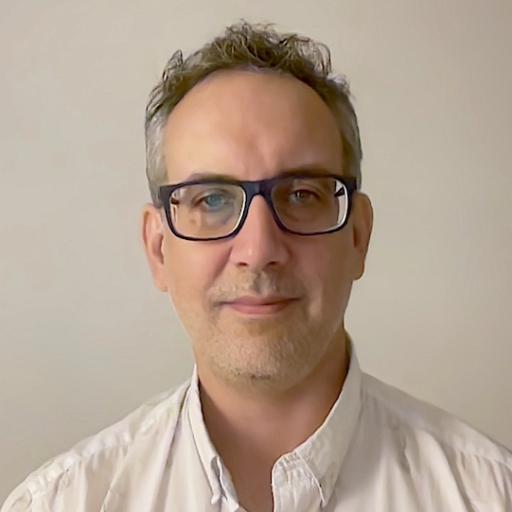
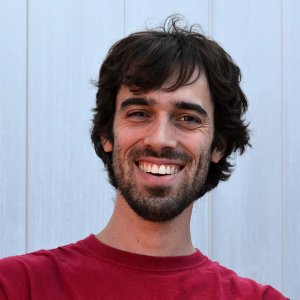
Edward Sykesمشاهده پروفایل
دانشیار مدعو
- Mobile Healthcare Systems
- Artificial Intelligence in Medicine
- Machine Learning Applications
- +۵ مورد دیگر
Edward Sykes serves as an Adjunct Associate Professor in the Department of Computing and Software within the Faculty of Engineering at McMaster University. His academic work bridges computer science with healthcare applications, focusing on innovative technological solutions for real-world medical challenges. Dr. Sykes' research interests span mobile healthcare systems, artificial intelligence applications in medicine, and context-aware computing. His work demonstrates a strong commitment to developing practical mHealth technologies that address critical healthcare needs, particularly in elderly care, remote patient monitoring, and diagnostic support systems. His research trajectory shows a consistent evolution from earlier work in educational technology toward increasingly sophisticated healthcare applications of AI and mobile computing. Analysis of his recent publications reveals a strong emphasis on AI-driven healthcare solutions, with particular focus on fall detection systems, fracture risk assessment, and remote patient monitoring. His work integrates multiple technical domains including machine learning, computer vision, mobile computing, and human-computer interaction to create comprehensive healthcare technology solutions. The interdisciplinary nature of his research demonstrates strong connections between computer science fundamentals and practical healthcare applications. His scholarly contributions include numerous publications in healthcare technology venues, with recent work appearing in Communications in Computer and Information Science, Health Systems, and Digital Health journals. His research has been referenced in patents and has garnered attention across academic platforms. Dr. Sykes has maintained an active research program with consistent publication output, demonstrating particular productivity in recent years with multiple publications in 2023-2025. His work shows strong potential for real-world healthcare impact, particularly in the areas of elderly care technology and AI-assisted medical diagnostics.