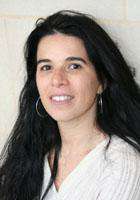
Ramutė Mišeikienė is an academic researcher at the Lithuanian University of Health Sciences (LSMU), affiliated with the Faculty of Veterinary Medicine and the Institute of Animal Husbandry Technologies. She holds a Doctor of Science degree (2005) and focuses on agricultural and biological sciences, particularly in dairy cattle productivity, milk composition analysis, and livestock management. Her research explores breed-specific productivity differences, lactation physiology, and technological impacts on dairy farming efficiency. Primary Affiliations: Institute of Animal Husbandry Technologies (43%) Institute of Biological Systems and Genetic Research (30%) Faculty of Veterinary Medicine (11%) Her work integrates genetics, animal husbandry, and technological applications to optimize dairy production. Key areas include milking system effects on milk yield, breed comparisons (Holstein vs. Lithuanian Black-and-White), and somatic cell count analysis as indicators of milk quality. She has supervised multiple theses addressing topics like milking time optimization, gene polymorphism impacts, and automated milking technologies. Her studies frequently involve partnerships with agricultural centers like the J. Taco Dairy Centre and robotic farms like R. Svipo's.
Inês Lourenço da Silva Delgado is a Visiting Assistant Professor of Parasitology and Parasitic Diseases at Lusófona University of Humanities and Technologies. She holds a Master’s degree in Veterinary Medicine from the University of Porto (2011) and is currently a PhD student in Veterinary Sciences at the University of Lisbon’s Center for Interdisciplinary Research in Animal Health, funded by an FCT scholarship. Education: Master’s in Veterinary Medicine, University of Porto (2011) PhD in Veterinary Sciences (ongoing), University of Lisbon Her research focuses on molecular mechanisms of Toxoplasma gondii replication, microtubule dynamics, and immune responses in parasitic diseases. She has published 7 peer-reviewed articles and contributed to 16 conference presentations, including 6 oral presentations. Recent publications highlight her work on tubulin modifications (acetylation, glutamylation) in apicomplexan parasites, TLR2/TLR4 activation in dendritic cells, and bovine besnoitiosis. These align with her expertise in Parasitology , Molecular Biology , and Veterinary Sciences . Scientific Awards: FCT PhD Scholarship
Mustafa Soydaner serves as a full-time Lecturer at Kastamonu University's Daday Nafi and Ümit Çeri Vocational School in the Plant and Animal Production Department, specializing in the Horse Breeding and Coaching Program. He holds concurrent administrative roles as Department Head and member of both the University Board and Management Board since 2022. His academic foundation includes a Master's in Animal Science from Ahi Evran University (2016) and a Bachelor's in Animal Science from Gaziosmanpaşa University (2013). Master's Degree: Ahi Evran University, Institute of Science, Animal Science (Thesis), 2013-2016 Bachelor's Degree: Gaziosmanpaşa University, Faculty of Agriculture, Department of Animal Science, 2009-2013 Associate Degree: Gaziosmanpaşa University, Tokat Vocational School, Department of Technical Programs, 2007-2009 Dr. Soydaner's research focuses on cattle breeding and improvement, animal nutrition, and feed technology with significant emphasis on dairy science and equine studies. His work explores lactation curve modeling in Holstein cows, somatic cell count impacts on milk quality, and specialized horse nutrition systems. Recent publications demonstrate expanding interest in alternative feed sources like molasses and neonatal immunity in foals. His publication record shows consistent output since 2014, primarily in dairy science with 7 journal articles and 14 conference presentations. The research demonstrates strong collaboration with colleagues from Kırşehir Ahi Evran University, particularly in analyzing regional farming practices and developing mathematical models for lactation performance. Recent work increasingly incorporates equine nutrition topics alongside traditional dairy cattle research. Dr. Soydaner teaches 47 courses across multiple academic years, predominantly in equine studies including Horse Breeding, Horse Nutrition, Horse Physiology, and Stable Management. His teaching portfolio demonstrates comprehensive coverage of the Horse Breeding and Coaching curriculum with courses spanning foundational knowledge to specialized management practices. He serves as a member of the AHİ ZOOTEKNİ DERNEĞİ (Ahi Animal Science Association) since 2015 and completed a Vocational Education Evaluation and Accreditation Association workshop in 2024. His research metrics include 21 total publications, 60 citations in UNIS, and an h-index of 2.
Eleazar José Rodriguez Gomes serves as a Tenure-Track Assistant Professor in the Department of Biology at the University of Copenhagen, specializing in Functional Genomics. His research is conducted at the Ole Maaløes Vej 5 campus in Copenhagen, Denmark, where he leads investigations into plant molecular biology with a particular focus on cellular reprogramming mechanisms. Dr. Rodriguez Gomes' research interests center on plant developmental biology with specific expertise in autophagy processes, mRNA decapping mechanisms, and somatic reprogramming in plants. His work bridges molecular genetics and developmental biology, examining how cellular reprogramming occurs during plant development and stress responses. His laboratory investigates key molecular pathways involving ARF transcription factors, autophagy machinery, and mRNA regulation that control fundamental plant processes including root development, callus formation, and wound-induced regeneration. The research outputs demonstrate a consistent focus on plant molecular mechanisms, particularly the intersection of autophagy and developmental reprogramming. His publications reveal an evolving research trajectory that began with foundational work on autophagy in plant cells (2020) and has progressed to more specific investigations of mRNA decapping factors (2022-2024) and their roles in plant development and viral resistance. The 2025 publication suggests an expansion into pluripotency acquisition mechanisms, indicating a broadening scope of investigation while maintaining focus on molecular regulation of plant development. Dr. Rodriguez Gomes maintains an active research program with significant scholarly impact, as evidenced by the substantial citation counts on his publications (up to 56 citations on the 2020 EMBO Journal paper) and widespread attention across academic platforms including Mendeley, X (Twitter), and news outlets. His research has been featured by multiple news outlets and discussed across various social media platforms, reflecting the significance of his contributions to plant molecular biology. His collaborative network spans multiple institutions, with frequent co-authorship with researchers including Petersen, M., Zuo, Z., and Ebstrup, E. The research group maintains strong connections with international colleagues, as indicated by the diverse geographical collaborations documented in his network profile. While specific grant information isn't detailed in the provided text, the sustained publication record suggests successful funding for his research program focused on plant molecular mechanisms. The research is conducted within the Functional Genomics group at the University of Copenhagen's Department of Biology, which appears to have strong capabilities in plant molecular biology, genomics, and cellular imaging. The laboratory likely maintains facilities for molecular biology, plant tissue culture, and advanced microscopy given the nature of the published research on cellular reprogramming and protein localization.
Maricel Kann is an Associate Professor in the Department of Biological Sciences at the University of Maryland, Baltimore County (UMBC), with an affiliate appointment in the Computational Sciences and Engineering Department. Her research integrates computational biology, bioinformatics, and systems biology to understand protein networks, domain-level functional impacts of genetic variants, and molecular mechanisms in diseases such as cancer. Ph.D., University of Michigan, Ann Arbor, 2001 Postdoctorate, National Center for Biotechnology Information, NIH, 2007 Her research focuses on developing computational methodologies to analyze protein domain interactions, prioritize disease-associated variants, and derive molecular signatures of cancers like prostate and breast cancer. She leads projects such as DMDM (Domain Mapping of Disease Mutations) and EMU (Extractor of Mutations), which enable domain-level mutation analysis and text-mining of disease-related variants. Her work emphasizes interdisciplinary collaboration with experimentalists and the integration of genomic, functional, and evolutionary data. Her recent publications reflect a strong trend in domain-centric cancer genomics, statistical modeling of mutation hotspots, and computational frameworks for interpreting non-coding variants and personal genomes. She has contributed significantly to benchmarking in computational biology and the development of tools for translational bioinformatics. NCI Transition Career Development Award (K22) 2009-2012 NIH Intramural Research Training Award 2002-2007 NIH Fellows Award for Research Excellence 2003 Susan Lipschutz Award for Women Graduate Students 1999 Sloan Foundation Summer Graduate Fellowship 1998 Graduate Fellowship of the Organization of the American States 1996-1998 Dr. Kann mentors numerous graduate and undergraduate students through projects like EMU and PINTT (Protein INteraction Text-mining Tool), fostering interdisciplinary training. She has served on editorial boards (e.g., Journal of Biomedical Informatics), advisory committees (PubMedCentral, UniProt), and as organizer for major conferences in bioinformatics. She currently teaches BIOL 495: Seminar in Bioinformatics and is actively recruiting Ph.D. students in computational biology and bioinformatics. Her lab collaborates with researchers across institutions and is part of several interdisciplinary programs including the Chemistry and Biology Interface Program at UMBC and the University of Maryland Greenebaum Cancer Center. She is also involved with the University of Maryland School of Medicine’s Program in Biochemistry and Molecular Biology.
Miel Hostens is the Robert and Anne Everett Associate Professor of Digital Dairy Management and Data Analytics in the Department of Animal Science at Cornell University. He also serves as a visiting professor at Ghent University’s Lab for Animal Nutrition and Animal Product Quality, advancing data-driven methodologies for sustainable global food systems. Education: Doctorate in Veterinary Medicine (2013), Master of Science in Veterinary Medicine (2006), and Bachelor of Science in Veterinary Medicine (2003), all from Ghent University. His research focuses on precision dairy farming, integrating genomics, sensor technology, and machine learning to address challenges in animal welfare, productivity, and environmental sustainability. Key projects include DECIDE (2021–2025), developing tools for early disease detection, and VEERKRACHT (2018), enhancing metabolic resilience in dairy cattle. Hostens' lab emphasizes FAIR data principles, exemplified in the SUMMERFAIR project (2021–2022) for standardized transmission data analysis. He also led GplusE (2014–2018), an EU-funded initiative optimizing genotype-environment interactions in dairy systems. Scientific Awards: Bezos Earth Fund AI Grand Challenge for Climate and Nature grant (2025) Open Science Fellows FAIR data and software at Utrecht University As a member of the American Dairy Science Association and Dutch/Flemish Veterinary Associations, Hostens bridges academia and industry. His lab collaborates globally on data pipelines for dairy research, including work by visiting postdoc Puchun Niu.
Katie Lee is a Postdoctoral Research Fellow and PhD student affiliated with the Dermatology Research Centre at the University of Queensland (UQ), within the Frazer Institute. Her work focuses on melanoma genetics, dermatological imaging techniques (e.g., confocal microscopy and dermoscopy), and the interplay between genetic risk factors and environmental influences in skin cancer development. She collaborates extensively with researchers in Australia and internationally, contributing to studies on melanoma pathogenesis, precision prevention strategies, and clinical diagnostic innovations. Her research interests span molecular dermatology, genetic epidemiology, and translational research. Notable projects include analyzing melanoma variants in high-risk cohorts, developing machine learning tools for skin lesion classification, and investigating the role of genes like MC1R and CDKN2A in melanoma risk. Lee’s work also explores teledermatology and total body photography as diagnostic aids. Lee has published widely in journals such as Journal of Investigative Dermatology , Frontiers in Medicine , and Pigment Cell & Melanoma Research , reflecting her expertise in melanoma genetics, skin imaging technologies, and clinical dermatology. Her contributions highlight advancements in understanding naevus-melanoma relationships, biomarker detection, and the genetic basis of skin pigmentation disorders.
Burim Ametaj is a Professor at the University of Alberta's Faculty of Agricultural, Life and Environmental Sciences, specializing in the Department of Agricultural, Food & Nutritional Science. He holds a PhD from Iowa State University and completed postdoctoral training at Purdue University, Cornell University, and the University of Alberta. His research focuses on ruminant nutritional immunology, particularly investigating the relationship between nutrition, immune responses, and production diseases in dairy cattle. Key areas include transmissible spongiform encephalopathies, dairy cattle metabolomics, probiotics for uterine health, organic management impacts, and grain processing technologies. Dr. Ametaj teaches courses such as AFNS 503 (Dairy Processing), AN SC 310 (Physiology of Domestic Animals), and AFNS 520 (Ruminant Physiology). His committee involvement includes the Faculty Animal Policy and Welfare Committee. His research has led to numerous publications on metabolomics-based biomarkers for diseases like milk fever, ketosis, and mastitis, emphasizing systems biology approaches to understand transition cow health challenges. While no awards or grants are explicitly listed, his work highlights innovative methods in dairy cow health diagnostics and prevention strategies. No specific student advisees are mentioned in the provided texts.
Zhe Wang is an Assistant Professor in the Department of Epidemiology at the University of Alabama at Birmingham (UAB), School of Public Health. He also holds appointments as an Assistant Professor in the UAB Graduate School and an Associate Scientist at the UAB School of Medicine's Center for Clinical and Translational Science (CCTS). His research focuses on genetic epidemiology, particularly leveraging large-scale genomic data to study complex traits like obesity, lipid levels, and cardiometabolic diseases across diverse ancestral populations. He has expertise in developing statistical methods for analyzing rare variants and polygenic risk scores, with applications in clinical implementation and precision medicine. Education: PhD in Epidemiology from The University of Texas Health Science Center at Houston (2019) MSc in Foods/Nutrition from Wageningen University and Research Centre (2014) Research Interests: Zhe Wang's work combines genomic and epidemiological approaches to dissect the genetic architecture of complex traits. Key areas include ancestry-diverse studies of obesity and body composition, lipid metabolism, cardiometabolic disorders, and the development of predictive tools like polygenic risk scores. His methods-oriented research focuses on rare variant analysis, multi-trait approaches, and causal inference using Mendelian randomization. Labs/Teams: He is affiliated with the TOPMed Program (NHLBI) and collaborates with the eMERGE Network for genomic medicine translation. His work integrates diverse biobank data (e.g., UK Biobank, All of Us) to enhance understanding of disease mechanisms and improve clinical utility of genomic information.
Peter Scherpenisse is a Researcher and Teacher at Utrecht University's Faculty of Veterinary Medicine , affiliated with the Institute for Risk Assessment Sciences (IRAS) and Population Health Sciences department. His work bridges veterinary pharmacology, analytical chemistry, and environmental risk assessment. Research Focus: Antimicrobial resistance in agricultural settings, surfactant environmental behavior, and phosphorus metabolism in dairy cows Technical Expertise: High-Performance Liquid Chromatography (HPLC), LC-MS/MS, solid-phase extraction, resistome analysis Geographic Scope: Active in European cross-country studies on livestock and environmental health His 2010-2024 publications reveal trends in: Antimicrobial resistance gene dynamics in pig/broiler farms Surfactant hydrophobicity and environmental persistence Phosphorus deficiency impacts on bovine muscle function Novel analytical methods for veterinary drugs and contaminants Current affiliations include IRAS and Population Health Sciences . Contact: p.scherpenisse@uu.nl, +31 6 36 583 651, New Gildestein Yalelaan 2, Room 3.37, Utrecht.
Ben Langmead is a Professor in the Department of Computer Science at Johns Hopkins University's Whiting School of Engineering, with a joint appointment in Biostatistics at the Bloomberg School of Public Health. He directs the Langmead Lab, which develops computational methods for genomics including sequence alignment tools (Bowtie, HISAT, Vargas), pangenome indices (MONI), and large-scale data analysis platforms (recount3, Snaptron). Education: B.S. Computer Science, Columbia University (2003, summa cum laude) M.S. Computer Science, University of Maryland (2009) Ph.D. Computer Science, University of Maryland (2012) Research Focus: Dr. Langmead's lab creates open-source tools for DNA sequence analysis that address computational bottlenecks in genomics. Their work spans: 1) High-performance sequence alignment algorithms using novel indexing structures; 2) Scalable solutions for querying massive genomic datasets; 3) Bias-aware methods for accurate genomic analyses; and 4) Educational resources for computational biology. Core research areas include pangenome graph representations, metagenomic classification, and cloud-based genomics infrastructure. Publication Trends: Recent articles (2020-2025) demonstrate a focus on pangenome indexing innovations (MONI, Movi), sequence alignment benchmarking (Vargas), and efficient genomic distance calculations. Emerging themes include reference bias mitigation, compressed data structures for large-scale genomics, and specialized tools for emerging sequencing technologies like single-cell and nanopore sequencing. Awards and Honors: Benjamin Franklin Award for Open Access in Life Sciences (2016) Alfred P. Sloan Research Fellowship (2014) NSF CAREER Award (2014) Professor Joel Dean Excellence in Teaching Award (2018) William H. Huggins Excellence in Teaching Award (2018) Genome Biology Award (2009) Academic Activities: Leads the Langmead Lab comprising graduate students and postdoctoral researchers. Current grant support includes NIH funding for genomic indexing research and cloud-based genomics platforms. Organized the Genomics@JHU seminar series and serves on multiple NIH study sections. Editorial board member for Genome Biology and ACM Journal of Experimental Algorithmics.
Emilio Besada is a Lecturer at the Department of Clinical Medicine, UiT The Arctic University of Norway, with roles in rheumatology research and clinical practice. He holds positions at Finnmarkssykehuset Kirkenes and the Regional Assessment Unit for Somatic Rehabilitation in Northern Norway. His research focuses on Vasculitides , particularly Granulomatosis with Polyangiitis (GPA) and ANCA-associated Vasculitis , examining Rituximab therapy , immunoglobulin levels , and infection risks . He has contributed to understanding interactions between CD4 cell counts and hypogammaglobulinemia during immunosuppressive treatments. Key Article Trends : Rituximab efficacy/safety in vasculitis, Staphylococcus aureus carriage, corticosteroid-sparing effects of tocilizumab, and opportunistic infections in immunosuppressed patients. Editorial Roles : Associate editor for BMC Musculoskeletal Disorders and reviewer for multiple international journals. Teaching : In rheumatology for medical students, clinical examination techniques, and OSCE exam leadership.
Suvi Taponen serves as a Senior Clinical Instructor at the University of Helsinki's Faculty of Veterinary Medicine within the Department of Production Animal Medicine. She holds the title of Docent and serves as a Supervisor for the Doctoral Programme in Clinical Veterinary Medicine. Her ORCID identifier is 0000-0003-0712-2628, reflecting her active scholarly contributions to veterinary science. Dr. Taponen's research primarily focuses on bovine mastitis and related dairy cattle health issues. Her work encompasses antimicrobial resistance patterns in mastitis pathogens, pain management protocols for dairy calves during procedures like disbudding, and the genomic characterization of Staphylococcus species causing intramammary infections. She has made significant contributions to understanding the bovine milk microbiome and pathogen-specific production losses in dairy herds. Analysis of her recent publications reveals a strong emphasis on translational veterinary research with direct applications to dairy farm management. Her work bridges laboratory-based genomic and transcriptomic analyses with field studies on pain management and antimicrobial efficacy. A notable trend is her investigation of alternative pain management strategies for calves during disbudding procedures, examining combinations of xylazine with levomethadone or ketamine. Dr. Taponen has been actively involved in several significant research projects including TERVA (2018-2020) focused on safer sedation methods for disbudding calves, research on mastitis and antibiotic resistance mechanisms (2018-2020), and pathogen-specific approaches to mastitis control (2013-2016). She has presented her research at numerous conferences including the NMC Regional Meeting (2014) and IDF Mastitis Conferences. As a Supervisor for the Doctoral Programme in Clinical Veterinary Medicine, Dr. Taponen contributes to training the next generation of veterinary researchers. Her extensive publication record (68 research outputs) and project involvement (3 major projects) demonstrate her significant contributions to advancing knowledge in veterinary medicine, particularly in dairy cattle health management.
Prof. Ynte Schukken holds dual adjunct professorships at Wageningen University & Research (Department of Farm Animal Health) and Utrecht University, funded by Royal GD. He is the CEO of Royal GD, combining academic and industry roles. His research focuses on infectious disease epidemiology, particularly in animal populations, and applies epidemiological and mathematical methods to disease control programs. Key interests include mastitis pathogenesis, paratuberculosis management, and dairy farm health economics. Education: DVM from Utrecht University (1985), M.Sc. from Cornell University (1987), Ph.D. from Utrecht University (1990). Experience: Over 35 years in veterinary practice, academic roles at Utrecht, Guelph, and Cornell, and leadership at GD Animal Health since 2013. Expertise: Epidemiology, diagnostics, simulation models, and veterinary science. His research bridges clinical and population-level disease dynamics, emphasizing practical applications in livestock health. Notable contributions include modeling paratuberculosis transmission and improving mastitis treatment protocols. Awards: No explicit awards listed, though his extensive publications (over 360 articles) reflect recognition in his field. Grants and Advising: Grants focused on disease control and dairy sustainability; no specific student advisement records provided. Labs/Teams: Leads GD Animal Health’s research division and collaborates with academic teams at Wageningen and Utrecht.
Professor Mike Coffey is a leading academic in livestock genetics and dairy cattle breeding at Scotland's Rural College (SRUC). He holds dual professorships in Animal and Veterinary Sciences and the Livestock Breeding Food Security Challenge Centre. His research focuses on optimizing dairy cattle breeding strategies to balance productivity, health, and environmental sustainability, particularly addressing feed efficiency, methane emissions, and genetic resistance to diseases like bovine tuberculosis and digital dermatitis. He has contributed to international genomic evaluation programs and collaborates on projects like the Efficient Dairy Genome Project. Education: PhD in Livestock Genetics from the University of Edinburgh (2003), Bachelor’s in Agriculture from the University of Nottingham (1981). Research Interests: Dairy cattle breeding, genomic selection, genetic indices, and systems approaches to trade-offs in livestock traits. He explores how genetic and environmental factors influence traits like energy mobilization, fertility, and disease susceptibility. Recent work includes detecting genetic variability in TB infectivity and modeling claw horn lesions in Holstein cattle. Projects and Grants: Active in projects like Cool Cows (EnviroCow+) for methane reduction, genetic solutions for lameness in dairy cattle, and data-driven livestock improvement funded by the Scottish Government. He has secured grants totaling over £multi-million, addressing feed efficiency, disease resistance, and smallholder dairy challenges in sub-Saharan Africa. Key Awards: Queen’s Anniversary Prize (2017, 2019) for contributions to animal science and sustainability. Teaching: Leads SRUC’s Agriculture degree courses, lectures on bovine reproduction, and developed the Vetnomics CPD course for veterinary practitioners. External Roles: Member of the British Cattle Breeders Club and European Association of Animal Production. Labs/Teams: Collaborates with the Roslin Institute and Agrimetrics Agritech Centre. His work integrates clinical data, genomics, and AI for livestock improvement, as seen in projects like host-pathogen interaction studies and automated phenotype extraction using deep learning.