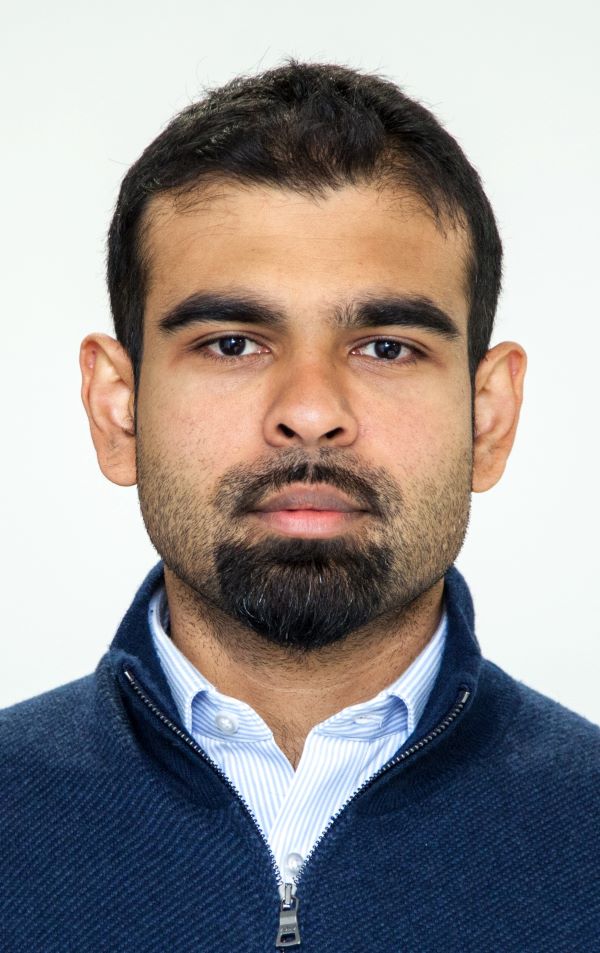
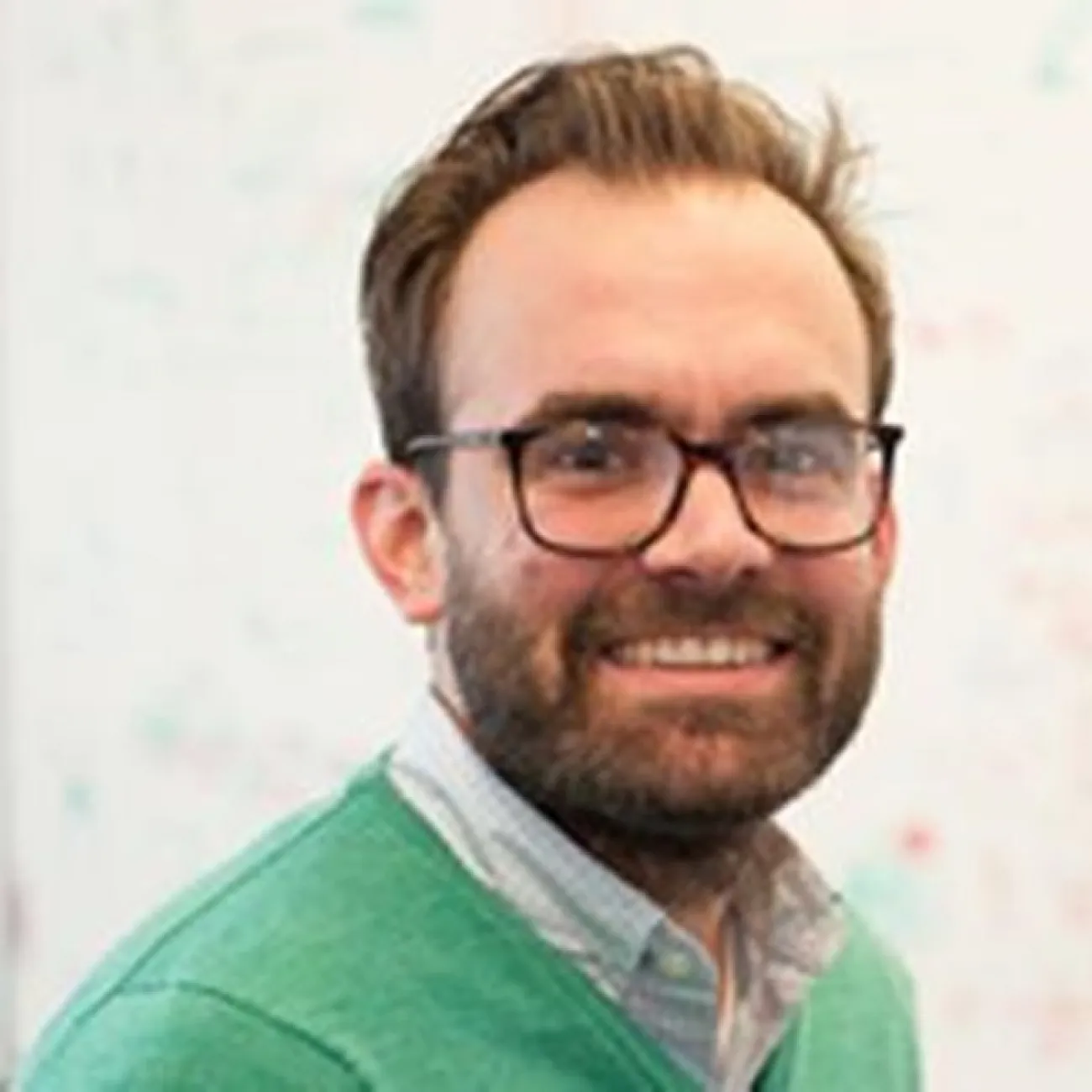
Dr. Siul Ruiz is a Lecturer at the University of Southampton, affiliated with the Bioengineering Group. His research focuses on physical processes in soils and biological systems, including solid/fluid mechanics, mass/energy transport, and imaging techniques like X-ray computed tomography (XCT) and neutron radiography. He develops mathematical models to study soil biomechanics, biofilm dynamics in plants, and the impact of fertilisers on crop nutrition. Current projects include quantifying soil biomechanics via X-ray diffraction and modeling olive tree resistance to Xylella fastidiosa. Funded by the Royal Society and BBSRC, his work bridges applied mathematics, mechanical engineering, and environmental science. Education: MSc in applied mathematics and mechanical engineering (focus on soft robotics). Research Interests: Soil-plant interactions, biofilm modeling, and biophysical constraints in ecological systems. His recent publications explore topics like phosphate removal mechanisms in soil, Xylella fastidiosa biofilm spread in olive trees, and high-throughput analysis of plant stem structures. He supervises two PhD students in Engineering and the Environment. Dr. Ruiz aims to extend biomechanical quantification techniques for broader applications, leveraging interdisciplinary approaches.
Timo Sprekeler is an Assistant Professor in the Department of Mathematics at Texas A&M University's College of Arts & Sciences. He joined Texas A&M in 2024 after serving as a Peng Tsu Ann Assistant Professor at the National University of Singapore (2021-2024). Sprekeler completed his Ph.D. in Mathematics at the University of Oxford (2017-2021) following a MASt from the University of Cambridge and BSc from TU Dortmund University. His research specializes in numerical multiscale methods, homogenization theory, and finite element techniques for partial differential equations. Recent publications focus on developing computational frameworks for elliptic equations and optimization problems, with applications to materials science and control systems. Sprekeler maintains an active research group and teaches graduate-level courses in computational mathematics. His office is located in Blocker 608L, and he can be contacted via email.
Professor Elena Pirogova is a faculty member of RMIT University’s School of Engineering, part of the STEM College. She holds the roles of Professor and Associate Dean of the Electrical & Biomedical Engineering Discipline. Her research focuses on biomedical engineering, biomaterials, therapeutic peptides, and biological effects of electromagnetic radiation. She earned her PhD in Biomedical Engineering from Monash University (2002) and a BEng (Hons) in Chemical Engineering from the National Technical University of Ukraine (1991). Academic Positions: Professor (2020–present), Associate Dean (2018–present), and roles in research leadership since 2002. Teaching: Coordinates courses in biomedical engineering design, project management, and professional engineering projects at both undergraduate and postgraduate levels. Research: Over 170 publications in areas like tissue engineering, microfluidics, and wearable technologies. Key projects include biofabrication of scaffolds, electromagnetic radiation effects on cells, and smart textile applications. Supervision: Advises on advanced projects involving biomaterials, medical devices, and interdisciplinary engineering solutions. Her work bridges engineering and healthcare, emphasizing translational research in regenerative medicine and medical technology. She is active in curriculum innovation, particularly post-pandemic educational strategies.
Dr. Angela Finn is a Senior Lecturer at RMIT University in the Department of Fashion & Textiles , City Campus, Australia. With expertise in sustainable fashion design , fashion manufacturing , and practice-led research , she focuses on design methodology and knowledge transfer in fashion education. Teaching Interests : Fashion Design, Sustainable Fashion & Textiles, Design/Research Methodology Research Emphasis : Sustainable design strategies, technological integration in textiles, historical design adaptation Her 15 most recent publications explore themes like minimization in fashion design , luxury sustainability , and virtual teaching resources . Key subtopics include zero-waste design , regional manufacturing , and UV-protective textiles for health applications. Supervision Availability : Open to mentoring Masters or PhD students in sustainable fashion and textiles research.
Dr Dylan Cuskelly is a Lecturer in the School of Engineering at the University of Newcastle, Australia. His research focuses on advanced materials development for energy storage and sustainable manufacturing, alongside STEM education innovation. He co-founded MGA Thermal, a company commercializing thermal energy storage materials derived from miscibility gap alloys (MGAs). Education: PhD in Mechanical Engineering (University of Newcastle, 2015) Bachelor of Engineering (Mechanical) (Hons) (University of Newcastle, 2009) Research Interests: Development of novel materials for energy storage applications Synthesis of MAX/MAB phase ceramics and metal alloys Economical material production processes Integration of renewable energy storage solutions STEM education pedagogy and curriculum design Grants & Awards: 2022: iSTEM Zero to Hero grant (Google Australia, $11,863) 2019: Optimisation of Thermal Energy Storage grant (MGA Thermal, $192,000) 2017: Excellence in Teaching and Learning Award (University of Newcastle) Collaborations: Active partnerships with industry (MGA Thermal, Sunburnt Space Co), academia (University of Melbourne), and international research networks. Labs/Teams: Leads the Advanced Materials Group at Newcastle, focusing on thermal energy storage materials and sustainable manufacturing processes.
Professor Craig Wheeler is a distinguished academic in the School of Engineering at the University of Newcastle, specializing in Mechanical Engineering with a focus on bulk solids handling and belt conveyor technology. As Associate Director of the Centre for Bulk Solids and Particulate Technologies and Deputy Chairman for the Australian Society for Bulk Solid Handling, he has established the university as a global leader in fundamental and applied research within this field. Wheeler's research interests primarily center on reducing the energy intensity and environmental impact of ore and mineral transportation globally. His work develops novel theoretical approaches to model and optimize belt conveyor and bulk handling systems, with significant contributions in energy-efficient transportation, dust emission control, and innovative conveying technologies like the Rail Conveyor system. His research bridges fundamental computational techniques with practical industrial applications, addressing real-world challenges in bulk material handling. His extensive publication record demonstrates trends toward increasingly sophisticated modeling techniques, combining continuum mechanics, discrete element methods, and computational fluid dynamics to solve complex problems in bulk material flow and energy consumption. Recent work shows particular emphasis on large-diameter idler rollers for energy savings, rail-running conveyor systems, and advanced dust control methodologies. 2023 Engineers Australia - Australian Society for Bulk Solids Handling 2017 Significant Contributions to Engineers Australia's Warman Design and Build Competition (Weir Minerals) 2017 Australian Council of Engineering Deans National Award for Engineering Education Excellence 2016 Innovative Technology Award (Australian Bulk Handling) 2010 Rising Star Award (Newcastle Innovation, The University of Newcastle) 2009 Pro-Vice Chancellor's Award for Research Excellence 2006 Best Research and Development Project (Australian Bulk Handling Review) 2000 A.W. Roberts Award (Australian Society for Bulk Solids Handling) Professor Wheeler has successfully led numerous Linkage Projects with major companies including Rio Tinto, Veyance Technologies, and Laing O'Rourke, securing significant cash and in-kind contributions for research projects. His industrial consulting experience, built on a 10-year engineering career with BHP, provides valuable insights that bridge fundamental research with practical applications. He actively supervises research students and contributes to professional development courses both within Australia and internationally. As a key member of the Centre for Bulk Solids and Particulate Technologies in association with TUNRA Bulk Solids, Wheeler leads research teams focused on developing eco-friendly conveying solutions. His work has resulted in new licensed technologies, internationally recognized testing methods, design guidelines, and Australian Standards that have transformed industry practices worldwide.
James Watkins is a Professor in the Department of Polymer Science and Engineering at the University of Massachusetts Amherst. His research focuses on nanoscale and hybrid materials for advanced devices, including energy storage, flexible electronics, and metamaterials. He leads the Watkins Research Group, which integrates fundamental studies of polymer phase behavior with scalable manufacturing techniques like roll-to-roll processing and nanoimprint lithography. Key applications include structural batteries, metalenses, and supercapacitors. Education: B.S. and M.S. in Chemical Engineering from Johns Hopkins University (1987–1988), followed by a Ph.D. in Polymer Science & Engineering from UMass Amherst (1997). His work spans interdisciplinary collaborations in materials science, electrical engineering, and chemistry. Research Interests: Macromolecular templates for device structures, materials synthesis in supercritical fluids, phase behavior studies, and scalable nanomanufacturing. His team develops novel approaches for large-area nanostructured materials, leveraging photothermal processing and brush block copolymers. Key Projects: Advanced Print and Roll-to-Roll Manufacturing Facility, Myrias Optics Inc. (metalenses commercialization), Metaoptics Research. Awards: Includes Fellowships from the National Academy of Inventors (2021), American Physical Society (2012), and prestigious grants like the Packard Foundation and NSF CAREER awards. His contributions span academic and industrial partnerships, with technology transfer to commercial partners. Lab/Teams: The Watkins Group includes graduate students, postdocs, and senior scientists. They utilize the UMass facility for roll-to-roll manufacturing, advancing technologies like Fano-resonant metamaterials and instant-healing elastomers.
Xiaoqiang Wang is a Professor in the Department of Scientific Computing at Florida State University (FSU). His research focuses on numerical analysis, applied partial differential equations, mathematical biology, image processing, and scientific computing. He holds a Ph.D. from Pennsylvania State University (2005). His work emphasizes phase-field modeling for elastic bending energy, biological microstructures, and computational methods for complex systems. Notable contributions include advancements in centroidal Voronoi tessellation algorithms for image segmentation and high-performance computing techniques for scientific visualization. Recent publications highlight innovations in topology-preserving phase-field models, neural network-based energy minimization, and stochastic resource competition models. His research bridges theoretical mathematics with practical applications in biophysics, materials science, and biomedical engineering. Wang collaborates actively with interdisciplinary teams, contributing to FSU's computational science initiatives. His lab focuses on developing novel numerical methods and simulations for biological and physical systems, reflecting a commitment to both foundational and applied research.
Raul Sanchez Reillo is a Full Professor at Universidad Carlos III de Madrid (UC3M), affiliated with the Grupo Universitario de Tecnologías de Identificación (GUTI). His research focuses on biometric systems, mobile authentication, and security technologies. Key areas include presentation attack detection, vein recognition, and ECG biometrics. He leads projects involving smartphone-based biometric solutions, 3D printed markers, and standards development for biometric interoperability. Research interests span multiple modalities: fingerprint authentication, dynamic signature verification, gait recognition, and vascular biometrics. He emphasizes usability and accessibility in mobile environments, exploring ergonomics and user interaction challenges. His work integrates machine learning (transformers, RNNs) with hardware solutions like FPGA-based systems. Publications highlight innovations in spoofing detection, medical applications (ECG/vein analysis), and low-cost hardware implementations. He contributes to European standards (BioAPI, Hand Data Interchange Format) and evaluates security practices for R&D compliance with EU data protection regulations. Current initiatives include enhancing biometric systems for critical infrastructure security and improving accessibility for elderly users. Active in interdisciplinary collaborations, he leads the Mobile Pass project evaluating user interaction in biometric systems. His lab (GUTI) develops open testing methodologies for biometric performance under Common Criteria and environmental stressors. Recent work addresses vulnerabilities in mobile fingerprint sensors and the ethical implications of biometric-as-a-service models.
A H M Anwar Sadmani is an Associate Professor in the Department of Civil, Environmental and Construction Engineering at the University of Central Florida, affiliated with the College of Engineering and Computer Science. His research is centered on advanced water and wastewater treatment technologies, particularly membrane-based and green hybrid processes for removing contaminants of emerging concern such as PFAS and algal toxins. His educational background includes a Ph.D. in Civil Engineering from the University of Toronto, a postdoctoral fellowship at the same institution, a Master’s degree from UNESCO-IHE Institute for Water Education in the Netherlands, and a Bachelor’s from Bangladesh University of Engineering and Technology. Sadmani's research interests span membrane technology , PFAS remediation , green sorption media , hybrid treatment systems , and the fate and transport of micropollutants . He has made significant contributions to the development of functionalized membranes and sustainable materials for water purification. His recent publications highlight a strong focus on PFAS removal across varying water matrices, nanomaterial applications, and innovative hybrid processes. The trend in his recent articles (2019–2023) demonstrates a sustained emphasis on engineered solutions for persistent pollutants, especially PFAS, using advanced membranes and green media. His work bridges materials innovation with environmental application, targeting real-world water quality challenges. His scientific recognition includes: UCF Teaching Incentive Program Award (2022) U.S. EPA P3 Award (2018) Student Best Paper Award at AMTA/AWWA Conference (2013) Ontario Graduate Scholarship (2012–2013) University of Toronto Fellowship (2008–2012) Netherlands Fellowship Program (2006–2008) Government Merit Scholarship, Bangladesh (1998–2004) Sadmani has successfully advised numerous graduate students, evident from his co-authored publications with emerging researchers. His research is supported by prestigious grants from federal agencies including USEPA, DoD, and NASA, as well as state and industrial partners. He leads the Advanced Water and Wastewater Treatment Lab , where interdisciplinary teams work on cutting-edge solutions for water security and sustainability.
Dr. Shakir Jiffri is a Lecturer in Aerospace Engineering at Swansea University's School of Aerospace, Civil, Electrical and Mechanical Engineering. His research focuses on Linear and Nonlinear Structural Dynamics, Aeroelasticity, and Active Control methods, particularly in flutter suppression and non-smooth systems. He has contributed to experimental studies on feedback linearisation and nonlinear control strategies, with applications in aeroelastic systems and robotics. Teaches modules including Strength of Materials, Engineering Mechanics, and Aerospace Control. Supervised PhD and MSc students in active control methodologies and inertial amplifier concepts. Research interests include: Aeroelasticity, Nonlinear Control, and Structural Dynamics. Recent work addresses composite panel optimization and vibration control in robotic systems. His publications span journals like Journal of Guidance, Control, and Dynamics and Mechanical Systems and Signal Processing, emphasizing experimental validation of control strategies.
Prof. Dr.-Ing. Matthias Gaderer is a Professor of Renewable Energy Systems at the TUM Campus Straubing, Technical University of Munich. His research focuses on energy systems for heat, electricity, and fuels, with a particular emphasis on biomass, solar, and geothermal energy applications. He leads projects in combustion technologies, low-emission systems, and decentralized energy systems. Gaderer holds a doctorate from TUM and has extensive industry experience in process engineering. His work includes establishing applied biomass research at the Bavarian Center for Applied Energy Research and leading the research group 'Thermal Use of Biomass in High-Temperature Processes.' He is actively involved in committees such as the Scientific Committee of CEBC and Bavarian Science Forums. His teaching includes courses on energy systems and biomass utilization. Key projects include Reverion GmbH, FlexBioNeuro, and H2 real-world laboratory initiatives. Education: Process Engineering from TU Graz and KTH Stockholm. Research interests span thermochemical gasification, combustion technologies, and energy economics. His publications emphasize biomass gasification, hydrogen production, and sustainable energy systems. He collaborates on EU-funded projects like E2Fuels and leads teams in developing innovative energy solutions.
Dr. Andrew Hamilton is an Associate Professor at the University of Southampton specializing in materials science and engineering with a focus on additive manufacturing and advanced materials characterization. His research spans multiple disciplines including mechanical engineering, biomedical applications, and advanced manufacturing techniques. His primary research interests include: Development and mechanical characterization of novel materials for structural and multifunctional applications Additive manufacturing (AM) of metamaterials with controlled porous architectures Characterization of porous materials including effects of anisotropy and heterogeneity Failure analysis of AM metals and bimaterial metal joints Layer-by-layer (LbL) assembly of multilayer coatings for biocompatibility and antimicrobial activity Dr. Hamilton's recent publications demonstrate a strong focus on applying additive manufacturing techniques to solve complex engineering challenges across multiple domains. His work spans from fundamental materials characterization to applied biomedical and aerospace applications, with particular emphasis on advanced composite materials, structural health monitoring, biomedical applications of 3D printing, failure mechanisms in power generation components, novel coating technologies, and optimization of AM processes. As an active PhD supervisor, he currently mentors nine doctoral students and has previously supervised successful candidates. His collaborative approach is evident through his membership in multiple research groups including the Engineering Materials and Surface Engineering Group, Bioengineering Group, Institute for Life Sciences, and Interdisciplinary Musculoskeletal Health. Dr. Hamilton has led significant research projects including those funded by EPSRC and the European Union, with current work focused on high-temperature failure processes in Ni base superalloys. His interdisciplinary research bridges traditional disciplinary boundaries to address complex materials challenges with innovative solutions across aerospace, biomedical engineering, and advanced manufacturing sectors.
Tobias Ofner-Graff is a researcher at the Institute of Forest Growth within the Department of Ecosystem Management, Climate and Biodiversity at the University of Natural Resources and Life Sciences, Vienna (BOKU). Based at Peter-Jordan-Straße 82, 1190 Wien, his work focuses on advanced forest monitoring technologies. His research interests include: LiDAR and remote sensing applications in forestry Automated forest inventory systems Forest regeneration quantification Airborne Laser Scanning (ALS) data analysis Sustainable forest harvesting planning Recent project contributions include: Leading lidar-based forest monitoring systems development Developing spatial forest growth models Implementing digital inventory workflows His publications demonstrate expertise in: Quantifying forest resources through 3D point clouds Advanced timber stack measurement techniques ALS data integration for forest modeling Mobile laser scanning applications Forest climate adaptation strategies
Hanna Breunig is a Research Scientist at Lawrence Berkeley National Laboratory and Deputy of the Sustainable Energy & Environmental Systems Department. She holds a secondary appointment in the Earth Systems and Society Domain within the Climate and Ecosystem Science Division. Her work focuses on validating emerging energy technologies through process design, techno-economic modeling, and market analysis. Education: PhD in Civil and Environmental Engineering from UC Berkeley (2015), MSc (2011), and BSc from Cornell University (2010). Her research spans hydrogen storage , CO2 capture/utilization , brine management , and technoeconomic modeling for systems in data centers, hospitals, mines, aviation, and ports. She co-leads the DOE HyMARC consortium and the systems analysis team for the ARCHES California Hydrogen Hub. Recent publications highlight advancements in metal-organic frameworks (MOFs) for hydrogen storage, solar hydrogen production , and high-temperature thermal energy storage . She has received accolades like the 2023 Energy & Environmental Science Lectureship and 2014 Schmidt MacArthur Fellowship. Scientific Awards: 2023 Energy & Environmental Science Lectureship 2021 Early Scientific Career Award 2019 CEC Bioenergy Project Leadership 2017 LDRD Early Career Award 2014 Schmidt MacArthur Fellowship Hanna mentors graduate and undergraduate students and contributes to tools like the BioSiting v2 software for U.S. bioeconomy resource analysis.