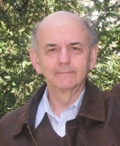
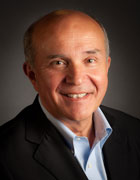
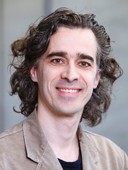
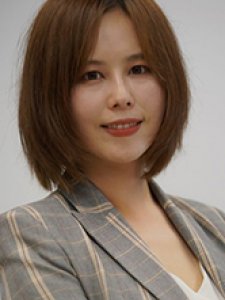
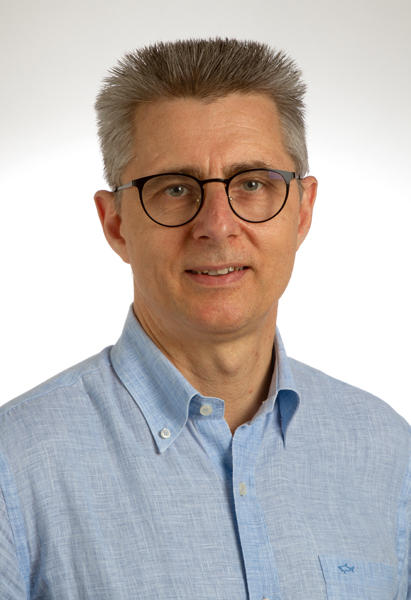
Hugo de Lasa is a Full Professor at the Department of Chemical and Biochemical Engineering, Faculty of Engineering, University of Western Ontario. He holds a Bachelor in Chemical Engineering (1968) from Universidad Nacional del Sur, Argentina, and a Doctoral degree (1971) from Université de Nancy, France. Research Focus: Catalysis, Photocatalysis, Chemical Reactor Engineering, Fluidization, Biomass Gasification Awards: Research Excellence Prize (1998), Fellow of the Chemical Institute of Canada (2000), Medal of Research and Development (2000), Doctor Honoris Causa (2004, 2018) His work spans chemical reactor design , photocatalytic hydrogen production , and fluidized bed technologies . Recent publications highlight machine learning applications in chemical equilibrium modeling and CO2 capture using microalgae. He founded the Chemical Reactor Engineering Centre (CREC) and Recat Technologies Inc. , a university spin-off commercializing reactor innovations. Awards include the Vanguard Award (2019) and Commemorative Issue in Catalysts Journal (2020). His research has generated 389 peer-reviewed publications , 14 patents , and over 10,000 citations .
Prof. Johannes A. Lercher is a retired professor (as of April 2023) at the Technical University of Munich (TUM), holding the Chair of Chemical Technology II within the Department of Chemistry. His research focuses on heterogeneous catalysis, particularly understanding catalytic processes at solid-liquid and solid-gas interfaces, with applications in sustainable energy production, CO₂ conversion, and catalytic upcycling of polymers. He has held academic positions at the University of Twente (Netherlands) and the Pacific Northwest National Laboratory (USA), and has been Editor-in-Chief of the Journal of Catalysis . His honors include the Alwin Mittasch Prize (2021), ENI Award (2016), and Kozo Tanabe Prize (2013). His recent work emphasizes low-temperature polymer upcycling, methane activation, and bioinspired catalyst design, leveraging advanced spectroscopic and operando techniques. Despite retirement, his contributions to catalysis research remain impactful. Education: PhD (1980) and Habilitation (1985), Vienna University of Technology Visiting Lecturer, Yale University (1982) Research Interests: Heterogeneous catalysis, catalytic interfaces, sustainable energy carriers, CO₂ valorization, and polymer waste upcycling. Key areas include: Design of catalysts for selective hydrocarbon synthesis Mechanistic studies using advanced spectroscopy Development of scalable catalytic processes for industrial applications Recent Trends in Publications: Focus on low-temperature polymer recycling (e.g., PVC and polyolefin upcycling), methane activation via novel catalysts (e.g., Co 2+ in ZSM-5), and bioinspired catalytic strategies. His work bridges fundamental catalysis with industrial relevance, emphasizing sustainability and energy efficiency. Awards and Recognition: Member, Academia Europaea and US National Academy of Engineering Recipient of multiple international catalysis awards (see full list above) Grants and Labs: Led the Institute for Integrated Catalysis (Pacific Northwest National Lab, 2011–present). His research groups have pioneered studies on zeolite-confined reactions and interfacial catalysis, with collaborations spanning academia and industry. Labs/Teams: Active in the TUM Department of Chemistry and international networks focused on catalytic innovation for a carbon-neutral economy.
Mark Martinez-Klimov is a researcher in the Department of Chemical Engineering at Åbo Akademi University, Faculty of Science and Engineering. His work focuses on catalysis for sustainable energy and renewable fuel production, with an emphasis on heterogeneous catalysis, biomass conversion, and CO2 utilization. He is actively involved in experimental and kinetic studies of catalytic processes. Research Interests: His primary research areas include hydrodeoxygenation, dry methane reforming, combustion synthesis, and catalytic upgrading of bio-oil and biomass derivatives. He investigates catalyst design, deactivation mechanisms, and process optimization using advanced characterization techniques such as X-ray diffraction, scanning electron microscopy, and thermogravimetric analysis. His work supports the development of cleaner energy technologies and circular chemical processes. The analysis of his recent publications (2021–2025) reveals a consistent focus on sustainable catalytic processes, particularly in renewable jet fuel production, hydrogenation of sugars, and CO2 valorization. His research spans both fundamental catalyst development and applied reaction engineering, often in continuous flow systems such as trickle bed reactors. The work integrates material science with chemical engineering principles to address challenges in energy transition. Scientific Awards: No awards explicitly mentioned in the provided text. Advising and Grants: While specific students or grants are not listed, his collaborative publication pattern with senior researchers like Dmitry Murzin and Pavel Mäki-Arvela suggests involvement in major research projects, likely funded by national or EU-level grants. He appears to contribute to team-based research in catalysis and sustainable technologies, potentially mentoring junior researchers and PhD students within the group. Labs and Teams: Mark is part of a prominent catalysis research group at Åbo Akademi University, specializing in sustainable chemical processes. The team leverages advanced synthesis methods (e.g., solution combustion, impregnation) and characterization tools to develop novel catalysts for energy and environmental applications. Their work is highly collaborative, involving both national and international partners in the field of green chemistry and renewable fuels.
Dr. Robert O’Connor is an Assistant Professor at the School of Physical Sciences, Dublin City University (DCU) , specializing in interface chemistry and thin film characterization. His work bridges semiconductor physics and energy harvesting technologies , with a focus on materials like high-κ dielectrics and III-V substrates. BSc in Applied Physics (2001), DCU PhD in Semiconductor Physics (2005), DCU His research employs X-ray photoelectron spectroscopy (XPS) and atomic layer deposition (ALD) to study material interfaces in devices such as MOSFETs and photoelectrochemical systems . He leads a 4-year SFI-funded project on solar water splitting for hydrogen fuel and collaborates with Trinity College Dublin (SPOKE project) and IMEC, Belgium on area-selective deposition techniques. His lab utilizes a state-of-the-art integrated ALD-XPS tool . His scientific awards include the Marie Curie Intra-European Fellowship , Irish Research Council EMBARK Fellowship , and SFI TIDA Award . Publications span high-κ dielectrics , self-assembled monolayers , and block copolymer lithography , with recent work on graphene oxide heterostructures and recyclability in additive manufacturing . He supervises 5 postgraduate students and teaches modules like Final Year Project (PS451) and Solid State Physics I (PS204) . Collaborations include institutions such as IMEC and Trinity College Dublin , with tools like the integrated ALD-XPS system at DCU.
Prof. Jeroen Anton van Bokhoven is a Full Professor at ETH Zurich's Department of Chemistry and Applied Biosciences and Head of the Laboratory for Catalysis and Sustainable Chemistry at Paul Scherrer Institute. His research focuses on establishing structure-performance relationships in heterogeneous catalysts to enable sustainable chemical processes through advanced catalyst design. Education: B.Sc. in Chemistry, Utrecht University (1995) Ph.D. in Inorganic Chemistry and Catalysis (with honours), Utrecht University (2000) Research Focus: Van Bokhoven's group pioneers operando characterization techniques, particularly X-ray absorption spectroscopy and scattering methods, to study catalysts under realistic reaction conditions. Key research thrusts include methane conversion to value-added products (methanol, methyl esters), zeolite catalysis for olefin production, and design of stable catalysts for high-temperature oxidation processes. His work bridges fundamental surface science with industrial applications in sustainable energy and chemical manufacturing. Scientific Recognition: Swiss Chemical Society Werner Prize (2008) Academic Leadership: Van Bokhoven leads a multidisciplinary research group spanning ETH Zurich and Paul Scherrer Institute, supervising doctoral candidates and postdoctoral researchers. His group maintains strategic partnerships with industrial catalyst manufacturers and operates specialized facilities for in situ spectroscopy at the Swiss Light Source synchrotron. Current projects address carbon dioxide utilization, biomass conversion, and fundamental mechanisms of catalyst deactivation. Research Infrastructure: The group leverages state-of-the-art capabilities at the Laboratory for Catalysis and Sustainable Chemistry (PSI), including custom operando cells for XAS, XPS, and electron microscopy under reactive gas environments, enabling atomic-scale observation of catalytic transformations.
Christopher Parlett is a **Lecturer** in the **CE - Academic & Research** division at the University of Manchester, concurrently serving as a **University of Manchester-Diamond Light Source Research Fellow in Catalysis**. He leads research at the **University of Manchester at Harwell group**, focusing on heterogeneous catalytic systems and operando X-ray spectroscopy to study catalytic active sites. His work emphasizes sustainable chemical conversions, including selective oxidations and biomass upgrading, alongside functional nanomaterials for applications in gas storage and healthcare. **Education**: PhD in Chemistry from Cardiff University (under Professors Adam F. Lee and Karen Wilson), MSc in Green Chemistry from the University of York, and BSc in Chemistry from Anglia Ruskin University. **Research Themes**: Catalyst design, metal-support interactions, porous oxide materials, and operando X-ray absorption spectroscopy. His projects aim to develop nano-engineered materials for industrial applications, replacing costly and environmentally harmful reagents. **Key Activities**: Organized the 25th Annual Green Chemistry & Engineering Conference (2021), co-edits the *Emergent Materials* journal, and chairs the SCI Early Careers Materials Committee. Active in professional organizations like the Institution of Chemical Engineers. **Grants & Projects**: Principal Investigator for the ongoing *UoMaH: The University of Manchester at Harwell* project (since 2018), exploring nanoparticles, catalytic reactions, and advanced materials. **Labs/Teams**: Part of the Manchester at Harwell research hub, collaborating on synchrotron-based studies and catalytic material development.
Wenjing Zhang is a Professor and Head of the Section for Water Technology and Processes at the Department of Environmental and Resource Engineering, Technical University of Denmark (DTU). She is also affiliated with the DTU Microbes Initiative, contributing to interdisciplinary research in sustainable water technologies and environmental nanomaterials. Professor, DTU Head of Section, Water Technology & Processes Member, DTU Microbes Initiative Her research spans nanofiber technology, electrospinning, membrane processes, and catalytic materials for environmental applications. She focuses on innovative solutions for water purification, plastic waste recycling, CO2 photoreduction, and green hydrogen production, aligning with UN Sustainable Development Goals. The recent publications highlight a strong trend in advanced materials for environmental sustainability, particularly electrospun nanofibers, heterojunction photocatalysts, and ceramic membranes. These works emphasize applications in microplastic degradation, solid oxide cells, and chemical recycling of plastics, reflecting a multidisciplinary approach combining materials science, electrochemistry, and environmental engineering. Researcher at DTU Energy becomes honorary professor in China Wenjing Zhang actively supervises PhD students and leads multiple research projects, including EU and nationally funded initiatives on decentralized wastewater treatment and biocatalytic membrane systems. She collaborates with leading researchers and institutions, securing funding for high-impact environmental technologies. Her lab focuses on nanostructured membrane design and advanced fabrication of porous ceramics for industrial and municipal applications.
Rui Shi is an Assistant Professor in the Department of Chemical Engineering at Pennsylvania State University. Her research focuses on sustainability engineering at the intersection of natural and engineered systems, prioritizing sustainable pathways for transportation fuels, bioproducts, agricultural systems, and food-energy-water systems through integrated sustainability analyses. She develops frameworks for quantitative sustainable design (QSD) and system-level environmental impact assessments to navigate technical, economic, and environmental trade-offs. Her work has led to advancements in plastic recycling via cold sintering technology, biofuel lifecycle assessments, and frameworks for sustainable aviation fuels. Notable projects include assessments of renewable jet fuels in the U.S. Northern Great Plains, cold sintering of LLZO-based composites, and quantifying uncertainties in greenhouse gas abatement costs. Shi has secured grants such as the $3.4M contract for plastic waste solutions and IEE seed grants for interdisciplinary sustainability research. Shi collaborates on global low-carbon transition initiatives and integrates computational tools like BioSTEAM-LCA for agile biorefinery modeling. Her research spans from fundamental material science (e.g., repurposing polyolefin waste) to policy-relevant analyses of land use change and bioenergy systems. She contributes to the Integrated Energy Systems and Water Sustainability research themes at Penn State's Institutes of Energy and the Environment.
Professor Paolo Fornasiero is a Full Professor of Inorganic Chemistry at the University of Trieste, Department of Chemical and Pharmaceutical Sciences, where he has worked since 1998. He serves as Deputy Director of the department since 2021 and Scientific Responsible of the CNR Research Unit associated with the Institute of Chemistry of OrganoMetallic Compounds (ICCOM) since 2008. His career spans EU projects, bilateral collaborations with China, India, and Argentina, and leadership roles in journals like ACS Catalysis (Executive Editor since 2021). Full Professor (2016–present) Associate Professor (2006–2016) Assistant Professor (1998–2006) Post-Doc, University of Reading (1996–1997) His research focuses on multi-functional metal-oxide nanosystems for energy and environmental catalysis, including green hydrogen production , CO2 valorization , and methane emission control . He pioneered core-shell catalysts and single-atom systems for stability and selectivity. His work extends to solid oxide fuel cells and photocatalytic water depollution . Recent publications highlight trends in photothermal catalysis , single-atom catalysts , and CO2 electroreduction . His 280+ papers (3 in Science , 2 in Nature Communications ) reflect expertise across Environmental Catalysis , Nanomaterials , and Green Energy . 2022 Malatesta Medal 2021 European Academy of Sciences member 2017 Edoardo Kramer Award 2016 Heinz Heinemann Award 2013 Chiusoli Gold Medal He oversees PhD/postdoc advising and participates in global capacity-building via UNIDO and World Academy of Sciences . His lab collaborates with institutions like KAUST , Czech Academy of Sciences , and Dalian Institute of Chemical Physics .
Dr. Yuanzhi Tang is the Georgia Power Professor at the Georgia Institute of Technology with joint appointments in the School of Earth and Atmospheric Sciences and School of Civil and Environmental Engineering. He directs the Center for Critical Mineral Solutions, co-founded the Georgia Partnership for Essential Minerals, and serves as Associate Co-Director of Interdisciplinary Research at the Brook Byers Institute for Sustainable Systems. He is also Co-Editor-in-Chief of Chemical Geology and Associate Editor of Geochimica et Cosmochimica Acta . His research investigates molecular-scale interfacial processes in natural and engineered systems, focusing on: Contaminant fate/transport at microbe-mineral-water interfaces Biogeochemical cycling of metals and nutrients Resource recovery from waste streams Synchrotron applications in environmental science Recent publications emphasize rare earth element recovery, waste valorization, and sustainable energy materials, employing advanced spectroscopic techniques to understand reaction mechanisms. Professor Tang leads an active research group with multiple postdoctoral researchers, graduate students, and undergraduates. His externally funded projects include: NSF: Rare earth elements in sedimentary systems DOE: Critical metal recovery from waste streams NASA: Manganese oxide formation mechanisms DoD: Rare earth separation technologies
Pedro Carlos De Barros Fernandes is an Associate Professor at Universidade Lusófona , Deputy Director of the 1st cycle in Biotechnology, and an integrated researcher at the Institute of Bioengineering and Biosciences (iBB-IST). He holds a PhD in Biotechnology (1999) and a Master in Biotechnology/Biochemical Engineering (1994) from Universidade Técnica de Lisboa (IST), along with a Chemical Engineering degree from IST (1989). A member of the Order of Engineers (ID 24667), he co-founded Biotrend, a Portuguese bioprocess development company. Education PhD in Biotechnology (1999), Universidade Técnica de Lisboa MSc in Biotechnology (1994), Instituto Superior Técnico BSc in Chemical Engineering (1989), Instituto Superior Técnico Research Interests span biocatalysis, enzyme immobilization for food and pharmaceutical applications, marine biotechnology, microfluidic device development for biosensing, and steroid bioconversions using mycobacterial systems. His work integrates process engineering principles with sustainable bioprocessing techniques. Publication Trends show a focus on microreactor technology, enzyme stabilization in non-conventional media, marine-derived biocatalysts, and food waste valorization. Key themes include biocatalytic process intensification, aqueous two-phase systems for biomolecule purification, and sustainable carbon sources for biopolymer production. Scientific Awards UTL/Santander Totta Scientific Award in Biological Engineering (2011) Advising has included supervision of 5 doctoral theses and over 32 master’s theses. His expertise extends to peer-reviewing scientific articles and evaluating R&D projects. Labs & Teams are associated with iBB-IST (Institute of Bioengineering and Biosciences) and BioRG (Universidade Lusófona), with contributions to the Ciência Viva program for science dissemination.
Carsten Sievers serves as Adjunct Professor in the Department of Chemical and Biomolecular Engineering at Georgia Institute of Technology, where he leads research in sustainable catalytic processes for fuel and chemical production from alternative resources. His work bridges fundamental spectroscopy with industrial reactor design to address petroleum dependence. Education: Diploma, Technical University of Munich, Germany (2003) D.Sc., Technical University of Munich, Germany (2006) Research Focus: Sievers' program integrates fundamental studies using IR, NMR, XAS, and Raman spectroscopy to probe catalyst structure-reactivity relationships with applied research on flow reactor systems for biomass conversion (hydrodeoxygenation, sugar upgrading) and mechanocatalytic polymer depolymerization. Key initiatives target CO 2 -neutral chemical production from biomass and waste plastics, emphasizing catalyst stability and regeneration. Publication Trends: Recent work (2023-2025) reveals a strategic pivot toward mechanocatalysis for plastic recycling (polyethylene, polystyrene) and ammonia synthesis, while maintaining expertise in hydrocarbon catalysis. Dominant themes include reaction environment engineering in ball mills, metastable surface characterization, and process intensification for CO 2 electrolysis. Scientific Recognition: 2012 Young Scientist Award, International Congress on Catalysis 2023 ACS Fellow designation Academic Leadership: As Director and Past President of the Southeastern Catalysis Society, former ACS Division Director, and Editor of Applied Catalysis A: General , Sievers shapes catalysis research direction. His Sievers Group has secured competitive fellowships for students like Yuchen George Change (Eastman Chemical Fellowship) and Victor Brandão (Ziegler Award), reflecting strong mentorship in sustainable reaction engineering. Research Infrastructure: The group operates advanced flow reactors, spectroscopic characterization suites, and mechanochemical systems for in-situ catalyst analysis, supporting collaborations with industry partners on technology translation.
Professor Jukka Konttinen serves as Professor of Chemistry of Biorefining at Tampere University within the Faculty of Engineering and Natural Sciences and Department of Materials Science and Environmental Engineering. Previously, he held professorships at the University of Jyväskylä (2009-2014) and research positions at Åbo Akademi University and industry firms including Carbona Inc. His expertise spans thermochemical biomass conversion and sustainable energy systems. Education: D. Sc. (Chemical Engineering), Åbo Akademi University, 1998 Research Interests: Konttinen specializes in biorefining via thermochemical conversion processes including gasification, pyrolysis, hydrothermal liquefaction, and combustion. His work encompasses hybrid energy systems integrating solid/liquid biofuels, biogas, and solar power at distributed scales. He develops chemical process engineering solutions through modeling, simulation, and experimental validation from laboratory to commercial implementation. Publication Trends: His recent publications (2013-2024) demonstrate concentrated expertise in biomass conversion technologies, emphasizing process optimization for lignocellulosic feedstocks, syngas quality enhancement, and techno-economic-environmental assessments. Key themes include pretreatment methods, gasification kinetics, and integration of thermochemical processes with circular economy principles across agricultural and industrial waste streams. Scientific Awards: Supervisor of Best Academic Dissertation (Tiina Keipi) by Tampere University (2019) Supervisor of Best Academic Dissertation (Tiina Keipi) by Academic Engineers and Architects in Finland TEK (2019) Advising and Grants: Konttinen has supervised 13 PhD students (10 completed, 3 ongoing), 70 Master's theses, and 25 Bachelor's theses. His funding portfolio includes €250k as PI for Bio4all (Business Finland, 2024), €861k as WP leader for BL2F (EU Horizon, 2019-2024), plus €425k in confidential contracts (2014-2024) and €1.5M in prior grants. Labs and Teams: He leads the Bio and Circular Economy research unit and previously directed the Laboratory of Chemistry and Bioengineering (2017-2018). Current projects include EU Horizon's BL2F and Business Finland's Bio4all initiatives focused on climate-neutral energy systems and biorefinery commercialization.
Meire Ellen Gorete Ribeiro Domingos is a Lecturer and Postdoctoral Researcher at École Polytechnique Fédérale de Lausanne (EPFL), affiliated with the School of Engineering (STI) and Industrial Process and Energy Systems Engineering (IPESE) department. She works on process modeling, techno-economic and environmental analyses, and optimization of energy conversion systems, particularly in biorefineries, hydrogen production, and industrial decarbonization. Education PhD in Chemical Engineering, Polytechnic School of the University of Sao Paulo (2022) BSc in Chemical Engineering, University of Brasilia (2017) Research Interests Exergy and energy integration of chemical/industrial processes Modeling and optimization of energy systems Decarbonization via renewable energy integration Techno-economic and environmental analysis of industrial processes High-temperature heat pumps and carbon capture Multi-time scale optimization for industrial-urban systems Publication Trends Focus on decarbonization pathways (2023-2025) Black liquor gasification for integrated chemical/fuel production (2019-2022) Renewable energy and solid oxide cells for industrial-urban symbiosis (2024-2025) Development of decision-support tools like ROSMose (2023-2024) Life cycle assessment and CO2 management strategies Thermal integration and process simulation for sustainability Laboratory & Teams Industrial Process and Energy Systems Engineering (IPESE), EPFL Valais Wallis SCI-STI-FM and SCI-STI-JVH research groups EPFL School of Engineering (STI)
Professor Jun Huang is a faculty member in the School of Chemical and Biomolecular Engineering at the University of Sydney, where he holds the rank of Professor and is Director of the Laboratory for Catalysis Engineering. He is also a Domain Leader for Materials at the nanoscale at Sydney Nano Institute and a member of several interdisciplinary institutes, including the China Studies Centre and Sydney Institute of Agriculture. His research focuses on catalysis engineering, with an emphasis on developing sustainable processes for renewable fuels, pollutant treatment, and greenhouse gas mitigation. Huang has held prestigious awards such as the Australia Research Council Future Fellowship (2022) and the Sydney Accelerator Fellowship (2018). Education: Huang earned his PhD from the University of Stuttgart (2008) and completed postdoctoral research at Georgia Institute of Technology and ETH Zurich. He joined the University of Sydney in 2010 as a Lecturer, advancing to Senior Lecturer, Associate Professor, and Professor. Research Interests: Huang's work centers on catalyst design for green chemical processes, including biomass conversion to biofuels, wastewater treatment, and CO2 utilization. He emphasizes sustainable manufacturing and environmental impact reduction through innovative catalytic systems. Current Projects: These include catalytic transformation of hydrocarbons/CO2/biomass, nano-catalysts for renewable energy, and advanced NMR spectroscopy for catalysis analysis. Collaborative projects involve anti-cancer therapies and drug pharmacology studies. Awards: Over 15 awards, including the 2021 ACS Sustainable Chemistry & Engineering Lectureship and 2017 Vice-Chancellor’s Research Excellence Award. Teaching: Huang instructs courses such as CHNG2801 (Conservation Processes), CHNG3802 (Industrial Systems), and advanced chemical engineering topics. He supervises PhD/Master students in catalysis and sustainable engineering. Labs/Teams: Leads the Catalysis Engineering Lab and collaborates with Sydney Nano Institute on nanomaterials research.