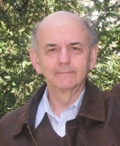
Hugo de Lasa is a Full Professor at the Department of Chemical and Biochemical Engineering, Faculty of Engineering, University of Western Ontario. He holds a Bachelor in Chemical Engineering (1968) from Universidad Nacional del Sur, Argentina, and a Doctoral degree (1971) from Université de Nancy, France. Research Focus: Catalysis, Photocatalysis, Chemical Reactor Engineering, Fluidization, Biomass Gasification Awards: Research Excellence Prize (1998), Fellow of the Chemical Institute of Canada (2000), Medal of Research and Development (2000), Doctor Honoris Causa (2004, 2018) His work spans chemical reactor design , photocatalytic hydrogen production , and fluidized bed technologies . Recent publications highlight machine learning applications in chemical equilibrium modeling and CO2 capture using microalgae. He founded the Chemical Reactor Engineering Centre (CREC) and Recat Technologies Inc. , a university spin-off commercializing reactor innovations. Awards include the Vanguard Award (2019) and Commemorative Issue in Catalysts Journal (2020). His research has generated 389 peer-reviewed publications , 14 patents , and over 10,000 citations .
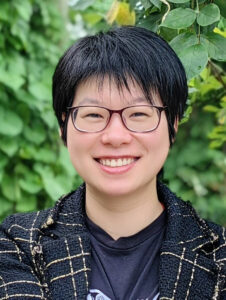
Dr. Yayun Du is an Assistant Professor in the Department of Electrical and Computer Engineering at Vanderbilt University School of Engineering. She holds a Ph.D. in Robotics and System Control (Minor: Solid Mechanics) from UCLA (2022) and was a postdoctoral scholar at Northwestern University's Rogers Group through 2024. Current faculty at Vanderbilt University Ph.D. from University of California, Los Angeles Postdoctoral experience at Northwestern University Her research integrates bioelectronics and robotics through three core directions: 1) Developing multimodal wearable/implantable sensors for health monitoring, 2) Creating human-in-the-loop interaction systems using brain-computer interfaces, and 3) Applying machine learning to medical environment robotics. She has deployed four sensor types across seven hospitals globally, serving users from neonates to elderly patients. Dr. Du's recent publications focus on wireless bioelectronic devices ( PNAS ), sustainable sensor materials ( ACS Sustainable Chemistry & Engineering ), and agricultural robotics ( ICRA , IROS ). She serves as Associate Editor for ICRA 2025 and has received two Best Paper Award final nominations at IROS 2021. Finalist - Best Paper Award in Agri-Robotics (IROS 2021) Finalist - Best Paper Award in Robot Mechanisms and Design (IROS 2021) As head of the Du Group, she leads interdisciplinary research with applications in both healthcare and agricultural contexts, collaborating with Vanderbilt Institute for Surgery and Engineering (VISE) and clinical partners. Her work emphasizes deployable systems that transition from academic research to real-world implementation in medical and industrial environments.
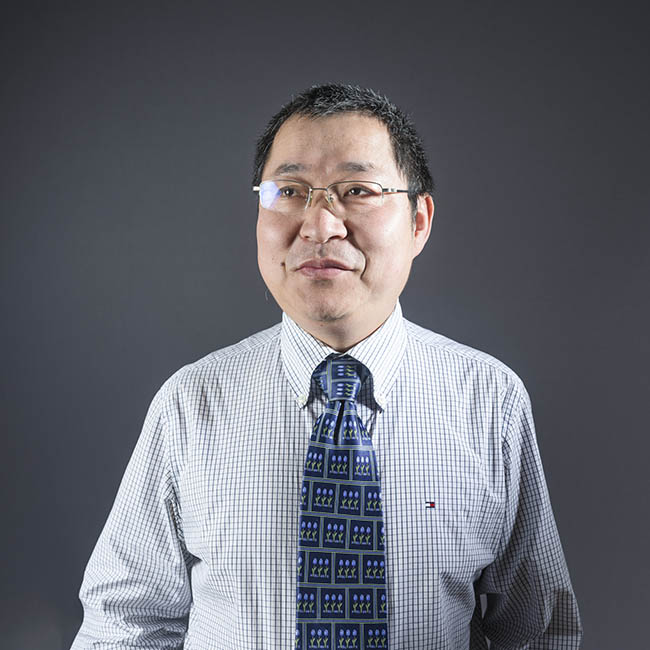
Dr. Lixin Cheng is a Senior Lecturer in Chemical Engineering at the Department of Engineering and Mathematics, Sheffield Hallam University, where he contributes to teaching core modules such as Transport Phenomena and oversees the chemical engineering program. His research focuses on multiphase flow and heat transfer, including enhanced heat transfer technologies, nanofluids, and carbon capture systems. He has held academic roles globally, including at Aarhus University, EPFL, and Xi'an Jiaotong University, and has extensive industry experience as a design engineer. Dr. Cheng is an Alexander von Humboldt Fellow and serves as editor-in-chief for multiple journals, including the International Journal of Microscale and Nanoscale Thermal & Fluid Transport Phenomena . Education: PhD in Thermal Energy Engineering (Xi'an Jiaotong University, 1998), followed by postdoctoral and research roles at leading institutions. His interdisciplinary research spans oil-gas-water systems, sustainable energy, and thermal energy management. He has authored over 80 papers and 8 books, with a focus on advancing thermal-fluid science and engineering applications. Research interests include gas-liquid two-phase flow dynamics, flow boiling/condensation, microchannel heat transfer, and CO₂-based thermal systems. His work bridges experimental studies, computational modeling, and industrial collaborations, addressing challenges in energy efficiency and environmental sustainability. Key contributions include editorial leadership in thermal-fluid journals, organizing international conferences (e.g., ISTFD), and developing predictive models for flow boiling in microchannels. His recent publications (2021–2025) emphasize green hydrogen systems, supercritical CO₂ applications, and heat transfer enhancement in microscale systems. Awards: Alexander von Humboldt Fellowship (2000–present). Grants and collaborations include partnerships with international universities and industry players, focusing on thermal-fluid innovation. Labs/Teams: Active in Sheffield Hallam's Engineering and Mathematics Department, leading interdisciplinary research in multiphase systems and sustainable energy solutions.
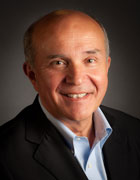
Prof. Johannes A. Lercher is a retired professor (as of April 2023) at the Technical University of Munich (TUM), holding the Chair of Chemical Technology II within the Department of Chemistry. His research focuses on heterogeneous catalysis, particularly understanding catalytic processes at solid-liquid and solid-gas interfaces, with applications in sustainable energy production, CO₂ conversion, and catalytic upcycling of polymers. He has held academic positions at the University of Twente (Netherlands) and the Pacific Northwest National Laboratory (USA), and has been Editor-in-Chief of the Journal of Catalysis . His honors include the Alwin Mittasch Prize (2021), ENI Award (2016), and Kozo Tanabe Prize (2013). His recent work emphasizes low-temperature polymer upcycling, methane activation, and bioinspired catalyst design, leveraging advanced spectroscopic and operando techniques. Despite retirement, his contributions to catalysis research remain impactful. Education: PhD (1980) and Habilitation (1985), Vienna University of Technology Visiting Lecturer, Yale University (1982) Research Interests: Heterogeneous catalysis, catalytic interfaces, sustainable energy carriers, CO₂ valorization, and polymer waste upcycling. Key areas include: Design of catalysts for selective hydrocarbon synthesis Mechanistic studies using advanced spectroscopy Development of scalable catalytic processes for industrial applications Recent Trends in Publications: Focus on low-temperature polymer recycling (e.g., PVC and polyolefin upcycling), methane activation via novel catalysts (e.g., Co 2+ in ZSM-5), and bioinspired catalytic strategies. His work bridges fundamental catalysis with industrial relevance, emphasizing sustainability and energy efficiency. Awards and Recognition: Member, Academia Europaea and US National Academy of Engineering Recipient of multiple international catalysis awards (see full list above) Grants and Labs: Led the Institute for Integrated Catalysis (Pacific Northwest National Lab, 2011–present). His research groups have pioneered studies on zeolite-confined reactions and interfacial catalysis, with collaborations spanning academia and industry. Labs/Teams: Active in the TUM Department of Chemistry and international networks focused on catalytic innovation for a carbon-neutral economy.
Mark Martinez-Klimov is a researcher in the Department of Chemical Engineering at Åbo Akademi University, Faculty of Science and Engineering. His work focuses on catalysis for sustainable energy and renewable fuel production, with an emphasis on heterogeneous catalysis, biomass conversion, and CO2 utilization. He is actively involved in experimental and kinetic studies of catalytic processes. Research Interests: His primary research areas include hydrodeoxygenation, dry methane reforming, combustion synthesis, and catalytic upgrading of bio-oil and biomass derivatives. He investigates catalyst design, deactivation mechanisms, and process optimization using advanced characterization techniques such as X-ray diffraction, scanning electron microscopy, and thermogravimetric analysis. His work supports the development of cleaner energy technologies and circular chemical processes. The analysis of his recent publications (2021–2025) reveals a consistent focus on sustainable catalytic processes, particularly in renewable jet fuel production, hydrogenation of sugars, and CO2 valorization. His research spans both fundamental catalyst development and applied reaction engineering, often in continuous flow systems such as trickle bed reactors. The work integrates material science with chemical engineering principles to address challenges in energy transition. Scientific Awards: No awards explicitly mentioned in the provided text. Advising and Grants: While specific students or grants are not listed, his collaborative publication pattern with senior researchers like Dmitry Murzin and Pavel Mäki-Arvela suggests involvement in major research projects, likely funded by national or EU-level grants. He appears to contribute to team-based research in catalysis and sustainable technologies, potentially mentoring junior researchers and PhD students within the group. Labs and Teams: Mark is part of a prominent catalysis research group at Åbo Akademi University, specializing in sustainable chemical processes. The team leverages advanced synthesis methods (e.g., solution combustion, impregnation) and characterization tools to develop novel catalysts for energy and environmental applications. Their work is highly collaborative, involving both national and international partners in the field of green chemistry and renewable fuels.
Xiaolei Fan is an Associate Professor in the Department of Chemical Engineering at The University of Manchester. He holds a BEng in Environmental Engineering from Jilin Institute of Chemical Technology (2003), an MRes in Chemical Engineering from East China University of Science and Technology (2006), and a PhD in Continuous Flow Heterogeneous Catalysis from the University of Bath (2010). His research focuses on nonthermal plasma catalysis, CO2 conversion, catalytic biorefinery, and zeolite-based catalysts. He has contributed to over 180 publications, supervised 20+ students, and led projects like the EU-funded SPACING initiative for biofuel production. Research interests include porous materials, reaction engineering, and process intensification through structured reactors/catalysts. He chairs the RSC Heterogeneous Catalysis committee and has organized conferences like the International Conference on Environmental Catalysis. His work aligns with UN Sustainable Development Goals, particularly in clean energy and sustainable chemistry. Education: BEng (Environmental Engineering), Jilin Institute of Chemical Technology, 2003 MRes (Chemical Engineering), East China University of Science and Technology, 2006 PhD (Chemical Engineering), University of Bath, 2010 Awards: Lee Hsun Lecture Award (2018) Zhenxing Scholar Professor Award (2018) Outstanding Achievement Recognition (2018) Grants/Projects: SPACING: Sustainable Production of ACrylic Acid from Renewable Waste Glycerol (2021–2024) Labs/Teams: Catalysis and Porous Materials Group at The University of Manchester
Dr. Robert O’Connor is an Assistant Professor at the School of Physical Sciences, Dublin City University (DCU) , specializing in interface chemistry and thin film characterization. His work bridges semiconductor physics and energy harvesting technologies , with a focus on materials like high-κ dielectrics and III-V substrates. BSc in Applied Physics (2001), DCU PhD in Semiconductor Physics (2005), DCU His research employs X-ray photoelectron spectroscopy (XPS) and atomic layer deposition (ALD) to study material interfaces in devices such as MOSFETs and photoelectrochemical systems . He leads a 4-year SFI-funded project on solar water splitting for hydrogen fuel and collaborates with Trinity College Dublin (SPOKE project) and IMEC, Belgium on area-selective deposition techniques. His lab utilizes a state-of-the-art integrated ALD-XPS tool . His scientific awards include the Marie Curie Intra-European Fellowship , Irish Research Council EMBARK Fellowship , and SFI TIDA Award . Publications span high-κ dielectrics , self-assembled monolayers , and block copolymer lithography , with recent work on graphene oxide heterostructures and recyclability in additive manufacturing . He supervises 5 postgraduate students and teaches modules like Final Year Project (PS451) and Solid State Physics I (PS204) . Collaborations include institutions such as IMEC and Trinity College Dublin , with tools like the integrated ALD-XPS system at DCU.
Ahmed Hammad is an Associate Professor in the Department of Civil and Environmental Engineering at the University of Alberta's Faculty of Engineering, where he also serves as Director of Academic Integrity, ENG WIL, Co-op and Career Connections. With 25 years of industry experience as a Project Planning & Control Manager on global mega-projects (including Oil Sands, LNG, and Infrastructure across Canada, UAE, Australia, and Egypt), he brings extensive practical expertise to academia. Education: Doctorate of Philosophy, Construction Engineering & Management, University of Alberta (2009) Master of Science, Construction Engineering & Management, University of Alberta (1999) Master of Engineering, Construction Engineering and Management, Cairo University (1996) Bachelor of Science, Civil Engineering, Mansoura University (1989) Research Focus: Dr. Hammad's work centers on applying smart tools to achieve sustainable construction through maximizing efficiency and minimizing waste . His research employs Machine Learning , Multi-Criteria Decision Making , Knowledge-Based Decision Support Systems , and digital twin technologies to optimize project planning, resource allocation, and sustainable material selection. He investigates the integration of BIM and Augmented Reality to enhance construction processes while reducing environmental impact. Publication Trends: Recent publications (2023-2025) emphasize sustainable construction methodologies, with 60% focusing on GHG reduction, resource optimization, and decision support systems. Key themes include machine learning for labor estimation, TOPSIS/MCDM for sustainable material selection, and digital twins for production planning, reflecting his NSERC-funded projects on KBDSS and construction-oriented digital twins. Scientific Recognition: Best Paper Award at 8th International Conference on Industrial Engineering and Operations Management (2018) Best Paper Award at HBRC Green Smart Sustainable Buildings Conference (2024) Research Leadership: Dr. Hammad secures major industry-academic partnerships, including NSERC Mission Alliance Grants ($1.2M+) with 16 industry partners for GHG reduction projects and NSERC Alliance Grants with 9 partners for digital twin development. His completed projects include collaborations with the City of Edmonton and Alberta Ministry of Infrastructure on resource allocation models. Research Ecosystem: As leader of the Sustainable Construction Research Group (SCRG), he fosters industry-academia collaboration through regular workshops with construction firms and government agencies, focusing on translating research into practical tools for sustainable project delivery.
Prof. Jeroen Anton van Bokhoven is a Full Professor at ETH Zurich's Department of Chemistry and Applied Biosciences and Head of the Laboratory for Catalysis and Sustainable Chemistry at Paul Scherrer Institute. His research focuses on establishing structure-performance relationships in heterogeneous catalysts to enable sustainable chemical processes through advanced catalyst design. Education: B.Sc. in Chemistry, Utrecht University (1995) Ph.D. in Inorganic Chemistry and Catalysis (with honours), Utrecht University (2000) Research Focus: Van Bokhoven's group pioneers operando characterization techniques, particularly X-ray absorption spectroscopy and scattering methods, to study catalysts under realistic reaction conditions. Key research thrusts include methane conversion to value-added products (methanol, methyl esters), zeolite catalysis for olefin production, and design of stable catalysts for high-temperature oxidation processes. His work bridges fundamental surface science with industrial applications in sustainable energy and chemical manufacturing. Scientific Recognition: Swiss Chemical Society Werner Prize (2008) Academic Leadership: Van Bokhoven leads a multidisciplinary research group spanning ETH Zurich and Paul Scherrer Institute, supervising doctoral candidates and postdoctoral researchers. His group maintains strategic partnerships with industrial catalyst manufacturers and operates specialized facilities for in situ spectroscopy at the Swiss Light Source synchrotron. Current projects address carbon dioxide utilization, biomass conversion, and fundamental mechanisms of catalyst deactivation. Research Infrastructure: The group leverages state-of-the-art capabilities at the Laboratory for Catalysis and Sustainable Chemistry (PSI), including custom operando cells for XAS, XPS, and electron microscopy under reactive gas environments, enabling atomic-scale observation of catalytic transformations.
Dr. Patrick J. McNamara is an Associate Professor in the Department of Civil, Construction and Environmental Engineering at Marquette University's College of Engineering. He directs the McNamara Research Group, which focuses on understanding how chemicals from consumer products impact public health and the environment once they pass through water treatment systems. His research bridges environmental engineering and microbiology to address critical water quality challenges facing modern infrastructure. Dr. McNamara's educational background includes: Ph.D., 2012, Civil Engineering, University of Minnesota, Twin Cities M.S., 2008, Environmental and Water Resources Engineering, University of Texas at Austin B.S., 2006, Civil Engineering (Minor - Spanish for the Business Professions), Marquette University His research program investigates how consumer product chemicals impact engineering treatment processes that rely on healthy bacteria to treat water. The McNamara Research Group develops non-traditional treatment processes to remove these chemicals from water and mitigate their environmental effects. His work spans antibiotic resistance in water systems, micropollutant removal technologies, pyrolysis of biosolids, PFAS contamination, and electrochemical treatment processes. Specific areas include the impact of corrosion inhibitors on antibiotic resistance, removal of chemicals via drinking water treatment, environmental antibiotic resistant bacteria, beneficial biosolids reuse, and pyrolysis applications. Dr. McNamara's publication record demonstrates a strong focus on emerging water quality challenges, particularly the intersection of chemical contaminants and antibiotic resistance. His recent work examines corrosion inhibitors' impact on antibiotic resistance in drinking water, PFAS mitigation through advanced treatment processes, and environmental drivers of antibiotic resistance in stormwater systems. His research combines fundamental microbiology with practical engineering solutions to address complex water quality issues. Dr. McNamara has received numerous honors and awards: 2022 OCOE Outstanding Researcher Award from Marquette University Marquette University's Campus 2020 KEEN Rising Star Faculty Scholar Award from Provost Office (2019) Central States Water Environment Association Bill Boyle Outstanding Educator Award (2018) Way Klingler Young Scholar Award (Marquette University, 2018) Excellence in Review Award – Environmental Science & Technology (2017) Dr. McNamara has secured significant research funding as Principal Investigator on multiple projects, including NSF grants focused on mitigating antibiotic resistance in drinking water and studying the environmental impacts of quaternary ammonium compounds. His current research portfolio includes projects on PFAS removal through novel electrocoagulation-peroxidation processes, designing green stormwater infrastructure to combat antibiotic resistance, and removing contaminants from greywater using electrocoagulation technology in collaboration with industry partners like Kohler Company. The McNamara Research Group at Marquette University maintains strong collaborations with researchers across multiple institutions and works closely with water utilities and industry partners to translate research findings into practical solutions for water treatment challenges. Their work addresses critical infrastructure needs while protecting environmental and public health through innovative engineering approaches.
Hossein Nami is an Associate Professor at the Department of Green Technology (IGT) and SDU Life Cycle Engineering at the University of Southern Denmark . His research focuses on Power-to-X , Hydrogen production , E-fuel , and system modeling for sustainable energy solutions. PhD, University of Tabriz (2018) Postdoc, Technical University of Denmark (2020-2022) Assistant Professor, University of Southern Denmark (2022-2025) Nami's research output includes 15 articles (2024-2026) on topics like ammonia-fueled fuel cells , geothermal cycles , chemical looping combustion , and electrolysis optimization . His work emphasizes techno-economic analysis, exergy efficiency, and multi-objective optimization for low-carbon energy systems. He leads the FLEX-ENVIRONMENT project (2024-2027) on electrolyzer integration and contributes to CARMA-Green Fuels (2023-2026) and GRACE (2025) for carbon management and grid-aware investment. His teaching includes supervision of MSc theses on renewable hydrocarbons and power-to-X technologies at SDU.
Dr. Paul G. O'Brien is an Associate Professor in the Department of Mechanical Engineering at York University, Canada, affiliated with the Lassonde School of Engineering. His research focuses on interdisciplinary clean energy solutions, including energy storage, thermophotovoltaic systems, decarbonization of buildings, and life cycle assessments. He leads the Advanced Materials for Sustainable Energy Technologies (AM-SET-Lab) and has authored over 50 journal articles. His work spans materials science, photonic crystal engineering, and radiative cooling technologies. Research interests include optimizing thermal energy storage systems, photonic crystal-based filters for solar applications, and CO2 capture via direct air capture systems. His lab develops materials for passive cooling, solar-thermal integration, and advanced photocatalytic CO2 reduction. Dr. O’Brien collaborates across engineering disciplines to address global energy challenges. Recent publications highlight innovations in ellipsoidal optical cavities for thermophotovoltaics, radiative cooling materials, and techno-economic assessments of carbon capture technologies. His work bridges fundamental material science with applied engineering solutions for sustainable energy systems.
Wenjing Zhang is a Professor and Head of the Section for Water Technology and Processes at the Department of Environmental and Resource Engineering, Technical University of Denmark (DTU). She is also affiliated with the DTU Microbes Initiative, contributing to interdisciplinary research in sustainable water technologies and environmental nanomaterials. Professor, DTU Head of Section, Water Technology & Processes Member, DTU Microbes Initiative Her research spans nanofiber technology, electrospinning, membrane processes, and catalytic materials for environmental applications. She focuses on innovative solutions for water purification, plastic waste recycling, CO2 photoreduction, and green hydrogen production, aligning with UN Sustainable Development Goals. The recent publications highlight a strong trend in advanced materials for environmental sustainability, particularly electrospun nanofibers, heterojunction photocatalysts, and ceramic membranes. These works emphasize applications in microplastic degradation, solid oxide cells, and chemical recycling of plastics, reflecting a multidisciplinary approach combining materials science, electrochemistry, and environmental engineering. Researcher at DTU Energy becomes honorary professor in China Wenjing Zhang actively supervises PhD students and leads multiple research projects, including EU and nationally funded initiatives on decentralized wastewater treatment and biocatalytic membrane systems. She collaborates with leading researchers and institutions, securing funding for high-impact environmental technologies. Her lab focuses on nanostructured membrane design and advanced fabrication of porous ceramics for industrial and municipal applications.
Dr. Beata Gorczyca is a Professor in the Department of Civil Engineering at the University of Manitoba, affiliated with the Price Faculty of Engineering. Her research focuses on potable water treatment, with expertise in solid/liquid separation, chlorine disinfection by-products control, and fractal analysis of materials. She leads a research group collaborating with Canadian water utilities like Portage la Prairie and Pembina Valley Water Co-op. Education: PhD in Chemical Engineering (2000, University of Toronto), M.Sc. in Civil Engineering (1992, University of Toronto), B.Sc. in Geological Engineering (1986, AGH University, Poland). Active roles: Member of the Particle Specialist Group at the International Water Association, keynote speaker at conferences. Research interests include water purification processes, membrane filtration, and bioremediation. Her work addresses challenges in high-DOC and high-hardness water treatment, with contributions to nanofiltration fouling mechanisms and microbial remediation solutions. She has supervised numerous graduate students and is involved in advancing water treatment technologies through interdisciplinary collaborations.
Prof. Ashutosh S. Gandhi is a Professor in the Department of Metallurgical Engineering and Materials Science at the Indian Institute of Technology Bombay (IIT Bombay), where he has been serving since December 2017. Previously, he was an Associate Professor at IIT Madras from 2012 to 2015 and an Assistant Professor there from 2006 to 2012. He held a Postgraduate Researcher position at the University of California, Santa Barbara from 2001 to 2005. His educational qualifications include a Ph.D. and M.E. in Metallurgy from the Indian Institute of Science (IISc), Bangalore, specializing in Ceramics, and a B.E. in Metallurgical Engineering from Visvesvaraya National Institute of Technology, Nagpur, where he secured the university rank. Prof. Gandhi's research focuses on the Science of Ceramics , particularly High Temperature Protective Coatings such as Thermal Barrier Coatings (TBCs) and Environmental Barrier Coatings (EBCs), Surface Engineering , High Entropy Ceramics , Phase Transformations , and Metastable and Amorphous Materials . His work bridges fundamental materials science with industrial applications in aerospace, energy, and nuclear sectors. The selected publications highlight a strong trend in advanced ceramic materials, especially zirconia-based systems, rare earth silicates, and high entropy oxides. The research spans synthesis (sol-gel, combustion), processing (spark plasma sintering), and characterization of phase evolution, thermal stability, and mechanical properties under extreme conditions. Key themes include entropy stabilization, nanocrystallinity, and high-temperature performance. He has secured significant research funding from national and international agencies including the Science & Engineering Research Board, Aeronautics Research & Development Board, Department of Science & Technology, Naval Research Board (DRDO), Indian Space Research Organisation, The Boeing Company, and Pratt & Whitney. He also collaborated with GE India Technology Center on critical literature reviews. Prof. Gandhi holds an Indian patent on a thermal barrier coating made of high entropy oxide ceramics. He has contributed to the field through peer-reviewed journal publications and book chapters in prestigious publications by Springer and Pan Stanford. His research group at IIT Bombay is actively involved in developing next-generation ceramic materials for extreme environments, including icephobic coatings for aerospace and protective coatings for refractories. The lab utilizes advanced spectroscopic and materials characterization techniques.