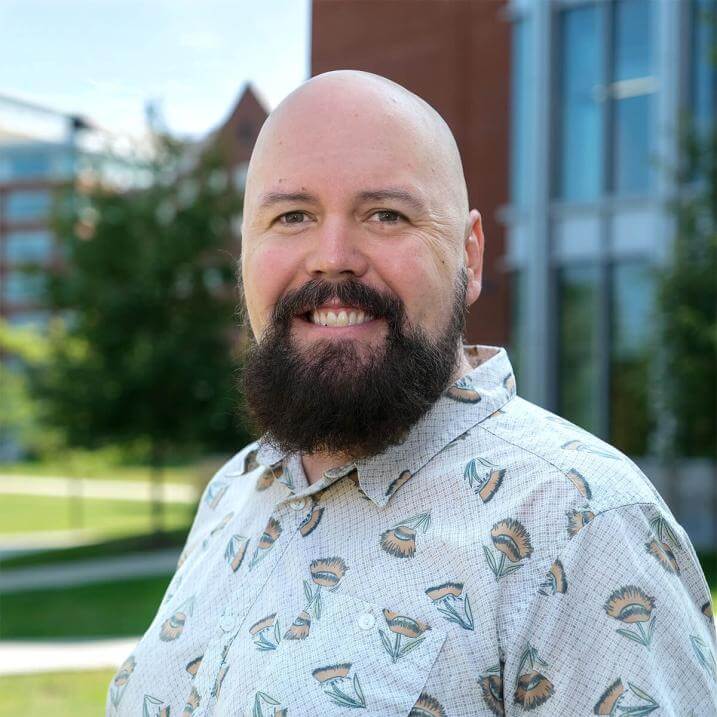
Jean-Philippe Dacquin is a Lecturer at the University of Lille , affiliated with the Catalysis and Solid State Chemistry Unit . His research focuses on the synthesis of porous catalytic materials for environmental applications, including biodiesel production and pollutant abatement. He has co-authored 18 A-rank journal articles and 43 total publications since 2008. Research Interests: Heterogeneous catalysis, environmental catalysis, and nanostructured materials. His work emphasizes: Synthesis of oxides and mixed oxides with controlled porosity Active phase dispersion on hierarchical supports Recent Publications (2024–2017) highlight trends in: Metal-Organic Frameworks (MOFs) for antiviral applications Perovskites for formaldehyde oxidation Nitride catalysts in ammonia synthesis Hierarchical porosity for CO2 conversion Teaching: Undergraduate courses in aqueous and inorganic chemistry, and the European Master’s program in Applied Spectroscopy for Chemistry.
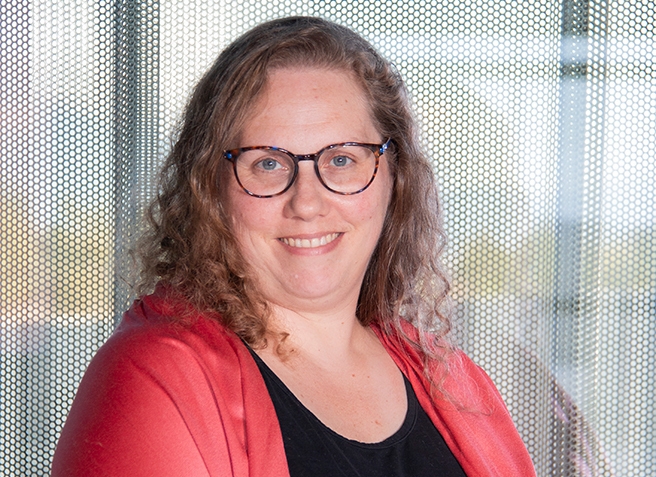
Christine Lancelot is a Lecturer at Lille University , affiliated with the Unit of Catalysis and Solid State Chemistry (UCCS, UMR CNRS 8181) . She has been active since 1991, with a focus on heterogeneous catalysis for clean fuel production and advanced nanomaterials characterization. Research Interests: Her work centers on developing and characterizing innovative catalysts for hydrodesulfurization (HDS), oxidative desulfurization (ODS), and hydrotreating processes. Key areas include mesoporous aluminas and zeolites , Transmission Electron Microscopy (TEM, HRTEM, EELS) , and collaborations with institutions like CP2M (Marseille) and LPS (Orsay). Education & Teaching: She teaches Advanced Nanomaterials Characterization at the master's level and supervises practical work in General Chemistry and Spectroscopy . Recent Publications: Her 2020–2024 studies highlight advancements in gas-phase sulfidation , ultrasound-assisted ODS , and mixed MoWS2 phases for enhanced catalytic activity. These works appear in journals like Applied Catalysis B: Environmental and ACS Catalysis . Collaborations: Christine is a member of the LIA (Associate International Laboratory) on sustainable environmental catalysis and works with industrial partners on hydrotreating and fuel processing projects.
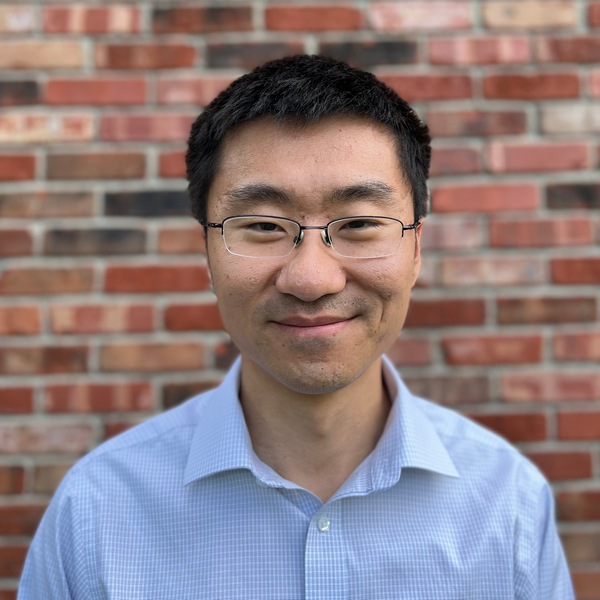
Hiro Nakamura is an Assistant Professor in the Department of Physics at the University of Arkansas, where he has worked since 2019. His research focuses on quantum effects in solid-state materials, including topological materials, 2D systems, and spin-orbit coupling phenomena. Ph.D. in Advanced Materials from the University of Tokyo M.S. in Advanced Materials from the University of Tokyo B.S. in Applied Chemistry from the University of Tokyo Nakamura's research explores quantum materials and light-matter interactions, with an emphasis on: Topological and 2D materials Spin-momentum locking effects (Rashba effect) Multiferroics and metal-insulator transitions Quantum optics and photonics Developing advanced laser-based techniques for imaging electronic states in solids Analysis of his publications reveals strong expertise in strain engineering of 2D materials, spin-orbit coupling mechanisms, and experimental characterization of topological materials. His work frequently combines material synthesis with spectroscopic and transport measurements. Notable awards include his previous designation as a JSPS Research Fellow (2006–2008). His lab has secured significant research funding including: DOD DEPSCoR grant for Nonlinear 2D Ferroelectrics Chancellor’s Fund support for deep-UV laser development Hiro Nakamura actively advises students in his research group, including: Apoorva Bisht (undergraduate researcher, now at UC Boulder) Andrew (SURF Grant recipient) Leonardo Vinaayak Gabriel Michael Ethan Weiche Seth Will Katarina Rodrigo Skyler Sneha Joey Kyle Ram The Nakamura Lab at the University of Arkansas works on: Developing laser-based technologies for imaging electronic states Investigating single photon sources and nanoscale light-matter interaction Collaborating on quantum photonic applications Contributing to the MonArk NSF Quantum Foundry
Emmanuelle Deleporte is a Professor of Physics at Ecole Normale Supérieure Paris-Saclay since 2002, affiliated with the Lumière, Matière et Interfaces (LuMIn) laboratory. She previously worked at Laboratoire Aimé Cotton (2013–2019) and Laboratoire de Photonique Quantique et Moléculaire (2002–2012). Her research spans multi-scale light-matter interactions in semiconductor heterostructures and hybrid halide perovskites for optoelectronics and photovoltaics. PhD in Quantum Physics (1988), Ecole Normale Supérieure de Paris (1986–1990) Research Focus: Optical spectroscopy of hybrid organic-inorganic semiconductors, quantum confinement effects, exciton-polariton physics, and synthesis of low-dimensional perovskites. Her work bridges fundamental studies of material properties and applied device development for solar cells and light-emitting technologies. Article Trends: Recent publications emphasize exciton dynamics in 2D perovskites strong coupling regimes in microcavities phonon-electron interactions photovoltaic efficiency optimization photoluminescence tuning via defects synthesis of stable hybrid materials Scientific Leadership: She co-founded the French Halide Perovskites Think Tank (HPERO) and leads the Friedel-Jacquinot federation. She organizes international conferences and summer schools on perovskite materials. Advising: Supervised 15+ PhD students/postdocs, including Hugo Levy-Falk (2020–2023) and Thomas Campos (2019–2022). Her team includes physicists and chemists across multiple laboratories. Grants: Funded by ANR, Labex Charmmmat, IPVF, DGA, and European projects like GOTSOLAR and HYTEC, covering photovoltaics, microcavity lasers, and material synthesis. Labs: Leads research at LuMIn (Ecole Normale Supérieure Paris-Saclay) and collaborates with international institutions. Her experimental facilities include UV-Vis-IR spectrometers, spin-coating systems, and cryogenic optical setups.
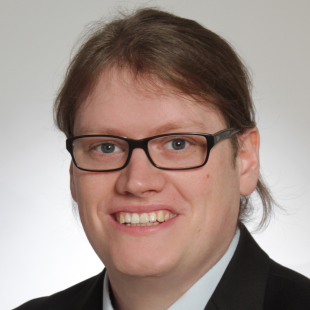
Prof. Dr. Holger Kohlmann is a W2-Professor of Inorganic Chemistry - Functional Materials at the Faculty of Chemistry and Mineralogy, Leipzig University. His research group focuses on solid-state chemistry with an emphasis on hydrogen storage materials , metal hydrides , and in situ neutron/X-ray diffraction techniques. Current Roles : Vice Dean (since 2022), Ombudsperson (since 2021), and Laser Safety Officer Research Topics : Solid-gas reactions, Zintl phase hydrides, magnetic materials, luminescent compounds, and crystal chemistry under extreme conditions The group has developed sapphire single-crystal gas-pressure cells for neutron diffraction studies and investigates reaction pathways through time-resolved in situ methods . They also explore applications in green steel production and hydrogen economy . Notable Scientific Awards : Rudolf-Hoppe-Lecture (2024) Supervisor Award (2023) Will-Kleber Commemorative Coin (2022) His team includes PhD students such as Florian Gehlhaar, Simon Keilholz, and Nicolas Zapp, with recent publications covering oxyfluoride materials , hydridosilicates , and uranium sulfides .
Levent Karacasulu is a Research Fellow at the Department of Industrial Engineering, University of Trento. His work focuses on advanced sintering techniques and ceramic material development. Research interests include: Ultrafast high-temperature sintering (UHS) Fast firing processes ISRU technology for Martian regolith processing Pressureless joining of ceramics Entropy-stabilized composites Recent publications highlight innovations in: High-heating rate sintering diagnostics Room-temperature glass bonding with polysilazane Lead-free piezoelectric ceramic synthesis Ultra-high-temperature ceramic composites Contact: levent.karacasulu@unitn.it
Dr. Ji-Guang Zhang is a Laboratory Fellow at the Pacific Northwest National Laboratory (PNNL) in the Energy Processes & Materials Division. He holds a PhD in experimental condensed matter physics from the University of Kentucky, an MS in theoretical physics from Dalian University of Technology, and a BS in applied physics from the same institution. As a principal investigator for the Department of Energy's Vehicle Technologies Office, he leads research on advanced energy storage systems. His research focuses on developing next-generation battery technologies, including lithium-metal batteries, lithium-ion batteries, solid-state electrolytes, and thin-film batteries. Key areas involve electrolyte design (e.g., localized high-concentration electrolytes), interface engineering, and materials optimization for enhanced stability and performance under extreme conditions. His work bridges electrochemistry, materials science, and solid-state physics to address fundamental and applied challenges in energy storage. Analysis of his recent publications reveals a strong emphasis on electrolyte innovation, lithium metal anode stabilization, and high-voltage battery systems. Trends include novel electrolyte formulations (e.g., fluorinated ethers), advanced characterization techniques (cryo-TEM), and 3D electrode architectures to suppress dendrite growth and extend battery lifespan. Scientific Awards: National Innovator of the Year Award (DOE/NAI, 2024) Fellow, National Academy of Inventors (2024) Distinguished Achievement Award (Vehicle Technologies Office, 2022) R&D 100 Awards (2010, 2012) Top 1% Highly Cited Researcher (Clarivate, multiple years) Dr. Zhang holds 41 U.S. patents and has secured DOE grants for lithium battery research. He advises postdoctoral researchers and collaborators at PNNL’s battery laboratories, focusing on projects such as anode-free configurations and high-energy-density systems. His team specializes in materials synthesis, in situ diagnostics, and battery prototyping.
Prof. Dr. HURİYE İCİL serves as a full-time faculty member in the Chemistry Department at Eastern Mediterranean University's Faculty of Arts & Sciences. Her academic career spans over three decades with continuous research output and student supervision. Educational background includes: PhD in Chemistry from Ege University (1993) MS in Chemistry from Eastern Mediterranean University (1991-1993) BS in Chemistry from Middle East Technical University (1879-1884) Her research focuses on photochemistry and materials science, specializing in perylene and naphthalene diimides for applications in fluorescent sensors, dye-sensitized solar cells, and biopolymer functionalization. Recent work explores chitosan-based fluorescent polymers for DNA detection and computational drug repurposing for diabetes treatment. Her publications demonstrate consistent innovation in molecular engineering of chromophores with tailored photophysical and electrochemical properties. Scientific contributions include: Research Grant from CNRS, France (1994) NATO Science Scholarship from USA (1993) EMU Research Incentive Award (2021) Prof. İcil has supervised 14 PhD students to completion and currently mentors 3 ongoing doctoral candidates, alongside 27+ master's theses. Her research projects include water-soluble naphthalene diimide chemosensors and multicromophoric systems for solar cells. She leads collaborative work on perylene-based metal complexes for efficient dye-sensitized solar cells.
Dr. Sergio A. V. Jannuzzi is a Professor and Group Leader at the Max Planck Institute for Chemical Energy Conversion (MPI CEC) since 2020. He holds a B.Sc./M.Sc. from the University of Campinas (Brazil, 2005–2011) and a Ph.D. from KU Leuven (Belgium) and University of Campinas (2012–2016). His research focuses on spectroscopy and reactivity of molecular catalysts , particularly transition metal complexes for C-H bond functionalization and enzyme-inspired systems like lytic polysaccharide monooxygenases (LPMO). Key areas include understanding catalytic mechanisms via synthesis-spectroscopy-theory integration, with a focus on copper and iron active sites. Awards include the Marie Skłodowska-Curie Actions Seal of Excellence (2018), Lindau Nobel Laureate Meeting participation (2017), and the NanoSystem Munich Research Award (2010). His work bridges fundamental chemistry with applications in renewable materials and sustainable catalysis. Current research highlights include trapping reactive intermediates (e.g., Fe(IV)-superoxo complexes), elucidating LPMO mechanisms, and developing in situ spectroscopic methods. His group’s PhD student Ashish Vinayak Tamhankar contributes to these studies. Collaborations leverage advanced techniques like X-ray absorption spectroscopy and computational modeling.
Prof. Andy Mackenzie is a Professor at the Max Planck Institute for Chemical Physics of Solids (MPI CPfS) in Dresden, Germany, and serves as a speaker for the International Max Planck Research School for Chemistry and Physics of Quantum Materials (IMPRS-CPQM), a collaborative doctoral program with Dresden University of Technology. His research centers on quantum materials, with expertise spanning condensed matter physics and solid-state chemistry. He investigates emergent phenomena in novel quantum systems, including topological states and unconventional superconductivity, leveraging the MPI CPfS's advanced experimental facilities for materials synthesis and characterization. Based at the MPI CPfS laboratory on Nöthnitzer Str. 40 in Dresden, Prof. Mackenzie operates within a premier research ecosystem focused on fundamental discoveries in the chemical physics of solids, contributing to interdisciplinary projects that bridge theoretical modeling and cutting-edge experimental techniques.
Dr. Susan Citrak serves as an Assistant Professor in the Department of Chemical & Biological Sciences at Youngstown State University, joining the faculty in Fall 2024 with over a decade of chemistry teaching experience. Her expertise spans inorganic materials synthesis and pedagogical innovation for underserved student populations. Her educational background includes a Ph.D. in Inorganic Materials Chemistry from the University of California, Santa Cruz (2018) and a B.S. in Chemistry from Mills College (2013), where her early work examined carbocationic reactions in ionic liquids. Research focuses on porous inorganic materials including metal-organic frameworks, coordination polymers, and novel porous liquids that merge ionic liquid/solid-state chemistry. Key applications target environmental remediation (water treatment via anion exchange) and catalysis , with recent expansion into metal-substituted aluminophosphates. Her methodology integrates ionothermal synthesis and structural stability analysis. Publication trends reveal consistent contributions to environmental materials science since 2014, with accelerating focus on porous liquids (2025) and water remediation technologies. Thematic threads include ionic liquid solvent engineering, rapid anion exchange mechanisms, and environmentally benign material design. Dr. Citrak demonstrates exceptional commitment to student mentorship, evidenced by a 2025 Mentor of the Year nomination. She specializes in making complex chemistry accessible to first-generation students through inclusive teaching practices in General Chemistry, Inorganic Chemistry, and Instrumental Chemistry courses.
Dr. Emilie Bekaert is a Group Leader at CIC energiGUNE, specializing in electrochemical energy storage systems. Her expertise spans battery technology from laboratory to industrial scale, with a focus on ageing mechanisms, post-mortem analysis, and safety. She leads a multidisciplinary team addressing challenges in battery performance and lifespan through advanced characterization techniques. Education: She earned her PhD in Materials Science from the University of Lille I (France, 2004), focusing on glass synthesis from chlorides. As a postdoc at ALISTORE Excellence Network, she applied solid-state NMR to Li-ion battery materials. Later roles included research at ZSW (Germany) and the Helmholtz Institute Ulm, focusing on electrode materials and scaled synthesis for industry. Research Interests: Her work bridges fundamental and applied research, emphasizing battery ageing (accelerated testing, degradation pathways), post-mortem analysis techniques (SEM, XRD, NMR), and material innovations for Li-ion, Na-ion, and redox flow batteries. She also explores sustainable circular economy practices for battery recycling. Awards: Recognized for her NMR contributions (Prix Denis Boudot) and leadership in electrochemical energy storage conferences. Her team collaborates with industrial and academic partners globally, driving advancements in energy storage reliability and safety. Labs/Teams: Her group operates within the Electrical Characterization Platform at CIC energiGUNE, leveraging cutting-edge analytical tools for failure mode detection and material characterization. Current projects include optimizing lithium-ion capacitor designs and developing predictive models for battery lifespan.
Dr. Michael Rüsing is a Researcher in the Integrated Quantum Optics group at Paderborn University's Department of Physics (Faculty of Science). His academic journey includes a PhD in Physics (2014–2018) and postdoctoral research at Dresden University of Technology (2023) and UC San Diego (2018–2019), focusing on nonlinear optics and ferroelectric materials. His research spans thin-film lithium niobate, domain wall conductivity, and advanced microscopy techniques. Education: PhD in Physics, Paderborn University (2014–2018) MSc/BSc in Physics, Paderborn University (2010–2014) Research Interests: Ferroelectric domain walls, nonlinear spectroscopy, scanning probe microscopy (AFM/SPM), thin film lithium niobate, and integrated photonics. His work bridges materials science and applied physics, with applications in novel electronic devices and optical components. Publications: Recent work emphasizes domain wall conductivity modeling, lithium niobate tantalate phase diagrams, and advanced Raman-based imaging techniques. Over 30 peer-reviewed articles highlight his contributions to ferroelectric materials and nonlinear optics.
Andrew Meng is an Assistant Professor in the Department of Physics at the University of Missouri. His research focuses on semiconductor crystal growth for optoelectronic devices and advanced material characterization using transmission electron microscopy (TEM). He earned his Ph.D. from Stanford University. Research Interests: Ferroelectric materials and their applications in memory devices and sensors Epitaxial growth of thin films, nanowires, and nanostructures via chemical vapor deposition Method development in TEM, including 4D-STEM for strain mapping and in-situ electrical biasing Key Research Themes: Novel ferroelectrics based on aluminum nitride alloys Dielectric breakdown and resistive switching mechanisms Structural characterization of materials for neuromorphic computing and piezoelectric applications His work bridges fundamental materials science with device engineering, emphasizing nanoscale phenomena and their technological implications.
Matthew White is an Associate Professor in the Department of Physics at the University of Vermont, affiliated with the College of Engineering and Mathematical Sciences. He earned his Ph.D. from the University of Colorado, Boulder in 2009. His research focuses on nonlinear processes in optoelectronic devices and materials physics for low-cost, high-performance photovoltaics, particularly hybrid and organic photovoltaic device physics. Key research areas include perovskite solar cells, organic light-emitting diodes (OLEDs), photonic crystals, and nanomaterials synthesis. His work integrates experimental techniques with theoretical modeling to optimize device performance and stability. Recent studies explore ligand design for perovskite nanocrystals, defect engineering in photonic crystals, and microcavity effects in OLEDs. Publications highlight advancements in optoelectronic materials, including nonlinear impedance spectroscopy for ion migration analysis and band structure control in photonic systems. His research emphasizes practical applications in renewable energy and high-efficiency light-emitting technologies. No scientific awards or grants are explicitly mentioned in the provided information. He advises no listed students and has not disclosed lab affiliations beyond the UVM Device Physics group.