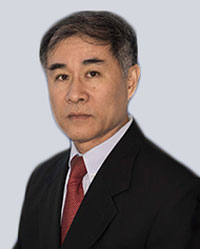
Prof. Li LU is a Professor at the Department of Mechanical Engineering, National University of Singapore (NUS). His research focuses on energy storage materials, ferroelectric systems, and advanced battery technologies. He holds editorial roles at Functional Materials Letters and Materials Technology – Advanced Functional Materials . Education: PhD from KU Leuven (Belgium), M.Eng and B.Eng from Tsinghua University (China). Research interests include thin film deposition, nanostructured materials, and solid-state electrolytes. His work addresses challenges in lithium/ sodium-ion batteries, solid-state interfaces, and high-performance energy storage systems. Recent studies emphasize aerosol deposition techniques, composite electrolytes, and interfacial stability. Publications highlight advancements in battery materials and electrolyte design. Notable contributions include ultra-stable sodium-ion batteries, ferroelectric-engineered electrolytes, and optimizing lithium metal anodes. His research bridges fundamental material science with practical energy solutions.
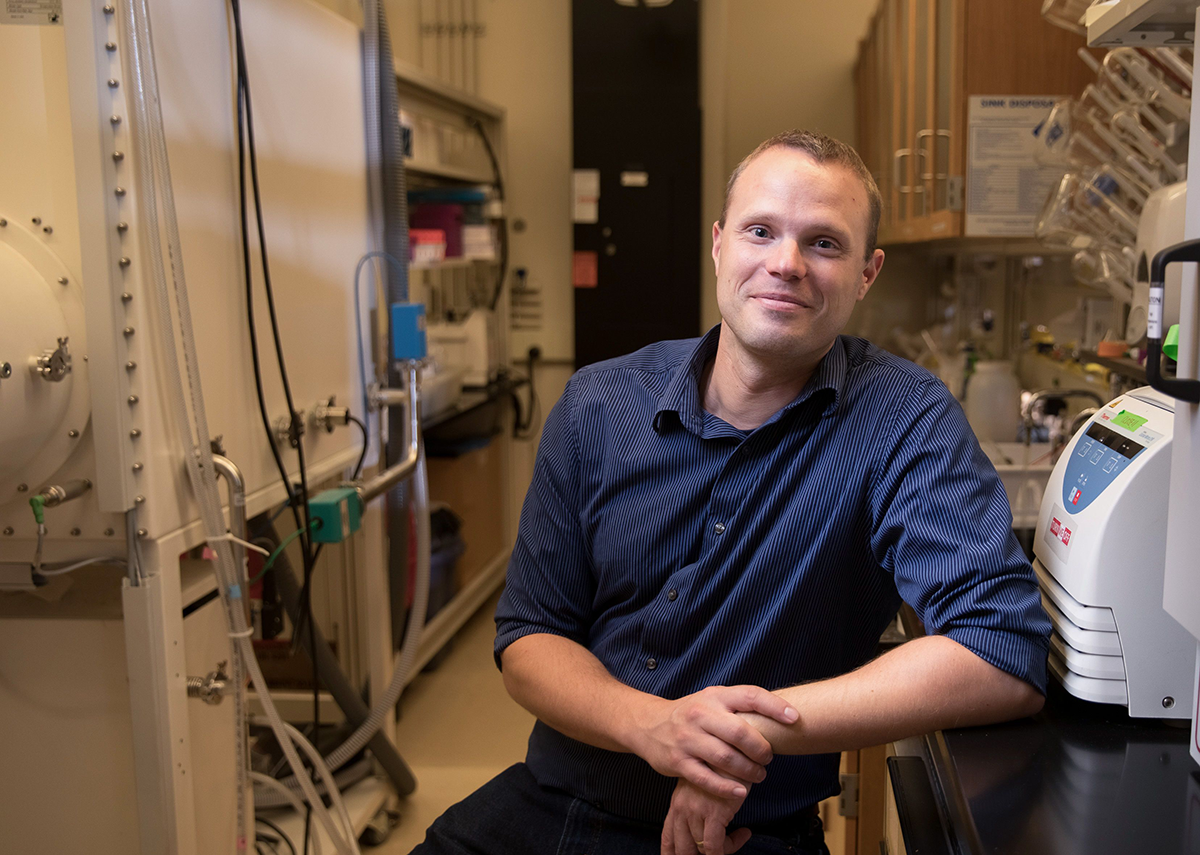
Nini Pryds is a Professor and Head of the research section 'Functional Oxide Materials' at the Department of Energy Conversion and Storage, Technical University of Denmark (DTU). He leads a team of 25+ researchers focusing on memristors, piezoelectricity, thermoelectricity, electrostriction, and functional oxide thin films. His work bridges physics and chemistry to design novel electronic states in oxide interfaces. Education: UDTU (likely Technical University of Denmark, potential typo). External roles include Editor of Applied Surface Science and Editorial Board Member of APL-Materials . Research interests revolve around quantum phenomena in oxide interfaces, stability enhancement of ionic conductors via coherent interface design, and mechanically tunable magnetism. Key contributions include modulation-doping at oxide interfaces, high mobility 2DEG discovery, and stabilizing δ-Bismuth oxide through multilayer structures. Recent publications emphasize oxide metamaterials, strain-mediated properties, and defect dynamics. Supervises active PhD projects on oxide heterostructures, thermoelectrics, and piezoelectricity. His work aligns with UN Sustainable Development Goals related to clean energy and innovation.
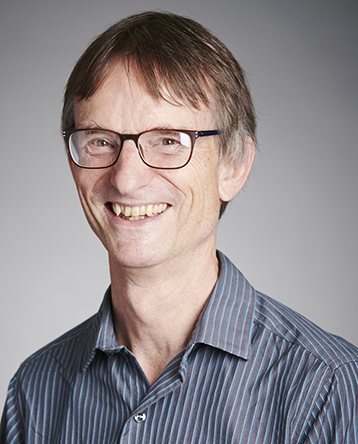
Bradley D. Olsen is a full professor in the Department of Chemical Engineering at the Massachusetts Institute of Technology (MIT), where he leads research at the intersection of polymer science, soft matter physics, and bioengineering. His work focuses on designing materials for critical applications in biotechnology, hemostasis, and sustainable polymer development while advancing fundamental understanding of polymer network mechanics and self-assembly. Education: Ph.D. in Chemical Engineering, University of California Berkeley (2007) S.B. in Chemical Engineering, Massachusetts Institute of Technology (2003) Olsen's research spans protein-based materials, block copolymer phase behavior, and mechanochemical hydrogels. He has pioneered methods for quantifying polymer network topology, developing hemostatic nanoparticles, and creating bio-inspired materials for selective biomolecular transport and medical applications. His recent publications emphasize data-driven approaches to polymer characterization and educational outreach in materials science. Scientific Awards: American Physical Society (APS) Fellow (2023) Fulbright Amazonia Scholar (2023) Alexander and I. Michael Kasser Chair in Chemical Engineering (2021) ACS Macro Letters Young Investigator Award (2021) MIT Committed to Caring Honor (2019) AIChE Owens Corning Early Career Award (2019) APS Dillon Medal (2018) Kavli Emerging Leader in Chemistry (2017) ACS Polymer Division Fellow (2016) Camille Dreyfus-Teacher Scholar (2015) Alfred P. Sloan Research Fellow (2014) NSF Career Grant (2013) NIH Postdoctoral Fellowship (2008-2009) Hertz Fellow (2003-2007) Barry M. Goldwater Scholarship (2002) Olsen has received significant grant support including NSF Career (2013) and AFOSR (2012) awards. His teaching activities include innovative international outreach like the 2025 soccer-themed science camp in Brazil. The Olsen Group at MIT explores advanced materials with applications ranging from trauma care to sustainable polymers.
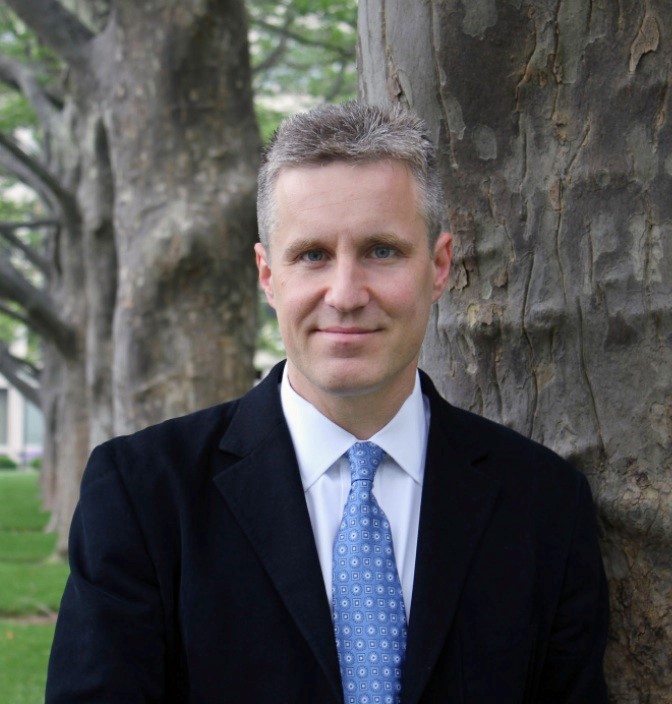
Anthony Rollett is a Professor in the Department of Materials Science and Engineering at Carnegie Mellon University , where he has been a faculty member since 1995. He serves as the Principal Investigator and Co-Director of the NASA-supported Institute for Model-Based Qualification & Certification of Additive Manufacturing (IMQCAM) and co-director of the Next Manufacturing Center . Prior to CMU, he held leadership roles at Los Alamos National Laboratory (1991-1995). Education: Ph.D., Materials Engineering, Drexel University (1987) MA, Metallurgy and Materials Science, Cambridge University (1977) Research Interests: Rollett’s work focuses on microstructural evolution and microstructure-property relationships in 3D using experiments and simulations. His expertise spans additive manufacturing , metal 3D printing , materials for energy systems , grain growth , recrystallization , and stereology , with techniques like high-energy diffraction microscopy (HEDM) and dynamic x-ray radiography (DXR) . Scientific Contributions: He has over 320 peer-reviewed publications and an h-index >80 . His recent articles highlight machine learning for laser processing , fatigue analysis of additively manufactured alloys, and design optimization for heat exchangers in supercritical CO2 and solar thermal applications . Scientific Awards: Fellow of ASM International (1996) Fellow of the Institute of Physics (UK) (2004) Fellow of The Minerals, Metals & Materials Society (TMS) (2011) Cyril Stanley Smith Award (TMS, 2014) Member of Honor, French Metallurgical Society (2015) US Steel Professor (2017) Francqui International Professor (2020-2021) International FAME Award (2023) Leadership & Impact: Rollett co-led the development of a NASA Space Technology Research Institute for additive manufacturing and established a new master’s program in additive manufacturing (2018). His research group is funded by industry , federal agencies , and Pennsylvania state grants . He also serves on the Basic Energy Science Advisory Committee and Defense Programs Advisory Committee for the Department of Energy.
Martin Z. Bazant is the E. G. Roos (1944) Professor of Chemical Engineering and Professor of Mathematics at the Massachusetts Institute of Technology (MIT), holding the Digital Learning Officer role in the Department of Chemical Engineering. His research focuses on mathematical modeling of electrochemical systems, transport phenomena, and applied mathematics, with significant contributions to battery technology and electrochemical energy storage. He is affiliated with MIT’s Department of Mathematics and the MIT Energy Initiative (MITEI), leading initiatives like the Center for Battery Sustainability and D3BATT. Education: Ph.D. from Harvard University (1997), M.S. and B.S. from the University of Arizona (1993, 1992). His work bridges theory and application, addressing challenges in lithium-ion batteries, solid-state systems, and electrolyte dynamics. Notable achievements include pioneering studies on coupled ion-electron transfer mechanisms and phase separation in battery materials. He is an elected member of the National Academy of Engineering (2025) and a Fellow of the Electrochemical Society (2023). As an educator, he develops MOOCs on transport phenomena and contributes to digital learning initiatives. His research group explores advanced battery diagnostics, machine learning for materials science, and environmental applications of electrochemical processes. Key collaborations include startups like Lithios, Inc., and leadership roles in professional societies such as the International Electrokinetics Society.
WooChul Jung is an Associate Professor at the Department of Materials Science and Engineering, Seoul National University (SNU), previously holding the same role at the Korea Advanced Institute of Science and Technology (KAIST) from 2018 to 2024. His research focuses on energy conversion and storage materials, particularly solid oxide fuel cells, electrolyzers, and catalytic systems involving ionic solids and gas interfaces. Ph.D. in Materials Science & Engineering from MIT (2010) B.S. in Materials Science & Engineering from SNU (2004) Research Interests: Investigating reactions at ionic solid-gas interfaces to enhance catalytic kinetics for fuel cells, electrolyzers, and sensors. Key areas include surface science, electrochemistry, and nano-fabrication. Scientific Contributions: His recent work emphasizes fluorine doping for stable bismuth oxide electrolytes, Ca substitution in LaCoO3 for oxygen evolution, and exsolution strategies for durable nanocatalysts. Publications highlight multidisciplinary approaches combining experimental and computational methods.
Jun Liu is a distinguished scientist and academic, serving as a Battelle Fellow at Pacific Northwest National Laboratory (PNNL) and holding the position of Campbell Chair Professor at the University of Washington. His career spans over three decades in materials science and energy storage research, with significant leadership roles including Director of the Battery500 Consortium, a major DOE initiative focused on developing next-generation battery technologies. Dr. Liu earned his Bachelor's degree in Chemical Engineering from Hunan University, followed by a Master's degree in Ceramic Engineering and a Ph.D. in Materials Science and Engineering, both from the University of Washington. His educational background provided the foundation for his extensive career in advanced materials development. Dr. Liu's research focuses on the development, synthesis, and characterization of new materials for energy applications, with particular emphasis on battery technologies. His work spans lithium-ion batteries, lithium-sulfur systems, redox flow batteries, and magnesium-based energy storage solutions. He has pioneered approaches to improve energy density, cycle life, and safety of battery systems through innovative materials design and interface engineering. Analysis of Dr. Liu's recent publications reveals a strong focus on practical battery applications, with particular attention to lithium metal anodes, solid electrolyte interphases, and high-energy battery systems. His research increasingly addresses the challenges of translating laboratory discoveries into commercially viable battery technologies, with growing emphasis on pouch cell development and real-world performance metrics. Distinguished Inventor of Battelle (2007) PNNL's Inventor of the Year (2012, 2016) Electrochemical Society Battery Division Technology Award DOE EERE Exceptional Achievement Award PNNL Lifetime Achievement Award Fellow of the American Association for the Advancement of Science Fellow of the Materials Research Society Member of the Washington State Academy of Science Dr. Liu has secured substantial research funding through his leadership of the Battery500 Consortium and other DOE initiatives. He has mentored numerous researchers and students throughout his career, contributing to the development of the next generation of energy storage scientists. His research group at PNNL collaborates extensively with academic institutions, national laboratories, and industry partners to advance battery technology. Dr. Liu leads the Battery500 Consortium, a major collaborative effort involving multiple national laboratories, universities, and industry partners focused on developing lithium-metal batteries with significantly higher energy density than current technologies. His research group at PNNL maintains state-of-the-art facilities for materials synthesis, characterization, and battery testing, enabling comprehensive investigation of next-generation energy storage systems.
Prof. Dr. Taner Akbay is a faculty member at Yeditepe University, Faculty of Engineering , Department of Materials Science and Nanotechnology Engineering. He has held academic positions at institutions including Kyushu University, Oita University, and Imperial College London. Education: PhD in Materials Engineering (1993, Imperial College London); Master’s (1989) and Bachelor’s (1986) degrees from Middle East Technical University. His research spans Materials Engineering , Metallurgy , and Solid Oxide Fuel Cells (SOFCs) , with a focus on oxide ion conductivity, laser surface treatment, and phase transformations. Recent work explores photocatalysis , anion intercalation , and CO2 reduction using computational and experimental approaches. Key article trends include SOFC optimization (2004–2009), strain effects on catalysts (2015–2020), and dual-carbon battery technology (2016–2020). His work bridges fundamental metallurgy and advanced energy materials . Scientific Awards: Postdoctoral Research Sponsorship Award (EPSRC, UK) JSPS Fellowship (Japan) Daiwa Adrian Prize (2016, UK) PhD Studentship at Imperial College (European Commission) He has supervised multiple PhD and Master’s theses, including projects on dual-carbon batteries , microwave absorption nanocomposites , and rare earth recovery . Administrative roles include Head of Department (2020–2021). Non-University Experience: Worked with Mitsubishi Materials Corporation (2001), Çolakoğlu Metalurji (2010), and National Research Council Canada (2009).
Dr. Simon Beaumont is an Associate Professor in the Department of Chemistry at Durham University , with additional responsibilities as Associate Dean (PGR) in the Faculty of Science. His research program integrates heterogeneous catalysis , nanomaterials , and in situ spectroscopic techniques to develop sustainable chemical processes. BA & MSci Natural Sciences, University of Cambridge (2003-2007) PhD in Heterogeneous Catalysis, University of Cambridge (2010) Postdoctoral Fellowship at UC Berkeley (2010-2012) Research foci include mechanistic studies of catalytic processes, nanoparticle synthesis , and in situ characterization via X-ray absorption (NEXAFS), DRIFTS, and Raman. His work addresses challenges in CO2 hydrogenation , biomass conversion , and environmental remediation , supported by national/EU/industrial funding. Recent publications highlight trends in selective hydrogenation (furfural), multi-functional catalysts (acid-base systems), and nanoparticle stability under reactive conditions. All studies emphasize molecular-level understanding for practical catalyst design. Scientific awards include Leverhulme Trust and Addison Wheeler fellowships. Teaching portfolio spans first-year laboratories , organic chemistry tutorials , and advanced catalysis lectures . Supervision of five research postgraduates and leadership of industry-funded projects further demonstrate his academic impact.
Richard D. Noble is a Research Professor in the Department of Chemistry at the University of Colorado Boulder. His research focuses on advanced membrane technologies for gas and liquid separations, with particular expertise in ionic liquids, liquid crystals, and the application of external fields for selective separations. He maintains an active laboratory in Cristol Chemistry (room 357) and collaborates extensively with Professor Doug Gin on many research projects. Noble received his BE and ME from Stevens Institute of Technology in 1968 and 1969 respectively, followed by a Ph.D. from the University of California, Davis in 1976. His educational background in engineering has provided a strong foundation for his research in chemical engineering and materials science. Professor Noble's research program centers on three interconnected areas. His primary focus is on ionic liquids for gas separations , where he evaluates various ionic liquids and complexation chemistry to tailor material properties to specific feed mixtures. He explores composite polymer/IL structures and incorporation of complexation chemistry and zeolites, and has developed specialized apparatus to measure gas solubility and diffusivity in ionic liquids. This work is conducted in collaboration with Professor Doug Gin. His second research thrust involves the use of external fields for selective separations . Noble studies how electric or light energy can enhance separation processes by changing binding affinity of complexing agents. His notable achievement is an electrochemical pump with no moving parts that produces pressures exceeding 20 atm, with applications in lab-on-a-chip and micro-scale devices. He also develops charged polymer structures for membrane separators with wide temperature and chemical stability. His third major area focuses on liquid crystals organized to form nanostructured polymer network films. These cross-linked stable films are evaluated for nanofiltration applications, particularly in water filtration including treatment of water from fracking operations. This work often intersects with his ionic liquids research, creating composite structures with potential applications in electrochemical pumps. Noble's publication record from 2017-2019 shows consistent focus on membrane technologies for separation processes, with increasing sophistication in membrane design incorporating ionic liquids, liquid crystals, and novel materials like pillar[5]arenes. His work demonstrates a clear trend toward addressing practical industrial challenges, particularly in natural gas purification (CO 2 /CH 4 separation) and environmental applications (treatment of fracking wastewater). His collaborations have produced high-impact work published in top journals including Nature Materials , Journal of Membrane Science , and Angewandte Chemie . Professor Noble has received numerous prestigious awards recognizing his contributions: AIChE Institute Service to Society Award (2005) Alfred T. and Betty E. Look Professor of Chemical Engineering (2005-present) Multiple Outstanding Graduate Teaching Awards from the Chemical Engineering Department (2006-2008) ACS Industrial & Engineering Chemistry Division Fellow (2007) CU Boulder Inventor of the Year (2008) Barrer Lecture at Penn State University (2008) Fellow at the Renewable and Sustainable Energy Institute (2009-2012) Robert L. Stearns Award from CU Alumni Association (2010) Chair d'Excellence Pierre de Fermat at Paul Sabatier University, Toulouse (2010) AIChE Institute Excellence in Industrial Gas Technology Award (2010) And numerous others through 2015 While specific grant details aren't provided, Noble's extensive publication record with multiple co-authors suggests active research mentoring and well-funded projects. His work on sophisticated apparatus and high-quality publications indicates substantial research support. His collaborations, especially with Doug Gin, suggest a strong research group environment focused on membrane science and separation technologies. Professor Noble's research operates at the intersection of chemistry, chemical engineering, and materials science. His laboratory includes facilities for membrane fabrication, gas separation testing, and characterization of novel materials. The development of specialized apparatus for measuring gas properties in ionic liquids suggests dedicated equipment for fundamental property measurements. His work on electrochemical pumps indicates capabilities in microfluidics and device fabrication, with the collaborative nature of his research suggesting a team approach to tackling complex separation challenges.
Dane Morgan is a Professor in the Department of Materials Science & Engineering at the University of Wisconsin-Madison, College of Engineering. His research focuses on computational materials science for materials design, including ab initio electronic structure modeling, multiscale methods, and machine learning applications in materials discovery. His work spans nuclear materials, battery and fuel cell electrodes, and electronic materials. Education : PhD, 1998, University of California, Berkeley MS, 1994, University of California, Berkeley BA, 1992, Swarthmore College Research Interests : Computational materials science, ab initio methods for electronic structure and thermokinetics, machine learning for materials discovery, electrochemical systems modeling, and applications in nuclear materials, batteries, and electronic materials. His work integrates advanced computational techniques with experimental validation. Scientific Awards : 2024 APL Materials, Editors Pick 2023 Microscopy and Microanalysis Best Paper Award (Instrumentation and Software category) 2023 IEEE Transactions on Plasma Science Best Paper Award 2023 Kellet Mid-Career Award 2015 TMS Materials Genome Initiative Ambassador 2006 3M Technical Nontenured Faculty Grant
Jun Liu is an Assistant Professor in the Department of Mechanical and Aerospace Engineering at the School of Engineering and Applied Sciences, University at Buffalo. His research focuses on advanced energy materials, nano/micro-mechanics, and self-powered systems, with applications in triboelectric energy harvesting and scanning probe microscopy. Education: PhD, Materials Engineering, University of Alberta (2018) MS, Materials Science, Shanghai University (2015) BE, Materials Science and Engineering, Nanchang University (2012) Research Interests: Development of tribovoltaic and triboelectric systems for self-powered electronics Mechanical energy harvesting via dynamic heterojunctions and Schottky contacts 3D-printed hydrogel structures for energy absorption and flexible electronics Nanoscale characterization using atomic force microscopy Design of nanocomposite sensors and catalytic materials Publication Trends: His work emphasizes triboelectricity, nanoscale energy conversion, and sustainable materials. Recent articles explore bionic tactile sensing, tunable hydrogels, and quantum dynamics in sliding interfaces. Awards: SONY Faculty Innovation Award (2021) Nature Springer MINE Young Scientist Award (2020) International Contest of Applications in Nano/Micro Technology Prize (2013) Laboratory: Advanced Energy Materials and Nanomechanics Lab at University at Buffalo.
Professor Stefan Goedecker is a distinguished faculty member in the Department of Physics at the University of Basel, Faculty of Science. He holds the position of Professor of Computational Physics and leads an active research group focused on developing advanced computational methods for materials science and quantum physics. Dr. Goedecker received his physics education at the Technical University Munich and the College of William and Mary, followed by a Ph.D. from EPFL Lausanne. His postdoctoral training included positions at Cornell University and the Max-Planck Institute in Stuttgart. In 2003, he was appointed Professor of Computational Physics at the University of Basel, where he has established himself as a leading researcher in computational methods development. His research interests center on computational physics with emphasis on electronic structure calculations, atomistic simulations, and the development of novel algorithms for materials science applications. His work has strong interdisciplinary connections spanning physics, mathematics, material sciences, chemistry, and computer science. Current research directions include machine learning applications in catalysis, fourth-generation neural network potentials for molecular chemistry, and methods for quantifying material synthesizability. Analysis of his recent publications reveals a strong focus on advancing computational methods for electronic structure calculations, with particular emphasis on machine learning potentials, molecular dynamics optimization, and accurate modeling of material properties. His work bridges theoretical physics with practical applications in materials science and nanotechnology, with increasing integration of artificial intelligence techniques into traditional computational physics frameworks. Machine learning for Catalysis (Ongoing) Fourth-Generation Neural Network Potentials for Molecular Chemistry (Completed) Towards Quantifying the Synthesizability of Materials (Completed) Professor Goedecker's research group operates within the Department of Physics at the University of Basel, which is part of the NCCR SPIN initiative focused on silicon-based quantum computing development. The department hosts over 20 research groups with more than 180 teaching staff members, creating a vibrant research environment for computational physics and quantum technologies.
Professor Guoxiu Wang is a Distinguished Professor and Industry Laureate Fellow at the University of Technology Sydney (UTS), leading the Centre for Clean Energy Technology. His expertise spans battery technologies, materials chemistry, and electrochemistry, with a focus on lithium-ion, sodium-ion, and other advanced energy storage systems. He holds prestigious fellowships, including from the Royal Society of Chemistry and the European Academy of Sciences. His research has been recognized through numerous awards, including being listed as a Highly Cited Researcher since 2018. Research Interests: Professor Wang’s work addresses challenges in energy storage through innovative materials design, including electrode materials for sodium-ion and lithium-sulfur batteries, MXenes, and electrolyte development. His team explores strategies to enhance battery performance, such as heterostructure engineering and defect-rich catalysts. Publications & Impact: With over 750 refereed papers, including in Nature Energy , Advanced Materials , and Angewandte Chemie , his work has garnered >78,000 citations (H-index 153/165). Recent trends focus on sodium-ion battery materials, MXene-based capacitors, and sustainable energy solutions like osmotic energy harvesting. Awards & Leadership: Awards include Fellowships from the Royal Society of Chemistry (2017), International Society of Electrochemistry (2018), and European Academy of Sciences (2020). He serves as an Associate Editor for Energy Storage Materials and Electrochemical Energy Reviews , and leads international collaborations, including a Royal Society Wolfson Visiting Fellowship at the University of Manchester (2024–2026). Grants & Supervision: Secured significant external grants, with active supervision of PhD/Masters students in battery technologies. His labs prioritize sustainable energy solutions and advanced material synthesis. Labs & Teams: Directs the Centre for Clean Energy Technology, fostering interdisciplinary research to advance clean energy technologies, from novel battery designs to electrochemical catalysts for CO2 and nitrate conversion.
Kyle McCall is an Assistant Professor in the Department of Materials Science and Engineering at the University of Texas at Dallas, within the Erik Jonsson School of Engineering and Computer Science. He holds a PhD in Applied Physics from Northwestern University (2019) and a B.S. in Physics and Mathematics from the University of Notre Dame (2014). He served as a Postdoctoral Research Fellow at ETH Zurich, Switzerland, from 2019 to 2021. Research Interests: Dr. McCall's research lies at the intersection of materials science, chemistry, and physics, focusing on the synthesis and characterization of complex semiconductors for energy and radiation detection applications. His group employs a materials-by-design approach to develop novel functional optoelectronic materials, particularly halide perovskites and related compounds. Key areas include crystal growth (via Bridgman method), X-ray crystallography, and the development of materials for solar cells, light-emitting devices, X-ray photodetectors, and neutron/gamma-ray scintillators. Publication Trends: His recent publications (all from 2021) highlight a strong focus on halide perovskite materials for radiation detection and optoelectronics. Themes include room-temperature gamma-ray detection, neutron imaging using luminescent materials, structural instabilities in perovskites, and optical behavior tuning via cation engineering. The work combines fundamental structure-property studies with device-relevant performance metrics. Scientific Awards and Memberships: Member, American Chemical Society (ACS) Member, Materials Research Society (MRS) Advising and Grants: As a tenure-track faculty member, Dr. McCall leads the McCall Research Group at UT Dallas, mentoring students in interdisciplinary materials research. He was part of the 2021 cohort of new tenured/tenure-track faculty at UT Dallas. While specific grants are not listed, his research program is clearly supported by institutional funding and infrastructure, including crystal growth and characterization facilities. Laboratories and Teams: He founded the crystal growth component of the ETH+ SynMatLab facility during his postdoc at ETH Zurich. At UT Dallas, he leads his own research group focused on materials chemistry and functional device integration, continuing his work on single crystal growth and optoelectronic characterization.