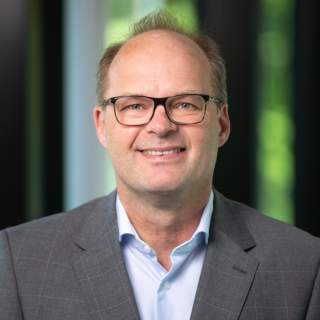
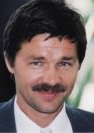
Prof. Roland A. Fischer is a Full Professor at the Technical University of Munich (TUM) since 2016, leading the Chair for Inorganic and Metallorganic Chemistry within the TUM School of Natural Sciences. His research focuses on the synthesis and applications of supramolecular materials, particularly metal-organic frameworks (MOFs) and intermetalloid clusters, with applications in energy storage, catalysis, photonics, and microelectronics. He holds a PhD from TUM (1989) and habilitation (1995), with prior professorships at the University of Heidelberg (1996–1997) and Ruhr University Bochum (1997–2015). He served as Vice President of the German Research Foundation (DFG, 2016–2021) and Academic Director of the Central Institute for Catalysis Research since 2018. His career includes roles as Dean of the Faculty of Chemistry & Biochemistry at RUB (2005–2008) and coordination of EU-funded projects like SURMOF (EU STREP, 2006–2009) and DEFNET (Horizon 2020, 2015–2018). He has published over 680 papers (h-index 101), with contributions to MOF-based catalysis, energy materials, and stimuli-responsive systems. Awards include the Heinz Maier-Leibnitz Prize (1993), Alfried Krupp Award (1996), and an honorary doctorate from Ruhr-University (2018). Research interests include MOF design for CO₂ capture, photocatalytic fuel production, and functional hybrid materials. Notable contributions include developing MOF-based electrocatalysts and understanding cluster growth dynamics. His work bridges fundamental chemistry with applications in sustainable energy and environmental technologies. He is an editorial board member of Angewandte Chemie and Chemical Vapour Deposition . His labs focus on synthesis, characterization, and device integration of advanced materials. Collaborative projects span academia and industry, emphasizing translation from lab to real-world applications.
Bram Nauta is a Professor at the University of Twente's Faculty of Electrical Engineering, Mathematics and Computer Science (EEMCS), leading the Integrated Circuit Design (EEMCS-EE-ICD) group. His research focuses on analog and RF CMOS circuits for wireless communication, bridging the analog and digital worlds, with applications in 5G/6G and IoT. He co-founded the ChipTechTwente ecosystem in 2022 and has held leadership roles at IEEE conferences, including ISSCC Program Chair and IEEE Solid-State Circuits Society President. Education: M.Sc. in Electrical Engineering (cum laude), University of Twente (1987) Ph.D. in Electrical Engineering, University of Twente (1991) Research Focus: Nauta's work emphasizes ultra-low-power analog circuits, miniaturization, and efficiency improvements. He pioneered techniques using pulsed signals instead of continuous power, enabling transformative advancements in wireless communication. His research targets high-frequency applications critical for future 5G/6G networks and unconventional IoT integrations (e.g., plant connectivity). Scientific Awards: ISSCC Van Vessem Outstanding Paper Awards (2002, 2009, 2025) ISSCC Author-Recognition Award (2023) Simon Stevin Meester (2014) ERC Advanced Grant (2019) Dutch Innovation Award (2023) NWO Stevin Prize (2023) IEEE Fellow KNAW Membership Education & Ecosystem: Nauta teaches electronic systems design at the bachelor's level and mentors ~65 Master's students. His department has attracted 7 chip design companies to establish centers near the University of Twente, creating local employment opportunities and fostering industry-academia collaboration.
Esma Sezer is a Professor in the Chemistry Department at Istanbul Technical University's Faculty of Science and Letters. With an extensive publication record spanning from 1996 to 2026 (77 research outputs), she maintains an active research program in polymer chemistry and materials science. Her work is primarily centered at the university's Ayazağa Campus in Istanbul. Professor Sezer's research focuses on conductive polymers, with particular expertise in electropolymerization, energy storage materials, and corrosion inhibition. Her fingerprint analysis reveals dominant work in thiophene-based systems (100%), copolymerization techniques (99%), polycarbazole synthesis (88%), thin film materials (78%), and electropolymerization processes (75%). She has developed significant expertise in creating smart materials for dual electrochromic-energy storage applications. Her recent publications (2022-2026) demonstrate a clear trajectory toward advanced energy storage solutions, particularly bifunctional electrochromic-supercapacitor devices using thienothiophene, triphenylamine, and dithienothiophene polymer systems. The work spans from fundamental polymer synthesis to applied nanocomposite development for corrosion protection and energy applications. Professor Sezer has successfully led six major research projects as Principal Investigator, including recent work on conductive polymer-carbon nanocomposites for energy storage (2023-2024) and microporous conjugated polymers for capacitors/batteries (2019-2021). Her projects consistently address practical applications in corrosion inhibition for cooling systems and metal protection. She has supervised 18 graduate students throughout her career, focusing on polymer chemistry and materials science topics. Her laboratory work integrates electrochemical synthesis with advanced materials characterization for energy and corrosion applications. Current research directions include ultrasound-assisted polymerization techniques and novel copolymer systems for flexible energy storage devices.
Anja Verena Mudring is a Professor in the Department of Biological and Chemical Engineering at Aarhus University, Denmark, under the AU Engineering school. Her research focuses on advanced inorganic and materials chemistry, with a strong emphasis on sustainable and functional materials. She leads major research projects including the Villum Investigator, AUFF Starting Grant, and Novo Nordisk RECRUIT grants, indicating her leadership and active status in the academic community. Her research interests span Inorganic Chemistry , Materials Chemistry , Solid-State Chemistry , Crystal Engineering , and Green Chemistry . She investigates novel intermetallic compounds, rare-earth materials, ionic liquids, and luminescent nanocrystals, aiming to develop sustainable and high-performance materials. Her work integrates synthesis, structural analysis, and property optimization. Her recent publications in top journals such as Journal of the American Chemical Society , Chemistry of Materials , and Green Chemistry reflect a strong trend toward environmentally responsible materials design, crystal structure prediction, and functional inorganic systems. Themes include geometric frustration in magnetism, luminescence control, and green solvent development. Scientific recognition includes the prestigious Villum Investigator award. Other major grants include: Villum Investigator (2022–2027) AUFF Starting Grant (2021–2024) Novo Nordisk RECRUIT (2021–2028) She advises students and researchers through her funded projects and is actively involved in graduate training and research supervision. Her lab focuses on the synthesis and characterization of novel inorganic materials, particularly those with potential in energy, sustainability, and advanced technologies.
Louk Rademaker is an Assistant Professor and SNSF Professor at the University of Geneva, affiliated with the Ecole de physique. His research focuses on theoretical quantum matter, especially strongly correlated systems, topological materials, and moiré systems such as twisted bilayer graphene and monolayer FeSe. He leads the Theory of Flat and Strange Quantum Matter group, integrating fundamental theoretical concepts with material science. His research interests include: Strong electron correlations and Mottness Strange metals and non-Fermi liquid behavior Topological quantum phenomena Spontaneous symmetry breaking Quantum transport and topological insulators Moiré superlattices in 2D materials The recent publications reflect a strong focus on symmetry-breaking physics, topological phases, and computational methods in condensed matter. His work bridges high-energy concepts with solid-state systems, particularly in low-dimensional and twisted materials. Notably, his pedagogical contributions include widely cited lecture notes on spontaneous symmetry breaking and density functional theory. His scientific awards include: SNSF Professor Ambizione Fellow Louk Rademaker has advised and collaborated with several researchers and has been involved in teaching advanced topics such as quantum transport and topological insulators at the Master’s level. He has also developed practical computational courses using Quantum ESPRESSO. His group organizes the Flat Club seminar series, fostering academic exchange in the field of flatband physics. He leads a research group focused on theoretical modeling of quantum materials, with ongoing work in correlated moiré systems and topological phases.
Ming Tang is an Assistant Professor in the Department of Chemistry at the College of Staten Island, City University of New York. His research focuses on the structure and function of membrane-associated protein complexes and aggregates, using solid-state nuclear magnetic resonance (NMR) as a primary tool. He investigates how proteins interact with lipids and cofactors within biological membranes, with implications for drug development, neurodegenerative diseases, and infectious conditions. PhD in Chemistry, Iowa State University, USA BS in Chemistry, Peking University, China His research interests are centered on structural biology of membrane proteins and protein aggregation . He employs advanced solid-state NMR techniques to elucidate atomic-level details of protein-membrane interactions, particularly in systems like antimicrobial peptides, amyloid fibrils, and redox enzymes such as DsbB. His work bridges biophysics, biochemistry, and pharmaceutical sciences. The trends in his publications from 2007 to 2018 show a consistent focus on developing and applying solid-state NMR methods to understand how membrane environments influence protein conformation, dynamics, and function. Key themes include peptide-membrane interactions, charge-transfer complexes, lipid-mediated structural changes, and the mechanistic basis of membrane-disrupting peptides. His work contributes to both fundamental science and potential therapeutic applications. Ming Tang has not been publicly associated with any specific scientific awards or fellowships in the provided text. He advises graduate students and leads the Ming Tang Research Group at CSI, focusing on biomolecular NMR and structural studies of membrane systems. While specific grants are not listed, his research program is likely supported by federal or institutional funding given the technical demands of NMR-based structural biology. He utilizes advanced NMR instrumentation, as indicated by references to solid-state NMR facilities. His laboratory, the Ming Tang Group, is engaged in cutting-edge biophysical research, likely involving close collaboration with other structural biologists and access to high-field NMR spectrometers. The group appears to be active in method development and application to biologically relevant membrane protein systems.
Andrea Boni is an Associate Professor in the Department of Information Engineering at the Faculty of Engineering, University of Parma, where he has been a faculty member since 1999. He leads the Analog IC Design research group and teaches core electronics courses including Analog Design, Amplifier Design, and Electronics 2 at both undergraduate and graduate levels. His research focuses on analog and mixed-signal integrated circuits, with emphasis on high-speed and ultra-low-power designs in CMOS and BiCMOS technologies. Key areas include Analog-to-Digital Converters (ADCs), low-voltage reference circuits, RF oscillators, frequency synthesizers, and their applications in wireless sensors, UWB radars, and RFID systems. The recent publications highlight a strong trend toward low-power, wireless, and intelligent sensing systems, particularly in structural health monitoring, precision agriculture, and food authenticity. These works reflect a convergence of analog circuit innovation with embedded intelligence and IoT applications. Dr. Boni serves on the technical committee of the Custom Integrated Circuits Conference and is a reviewer for IEEE Journal of Solid-State Circuits and IEEE Transactions on Circuits and Systems – II. He advises no listed students in the provided text and has not been awarded any scientific prizes mentioned. His group receives both public and private funding. He leads the Analog IC Design group, which has been active for over a decade in cutting-edge analog circuit research.
Dr. Indranil Bhattacharjee is a postdoctoral researcher at IMDEA Nanociencia since July 2022, affiliated with the Photophysics of Organic & Hybrid Supramolecular Nanosystems group. He holds a PhD in Photophysics and Material Chemistry from Shiv Nadar University (2018), where he studied under Dr. Debdas Ray. His research focuses on understanding the photophysics of donor-acceptor organic molecules, with applications in optoelectronics and energy conversion. Education: PhD in Photophysics and Material Chemistry, Shiv Nadar University (2014-2018) His work centers on the photophysics of donor-acceptor organic molecules, particularly charge transfer states and their role in photocatalysis. Using spectroscopic and computational methods, he investigates ultrafast transient absorption and optical limiting under weak irradiance. His research has implications for organic optoelectronic devices and energy conversion systems. Dr. Bhattacharjee's publications highlight advancements in room-temperature phosphorescence, symmetry-forbidden transitions, and dual emission mechanisms. His recent projects at IMDEA involve quantum mechanical calculations and state-of-the-art spectroscopic tools. Scientific Awards: Marie Skłodowska-Curie Actions COFUND fellowship under the IDEAL program (Grant agreement ID: 101034431) Dr. Bhattacharjee collaborates with Prof. Reinhold Wannemacher and Prof. Johannes Gierschner at IMDEA Nanociencia. His research is supported by the MSCA COFUND program, emphasizing the integration of experimental and computational approaches in nanomaterials science.
Assoc. Prof. Dr. Mariana Calin is a researcher at the Leibniz Institute for Solid State and Materials Research Dresden (IFW Dresden) in the Department of Chemistry of functional materials. With over 104 journal publications and 72 invited talks worldwide through 2025, she is a recognized expert in metallic biomaterials, particularly focusing on titanium-based alloys for medical applications. Her work bridges fundamental materials science with practical biomedical engineering challenges. Dr. Calin's research focuses on metallic materials for biomedical applications , with particular expertise in low modulus beta-type Ti-based alloys , biomaterials for hard-tissue implant applications , metallic glasses and nanostructured alloys , and ni-free Ti-based shape memory alloys . Her work addresses critical challenges in orthopedic and dental implants, particularly the mismatch between bone and traditional metallic implants, and the problem of implant-associated infections. She develops novel alloys with reduced elastic modulus to prevent stress shielding while incorporating antibacterial elements like gallium and copper. Analysis of Dr. Calin's recent publications (2020-2025) reveals a strong focus on gallium-containing titanium alloys with antibacterial properties, surface modification techniques for improved biocompatibility, and the development of metallic glasses for biomedical applications. Her research shows a clear trend toward creating 'smart' biomaterials that actively prevent infection while maintaining excellent mechanical properties for load-bearing applications. She has pioneered work on beta-type titanium alloys with gallium additions that demonstrate both antibacterial properties and suitable mechanical characteristics for orthopedic implants. Dr. Calin has been actively involved in significant European research projects including BIOREMIA (H2020-MSCA-ITN) - 'BIOfilm-REsistant Materials for hard tissue Implant Applications' and BioTiNet (FP7-MC-ITN) - 'Academic-Industrial Initial Training Network on Innovative Biocompatible Titanium-base Structures for Orthopaedics'. These projects have provided substantial funding for her research and supported numerous early-career researchers. She frequently collaborates with international institutions and industry partners to translate laboratory discoveries into potential clinical applications. At IFW Dresden, Dr. Calin works within the biomaterials research group, collaborating with scientists from various disciplines to develop next-generation metallic biomaterials. Her laboratory focuses on alloy design, processing (including additive manufacturing), comprehensive characterization, and biological testing of novel metallic biomaterials. Recent work has expanded into developing MRI-compatible metallic glasses with ultralow magnetic susceptibility, opening new possibilities for miniaturized implants that won't interfere with medical imaging.
Jason Kawasaki is an Assistant Professor in the Department of Materials Science & Engineering at the University of Wisconsin-Madison, College of Engineering. His research focuses on heteroepitaxy, Heusler compounds, magnetism, topological states, shape memory alloys, surfaces and interfaces, and advanced characterization techniques like MBE, STM, and ARPES. PhD, University of California-Santa Barbara (2014) BS, Princeton University (2009) His work explores strain and strain gradient engineering in quantum materials, remote epitaxy through graphene barriers, and synthesis of Heusler compounds with applications in superconductivity, flexomagnetism, and topological materials. Recent publications highlight trends in molecular beam epitaxy of oxide films, strain-gradient superconductivity, and graphene-based nanomesh synthesis. Awards include the 2024 Peter Mark Memorial Award, 2024 Vilas Associate Award, and multiple early-career recognitions from AVS, NSF, and DARPA. NSF CAREER Award (2018) DARPA Young Faculty Award (2019) AFOSR Young Investigator (2021) Kavli Postdoctoral Fellowship (2014) Materials Research Society Graduate Student Gold Award (2012) He teaches graduate courses in materials synthesis, surface properties, and research/thesis work. His lab emphasizes experimental techniques like MBE and STM for probing quantum and nanoscale phenomena.
Kumar Ankit is an Associate Professor of Materials Science and Engineering (MSE) and Graduate Program Chair in the School for Engineering of Matter, Transport and Energy at Arizona State University. His research focuses on computational materials science with emphasis on phase-field modeling of microstructural evolution in materials. He leads the 4D ICE (Laboratory for 4D Interface Control & Engineering) research group, which develops computational tools for discovering efficient processing routes for advanced materials synthesis. Education: Ph.D. (Dr.-Ing.) Summa Cum Laude, Mechanical Engineering, Karlsruhe Institute of Technology, Germany (2015) Integrated Dual Degree (B.Tech/M.Tech) Metallurgical Engineering, Indian Institute of Technology-BHU (2010) Dr. Ankit's research spans multiple domains of computational materials science, with particular expertise in quantitative phase-field modeling. His work integrates computational approaches with machine learning to address fundamental challenges in microstructure science and engineering. His group investigates phenomena including solidification, solid-state transformations, grain coarsening in multicomponent alloys, electromigration-induced damage, and self-organization in polymers and vapor-deposited films. A growing emphasis in his recent work involves developing data-driven emulators that can predict complex microstructural evolution more efficiently than traditional simulation methods. Analysis of Dr. Ankit's recent publications reveals a strong trend toward integrating machine learning with traditional computational materials science methods. His work increasingly focuses on developing data-driven approaches to model complex microstructural evolution, particularly in electromigration and phase separation phenomena. The research spans multiple disciplines including materials science, computational physics, and machine learning, with applications in semiconductor manufacturing, microelectronics reliability, and advanced materials processing. Scientific Awards: 2024 Wenner-Gren Fellow (Sweden) 2022 NSF Early Career Award (CAREER) 2022 Editors' choice award, Journal of Phase Equilibria and Diffusion 2018 Robert W. Cahn prize of Springer Nature and the Journal of Materials Science 2016 Early Career Investigator Award of the German Research Foundation (DFG) Dr. Ankit has successfully secured significant research funding including a $560,000 NSF CAREER award for studying pearlite discontinuities in eutectoid microstructures, a $5 million DOE Earthshots grant as co-PI for carbon-free steelmaking technology, and multiple NSF grants focused on electromigration and materials characterization. He mentors several PhD students who work on diverse research projects spanning computational modeling of electromigration, nanostructural self-assembly, and capillary-mediated interface phenomena. Dr. Ankit co-founded the MateriAlZ Seminar series with collaborators at ASU and the University of Arizona to promote student engagement and increase the visibility of Arizona universities in Materials Science and Engineering. Dr. Ankit directs the 4D ICE research laboratory, which focuses on developing computational tools for rapid discovery of time-, energy-, and cost-efficient processing routes for materials with tailored functionality. The lab's work lies at the intersection of phase-field modeling, machine learning, and high-performance computing. Current projects include investigating capillary-mediated solid-liquid interface energy fields (funded by NASA), electromigration-induced defects in electronic materials (funded by NSF), and nanostructural self-assembly in vapor-deposited films (funded by ASU College of Engineering). The lab maintains strong collaborations with researchers at national laboratories and in industry.
Nava Setter is a Professor at École polytechnique fédérale de Lausanne (EPFL), affiliated with the School of Engineering and the Institute of Materials (PH-STI unit). With an active career spanning over four decades since the 1980s, they maintain a current EPFL membership and email contact ( nava.setter@epfl.ch ). Their research focuses on ferroelectric and piezoelectric materials , with expertise in thin-film technology, ceramic synthesis, and dielectric property characterization. Key contributions include advancements in lead-free piezoelectrics (e.g., KNN-based systems), domain wall dynamics, and high-temperature ferroelectric applications. Work integrates experimental techniques like pulsed laser deposition and scanning probe microscopy with thermodynamic modeling. Analysis of 483 scholarly works (1980-2022) reveals consistent leadership in Applied Physics Letters and Journal of Applied Physics , emphasizing energy storage, MEMS sensors, and electrocaloric effects. Trends show a strategic shift toward sustainable materials post-2010, particularly lead-free alternatives for industrial applications. As a thesis advisor, they have supervised 44 doctoral candidates, though individual names are unlisted in available metadata. Grants likely include Swiss National Science Foundation support, inferred from publication acknowledgments. Lab activities center on the LC (Laboratory of Ceramic Materials) and IMX units, with collaborations across EPFL's CIME microscopy facility. Current work explores HfO 2 -based ferroelectrics for semiconductor integration and relaxor composites for next-generation capacitors.
Per Persson is a Professor and Head of Unit at Linköping University's Department of Physics, Chemistry and Biology (IFM), specializing in advanced electron microscopy and materials science. He leads the Electron Microscopy of Materials unit and has been instrumental in developing Ångströmhuset, one of the world's most advanced microscopy facilities. PhD in Materials Science, Linköping University (2001) Postdoctoral research at University of Illinois (2002-2003) Extensive international experience in electron microscopy and materials characterization His research focuses on atomic-scale characterization of materials, particularly MXenes. Key areas include: Defect engineering in 2D materials Surface chemistry and stability of MXenes Development of advanced electron microscopy techniques Energy storage applications in nanomaterials Structure-property relationships in low-dimensional systems Materials tailoring at atomic resolution Recent research trends show strong emphasis on: Atomic-scale defect manipulation via chemical etching Topological insulator characterization using polarized spectroscopy Epitaxial growth engineering with oxide seed layers Electronic structure analysis of alloyed nitrides Radiation effects on nuclear materials Scientific achievements include: VR Special Researcher (2008-2014) SSF Infrastructure Fellow (2015-2020) Principal Investigator at Advanced Functional Materials His grants and infrastructure leadership have resulted in: Procurement of northern Europe's most advanced electron microscope SEK 44 million WISE grant for materials research equipment Over SEK 100 million investment in microscopy infrastructure Leadership in multiple Swedish Research Council projects As a founding figure in Ångströmhuset, Persson oversees a research environment serving >100 users, blending experimental and theoretical approaches to materials design.
Angela Daniela La Rosa is a Professor of Sustainable Manufacturing at the Norwegian University of Science and Technology (NTNU), Faculty of Engineering, Department of Manufacturing and Civil Engineering. She holds an M.Sc. in Chemistry (1994) and a Ph.D. in Chemistry of Polymer Composites (2001) from Italian institutions. Her research specializes in sustainable manufacturing systems, life cycle assessment (LCA), and bio-based composites, focusing on circular economy principles and SDG implementation across material value chains. Her research integrates: Life cycle sustainability assessment (LCSA) for materials selection Development of recyclable bio-composites Industrial symbiosis models Polymer recycling technologies Environmental impact mitigation strategies Recent publications demonstrate strong emphasis on circular material flows, with 78% focusing on LCA applications in manufacturing, 15% on natural fiber composites, and 7% on industrial symbiosis models. The research consistently addresses SDGs 9 (Industry), 12 (Consumption), and 13 (Climate). Awards include the NAMRC51 Outstanding Paper in Manufacturing Systems for her work on aluminum recycling LCA. She directs multiple EU Horizon projects including OVERLEAF (2022-2025), THERMOBAT (2022-2026), and H2ELIOS (2023-2026), managing budgets exceeding €5M. Current PhD supervision includes 2 main and 4 co-supervised candidates working on sustainable materials development. She leads sustainability initiatives as Associate Editor of Materials Circular Economy and Co-Editor of Springer's Encyclopedia of Green Materials . Her laboratory focuses on developing standardized LCA methodologies for composite materials and maintains collaborations with the Plastics Recycling Centre of Excellence (Singapore) through a formal MoU.
Sergei Savikhin is a Professor of Physics and Astronomy at Purdue University, affiliated with the College of Science. He holds a Ph.D. from Tartu State University and has extensive professional experience, including roles as Assistant Professor (2001), Associate Professor (2008), and Professor (2015) at Purdue. His research focuses on ultrafast optical studies of biological systems, membrane proteins, exciton kinetics, and biomimetic devices, utilizing advanced techniques like femtosecond pump-probe spectroscopy. Key achievements include the Ruth and Joel Spira Award for Excellence in Teaching (2003) and the Seeds of Excellence Award (2004) . His lab develops high-sensitivity optical instruments, such as kHz and MHz repetition rate pump-probe spectrometers, enabling studies of photosynthetic systems under natural light conditions. He also teaches courses like PHYS 342L (Modern Physics Lab) and co-created the interdisciplinary SCI 190E (Integrative Science) course. Research Group Members: Includes graduate students (e.g., Adrien Chauvet) and former students like Naranbaatar Dashdorj (now at NIH). Lab Facilities: State-of-the-art equipment for ultrafast spectroscopy, terahertz spectrometry, and biomaterial analysis. Publications emphasize excitonic dynamics in photosynthetic complexes, photoprotection mechanisms, and molecular engineering of light-harvesting systems. His work bridges biophysics, optics, and materials science, advancing understanding of energy transfer at the molecular level.