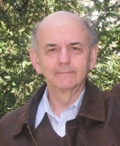
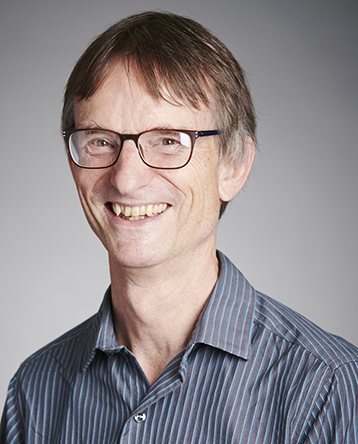
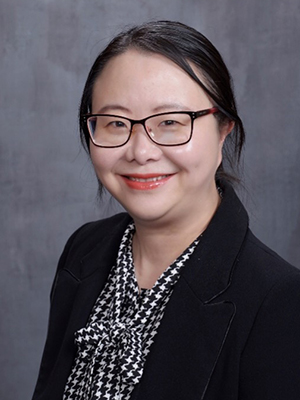
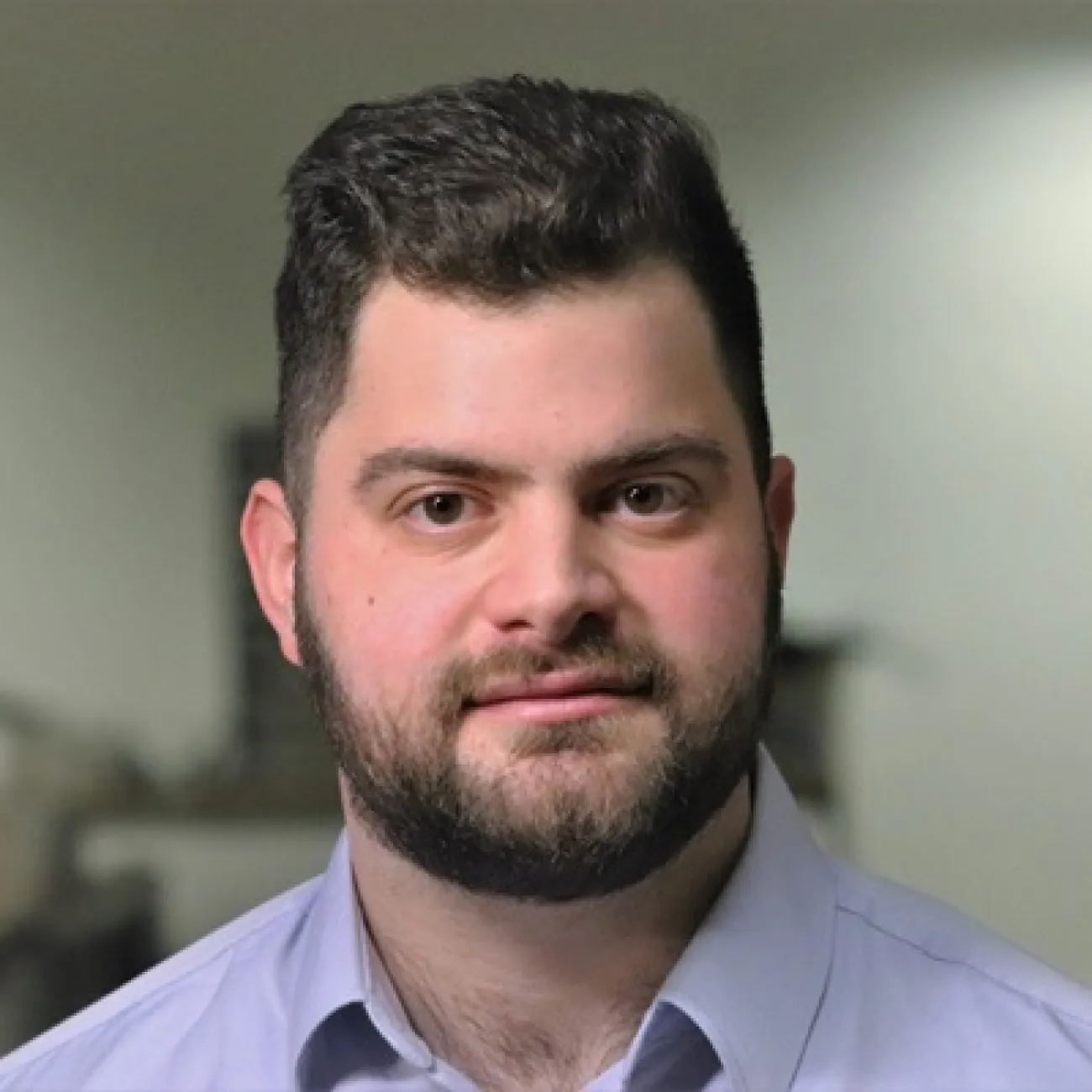
Hugo de Lasa is a Full Professor at the Department of Chemical and Biochemical Engineering, Faculty of Engineering, University of Western Ontario. He holds a Bachelor in Chemical Engineering (1968) from Universidad Nacional del Sur, Argentina, and a Doctoral degree (1971) from Université de Nancy, France. Research Focus: Catalysis, Photocatalysis, Chemical Reactor Engineering, Fluidization, Biomass Gasification Awards: Research Excellence Prize (1998), Fellow of the Chemical Institute of Canada (2000), Medal of Research and Development (2000), Doctor Honoris Causa (2004, 2018) His work spans chemical reactor design , photocatalytic hydrogen production , and fluidized bed technologies . Recent publications highlight machine learning applications in chemical equilibrium modeling and CO2 capture using microalgae. He founded the Chemical Reactor Engineering Centre (CREC) and Recat Technologies Inc. , a university spin-off commercializing reactor innovations. Awards include the Vanguard Award (2019) and Commemorative Issue in Catalysts Journal (2020). His research has generated 389 peer-reviewed publications , 14 patents , and over 10,000 citations .
Anthony Rollett is a Professor in the Department of Materials Science and Engineering at Carnegie Mellon University , where he has been a faculty member since 1995. He serves as the Principal Investigator and Co-Director of the NASA-supported Institute for Model-Based Qualification & Certification of Additive Manufacturing (IMQCAM) and co-director of the Next Manufacturing Center . Prior to CMU, he held leadership roles at Los Alamos National Laboratory (1991-1995). Education: Ph.D., Materials Engineering, Drexel University (1987) MA, Metallurgy and Materials Science, Cambridge University (1977) Research Interests: Rollett’s work focuses on microstructural evolution and microstructure-property relationships in 3D using experiments and simulations. His expertise spans additive manufacturing , metal 3D printing , materials for energy systems , grain growth , recrystallization , and stereology , with techniques like high-energy diffraction microscopy (HEDM) and dynamic x-ray radiography (DXR) . Scientific Contributions: He has over 320 peer-reviewed publications and an h-index >80 . His recent articles highlight machine learning for laser processing , fatigue analysis of additively manufactured alloys, and design optimization for heat exchangers in supercritical CO2 and solar thermal applications . Scientific Awards: Fellow of ASM International (1996) Fellow of the Institute of Physics (UK) (2004) Fellow of The Minerals, Metals & Materials Society (TMS) (2011) Cyril Stanley Smith Award (TMS, 2014) Member of Honor, French Metallurgical Society (2015) US Steel Professor (2017) Francqui International Professor (2020-2021) International FAME Award (2023) Leadership & Impact: Rollett co-led the development of a NASA Space Technology Research Institute for additive manufacturing and established a new master’s program in additive manufacturing (2018). His research group is funded by industry , federal agencies , and Pennsylvania state grants . He also serves on the Basic Energy Science Advisory Committee and Defense Programs Advisory Committee for the Department of Energy.
Justin D. Holmes is Professor of Nanochemistry in the School of Chemistry at University College Cork (UCC) and serves as a Principal Investigator at the Environmental Research Institute. He holds the position of Deputy Director at the Advanced Materials and Bioengineering Research (AMBER) centre, a Science Foundation Ireland-funded initiative that bridges academic research with industry applications. With more than 400 peer-reviewed publications in materials science, Professor Holmes has established himself as a leading figure in nanochemistry research and development. Professor Holmes' research program centers on developing chemical methods to synthesize and assemble nanostructured materials for environmental and energy applications. His work spans three primary domains: atmospheric sensors for detecting radicals and gases (RADICAL project), energy conversion through nanofluidic platforms for waste heat conversion (TRANSLATE project) and solar-to-chemical energy conversion (FreeHydroCells project), and sustainability through chemical recycling of waste plastics (AMBER project). His interdisciplinary approach integrates chemistry, materials science, and environmental engineering to address critical sustainability challenges through nanoscale innovation. Analysis of Professor Holmes' recent publications reveals a strong emphasis on sustainable materials development and energy applications. His research demonstrates consistent focus on germanium-based nanomaterials for electronics and energy storage, innovative polymer recycling techniques, and sustainable nanomaterial synthesis. The progression of his work shows increasing integration of circular economy principles, with significant contributions to plastic waste management and green chemistry approaches. Professor Holmes has received significant recognition for his contributions to science: Member of the Royal Irish Academy Fellow of the Royal Society of Chemistry His research is supported through substantial funding mechanisms, including his leadership role in the AMBER centre. Professor Holmes has successfully translated research into commercial applications through co-founding Glantreo Ltd., a UCC spin-out company. His work demonstrates a strong commitment to both fundamental scientific advancement and practical applications that address environmental challenges. Professor Holmes leads an active research group within the School of Chemistry at UCC, collaborating extensively through the Environmental Research Institute and the AMBER centre. His team maintains strong interdisciplinary connections across chemistry, materials science, and engineering disciplines, with sophisticated capabilities in nanomaterials synthesis, characterization, and application development. The research environment fosters innovation in environmental sensing, energy conversion technologies, and sustainable materials development.
Zoran Cenev holds a Tenure Track Assistant Professor position within the Mechatronics and Dynamics section of the Department of Mechanical and Production Engineering at the School of Engineering, Aarhus University. His primary institutional affiliation is with AU Engineering, and contact details include email zoran.cenev@mpe.au.dk and telephone +45 20 64 75 44, with office location Aarhus N, 5128-140. Research interests focus on interdisciplinary applications of magnetic and robotic systems: Robotic micromanipulation via electromagnetic needles Ferrofluid-based biofabrication for skeletal muscle engineering Laser-induced photothermal droplet control Theoretical modeling of particle dynamics at fluid interfaces Surface engineering for underwater metallic stability Nanostructure formation through ion bombardment His recent publications (2023-2025) reveal a dominant trend in adapting ferrofluids for biomedical automation, particularly 3D bioprinting of magnetically responsive tissues and droplet manipulation on engineered surfaces. This work bridges mechanical engineering with regenerative medicine, emphasizing practical implementations of theoretical models for microscale precision. Scientific awards are not documented in the provided information. As a faculty member, Dr. Cenev likely mentors graduate students and pursues research grants, though specific advisees or funding details are absent. Departmental laboratories and workshops support his experimental work in mechatronics, with emphasis on magnetic manipulation systems and surface characterization.
Henry Liang, Ph.D., is a Professor in the Department of Cell Physiology and Molecular Biophysics at Texas Tech University Health Sciences Center (TTUHSC), with adjunct appointments in Chemical Engineering and Chemistry at Texas Tech University. His lab focuses on bridging biology with synthetic systems through membrane biophysics and bioengineering. Research Interests: Dr. Liang's work spans membrane protein reconstitution, nanodisc technology, antimicrobial nanoparticles, blood-brain barrier targeting, and immunotherapy platforms. Key areas include: Design of synthetic proteomembranes for protein function studies Development of environmentally responsive nanoantibiotics Nanoparticle-based theranostic systems for cancer Light-driven energy transduction in biohybrid materials Publication Trends: His 15 most recent articles (2011-2023) demonstrate consistent focus on nanotechnology solutions for biomedical challenges, with evolving emphasis on antimicrobial nanostructures (35%), membrane protein platforms (30%), cancer nanomedicine (20%), and sustainable nanomaterials (15%). Methodological strengths include polymer synthesis, X-ray scattering, and biomimetic system design. Training: The Liang Lab actively recruits graduate students and postdoctoral researchers for projects in membrane biophysics and bioengineering. Current research infrastructure includes capabilities for synchrotron small-angle X-ray scattering, molecular dynamics simulations, and nanomaterial characterization.
Kaka Ma is an Associate Professor in the Department of Materials Science & Engineering at Texas A&M University, specializing in advanced materials processing for energy systems and extreme environments through powder-based synthesis, additive manufacturing, and sintering technologies. Educational Background: Ph.D. in Materials Science and Engineering, University of California, Davis (2010) B.S. in Materials Science and Engineering, University of Science and Technology of China (2006) His research focuses on powder-based synthesis of metals/ceramics, laser directed energy deposition, field-assisted sintering technology (FAST), thermionic/thermoelectric energy conversion materials, and ultrahigh-temperature/hypersonic environment applications, with strong emphasis on sustainability in materials engineering. Recent publications demonstrate expertise in creating functionally graded materials via controlled thermal gradients and powder morphology optimization. Analysis of 2021-2025 publications reveals dominant trends in spark plasma sintering parameter optimization, additive manufacturing of titanium alloys, high-entropy carbide development, and nanoparticle synthesis for energy applications, consistently linking processing parameters to microstructure-property relationships in extreme-condition materials. Scientific Awards: TMS Light Metals/Extraction & Processing Subject Award – Recycling (2020) Professional memberships include The Minerals, Metals and Materials Society (TMS) and America Makes. While specific advising details and grant information are not documented in the provided materials, his extensive collaborative publication record indicates active mentorship of graduate researchers and successful acquisition of research funding. No dedicated laboratory facilities or research team structures are specified in the source documentation.
Professor Andrew Doherty is a prominent academic in the Faculty of Science at the University of Sydney, specializing in quantum information science and quantum computing. His research focuses on quantum error correction, quantum control, and foundational aspects of quantum mechanics, particularly involving quantum trajectories and entanglement. He leads projects within the Sydney Nanoscience Hub (SNH), contributing to advancements in superconducting qubits and topological codes. His work bridges theoretical and experimental quantum physics, with grants including the 'Quantum and Advanced Technologies' project (2024) and the ARC Training Centre for Future Leaders in Quantum Computing (2023). His publications emphasize scalable error suppression, photonic qubit systems, and code concatenation strategies, reflecting a commitment to both fundamental science and applied quantum technologies. Research Themes: Quantum error correction, quantum measurement theory, topological codes, and superconducting circuits. Key Collaborations: Involvement with international teams in quantum computing and nanoscience. Labs/Teams: Active member of the Sydney Nanoscience Hub (SNH). Professor Doherty's contributions span over 100 articles, with recent work addressing noise-aware decoding and Gottesman-Kitaev-Preskill (GKP) states. His research aims to advance fault-tolerant quantum computing and deepen understanding of quantum correlations.
Paul Erhart is a Professor in Condensed Matter and Materials Theory at the Department of Physics, Chalmers University. He received his PhD from Technische Universität Darmstadt in 2006, followed by postdoctoral and staff positions at Lawrence Livermore National Laboratory from 2007, before joining Chalmers in 2011. His research bridges computational physics, materials science, and machine learning to tackle fundamental problems in materials design and characterization. Dr. Erhart's research focuses on computational materials science with particular emphasis on condensed matter physics, nanomaterials, and quantum materials. His work spans from developing computational methods like machine-learned potentials (GPUMD, neuroevolution potentials) to studying fundamental phenomena in perovskites, 2D materials, thermal transport, and plasmonics. He has pioneered approaches connecting simulation with experimental techniques through correlation functions and has made significant contributions to understanding phase transitions, defect physics, and electronic structure in complex materials systems. Analysis of his recent publications reveals a strong trend toward integrating machine learning with traditional computational physics methods. His work increasingly focuses on developing and applying neuroevolution potentials to study thermal properties, phase transitions, and optical phenomena in materials. There's also a clear emphasis on connecting computational results with experimental observations, particularly in neutron scattering, Raman spectroscopy, and plasmonic sensing applications. His research spans fundamental materials physics to applied areas like hydrogen sensing and sustainable materials development. Dr. Erhart has contributed to numerous software packages essential to the computational materials science community, including WulffPack for Wulff constructions, Dynasor for extracting dynamical structure factors, calorine for neuroevolution potential models, and ICET for alloy cluster expansions. His collaborative work spans multiple institutions and disciplines, reflecting the interdisciplinary nature of modern materials research. His contributions to understanding perovskite materials, thermal transport phenomena, and plasmonic systems have established him as a leading researcher in computational materials science.
Xiaoze Pei is a Professor in the Department of Electronic & Electrical Engineering at the University of Bath, affiliated with the Institute for Advanced Automotive Propulsion Systems (IAAPS) and the Electronics Materials, Circuits & Systems Research Unit (EMaCS). His research focuses on superconductivity applications in electric systems, cryogenic power electronics, and DC network technologies for aerospace and renewable energy integration. Key projects include leading initiatives such as Towards Zero Emissions Electric Aircraft through Superconducting DC Distribution Network and HSTEA - Aerospace R&I , addressing challenges in electric propulsion, fault current limiters, and cryogenic power converters. His work contributes to UN Sustainable Development Goals related to clean energy and sustainable transport. Expertise: Superconducting fault current limiters (SFCL), DC circuit breakers, cryogenic power systems. Current roles: Principal Investigator (PI) on multiple UK and EU-funded projects. Collaborations: Extensive work with industry partners and academic institutions on electric aircraft, hydrogen control systems, and e-mobility technologies. Recent research emphasizes high-current cryogenic DC circuit breakers, superconducting air-core motors for aircraft, and topology optimization for power electronics. He actively supervises doctoral students in these areas and has published over 90 peer-reviewed articles. Labs/Teams: Leads research within EMaCS and collaborates with teams specializing in power electronics, cryogenics, and aerospace propulsion.
Anne-Sophie Chauvin is a Senior Lecturer and Researcher at École Polytechnique Fédérale de Lausanne (EPFL), School of Basic Sciences, within the Institute of Chemical Sciences and Engineering and the Supramolecular Chemistry Laboratory. She actively engages in supramolecular and inorganic chemistry, focusing on f-element (lanthanides and actinides) coordination polymers and luminescent bioprobes for biological and technological applications, including invisible inks and dye-sensitized solar cells. PhD in Bioinorganic Chemistry from University Paris V-René Descartes (thesis on Nitrile Hydratase mimetics) Postdoctoral work at University of Geneva on chiral alcohol configuration analysis Habilitation à Diriger des Recherches (HDR) from University René Descartes (2006) Her research spans Lanthanide and Actinide Chemistry , Luminescence , Coordination Polymers , Metallacages , and Photovoltaic Materials . Recent publications emphasize catalytic spiro stereocenter formation, actinide coordination polymers, and photoredox-enabled biomolecule functionalization. She has supervised PhD students including Andrei Andreichenko , Julien Andrès , Steve Comby , and Aurélien Willauer . Recognitions include Fellowship of the Royal Society of Chemistry (FRSC) and membership in the Swiss Chemical Society (SCS). Current roles include teaching General and Analytical Chemistry to first-year Pharmacy and Biology students at the University of Lausanne (UNIL), overseeing practical sessions, and serving on the EPFL School of Basic Sciences Faculty Council.
Dr. Yasir Noori is a Lecturer in the School of Electronics and Computer Science at the University of Southampton. His research focuses on 2D materials, electrochemical deposition, quantum information, and integrated photonics. He leads a team of PhD researchers and has contributed to a £1.5m EPSRC project as a Co-Investigator. Education: PhD in Integrated Photonics and Quantum Communications (2017, Lancaster University), BEng (Hons) in Electronic Engineering and Physics (2013, University of Dundee). Awards include the Dean’s Award for early career researchers and IOP Philip-Buckle Science Communication Award. Research Interests: Specializes in 2D material heterostructures, semiconductor fabrication, and quantum technologies. Active in EPSRC Peer Review College and serves as Academic Conduct Officer for his school. Publications: Over 15 peer-reviewed articles in high-impact journals like Nature Reviews Chemistry and ACS Applied Materials. Focused on electrodeposition techniques, nanofabrication, and optoelectronic device development. Awards: Multiple conference awards, including Best Poster recognitions at 2D TMDC and Optical Waveguide Theory conferences. Also holds the Three-Minutes Thesis Award from Lancaster University. Teaching: Instructs courses like Semiconductor Devices, Materials and Sensors (ELEC2230) and supervises MSc/BEng projects. Committed to fostering student research through collaborative projects. Labs & Teams: Directs a group including Shaokai Song, Hongwei Zhang, and Ismaeil Alnaab. Current opportunities available for PhD candidates interested in 2D materials and nanofabrication.
Stephen A. Boyd is a University Distinguished Professor in the Department of Plant, Soil and Microbial Sciences within Michigan State University's College of Agriculture and Natural Resources. His research spans environmental chemistry and microbiology with a focus on soil systems. His educational background includes a B.S. in Chemistry from Central Michigan University (1975), and M.S. and Ph.D. in Soil Chemistry from Purdue University (1978, 1980). Dr. Boyd's research investigates organic contaminant movement in soil, microbial/catalytic degradation mechanisms, and remediation technologies for contaminated soils/sediments. His work features innovative approaches including chemically modified clays for contaminant sorption and degradation, mechanistic studies of toxicant interactions with natural/modified clays, and development of in-situ soil modification technologies. He extensively examines biodegradation of xenobiotics (particularly PCB reductive dechlorination) and bioavailability of soil-bound contaminants to degrading bacteria. His 15 most recent publications reveal strong trends in clay-based contaminant immobilization, pharmaceutical/water pollutant interactions, dioxin chemistry, and nanomaterial applications for environmental remediation, with dominant fields being environmental chemistry, soil science, and contaminant toxicology. University Distinguished Professor (MSU, 2005) Jackson Award in Soil Science (SSSA, 2004) Highly Cited Researcher (Institute for Scientific Information, 2002) Distinguished Faculty Award (MSU, 2001) Soil Science Research Award (SSSA, 1999) Dr. Boyd has secured significant research funding including a recent $750K USDA grant (2022) for PFAS mitigation research. His laboratory focuses on clay chemistry applications for environmental remediation, with notable breakthroughs in soil cleansing technologies and biochar applications. Current work emphasizes advanced contaminant degradation pathways and practical field applications of his soil modification technologies.
Pedro Carlos De Barros Fernandes is an Associate Professor at Universidade Lusófona , Deputy Director of the 1st cycle in Biotechnology, and an integrated researcher at the Institute of Bioengineering and Biosciences (iBB-IST). He holds a PhD in Biotechnology (1999) and a Master in Biotechnology/Biochemical Engineering (1994) from Universidade Técnica de Lisboa (IST), along with a Chemical Engineering degree from IST (1989). A member of the Order of Engineers (ID 24667), he co-founded Biotrend, a Portuguese bioprocess development company. Education PhD in Biotechnology (1999), Universidade Técnica de Lisboa MSc in Biotechnology (1994), Instituto Superior Técnico BSc in Chemical Engineering (1989), Instituto Superior Técnico Research Interests span biocatalysis, enzyme immobilization for food and pharmaceutical applications, marine biotechnology, microfluidic device development for biosensing, and steroid bioconversions using mycobacterial systems. His work integrates process engineering principles with sustainable bioprocessing techniques. Publication Trends show a focus on microreactor technology, enzyme stabilization in non-conventional media, marine-derived biocatalysts, and food waste valorization. Key themes include biocatalytic process intensification, aqueous two-phase systems for biomolecule purification, and sustainable carbon sources for biopolymer production. Scientific Awards UTL/Santander Totta Scientific Award in Biological Engineering (2011) Advising has included supervision of 5 doctoral theses and over 32 master’s theses. His expertise extends to peer-reviewing scientific articles and evaluating R&D projects. Labs & Teams are associated with iBB-IST (Institute of Bioengineering and Biosciences) and BioRG (Universidade Lusófona), with contributions to the Ciência Viva program for science dissemination.
Shabaz Mohammed is an Associate Professor of Proteomics at the University of Oxford, holding joint appointments in the Departments of Chemistry and Biochemistry. Since 2020, he has served as Head of the Mechanistic Proteomics research programme at the Rosalind Franklin Institute. His research focuses on advancing proteomics technologies to study protein post-translational modifications and their roles in cellular processes, with applications in viral infections and disease mechanisms. Education: BSc in Chemistry, UMIST (now The University of Manchester), 1999 PhD in Biological Mass Spectrometry, University of Manchester, 2003 Postdoctoral Research, University of Southern Denmark (with Ole Jensen), 2005-2008 Postdoctoral Research, Utrecht University (with Albert Heck), 2008 Professor Mohammed's research centers on developing novel mass spectrometry approaches for large-scale characterization of protein post-translational modifications (PTMs). His group innovates in chromatographic techniques for single-cell proteomics, creates materials for PTM enrichment (glycosylation/phosphorylation), and applies these tools to study viral infections (SARS-CoV-2), cell cycle regulation, and signaling pathways. His work bridges chemistry, biochemistry, and cell biology to understand dynamic protein functions in health and disease. His recent publications (2023-2025) demonstrate strong emphasis on viral proteomics, particularly virus-host RNA-binding protein interactions, and innovations in mass spectrometry fragmentation techniques and chromatography. Key themes include viral remodeling of host cells, new labeling strategies for PTMs, and advancements in single-cell proteomics, with significant implications for understanding viral pathogenesis. Scientific Awards: No specific awards or fellowships were detailed in the source material. Advising and Grants: Information regarding graduate students supervised or specific research grants was not provided in the available text. As an active research group leader, Professor Mohammed likely mentors PhD students and secures competitive funding for proteomics research. Laboratories and Collaborations: Professor Mohammed leads a research group at Oxford focused on proteomics technology development. He collaborates extensively with the Ben Davis group on PTM detection materials and across the university on biochemical applications. At the Rosalind Franklin Institute, he heads the Mechanistic Proteomics programme to unravel protein functions through advanced proteomic methods.
Dr. Martin Rohde is a Professor and Group Leader at the Radiation Science & Technology department within the Faculty of Applied Sciences at Delft University of Technology (TU Delft) in the Netherlands. He leads the Transport Phenomena & Nuclear Applications research group, focusing on advanced nuclear reactor technologies, particularly molten salt reactors, and their associated transport phenomena. Professor Rohde's research interests span across several critical areas in nuclear engineering and fluid dynamics. His work primarily focuses on understanding transport phenomena in nuclear applications, with particular emphasis on molten salt reactors for sustainable and safe nuclear power generation, innovative production techniques of medical isotopes, and advanced energy storage systems like flow batteries. His research group actively investigates complex physical phenomena occurring under extreme conditions such as high pressures, high temperatures, and interactions with radioactive processes. His publication record demonstrates a strong focus on computational methods for nuclear applications, particularly the Lattice Boltzmann Method (LBM), which is used to model fluid flow, heat transfer, and phase change phenomena in nuclear systems. Recent work has concentrated on freezing and melting processes in molten salt reactors, microfluidic separation techniques for medical isotopes, and advanced modeling of flow batteries. His research shows a clear progression toward increasingly sophisticated numerical methods applied to real-world nuclear engineering challenges. Professor Rohde has secured significant funding through multiple European Commission projects including ENDURANCE, MIMOSA, and ReZilient, demonstrating the international recognition of his research. He has supervised numerous PhD and MSc students, many of whom have gone on to complete theses on topics related to molten salt reactors, microfluidics, and flow battery technology. His research group includes several technicians, post-doctoral researchers, and PhD candidates working collaboratively on cutting-edge nuclear technology. The Transport Phenomena & Nuclear Applications laboratory operates several specialized facilities including the ESPRESSO facility for measuring melting and solidification under convective boundaries, and experimental setups for studying molten salt behavior, microfluidic purification, and flow battery technology. The group maintains strong collaborations with international partners including TRIUMF (Canada), NRG, and URENCO (The Netherlands).