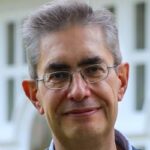
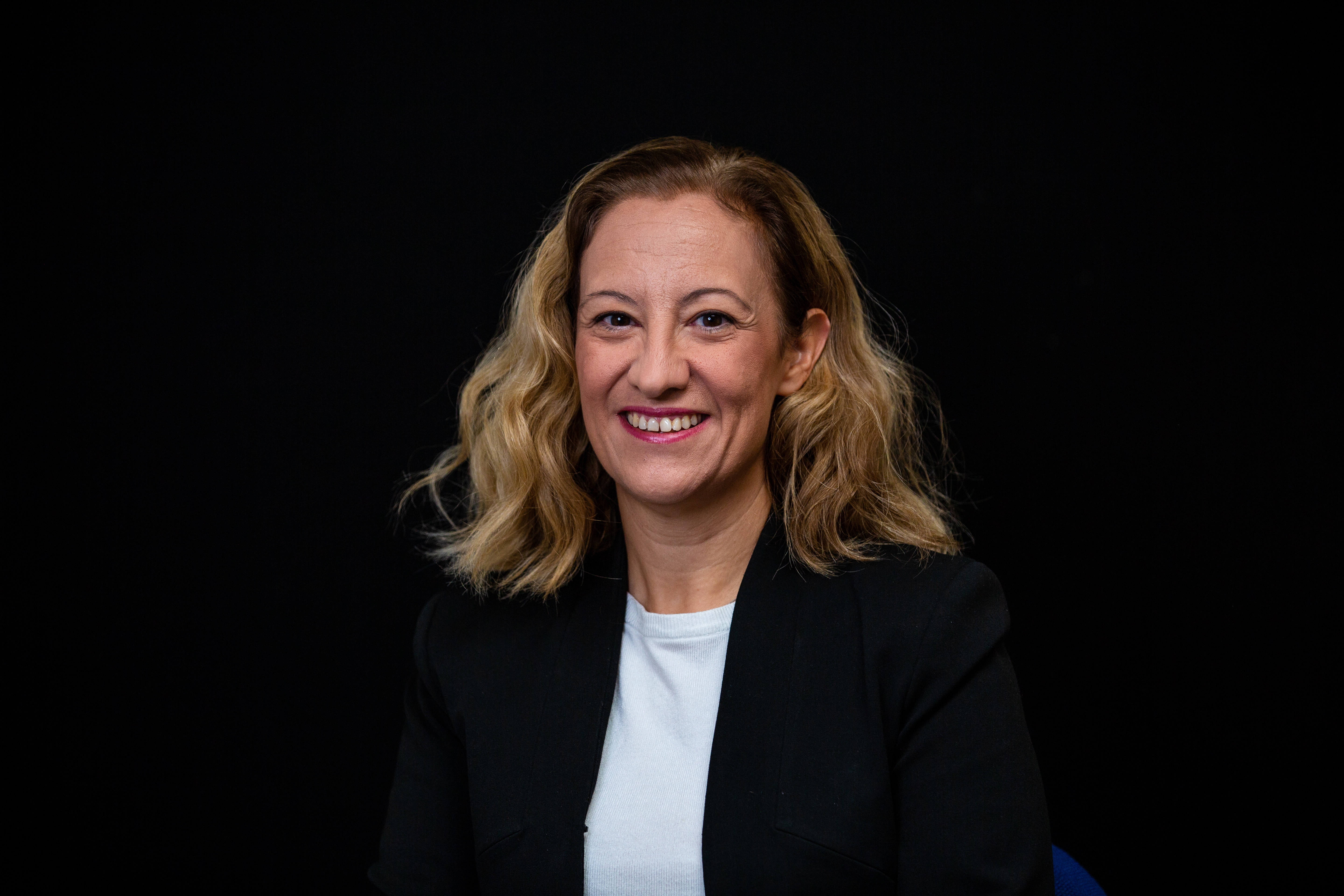
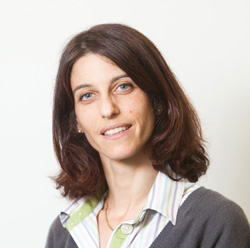
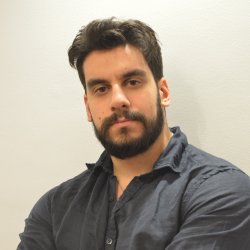
Shafiul Monir serves as Senior Lecturer in Engineering, Associate Dean (International and Partnerships), and Programme Leader for the MSc in Engineering at Wrexham University, with contact details including Room D30, phone 01978 293151, and email s.monir@wrexham.ac.uk. His academic qualifications include: BEng (Hons) in Aeronautical Mechanical Engineering from Wrexham University (2008) MSc in Aeronautical Engineering specializing in Computational Fluid Dynamics (CFD) modelling PhD in Low Carbon Research from University of Wales (awarded 2018) under Wrexham University's auspices Monir's research centers on solar photovoltaic technology development, particularly applying computational fluid dynamics to optimize thin-film deposition processes for Cadmium Telluride (CdTe) solar cells. His expertise spans atmospheric pressure metalorganic chemical vapour deposition (AP-MOCVD), thin-film uniformity challenges, and renewable energy systems engineering, with significant contributions to advancing sustainable photovoltaic manufacturing techniques. He is a core member of the Centre for Solar Energy Research (CSER), participating in the Solar Photovoltaic Academic Research Consortium (SPARC) Cymru project funded by the Lower Carbon Research Institute (LCRI). His doctoral research received support through the Knowledge Economy Skills Scholarships (KESS) program, European Social Fund (ESF), and Scanwel Ltd sponsorship.
Dr. Arvydas Ruseckas is a Research Fellow at the School of Physics and Astronomy, University of St Andrews. His research focuses on organic photovoltaics, semiconductor materials, and optoelectronic systems. Key areas include exciton dynamics in solar cells, perovskite photovoltaics, and X-ray detector technologies. He collaborates extensively on interdisciplinary projects, bridging material science with marine biology and quantum optics. Research interests span organic solar cells, energy harvesting, and semiconductor physics, with contributions to understanding charge transfer mechanisms and material optimization. He has published widely on topics such as exciton diffusion, light-harvesting in red algae, and polariton condensates in organic semiconductors. His work often involves experimental studies of thin films, photoluminescence, and device performance, with a focus on advancing sustainable energy technologies and novel optoelectronic applications.
Professor Charlotte Lemanski is a Professor of Urban Geography at the University of Cambridge's Department of Geography. Her research focuses on urban inequality in the global South, particularly through infrastructure, governance, and citizenship frameworks. She holds affiliations with the University of the Western Cape (Extraordinary Professor) and the University of Johannesburg (Senior Research Fellow). Education: BA Politics (Durham), MSc Development Management (LSE), DPhil Geography (Oxford) PG Cert in Learning and Teaching (UCL) Research interests include off-grid infrastructure transitions, infrastructural citizenship, and interdisciplinary urban studies. Her work emphasizes Southern voices in knowledge production, evidenced by her British Academy-funded initiatives mentoring early-career researchers. Notable projects include studies on energy innovation for low-income housing, governance of just urban transitions, and hybrid infrastructure configurations in African cities. She has supervised numerous postgraduate students and collaborates with NGOs, architects, and engineers globally.
Professor Emilio Artacho is a faculty member in the Department of Physics at the University of Cambridge, based at the Cavendish Laboratory. He transitioned from the Department of Earth Sciences in 2011, where he was granted a Professorship in 2006. His research focuses on computational simulations of non-equilibrium processes in condensed matter, particularly using first-principles molecular dynamics and density-functional theory. He co-developed the SIESTA program for linear-scaling electronic structure calculations, widely utilized in computational materials science. Artacho’s work spans far-from-equilibrium phenomena in irradiated matter, multiferroics, nanoconfined water systems, and surface chemistry. His contributions include studies of electronic stopping power in materials, 2D electron gas formation at ferroelectric interfaces, and the structural dynamics of water under confinement. His academic roles include adjunct positions at Ikerbasque (Nanogune, Spain) and visiting professorships at institutions like the University of California, Berkeley, and École Normale Supérieure de Lyon. Research interests are anchored in theoretical condensed matter physics, with applications to nanomaterials, radiation effects, and interfacial phenomena. His computational methods bridge quantum mechanics and classical dynamics, enabling insights into complex systems like proton-irradiated solar cells and confined water films.
Gunnar Kusch is a Senior Research Associate at the Department of Materials Science & Metallurgy, University of Cambridge. His research focuses on defects in semiconductors, porous AlGaN materials, and advanced characterization techniques like cathodoluminescence (CL) and atom probe tomography (APT). He holds a PhD from the University of Strathclyde and leads projects on UV-B LED optimization, nanoscale defect behavior analysis, and semiconductor device design. His work bridges materials synthesis, characterization, and device performance, with applications in energy-efficient lighting and solar cell technology. Key research areas include: Defect engineering in III-nitride semiconductors Porous AlGaN templates for high-efficiency UV emitters Correlative microscopy techniques (CL, EBSD, APT) Composition-structure-property relationships in photovoltaic materials Notable contributions include developing CL-based methods for nanoscale defect analysis and demonstrating improved Cu(In,Ga)S₂ solar cell efficiencies through compositional engineering. His laboratory focuses on translating microscopic insights into macroscopic device improvements.
Dr. Muhammad Imran is a Reader and Lecturer in Mechanical, Biomedical & Design Engineering at Aston University, UK. He is affiliated with the Energy and Bioproducts Research Institute (EBRI) and the College of Engineering and Physical Sciences. His research focuses on energy efficiency, waste heat recovery, and low-temperature power cycles such as Organic Rankine Cycle (ORC) and Supercritical CO₂ systems. He has contributed to the commercialization of ORC systems and collaborates internationally on hybrid energy systems, solar-thermal integration, and district heating networks. Dr. Imran holds a PhD in Energy System Engineering (2016), MSc in Thermal Power Engineering (2012), and BEng in Mechanical Engineering (2009). He has held academic roles at institutions in Pakistan, South Korea, and Denmark, including a Marie Curie Fellowship at the Technical University of Denmark. His awards include the Marie Curie Fellowship (EU), Innovation Award (South Asia Triple Helix), and multiple Research Excellence Awards from South Korea. He leads funded projects on hybrid energy systems for agriculture, waste heat recovery in industries, and sustainable energy solutions in developing countries. His editorial roles include associate editorships in Frontiers in Thermal Engineering and Resources, Environment and Sustainability . He supervises PhD students in renewable energy and low-temperature thermodynamic systems, with ongoing projects on solid-state heat pumps and advanced ORC control strategies. Dr. Imran’s work bridges engineering, data science, and environmental science to address energy challenges. Notable collaborations include projects in Ethiopia, Kenya, Nigeria, and Sudan, focusing on off-grid cold storage, smart irrigation, and biomass energy systems. His research outputs include over 130 peer-reviewed articles, patents, and contributions to international conferences.
Marcos Cruz is Professor of Innovative Environments at The Bartlett School of Architecture, University College London (UCL), where he leads research in bio-integrated design. He runs Bio-ID with Dr. Brenda Parker, a multidisciplinary research platform investigating design driven by biotechnology, computation, materials, and fabrication. Previously, he served as Director of The Bartlett from 2010-2014 and founded the BiotA Lab (2014-2018). His academic career spans multiple institutions including University College London (where he ran MArch Unit 20 for 19 years), University of Westminster (2008-2010), UCLA (2010), and IAAC (2014-present). Professor Cruz holds a Licenciatura from ESAP Porto, a Masters with distinction from UCL, and a PhD from UCL (2007), sponsored by the Portuguese Foundation for Science and Technology. His doctoral research on 'Neoplasmatic Architecture' earned him the RIBA President's Research Award in 2008. He is a registered architect with both the Architects Registration Board (ARB) and the Portuguese Architecture Chamber. His primary research area is Bio-Integrated Design, which explores how biotechnology and computation can reshape our built environment in response to climate change. This work goes beyond using nature as inspiration; instead, it treats nature as the medium for a multi-layered design approach. His key research project, Poikilohydric Living Walls, investigates integrating growth systems directly on building facades using algae and mosses that can switch photosynthetic activity on and off without additional maintenance. Another significant research area is The Body in Architecture, which examines the relationship between human flesh and architectural flesh, proposing a 'thick embodied flesh' that creates truly inhabitable architectural interfaces. His recent publications demonstrate a strong progression toward integrating living systems directly into building materials and facades. The research spans from microbial to tectonic scales, with increasing focus on biomaterials, robotic fabrication, and sustainable design approaches that actively participate in urban ecosystems rather than merely responding to them. RIBA President's Research Award (2008) for 'Neoplasmatic Architecture' Multiple Best Unit awards at Bartlett Summer Show (awarded by Thom Mayne, Paul Finch, Richard Rogers, Claude Parent, and Ross Lovegrove) Work part of permanent collection at FRAC Orleans Exhibitions at Venice and São Paulo Biennales Professor Cruz has supervised numerous PhD students through UCL's Research-by-Design programme and currently directs the MArch/MSc in Bio-Integrated Design. His research has been supported by EPSRC and involves industrial partners including Laing O'Rourke, Pennine Stone Limited, and Amorim, with academic partners at UCL Biochemical Engineering, University of Coimbra, and IST Tomar. He co-founded MAM-ARCH London (formerly marcosandmarjan) in 2000, whose work has built buildings and pavilions, won international competitions including the Kunsthaus Graz, and been exhibited globally. His practice represents a significant bridge between architectural design and biological systems, positioning him at the forefront of bio-integrated architectural research.
Dr. Stirling Howieson is a Senior Lecturer in the Department of Architecture at the University of Strathclyde. His research focuses on two key areas: (1) housing and health, including asthma epidemiology, indoor air quality, and energy-efficient building design, and (2) solar energy applications such as biochar production, solar desalination, and off-grid energy solutions. He leads projects like the Sunstore Powerpan, which won the 2019 Geneva Grand Prix, and collaborates on initiatives in sub-Saharan Africa. Education: PhD in Housing and Health, University of Strathclyde (2003) MPhil in Thermal Standards, University of Strathclyde (1985) Bachelor of Architecture, Heriot-Watt University (1979) Research Interests: His work addresses the interplay between indoor environmental conditions and public health, leveraging solar technology for sustainable solutions. Key topics include asthma prevention through ventilation optimization, hygroscopic materials for energy-efficient buildings, and solar-driven biochar systems for waste management. Awards: Grand Prix and Gold Medal (Geneva Invention Exposition, 2019) Scottish Edge (2016) Advising & Grants: Supervises PhD projects on solar energy and low-carbon design. Secured grants like Innovate UK’s Energy Catalyst 8 for off-grid solar solutions. Active in measuring socio-economic impacts of solar appliances in South Africa. Labs/Teams: Engages in interdisciplinary teams developing solar thermo-electric systems and sustainable building technologies.
Prof Ineke De Moortel is a Professor in Applied Mathematics at the University of St Andrews, affiliated with the School of Mathematics and Statistics. Her research focuses on magnetohydrodynamic (MHD) waves in the solar corona, coronal seismology, and numerical modeling of solar phenomena. She has led projects funded by organizations like the Leverhulme Trust and STFC, contributing to understanding coronal heating mechanisms and wave dynamics. Prof De Moortel has supervised PhD students including Elisabeth Enerhaug and Anmol Kumar. She holds editorial roles, including at the Monthly Notices of the Royal Astronomical Society, and has received prestigious awards such as the Phillip Leverhulme Prize (2009) and the RAS Fowler Award (2010). Research Highlights: MHD wave propagation, coronal seismology, numerical simulations of solar plasma dynamics. Projects: Includes 'Joining up an Unprecedented View of our Sun' (Leverhulme Trust) and collaborations on the Multi-slit Solar Explorer (MUSE) mission. Awards: Royal Society of Edinburgh Young Academy Co-Chair (2012), Deputy Chair of UK Solar Physics Council (2013).
Professor Irem Dikmen is a leading academic in Construction Engineering and Management at the University of Reading, where she serves as School Director of Internationalisation in the Chancellor's Building. Her research integrates engineering, management, and information sciences to advance construction project risk management, particularly focusing on climate resilience, digital technologies, and social value in infrastructure systems. PhD, MSc, and BSc in Civil Engineering from Middle East Technical University Her work leverages systems thinking, artificial intelligence, and digital tools to develop decision-support frameworks for megaprojects and climate adaptation. Recent publications highlight innovations in NLP contract analysis, energy performance ontologies, and risk visualization techniques. She supervises students on topics spanning IoT lifecycle management, ESG risks, and NLP defect detection. Key collaborations include the Climate and Finance Research Cluster and Walker Institute , with contributions to digital construction technologies and sustainability risk assessment. Teaching modules include Construction Risk Management, Economics, and Business Organisation.
Caterina Ducati is a Professor of Nanomaterials at the Department of Materials Science & Metallurgy, University of Cambridge. Her research focuses on nanomaterials, their structure-property relationships, and applications in energy technologies, particularly photovoltaics, photocatalysis, and optoelectronics. Research Interests: In situ electron microscopy of nanomaterials under external stimuli (electrical, thermal, photonic), growth mechanisms of nanostructures (carbon nanotubes, semiconductor nanowires), and degradation processes in energy devices. Methodologies: Advanced characterization via HAADF STEM, TEM, and development of tools for real-time nanoscale observation. Recent publications highlight her work on perovskite solar cells, battery materials (Li, Zn, Na-ion), and ferroelectric thin films. She actively investigates degradation mechanisms in energy devices and develops novel fabrication techniques for nanocomposites. Scientific Recognition: A&B Post-doctoral Fellowship winners (institutional award) She supervises research groups utilizing the Wolfson Electron Microscopy Suite and contributes to interdisciplinary collaborations in materials for sustainability and healthcare applications.
Dimitrios Tsaoulidis is a Senior Lecturer in Chemical Engineering at the University of Surrey and an Honorary Lecturer at University College London . He holds a PhD in Chemical/Nuclear Engineering and a Diploma in Chemical Engineering. University roles: Academic Integrity Officer, Senior Personal Tutor, Disability & Neurodiversity Representative Research spans clean energy (nuclear, bio, solar), healthcare (bioprocess scalability), and manufacturing using process intensification and microfluidics . His work combines experimental investigation , CFD simulations , and scale-up optimization for multiphase reactors . Notable research trends include: 15+ publications (2012–2023) on uranium extraction , biodiesel production , and pharmaceutical microfluidics , with grants from UKRI and Innovate UK . Scientific Awards : David Newton’s Award for Sustainability (UCL) Springer Thesis Award Fellow of the Higher Education Academy (FHEA) Associate Member of the Institution of Chemical Engineers (AMIChemE) Research Collaborations : Academic : Prof Panagiota Angeli (UCL), Prof Eric Fraga (UCL), Dr Maryam Parhizkar (UCL) Industrial : UK Atomic Energy Authority, National Nuclear Laboratory, GSK, Greenergy Ltd, Armfield Dr Tsaoulidis supervises PhD students (e.g., Mustapha Hamdan, Anna Tsitouridou) and PDRA staff (e.g., Dr Jamshid Zarkesh) in projects related to solar energy systems , nuclear fuel cycles , and pharmaceutical automation .
Michael Barnes is a Tutorial Fellow in Physics and Professor of Physics at the University of Oxford. He contributes to the Department of Physics through teaching and research, with a focus on plasma behavior in magnetic fields. His work has critical applications in sustainable energy production via fusion and astrophysical systems. Professor Barnes teaches Mathematical Methods for Physicists to undergraduate students at University College and lectures on Complex Numbers and Ordinary Differential Equations . His pedagogical emphasis is on developing mathematical fluency for advanced physics topics. His research explores plasma turbulence suppression by sheared flows, particularly in magnetic confinement fusion. Key projects include the development of the TRINITY multiscale gyrokinetic transport code and studies on tokamak transport barriers. Recent publications highlight advancements in gyrokinetic simulations, collision operators, and beam diagnostics for fusion applications. Notable trends in his publications include multiscale modeling of plasma turbulence, zonal flow dynamics, and experimental comparisons for fusion devices like JET, MAST, and ITER. Subfields span from fundamental kinetic theory to applied fusion engineering.
Dr. Pier-John Sazio is a Principal Research Fellow at the University of Southampton. He is affiliated with the Smart Lasers and Special Fibres research group and has been involved in multiple research projects funded by the Engineering and Physical Sciences Research Council (EPSRC) and the United States Air Force. His work focuses on advanced materials engineering, photonics, and energy technologies, including photonic fibre technologies for solar fuels, solid-state batteries, and infrared sources. Research projects include: Roll-2-Roll (R2R) Manufacture of multilayer solid-state batteries Composite material hollow core fibres for active photonics Photonic Fibre Technologies for Solar Fuels Catalysis Zinc Selenide Fiber Infrared Sources & Isolators His research interests span photonics, materials engineering, and nanotechnology applications in energy storage and optoelectronics. He collaborates with international teams through initiatives like the Materials World Network. While no specific publications are listed here, his projects reflect contributions to cutting-edge materials and photonics research. Dr. Sazio has secured funding for over a dozen projects, demonstrating expertise in translating fundamental research into applied technologies. He is part of interdisciplinary teams addressing challenges in renewable energy, defense, and advanced manufacturing.
Dr Paul Henshall is a Senior Lecturer in Mechanical Engineering at Oxford Brookes University, affiliated with the School of Engineering, Computing and Mathematics. His work bridges advanced thermal systems, renewable energy, and mathematical modelling, with a strong focus on sustainable technologies. His research interests include: Mathematical modelling of renewable energy systems Second-life battery energy storage Thermal management of battery packs Lithium-ion cell characterization Advanced solar thermal systems Thermochemical energy storage The analysis of his recent publications (2018–2025) reveals a consistent focus on energy storage and solar thermal technologies. His work emphasizes computational modelling, experimental validation, and sustainability assessment, particularly in second-life batteries and high-efficiency solar collectors. Key themes include battery degradation prediction, thermal stress analysis, and the integration of renewable systems in buildings and industry. Professional recognitions include: Chartered Physicist (CPhys) Member of the Institute of Physics (MInstP) Fellow of the Higher Education Academy (FHEA) Member of the Institute of Physics Energy Group Committee Paul supervises MEng and PhD students, including Dr. Farhad Salek, whose thesis focused on second-life battery systems. He teaches core modules in engineering mathematics, numerical methods, and computational modelling. He is involved with the Centre for Batteries, Electric Vehicles and Electronics and the Architectural Engineering Research Group, contributing to interdisciplinary research in sustainable energy systems.