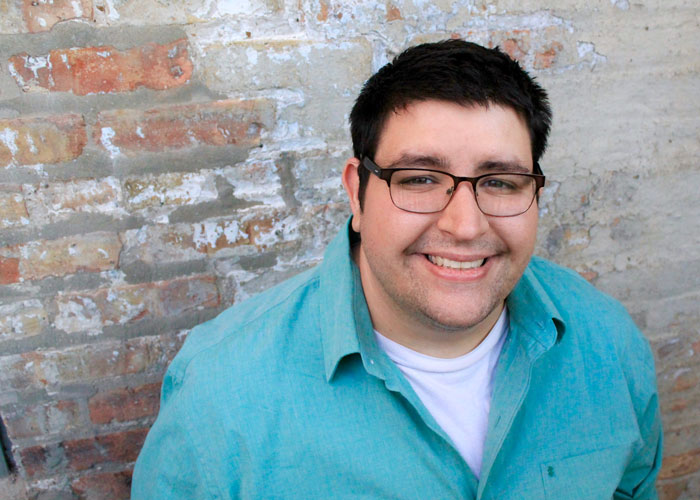
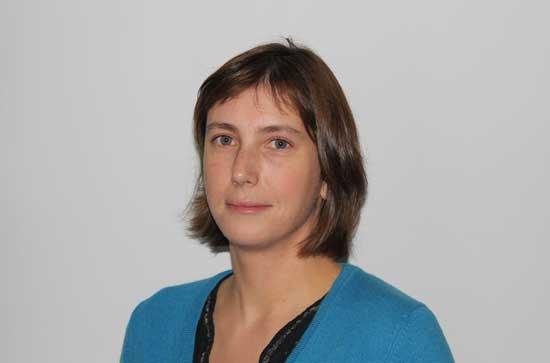
Koenraad Muylaert is a Full Professor at the Faculty of Science, KU Leuven, and head of the Biology department at KU Leuven Kulak. His research focuses on microalgae ecology and phytoplankton physiology , with applications in eutrophication studies , wastewater treatment , and biofuel production . Based in Kortrijk, Belgium, he works with international teams in Ecuador, Qatar, and Belgium. Current projects on mountain lake eutrophication and urban aquatic systems Specializes in nano-material flocculation and omega-3 fatty acid production from microalgae Research Trends from his recent articles show emphasis on: Microalgae harvesting innovations (cellulose nanocrystals, PDMAEMA polymers) Comparative processing techniques (DAF vs sedimentation, drying methods) Biotechnological applications in flavor chemistry and microbiome interactions Laboratory operates at KU Leuven's Kortrijk campus, with strong collaborations in environmental engineering and food science . His work bridges fundamental ecological research with industrial biotechnology for sustainable solutions.
Mohan Qin is an Assistant Professor in the Department of Civil and Environmental Engineering at the University of Wisconsin–Madison. Her research focuses on developing novel approaches for resource recovery from waste streams and the concentration and detection of microplastics in the Great Lakes. Dr. Qin received her educational degrees as follows: Ph.D. in Civil Engineering from Virginia Tech (2017) M.S. in Environmental Engineering from Peking University (2013) B.S. in Environmental Engineering from Shandong University (2010) Her primary research areas include: Bioelectrochemical systems for resource recovery from wastewater Environmental biotechnology for sustainable wastewater treatment Electrochemical processes for desalination and water treatment Membrane-based technology for selective ion removal Her work particularly emphasizes ammonia recovery from manure and wastewater, and the detection of microplastics in freshwater systems, contributing to sustainable water management and resource conservation. Analysis of Dr. Qin's recent publications (2022-2025) reveals a strong focus on ammonia recovery using membrane and electrochemical systems, with increasing attention to microplastics detection in lake water. Her work spans from fundamental transport mechanisms to practical applications in dairy manure treatment and Great Lakes monitoring, often integrating novel sensor technologies and renewable energy sources. Dr. Qin has received numerous awards, including: 2024 IWA Membrane Technology Specialist Group (MTSG) Rising Star Award 2024 University of Wisconsin-Madison Hilldale Undergraduate/Faculty Research Fellowship 2023 UW-Madison Media Fellow and Sustainability Fellow 2022 UW-Madison Madison Teaching and Learning Excellence (MTLE) Fellow Multiple awards during her graduate studies at Virginia Tech Dr. Qin actively mentors students through thesis and independent study courses (CIV ENGR 890, 990, 699) and has been awarded the Hilldale Fellowship for undergraduate research collaboration. Her research is supported by several fellowships including the UW-Madison Sustainability Fellow and Media Fellow, which likely fund her innovative work in resource recovery and microplastics detection. She leads a research group at UW-Madison focused on environmental biotechnology and electrochemical systems, collaborating with institutions like Yale University (where she completed her postdoc) and contributing to journals as an associate editor for Desalination and Water Treatment and on the early career editorial board of ACS ES&T Engineering.
Colby Haggerty is an Assistant Professor at the Institute for Astronomy (IfA Mānoa) at the University of Hawaiʻi at Mānoa. He specializes in computational plasma physics, focusing on magnetospheric, heliospheric, and astrophysical systems. His research emphasizes collisionless plasma shocks, magnetic reconnection, and kinetic plasma turbulence. He holds a Ph.D. in Plasma Physics from the University of Delaware (2017) and conducted postdoctoral work at the University of Chicago (2017–2021). His work bridges theory, numerical simulations, and observational data analysis using advanced computational tools like Python, C++, Fortran, and MPI/OpenMP frameworks. Research Interests: He investigates collisionless plasma shocks and energetic particle acceleration (e.g., Earth’s bow shock, coronal mass ejections), plasma instabilities, magnetic reconnection dynamics, and the role of turbulence in energy dissipation. His studies often involve hybrid and particle-in-cell (PIC) simulations to model cosmic phenomena like supernova remnants and solar wind interactions. Articles & Trends: His recent publications highlight advancements in understanding shock-drift acceleration mechanisms, the saturation of plasma instabilities (e.g., Bell instability), and scaling laws for magnetic reconnection in asymmetric and relativistic regimes. Collaborations with institutions like NASA Goddard, Columbia University, and the University of Chicago underscore his interdisciplinary approach. He has also contributed to developing Python-based plasma physics tools (e.g., PlasmaPy) for the scientific community. Grants & Impact: His CAREER award (2024) supports studies on collisionless magnetic reconnection as a heliospheric process. He emphasizes computational methods and educational outreach, reflecting his dual focus on advancing science and training future researchers. Labs & Teams: While no specific lab is named, his work relies on collaborative networks with leading institutions, leveraging state-of-the-art simulation infrastructure to tackle complex plasma problems.
Kalaichelvi Saravanamuttu is an Associate Dean in the Faculty of Science and a Professor in the Department of Chemistry and Chemical Biology at McMaster University. Her research focuses on optochemical self-organization in soft materials, nonlinear optics, and photonics, with applications in light capture, waveguide architectures, and all-optical computing. She holds a PhD in Chemistry from McGill University (2001) and conducted postdoctoral research at the University of Oxford (2001-2003). Her work combines polymer chemistry, photochemistry, and optical physics to develop functional materials like photoresponsive hydrogels and waveguide-encoded lattices. Key research themes include light-induced structural changes in soft matter, dynamic optical systems, and bio-inspired optical devices. Teaching includes courses on equity in science (SCIENCE 2AR3/4AR6) and advanced materials (CHEM 4W03). She has received funding from NSERC, the Canadian Foundation for Innovation, and the US Army Research Office. Her research group collaborates widely, with recent studies exploring electroactive hydrogels and switchable self-trapped light beams.
René A.J. Janssen is a Full Professor and University Professor at Eindhoven University of Technology (TU/e), leading the interdisciplinary Molecular Materials and Nanosystems group. His roles span departments in Chemical Engineering and Chemistry, Applied Physics, and affiliations with ICMS Core, EIRES Research, and Macromolecular and Organic Chemistry. He holds a MSc (1983) and PhD (1987) from TU/e, with postdoctoral research at UC Santa Barbara. His research focuses on functional molecular materials for solar energy applications, including organic/polymer solar cells, solar-to-fuel systems, and nanoscale material interactions. Education: MSc Chemistry and Chemical Engineering, TU/e (1983, cum laude) PhD in Physical Organic Chemistry, TU/e (1987) Research Interests: Development of materials with tailored physical properties for photovoltaics, electrochemical cells, and nanoscale systems. Key areas include polymer solar cell efficiency improvements, multi-junction solar devices, and organic semiconductors for artificial photosynthesis. Grants & Awards: ERC Advanced Grant (2023) NWO Spinoza Prize (2015) NWO Gravitation Program (€26.9M, 2012) René Descartes Prize (2000) Advising & Labs: Leads the Molecular Materials and Nanosystems group, collaborating globally on perovskite solar cells and electrocatalysts. Supervises interdisciplinary projects, including the 'Light Management for Perovskite-Silicon Tandem PV' initiative (2021–2024).
Dr. Yu Zhong is an Assistant Professor in the Department of Materials Science and Engineering at Cornell University's College of Engineering, where he leads the Yu Zhong Group. His research laboratory focuses on the design and synthesis of novel soft materials and nanomaterials for applications in electronics, energy, healthcare, and sustainability. As a principal investigator, he oversees a dynamic research team comprising postdoctoral associates, graduate students, and undergraduate researchers working on cutting-edge materials science projects. Dr. Zhong received his educational training at prestigious institutions, earning his B.S. in Chemistry from the University of Science and Technology of China (USTC) in 2011, followed by a Ph.D. in Chemistry from Columbia University in 2017 under the supervision of Prof. Colin Nuckolls. His doctoral research centered on designing contorted molecules for electronic and energy applications including organic solar cells, photodetectors, and gas sensors. He then conducted postdoctoral research at the University of Chicago in Prof. Jiwoong Park's group, where he worked on the design and synthesis of 2D polymers for ultrathin electronic circuits and energy conversion. Dr. Zhong's research program spans three primary directions: (1) the bottom-up synthesis of ultrathin nanoporous membranes using techniques like laminar assembly polymerization (LAP) for applications in water desalination, nanofiltration, and gas separation; (2) the study of transport behaviors in hybrid organic-inorganic 2D heterostructures created through layer-by-layer assembly for use in optical, electronic, and thermal management devices; and (3) the development of mixed ionic-electronic materials for bio-inspired and bioelectronic devices. His group employs advanced synthesis methods including organic/polymer synthesis, supramolecular and reticular chemistry, and 2D materials characterization to explore novel scientific phenomena and technological applications. An analysis of Dr. Zhong's recent publications reveals a strong focus on the synthesis and characterization of 2D polymers and organic-inorganic hybrid materials. His work bridges fundamental materials science with practical applications in energy conversion, electronics, and separation technologies. A notable trend is his development of innovative synthesis techniques like laminar assembly polymerization that enable precise control over material structure at the molecular level, leading to breakthroughs in areas such as lithium-ion transport, osmotic power generation, and ultra-narrowband photodetection. Dr. Zhong's scientific achievements have been recognized with several prestigious awards: Pegram Award for Meritorious Graduate Research, Columbia University (2016) Camille and Henry Dreyfus Postdoctoral Fellowship, Dreyfus Foundation (2016) Arun Guthikonda Memorial Fellowship, Columbia University (2015) Jack Miller Award for Excellence in Teaching, Columbia University (2014) As an advisor, Dr. Zhong mentors a diverse group of researchers including postdoctoral associate Qiyi Fang, multiple Ph.D. students (Yuhe Zhang, Kaushik Chivukula, William Xie), M.S. students, and undergraduate researchers. His group has secured funding for research on soft and nanomaterials, with projects spanning organic electronics, 2D materials synthesis, and biomimetic membranes. Dr. Zhong actively seeks motivated graduate students and postdoctoral fellows to join his research team, emphasizing the importance of interdisciplinary collaboration in advancing materials science. The Yu Zhong Group operates state-of-the-art laboratories in Bard Hall at Cornell University, equipped for organic synthesis, materials characterization, and device fabrication. The research team works collaboratively across disciplines, partnering with experts in physics, chemistry, and engineering to tackle complex challenges in materials science. Current projects focus on developing novel synthesis methodologies and exploring structure-property relationships in soft materials to enable next-generation electronic, energy, and healthcare technologies.
Juan-Pablo Correa-Baena is an Associate Professor at the Georgia Institute of Technology , holding the Goizueta Early Career Faculty Chair in the School of Materials Science and Engineering. He leads the Materials for Solar Energy Harvesting and Conversion research initiative at the Institute for Materials (IMat) and Strategic Energy Institute, aiming to consolidate Georgia Tech's expertise in photovoltaics and interdisciplinary energy research. Education: PhD in Environmental Engineering, University of Connecticut (2014) MS in Environmental Engineering, University of Connecticut (2011) BS in Management and Engineering for Manufacturing, University of Connecticut (2008) His research focuses on the chemistry-structure-property relationships of low-cost semiconductors for optoelectronic applications. Key areas include halide perovskites , nanoscale control , and advanced deposition/characterization techniques . He develops atomic layer deposition and synchrotron-based imaging to address metastable material behavior. Recent publications highlight innovations in dimensional control , machine learning for thermal stability , and flexible photovoltaic devices . His work integrates materials synthesis , quantum phenomena , and industrial scalability . Scientific recognition: Highly Cited Researcher (Web of Science, 2019–2021) Nature Index Leading Early Career Researcher in Materials Science (2019) NSF, DoE, and industry-funded projects Students and team: He advises 14 graduate students and postdocs, including Sanggyun Kim, Diana LaFollette, and Leonardo Josué Lugo Salas, fostering interdisciplinary collaboration through workshops and symposia.
Professor James Im serves as Professor of Materials Science in the Departments of Earth and Environmental Engineering and Applied Physics and Applied Mathematics at Columbia University, with an office at 1106 S.W. Mudd (Mail Code 4701). His academic career spans over three decades at Columbia, where he progressed from Assistant Professor (1991-1994) to Associate Professor (1995-2002), and ultimately to full Professor (2002-present), including a tenure as Chair of the Materials Science and Engineering Program (2002-2014). His educational background includes a B.S. with Distinction in Materials Science from Cornell University (1984) and a Ph.D. in Electronic Materials from MIT (1989), followed by postdoctoral research at Caltech (1989-1991). Cornell University: B.S. Materials Science (1984) MIT: Ph.D. Electronic Materials (1989) Caltech: Postdoctoral Scholar (1989-1991) Im's research centers on ultra-rapid phase transitions in beam-irradiated thin films, specifically focusing on laser crystallization of silicon films , energy-beam-induced melting and solidification , and nucleation in discontinuous phase transitions . His work employs experimental, computational, and theoretical approaches to develop innovative semiconductor materials for advanced displays, solar cells, and integrated circuits. Notably, his invention of Sequential Lateral Solidification (SLS) technology has been licensed to major display manufacturers (Samsung, LG, Sharp) and implemented in products by Apple, Blackberry, and Nokia. Current research focuses on advancing the Spot-Beam Crystallization (SBC) platform using fiber lasers for next-generation microelectronics. His publication record spans environmental aerosol studies (2019-2024), oilfield operations technology (2002-2014), and foundational atmospheric research (1980s), reflecting interdisciplinary expertise bridging materials science, environmental engineering, and petroleum technology. The most recent works emphasize low-cost sensor development and aerosol monitoring. Professional recognition includes membership in prestigious societies: Bohmisch Physical Society Sigma Xi Alpha Sigma Mu Materials Research Society American Physical Society Im's research group maintains strong industry connections through technology licensing and collaborative projects, particularly in display manufacturing. His leadership as former department chair demonstrates administrative commitment alongside scientific innovation. The laboratory leverages state-of-the-art laser systems and beam delivery optics for materials development, with recent focus shifting toward environmental monitoring applications while maintaining core semiconductor research.
Erik Bakkers is a Full Professor at Eindhoven University of Technology leading research in quantum materials and nanodevices. His group pioneers nanowire-based systems for quantum computing applications, with breakthroughs in Majorana fermion detection and topological materials. Key research directions: Quantum information carriers in semiconductor nanowires Light-emitting silicon and germanium alloys High-efficiency nanowire solar cells He directs the 'Enabling Majorana Braiding' project (2018-2028) and collaborates with IBM, Microsoft, and Philips on quantum technology development. His work has been recognized with multiple ERC grants and the NWO Vici Award.
Francine Battaglia is a Professor and Chair of the Department of Mechanical and Aerospace Engineering at the University at Buffalo, part of the School of Engineering and Applied Sciences. She directs the Advanced Simulations for Computing ENergy Transport (ASCENT) Laboratory. Her research focuses on computational fluid dynamics (CFD) applications in building energy systems, renewable energy, turbulent multiphase flows, and combustion. She holds a PhD in Mechanical Engineering from Pennsylvania State University (1997), and MS/BS degrees from SUNY Buffalo (1992, 1991). Research interests include CFD modeling for HVAC optimization, natural ventilation design, pathogen dispersion mitigation, and biomimetic aerodynamics inspired by insect flight. Her work bridges engineering, biology, and environmental science, addressing challenges in energy efficiency, public health, and sustainable architecture. Key contributions include developing predictive models for hydroplaning safety, solar chimney systems, and microbial fuel cells. She has received accolades such as the ASME Fellow distinction (2009), MAC Academic Leadership Fellowship (2019-2020), and Virginia Tech’s Teaching Excellence Award (2016). Her articles span CFD advancements in fluidization, combustion, and ventilation strategies, emphasizing practical applications in energy systems and public health. The ASCENT Lab collaborates on adaptive HVAC technologies and eco-friendly building designs, reflecting her dedication to interdisciplinary innovation. Awards: MAC Leadership Fellow, ASTFE Fellow, ASME Dedicated Service Award Education: PhD (Penn State), MS/BS (SUNY Buffalo) Labs: ASCENT Lab (focusing on CFD and energy transport)
Katarina Domijan is an Associate Professor in Statistics at the Department of Mathematics and Statistics, Maynooth University, Ireland. She holds a PhD in Statistics from Trinity College Dublin (2008) and has been affiliated with Maynooth University since 2008, transitioning from Lecturer/Assistant Professor to her current role in 2024. Her academic career includes editorial roles as Associate Editor for The R Journal (2021–present) and the Journal of Computational and Graphical Statistics (2015–2024). Research Interests focus on Bayesian methods for high-dimensional data, particularly in classification problems. She specializes in feature selection and model visualization, with applications spanning agricultural data analysis (e.g., hyperspectral imaging for lactose prediction), medical diagnostics (e.g., sepsis and cancer detection), and space physics (e.g., Saturn Kilometric Radiation classification). Her work bridges theoretical statistics with real-world challenges, including socio-economic studies and forensic science. Key Research Areas Bayesian statistical inference Machine learning for large feature spaces Statistical computing and model interpretability Data visualization and chemometrics Scientific Contributions include leading projects like VistaMilk Phase II (2024–2030, €152,300) and Measuring Carbon Sequestration (2024–2028, €174,788.90). Her 15 most recent publications highlight advancements in ensemble modeling, spatial statistics, and medical diagnostics. Scientific Awards Associate Editor, The R Journal (2021–present) Associate Editor, Journal of Computational and Graphical Statistics (2015–2024) Student Supervision includes PhD and MSc graduates such as Dr. Bruna Wundervald (2024) and Dr. Mark O’Connell (2017). She also collaborates with researchers across disciplines, including Dr. Nadim Akasheh in food hypersensitivity studies.
Paul M Thibado is a Professor in the Department of Physics within the College of Arts & Sciences at the University of Arkansas. With over 100 refereed publications and 51 patents worldwide, his work focuses on cutting-edge research in graphene physics and energy harvesting technology. He has secured over $12 million in external research funding from sources including NSF, DoD, and the Walton Foundation, with current support from the WoodNext Foundation. Education: Ph.D. in Physics, 1994, University of Pennsylvania, Philadelphia, PA B.S. in Physics, 1990, San Diego State University, San Diego, CA B.S. in Mathematics, 1990, San Diego State University, San Diego, CA Professor Thibado's primary research focuses on the physical properties of novel two-dimensional systems, particularly pristine freestanding graphene and chemically-functionalized graphene. His work investigates electronic, mechanical, electromechanical, spin-dependent tunneling, and transport properties. A significant portion of his recent research centers on developing multimodal energy harvesting technology using graphene, with power sources including kinetic, solar, thermal, ambient radiation, acoustic, and nonlinear thermal energy. His groundbreaking discovery that thermal fluctuations in graphene can be harnessed to generate usable electrical power represents a paradigm shift in nanoscale energy generation. Analysis of his recent publications (2023-2025) reveals a clear progression from fundamental studies of graphene properties to the development of functional energy harvesting devices. Key research themes include spectrum analysis of thermally driven curvature inversion in graphene ripples, transient thermal energy harvesting at single temperatures using nonlinearity, and creating arrays of graphene solar cells on silicon wafers. His work demonstrates how Brownian motion in two-dimensional materials can be converted into electrical energy through innovative device architectures. Scientific Awards: Senior Member of the National Academy of Inventors NSF CAREER Awardee ONR award recipient NSF MRSEC funding NSF FRG funding NSF MRI funding NSF REU funding NSF-EM funding NRC Post-doctoral Fellow, Naval Research Laboratory (1994-96) Master Researcher Award, Fulbright College (2014) Professor Thibado has successfully mentored numerous students and postdocs, including Dr. Vince LaBella who was elected APS Fellow for clicker development work. His research has been supported by over $12 million in external funding from diverse sources. His laboratory combines advanced scanning tunneling microscopy techniques with electrical measurements to study and harness the unique properties of two-dimensional materials. Future work appears directed toward scaling up graphene energy harvesting technology for practical applications and commercialization, with several patents recently granted for energy harvesting devices and sensors.
Kamal Al Haddad is a Lecturer in the Department of Electrical Engineering at École de technologie supérieure (ÉTS). He holds a Doctorate from INTP, Toulouse, and advanced degrees from UQTR. His research focuses on power electronics, renewable energy integration, and smart grid technologies. He leads the GREPCI research group, specializing in Power Electronics and Industrial Control. Education: B.Eng., M.Sc.A. (UQTR), Doctorate (INTP, Toulouse). Research interests span energy conversion, industrial electronics, power quality, and electromagnetic interference. He emphasizes sustainable energy solutions, electric traction systems, and high-efficiency power sources. His work includes developing advanced power electronic converters and grid stability solutions. Recent articles highlight advancements in modular converters for STATCOM, AI-driven fault detection in hydrogenerators, and renewable energy policy frameworks. He has received notable awards, including the 2014 IEEE Eugene Mittelmann Prize and Fellowships from IEEE and other institutions. Supervised over 60 students, including doctoral theses on topics like hydrogenerator diagnostics, EV charging systems, and renewable energy integration. His research also involves real-time simulation of power systems and FPGA-based implementations. Labs/Teams: GREPCI – Power Electronics and Industrial Control Research Group, leading projects on smart grids and energy efficiency.
Michael Turner is a Professor of Materials Chemistry and Director of the Organic Materials Innovation Centre (OMIC) at the University of Manchester's School of Chemistry. He holds a Chair in Materials Chemistry and leads the Knowledge Centre for Materials Chemistry (KCMC), a virtual interdisciplinary research hub. His research focuses on synthesizing conjugated molecules for applications in organic electronics, including transistors, LEDs, sensors, and solar cells. He coordinates the EPSRC-funded Organic Materials for Electronics Consortium (OME-C), involving collaborations across multiple institutions. Education: Bachelor's and PhD from the University of Bristol (organometallic chemistry with Prof. Selby Knox). Postdoctoral work in the U.S. with Prof. Harry Allcock on polyphosphazenes, followed by research at the University of Sheffield on Fischer-Tropsch reactions under Prof. Peter Maitlis. Research Interests: Synthesis of conjugated liquid crystals and polymers, organic electronics, electro-optical devices, and nanoscale fabrication. His work addresses challenges in energy, environment, and material synthesis through novel polymer architectures and functional nanoparticles. Key Projects: Principal Investigator for KCMC, advancing applied materials chemistry and knowledge transfer. Leading projects on CRISPR-Cas technology integration into organic electronics and roadside breath analysis of narcotics. Contributions to neuromorphic computing via printed electronics and bioelectronics networks. Awards: Royal Society University Research Fellowship (1993). Grants & Collaborations: Coordinates EPSRC consortia and collaborates internationally on polymer synthesis, sensor systems, and bio-inspired materials. His work aligns with UN Sustainable Development Goals, particularly energy and environmental innovation. Labs & Teams: Directs OMIC and KCMC, fostering interdisciplinary research in organic materials, device fabrication, and nanotechnology applications.
Professor Jun Huang is a faculty member in the School of Chemical and Biomolecular Engineering at the University of Sydney, where he holds the rank of Professor and is Director of the Laboratory for Catalysis Engineering. He is also a Domain Leader for Materials at the nanoscale at Sydney Nano Institute and a member of several interdisciplinary institutes, including the China Studies Centre and Sydney Institute of Agriculture. His research focuses on catalysis engineering, with an emphasis on developing sustainable processes for renewable fuels, pollutant treatment, and greenhouse gas mitigation. Huang has held prestigious awards such as the Australia Research Council Future Fellowship (2022) and the Sydney Accelerator Fellowship (2018). Education: Huang earned his PhD from the University of Stuttgart (2008) and completed postdoctoral research at Georgia Institute of Technology and ETH Zurich. He joined the University of Sydney in 2010 as a Lecturer, advancing to Senior Lecturer, Associate Professor, and Professor. Research Interests: Huang's work centers on catalyst design for green chemical processes, including biomass conversion to biofuels, wastewater treatment, and CO2 utilization. He emphasizes sustainable manufacturing and environmental impact reduction through innovative catalytic systems. Current Projects: These include catalytic transformation of hydrocarbons/CO2/biomass, nano-catalysts for renewable energy, and advanced NMR spectroscopy for catalysis analysis. Collaborative projects involve anti-cancer therapies and drug pharmacology studies. Awards: Over 15 awards, including the 2021 ACS Sustainable Chemistry & Engineering Lectureship and 2017 Vice-Chancellor’s Research Excellence Award. Teaching: Huang instructs courses such as CHNG2801 (Conservation Processes), CHNG3802 (Industrial Systems), and advanced chemical engineering topics. He supervises PhD/Master students in catalysis and sustainable engineering. Labs/Teams: Leads the Catalysis Engineering Lab and collaborates with Sydney Nano Institute on nanomaterials research.