
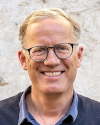
Moritz Lehmann is a Professor at the Department of Environmental Sciences , University of Basel , specializing in Aquatic and Isotope Biogeochemistry . His research spans Aquatic Biogeochemistry , Stable Isotope Geochemistry , and Microbial Ecology , with a focus on lake and marine systems. Education: PhD in Environmental Geochemistry/Stable Isotope Geochemistry from ETH Zurich (2002). Professional Roles: Full Professor (2017–present), Head of Department (2019–2023), Cox Visiting Professor at Stanford University (2018). Research Trends: Recent publications highlight his work on lake sediment priming effects , oxygen isotope calibration , nitrous oxide kinetics , and methanogenesis in oxic waters . Collaborative projects with institutions like ETH Zurich and Stanford emphasize stable isotope analysis and biogeochemical modeling . Leadership & Grants: Served on the Department Board of Directors (2017–2023) and as Dean of Research (2014–2017). Led projects funded by agencies including the Federal Office for Agriculture and Zurich Basel Plant Science Centre .
جستجوی استاد راهنمای دانشگاهی
برای مسیر پژوهشیتان، استاد راهنما، استاد دانشگاه و پژوهشگر مناسب را پیدا کنید و با آنها ارتباط بگیرید.
نمایش ۱-۱۵ از ۱۵ استاد راهنما
اطلاعات پروفایلها از صفحات عمومی دانشگاهها گرفته شده و ممکن است بهروز نباشد.
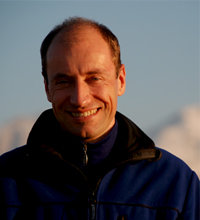
Pascal A. Niklausمشاهده پروفایل
مدرس ارشد
Pascal A. Niklaus is a Senior Lecturer and Adjunct Professor at the Department of Evolutionary Biology and Environmental Studies, University of Zurich. He leads the Global Change and Soil Ecology Group, focusing on plant-soil interactions, biogeochemical cycles, and biodiversity-ecosystem functioning relationships. His research integrates field experiments, statistical analysis, and microbial ecology to address global change impacts on ecosystems. Education: PhD in Botany, University of Basel (1997-2000) Postdoctoral positions at ETH Zurich and University of Basel National Science Foundation Postdoctoral Fellowship (2001-2002) Research Interests: His work explores how plant diversity influences ecosystem processes, particularly methane and nitrous oxide dynamics in soils. He investigates microbial community responses to environmental changes and the role of biodiversity in maintaining ecosystem resilience. His studies span terrestrial ecosystems, including forests and grasslands, using experimental approaches and advanced analytical techniques. Articles Trends: Recent work emphasizes climate impacts on tree traits, microbial diversity effects on carbon cycling, and the role of plant-soil interactions in mediating global change effects. Key themes include biodiversity-productivity relationships and the ecological consequences of species loss. Awards: No specific scientific awards listed, but recognized for editorial roles in Oecologia and Scientific Reports . Grants & Grants: Secured funding from NSF, Swiss National Science Foundation, and the Treubel Foundation. Current projects address soil ecology under global change and microbial community dynamics. Labs/Teams: Head of the Global Change and Soil Ecology Group at UZH, collaborating with international networks on biodiversity and ecosystem studies.
Prof. Christine Alewell is a Full Professor in Environmental Geosciences at the University of Basel since 2003, affiliated with the Faculty of Philosophy and Natural Sciences and the Department of Environmental Sciences. Her research focuses on soil chemistry, biogeochemical processes, and stable/radiogenic isotope applications in environmental systems. She has held visiting research positions at SUNY Syracuse (USA) and Umeå University (Sweden), supported by grants from the German Research Foundation (DFG) and DAAD. Key research areas include soil degradation, sediment source attribution, nutrient cycling in ecosystems, and the interaction between upland and wetland environments. Her work integrates field studies, isotopic analysis, and modeling to address environmental challenges such as soil erosion and climate change impacts. Awarded the prestigious 'World's 2% of Scientists' recognition (2021–2023), she has also been highlighted in Nature Communications for her global phosphorus research. Her leadership roles include chairing the Gordon Research Conference on Catchment Science (2005) and serving as vice-chair (2004). Prof. Alewell’s lab (FG Alewell) collaborates internationally on projects like the BITÖK Monitoring Program and contributions to understanding alpine and Arctic ecosystems through interdisciplinary approaches.
Prof. Dr. Rolf Krebs serves as Head of the Institute of Natural Resource Sciences at Zurich University of Applied Sciences (ZHAW) School of Life Sciences and Facility Management. His institutional affiliation includes leadership over soil and water research teams, with a current advisory role at Lucky Shrimp AG (2022-2026). Previously, he directed soil protection for Canton St. Gallen (1998-2002) and led inorganic chemistry in water/soil protection at Canton Bern (2002-2005), establishing his expertise in environmental management across Swiss cantonal and academic sectors. His educational foundation includes a PhD in Environmental Sciences (1992-1996) and Dipl.nat. ETH in Environmental Sciences (1987-1992), both from ETH Zurich. Professional development is evidenced by ZHAW certifications: CAS Management for Leaders (2016) and CAS Leadership advanced (2015), reflecting administrative specialization beyond core environmental science training. Research centers on hydrothermal carbonization (HTC) for sewage sludge valorization, with emphasis on phosphorus recovery , pathogen removal , and energy-efficient waste treatment . Complementary work explores heavy metal behavior in soils, alpine environmental processes , and soil formation dynamics over geological timescales. His HTC innovations bridge waste management with agricultural resource recovery, targeting circular economy solutions. Article trends reveal a strategic pivot toward sustainable sanitation since 2013: 10 of 15 recent publications focus on HTC applications for sewage sludge, waste whey, and fecal treatment. Key journals include Energies and Applied Sciences , highlighting interdisciplinary work combining chemical engineering, soil science, and public health. Earlier studies (2012-2010) established his legacy in heavy metal contamination and alpine soil evolution. No scientific awards, fellowships, or medals are documented in the provided text. As institute head, Krebs leads research teams but no advisees are explicitly named. His project involvement (e.g., hydrothermal carbonization for fecal waste treatment) implies grant management, though specific funding sources aren't cited. The Lucky Shrimp AG advisory role indicates industry collaboration beyond academia. The Institute of Natural Resource Sciences houses laboratories for soil chemistry, water analysis, and waste processing. His hydrothermal carbonization research utilizes industrial-scale test reactors, while historical work involved cantonal environmental monitoring teams in Bern and St. Gallen for soil protection and water quality assessment.
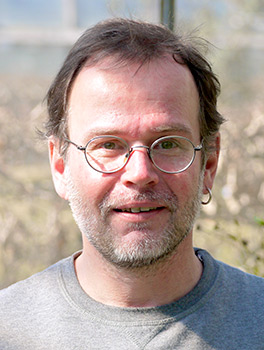
Daniel Pratiمشاهده پروفایل
پژوهشگر
Dr. Daniel Prati is a plant population biologist and postdoctoral researcher at the University of Bern's Institute of Plant Sciences, Department of Plant Ecology. His research focuses on ecological genetics, life-history evolution, and species interactions, particularly in the context of belowground interactions of non-indigenous invasive species. He is a project leader involved in the Biodiversity Exploratories initiative, studying plant diversity mechanisms and coexistence in grassland ecosystems. Combining observational and experimental approaches, his work utilizes field and common garden studies to address ecological dynamics under environmental pressures like drought and land-use changes. He is affiliated with the University of Bern, where his role emphasizes collaborative, large-scale research projects. His contributions span over 100 publications, covering topics such as biodiversity effects on ecosystem resilience, land-use impacts on plant communities, and the interplay between plant traits and environmental conditions. Research interests include understanding how biodiversity influences ecosystem functioning, particularly under extreme conditions like drought, and the role of invasive species in altering ecological interactions. His work bridges theoretical and applied ecology, informing strategies for biodiversity conservation and sustainable land management.
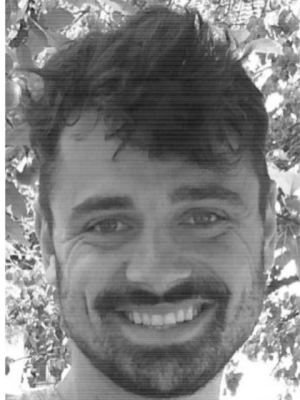
Dr. Constantin Zohner is a Lecturer at the Department of Environmental Systems Science, ETH Zürich. His research focuses on plant phenology, climate change impacts, and ecosystem responses to global environmental changes. He investigates how temperature, precipitation, and atmospheric conditions influence plant growth cycles, carbon dynamics, and species interactions across ecosystems. Affiliation: ETH Zürich, Department of Environmental Systems Science Key Research Themes: Phenological shifts in temperate and boreal forests Soil organic carbon dynamics Climate change mitigation strategies His work integrates field observations, remote sensing data, and modeling to address questions about plant adaptation to environmental stressors. Recent studies highlight the role of leaf senescence timing, phosphorus dynamics, and species composition in shaping ecosystem resilience. He collaborates on global assessments of forest restoration potential and urban tree phenology.
- Ecology
- Climate Change Biology
- Plant Phenology
- +۳ مورد دیگر
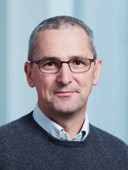
Emmanuel Frossard is a Full Professor at the Department of Environmental Systems Science at ETH Zurich, Switzerland. His research focuses on nutrient efficiency in agricultural systems, particularly phosphorus, nitrogen, zinc, and cadmium dynamics across soil-fertiliser-plant interfaces and semi-natural ecosystems. He integrates advanced techniques like isotope tracing (33P, 15N), NMR spectroscopy, ICP-MS, and molecular methods in laboratory, greenhouse, and field experiments. His work emphasizes sustainable nutrient management strategies to enhance food security while preserving soil health. As President of the Swiss National Research Program on soil (NRP 68), he drives national soil research initiatives. The group also explores nutrient cycling in agroecosystems, aquaponics, and climate-impacted environments like subarctic treelines and vineyards. Recent publications highlight his interdisciplinary approach to nutrient modeling, fertilizer efficiency, trace metal dynamics, and climate adaptation in crops like winter wheat and yams. Collaborations extend to Stanford University (2013) and institutions in West Africa, the Amazon, and Europe.
- Soil Science
- Plant Nutrition
- Agronomy
- +۴ مورد دیگر
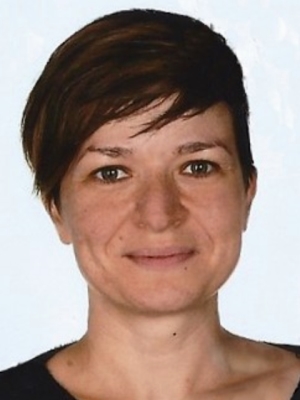
PD Dr. Federica Tamburini leads research on phosphorus biogeochemistry at ETH Zurich, developing isotopic methods to trace nutrient cycles in soil-plant systems. Her work advances sustainable agriculture through mechanistic understanding of phosphorus dynamics. Recent publications synthesize global phosphorus cycling knowledge and introduce novel tracing techniques using oxygen isotopes. Research emphasizes interactions between soil properties, microbial activity, and nutrient availability.
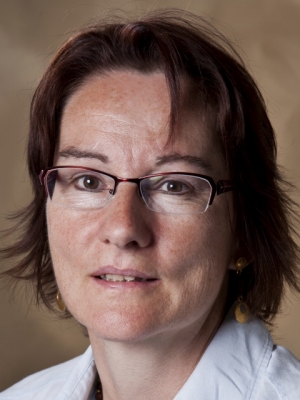
Astrid Oberson Dräyer is a Lecturer at ETH Zurich's Institute of Agricultural Sciences, specializing in phosphorus/nitrogen cycling in agroecosystems. Her research employs isotope methods to investigate nutrient dynamics, microbial functions, and sustainable fertilizer strategies. Focus areas include organic farming systems, nutrient use efficiency, and circular phosphorus economy. Research Methods: Utilizes 15N/33P labeling, soil fractionation, and microbial community analysis to track nutrient flows in soil-plant systems. Professional Engagement: Contributes to European initiatives on organic farming nutrient management and interdisciplinary phosphorus sustainability research.
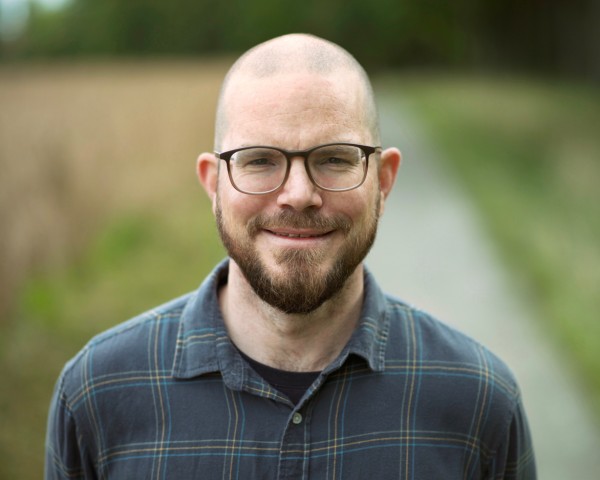
Matthias Wiggenhauser is a Lecturer at the Department of Environmental Systems Science, ETH Zurich. His research focuses on biogeochemical processes controlling trace metal (e.g., Zn, Cd) dynamics in soils and plants, with emphasis on anthropogenic impacts and isotope tracing techniques. He holds a PhD in Plant Nutrition from ETH Zurich (2014-2018) and has held postdoctoral positions at ETH Zurich and the University of Grenoble-Alpes. His work integrates experimental approaches like NanoSIMS, LA-ICP-TOFMS, and stable isotope labeling to study metal mobility, plant uptake mechanisms, and agricultural contamination risks. Research Interests Wiggenhauser investigates trace metal distribution in soil microarchitecture, cadmium translocation pathways in cacao and rice, and the impact of fertilizers on metal leaching. His studies often combine isotopic analyses with spectroscopic techniques to elucidate biogeochemical processes. Recent work addresses phloem-mediated Cd transport in seedlings and Zn isotope fractionation under microbial disturbances. Key Contributions - Quantified Cd preferential hotspots in soil using nanoscale imaging. - Demonstrated phloem-based Cd reallocation in cacao trees. - Developed in vitro fossilization for plant tissue elemental quantification. - Showed Cd leaching rates are climate-dependent but minor compared to fertilizer inputs. Grants & Collaborations Funded projects include the OMAO4Wheat initiative and collaborations with institutions like CNRS (France) and University of Bern. His work bridges environmental chemistry, plant physiology, and agricultural sustainability.
Tom Crowtherمشاهده پروفایل
استادیار
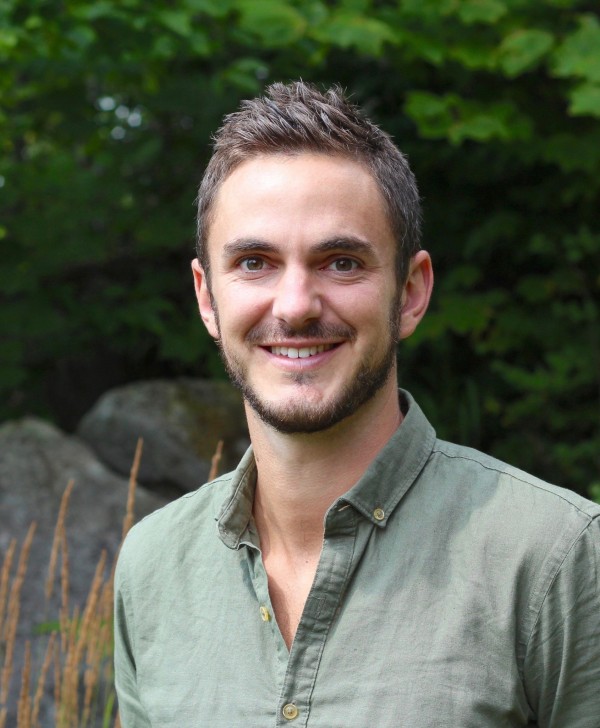
Dr. Tom Crowther is an Assistant Professor at ETH Zürich's Department of Environmental Systems Science and founder of the Crowther Lab , a multidisciplinary research group focused on global ecosystems to support local biodiversity protection and restoration. His work synthesizes theoretical, experimental, and observational approaches to understand ecological feedbacks across scales. Institution: ETH Zürich Research Focus: Biodiversity-carbon cycle interactions, soil microbial ecology, nature-based climate solutions Leadership: Co-chair of UN Decade on Ecosystem Restoration advisory board, founder of Restor platform Research interests center on ecological community formation, soil biota interactions (fungi, bacteria, nematodes), and climate change mitigation through biodiversity preservation. His group investigates critical mechanisms like carbon exchange dynamics and network dependencies in terrestrial ecosystems. Recent publications (2025-2024) reveal trends in mycorrhizal fungal ecology , forest restoration efficacy , soil carbon dynamics , and climate-vegetation interactions . Findings emphasize microbial roles in carbon sequestration, temperature thresholds for productivity, and global biodiversity hotspots. Scientific Awards: Marie Curie Fellowship, Young Global Leader (World Economic Forum) Education: PhD in Ecology (Cardiff University), Postdoc (Yale Climate and Energy Institute) Crowther's applied efforts include the Restor platform (2021), which provides ecological insights for global restoration projects, and advisory roles in the UN Decade on Ecosystem Restoration and WEF's Trillion Trees (1T.org) initiative. Research outputs demonstrate interdisciplinary impacts through collaborations with conservation organizations, climate policy frameworks, and data-driven ecosystem monitoring systems.
- Ecology
- Global Biodiversity
- Carbon Cycle
- +۵ مورد دیگر
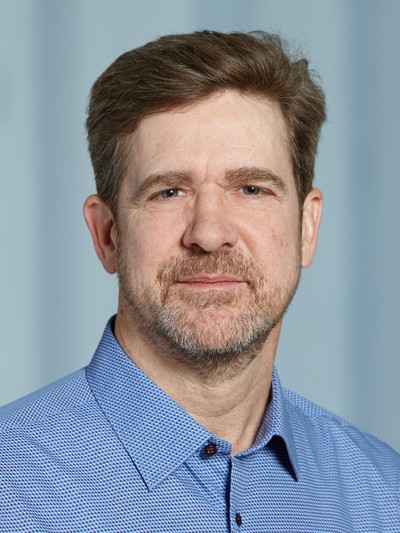
Ruben Kretzschmar is a Full Professor of Soil Chemistry in the Department of Environmental Systems Science at ETH Zurich. He holds a Ph.D. in Soil Science from North Carolina State University (1994) and has held academic positions at ETH since 1999, becoming Full Professor in 2002. He served as a Cox Visiting Professor at Stanford University (2008–2009). His research focuses on trace element cycling in terrestrial and semi-terrestrial systems, particularly metals/metalloids in flooded soils, such as cadmium and arsenic in rice paddies and contaminated floodplains. His work integrates biogeochemistry, mineralogy, and environmental chemistry to understand element interactions with iron, manganese, and sulfur. Over 150 peer-reviewed articles, review papers, and a leading textbook in Soil Science reflect his prolific contributions. Courses taught include Pedosphere , Soil and Water Chemistry , and Soil Science Seminar . Research emphasizes redox dynamics, mineral transformations, and contaminant sequestration in agricultural and natural environments.
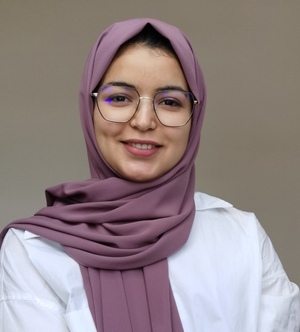
Dr. Yousra El-Mejjaouy is a postdoctoral researcher at the University of Bern's Institute of Geography, specifically in the Geocomputation and Earth Observation group. She holds a PhD in agronomic sciences from Gembloux Agro-Bio Tech (Belgium) and the University Mohammed VI Polytechnic (Morocco). Her research focuses on drone-based remote sensing, proximal sensing techniques, plant physiology, and vegetation stress monitoring. She has conducted extensive work on multiscale phosphorus monitoring in soil-plant systems using spectral and UAV-based methods. Education: PhD in Agronomic Sciences and Biological Engineering (2019-2023), Gembloux Agro-Bio Tech & University Mohammed VI Polytechnic Engineering Degree in Crop Production and Environment Management (2013-2018), Hassan II Institute, Rabat Research Interests: Integration of UAV technology for precision agriculture Proximal and remote sensing for nutrient deficiency detection Vegetation water stress monitoring at landscape scales Spectroscopic analysis of plant and soil health Recent Work Trends: Her publications emphasize the use of spectral imaging and fluorescence techniques to quantify nutrient status in crops, with applications in environmental monitoring and agricultural sustainability. Labs/Teams: Active contributor to the Geocomputation and Earth Observation (GECO) group at the University of Bern.
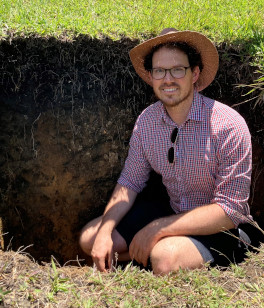
Dr. Klaus Jarosch is an Associated Lecturer in Soil Science at the Institute of Geography, University of Bern. His work focuses on nutrient cycles in soil-microorganism-plant systems, soil health, phosphorus availability, and organic farming. He specializes in topics like organic phosphorus speciation, biochar effects, and soil literacy education. Research interests include: Nutrient dynamics in agroecosystems and natural environments Phosphorus cycling mechanisms Impact of organic farming practices on soil health Soil enzyme activity and biochar applications His recent publications analyze phosphorus dynamics in long-term experiments, fertilizer impacts, and isotopic tracking of nutrient cycles. Articles frequently address sustainable agriculture and soil conservation strategies. No scientific awards were explicitly listed in the provided content. Lab/Team affiliations: Active within the Soil Science group at the Institute of Geography, University of Bern.
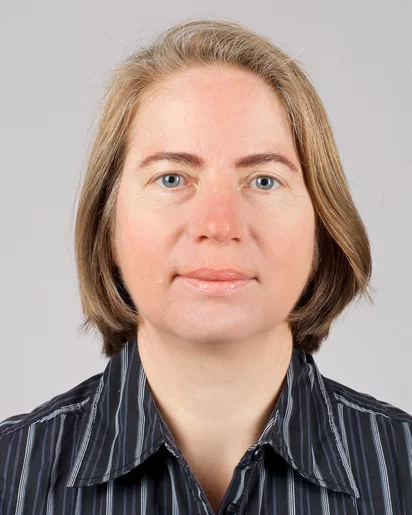
Dr. Camelia Nicoleta Borca is a beamline scientist at the PHOENIX beamline of the Paul Scherrer Institute's Center for Photon Science and Laboratory for Femtochemistry. She obtained her B.Sc. in Physics (1994) from the University of Bucharest and her Ph.D. (2001) from the University of Nebraska – Lincoln. Research Focus: Atomistic mechanisms in energy/environmental materials, synchrotron-based trace element detection, X-ray emission spectroscopy, and microfluidic device development. Key Techniques: Soft X-ray surface-sensitive methods, micro-focused tender X-rays, direct laser writing, photolithography. Her recent publications highlight expertise in synchrotron X-ray microanalysis of environmental stability in uranium oxides, crystallization dynamics of amorphous calcium carbonate, alkali-silica reaction products, and battery material degradation mechanisms. She has pioneered microfluidic systems for in-situ X-ray absorption studies and detector innovations. Scientific Awards: American Vacuum Society Graduate Research Award (2000) Material Research Society Graduate Student Award (2001) University of Nebraska Graduate Research Assistant Award (2001) Technical Leadership: Beamline commissioning, user support, and data acquisition/processing at Swiss Light Source since 2006.