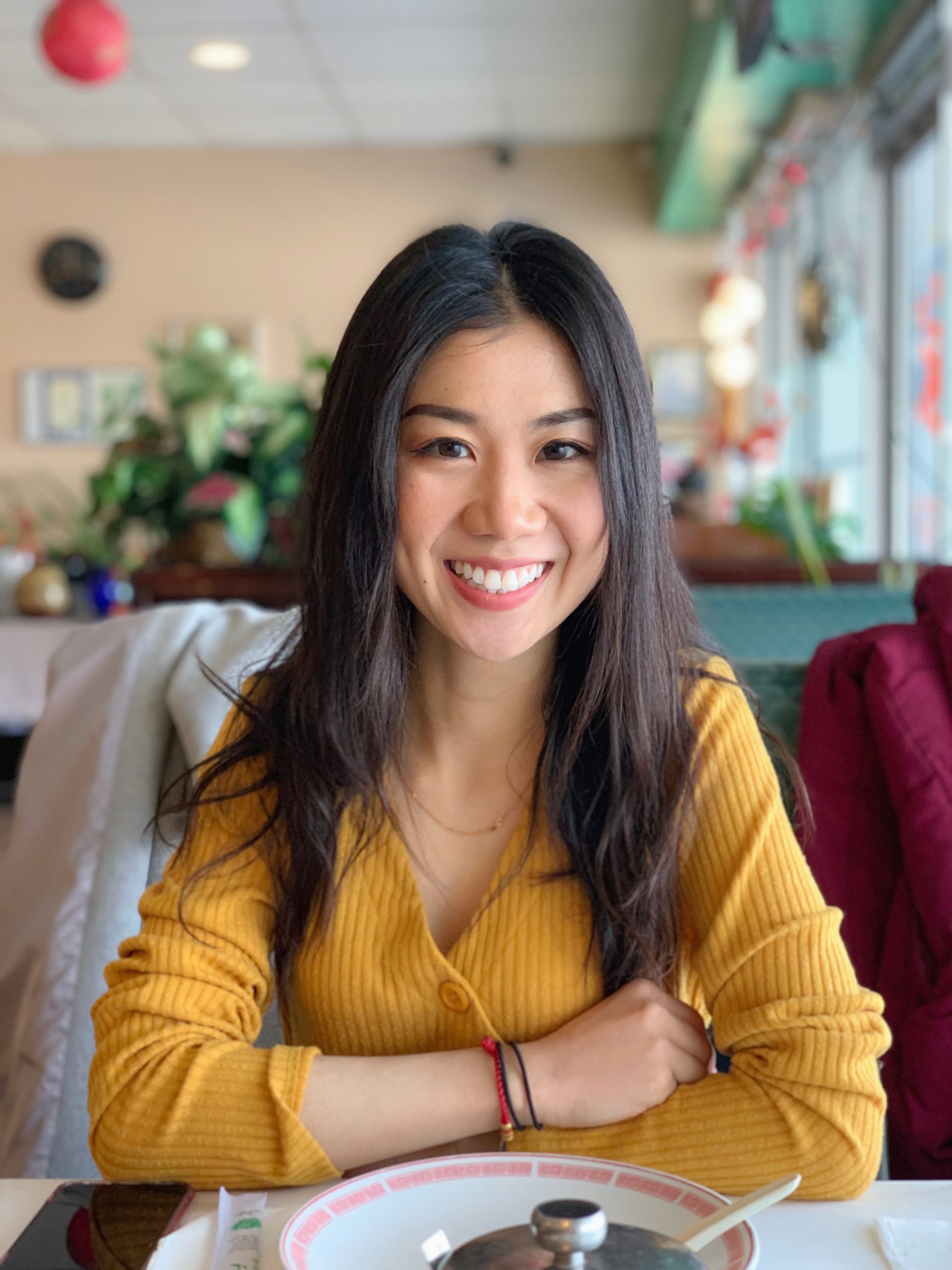
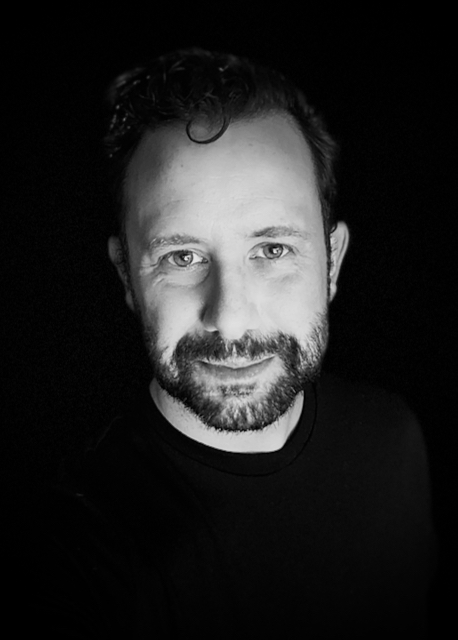
Simone Fior is a Lecturer at the Department of Environmental Systems Science , ETH Zürich , focusing on ecological genetics and plant adaptation. Their research integrates genomic, quantitative genetics, and ecological field experiments, particularly on Dianthus (Caryophyllaceae) along altitudinal and climatic gradients. Recent work explores climate-induced range shifts, local adaptation, and genomic responses to environmental changes. Professional experience includes roles at ETH Zürich since 2013 (Senior Assistant, Postdoc) and prior positions at the Edmund Mach Foundation (2009-2012) and University of Insubria (2007-2008). Education spans a PhD in Plant Biology (University of Milan, 2007) and an MSc in Natural Sciences (University of Milan, 2003). Simone co-organizes the Bioinformatics for Adaptation Genomics Winter School . Key research areas include adaptive divergence , polygenic adaptation , climate change biology , and phylogenomics . Articles emphasize genomic selection signatures, functional-structural modeling, and ecological-genetic interactions. Notable collaborations involve Jake Alexander, Alex Widmer, and interdisciplinary teams at ETH Zurich.
Prof. Dr. Anja Meryandini is a Professor in the Department of Biology at IPB University (Bogor Agricultural University), Indonesia. She leads research in microbial biotechnology with a focus on enzyme technology, probiotics, prebiotics, and fermentation processes for food and agricultural applications. Her educational journey includes a Bachelor's degree in Biology from Padjadjaran University, a Master's degree in Biology from IPB University, and a PhD in Microbiology from Albert Ludwig Universitaet, Germany. This strong academic foundation has supported her extensive research career spanning over three decades. Professor Meryandini's research interests encompass: Microbial enzyme technology (protease, mannanase, xylanase) for animal feed processing Development of probiotics and prebiotics for food and animal applications Flour production using microbial technology Fermentation processes for various agricultural products Soil microbiome analysis in relation to land use changes Biodegradation of environmental pollutants Her recent publications reveal a consistent focus on lactic acid bacteria, yeast fermentation, enzyme characterization, and biodegradation processes, often utilizing Indonesian indigenous microorganisms. She has made significant contributions to understanding cocoa fermentation microbiology, tempeh processing, and agricultural waste valorization. Professor Meryandini has been actively involved in important research projects including 'Impact of rainforest transformation on phylogenetic and functional diversity of soil prokaryotic communities in Sumatra (Indonesia)' which is part of a larger CRC 990 program. Her work demonstrates strong interdisciplinary connections between microbiology, environmental science, and food technology. With over 100 publications documented from 1994 to 2024, Professor Meryandini maintains an active research program with significant contributions to microbial biotechnology in the Indonesian context and beyond.
Joseph Bailey is a Professor in the Department of Ecology & Evolutionary Biology at the University of Tennessee, Knoxville. His research focuses on evolutionary ecology, particularly how species interactions link genes to ecosystems, natural selection in community contexts, and scaling genetic processes across geographic and molecular resolutions. He holds a Ph.D. from Northern Arizona University (2003). Education: 2003 – Ph.D., Northern Arizona University Research interests include plant-animal interactions, evolutionary ecology, and the genetic underpinnings of community dynamics. His work integrates molecular, ecological, and evolutionary approaches across diverse systems, including native and invasive species interactions. He has published extensively on topics such as genetic structure of foundation species, plant-microbe interactions, and herbivore-induced ecosystem changes. Lab and Affiliations: His research group operates out of the Joseph Bailey Lab ( http://joebaileylab.com/ ). Publications reflect a focus on community genetics, indirect ecological interactions, and the genetic basis of species interactions.
Andy Ball is a Distinguished Professor in the School of Science at RMIT University, specializing in environmental microbiology and biotechnology. He leads the ARC Training Centre for the Transformation of Australia’s Biosolids Resource and has held key roles at institutions including the University of Essex and Flinders University. His research focuses on bioremediation, organic waste treatment, and environmental pollution solutions, with over 300 peer-reviewed publications and significant industry collaboration. Andy's academic career spans 30 years, with roles such as Director of the Centre for Environment and Society at Essex and Director of Flinders Bioremediation. He has attracted >$22M in research grants, particularly in applied environmental microbiology. His awards include the Royal Society of Victoria Medal (2021) and RMIT Research Excellence Award (2018). Research interests emphasize sustainable remediation of contaminated environments, leveraging microbial ecology and biotechnology. His teaching spans environmental science and biotechnology programs at RMIT. Andy advises on projects addressing bioremediation, bioenergy, and pathogen survival, with active collaborations with industries like Shell and Melbourne Water.
Dr. Chenming Zhang is an Advanced Queensland Industry Research Fellow at the School of Civil Engineering, The University of Queensland. His research focuses on hydrological processes in coastal and terrestrial groundwater systems, with particular emphasis on evaporation-driven mass and heat transport in soils and tailings, and hydrogeochemical dynamics in aquifers and mine waste systems. Specializes in IoT-based environmental monitoring Develops numerical models for coastal aquifer dynamics Conducts field and laboratory experiments on tailings behavior Research interests span coastal hydrology, groundwater modeling, mine waste management, and environmental monitoring. He works on contamination transport, aquifer protection, and climate impacts on water systems. Recent publications analyze: Iron curtain formation in subterranean estuaries Sea water intrusion mechanisms Salinity dynamics in tidal wetlands Smart sewer monitoring systems Scientific awards include the prestigious Advanced Queensland Industry Research Fellowship. He supervises multiple PhD projects on mine waste hydrology and coastal aquifer management, with notable collaboration on: Evolution Mining's gold tailings projects ARC Discovery Projects on coastal processes Grange Resources' PAF cell instrumentation His work combines field measurements, laboratory testing, and computational modeling to address critical environmental challenges in mining and coastal zones.
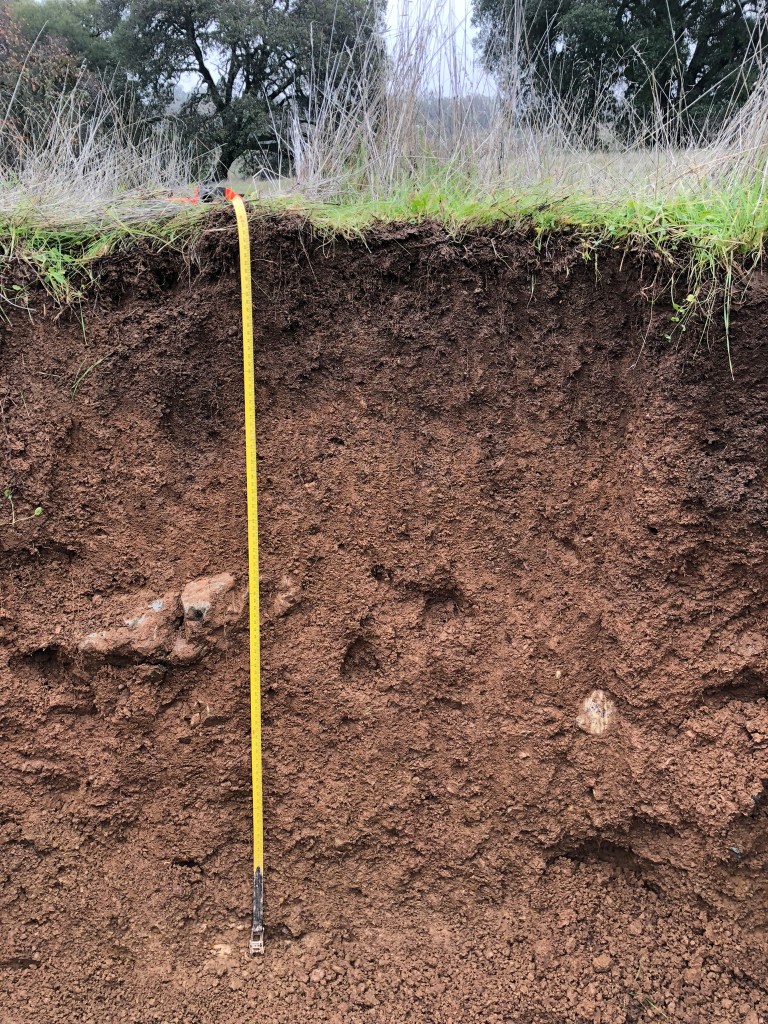
Eric Slessarev is an Assistant Professor at Yale University , affiliated with the Department of Ecology and Evolutionary Biology and the Yale Center for Natural Carbon Capture. His research focuses on soil biogeochemistry, particularly how soil properties influence carbon and nutrient cycling in terrestrial ecosystems, with applications to climate change mitigation strategies like enhanced rock weathering and perennial grass cultivation. Teaches Ecology of Landforms and General Ecology Labs located at KGL 318 (research) and KGL 417 (office) His recent publications highlight interdisciplinary approaches to understanding mineral-organic matter interactions, microbial controls on carbon cycling, and policy implications for soil-based carbon removal strategies. Key methodologies include global data synthesis, isotope tracing, and experimental manipulation of soil-plant systems across depth profiles. Notably, his 2025 work demonstrates drought impacts on carbon persistence, microbial harnessing for CO2 removal, and economic modeling of reversible carbon storage. 2024 studies explore deep-rooted plant effects on carbon fractions, calcium's role in mollisol formation, and policy optimization for carbon sequestration.
Linda J. Harris, Ph.D., is a Distinguished Professor of Cooperative Extension in Microbial Food Safety at the University of California, Davis, within the Department of Food Science and Technology. She served as Department Chair from 2016 to 2021. Her research focuses on microbial food safety, particularly in fresh produce and tree nuts, emphasizing pathogen behavior, antimicrobial treatments, and standard microbiological methods validation. She collaborates with food producers, processors, and government agencies to address food safety challenges. Dr. Harris earned her Ph.D. in Food Science from North Carolina State University in 1991. Her work integrates laboratory studies with extension activities to ensure practical applications in food safety. Key areas include evaluating pathogen survival on produce, developing sanitation protocols, and assessing risks associated with low-moisture foods. Her research trends highlight advancements in pathogen detection (e.g., MALDI-TOF technology), contamination prevention in postharvest handling, and consumer practices affecting food safety (e.g., homemade nut-based products). Recent articles address Salmonella and Listeria survival on produce, irrigation impacts on pathogens, and validation of pathogen reduction processes. Awards: 2021 AAAS Fellow 2018 Institute of Food Technologists Fellow 2004 Elmer Marth Educator Award Her advising and grants focus on low-moisture food safety, extension education, and industry partnerships. She leads initiatives like the Scientific Integrity Consortium and collaborates on national food safety guidelines. Dr. Harris is affiliated with the Robert Mondavi Institute for Wine and Food Science at UC Davis.
Kamal Sarabandi is the Rufus S. Teesdale and Fawwaz T. Ulaby Distinguished University Professor of Electrical Engineering and Computer Science at the University of Michigan. He leads the Radiation Laboratory, renowned for research in applied electromagnetics, radar remote sensing, and antenna technology. His academic rank is Professor, and he holds affiliations with the College of Engineering. His research spans radar systems for environmental monitoring (e.g., soil moisture, snowpack), automotive radar for autonomous vehicles, metamaterials for antenna miniaturization, and security applications like concealed weapons detection. He has advised over 60 PhD students, many of whom hold academic or industry leadership roles globally. Awards and Recognition: National Academy of Engineering member, IEEE Picard Medal, Humboldt Award, Ellis Island Medal of Honor, and Stephen S. Attwood Award. His work bridges fundamental science with practical innovations, including NASA collaborations and military/defense applications. Labs and Teams: Directs the Radiation Laboratory, a hub for applied electromagnetics and radar innovation. Collaborates with industry (e.g., Qualcomm, SAIC) and government agencies (NASA, Army Research Lab) on projects like the COMBAT center for autonomous systems. Education: Earned his PhD in Electrical Engineering from the University of Michigan (1989). Alumni of his lab include professors at UW-Madison, Purdue, and international institutions.
Professor Bing-Jie (Bruce) Ni is an Adjunct Professor at the University of Technology Sydney (UTS) within the School of Civil and Environmental Engineering and a full Professor at UNSW Sydney. He is an internationally recognised leader in environmental engineering, wastewater treatment, greenhouse-gas mitigation, microplastics fate, electrocatalysis and sustainable energy systems. Education PhD in Environmental Engineering, University of Science and Technology of China, Hefei (2005–2009) Research Interests Professor Ni’s research integrates process engineering, microbial biotechnology, materials science and mathematical modelling to develop sustainable technologies for high-efficiency pollutant removal, minimal carbon footprint and maximal energy recovery from wastewater. He is a global pioneer in: Modelling and control of nitrous oxide (N₂O) and methane (CH₄) emissions from wastewater systems, Micro- and nano-plastics ecotoxicity and mitigation in anaerobic digestion, Transforming sewage sludge into high-value liquid bio-energy (medium-chain fatty acids and long-chain alcohols), Designing cost-effective electrocatalysts from natural minerals for green hydrogen production and wastewater electrolysis. Research Output & Impact Over the last decade he has published 2 research books, 30 book chapters and >400 refereed journal papers , including 35 in Environmental Science & Technology and 85 in Water Research . His work has influenced global policy: the IPCC adopted his nitrous-oxide-emission model in 2019 to revise national greenhouse-gas inventories for the first time in 13 years. Awards & Recognition ARC Future Fellowship & ARC DECRA Fellowship Clarivate Analytics Highly Cited Researcher (Web of Science) Royal Society of Chemistry Highly Cited Researcher (2020–present) Mendeley Data Top 2 % Cited Researchers worldwide Listed among “Australia’s Most Innovative Engineers” (Engineers Australia, 2018) 50+ additional awards including Scopus Young Researcher Award, South Australian Water Awards, UQ Research Excellence Awards, and Outstanding Doctoral Dissertation Awards. Research Funding & Leadership He has secured ≈ AUD $10 million in competitive funding (six major ARC grants plus >20 government, university and industry projects). He serves as: Lead Guest Editor, Water Research Editorial Advisory Board, Environmental Science & Technology Associate Editor for Journal of Cleaner Production , Environmental Chemistry Letters , Environmental Research , Journal of Environmental Management Editorial Board member for five additional high-impact journals. Teaching & Supervision At UTS he teaches Renewable Energy Technologies , Environmental and Sanitation Engineering , Process Dynamics and Control , and Water and Wastewater Treatment . He is available to supervise Masters and PhD students in environmental biotechnology, process modelling and sustainable energy systems. Laboratory & Commercial Translation He heads active research teams at both UNSW and UTS and is the inventor of >10 granted patents , some of which are currently being commercialised to deliver real-world impacts in greenhouse-gas-neutral wastewater treatment and renewable energy production.
Dr. David Burton is a Professor in the Department of Plant, Food, and Environmental Sciences at Dalhousie University's Faculty of Agriculture. He serves as Director of the Centre for Sustainable Soil Management and leads initiatives in soil health, greenhouse gas emissions, and sustainable agricultural practices. His teaching spans undergraduate and graduate courses in soil science, nutrient management, and climate change. Research focuses on microbial metabolism in soil, nitrogen cycling, and the environmental impacts of agricultural practices. He co-founded the Atlantic Soil Health Lab and manages the Greenhouse Gas Analysis Lab. Key affiliations include the Canadian Society of Soil Science (Fellow), Soil Conservation Council of Canada, and Fertilizer Canada's 4R Research Network. Recent work emphasizes soil's role in climate resilience, including presentations on regenerative farming and soil carbon sequestration. He collaborates with government and industry to develop climate-smart soil management policies and tools for nitrogen management optimization. Awards: Fellow of the Canadian Society of Soil Science Labs: Centre for Sustainable Soil Management, Greenhouse Gas Analysis Lab, Atlantic Soil Health Lab Grants: NSERC CREATE Climate Smart Soils
Ferran Garcia-Pichel is a Regents Professor and Center Director at Arizona State University’s School of Life Sciences, affiliated with the Biodesign Center for Fundamental & Applied Microbiomics, Center for Biodiversity Outcomes, Water Institute, and Global Drylands Center. He holds a PhD in Microbiology from the University of Oregon (1999) and has been a faculty member at ASU since 1999. His research focuses on microbial adaptations in arid environments, including biogeochemical cycling, soil crust formation, and sustainable land restoration. Key interests include cyanobacterial sunscreen compounds (scytonemin), carbonate dissolution mechanisms, and hydrogen production. Teaching responsibilities include advanced microbiology, microbial ecology, and geomicrobiology courses such as MBB 495 Undergraduate Research and BIO 493 Honors Thesis. Awards span from the 2021 Regents Professor distinction to the 2023 Sperry Award for restoration science. His lab explores interdisciplinary approaches to study microbial communities in desert soils, marine intertidals, and atmospheric dust, with applications in climate resilience and biomedicine. Research highlights include biocrust restoration strategies, microbial nitrogen fixation networks, and the role of GABA/Glu signaling in spatial organization. Collaborations address global challenges like fugitive dust mitigation and carbon sequestration. The lab is based at the Biodesign Building B on ASU’s Tempe campus.
Dr. Srinivas Prabakar is a Professor of Instruction in the Department of Civil Engineering at The University of Texas at Arlington (UTA). He specializes in water quality, wastewater treatment, and environmental engineering, with a focus on chloramine stability, disinfection by-products, and sustainable water management. Dr. Prabakar holds a PhD in Civil Engineering from UTA (2012), an ME in Chemical Engineering from Annamalai University (2004), and a B.Tech in Chemical Engineering from the University of Madras (2000). Education: PhD, Civil Engineering, UTA (2012) ME, Chemical Engineering, Annamalai University (2004) B.Tech, Chemical Engineering, University of Madras (2000) His research interests center on improving water distribution systems and addressing challenges in wastewater management. Notable projects include investigations into factors affecting chloramine stability in UTA’s water systems and studies on biosorption of heavy metals. Dr. Prabakar has authored or co-authored over 30 publications, including peer-reviewed articles on topics like chlorine decay dynamics and microbial fuel cell applications. His teaching portfolio includes courses such as Principles of Environmental Engineering and Biological Processes, reflecting his commitment to educating future environmental engineers. Dr. Prabakar has advised numerous graduate students and served on dissertation committees, mentoring research in areas like concrete durability and landfill biocovers. Dr. Prabakar’s service roles include Faculty Advisor for Civil Engineering undergraduates, membership in the Texas Water Science & Research Division, and reviewer positions for journals like ASCE Journal of Environmental Engineering . He has received awards including the 2024 Outstanding Faculty Advisor Award and the 2019 Tau Beta Pi-Eminent Engineer distinction. His current grants focus on advancing nanocomposite materials for sewer pipe longevity and identifying critical source areas for non-point pollutants in North Texas watersheds. Dr. Prabakar’s interdisciplinary work bridges environmental engineering challenges with practical solutions for sustainable infrastructure.
Professor Chris Greening is a Research Professor in the Department of Microbiology at Monash University, leading the One Health Microbiology group at the Biomedicine Discovery Institute. He holds a first-class degree in Molecular and Cellular Biochemistry from the University of Oxford (2010) and a PhD from the University of Otago (2013). His career includes postdoctoral roles at Otago, CSIRO, and the Australian National University, followed by appointments as a group leader in Monash’s School of Biological Sciences (2016) and a medically-focused NHMRC EL2 Fellow in the Department of Microbiology (2020). Research Focus: Bacterial persistence mechanisms, microbial metabolism, antimicrobial resistance (AMR), and One Health approaches linking environmental, clinical, and public health challenges. Awards: Fenner Medal (2022) and Jim Pittard Award (2019). Key Projects: RISE, Global Research Alliance on Agricultural GHGs, SAEF, and the ARC Carbon Utilisation Hub. Leads Monash’s AMR R&D Facility. Research spans metabolic pathways enabling bacterial survival in extreme conditions (e.g., hydrogen oxidation, F420 cofactor roles), climate impacts (greenhouse gas regulation), and translational programs addressing diarrheal diseases and AMR. Grants: ARC DECRA Fellowship, NHMRC EL2 Fellowship. Cross-disciplinary collaborations with engineers, ecologists, social scientists, and industry. Lab facilities include advanced microbiology, structural biology, and systems biology tools. Contributions align with UN SDGs: climate action (SDG13), good health (SDG3), and sustainable cities (SDG11).
Alexandre Poulain is a Full Professor in the Department of Biology at the University of Ottawa and Vice Dean for Research and Infrastructure in the Faculty of Science. His multidisciplinary research bridges biogeochemistry, microbial physiology, and environmental toxicology. Education: B.Sc. (Angers, France), M.Sc. (INRS, Canada), Ph.D. (Université de Montréal, Canada), Postdoc (MIT, USA) Research Interests: Mercury cycling in Arctic and temperate ecosystems, microbial metal transformations, biosensor development for contaminants, redox reaction dynamics, bioremediation using environmental microbes, and mercury-organic matter interactions. His lab (2017-2025) has produced 15 recent publications on mercury biogeochemistry in oil sands, rice paddies, and Arctic lakes, alongside arsenic speciation studies and pesticide impacts on pollinators. Current students explore archaeal mercury regulators, acidothermophilic biosensors, and microbial remediation. Scientific contributions include: NSERC Postdoctoral Fellowship (2007-2009) Co-PI on Microbright, a startup commercializing microbial water treatment Developed portable arsenic biosensor tested in Cambodia Co-edited mercury-climate synthesis in Nature Communications
Professor Nick Paul is a marine scientist at the University of the Sunshine Coast (UniSC), leading applied research in seaweed and algae for sustainable product development. He holds a PhD and BSc (Hons) from UNSW and a Graduate Certificate in Tertiary Education Management from the University of Melbourne. His work focuses on seaweed aquaculture innovations, including waste-to-resource biotechnology, functional foods, and environmental remediation. He leads international projects funded by organizations like ACIAR, CSIRO, and Advance Queensland. Research interests include seaweed-based solutions for livestock health, wastewater treatment, and sustainable aquaculture expansion near the Great Barrier Reef. He has pioneered commercial land-based seaweed farming and developed intellectual property in this field. Awards include the 2015 UNAA World Environment Day Award for Sustainable Water Management and the 2015 Queensland Water Innovation Forum Best Paper. He serves on the Asian Fisheries Society Council and Fiji’s National Seaweed Taskforce. Key publications span seaweed cultivation methods, marine genomics, and socio-economic impacts of aquaculture in the Pacific. Grants total over A$3.7 million for projects like diversifying Pacific Island seaweed industries and improving Indonesian seaweed production.