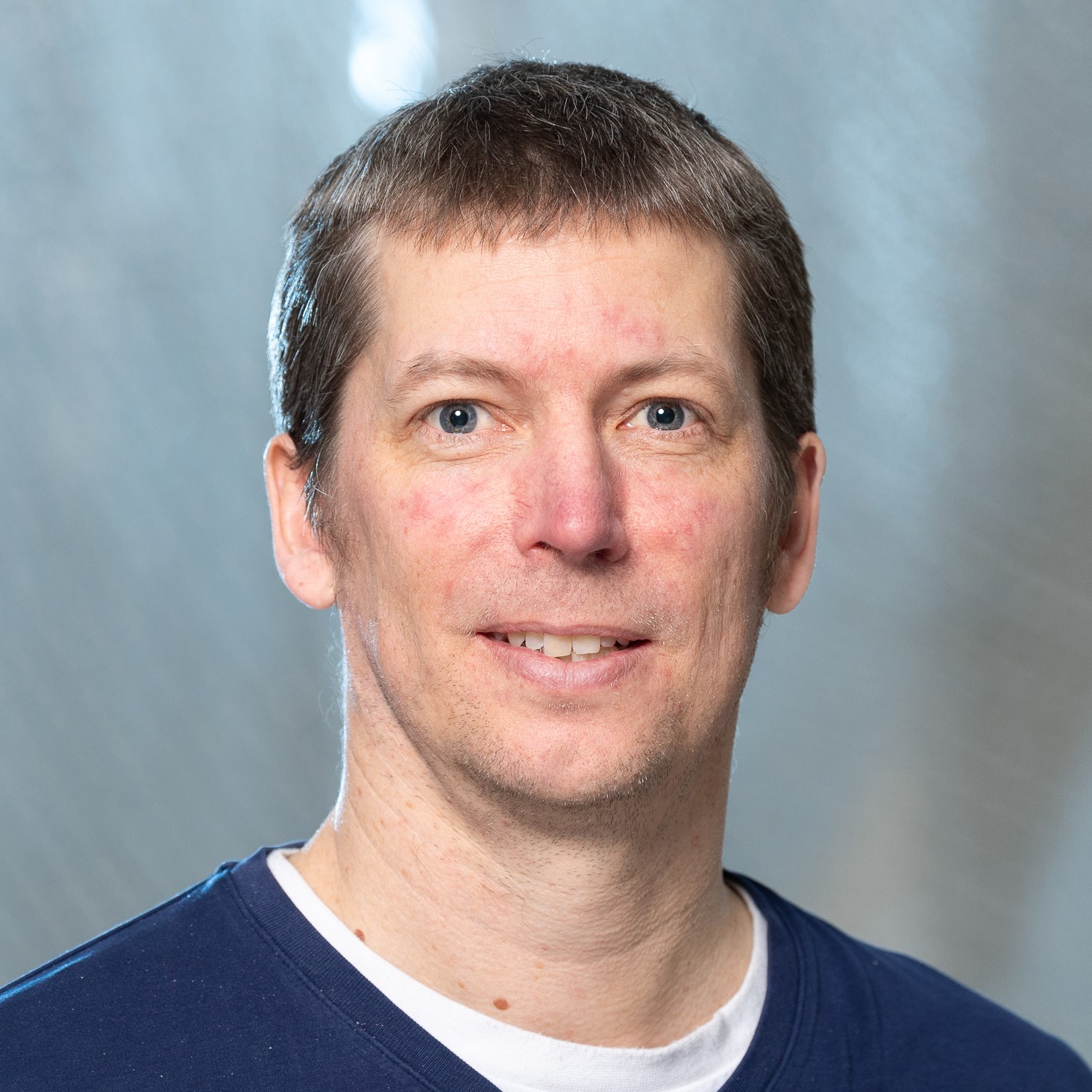
Mark Robinson is a Professor at the Department of Molecular Life Sciences, University of Zurich, and affiliated with the Swiss Institute of Bioinformatics. He leads the Robinson Research Group, focusing on Computational Biology Bioinformatics Single-Cell RNA Sequencing Statistical Genomics His work bridges computational method development with applications in cancer immunology, epigenetics, and developmental genetics. Key research contributions include Development of bioinformatics tools like pubassistant.ch, scDblFinder, and DESpace Advancements in spatial transcriptomics and single-cell data analysis Studies on epigenetic aging and tumor microenvironment dynamics Notable collaborations span institutions in Switzerland, Germany, and international agricultural pest research groups. His recent publications (2023-2025) emphasize Spatial omics data interpretation Interdisciplinary collaboration frameworks Optimized tissue processing methods Computational benchmarks for reproducible research While no specific scientific awards are mentioned in the data, his software tools and methodological papers demonstrate significant impact on open science and bioinformatics communities.
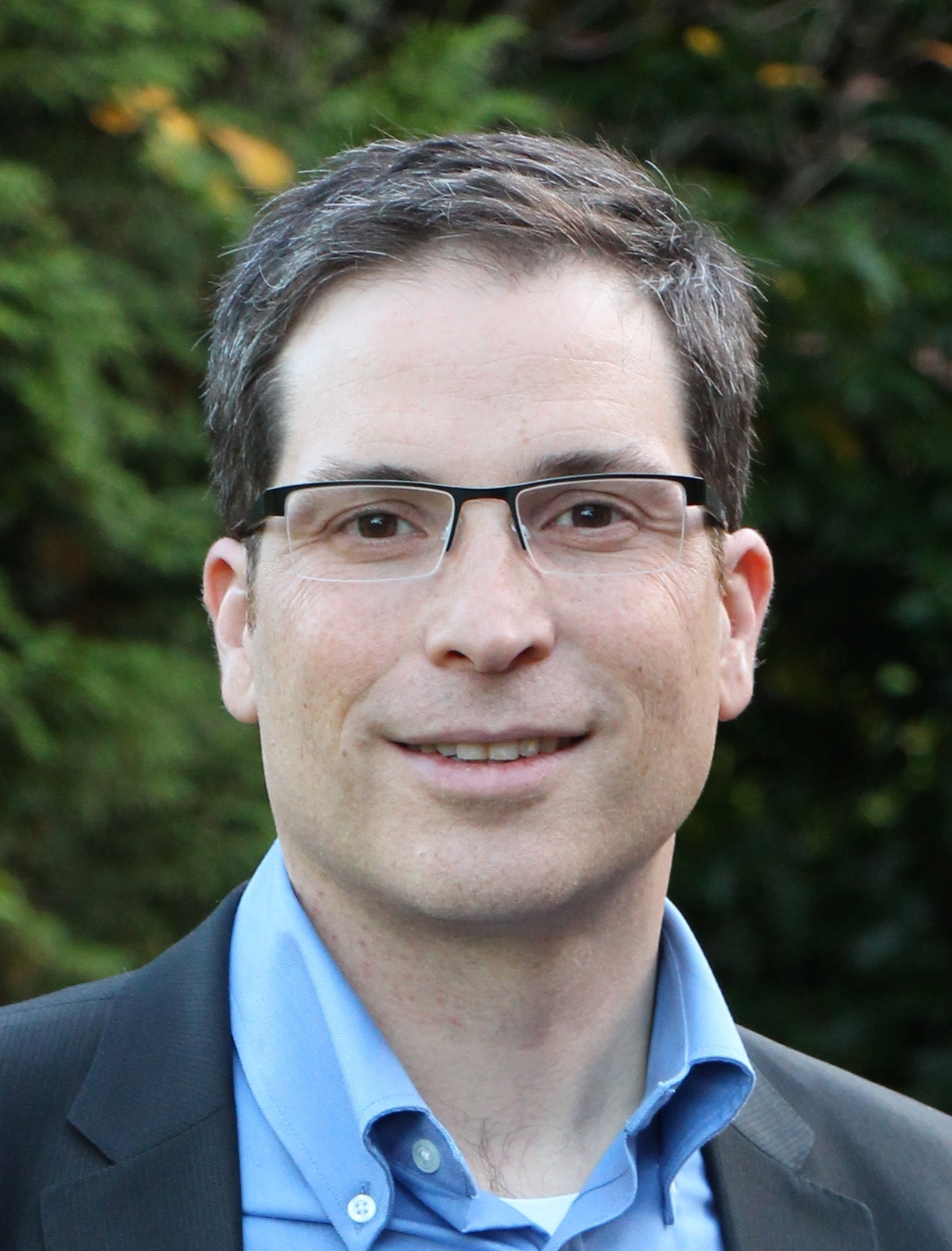
Abraham Bernstein is a Full Professor of Informatics at the University of Zurich (UZH), where he serves as Head of the Dynamic and Distributed Information Systems Group and Director of the UZH Digital Society Initiative. He leads a university-wide initiative with over 180 faculty members investigating the interplay between society and digitalization. His work bridges social science foundations (organizational psychology/sociology/economics) and technical disciplines (computer science, artificial intelligence), creating a unique interdisciplinary approach to digital transformation challenges. Education: Diploma in Computer Science from ETH Zurich Ph.D. in Management with concentration in Information Technologies from MIT's Sloan School of Management Professor Bernstein's research spans the Semantic Web, data mining/machine learning, recommender systems, crowd computing, and collective intelligence. His work uniquely integrates social science perspectives with technical computer science approaches, examining how social and technical elements interact in digital systems. Recent work focuses on explainable AI, ethical decision-making with AI systems, and the societal implications of digital transformation, reflecting his commitment to addressing both technical challenges and their broader societal context. His publication record shows a strong trajectory in multimodal information retrieval, knowledge representation, and human-AI collaboration, with increasing focus on ethical considerations and societal impact of AI technologies. The research demonstrates consistent innovation in bridging technical AI capabilities with human-centered design principles, particularly in areas like explainable recommender systems and democratic applications of AI. Scientific Recognition: Nominated Digital Shaper by Bilanz magazine (2017) Professor Bernstein has supervised over 30 PhD students whose work spans semantic technologies, data mining, recommender systems, and human-AI interaction. His research group has secured significant funding for projects related to digital society, knowledge representation, and AI ethics. As Director of the Digital Society Initiative, he coordinates cross-disciplinary research across UZH's faculties, bringing together scholars from humanities, social sciences, law, economics, and STEM fields to address complex digital transformation challenges. He leads the Dynamic and Distributed Information Systems Group at UZH, which maintains strong international collaborations and contributes significantly to both theoretical advances and practical applications in information systems. The group's work has influenced standards in semantic web technologies and continues to shape discourse on responsible AI development and deployment in society.
Eva Scheurer is a Clinical Professor of Forensic Medicine and Director of the Institute of Forensic Medicine at the University of Basel since 2014. She currently serves as Dean of the Faculty of Medicine at the same institution. Her work focuses on advancing forensic medicine through imaging technologies and scientific methodology. Education: MSc in Physics (University of Bern), Dr. med. (University of Bern), Habilitation in Forensic Medicine (Medical University of Graz) Expertise: Forensic Radiology, Postmortem Imaging, MRI-based Trauma Analysis, Age Estimation Key research areas include clinical-forensic imaging , particularly for injury dating and identification. She pioneered MRI alternatives to X-ray-based age estimation and developed technical frameworks like infrared photography setups for forensic documentation. Her publications (2012-2022) demonstrate consistent innovation in postmortem MRI , hematoma quantification , and computational forensic tools . As Institute Director, she established: Postdoc/PhD positions in forensic chemistry and genetics Research group for forensic imaging Interdisciplinary journal clubs Ethical frameworks for non-invasive postmortem imaging
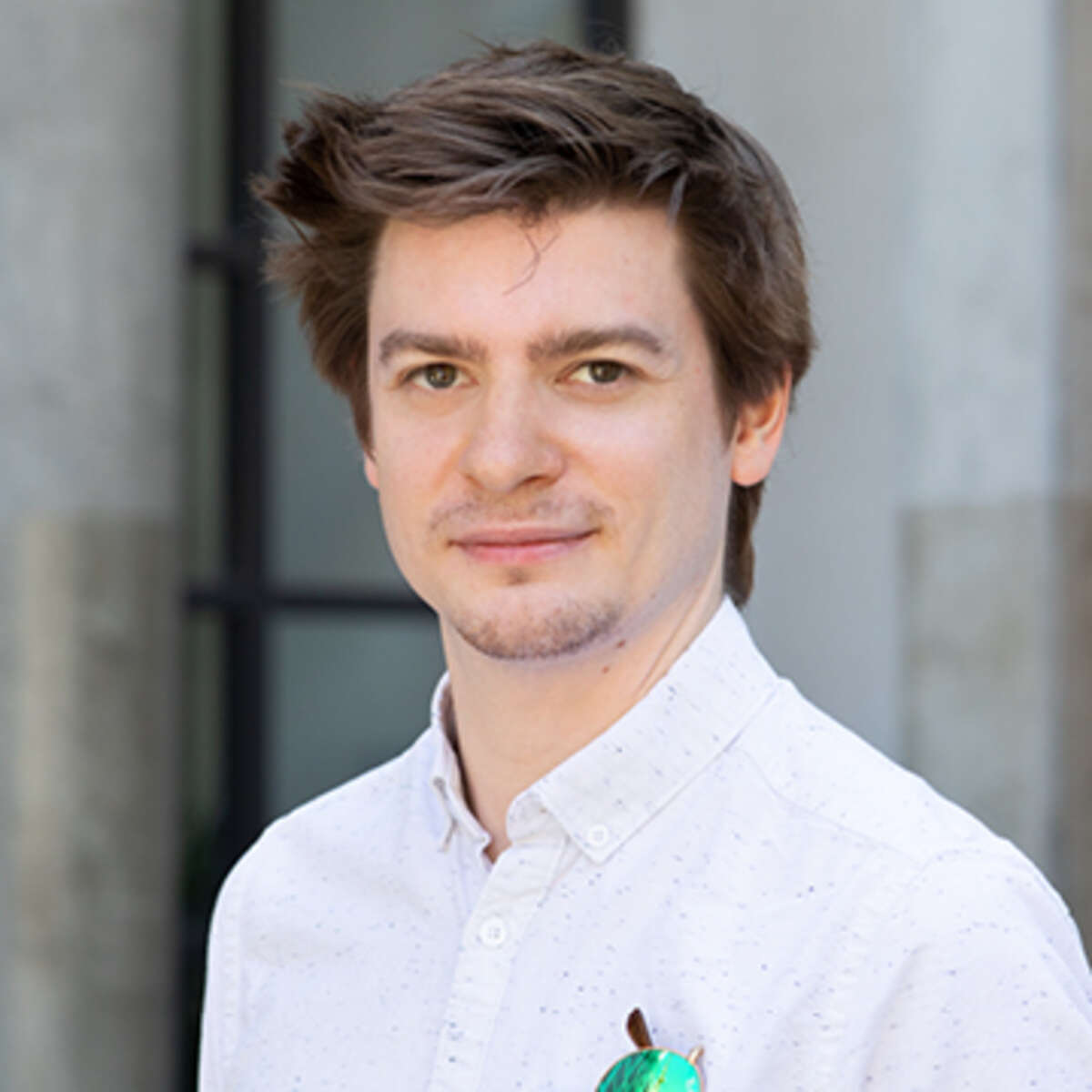
Florent Waltz is an SNSF Ambizione Project Leader hosted at the University of Basel's Biozentrum within the Engel Lab, leading research on mitochondrial architecture in photosynthetic organisms using cutting-edge cryo-electron tomography. His work bridges structural biology, evolutionary studies, and cellular energy metabolism with a focus on green micro-algae like Chlamydomonas reinhardtii. His research program explores three interconnected themes: (1) visualizing mitochondrial architecture and remodeling using cryo-ET to understand energy production under environmental changes; (2) investigating mitochondrial evolution across eukaryotes with emphasis on photosynthetic organisms; and (3) examining molecular-level interactions between mitochondria and chloroplasts. His March 2025 Science publication on the in-cell architecture of the mitochondrial respiratory chain represents a landmark achievement in visualizing molecular machines within native cellular contexts. Waltz co-developed TomoGuide, an online resource for cryo-ET workflows, and contributed to major datasets like the 1,829-tomogram Chlamydomonas resource enabling community-driven visual proteomics. His technical innovations include MemBrain v2 for membrane analysis in cryo-ET data. SNSF Ambizione Fellowship (major Swiss early-career award) Featured on Science magazine cover (March 2025) Key contributor to open science resources for cryo-ET community As a collaborative researcher, Waltz participates in international consortia studying mitochondrial biology, plant systems, and cryo-ET methodology development. His work has established new standards for in situ structural analysis of energy-producing organelles while advancing open science through public data sharing and software tools.
Sylvia Bendel Larcher serves as a Lecturer at the Institute for Communication and Marketing within the School of Business at Lucerne University of Applied Sciences and Arts. With appointments spanning multiple institutions including the University of Bern and University of Innsbruck, her academic career demonstrates deep expertise in linguistic analysis of professional communication. She maintains active research collaborations while contributing to editorial work at the Reformed Church of Uri since 2024. Her educational background includes a Dr. phil. from the University of Zurich and a PD Dr. habil. from the University of Bern, establishing her scholarly foundation in linguistic analysis. These qualifications support her extensive research in conversation patterns across various professional contexts. Bendel Larcher's research focuses on the intersection of linguistic theory and practical business communication. Her work examines conversation structures in agile teams, institutional discourse patterns, and historical advertising rhetoric. Recent publications reveal growing interest in technology-mediated communication, particularly how AI tools like ChatGPT interact with traditional linguistic analysis methods. She investigates how personality manifests in professional interactions and how communication quality can be systematically evaluated in organizational settings. Her 15 most recent publications demonstrate consistent output across multiple formats - books, journal articles, and conference presentations - with increasing attention to digital communication environments. The research shows evolution from traditional discourse analysis toward hybrid methodologies incorporating computational approaches while maintaining core linguistic principles. Her professional activities extend beyond academia to practical applications in organizational settings. She has served as Public Relations Officer for the Evangelical-Reformed Parish of Einsiedeln (2012-2016) and currently edits for the Reformed Church of Uri. Her work bridges theoretical linguistic research with real-world communication challenges in business and institutional contexts. Bendel Larcher leads several research initiatives including 'Videotaped professional practice for the business world,' 'Business book summary using natural language generation,' and 'Interaction profile and personality.' These projects reflect her commitment to applying linguistic analysis to contemporary business communication challenges while exploring the relationship between individual personality and professional discourse patterns.
Teresa Galí-Izard is a Professor at ETH Zurich where she directs the Being Alive Chair within the Institute of Landscape and Urban Studies (LUS) in the Department of Architecture. She also serves as director of the Master's program in Landscape Architecture at ETH Zurich and is a director at Arquitectura Agronomia, a landscape architecture firm based in Barcelona. As a trained agronomist from the Technical University of Catalonia, she brings interdisciplinary expertise to her work bridging landscape architecture, ecology, and agricultural science. Her research focuses on translating the hidden potential of landscapes through understanding climate and geology as foundational elements for design. She has developed innovative methodologies including the BeingAliveLanguage software integrated with Rhino/Grasshopper that revolutionizes visualization of soil-centric information. Her work emphasizes fieldwork as essential practice, with particular attention to soil systems, geological conditions, and climate patterns as primary matter for landscape design. Professor Galí-Izard leads the global Garden of the XXI Century project with installations in Spain, Switzerland, USA, and Chile, exploring regenerative landscape cultivation and experimental gardening practices. Her publications and research demonstrate a consistent focus on translating landscapes through drawing, cartography, and digital tools while maintaining deep engagement with living systems and their evolutionary processes. Nominated for Schelling Architecture Prize (2024) for revolutionary contributions to landscape architecture understanding President of the Jury of the European Prize for Urban Public Space (2022) Member of the Oberlander Prize Jury She actively supervises student work through foundation studios and seminars at ETH Zurich, with recent projects including 'Regenerative Practices for Exhausted Landscapes' and 'Slow Water: Exploring Keyline Design in Switzerland.' Her Being Alive Chair functions as a laboratory for developing new approaches to landscape architecture that emphasize care, translation, and understanding of living systems. The chair organizes fieldwork weeks, research colloquia, and public lectures that foster interdisciplinary dialogue about landscape practices in the Anthropocene.