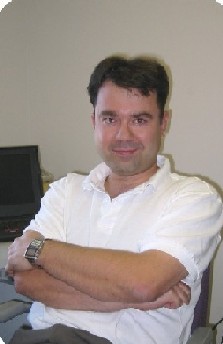
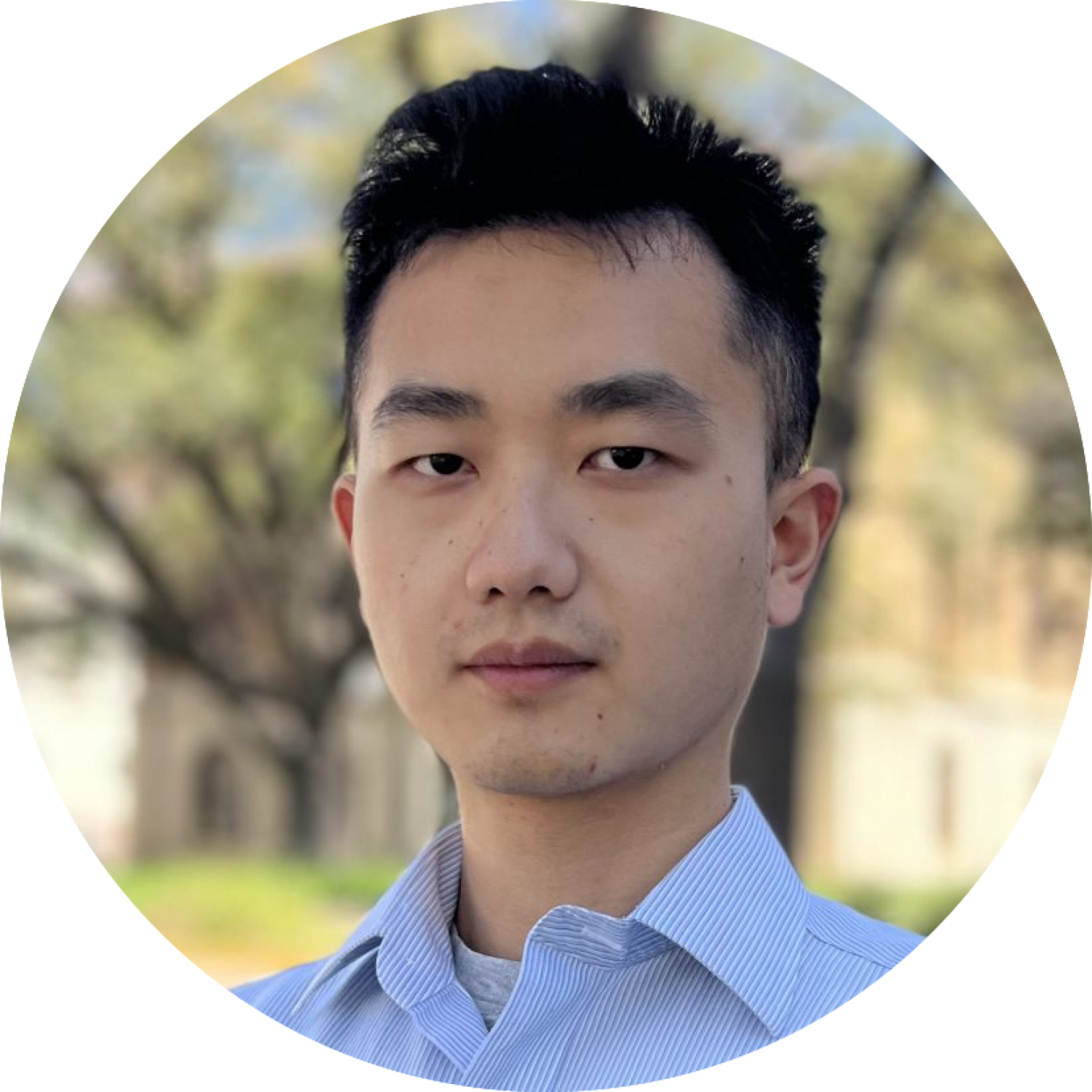
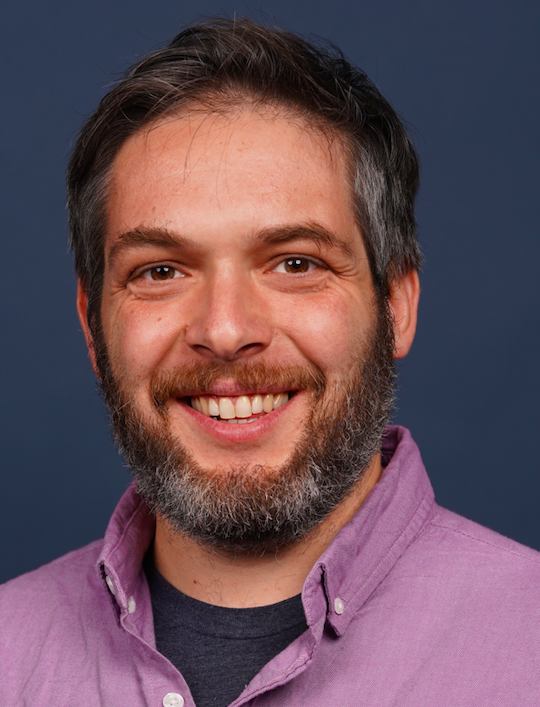
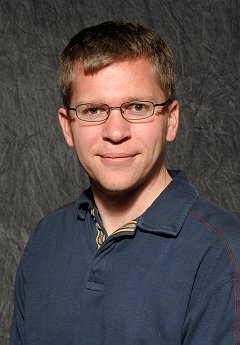
Pierre Duchesne is a Full Professor in the Department of Mathematics and Statistics at the University of Montreal . He serves as Professor-responsibility for the M.Sc. and Ph.D. in Statistics programs (2000-2004). His research focuses on applied statistics with emphasis on: Time Series Analysis (univariate and multivariate models, serial correlation testing, portmanteau statistics) Sampling Theory (robust estimation methods, calibration estimators) Multivariate Analysis (ARCH effects, vector autoregressive models, causality testing) Applications in Econometrics and Financial Econometrics His work combines theoretical development with practical implementation through: Wavelet-based diagnostic methods Simulation studies for model validation Software development (S-PLUS/SAS) for statistical analysis Collaboration with organizations like Statistics Canada and Canadian Journal of Statistics He has served as Associate Editor for journals including Computational Statistics & Data Analysis (CSDA) and Canadian Journal of Statistics (CJS/RCS) .
Benjamin Lubin is a Clinical Associate Professor in the Information Systems Department at Boston University's Questrom School of Business. He holds office 621A in the Rafik B. Hariri Building at 595 Commonwealth Avenue, Boston, MA 02215. His academic journey began with a Bachelor's degree in Computer Science from Harvard University in 1999, followed by six years working at BBN Technologies, where he contributed to advanced multi-agent modeling, scheduling, and logistics systems. He later returned to Harvard to complete his Ph.D. at the intersection of computer science, game theory, and economics. Dr. Lubin's research spans three primary areas: (1) mechanism design, particularly combinatorial auctions and exchanges that support efficient reallocation of goods with complex participant preferences; (2) application of spectral graph theory to advance social network analysis; and (3) leveraging network science and machine learning to improve healthcare delivery systems. His work demonstrates a consistent pattern of bridging theoretical computer science with practical economic applications, with recent publications showing increasing focus on healthcare applications while maintaining strong contributions to auction theory and network analysis. His research has been supported by significant funding from NIHCM and the Veterans Administration, and he has received prestigious recognition including the Siebel Fellowship and Yahoo Key Technical Challenge award. Dr. Lubin has mentored numerous graduate students including PhD candidates Vatche Ishakian, Marisabel Guevara, and Sarah Zheng, as well as Master's students Benedikt Buenz and Michael Weiss. Siebel Fellowship Yahoo Key Technical Challenge award As an educator, Dr. Lubin teaches several courses including IS 710 (Core MBA Class on Information Systems), IS 716 (Accelerated Part-Time Evening MBA), IS 717 and IS 756 (MSMBA Intensives), and QD601x (Business Experimentation on edX). His teaching materials include innovative approaches like using adventure games to teach web development and creating practical exercises for understanding analytics in business contexts. He has developed several software tools including JOpt for MIP programming, the Iterative Combinatorial Exchange market software, InvEigen for inverse eigenvector problems, SpectralGOF for network model goodness-of-fit testing, and SATS for spectrum auction instance generation.
Yasser Iturria Medina is an Assistant Professor at the Montreal Neurological Institute (MNI) , McGill University, within the Department of Neurology and Neurosurgery . He is an associate member of the Ludmer Centre for Neuroinformatics and Mental Health and the McConnell Brain Imaging Centre . Academic Rank: Assistant Professor Key Affiliations: MNI, Ludmer Centre, McConnell Brain Imaging Centre His educational background includes: Undergraduate: Nuclear Engineering (2004), Higher Institute for Nuclear Sciences and Technology, Cuba MSc: Neurophysics and Neuroengineering (2006), Cuban Neuroscience Center PhD: Neuroimaging and Neuroinformatics (2013), National Center for Scientific Research and Havana’s University of Medical Science His research focuses on neuroinformatics for precision medicine , particularly in neurodegenerative diseases like Alzheimer's and Parkinson's. His lab develops multiscale brain models integrating molecular, imaging, and cognitive data to characterize pathogenic mechanisms and identify personalized interventions. Key research areas include: Neurodegeneration modeling Neurovascular interactions in Alzheimer's Multi-omics integration for disease subtyping Neuroimaging biomarkers across neurodegenerative spectra Computational modeling of amyloid-beta and tau propagation The article analysis reveals his emphasis on: Alzheimer's disease mechanisms (45% of recent works) Multi-omics and transcriptomic modeling (30%) Neurovascular and white matter pathology (20%) Machine learning applications in neuroimaging (15%) Development of tools like NeuroPM-box and MVComp toolbox His lab has been instrumental in creating NeuroPM-box , a software platform for integrating molecular, neuroimaging, and clinical data to characterize neurodegenerative progression and heterogeneity. He has also contributed to CAPTURE ALS , a comprehensive analysis platform for amyotrophic lateral sclerosis.
R.K. Shyamasundar is a Professor at the Indian Institute of Technology Bombay , with a focus on Real-Time and Reactive Programming, Logic Programming, Pi-Calculus, and Parallel Programs. Research spans formal verification, concurrency, and distributed systems. Key contributions include RT-CDL semantics, Esterel language extensions, and hybrid system controller synthesis. Scientific awards include JC Bose National Fellow, Fellowships at Indian Academy of Sciences and Indian National Science Academy, and Senior Membership in IEEE. His work involves collaborations with institutions like TCS Group and researchers such as Basant Rajan, N. Raja, and Deepak Kapur.
Sebastián Uchitel is a Professor at the Department of Computing, Imperial College London, UK. His research focuses on foundational aspects of Software Engineering, particularly in modeling and analysis for automated reasoning, verification of probabilistic systems, controller synthesis, and adaptive systems. He has led major research projects, including the ERC-funded IDEAS StG project on Partial Behaviour Modelling and the European FP6 SENSORIA project. Research Interests: Model-Based Software Engineering, Controller Synthesis, Probabilistic Systems, Adaptive Systems, Requirements Engineering External Roles: General Chair, International Conference on Software Engineering (2017); Associate Editor, Elsevier Science of Computer Programming; Steering Committee, International Conference on Software Engineering His recent work explores intersections between Software Engineering and AI, including assured adaptive systems and logic-based learning. A Senior Member of IEEE and Distinguished Scientist of ACM , he has received awards like the Houssay Prize (2015) and Philip Leverhulme Prize (2005). Collaborators include institutions in Argentina, Canada, and the UK. Selected Publications: 150+ peer-reviewed works spanning controller synthesis, requirements engineering, and formal methods Students: Supervised 12 PhD students since 2003 Grants: Principal Investigator for 3 major grants (2005-2016) totaling over $3.7M USD, including: 2013-2016: Technology Platform in Software Engineering (ANPCYT, $1.6M) 2009-2014: ERC IDEAS StG on Partial Behaviour Modelling (€1.4M) 2005-2008: FP6 SENSORIA Project (€0.7M)
Mojtaba Moazen is a PhD student and researcher at the Division of Theoretical Computer Science , part of KTH Royal Institute of Technology in Sweden. He is actively involved in the WASP – Wallenberg AI, Autonomous Systems and Software Program and the NEST CyberSecIT project, focusing on securing IoT applications and software supply chains. His work bridges academic research with critical real-world cybersecurity challenges. Education: PhD (ongoing) in Theoretical Computer Science, KTH Royal Institute of Technology Master of Science in Information Technology, Sharif University of Technology Bachelor of Science in Computer Engineering, K. N. Toosi University of Technology Research Interests: Mojtaba specializes in software security , IoT security , and software supply chains , with a focus on developing robust security mechanisms for emerging technologies. His recent publications highlight advancements in Android malware detection and continuous integration testing. Courses Assisted: Applied Cryptography (DD2520) Computer Security (DD2395) Internet Programming (DD1386) Language-Based Security (DD2525) Programming Techniques (DD1310)
Juan Antonio Añel Cabanelas is a Professor of Earth Physics at the University of Vigo , affiliated with the EPhysLab research group and the Specialized Group on Atmospheric and Ocean Physics of the Royal Spanish Society of Physics . He serves as an Executive Editor for Geoscientific Model Development and an Associate Editor for PLoS Climate . PhD in Physics (2007) from the University of Vigo, thesis: Climatic analysis of the tropopause using radiosonde data Taught courses in Meteorology, Atmospheric Physics, Computational Science, and Renewable Energy at the University of Vigo and international institutions His research focuses on climate change impacts , upper troposphere-lower stratosphere dynamics , renewable energy modeling , and computational reproducibility in climate research . He emphasizes instrumental data recovery and open science , with recent work addressing stratospheric contraction and mercury cycling . Key publications span extreme weather-energy sector interactions , Fortran code quality , and ozone data analysis . He mentors PhD students in Physics and Computer Science, and has collaborated with institutions in Mexico, Portugal, and the private sector. He advocates for free software and has organized workshops on climate intervention and citizen science . His work is funded by public grants from Spain's Government, Xunta de Galicia, and private entities like Naturgy and Acciona, with computing support from Google and Microsoft.
Zhi Li is an Assistant Professor at the University of Colorado Boulder's College of Engineering and Applied Science, Department of Civil, Environmental and Architectural Engineering. He leads the newly established Flood Lab, focusing on flood prediction and monitoring through remote sensing and coupled hydrologic-hydraulic models. Joined CU Boulder in Fall 2025 Former Dean's Postdoc Fellow at Stanford University PhD in Civil Engineering & Environmental Science from University of Oklahoma (2022) His research spans hydrological modeling , extreme events , and AI4Science applications, particularly in deep learning and intelligent agents for flood risk assessment. Li’s work also connects floods with public health and economic systems , aiming to develop the Flood-Agriculture-Climate-Economics-Disease (FACED) framework. Key Themes: High-resolution flood modeling Climate change impacts on hydro-meteorology Remote sensing integration Flood-agriculture interdependencies Global health implications Scientific Awards: Dean's Postdoc Fellow, Stanford Doerr School of Sustainability (2023) Hoving Fellowship, University of Oklahoma (2019) Li’s recent publications emphasize improved precipitation estimation (IMERG V07), Brown Ocean Effect studies, and Fourier neural operators for rapid flood forecasting. His collaborative work with NOAA and NASA focuses on comparing ground-based and spaceborne radar systems for extreme event analysis.
Irina Overeem is an Associate Professor and Deputy Director of the Community Surface Dynamics Modeling System (CSDMS) at the Department of Geological Sciences, University of Colorado Boulder. Her research focuses on Earth surface process modeling, with emphasis on coastal and river geomorphology in remote and polar regions. PhD: Delft University of Technology (2002) MS: Wageningen University (1996) BS: Wageningen University (1993) Her work investigates sediment fluxes in Greenland rivers, Arctic coastal erosion, and floodplain sedimentation through integrated field studies and numerical modeling. She specializes in using CSDMS tools for predictive simulations of water, sediment, and nutrient fluxes across landscapes. Recent publications highlight her contributions to permafrost dynamics, carbon budgets in icy rivers, and FAIR principles for open-source geoscience software. Her research spans from fjord environments to high-mountain erosion dynamics. Science Communication Fellowship (2015) National Oceanographic Partnership Program Award (2010) Outstanding Student Award, Netherlands (1996) Tropenfonds scholarship (1994) She mentors graduate students in sedimentary process modeling, leads CSDMS working groups on coastal dynamics and education, and teaches courses in sedimentary systems modeling, geomorphology, and field methods. Her work combines field measurements with computational approaches in the Cryosphere and Surface Processes Lab.
Dr Francesca Pianosi is an Associate Professor in Water & Environmental Engineering at the University of Bristol 's School of Civil, Aerospace and Design Engineering. She contributes to the Cabot Institute for the Environment and leads research on data analysis, mathematical modelling, and uncertainty quantification for hydrology and water engineering. Specialises in simulation and optimisation methods for water resource management Focuses on uncertainty propagation in natural hazard models Developed the open-source SAFE Toolbox for sensitivity analysis Research Trends Her recent publications (2023-2025) demonstrate expertise in: Groundwater flow and recharge in data-scarce regions Digital Twin applications for watershed management Climate change impact on landslides and droughts Multi-objective optimisation for reservoir operations Integration of machine learning with hydrological models Scientific Awards Arne Richter Award for Outstanding Young Scientists (2015) Best Research Oriented Paper - Journal of Water Resources Planning and Management (2024) Early Career Research Excellence (ECRE) award (2014) Francesca leads the Water Management and Adaptation based on Watershed Digital Twins project (2024-2027) and contributes to the USARIS project on uncertainty quantification for infrastructure systems (2023-2025).
Anders Haug serves as Associate Professor at the Department of Business and Sustainability (DBS) within the University of Southern Denmark's Kolding campus. Having joined the university in 2008 as Assistant Professor in the Department of Entrepreneurship and Relationship Management before transitioning to his current role in 2010, his academic career spans over 15 years of research and teaching in operations, supply chain, and digital transformation contexts. His work bridges theoretical rigor with practical industry applications, particularly in engineer-to-order manufacturing and logistics sectors. Education: PhD in communication, representation and automation of design knowledge (2005-2007) Haug's research centers on information and knowledge management systems, with deep expertise in data quality frameworks, knowledge-based configuration, and digitalization of business processes. His fingerprint reveals distinctive contributions to product configuration systems, digital twin applications, and supply chain resilience—particularly examining how configurators transform warehouse services, manufacturing processes, and product-service ecosystems. Recent work increasingly addresses sustainability through green dynamic capabilities frameworks and life cycle assessment tools, maintaining strong empirical grounding via case studies in Danish manufacturing. Analysis of his 2024-2025 publications shows converging trends: digital technologies (configurators, digital twins) are examined through operational performance lenses while addressing sustainability imperatives. These works span operations management, information systems, and strategic management disciplines but consistently prioritize practical implementation frameworks for manufacturing SMEs. The research demonstrates methodological diversity—from conceptual modeling to empirical case studies—with strong industry relevance in logistics, engineering-to-order contexts, and manufacturing digitization. Scientific Awards: Top read paper in Business 2017/18 (Wiley) (2019) Haug has supervised 34 teaching courses between 2018-2024 covering business information systems, digitalization projects, and supply chain management. His academic service includes extensive peer reviewing for conferences like NOFOMA and DRS, plus organizational roles in Nordic business research networks. While specific grant details aren't provided, his 175+ research outputs and industry collaborations (evidenced by consultant work since 2006) indicate substantial research funding engagement. Media contributions on 3D printing and business process efficiency demonstrate effective knowledge transfer to practitioners. Though no dedicated research lab is specified, Haug's extensive co-authorship network—including collaborations on projects like digital twin implementation and configurator development—reveals embeddedness in multiple research collectives. His industry-facing approach manifests through case studies with logistics providers, manufacturer partnerships, and practical frameworks for warehouse service design and supply chain resilience.
Professor Gerhard Wolber leads the Molecular Drug Design research group at the Institute of Pharmacy , Freie Universitaet Berlin. His work focuses on computational approaches to drug discovery, with expertise in G-protein coupled receptors (GPCRs) , cytochrome P450 enzymes , Toll-like receptors , and viral protease inhibitors . He supervises a team of 13 PhD candidates 3 researchers 2 Master's students engaged in projects ranging from calcium channel blockers to CYP enzyme modulators for cancer therapy. Recent publications highlight his lab's contributions to pan-coronavirus drug discovery, TLR8 antagonism, and calcium channel inhibition. The team employs advanced methodologies including Molecular dynamics simulations Fragment-based de novo design Bayesian neural networks DFT calculations 3D pharmacophore modeling to bridge computational predictions with experimental validation. Notable projects include Virtual screening for TREM2-targeted glioblastoma therapeutics Allosteric communication path analysis via MDPath Immune checkpoint inhibitors for cancer immunotherapy Biased GPCR ligand development demonstrating a multidisciplinary approach to contemporary drug design challenges.
Alex Rubinsteyn, PhD, is an Assistant Professor in the Department of Genetics and Computational Medicine Program at the University of North Carolina at Chapel Hill School of Medicine. He is also a member of the UNC Lineberger Comprehensive Cancer Center. Dr. Rubinsteyn leads the Personalized Immunotherapy Research Lab (PIRL), a multi-investigator group focused on developing cancer immunotherapies that harness patients' immune systems to attack tumor-specific targets. Dr. Rubinsteyn's research centers on applications of machine learning, genomics, and computational immunology to therapeutic cancer vaccine design. His work bridges computational approaches with experimental validation, with a particular focus on neoantigen discovery and personalized vaccine development. He has been instrumental in designing and running several early-stage clinical trials of neoantigen vaccines, initially at Mount Sinai and currently at UNC. His laboratory is committed to open science through building open-source research software, making experimental data unconditionally available, and disseminating results quickly through blog posts and preprints. Recent research highlights include advancements in neoantigen prediction tools like LENS, investigations into DNA variant standardization, and comparative studies of vaccine formulations in mouse models. Novocure Career Development Award from AACR (2020) Grant from Rare Cancer Research Foundation (2024) Grant from Jaime Leandro Foundation (2025) Dr. Rubinsteyn actively collaborates with experimentalists to optimize vaccine formulation and has helped develop numerous open-source computational tools including Vaxrank, Isovar, Topiary, MHCflurry, and MHCdouble. His work on the PANDA-VAC trial represents the next generation of personalized cancer vaccines at UNC, building on his previous experience with the PGV series of therapeutic cancer vaccine trials at Mount Sinai.
James D. Herbsleb is a Professor at the Software and Societal Systems Department within the School of Computer Science at Carnegie Mellon University. His research focuses on the intersection of software engineering and organizational behavior, particularly in distributed and open source contexts. Research Interests: Coordination theory in software development Open source ecosystems and transparency practices Global software team dynamics Socio-technical systems design Architectural knowledge management Scientific Awards: SIGSOFT Outstanding Research Award (2016) Alan Newell Award for Research Excellence (2014) Distinguished Paper Award at ICSE 2011 Most Influential Paper Award at ICSE 2010 Best Paper Award at Academy of Management 2010 Advising and Grants: Herbsleb has advised numerous PhD students and postdocs who now hold positions at institutions like Google, University of Texas at Austin, and Oregon State University. His research has been funded by National Science Foundation (NSF) , Sloan Foundation , Accenture , Bosch , Google , Siemens , and IBM . Key projects include Personalized Information Access for Online Deliberation (2013) and Designing Transparent Work Environments (2013).
John Regehr is a Professor at the School of Computing, University of Utah, specializing in compilers, software testing, and formal verification. His research develops tools to improve software correctness and efficiency, including Csmith (random C program generator) and C-Reduce (test-case reducer). His group focuses on compiler validation, fuzzing techniques, and superoptimization, primarily targeting the LLVM infrastructure. Research interests span compilers, testing methodologies, formal verification, embedded systems, and program analysis. Recent work emphasizes practical tools backed by formal methods to detect and prevent software errors. Publications demonstrate strong trends in compiler verification and testing, with consistent focus on LLVM optimization correctness, translation validation, and automated bug detection through fuzzing and synthesis techniques. Scientific awards include: PLDI 2015 Distinguished Paper Award ICST 2014 Best Paper Award ACM SIGSOFT Distinguished Paper Award Leads a research group developing tools like Souper (superoptimizer) and Alive2 (translation validator). Maintains active academic service through program committees (PLDI, CGO, OOPSLA) and contributes to open-source compiler infrastructure.