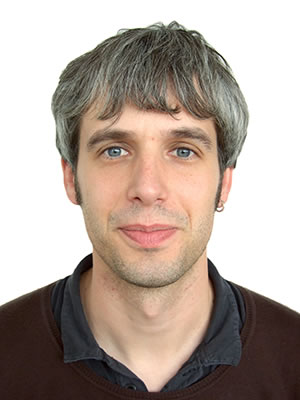
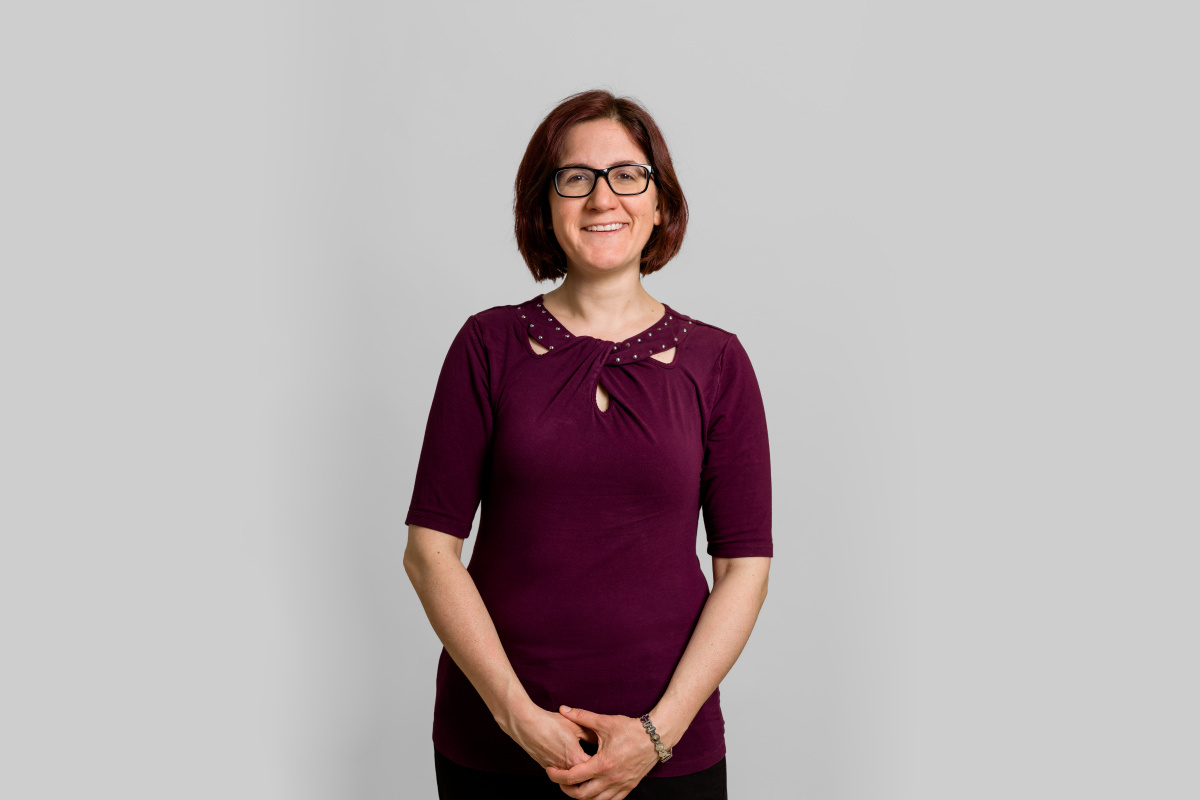
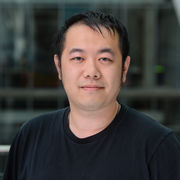
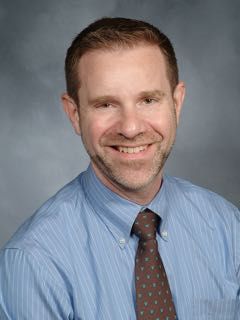
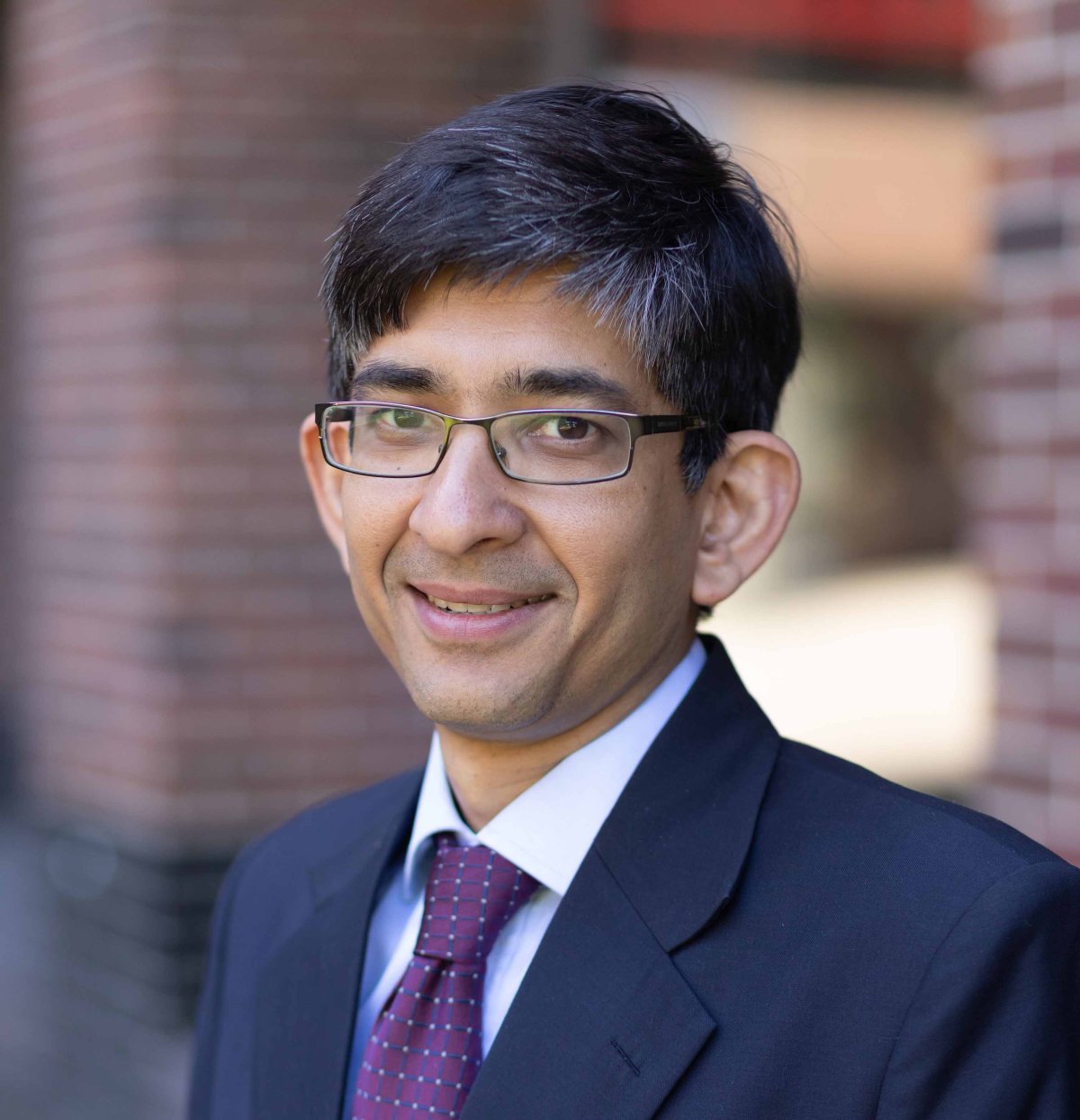
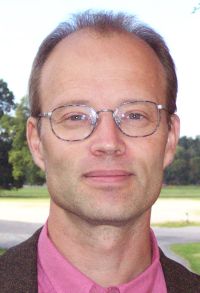
Sascha Spors is a Professor at the Chair of Signal Theory and Digital Signal Processing within the Institute of Communications Engineering at the University of Rostock. His work spans spatial audio processing, medical signal processing, and data-driven methodologies. Chair of the AES Technical Committee on Spatial Audio Ombudsperson at the University of Rostock Research focuses on spatial sound capture/synthesis, perception of synthetic sound fields, and biomedical applications like implant monitoring via electrical impedance tomography. He contributes to open science initiatives and research data management frameworks. Key collaborations include memberships in the IEEE Signal Processing Society, Deutsche Gesellschaft für Akustik (DEGA), and Audio Engineering Society (AES).
Ayhan Demircan is an Adjunct Professor at the Leibniz School of Optics and Photonics in Leibniz University Hannover. He leads the Micro and Nano Photonics task group and contributes to institutions including the Institute of Quantum Optics , Ultrafast Laser Laboratory , and Hannover Centre for Optical Technologies (HOT) . His work spans photonics, quantum optics, and nonlinear dynamics, with applications in terahertz technology, soliton physics, and optical modeling. Research Interests: Photonics, quantum optics, terahertz radiation, soliton dynamics, nanophotonics, and computational modeling of optical systems. Key Institutions: Leibniz School of Optics and Photonics, Institute of Quantum Optics, HOT, and PhoenixD Cluster of Excellence. Technical Expertise: Develops Python-based tools for nonlinear Schrödinger equations, optical parametric oscillators, and ultrafast laser systems. Contact: demircan@iqo.uni-hannover.de
Catherine Laporte is a Professor at the Department of Electrical Engineering, École de Technologie Supérieure (ÉTS), Montreal, Canada. She leads research at the LATIS – Health Information Processing Laboratory, focusing on integrating medical images and physiological signals for healthcare innovation. Department: Electrical Engineering Research Lab: LATIS – Health Information Processing Laboratory Her research spans Medical Imaging , Computer Vision , and Speech Sciences , specializing in ultrasound applications for health technologies and intelligent systems. Key areas include: Medical image analysis and segmentation Ultrasound probe navigation and deformation correction 3D anatomical modeling (spine, tongue) Biomechanical studies of bone growth and tissue response Computer vision for healthcare applications Recent publications emphasize robust AI-driven ultrasound analysis for spinal deformities, tongue movement in speech therapy, and biomechanical modeling of bone growth. Her work combines deep learning , real-time segmentation , and multi-modal imaging (MRI, CT, 3D ultrasound). Students under her supervision have completed theses on topics like smart ultrasound systems , 3D vocal tract analysis , and biofeedback for language learners , often co-directed with experts in biomedical engineering and speech sciences. Laporte’s lab, LATIS, collaborates with institutions like the Center for Advanced Studies in Sleep Medicine (Montreal) and McGill University’s interdisciplinary programs, advancing health technologies and intelligent systems for clinical applications.
Stephan Leible is a Researcher at the Department of Computer Science , University of Hamburg (MIN Faculty). Holding both M.Eng. in Business Engineering and an MBA, he focuses on employee-driven digital innovation, intrapreneurship, and leveraging generative AI for organizational transformation. Research Interests : Employee-driven Innovation, Intrapreneurship, Generative AI Governance, Design & Data Thinking, IT Innovation Management Contact : stephan.leible@uni-hamburg.de | Room 117C, Vogt-Kölln-Straße 30, Hamburg His work bridges citizen development with public sector innovation, emphasizing value co-creation, real-time analytics, and ethical AI implementation. Current studies explore: Generative AI adoption patterns and limitations Interpretable machine learning for urban mobility Participatory frameworks for smart city futures Methodologies for continuous improvement in conversational agents
Mario Alviano is a Full Professor in Computer Science (INF/01) at the University of Calabria, Department of Mathematics and Computer Science. He leads the LAIA lab (Laboratorio di Applicazioni dell'Intelligenza Artificiale) and serves as co-PI in the PRIN project PRODE ('Probabilistic Declarative Process Mining'). Current projects: FAIR ('Future AI Research'), Tech4You ('Technologies for climate change adaptation'), SERICS ('SEcurity and RIghts in the CyberSpace'), CAL.HUB.RIA , RADIOAMICA , and STROKE 5.0 His research focuses on Answer Set Programming (ASP), particularly in optimization, nonmonotonic reasoning, and applications to logistics, healthcare, and cybersecurity. He has authored over 120 publications in top venues like AIJ, AAAI, and IJCAI. Recent academic contributions includes work on: Temporal Many-valued Conditional Logics Weighted Knowledge Bases with Typicality Explainable AI via xASP and ASP Chef Defeasible Reasoning Scalability Notable awards: Artificial Intelligence Award 'Marco Somalvico' (2017) ICLP Best Paper Awards (2015, 2016) LPNMR Best Paper Award (2022) CILC Best Paper Award (2023)
Dr. Roberto Puch-Solis is a Principal Investigator at the Leverhulme Research Centre for Forensic Science , affiliated with the University of Dundee . His work focuses on probabilistic decision support systems, forensic statistics, and computational methods in forensic analysis. Expertise: Forensic genetics, DNA profiling, gas chromatography-mass spectrometry (GCMS), convolutional neural networks (CNNs), and Y-STR mutation modeling. Key Contributions: Development of open-access software ( MUCalc ), segmentation datasets for firearm analysis, and ground truth datasets for drug profiling. Collaborations: Active in interdisciplinary networks, with partnerships in digital forensics, analytical chemistry, and machine learning. Research Trends: Recent work integrates deep learning for forensic image analysis (e.g., shoeprint matching, cartridge case segmentation) and statistical frameworks for DNA evidence interpretation. Applications span firearms identification, drug quantification, and crime scene reconstruction. Activities: Delivered invited talks on probabilistic systems, served as an external examiner, and participated in neural network training workshops.
Scott Mahlke is a Professor and Associate Chair in the Department of Electrical Engineering and Computer Science at the University of Michigan's College of Engineering. He is affiliated with both the Advanced Computer Architecture Laboratory and the Software Systems Laboratory. Dr. Mahlke joined the University of Michigan in 2001 after completing his Ph.D. at the University of Illinois and working at HP Laboratories. Ph.D., University of Illinois Former Researcher, HP Laboratories Dr. Mahlke's research spans compilers, computer architecture, and high-level synthesis, with particular focus on overcoming challenges in performance, power consumption, and reliability for next-generation computer systems. His work integrates hardware and software co-design approaches to address fundamental limitations in modern computing platforms. His research has evolved from traditional compiler and architecture topics toward increasingly incorporating machine learning acceleration, autonomous systems, and reliability engineering. Analysis of his recent publications (2021-2025) reveals a strong trend toward hardware-software co-design for emerging workloads, particularly in autonomous systems, neural network acceleration, and reliability-aware computing. His work demonstrates consistent innovation in bridging compiler technology with architectural innovations to solve real-world performance and efficiency challenges. Dr. Mahlke has received significant recognition for his contributions to the field: National Science Foundation CAREER Award (2003) for "Compiler-Directed Synthesis of Application Specific Processors" Morris Wellman Faculty Development Assistant Professor appointment (2004) ISCA Most Influential Paper Award (2006) for the 1991 paper "IMPACT: An Architectural Framework for Multiple Instruction Issue Processors" Young Alumni Award from the University of Illinois ECE Department (2007) As an educator, Dr. Mahlke has taught core computer systems courses including EECS 370 (Introduction to Computer Organization), EECS 483 (Compiler Construction), and EECS 583 (Advanced Compilers) since joining Michigan. His teaching philosophy follows Yale Patt's 10 commandments for teaching, emphasizing understanding over memorization, genuine respect for students, and taking responsibility for course content. He has received mixed but generally positive student evaluations, with students noting both his deep subject matter expertise and areas for improvement in lecture delivery. Dr. Mahlke maintains active research leadership through his affiliations with the Advanced Computer Architecture Laboratory and Software Systems Laboratory, where his team continues to explore innovative approaches to compiler and architecture challenges in modern computing systems.
Dr. Tiantai Deng is a Lecturer in Electronics and Digital Systems at the School of Electrical and Electronic Engineering , University of Sheffield (since 2021). His industrial background includes a senior research engineer role at HiSilicon/Huawei , where he focused on hardware architecture design for CNN, GEMM, and image/video processing on FPGAs/ASICs. Education: BEng, MSc, PhD Research interests span FPGA-based hardware acceleration , sparse processing architecture for CNN/GEMM, number system design , approximation computing , and high-level design environments . His work integrates algorithm-hardware co-optimization for efficiency in AI and mathematical computing. Recent publications emphasize neurodynamic systems for opinion modeling, parallel processing elements for ODE/AI acceleration, and low-power FPGA implementations for clustering/modulation classification. Earlier work addressed combustion dynamics and image processing pipelines. Contact: t.deng@sheffield.ac.uk | Office: G108, Sir Frederick Mappin Building, Sheffield S1 3JD | ORCID 0000-0003-4507-5746
Aditya Bhan serves as a Distinguished McKnight University Professor in the Department of Chemical Engineering and Materials Science at the University of Minnesota's College of Science and Engineering, leading a research group focused on catalytic conversion technologies for biomass and natural gas feedstocks. His work integrates molecular-level catalytic chemistry with materials synthesis to develop sustainable energy solutions and mitigate environmental impacts from fuel and chemical production. Research spans heterogeneous catalysis for CO 2 hydrogenation, ethylene epoxidation, plasma-catalyzed NO x abatement, and dehalogenation processes. The group employs isotopic tracer studies, transient kinetics, and steady-state measurements complemented by XRD, electron microscopy, and spectroscopy, with computational validation through DFT. Current projects address catalytic acrylate production, plasma-assisted waste stream treatment, and metal carbide catalyst development for carbon-neutral reactions. Professor Bhan has received significant recognition: Distinguished McKnight University Professor (2023) Paul H. Emmett Award in Fundamental Catalysis (2022) He mentors 11 active PhD candidates while having guided 4 recent doctoral graduates to industry and academic positions, with research funded by the National Science Foundation, U.S. Department of Energy, and University of Minnesota's Initiative for Renewable Energy. The group operates advanced facilities for catalytic testing and plasma reactor systems, collaborating with computational experts on the Rule Input Network Generator (RING) software for reaction network analysis. The research team maintains active participation in North American Catalysis Society meetings and International Precious Metals Institute conferences, with regular group development activities including annual picnics, conference travel, and collaborative dinners documented through 2025.
Simon Hutchinson, Ph.D. is an Associate Professor and Chair of the Department of Music, Theater, and Dance at the University of New Haven's College of Arts and Sciences. He also serves as Coordinator for the Game Design and Interactive Media program. His academic home is firmly situated within the Department of Music, Theater, and Dance where he leads both departmental administration and specialized program coordination. Hutchinson's research interests span multiple domains of contemporary music creation and technology. He specializes in Synthesis and Sound Design, Interactive and Electronic Audio, and Composition, with particular emphasis on the synthesis of disparate musical traditions. His work bridges European concert traditions with creative electronics, acoustic instruments with digital video games, and East Asian folk with American jazz, rock and funk. This interdisciplinary approach yields novel musical experiences that critically engage with relationships between society, technology, and human experience. His international scholarly output demonstrates consistent engagement with cutting-edge conferences in electronic music, sound design, and interactive media. The performance venues reflect a strong focus on experimental music technology, electroacoustic composition, and the intersection of music with digital gaming and interactive media. His work has been presented across North America, Europe, and Asia, indicating a significant global scholarly presence. Outstanding Graduate Scholar in Music (University of Oregon) Sasakawa Young Leader's Fellowship Fund (SYLFF) Hutchinson's academic journey includes significant research support and recognition. His cross-cultural composition studies were supported by the prestigious Sasakawa Young Leader's Fellowship Fund, demonstrating the international significance of his scholarly work. While specific grant information isn't detailed in the provided text, his extensive international performance record suggests successful acquisition of research and creative activity funding to support these global presentations.
Bengt Jonsson is a Professor at the Division of Computer Systems, Department of Information Technology, Uppsala University. His research focuses on formal methods, real-time and distributed systems, semantics and verification of concurrent systems, and IoT security. Current Projects: UPMARC (Software Technology for Multicore Programming), aSSIsT (Secure Software for IoT), and Designed for UPDATE (Safe Embedded Software Updates) Past Projects: CoDeR-MP (Multicore Real-Time Applications), ProFun (Wireless Sensor Networks), CONNECT (Networked Component Synthesis) His work includes automated verification, model checking, and symbolic execution for concurrent systems. Recent publications address dynamic partial order reduction, IoT protocol testing, and lock-free data structures. Scientific Awards : CAV Award 2017 He advises PhD students and teaches courses like Model-Based Development of Embedded Systems and graduate-level symbolic execution. Personal interests include piano playing and orienteering.
Dr. Gul N. Khan is a Professor in the Department of Electrical, Computer and Biomedical Engineering at Toronto Metropolitan University (formerly Ryerson University). He has held academic positions at the University of Saskatchewan, Nanyang Technological University, RMIT University, and Quaid-i-Azam University. His career spans over three decades with a focus on embedded systems , network-on-chip (NoC) , and heterogeneous computing . Education: Ph.D. (Imperial College, 1989), M.Sc. (Syracuse University, 1982), B.Sc. (UET Lahore, 1979) Dr. Khan’s research interests include hardware-software co-design , CPU-GPU systems , fault-tolerant computing , and smart RFID systems . His work has led to over 125 refereed publications and three US patents. His recent publications highlight advancements in GPU auto-tuning , NoC synthesis , and digital time interpolators . Despite being listed in a Google Scholar block with unrelated public health topics, these appear to be errors, as his core expertise remains in computer engineering. Dr. Khan has supervised numerous graduate projects in embedded systems and SoC design . He served as Program Director for Computer Engineering from 2004–2015 and leads the Microsystems Research Lab at Toronto Metropolitan University.
Mazen Farhood is a Professor in the Kevin T. Crofton Department of Aerospace and Ocean Engineering at Virginia Polytechnic Institute and State University (Virginia Tech). He holds a Ph.D. (2005), M.S. (2001), and B.Engr. (1999) in Mechanical Engineering from the University of Illinois and American University of Beirut. His research focuses on formal validation of UAV control systems, motion planning, cooperative control in complex environments, model reduction, and obstacle-sensitive trajectory regulation. He is a Senior Member of the IEEE, and a member of AIAA and ASME. In 2014, he received the NSF CAREER Award for his work on formal validation of autonomous systems. Farhood leads the distributed UAV test bed at Virginia Tech, integrating theoretical control frameworks with experimental validation. His research emphasizes safety-critical systems, cybersecurity for autonomous vehicles, and robust control under uncertainty. Collaborations include Virginia Tech’s Autonomous Systems Center and National Security and Technology initiatives. Key projects include developing compositional falsification tools, analyzing cyber-physical system vulnerabilities, and advancing LPV control methodologies for nonstationary systems. Education: Ph.D. Mechanical Engineering (UIUC), M.S. Mechanical Engineering (UIUC), B.Engr. Mechanical Engineering (AUB) Awards: 2014 NSF CAREER Grant Key Projects: Formal validation of UAV software, cooperative multi-vehicle control, obstacle-aware trajectory regulation His work bridges theoretical control advancements with practical applications, contributing to safer and more reliable autonomous systems.
Richard West is a Professor and Associate Chair for Research in the Department of Chemical Engineering at Northeastern University's College of Engineering. He joined the department in Fall 2011 and has established himself as a leading researcher in computational chemical engineering, with a focus on microkinetic modeling and reaction mechanism generation. Education: B.A., M.Eng. (Chemical Engineering), University of Cambridge, 2004 Ph.D. (Chemical Engineering), University of Cambridge, 2009 Postdoctoral Research Associate, Massachusetts Institute of Technology, 2008-2011 Professor West's research primarily focuses on the development of detailed microkinetic models for complex reacting systems. His approach involves automating the discovery of reaction pathways and the calculation of key parameters using ab initio quantum chemistry calculations. This work spans applications in combustion, heterogeneous catalysis, electrochemical synthesis, and bio-fuel processing. His research group has developed computational tools that link microkinetic models to multi-scale reactor system models, enabling comprehensive process understanding and optimization. The ultimate goal of this research is to contribute to catalyst design and discovery through predictive modeling, with particular emphasis on creating computational frameworks that can accelerate innovation in catalytic processes. His recent publications demonstrate a strong trend toward automation and integration of computational methods in chemical kinetics. West's work increasingly combines machine learning approaches with traditional quantum chemistry calculations to accelerate reaction pathway discovery and parameter estimation. There's a clear progression from fundamental microkinetic modeling toward integrated systems that connect molecular-scale phenomena with reactor-scale performance, reflecting his vision of creating end-to-end computational frameworks for catalytic process design. Scientific Awards: 2025 Outstanding Faculty Service Award 2021 College of Engineering Faculty Fellow 2018 NSF CAREER Award 2017 Dick Sioui Teaching Award in Chemical Engineering 2014 American Chemical Society Doctoral New Investigator Award Professor West has secured significant research funding as Principal Investigator on multiple major grants, including an NSF CAREER award for predictive kinetic modeling of halogenated hydrocarbon combustion, an ARPA-E grant for accelerating electrocatalyst innovation, and collaborative NSF funding for autonomous systems in combustion kinetics research. He has also served as Co-Investigator on Department of Energy projects focused on exascale computing tools for chemical systems. His work on the Reaction Mechanism Generator (RMG) software has been particularly influential in the field, with Version 3.0 representing a major advancement in automatic mechanism generation capabilities. West leads the Computational Modeling Lab at Northeastern University, which focuses on developing computational tools for chemical kinetics and reaction engineering. His lab collaborates extensively with experimental groups to validate and refine computational models, creating a strong feedback loop between theory and experiment. The lab is particularly known for its work on the Reaction Mechanism Generator (RMG) software platform, which has become a widely used tool in the chemical kinetics community, and their recent work on integrating machine learning with traditional computational approaches to accelerate catalyst discovery.