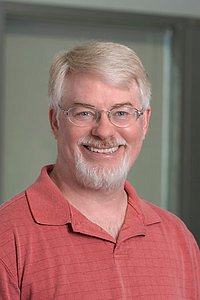
Marcin Jachimski serves as a lecturer at the Department of Power Electronics and Automation of Energy Conversion Systems within the Faculty of Electrical Engineering, Automatics, Computer Science and Biomedical Engineering at AGH University of Science and Technology in Kraków. His academic role involves teaching and research focused on energy-efficient technologies and advanced control systems, with particular emphasis on practical applications in building automation and industrial processes. Dr. Jachimski holds both a PhD and an engineering degree (Eng.), establishing his foundation in electrical engineering principles. His educational credentials, while not detailed in available sources, underpin his expertise in power electronics and automation systems that drive his current academic work. His research spans multiple critical domains including Power Electronics for efficient energy conversion, Building Automation systems optimizing energy usage in structures, and Energy Conversion Systems for sustainable power management. He also investigates Electrical Energy Consumption monitoring techniques and develops advanced Control Systems for industrial applications, with growing interest in event-based data acquisition methods and energy-saving lighting technologies. Analysis of Dr. Jachimski's publication trends (2006-2020) reveals consistent focus on energy efficiency within building automation systems, particularly event-based electricity metering and LED/CFL lamp consumption analysis. His work demonstrates strong practical orientation through applications in lime processing control systems, industrial machine monitoring, and hardware implementations for safety functions, with increasing integration of LonWorks and TCP/IP technologies in building management solutions. No scientific awards or fellowships are documented in available sources, indicating his primary contributions occur through academic publications and teaching activities rather than formal recognitions. As a lecturer, Dr. Jachimski likely mentors undergraduate and graduate students, though specific advisees are not listed in available information. Details regarding research grants secured through competitive funding mechanisms are also absent from current documentation. His departmental affiliation suggests active participation in research teams developing energy conversion solutions and automation systems, though specific laboratory names or team structures are not explicitly mentioned in available materials. The department's focus implies collaborative work on industrial automation projects and energy monitoring systems.