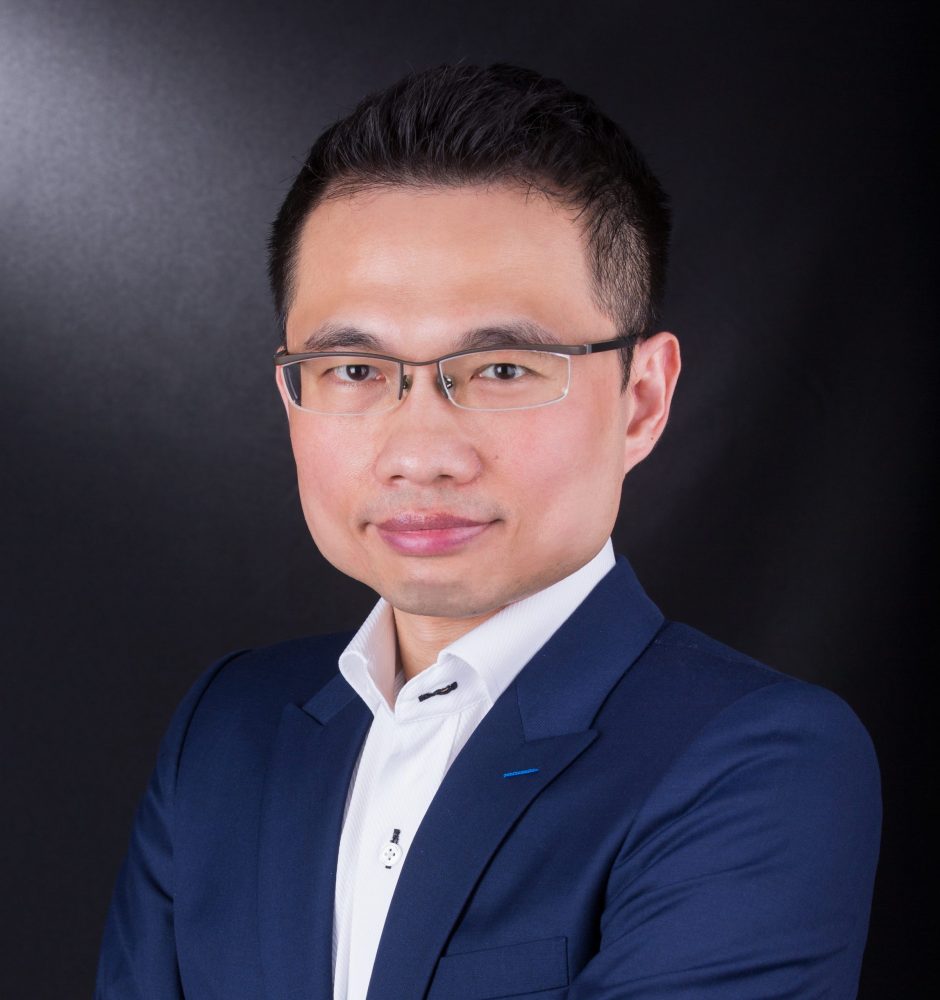
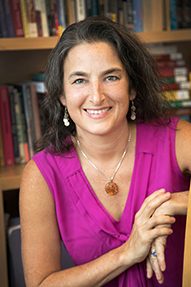
Prof. Dr. Michael Bosnjak leads the Department for Psychological Research Methods at the University of Trier, Germany, focusing on research synthesis methods, theory-driven machine learning, survey methodology, and experimental designs applied to personality psychology (HEXACO model), consumer behavior, and public health. His team includes Dr. Henning Silber (GESIS), Dr. Bernd Weiß (GESIS), and international collaborators at Utrecht University. Affiliation: University of Trier (Department of Psychology) Editorial Roles: Zeitschrift für Psychologie (Editorial Board), Social Science Computer Review (Associate Editor), Frontiers in Psychology (Review Editorial Board) Grants: DFG SFB 884 (co-applicant), DFG Project PaCO (2019-2024, principle investigator), BMBF-funded GESIS Panel Campus His recent publications analyze panel conditioning effects in longitudinal studies, e-commerce privacy dynamics, personality-trait interactions, and psychosis proneness measurement. Scientific awards include the 2016 BMBF infrastructure grant, 2011 Isaac Manasseh Meyer Fellowship, and 2003 Karin Islinger Award. Current projects address data quality in probability-based and opt-in panels, with experimental designs across eight groups testing measurement error mechanisms. He serves as a co-editor for multiple special issues on survey methodology and tourism psychology.
Anthony J. Gambino is a Postdoctoral Research Associate in the Department of Educational Psychology at the University of Connecticut. His research focuses on gifted education, teacher evaluation, and multilevel modeling techniques. Ph.D. in Research Methods, Measurement, and Evaluation (University of Connecticut) M.A. in Measurement, Evaluation, and Assessment (University of Connecticut) B.S. in Psychology (Wagner College) His work addresses critical issues in educational equity, including disparities in gifted program identification by race, poverty, and language status. He develops and evaluates statistical tools for multilevel modeling and contributes to understanding the role of teacher rating scales in educational assessments. Gambino’s publications emphasize methodological rigor in educational research, particularly in behavioral interventions like PBIS and analytical frameworks for teacher effects. He maintains active engagement in advancing evaluation curricula for graduate programs.
Rachel M Heath is a Professor of Economics at the University of Washington with tenure since 2024. She specializes in development economics with particular focus on labor markets in developing countries and gender economics . Her groundbreaking research examines how female labor force participation in Bangladesh and other developing nations affects marriage decisions , educational attainment , and domestic violence rates . Alberta C. Corkery Professor of Economics PhD from Yale University Co-editor with multiple institutions Her research has significant policy implications for international development , particularly through her work on garment industry impacts in Bangladesh following the Rana Plaza collapse. Current working papers explore harassment monitoring in organizations and digital financial services for women's empowerment in Tanzania. Recipient of Milliman Distinguished Scholar award World Bank Economic Review refereeing excellence Multiple grants from International Growth Centre Professor Heath has advised numerous graduate students including Zhe Liu and Andres Sanchez , and serves on multiple academic advisory boards including the Women’s Economic Empowerment and Digital Connectivity initiatives. She regularly presents at major conferences like the American Economic Association Annual Meeting and World Bank events.
Botond Kőszegi is a Professor of Economics at the Faculty of Economics and Business, University of Bonn. His primary contact information includes the university email bkoeszeg@uni-bonn.de and phone number +49 228 73-60399. His research profile is prominently featured on the University of Bonn's economics department website. Kőszegi's research spans multiple areas within behavioral economics, with particular focus on how psychological factors influence market outcomes. His work examines consumer behavior in competitive markets, particularly when consumers exhibit systematic biases or misunderstandings. He has made significant contributions to understanding reference-dependent preferences, self-control problems, and how market structures interact with consumer naivete. His theoretical frameworks have important implications for consumer protection policies, especially in financial markets where consumers face complex decisions with limited attention. His publication record demonstrates consistent high-impact contributions to top economics journals including the Quarterly Journal of Economics, American Economic Review, Review of Economic Studies, and Econometrica. His recent work (2021-2025) shows increasing focus on digital markets, ecosystem competition, and the welfare implications of online steering practices. The progression of his research indicates a deepening exploration of how behavioral factors shape market outcomes across various contexts, from traditional consumer markets to emerging digital platforms. Kőszegi frequently collaborates with Paul Heidhues, with whom he has co-authored numerous influential papers. His collaborative network also includes researchers such as Matthew Rabin, Takeshi Murooka, and Philipp Strack. His work has been featured in major media outlets including the Financial Times and Zeit Online, indicating real-world policy relevance. His research program has evolved from foundational work on reference-dependent preferences to increasingly complex applications in digital markets and consumer protection. This trajectory reflects both theoretical depth and practical relevance, addressing pressing questions about how to design markets and regulations that account for realistic consumer behavior.
Allison McFall is an Assistant Research Professor in the Department of Epidemiology at Johns Hopkins University Bloomberg School of Public Health. Her work focuses on HIV epidemiology among key populations in India, particularly people who inject drugs (PWID) and men who have sex with men (MSM). Primary Division: Infectious Disease Epidemiology Active Since: 2013 Her research emphasizes optimization of HIV prevention, care, and treatment systems. Key methodologies include: Respondent-driven sampling Monitoring and evaluation of service delivery Electronic database design for epidemiological research Recent publications analyze: Antiretroviral therapy outcomes in PWID and MSM HCV treatment adherence support HIV self-testing technologies Geospatial targeting for health services McFall's work spans 59 research outputs with active collaborations across India on viral hepatitis-HIV coinfections and integrated care models.
Prof. Dr. Dirk Holtbrügge is a Professor and Holder of the Chair of Business Administration, especially International Management at Friedrich-Alexander University Erlangen-Nuremberg (FAU). He serves as Dean for International Affairs of the Faculty of Economics and Social Sciences and is jointly responsible for the department's MBA program design. His academic journey began at the University of Dortmund where he studied economics and social sciences from 1983 to 1989, earning his doctorate in 1995 and habilitation in 2000. Prof. Holtbrügge's research focuses on management in multinational corporations, intercultural management research, management in emerging markets (particularly China, India, and Russia), international human resource management, and corporate social and environmental responsibility. His work demonstrates a strong emphasis on practical applications through numerous case studies of German multinational corporations operating globally. His recent publications (2024-2025) reveal a growing focus on sustainability in international business, corporate social responsibility in challenging contexts, and the complexities of internationalization strategies across diverse industries. The research shows particular attention to German companies expanding into emerging markets and navigating cultural differences. Listed in Handelsblatt rankings of 2010, 2012, and 2014 as one of the leading business economists in Germany, Austria, and Switzerland Listed in Wirtschaftswoche rankings of 2019 and 2022 as one of the leading business economists Listed as one of the top 2% most cited scientists in 2020 in Stanford University's Top 2 Percent Scientists list Prof. Holtbrügge maintains strong connections with industry through numerous case studies and collaborative research projects. His position as Dean for International Affairs reflects his commitment to fostering global academic partnerships and developing international business education programs. He has undertaken numerous teaching and research visits worldwide, including in China, France, Great Britain, India, Japan, Russia, South Africa, and the USA, enriching his practical understanding of international business challenges.
Satoshi Miyazaki is a Professor at Waseda University's Graduate School of Japanese Applied Linguistics and affiliated with the Faculty of International Research and Education . With a Ph.D. from Monash University, his work bridges Japanese language education, second language acquisition, and cross-cultural communication. Education Background: Doctor of Philosophy (Japanese Applied Linguistics) - Monash University (1997) Graduate School of Japanese Applied Linguistics - Waseda University (1982) Research Interests focus on Japanese language pedagogy, natural acquisition mechanisms, and interactional strategies for non-native learners. His innovative use of Eye Mark Recorders (EMR) and Event-Related Potentials (ERP) has advanced understanding of cognitive processes in language learning. Recent Articles (2011-2001) reveal trends in Japanese language education reform, cross-cultural learning challenges, and technology-enhanced teaching methods. Key themes include correctional language programs for foreign inmates, immersion environments, and brain processing studies using advanced neuro-linguistic techniques. Research Projects have received continuous funding from Japan Society for the Promotion of Science, including prison language education programs, foreign care worker competence frameworks, and EMR-based lecture comprehension analysis. His work extends to international collaborations with institutions in Australia, the U.S., and Europe.
Professor Tse-Chun Lin serves as Professor and Head of the Finance Area at HKU Business School, The University of Hong Kong. He joined HKU in 2009 as Assistant Professor, achieving tenure and promotion to Associate Professor in 2015 and full Professor in 2018. His research appears in premier journals including American Economic Review, Journal of Financial Economics, and Review of Financial Studies, with coverage in The Economist, WSJ, and Bloomberg. His academic credentials include: Ph.D. in Economics, University of Amsterdam M.Phil. in Economics, Tinbergen Institute M.B.A., National Chengchi University B.A. in Economics, National Taiwan University Professor Lin's research centers on Behavioral Finance, Empirical Asset Pricing, and Financial Markets. He investigates how cognitive limitations, psychological biases, and information asymmetry influence investor decisions and market dynamics. His work frequently employs large-scale datasets and natural experiments to document phenomena like social media's impact on local information advantages, psychological barriers in cross-firm return predictability, and behavioral drivers of trading anomalies. His methodologies often bridge experimental design with real-world market data to isolate causal relationships. Analysis of his recent publications reveals consistent focus on behavioral mechanisms in financial markets, with increasing emphasis on societal implications (e.g., stock market losses linked to domestic violence) and novel data sources (e.g., social media). His work demonstrates methodological rigor through repeated natural experiments and large-sample analyses, contributing significantly to understanding market inefficiencies and investor psychology. Professor Lin has advised doctoral students including Vesa Pursiainen (co-author on crowdfunding research). As Finance Area Head, he leads academic strategy and curriculum development. His research program reflects sustained funding through HKU appointments and collaborative projects with international scholars.
Andrea Wollensak is Professor of Art at Connecticut College, where she has taught since 1993. She is an interdisciplinary artist and designer whose work explores the convergence of place, identity, and history through site-based artworks that combine new media technology with traditional design and fabrication. Her educational background includes a B.F.A. from the University of Michigan and an M.F.A. from Yale University. She has held visiting faculty positions at numerous institutions including the University of Gothenburg, Nova Scotia College of Art and Design, Concordia University, Rhode Island School of Design, and the Estonian Academy of Arts. Wollensak's research focuses on social design and place-based storytelling, employing collaboration with community partners, computer scientists, musicians, poets, and scientists. Her work addresses themes of place-based narratives, environment, and memory through forms including audio/video, interactive installations, data visualization, artist books, and digitally fabricated works. She examines how design can be used as a tool for social impact and civic participation. Her most recent projects include Mapping Your Journey to School (2023), which engages Estonian and Ukrainian refugee students in creative writing workshops; Water Stories: Visual Poetics and Collective Voices (2022), a year-long artist residency at the Anchorage Museum; and Open Waters (2019-2020), an interactive installation examining Arctic environmental change. U.S. Fulbright Scholar in Estonia (2023) Artistic Excellence Award in Digital Art from Connecticut Office of the Arts Artist residency at Hafnarborg Contemporary Art Museum in Iceland (2011) Connecticut Commission on Culture and Tourism Grants in New Media (2010, 2006) IASPIS International Artist Studio Program in Sweden (2007) Rockefeller Study and Conference Center residency (2000) Wollensak has advised numerous students in design and new media projects, often collaborating with community partners. She served as Director of the Ammerman Center for Arts and Technology at Connecticut College from 2014-2020 and currently serves on the Advisory Council of the Winterhouse Institute and the Advisory Board for Digital Media Connecticut. Her teaching emphasizes design as an interdisciplinary practice that prepares students to be creative problem solvers who can use design to create positive social impact. Her work has been exhibited internationally at venues including the Göteborg International Contemporary Art Biennial, Nova Scotia Art Gallery, Brno Design Biennial Moravian Gallery, Center for Visual Art in Denver, Brown University's Granoff Center Gallery, and the Burchfield Penney Arts Center in Buffalo.
Senad Bećirović serves as a full Professor at the University of Education Lower Austria (Pädagogische Hochschule Niederösterreich), having progressed from assistant professor (2014) to associate professor (2017) before attaining his current rank in 2023. His academic career spans teaching research methodology, pedagogy, and advanced statistics across undergraduate, graduate, and doctoral programs at international institutions, delivered through both online and in-person formats. Bećirović's research focuses primarily on Artificial Intelligence and digital technologies in education , with significant contributions to intercultural education , gifted education , and foreign language pedagogy . His work demonstrates a consistent trajectory toward understanding how emerging technologies reshape educational practices and outcomes. Through four books published by Springer and Nova Science and over 60 articles in top-tier journals, he has established himself as a leading voice in digital educational transformation. His recent publications (2023-2025) reveal a pronounced emphasis on AI applications in education, with multiple studies examining AI literacy, policy frameworks, and implementation strategies across European higher education contexts. This research demonstrates both theoretical depth and practical relevance to current educational challenges. Bećirović actively contributes to the scholarly community as editor and reviewer for numerous Q1 journals including Smart Learning Environments (Springer), Education and Information Technologies (Springer), and TESOL Quarterly (Wiley). He participates in multiple European Commission-funded initiatives such as ENRICH (Enhancing Teaching and Research through Innovative Digital Technologies) and Erasmus+ projects focused on peace learning and English education. His professional activities extend to international collaboration through membership in the European Network Ethical Use of AI and the American Educational Research Association (AERA). He frequently delivers keynote addresses at international conferences, sharing expertise on AI in education, digital transformation, and intercultural competencies.
Dr. Julianne Cheek is Professor Emerita with expertise in qualitative inquiry and its intersections with neoliberal academia. She teaches Research Design and Qualitative Methods in the Masters of Organisation and Leadership program. Her work critically examines research marketplaces, metrics-driven academia, and the role of qualitative methods in understanding social inequalities. She serves on advisory boards for the Sage Handbook of Qualitative Research and Qualitative Health Research. Publications challenge neoliberal impacts on scholarship and advocate for 'thick data' in the digital age. Projects include 'Digitalisation in Higher Education (DiHiEd)' and explorations of research commodification.
Hilda Tellioglu is an Associate Professor and Dean of Academic Affairs for Informatics at TU Wien, leading the Artifact-based Computing and User Research department. She holds a dual role as Head of Research Unit and oversees the Office of the Dean. Her work focuses on Human-Computer Interaction (HCI), Design Thinking, and Digital Transformation, with a strong emphasis on socio-technical systems and participatory design methodologies. Research interests span software engineering, CSCW, ambient assisted living (AAL), and digital co-creation practices in urban planning. She has spearheaded projects like aspern.mobil LAB, EnviSense, and StreetForum, exploring smart mobility, environmental sensing, and citizen participation in urban development. Her work frequently integrates tangible interfaces and model-based design approaches. Key contributions include frameworks for digital transformation evaluation (EEFCET 2020), user-centered design for informal caregivers (TOPIC platform), and crisis management systems using crowdsourcing (RE-ACTA). She has led over 20+ research projects funded by FFG, EU, and national agencies, focusing on mobility innovation, healthcare technology, and sustainable urban systems. Teaching responsibilities include courses on Design Thinking, Digital Transformation, and Research Methods across bachelor's, master's, and PhD programs. She actively promotes interdisciplinary collaboration through initiatives like the Center for Technology & Society (CTS) and Living Lab methodologies.
Associate Professor Stephen Carter is an Associate Professor in Pharmacy Practice at the University of Sydney's Sydney Pharmacy School within the Faculty of Medicine and Health. He serves as the Program Director for Undergraduate Pharmacy programs and is a registered pharmacist with clinical specialisation in medication management review. Stephen holds qualifications including BPharm, MSc, PhD, and Grad Cert Edu (Higher Ed). He is a Fellow of the Pharmaceutical Society of Australia (FPS), Fellow of the Higher Education Academy (FHEA), and holds other professional accreditations. His research focuses on optimizing the role of pharmacists in healthcare, particularly examining how consumers and caregivers obtain and use medicines, designing effective pharmacist services, and supporting pharmacists throughout their professional journey. His work spans areas including osteoporosis care, medication adherence, service quality in community pharmacies, and the application of advanced statistical methods like Structural Equation Modelling. Stephen's publications demonstrate a strong focus on practical pharmacy interventions, with significant work on osteoporosis management services, perinatal depression screening in pharmacies, and digital health approaches to improve medication adherence. His research employs diverse methodologies including randomized controlled trials, qualitative studies, and advanced psychometric analyses. Early Career Investigator Award Australasian Pharmaceutical Science Association (APSA) for 2017 Lesmuller Award for Best Oral Communication - Pharmaceutical Care Network Europe Working Conference, Berlin, 2013 Recipient of the 2013 Annual Best Paper Award by Elsevier publication, Research in Social and Administrative Pharmacy Best Poster Presentation Award: International Social Pharmacy Workshop, Boston, USA, 2014 Top reviewer, Research in Social and Administrative Pharmacy (2015, 2016, 2017, 2019) Stephen actively supervises several graduate students including PhD candidates Fatima Rezea, Steven Tran, Veronika Seda, Kingston Leung, and Joel Hillman, as well as MPhil student Linda Krogh. He has secured significant research funding, including co-leading a $2.36 million Randomized Controlled Trial and managing four current competitive grant-funded projects totaling over $6.3 million. His work has particular emphasis on translating research into practical pharmacy services that improve patient outcomes. Stephen is actively involved in major research initiatives including the #STOP trial (Safer medicines To reduce falls and refractures for OsteoPorosis) and the TICTOC trial (Timely post-discharge medication reviews to Improve Continuity – the Transitions Of Care stewardship), both focusing on innovative pharmacist-led interventions to improve medication safety and effectiveness.
Beth C. Rubin serves as Professor of Education and Professor of Social Studies Education in the Department of Arts and Humanities at Teachers College, Columbia University. Her work centers on youth civic identity formation within contexts marked by historical and contemporary inequalities, with particular focus on post-conflict societies like Guatemala. As Principal Investigator of the Civically Engaged Districts Project, she bridges research and practice through curriculum design and pedagogical innovation. Her educational background includes a Ph.D. in Social and Cultural Studies in Education from the University of California, Berkeley (2001), an M.A.T. in Social Studies Education from Brown University (1992), and a B.A. in Government and Third World Studies from Oberlin College (1989). Rubin's research explores critical intersections of civic learning, historical memory, and citizenship formation, emphasizing ethnographic approaches to understanding how young people navigate belonging in unequal societies. Her scholarship advocates for 'critically relevant civics' that centers youth voice and addresses structural inequities through social design research methodologies. Analysis of her 15 most recent publications reveals consistent focus on post-conflict civic education (particularly Guatemala), youth participatory action research, and decolonizing social studies curricula. Her work increasingly examines how historical memory shapes contemporary citizenship education while addressing urban civic opportunity gaps through teacher education reform. Selected Honors: Fulbright Scholar Award National Academy of Education/Spencer Postdoctoral Fellowship Big Ten Academic Alliance Department Executive Officers Program Fellow Mary Hepburn Lectureship in Social Studies Education Rubin leads multiple funded initiatives including the Civically Engaged Districts Project (Maher Charitable Foundation), Spencer Foundation grants on socially transformative design, and international collaborations with Universidad del Valle, Guatemala. Her service includes co-directing Rutgers GSE's Urban Teaching Fellows Program and advising on the Excellence and Equity in Remote Learning Series. Through the Civically Engaged Districts Project and partnerships with New Brunswick and Edison school districts, Rubin develops practical frameworks for integrating youth civic voice into district-level decision making, creating models for sustainable democratic engagement in education systems.
Edward Lank was a Professor at the Cheriton School of Computer Science, University of Waterloo, and held an Inria International Research Chair at Inria Lille-Nord Europe (2019–2023). His research focused on Human-Computer Interaction (HCI), including intelligent user interfaces, mobile/multi-touch interaction, gesture recognition, and mathematical software design. He earned a BSc from the University of Prince Edward Island and a PhD from Queen's University. Research Highlights: Pioneered work on gesture-based interaction, including MathBrush for mathematical expression recognition. Explored large-display interaction, powerwall design, and mass user engagement with public displays. Investigated kinematics of user input, endpoint prediction, and mode inference in interfaces. Collaborated on persuasive technology for energy demand management and health-related serious games. Awards & Recognition: National Science Foundation Career Award (2004) Best of CHI Nominee (2008) Inria International Research Chair (2019–2023) Grants & Funding: Supported by Google, NSERC, GRAND NCE, and the ORF Program. His research addressed challenges in wearable tech, VR/AR, and sustainable HCI practices. Legacy: Edward Lank passed away on March 21, 2022. His contributions to HCI, including foundational work on gesture recognition and user-centered design, continue to influence the field. His courses, such as CS 889 (HCI Seminar) and CS 449 (HCI Fundamentals), emphasized user-centered design and empirical methods.